
Tabelog 100 #70
Our verdict
Taban Kusano Ya places Korean cooking inside Miyazaki’s izakaya rhythm: shared plates, drinks, sunken tatami seating, and a meal paced for groups rather than solo tasting-menu choreography. Its Tabelog 100 Asian cuisine / Ethnic cuisine WEST selections in 2022, 2023, and 2024 give it a clear credential in a city where regional Japanese comfort food often gets more attention.

Pearl is the En Primeur Club membership app, where members save venues, book tables and use the concierge.
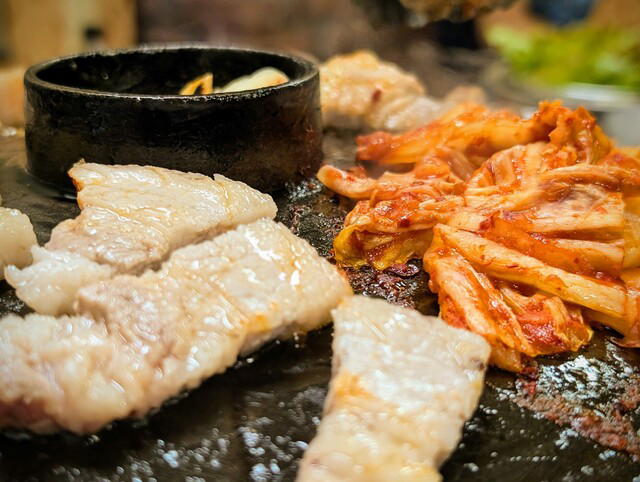
The menu
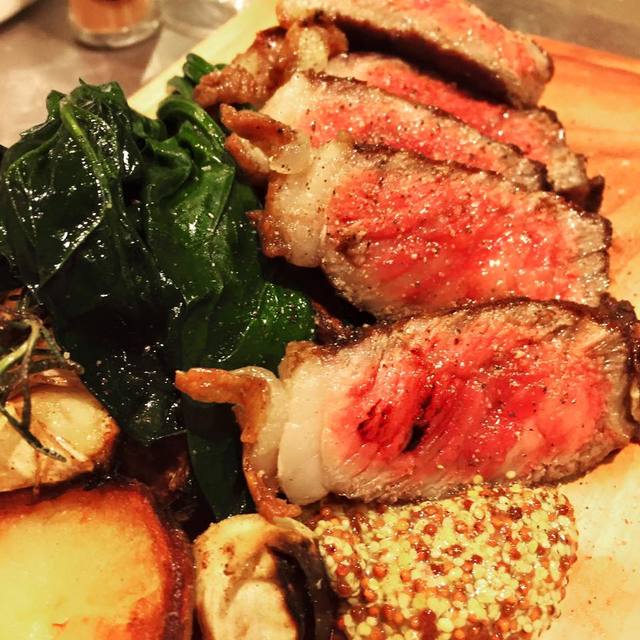
What to order
- Bulgogi
- Samgyeopsal
- Tejikaru Bi (pork yakiniku)
- Koptang Jeongol (offal & beef tendon hot pot)
Miyazaki sets the tone before the meal begins: compact, social, and built for evening movement rather than destination dining theater. In that context, Korean food in Miyazaki reads differently from Korean food in Tokyo or Osaka. The ritual is less about trend-driven specialization and more about the izakaya habit of ordering for the table, extending the night over drinks, and letting the room carry part of the meal.
That is the useful way to read Taban Kusano Ya. The restaurant is listed as Korean and izakaya, a pairing that tells diners more than a generic cuisine tag would. The meal belongs to Japan’s shared-table drinking culture as much as to Korean cooking: dishes circulate, glasses are refilled, and the party decides the pace. In Miyazaki, that format gives the restaurant a clear social register without needing a more elaborate concept story.
Korean cooking in Miyazaki's group-dining register
Miyazaki dining has several identities at once. Visitors often meet the city through local specialties, fruit, and relaxed coastal-city hospitality. Restaurants here operate in a smaller competitive field than in the large metropolitan centers, so recognition carries a different kind of signal. Selection in the 2024 Tabelog Hyakumeiten context gives Taban Kusano Ya a clearer reference point than a simple local listing, while its 3.53 score indicates a restaurant with established recognition rather than a purely anonymous neighbourhood stop.
The price tier also matters. Dinner sits in the JPY 4,000 to JPY 4,999 range, above quick casual stops but below many more formal dinner brackets. That positions the restaurant for groups who want a full evening rather than a quick local specialty hit. Compared with Aji no Ogura Honten, this is a different kind of Miyazaki choice. Compared with Chinese Sen (Chinese), it occupies another lane for Asian dining in the city.
The format reinforces that reading. Rather than presenting the restaurant as a personality-led destination, Taban Kusano Ya reads as a Japanese group-meal structure built around conviviality. Formality is not the central editorial signal. The point is a social table: plates shared, drinks folded into the rhythm, and a meal that can stretch past the first round without becoming ceremonial. That is where the Korean-and-izakaya pairing becomes more useful than either label on its own.
The meal is paced around drinking, not performance
In premium dining coverage, Korean restaurants are often reduced to barbecue smoke or fermented heat. That misses what a place like this represents in a regional Japanese city. The interest is in the customs around the meal: how groups order, how drinks frame the table, and how Korean flavors are folded into an izakaya evening. The category listing gives the restaurant a clear culinary frame without forcing it into a narrow single-dish identity.
The absence of a named chef in the provided listing is not a weakness editorially. Miyazaki has plenty of dining experiences where personality branding matters less than format reliability, local use, and repeatable hospitality. Here the credential is not a biographical story but recognition in a Tabelog Hyakumeiten source, a 3.53 score, and a price range that suits longer gatherings. The restaurant’s appeal rests on the way the table is used, not on a scripted tasting-menu narrative.
Travelers building a broader Miyazaki itinerary should treat this as an evening anchor rather than a single-dish stop. For local Japanese comfort food, pair the research with Aji no Ogura Honten. For a different-style Chinese dinner, Chinese Sen sits in another lane. For lighter or more casual city mapping, other unnamed Miyazaki dining rooms help show how broad the city’s dining spread has become.
How it fits into a Miyazaki night
The restaurant’s location is best understood simply as Miyazaki, which makes it practical for travelers planning an evening around the city rather than a single isolated stop. The smarter plan is to treat it as a dinner built around shared ordering and drinks, especially when the table is being organized for a group.
The listed dinner budget is JPY 4,000 to JPY 4,999, with lunch not specified. That makes advance planning sensible for anyone coordinating a group meal, even without over-reading the listing into promises about room layout, payment systems, or service details not supplied here. Diners who need current operating information should confirm directly with the restaurant before going.
The editorial verdict is narrow but useful: choose Taban Kusano Ya when the night calls for Korean cooking absorbed into Miyazaki’s izakaya customs, not when the priority is a tightly scripted fine-dining narrative. Its strength is the social architecture of the meal: shared ordering, drinks, a mid-range dinner budget, and enough recognition to justify planning around it.
For broader planning, see Our full Miyazaki restaurants guide, Our full Miyazaki hotels guide, Our full Miyazaki bars guide, Our full Miyazaki wineries guide, and Our full Miyazaki experiences guide. Readers comparing Asian and casual Japanese formats beyond Miyazaki can also look more generally at other dining rooms in Japan and abroad, while keeping Taban Kusano Ya in mind as a Miyazaki-specific example of Korean food interpreted through an izakaya register.
Frequently asked questions
What's the pricing like at Taban Kusano Ya?
Pricing at Taban Kusano Ya is listed as JPY 4,000 - JPY 4,999.
Where do I go for Taban Kusano Ya?
Miyazaki.
What's the best way to book Taban Kusano Ya?
For the latest booking and operating details, contact the restaurant directly at +81-985-26-0780 and mention any timing or group-size needs in advance.
What's Taban Kusano Ya best at?
The clearest signal is the format: Korean and izakaya categories, suited to shared ordering and longer dinners. Its 2024 Tabelog Hyakumeiten recognition and 3.53 score give it editorial weight beyond a standard neighbourhood tavern.
Is Taban Kusano Ya allergy-friendly?
Advance notice matters.
Style and Standing
Nearby venues at a similar price tier for orientation.
| Venue | Cuisine | Price | Awards | Notes |
|---|---|---|---|---|
| Taban Kusano YaThis venue (the venue you are viewing) | Traditional Korean Izakaya | $30–50 | Tabelog 100 #70 | Not listed |
| Fujiyama Pudding Miyazaki | Japanese Curry & Cafe | $10–20 | Not listed | Aoshima |
| Oak | Cocktail Bar with Pasta & Curry | $10–20 | Tabelog 100 #1 | / Miyazaki City |
| Il Sorriso | Regional Japanese-Italian Fusion with Handmade Pasta | $100–150 | Tabelog 100 #94 | Tachibanadori Higashi |
| Aji no Ogura Honten | Japanese-style Western Cuisine (Yoshoku) | $10–20 | Tabelog 100 #96 | Miyazaki Station area |
| Torimasa | Yakitori & Miyazaki Chicken Izakaya | $30–50 | Tabelog 100 #59 | Not listed |
Recognition history
Dated appearances from independent guides and award organizations, with the underlying list record or original source where available.
Tabelog 100 #70 · No. 70
Tabelog · Tabelog 100 - Asian cuisine / Ethnic cuisine - WEST - 2024
Continue exploring
More in Miyazaki
Details
- Lively
- Cozy
- Classic
- Energetic
- Group Dining
- Casual Hangout
- After Work
- Celebration
- Late Night
- Private Dining
- Standalone
- Beer Program
- Set Menu
- A La Carte
- Family Style
- Beer
- Soju
- Makgeolli
- Highballs
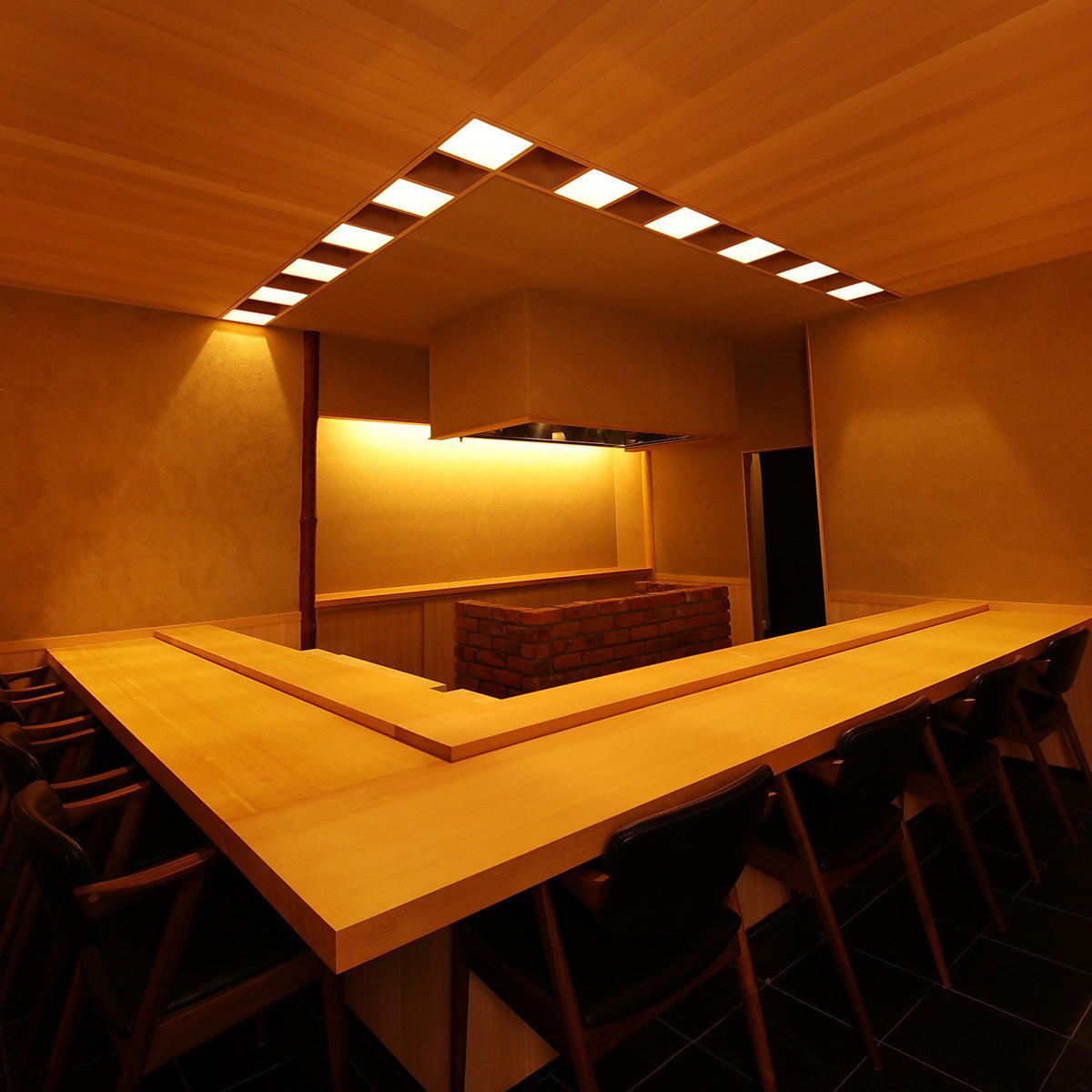
Traditional Korean-style izakaya with an open tatami seating area, a bustling and energetic atmosphere, and a warm, casual feel suited to group gatherings rather than quiet dining.