Pinasse Café
Our verdict
At the Jetée de Bélisaire, where the Cap Ferret peninsula meets the Arcachon Basin, Pinasse Café occupies one of the most loaded positions in the French Atlantic southwest. The kitchen draws on the basin's oyster beds and the surrounding Landes coast, placing sourcing at the center of a menu that tracks the tides as much as the season.

Pearl is the En Primeur Club membership app, where members save venues, book tables and use the concierge.
The menu
What to order
- Mussel papillote with pine needles
- Fried squid
- Red tuna tartare
- Sole meunière
- Entrecôte frites
Where the Basin Begins: Jetée de Bélisaire and the Logic of Coastal Sourcing
The approach to Cap Ferret's northern tip sets up the meal before anyone has sat down. The Jetée de Bélisaire is where the peninsula ends and the Arcachon Basin opens fully, a stretch of tidal water that produces some of the most closely tracked oysters in France. Pinasse Café sits at that edge, on a jetty named after the flat-bottomed wooden boats that have worked the basin for centuries. The position is not incidental to what the kitchen does. It is the premise.
Arcachon Basin oysters occupy a specific niche in French shellfish production. The basin's combination of Atlantic tidal flow, fresh water from the Leyre river, and shallow warming conditions over sandbanks creates growing conditions that distinguish the local Crassostrea gigas from production elsewhere on the Atlantic coast. Producers here have carried the géolocalisation logic of terroir into shellfish farming in a way that parallels what wine regions did with appellation. Eating at the jetty, with the beds a short boat ride away, collapses the distance between source and plate in a manner few dining rooms can claim without theatrics.
The Sourcing Argument: Atlantic Coast Ingredients and What They Imply
Cap Ferret's coastal cooking tradition is grounded in restraint born of abundance. When the primary ingredients arrive from water this close, the kitchen's role shifts: the question is not how to make something taste of the sea, but how much to do before it stops tasting of that particular sea. The Arcachon Basin model, where oysters are consumed meters from cultivation, sits at one end of a French coastal spectrum. At the other end are the Atlantic fine-dining rooms that use the same ingredient base but run it through elaborate technique. Christopher Coutanceau in La Rochelle represents that second register, two Michelin stars built on Charente-Maritime seafood processed through a rigorous modern kitchen. Pinasse Café operates in a different register entirely, one where the setting and the sourcing proximity do much of the editorial work.
The Landes coast that backs the Cap Ferret peninsula adds a second sourcing layer. Pine forest, asparagus in early spring, lamb raised on salt marsh edges, and duck from the interior all feed into the regional larder that kitchens here draw on. This is the same southwest French ingredient tradition that anchors more formally structured restaurants further afield. Bras in Laguiole built its three-star identity around a similarly specific relationship between kitchen and regional terrain, though through a far more technically elaborated lens. The comparison clarifies what the Jetée de Bélisaire model is and is not: it is casual in format, specific in sourcing, and deeply embedded in a regional food culture that runs from the Bassin d'Arcachon through Bordeaux and into Gascony.
Lège-Cap-Ferret as a Dining Scene
The Cap Ferret peninsula operates at some distance from France's benchmark fine-dining circuit. The three-star restaurants that define French gastronomy internationally tend to cluster in Paris, in the Alpine foothills, or in regions with established gastronomic tourism infrastructure. Alléno Paris au Pavillon Ledoyen, Mirazur in Menton, and Flocons de Sel in Megève each represent a kind of anchor destination within their respective regions. Cap Ferret is something different: a seasonal Atlantic resort where the dining culture is rooted in informality and ingredient directness rather than technical ambition.
Within that context, L'Auberge du Bassin represents the more structured modern-cuisine register on the peninsula, making it the natural point of comparison for anyone mapping the local scene. Pinasse Café and L'Auberge du Bassin anchor different ends of the Cap Ferret dining range. The broader our full Lège-Cap-Ferret restaurants guide maps that range in detail, including the seasonal rhythm that shapes what is available and when.
Seasonality on Cap Ferret is pronounced in a way that visitors from year-round urban restaurant scenes sometimes underestimate. The peninsula's population and its restaurant trade are heavily weighted toward summer, with the July and August peak driving both demand and the availability of local producers at full capacity. Oyster farming runs year-round, but much of the secondary local produce, including early-season vegetables from the Landes and the regional fish catch at its most varied, peaks across spring and early autumn. Arriving outside the summer peak offers a different, often quieter encounter with the place.
The Jetty Setting and What It Asks of the Diner
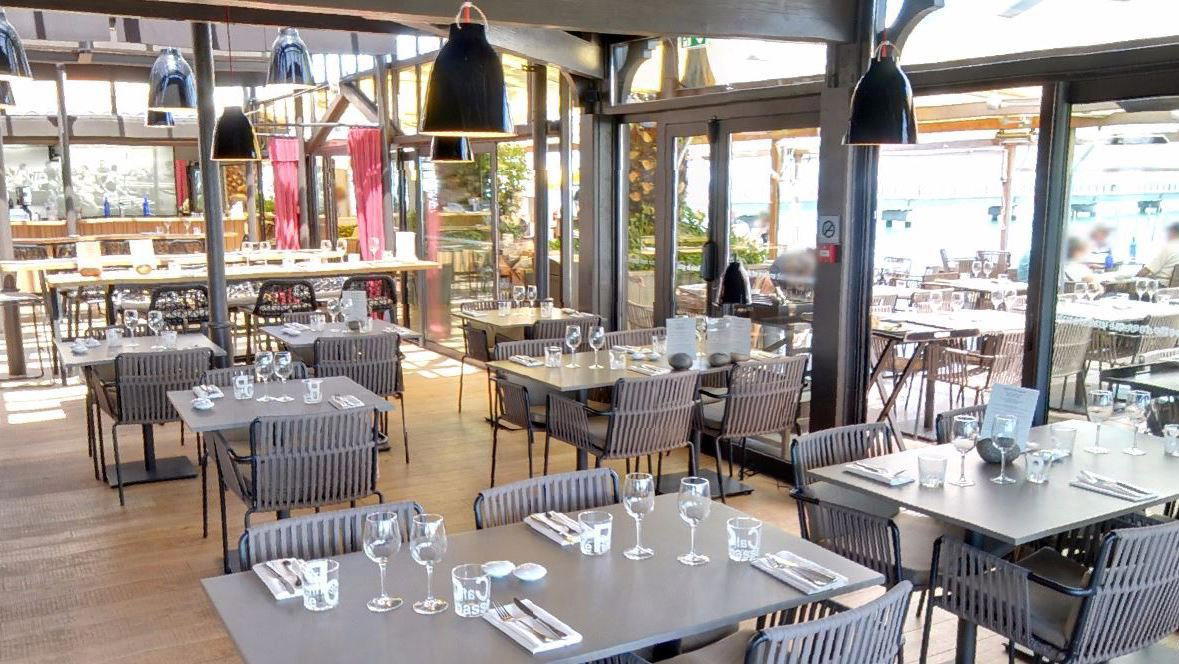
French coastal dining at this level of informality is not about ceremony. The Jetée de Bélisaire format puts the diner in direct contact with the basin view, the movement of water, and the ambient presence of a working waterfront. That physical context functions as a kind of implicit argument for the food: what arrives on the plate should cohere with where you are sitting. When it does, the meal holds together without needing explanation. When a kitchen loses that thread, the setting becomes a compensation rather than a framework.
The pinasse boats that give the restaurant its name are still built and used on the basin, maintained by local craftspeople who have kept a pre-industrial hull form alive through a combination of practical use and cultural attachment. The connection between name, setting, and sourcing runs through the identity of the place in a way that has its own coherence, even without a formal press narrative attached to it. For the reader who wants to understand how the French Atlantic coast thinks about its food, the jetty at Bélisaire is a more instructive starting point than most formal restaurants could provide.
Planning a Visit
Cap Ferret is most practically reached from Bordeaux, roughly one hour by road, or via the ferry service from Arcachon that crosses the basin and docks at the Jetée de Bélisaire itself, placing the restaurant within steps of arrival. During the summer season, this ferry route makes Pinasse Café one of the few Atlantic coast restaurants accessible without a car. Given the jetty location and the seasonal volume the peninsula handles in July and August, planning ahead is advisable; walk-in availability at peak times is not something to rely on. Contact through the website is the standard approach when booking information is required, and visiting outside the summer peak significantly reduces that planning pressure.
Is Pinasse Café suitable for children?
Cap Ferret as a destination skews toward family travel in summer, and the jetty setting at Bélisaire is open and informal enough that children fit comfortably within the atmosphere. The outdoor-facing format, without the formal codes that govern more structured French restaurant dining, makes it a reasonable choice for families. If the priority is keeping younger guests engaged, the basin view and the boat traffic on the water provide their own entertainment. That said, at peak season in a popular waterfront location in France, service is typically focused on table management rather than child-specific accommodations, so expectations should be calibrated accordingly.
How would you describe the atmosphere at Pinasse Café?
The vibe is casual Atlantic waterfront rather than resort formal. Lège-Cap-Ferret functions as a retreat for Bordelais families and Paris weekenders who specifically come to avoid the kind of ceremony that a restaurant in Paris's €€€€ bracket like Alléno Paris au Pavillon Ledoyen requires. The jetty setting reinforces that informality. Expect noise, basin light, and a pace that loosens over the course of a meal. This is not where you go for a quiet, controlled dining room environment.
What is the signature dish at Pinasse Café?
Given the restaurant's position at the Jetée de Bélisaire, directly above the Arcachon Basin's oyster-producing waters, the local oysters function as the anchor of any honest answer to this question. Basin oysters from Cap Ferret producers have their own tasting profile, shaped by the tidal and freshwater conditions specific to this stretch of water. No kitchen along the jetty can reasonably ignore them, and no diner should arrive without ordering them. Beyond shellfish, the southwest French coastal larder, including Landes-sourced land produce and local fish, informs the broader menu direction, but the oysters are where the sourcing argument is made most directly.
Do I need a reservation at Pinasse Café?
In practical terms, booking ahead during July and August is not optional if you want a specific table or time. The peninsula's summer population surge, combined with the high-profile position of the Jetée de Bélisaire as a landmark arrival point, means that walk-in capacity at peak season is very limited. Outside the summer window, the situation changes considerably, and the quieter shoulder months of May, June, and September offer a more relaxed approach to planning. Booking contact information is best confirmed via the restaurant's current online presence before planning around it.
What makes Pinasse Café different from other waterfront restaurants on the Arcachon Basin?
The Jetée de Bélisaire location places Pinasse Café at the actual departure and arrival point for the cross-basin ferry from Arcachon, making it one of the few restaurants on the peninsula that is functionally accessible by water. That positioning, combined with a name drawn directly from the traditional wooden boat of the basin, gives it a more embedded relationship to working waterfront life than most resort-adjacent dining rooms manage. Where other Cap Ferret restaurants trade on proximity to the coast as atmosphere, the jetty location here is operationally literal. For context on how this fits within the wider peninsula dining scene, see our full Lège-Cap-Ferret restaurants guide.
Frequently asked questions
Is Pinasse Café okay with children?
The open-air jetty setting at Bélisaire suits families well. Cap Ferret draws Bordelais and Parisian families throughout summer, and the informal waterfront format at Lège-Cap-Ferret is far removed from the structured formality of a tasting-menu room. Children have room to move, and the relaxed pace of the setting accommodates them naturally.
How would you describe the vibe at Pinasse Café?
Casual Atlantic waterfront is the most accurate framing. The Jetée de Bélisaire location in Lège-Cap-Ferret places you at the working edge of the Arcachon Basin, where the ferry from Arcachon docks and fishing activity continues around the meal. It reads less like a resort terrace and more like an honest coastal stop that happens to have serious ingredients on the doorstep.
Where exactly is Pinasse Café located on the Cap Ferret peninsula, and how do you get there?
Pinasse Café is at Jetée de Bélisaire, the northern tip of the Cap Ferret peninsula at 33970 Lège-Cap-Ferret, where the cross-basin ferry from Arcachon arrives. By road from Bordeaux the drive takes roughly one hour; arriving by ferry from Arcachon deposits you within steps of the restaurant, which makes it the most practical lunch stop for visitors crossing the basin from the eastern shore.
What's the signature dish at Pinasse Café?
The Arcachon Basin's oysters are the reference point here. Pinasse Café sits directly above one of France's most productive oyster-farming zones at Lège-Cap-Ferret, which makes local oysters the logical anchor of any meal rather than a menu option grafted on for atmosphere. Few restaurants on the peninsula can claim sourcing this geographically immediate.
What's the address for Pinasse Café?
Pinasse Café is located at Jetée de Bélisaire, 33970 Lège-Cap-Ferret, France, Lège-Cap-Ferret.
Do I need a reservation for Pinasse Café?
During July and August, booking ahead is not optional for a specific table or time slot. The Cap Ferret peninsula's summer population rises sharply, and the Jetée de Bélisaire position means Pinasse Café draws both diners and day-trippers arriving by ferry from Arcachon. Outside peak season, demand eases considerably, but confirming in advance remains sensible.
Comparison Snapshot
| Venue | Cuisine | Price | Awards | Notes |
|---|---|---|---|---|
| Pinasse CaféThis venue (the venue you are viewing) | French Seafood Bistro | $50–100 | Not listed | Not listed |
| Alléno Paris au Pavillon Ledoyen | Modern French Fine Dining | $150–200 | 3 Michelin Stars · World's 50 Best #79 | Creative |
| Kei | Modern French with Japanese Influences | $300–500 | 3 Michelin Stars · World's 50 Best #93 | Contemporary French, Modern Cuisine |
| L'Ambroisie | Classic French Haute Cuisine | $300–500 | 2 Michelin Stars · World's 50 Best #23 | French, Classic Cuisine |
| Le Cinq - Four Seasons Hôtel George V | Modern French Fine Dining | $300–500 | 3 Michelin Stars · World's 50 Best #24 | French, Modern Cuisine |
| Mirazur | Modern French Fine Dining | $300–500 | 3 Michelin Stars · World's 50 Best #1 | Modern French, Creative |
Continue exploring
More in Lège-Cap-Ferret
Restaurants in Lège-Cap-Ferret
All restaurants in Lège-Cap-Ferret →

Details
- Scenic
- Romantic
- Elegant
- Well Known
- Date Night
- Group Dining
- Celebration
- Special Occasion
- Waterfront
- Terrace
- Panoramic View
- Historic Building
- Standalone
- Extensive Wine List
- Beer Program
- Local Sourcing
- Sustainable Seafood
- Waterfront
- A La Carte
- Wine
- Beer
- Vegetarian Friendly
- Pescatarian Friendly
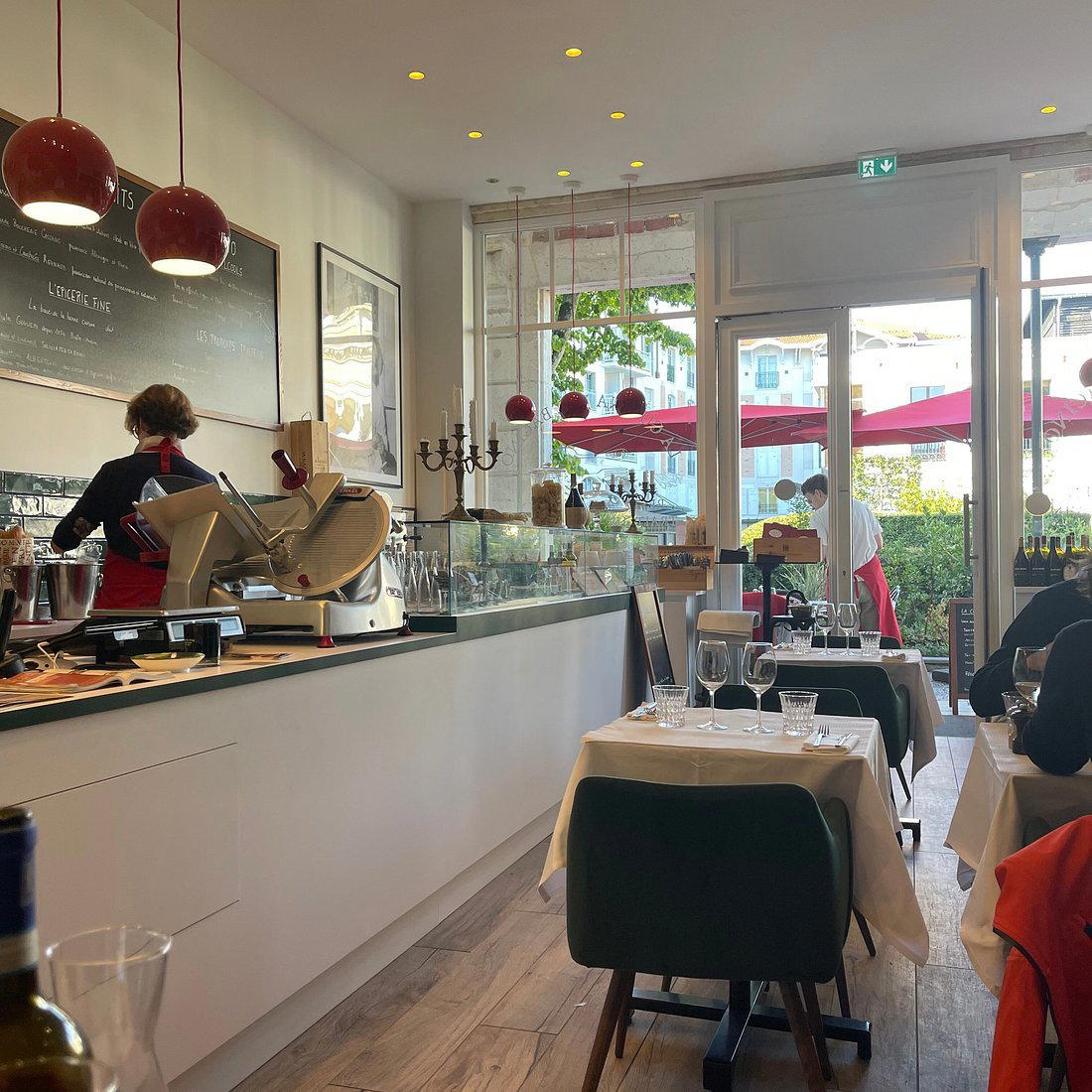
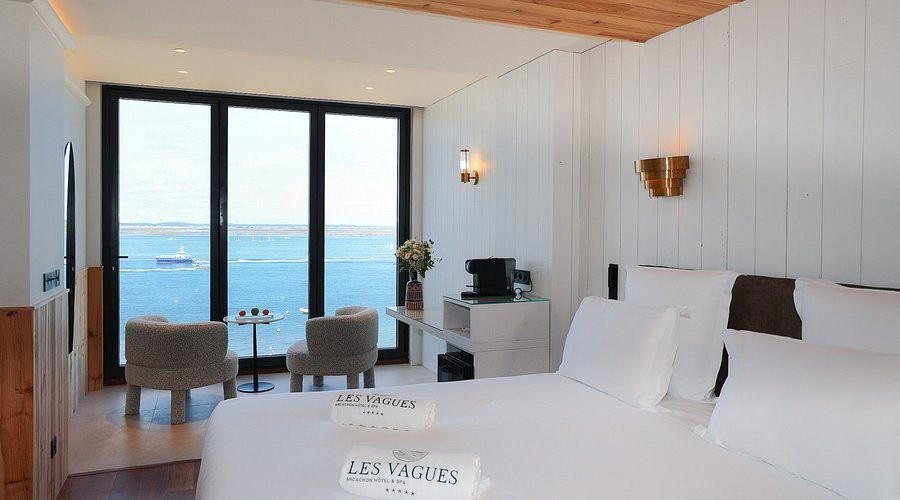
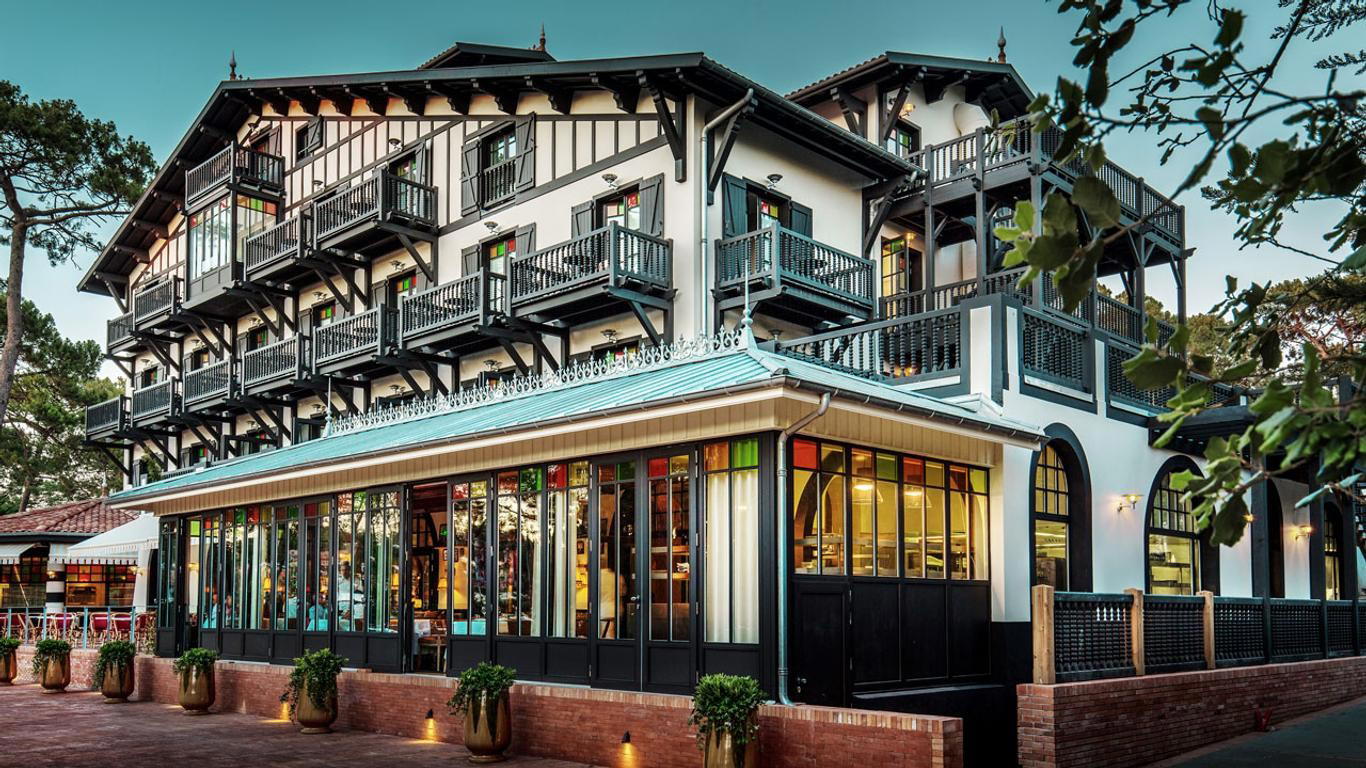
Bright, naturally lit villa with blond parquet flooring, antique frames, and clean lines; relaxed weekend charm with fireplace; peaceful in low season, festive during summer months.