Osteria La Sangiovesa


Michelin Plate · Gambero Rosso Tre Gamberi
Our verdict
A Michelin Plate-recognised osteria in the medieval borgo of Santarcangelo di Romagna, Osteria La Sangiovesa occupies the vaulted cellars of a historic palazzo and draws on the kitchen's own farm for cured meats, oils, and wine. The casual inn format, piadine flatbreads, salumi, small tables shared among friends, sits alongside a fuller restaurant experience rooted in Romagnan tradition.

Pearl is the En Primeur Club membership app, where members save venues, book tables and use the concierge.

The Cellars of Santarcangelo: Where Romagnan Hospitality Takes a Particular Shape
There is a category of Italian dining that sits deliberately outside the ambitions of a tasting-menu restaurant. It does not compete with La Pergola (Italian, Mediterranean Cuisine) or Enoteca La Torre (Creative) on formal technique or plate architecture. Instead, it places a plate of piadina and a glass of local Sangiovese on a small table in a stone-vaulted room and lets the quality of the ingredients carry the conversation. Osteria La Sangiovesa, occupying the cellars of an old palazzo on Piazza Beato Simone Balacchi in the medieval borgo of Santarcangelo di Romagna, belongs firmly to that category, and earns Michelin Plate recognition in both 2024 and 2025 within it.
Santarcangelo sits in the Valmarecchia, roughly inland from Rimini, in a part of Emilia-Romagna where the food culture is distinct from its more internationally recognised neighbour, Bologna. The Romagna half of the region has its own grammar: piadina romagnola rather than egg pasta, rabbit and small game rather than the canonical ragù bolognese, local vermouth traditions, and a hospitality instinct that tilts toward the communal table rather than the chef's tasting menu. Osteria La Sangiovesa operates inside that grammar, and the awards data confirms that Michelin acknowledges the format as worth recognising on its own terms.
Two Registers Under One Roof
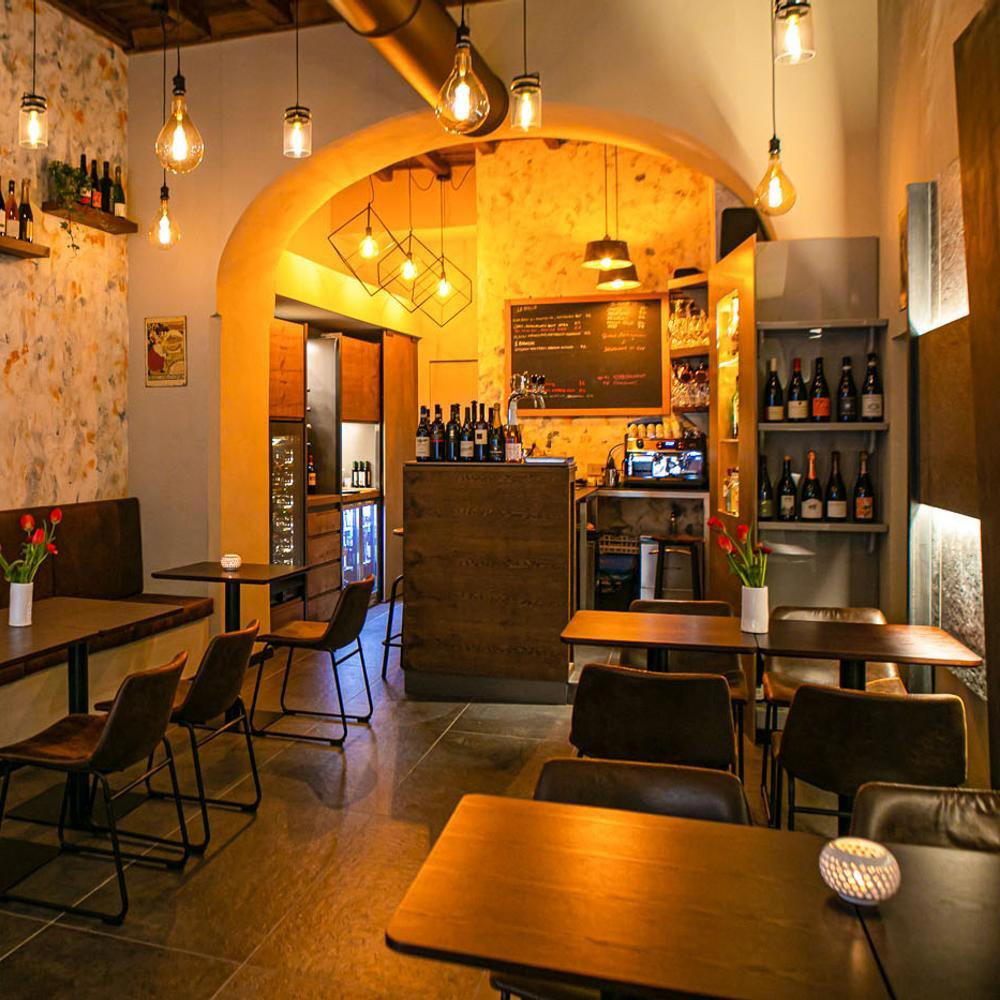
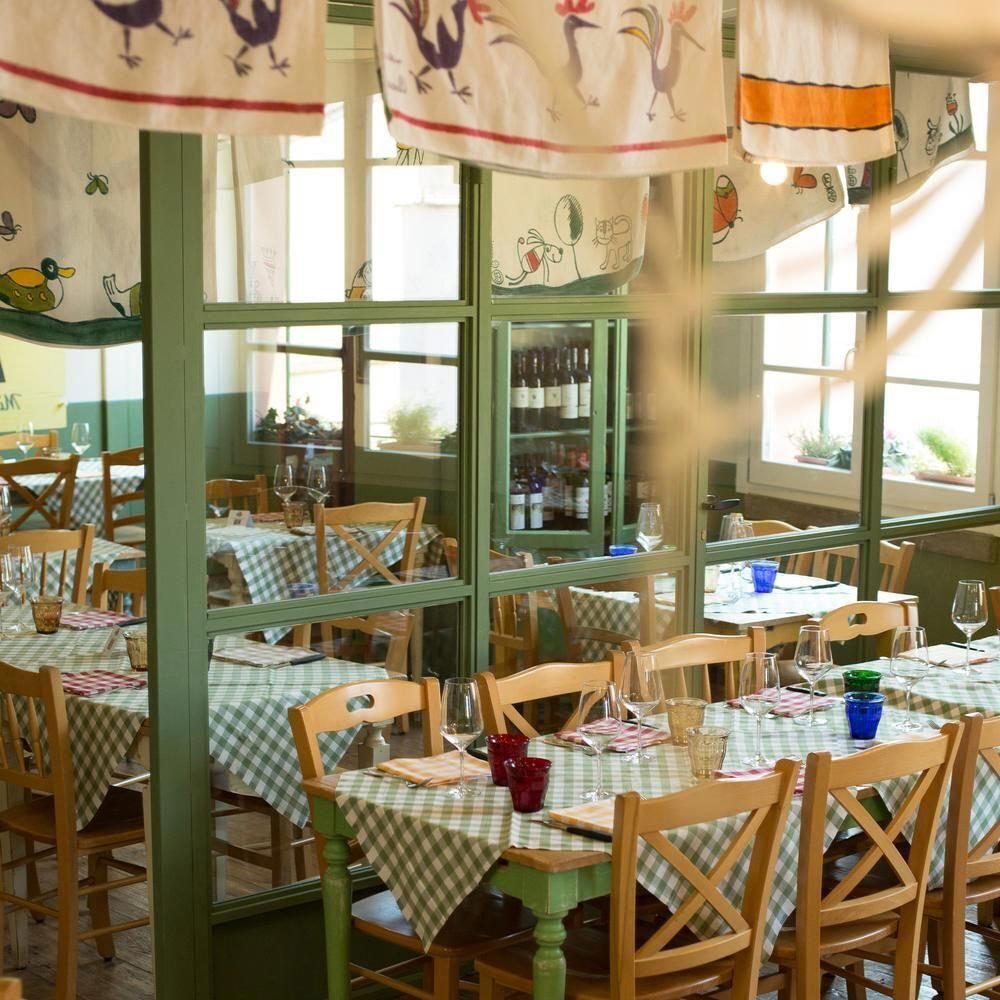
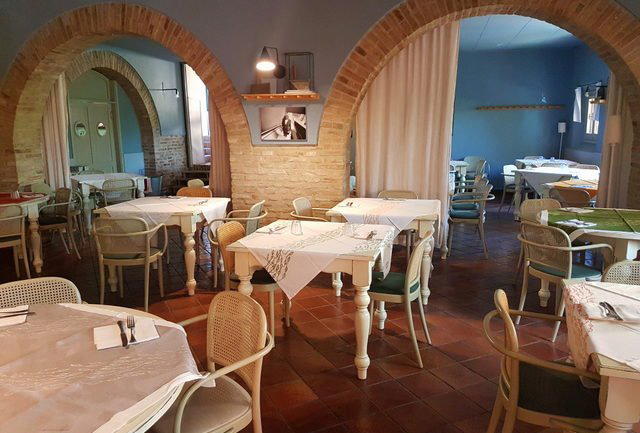
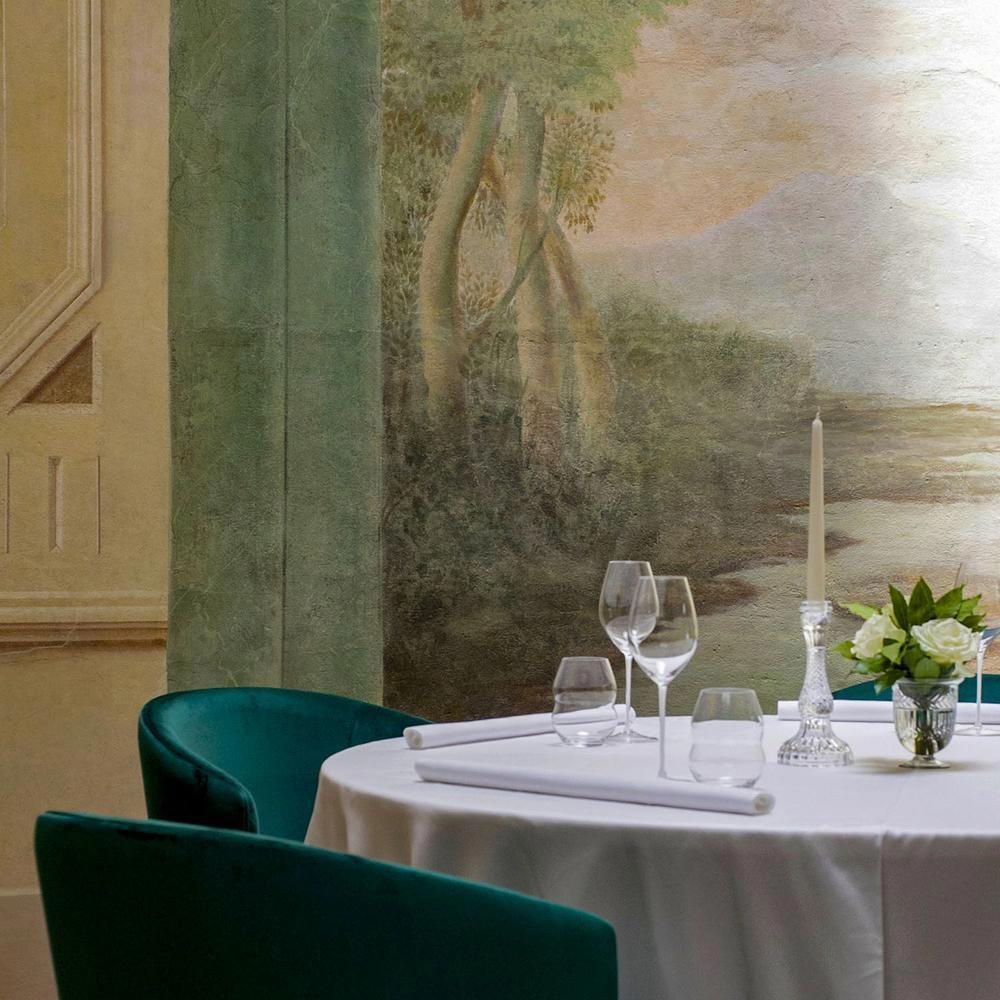
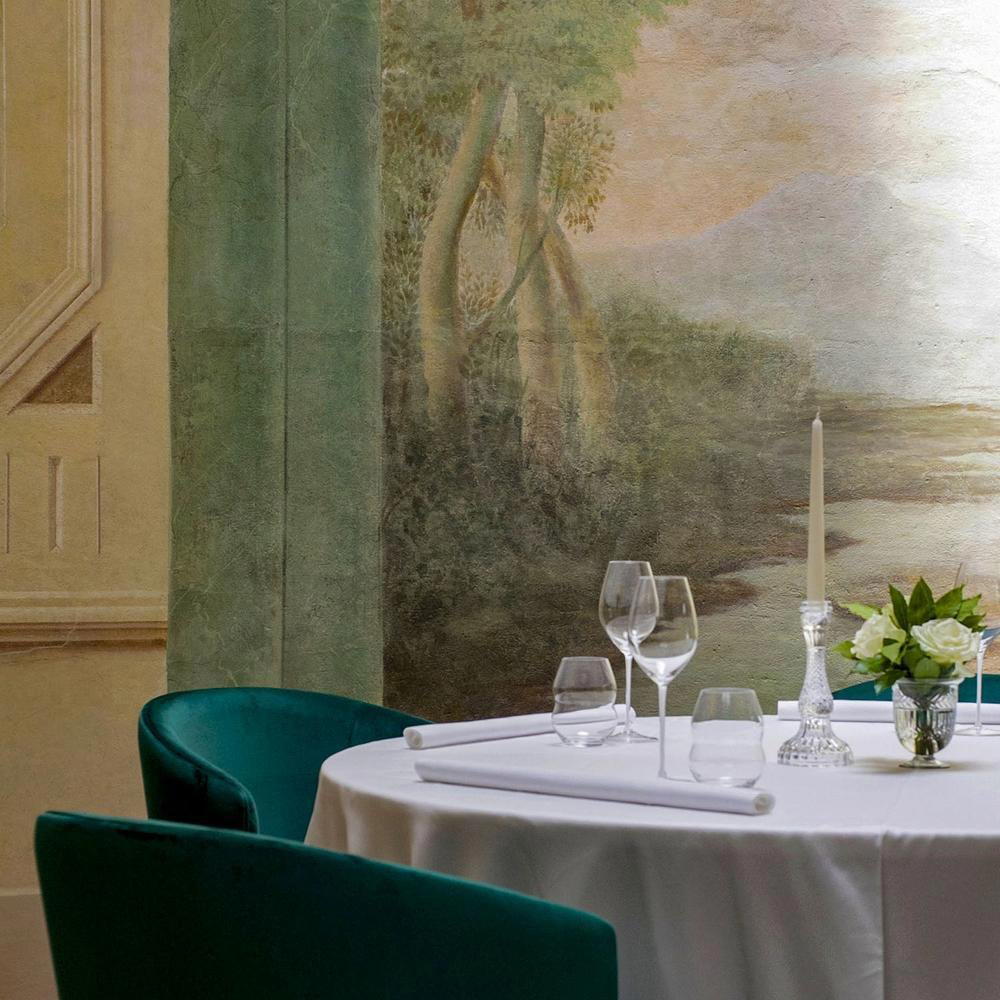
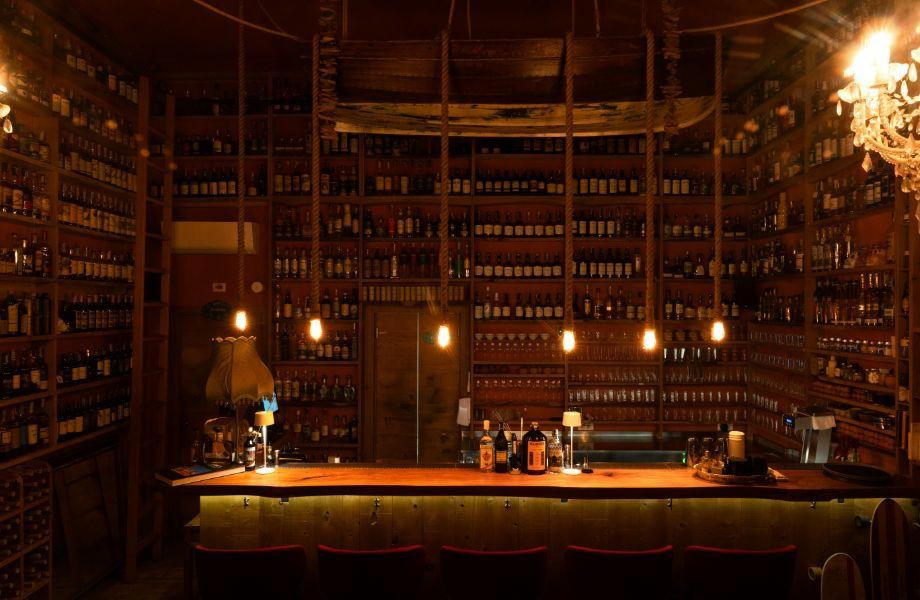
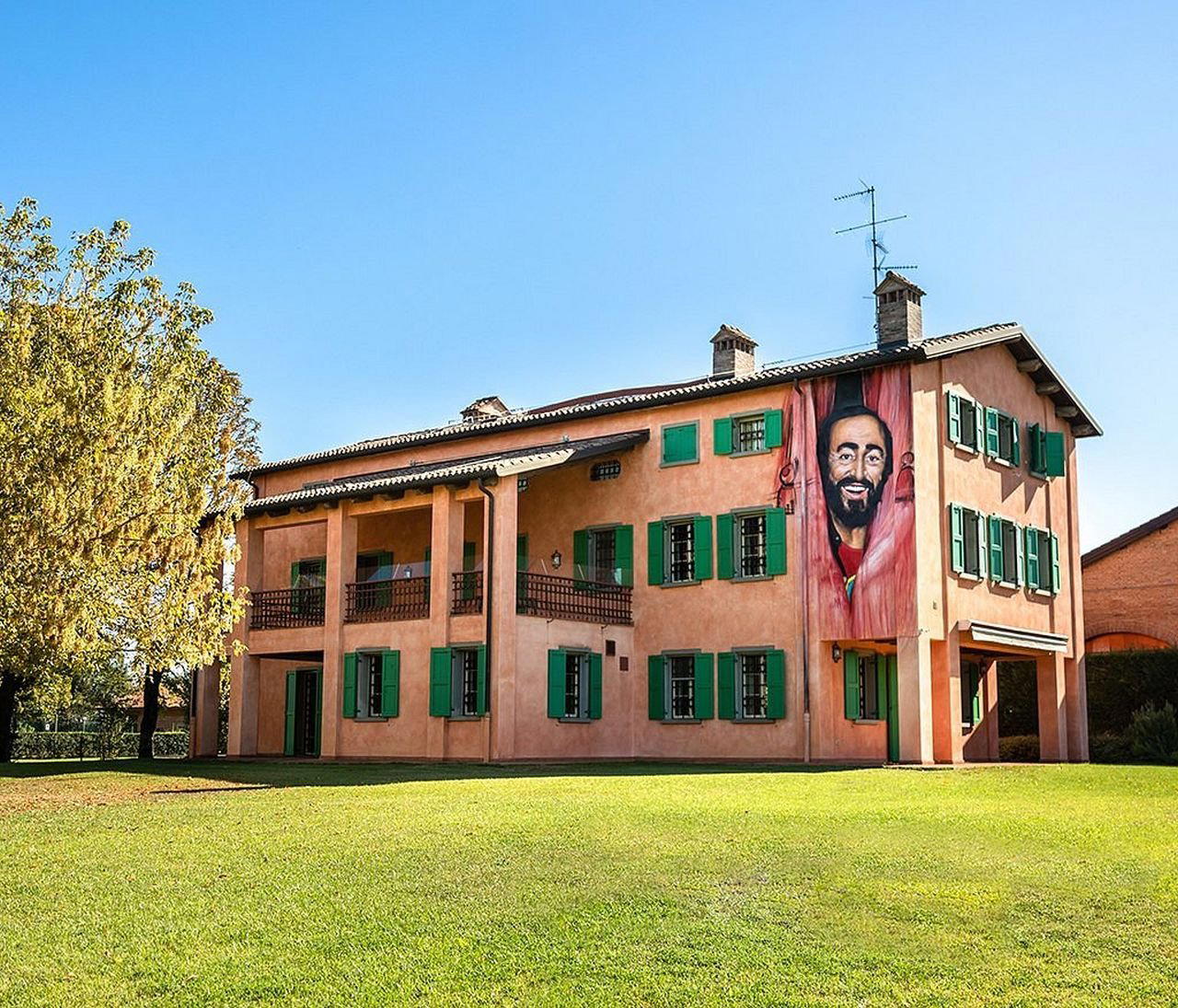
The space runs two registers simultaneously. At street level, the inn format operates on the logic of spontaneous gathering: small tables, piadine flatbreads, ham, salami, and the kind of eating that requires no ceremony and tolerates no pretension. Below, the restaurant occupies a network of small rooms in the palazzo cellars, where portraits of local historical figures surface in the low light and the architecture does a meaningful share of the work. This is the dining room for the occasion when you want the room to signal that something is being marked.
That distinction matters when you are choosing between occasion formats. A vaulted cellar in a Renaissance-era palazzo, stocked with cured meats and wine from the house's own farm and estate, carries a particular charge for a milestone meal. It is not the charge of a three-Michelin-star dining room, where the performance of precision cooking is itself part of the occasion. It is something older and, in its way, more difficult to replicate: a room that already existed before the restaurant, with a history readable in the stone and the portraits on the walls.
The Farm-to-Table Claim, Substantiated
The phrase farm-to-table has been applied so indiscriminately across restaurant marketing that it has largely lost descriptive value. At Osteria La Sangiovesa, the claim is structural rather than rhetorical. The restaurant's own farm and estate supply the cured hams, meat, oil, wine, and vermouth that anchor the menu. This is the Romagnan agricultural tradition operating at a scale where a single operation can credibly produce both the pork products and the wine to drink with them. The ingredients arrive in the kitchen without passing through a supply chain, and the menu reflects what the estate produces rather than what a seasonal trend recommends.
In the broader context of Italian osteria cooking, this vertical integration places the restaurant in a smaller peer group than the Michelin Plate alone would suggest. Compare it to Dei Cantoni in Longiano or Il Chiosco di Bacco in Torriana, both working within Romagnan tradition at a similar price register. The house-estate supply distinguishes La Sangiovesa within that set and gives the menu a coherence that imported or assembled ingredient lists rarely achieve.
Framing the Occasion
The cellar rooms make this a reasonable choice for celebrations that call for atmosphere over formality. The geography adds something for travellers making a deliberate trip: Santarcangelo itself is a walled hilltop town with a documented history reaching back to Roman times, and arriving from Rimini or the coast for an evening in the palazzo cellars carries the weight of a considered plan rather than a default booking.
For the kind of celebration that benefits from informality, a family gathering, a birthday that does not want ceremony but does want atmosphere, the inn format upstairs functions well as an aperitivo or antipasto stage before moving downstairs to the restaurant rooms. The two-tier structure of the space allows for an evening with a natural arc: the casual salumi and piadina phase, then the transition to the cellars, where the portraits watch and the food shifts to the fuller Romagnan register.
Those planning larger group occasions should note that the cellar layout, described as a network of small rooms, works better for tables of four to eight than for event-scale seatings. The architecture is intimate by design, not by limitation.
Romagna's Dining Tradition in Context
The Michelin Plate does not imply the ambitions of a starred kitchen, but it does confirm that the guide's inspectors found something worth the attention. Across Italy, Michelin Plate recognition has increasingly been applied to trattorias and osterias where the kitchen is working within a defined regional tradition with honesty and technical competence, rather than attempting to reinterpret or modernise it. This is a different evaluation framework than the one applied to Osteria Francescana in Modena or Enoteca Pinchiorri in Florence, where the question is what a kitchen can do with tradition. At La Sangiovesa, the question is whether the kitchen maintains tradition with fidelity and quality, and the answer, sustained across two consecutive Plate recognitions, appears to be yes.
Travellers building an itinerary around Italian regional cooking in the north might also consider Dal Pescatore in Runate or Atelier Moessmer Norbert Niederkofler in Brunico as comparative reference points for how Michelin-recognised Italian kitchens handle regional specificity at different price points and ambition levels. Within Romagna specifically, the occasion-dining case for La Sangiovesa rests on the combination of cellar atmosphere, estate-supply ingredients, and a price register that remains accessible at €, making it one of the more persuasive arguments in the region for a deliberate evening out.
For broader context on dining in Rome and across Italy, see our full Rome restaurants guide, our full Rome hotels guide, our full Rome bars guide, our full Rome wineries guide, and our full Rome experiences guide. Other Rome restaurant options worth considering include Ristorante del Lago, Lazaroun, and Acquolina (Creative).
Know Before You Go
- Address: Piazza Beato Simone Balacchi, 14, 47822 Santarcangelo di Romagna RN, Italy
- Price range: € (budget-accessible)
- Awards: Michelin Plate 2024 and 2025
- Format: Two-tier, casual inn with piadine and salumi at ground level; restaurant in palazzo cellars below
- Supply: Meats, oil, wine, and vermouth from the restaurant's own farm and estate
- Booking:
- Getting there: Santarcangelo di Romagna is served by the Adriatic rail line; the station is a short walk from the historic centre
Frequently asked questions
What should I budget for a meal at Osteria La Sangiovesa?
Pricing at Osteria La Sangiovesa is listed as €.
What's the address for Osteria La Sangiovesa?
Osteria La Sangiovesa is located at Piazza Beato Simone Balacchi, 14, 47822 Santarcangelo di Romagna RN, Italy, Rome.
What awards or recognition does Osteria La Sangiovesa have?
Osteria La Sangiovesa has received recognition including: This simple and informal inn is the perfect setting in which to get together with friends, sitting around small tables laden with piadine flatbreads and slices of ham and salami. There’s also a restaurant here – a network of small rooms lai….
What dish is Osteria La Sangiovesa famous for?
Piadina flatbreads served with cured ham and salami are the anchor of the inn format at street level, the kind of straightforward, ingredient-led plate that defines Romagnan hospitality. Cured meats, oil, wine, and vermouth all come from the restaurant's own farm and estate, which is what separates these from generically sourced versions.
How would you describe the cuisine at Osteria La Sangiovesa?
Is Osteria La Sangiovesa reservation-only?
The inn level operates on the logic of spontaneous gathering, suggesting walk-ins are part of its format. The cellar restaurant, set across a network of small rooms inside an old palazzo, is more likely to require advance booking, particularly for groups. Contacting the venue directly is advisable before a special occasion visit.
What's Osteria La Sangiovesa best at?
Delivering Romagnan regional cooking grounded in produce from its own farm, across two distinct settings, a casual inn for piadine and salumi, and a cellar restaurant for more composed regional dishes. Michelin's inspectors awarded it a Plate in both 2024 and 2025, signalling consistent quality without the ambitions of a starred kitchen.
A Pricing-First Comparison
A quick peer check to anchor this venue’s price and recognition.
| Venue | Cuisine | Price | Awards | Notes |
|---|---|---|---|---|
| Osteria La SangiovesaThis venue (the venue you are viewing) | Traditional Romagna Osteria | $30–50 | Michelin Plate · Gambero Rosso Tre Gamberi | Not listed |
| La Pergola | Italian, Mediterranean Cuisine | Not listed | Michelin 3 Star | Not listed |
| Enoteca La Torre | Modern Italian Fine Dining | $200–300 | 2 Michelin Stars · La Liste Top Restaurants | Creative |
| Il Pagliaccio | Modern Italian-Japanese Fusion Fine Dining | $150–200 | 2 Michelin Stars · La Liste Top Restaurants | Contemporary Italian, Creative |
| Aroma | Modern Cuisine | Not listed | Michelin 1 Star | Not listed |
| Idylio by Apreda | Modern Mediterranean-Asian Fusion | $150–200 | 1 Michelin Star · La Liste Top Restaurants | Modern Italian, Italian Contemporary |
Recognition history
Dated appearances from independent guides and award organizations, with the underlying list record or original source where available.
Michelin Plate
Michelin
Gambero Rosso Tre Gamberi
Gambero Rosso
Full recognition history (4 entries)
Michelin Plate
Michelin
Michelin Plate
Michelin