
Falstaff Winery - 2 Stars
Bissoni is a small organic winery in Bertinoro, shaped by hillside Sangiovese, Albana and a terrace setting above Romagna. The appeal is not architectural drama or a restaurant-style hospitality program, but a low-capacity estate visit tied to soil, slope, organic farming and the quieter side of Emilia-Romagna wine culture.

Pearl is the En Primeur Club membership app — saves, bookings, and concierge access live there. Same editors, same standards.
- Address
- Bertinoro, Emilia-Romagna, Italien
- Directions
- Get directions
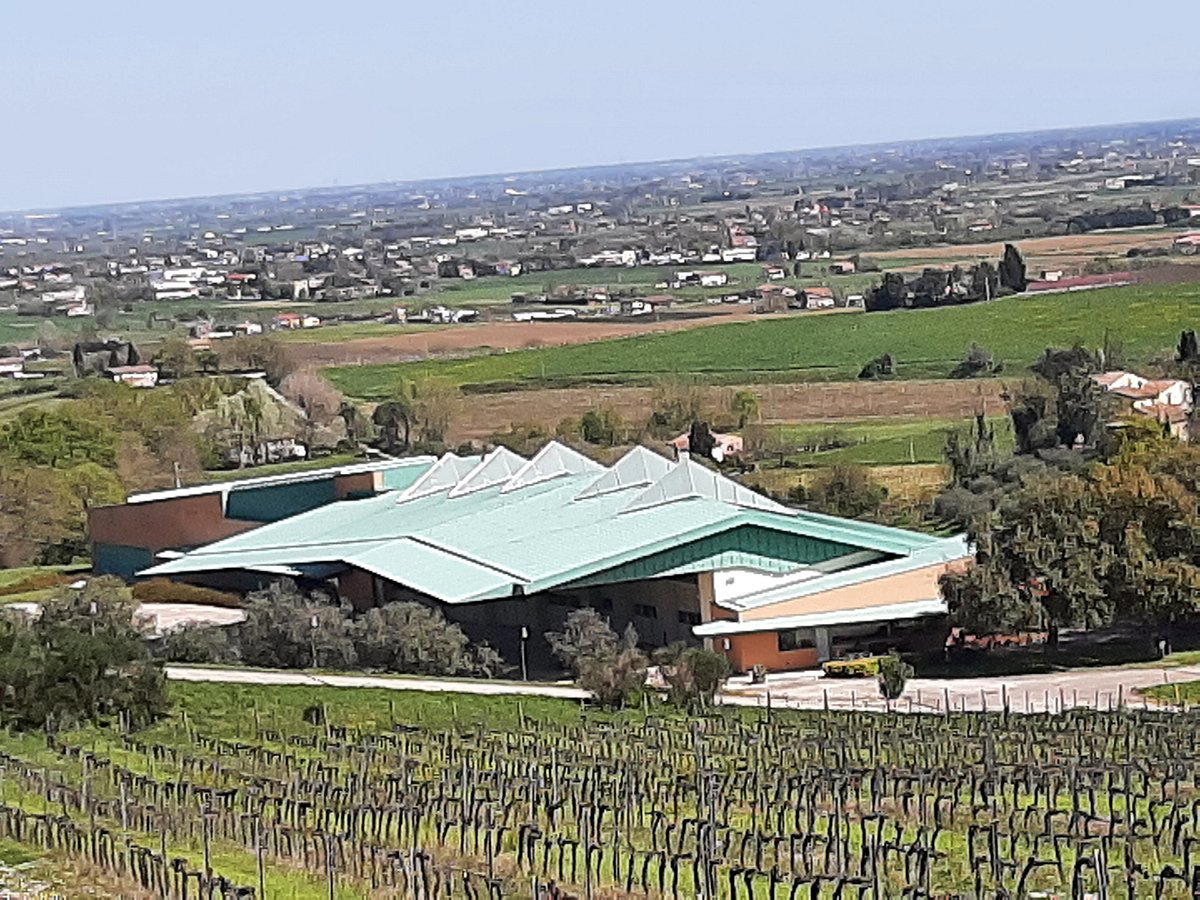
Bissoni is best understood as a small, artisan organic winery in Bertinoro, set on a hillside terrace above the town. Its appeal is quiet and natural rather than showy: the focus is on vineyards, sustainable farming and a rustic sense of place, not on architectural spectacle or a heavily staged visitor experience. The first impression to hold onto is one of scale and setting, where the land around the winery matters as much as the winery itself.
For travelers planning around Bertinoro, that makes Bissoni a low-key countryside stop rather than a polished destination built around grand facilities. The profile is simple: an organic winery with a scenic hillside setting, a classic rural atmosphere and a hidden-gem character. It is the kind of place that reads best when approached with modest expectations and attention to landscape, rather than as a venue to be measured by restaurant conventions or resort-style polish.
Hillside Bertinoro, read through the landscape
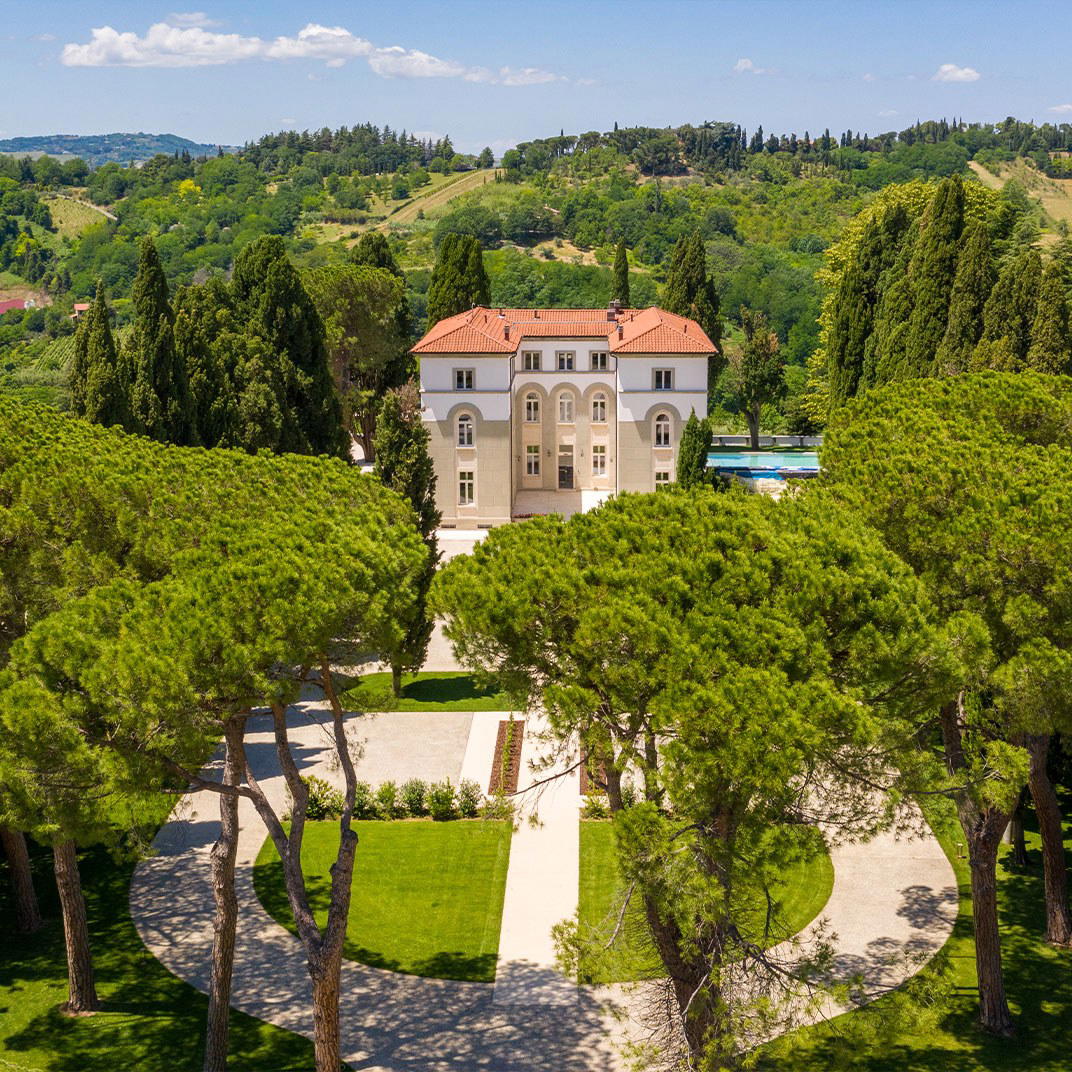
The strongest confirmed reason to pay attention to Bissoni is its setting. The winery sits above Bertinoro, where the surrounding vineyards and hillside position shape the experience. The tone is scenic, rustic and close to the land, with the terrace and slope helping define the way the place is perceived. In this context, the hillside is not just a backdrop; it is central to the winery’s identity and to the quiet pleasure of visiting.
What is clear is the winery’s identity: small, artisan, organic and rooted in sustainable farming. Those words set the parameters for how Bissoni should be understood. Rather than suggesting scale, luxury or a broad hospitality complex, they point to a more grounded agricultural character, where the work of the vineyard and the organic approach are the defining elements.
That restrained profile is part of the charm. Bissoni does not need to be framed as a trophy address or a high-design winery; it is more compelling as a quiet agricultural place where the surrounding vineyards and natural atmosphere carry the visit. The pleasure is likely to come from slowing down, taking in the hillside context and recognizing the relationship between the winery and the Bertinoro countryside.
For readers comparing options in Bertinoro, Bissoni’s role is direct: it offers a rustic hillside winery experience with an emphasis on organic farming and a calm sense of place. It should appeal most to travelers who value simplicity, rural texture and the feeling of being close to the vineyard landscape. The hidden-gem character also matters here, because the appeal is not built on spectacle but on understatement.
A winery experience rather than a restaurant premise
Bissoni should be treated as a winery in Bertinoro, not described with restaurant-style details. The confirmed information supports a focus on the hillside terrace, the vineyards and the winery’s organic, artisan character. That distinction is important for planning: the venue’s value lies in its identity as a wine estate and countryside stop, rather than in a promise of dining, service formats or hospitality features that are not specified.
Planning should therefore stay flexible. Pair Bissoni with other dining or hospitality in Bertinoro as needed, but do not assume specific services, menus, tour formats or facilities unless confirmed directly with the venue. This is especially relevant for travelers building a day around the town, because the safest way to approach Bissoni is as one element in a broader countryside itinerary, with practical arrangements checked in advance.
The price level is listed as $$, which gives a broad planning signal without implying a specific tasting fee, menu price or package structure. It can help set expectations in a general way, but it should not be read as confirmation of a particular experience or cost. For Bissoni, the more useful planning anchor remains the character of the place: small, organic, rustic and tied to its hillside setting.
Where Bissoni fits in a Bertinoro wine itinerary
Bertinoro works well as a compact countryside stop, and Bissoni fits that picture as a quiet, small-scale organic winery on the hillside. Its appeal is the natural setting, the surrounding vineyards and the sustainable farming focus. In an itinerary, it makes sense as a slower, more reflective stop, especially for travelers who want the wine landscape itself to be part of the experience.
For a wider itinerary, compare Bissoni with other Bertinoro dining and wine options generically, then confirm practical details directly before visiting. The essential reason to include it is not spectacle, but the chance to experience a rustic, scenic and hidden-gem winery rooted in the Bertinoro landscape. Seen that way, Bissoni’s strengths are clear and uncomplicated: hillside atmosphere, organic identity, artisan scale and a quiet connection to the countryside above town.
Recognition history
Dated appearances from independent guides and award organizations, with the underlying list record or original source where available.
Falstaff Winery - 2 Stars
Falstaff
Continue exploring
More in Bertinoro
Wineries in Bertinoro
Browse all →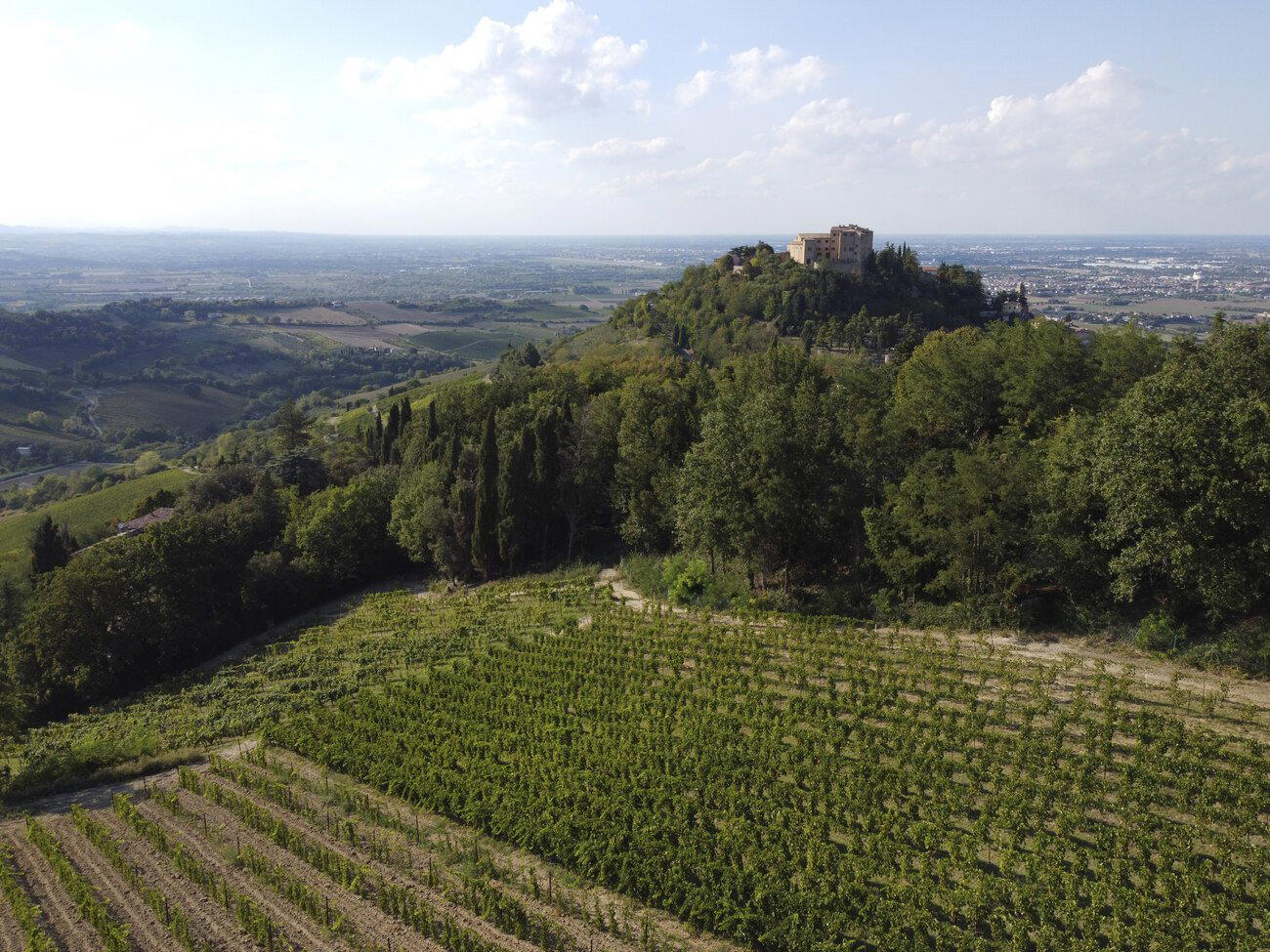
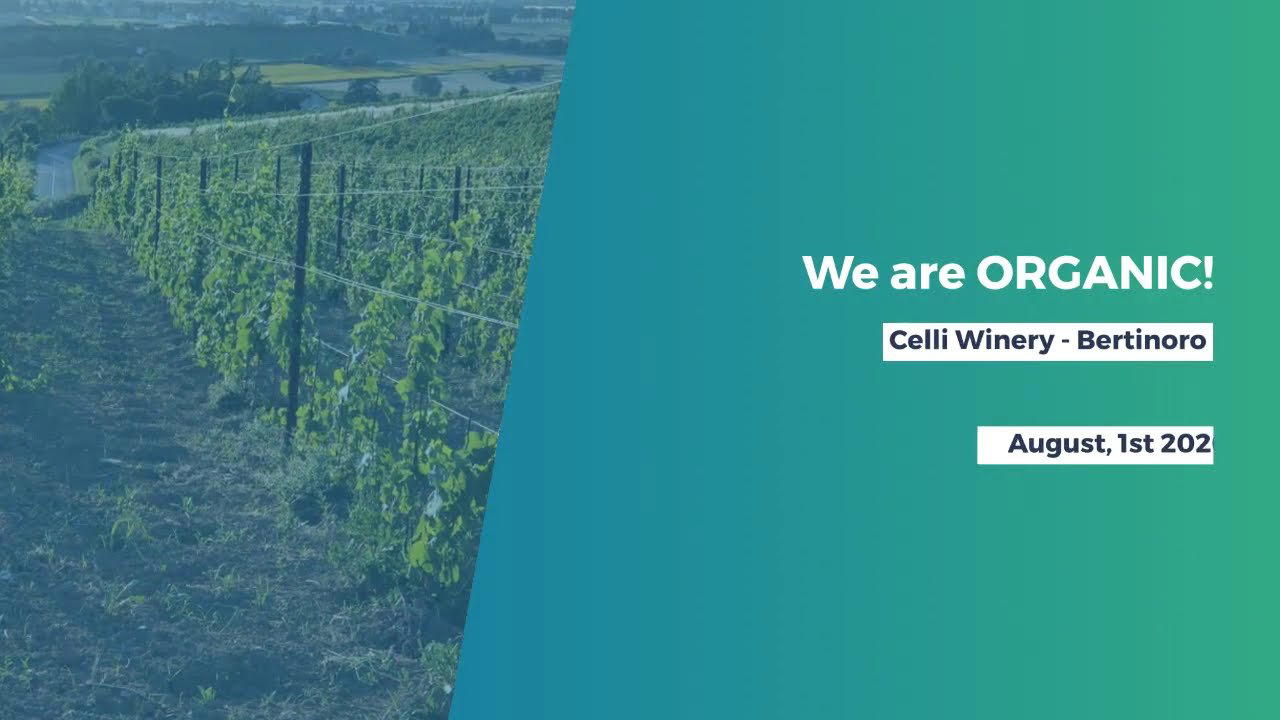

Bars in Bertinoro
Browse all →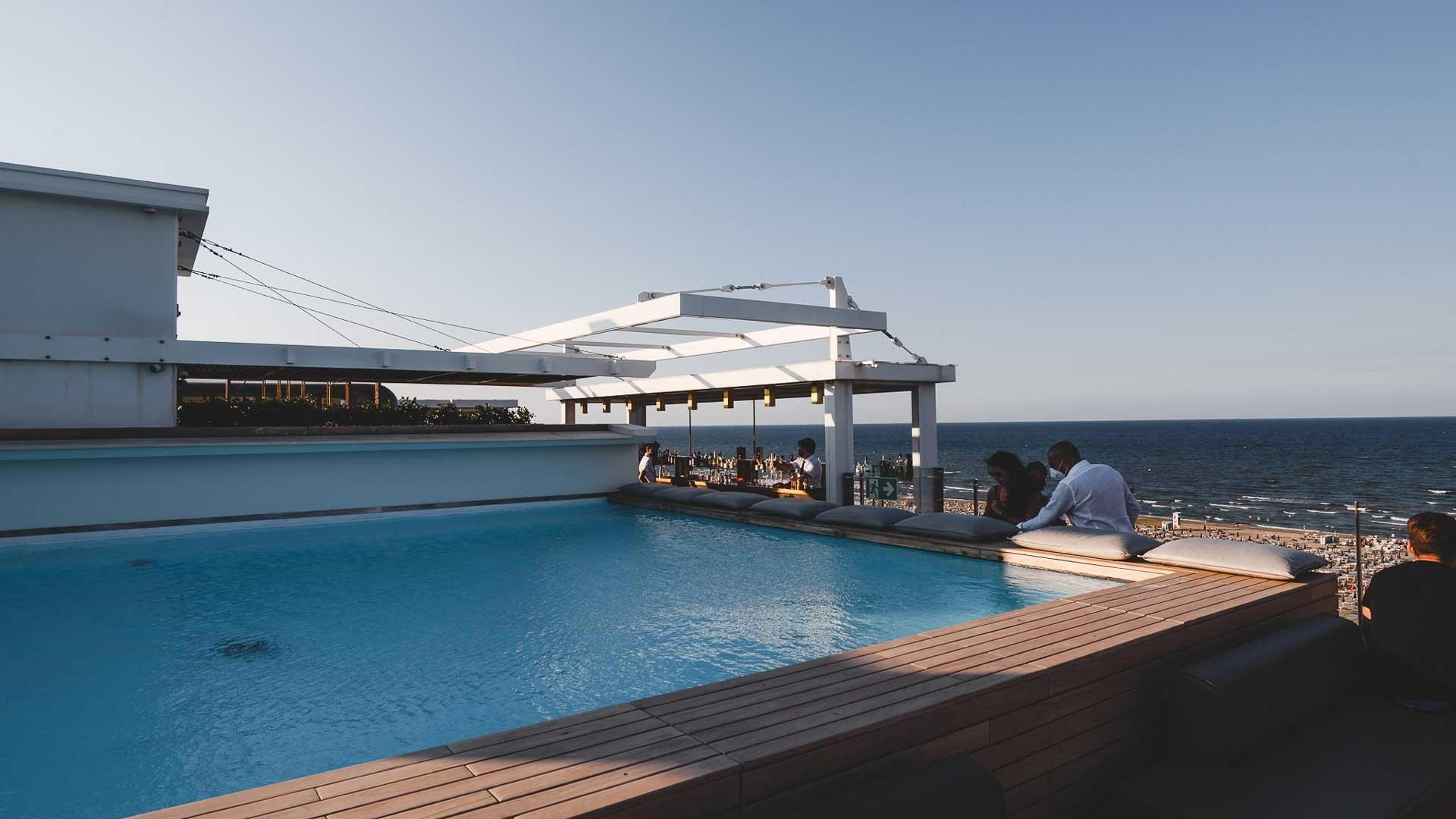
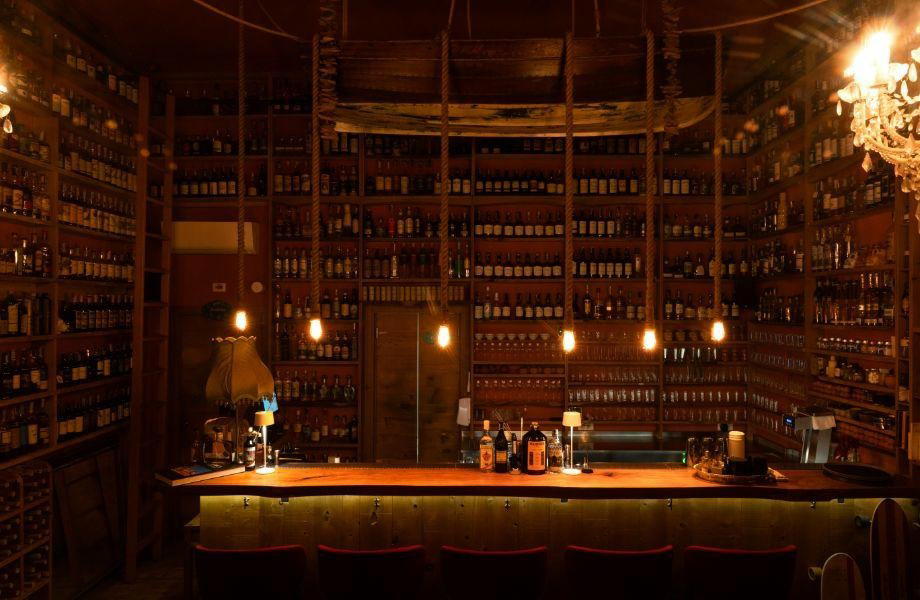
Restaurants in Bertinoro
Browse all →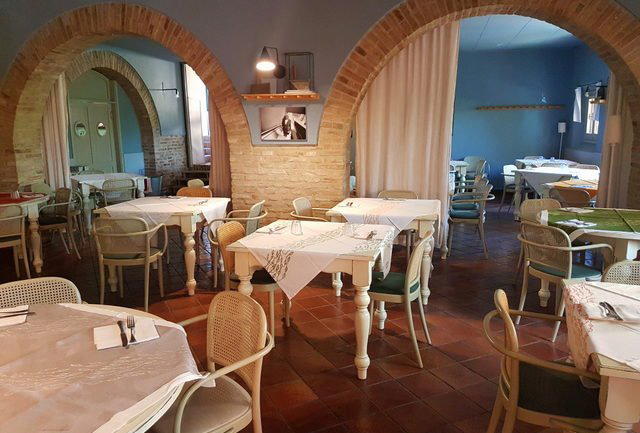
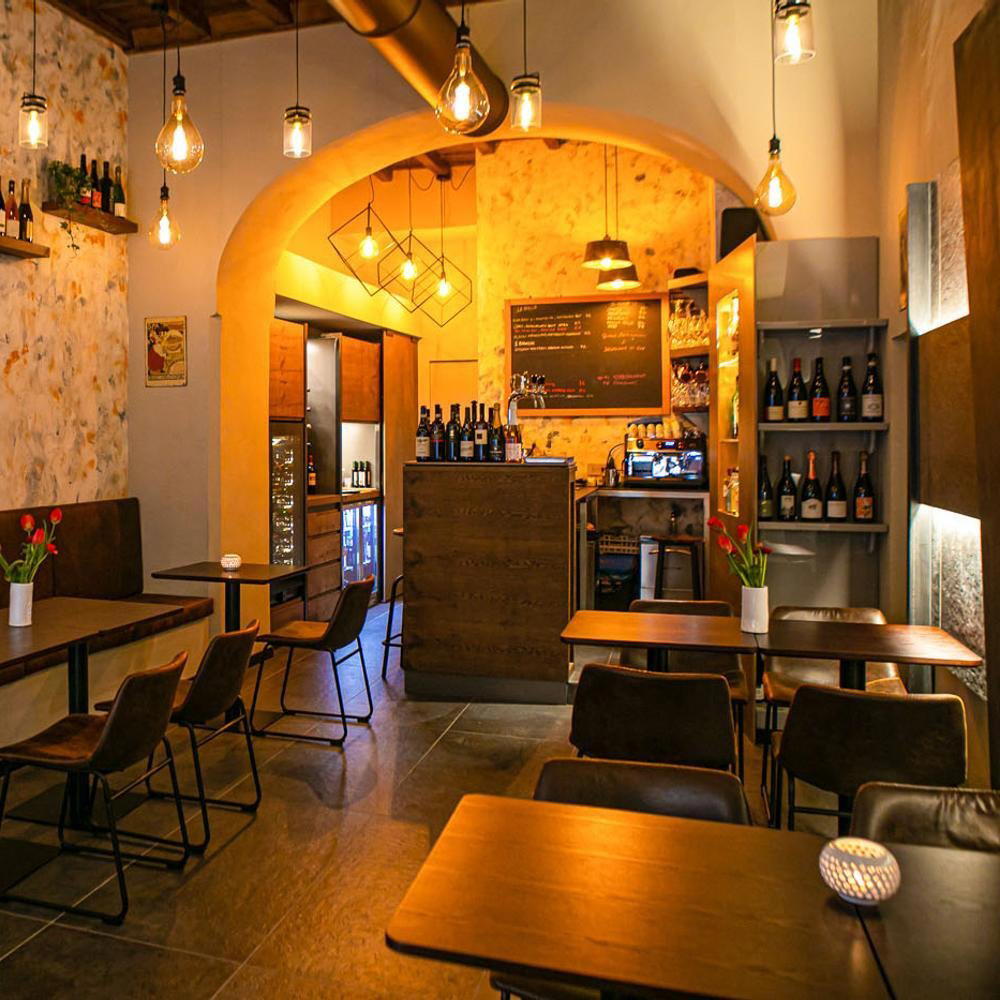
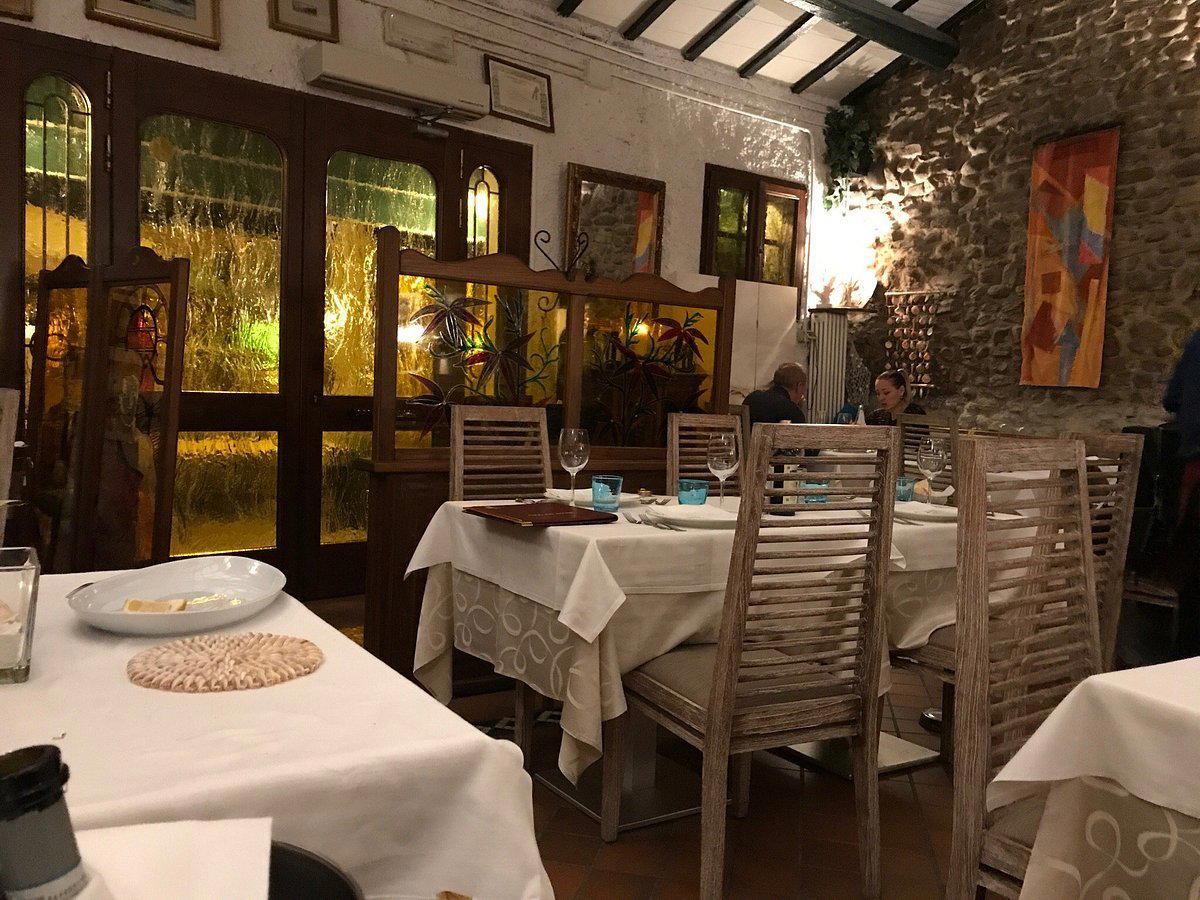
Details
- Scenic
- Rustic
- Classic
- Intimate
- Romantic Getaway
- Group Outing
- Solo Exploration
- Wine Education
- Special Occasion
- Vineyard Tour
- Estate Grounds
- Panoramic View
- Historic Building
- Private Tasting
- Organic
- Sustainable
- Vineyard
- Mountain
- Sangiovese
- Albana
- Still Red
- Still White
- Dessert
- Appointment Tasting
- Vineyard Visit
- Private Tasting
- Italian
Small, artisan organic winery on a hillside terrace above Bertinoro, with a quiet, natural atmosphere focused on the surrounding vineyards and sustainable farming rather than architectural showpieces.