
Michelin Plate · Gault & Millau Türkiye 1 Toque
Our verdict
Nobu İstanbul carries the global chain's signature Japanese-Peruvian framework into the Süzer Plaza complex in Şişli, operating at a ₺₺₺ price point that sits a tier below Istanbul's Michelin-starred modern Turkish scene. Two consecutive Michelin Plate recognitions (2024 and 2025) confirm it as a credentialed option for Japanese cuisine in a city where the category remains comparatively shallow. broad-based approval rather than cult-level devotion.

Pearl is the En Primeur Club membership app, where members save venues, book tables and use the concierge.
The menu
What to order
- Black cod miso
- Yellowtail jalapeño
- Rock shrimp
- Nobu tacos
Japanese Cuisine in Istanbul: A Narrow Field
Istanbul's fine-dining map has consolidated decisively around modern Turkish cooking. The city's Michelin-recognised upper tier, venues like Turk Fatih Tutak, Mikla, and Neolokal, draws heavily on Anatolian ingredients and Turkish culinary memory, operating at ₺₺₺₺. Japanese cuisine occupies a much smaller share of that credentialed tier, and the options that hold formal recognition are limited. That scarcity is the first thing worth understanding before you arrive at Nobu İstanbul.
The Nobu brand arrived in Istanbul as part of the group's global expansion, bringing a format already legible to international diners: the Japanese-Peruvian fusion framework that Robert De Niro and Nobu Matsuhisa established in New York in the 1990s has since replicated across several dozen cities. What makes the Istanbul outpost worth examining is how that format has settled into a city with its own distinct hospitality logic, and what two consecutive Michelin Plate recognitions (2024 and 2025) say about where the venue sits in the local hierarchy.
Arriving at Süzer Plaza
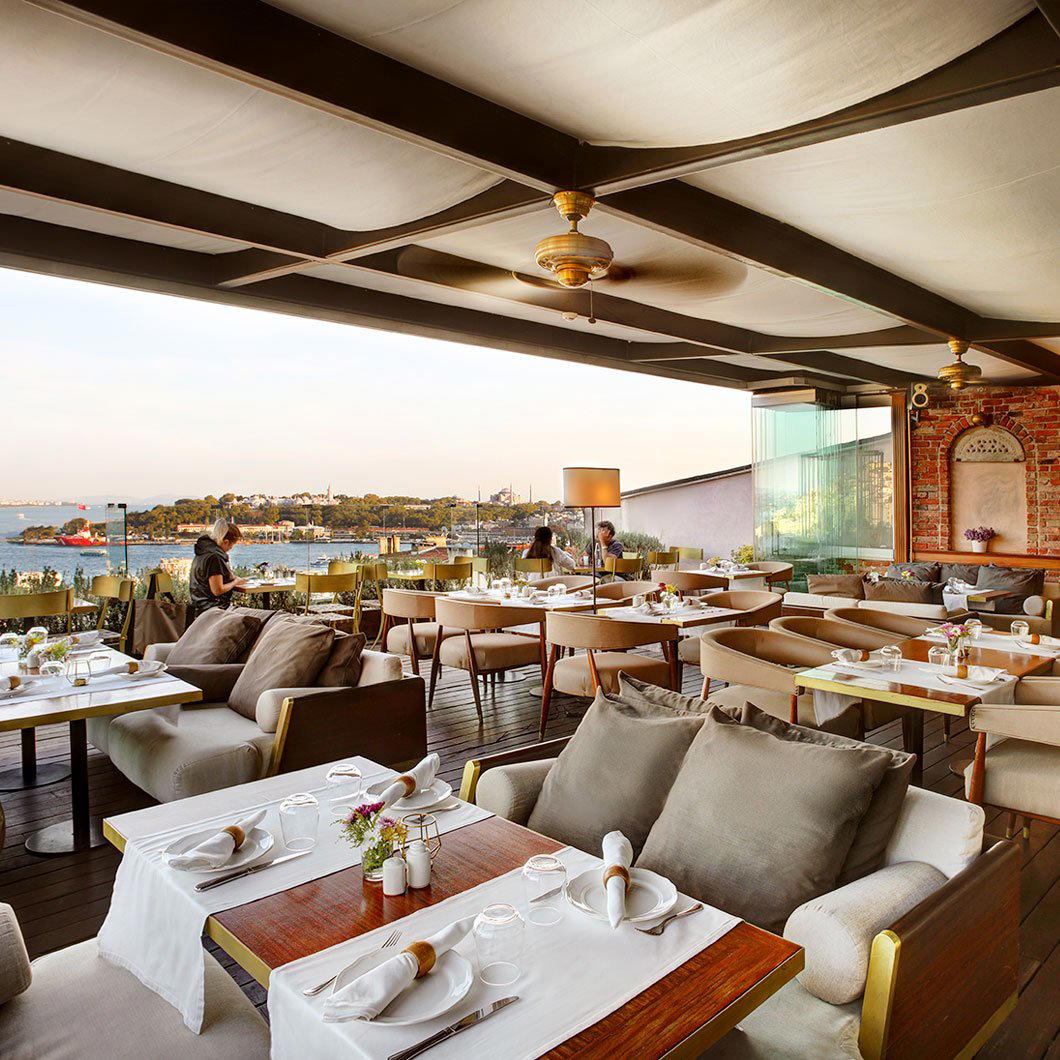
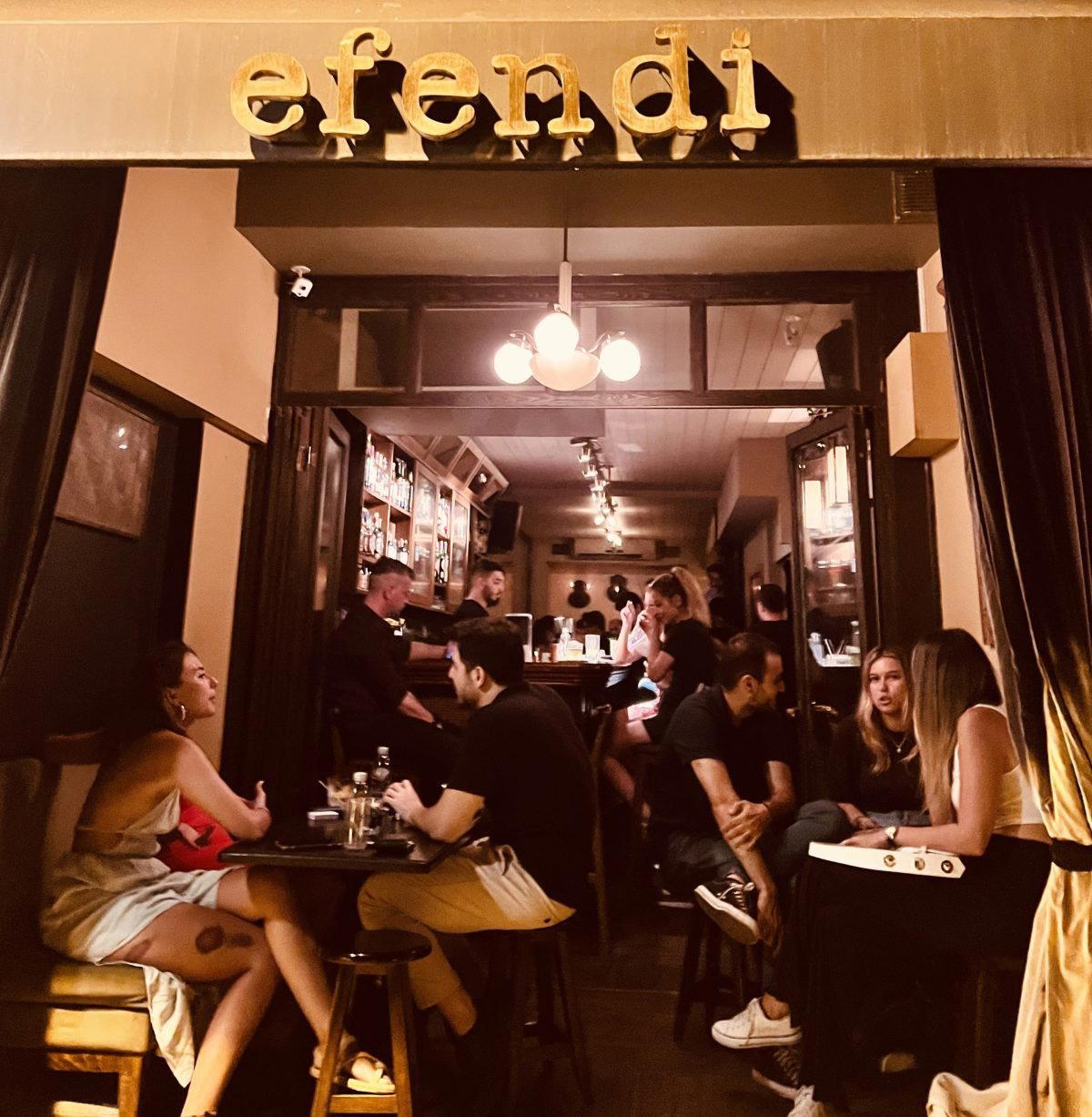
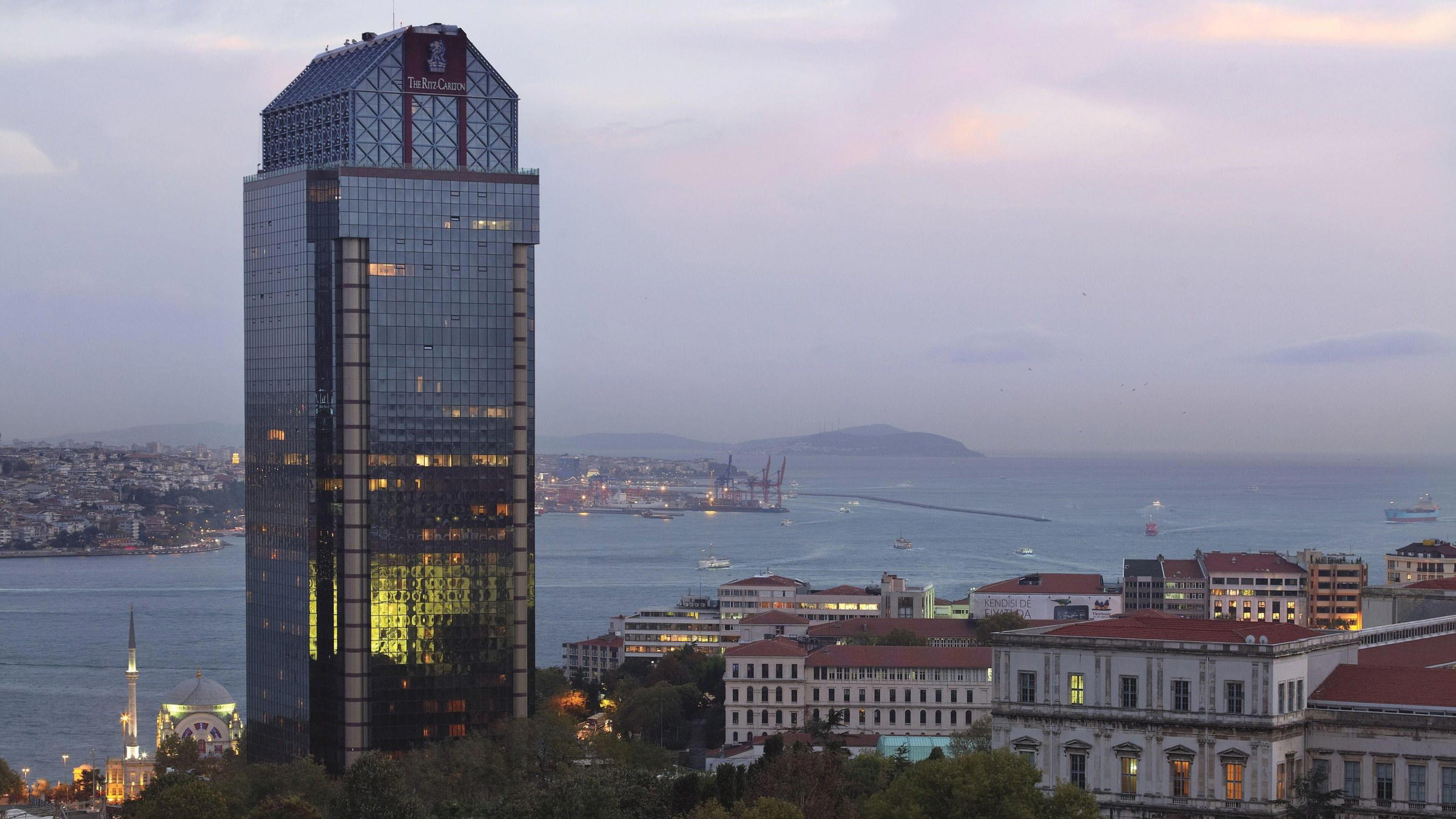
Nobu İstanbul occupies a floor within the Süzer Plaza complex on Askerocağı Caddesi in Elmadağ, a district in Şişli that clusters corporate towers, international hotels, and premium retail into a stretch of European-side Istanbul that reads as deliberately cosmopolitan. The approach is more boardroom corridor than Istanbul backstreet, marble lobbies, uniformed security, the particular silence of a building that takes itself seriously. That setting is not incidental: it tells you something about the room's primary audience, which runs toward business travellers, hotel guests, and Istanbul residents accustomed to international brand formats.
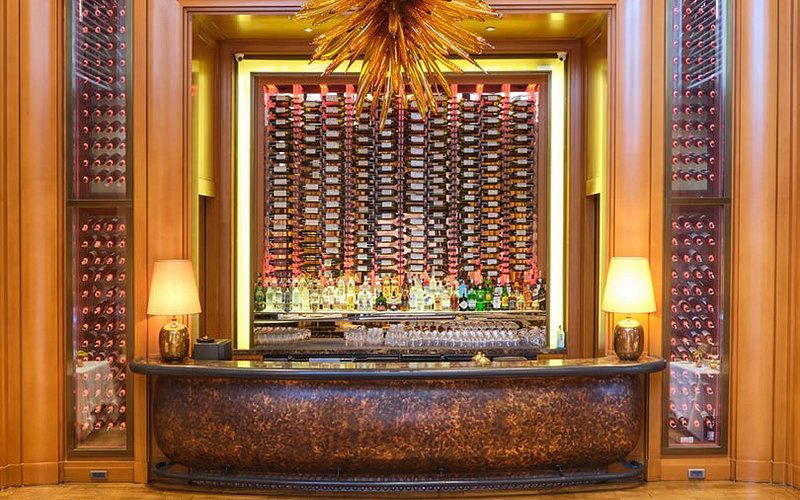
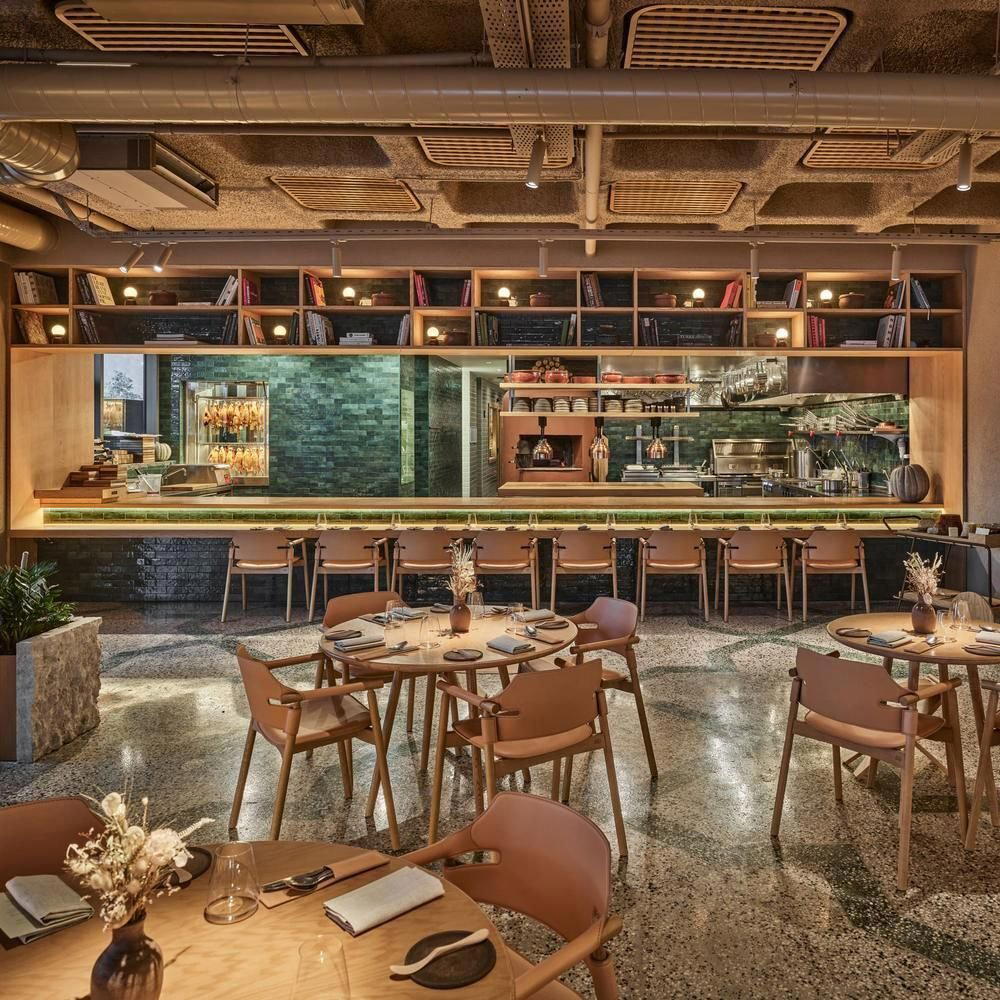
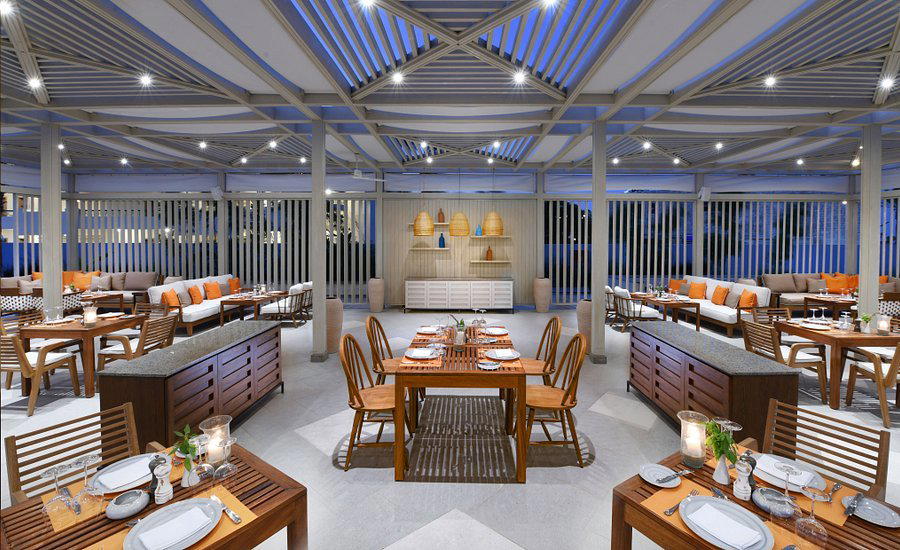
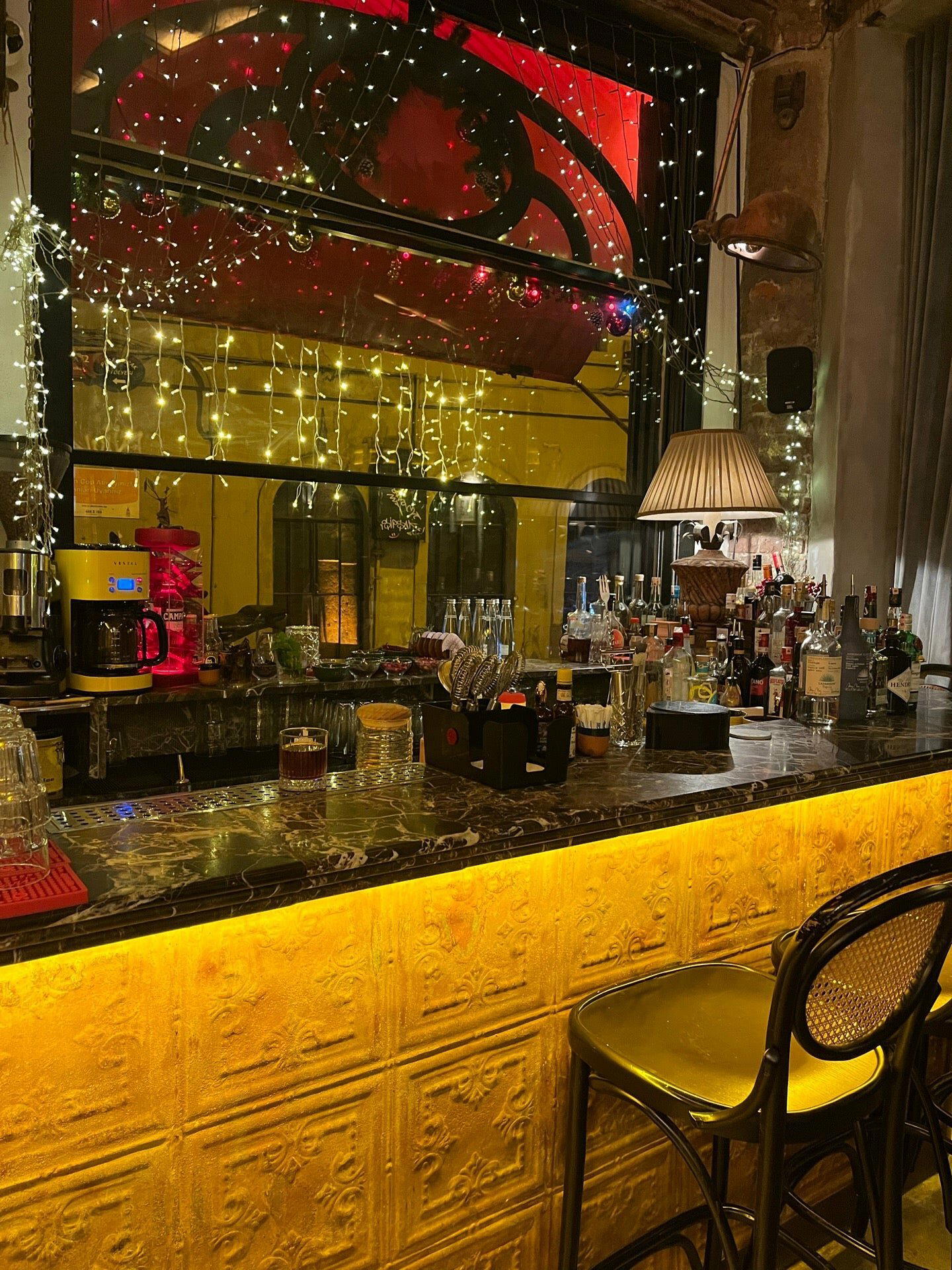
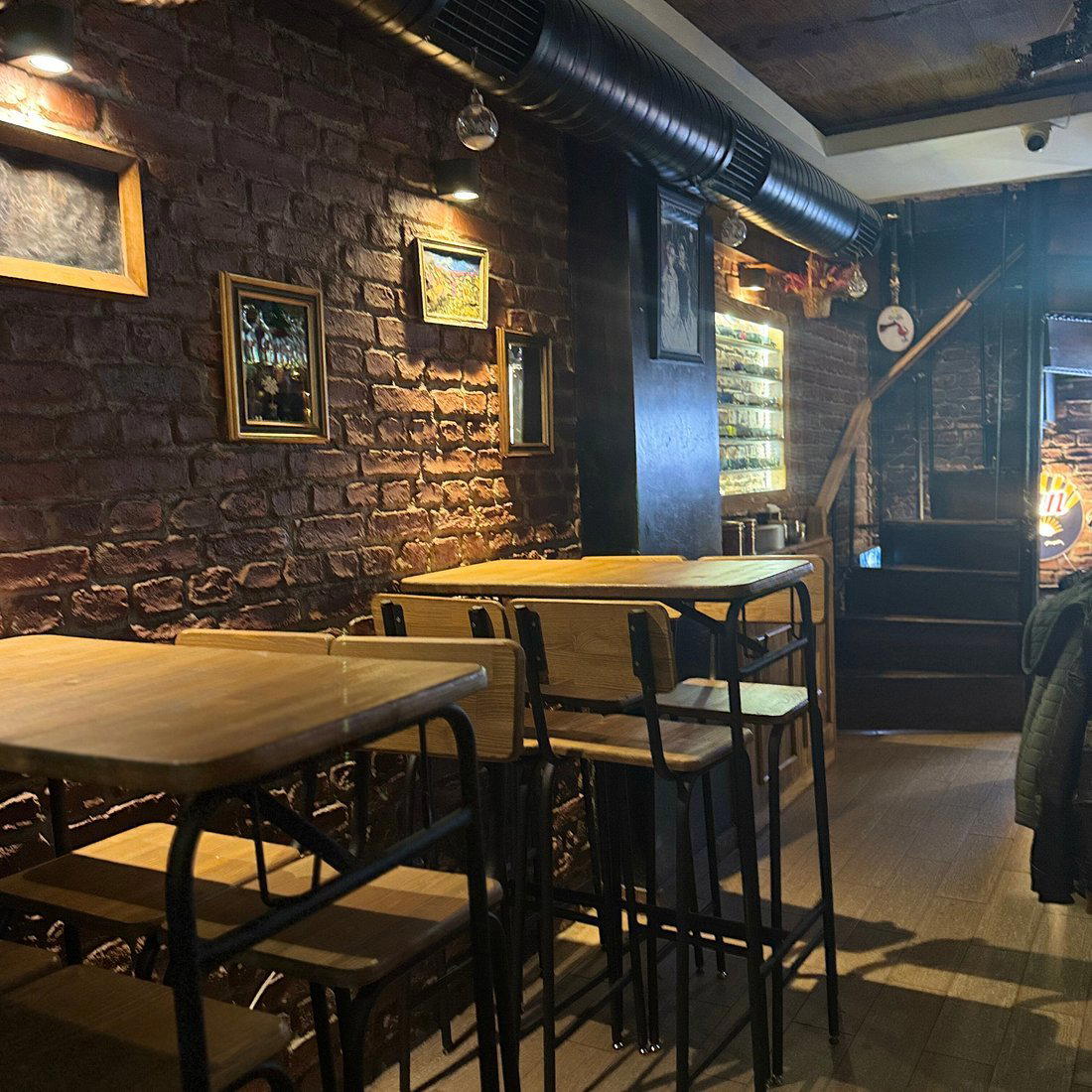
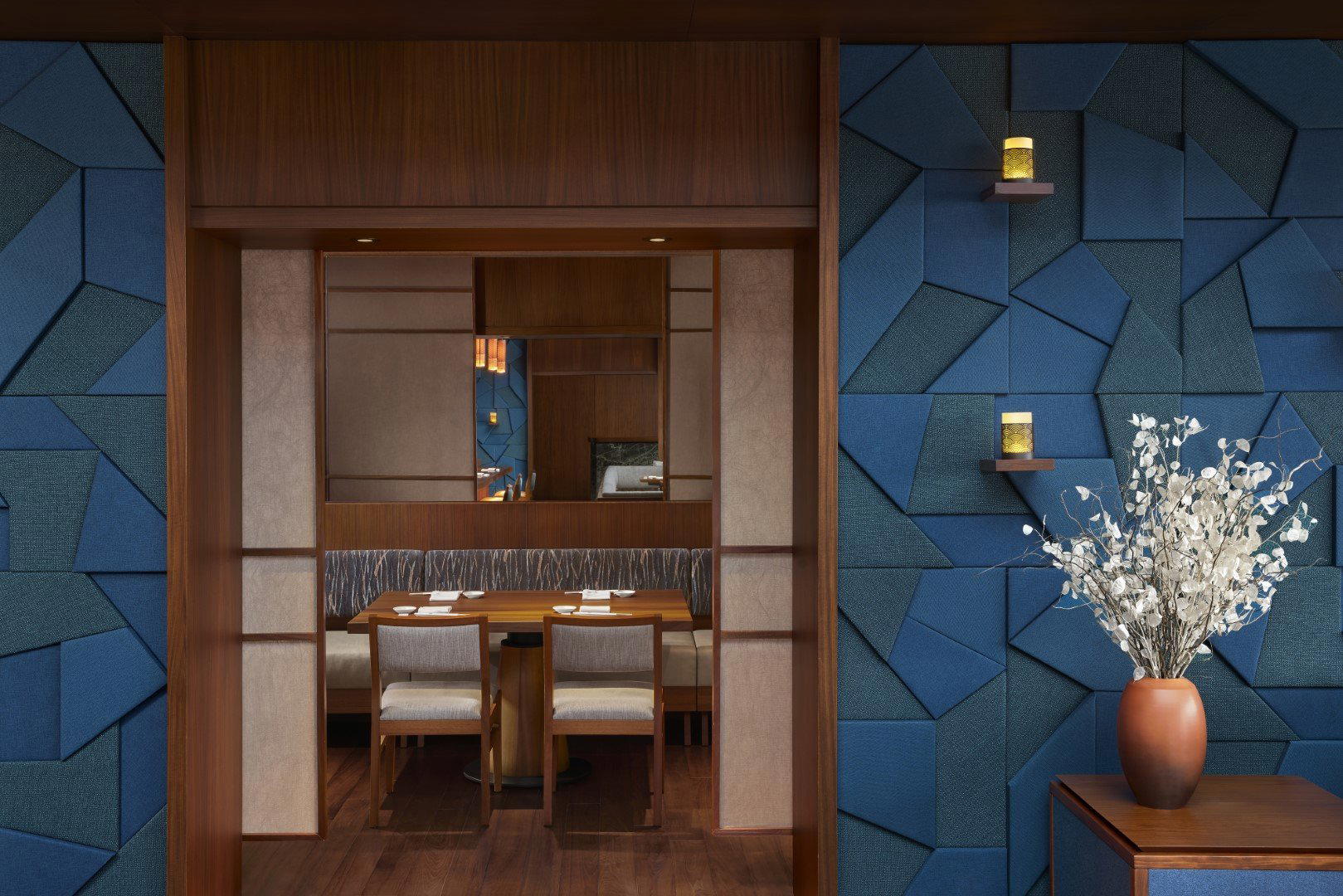
Inside, the design language aligns with what the Nobu group deploys across its global portfolio: dark woods, controlled lighting, a layout that separates the bar area from the main dining room without fully enclosing either. The effect is reliably comfortable rather than specifically local. For a city as architecturally layered as Istanbul, that deliberate neutrality is a choice, not an oversight.
The Format and Its Evolution
The Nobu menu format has evolved considerably since the mid-1990s. What began as a specific expression of Matsuhisa's Lima-to-Tokyo training has been codified into a global template, then gradually adjusted city by city to accommodate local supply chains, regulatory constraints, and guest expectations. In Istanbul, that means a kitchen working within a brand framework while sourcing in a country with strong domestic seafood production from the Aegean, Marmara, and Black Sea coasts.
The Japanese-Peruvian axis, tiraditos, ceviches with yuzu or miso inflections, black cod preparations, remains the core grammar. What the Michelin Plate recognition signals is that inspectors found the kitchen executing reliably at a level above the general Istanbul Japanese offer, even if it sits below the full-star threshold. A Plate, in Michelin's current framing, indicates a good meal from a kitchen that takes quality seriously; it is a floor certification, not a ceiling endorsement.
For comparison within Istanbul's Japanese category, Itsumi and Akira Back İstanbul represent different approaches to Japanese cooking in the city, the former more traditional, the latter Korean-Japanese fusion from a chef with a documented international competition record. Nobu İstanbul sits in that field as the brand-anchored option, carrying recognisability and a proven format over the idiosyncratic chef-led approaches that define its nearest local peers.
Where It Sits on Price
At ₺₺₺, Nobu İstanbul prices one tier below Istanbul's ₺₺₺₺ modern Turkish flagships. That positioning is strategically coherent: the Nobu brand draws partly on its own global legibility to justify a premium over the city's mid-range Japanese options, while staying accessible to a broader segment than venues like Turk Fatih Tutak or Mikla. For international visitors arriving with Nobu familiarity from other cities, the Istanbul iteration will register as competitively priced within the global Nobu estate.
The score reflects consistent satisfaction rather than the polarised reception that often accompanies more ambitious or idiosyncratic kitchens.
Planning Your Visit
Süzer Plaza sits in Elmadağ, a short cab or rideshare ride from Taksim and a manageable distance from the main European-side hotel districts. Booking ahead is sensible on weekends and during Istanbul's peak autumn and spring seasons, when the city draws significant international traffic and premium-tier tables across all categories compress. The Michelin Plate status will attract readers of the 2024 and 2025 Istanbul guides looking to work through the city's recognised list, which adds competitive pressure to reservations at recognised venues across the board.
For visitors building a wider Istanbul dining programme, the modern Turkish canon, Turk Fatih Tutak, Mikla, Neolokal, represents the category with the deepest local specificity. Nobu İstanbul fills a different function: a globally legible Japanese-Peruvian format, executed at a credentialed level, for evenings when that is precisely what the table wants. See our full Istanbul restaurants guide for the broader picture, and our Istanbul hotels guide, bars guide, wineries guide, and experiences guide for fuller trip planning.
Beyond Istanbul
Turkey's credentialed dining scene extends well outside the capital. On the Aegean coast, Kitchen By Osman Sezener in Bodrum and Narımor in Izmir represent the regional premium tier. Further south, 7 Mehmet in Antalya has held its position as a regional reference point for Turkish cuisine for decades. For something more removed from the coastal circuits, Agora Pansiyon in Milas, Ahãma in Göcek, and Aravan Evi in Ürgüp each carry a distinct regional identity worth understanding on their own terms.
For those using Nobu İstanbul as a reference point within the broader Japanese fine-dining world, the brand's native context is worth examining. Tokyo counters like Myojaku and Azabu Kadowaki represent what the most exacting end of Japanese precision cooking looks like in its home city, a useful frame for calibrating what a global Japanese brand delivers when transplanted to a European context.
Frequently asked questions
Has Nobu İstanbul won any awards?
Nobu İstanbul has received recognition including: Michelin Plate (2025); Michelin Plate (2024).
What should I budget for a meal at Nobu İstanbul?
Pricing at Nobu İstanbul is listed as ₺₺₺.
What dish is Nobu İstanbul famous for?
Nobu's global menu centres on the Nikkei tradition, Japanese technique applied to South American ingredients, developed through Nobu Matsuhisa's Lima-to-Tokyo training in the mid-1990s. The ₺₺₺ price tier positions the kitchen in serious dining territory rather than casual Japanese fare.
How would you describe the cuisine at Nobu İstanbul?
What's the address for Nobu İstanbul?
Nobu İstanbul is located at Askerocağı caddesi, Elmadağ Cd. Süzer Plaza No:6, 34367 Şişli/İstanbul, Türkiye, Istanbul.
Should I book Nobu İstanbul in advance?
Booking ahead is advisable. Nobu İstanbul is one of a small number of Michelin Plate-recognised Japanese venues in the city (2024 and 2025), which sustains consistent demand. The restaurant sits within Süzer Plaza on Askerocağı Caddesi in Elmadağ, a corporate and hotel district where lunch and dinner slots fill from business and leisure diners alike.
| Venue | Cuisine | Price | Awards | Notes |
|---|---|---|---|---|
| Nobu İstanbulThis venue (the venue you are viewing) | Japanese-Peruvian Fusion | $100–150 | Michelin Plate · Gault & Millau Türkiye 1 Toque | Not listed |
| Turk Fatih Tutak | Modern Turkish Fine Dining | $200–300 | 2 Michelin Stars · World's 50 Best #66 | Modern Turkish, ₺₺₺₺ |
| Mikla | New Anatolian Kitchen | $100–150 | 1 Michelin Star · World's 50 Best #44 | Modern Turkish, Mediterranean Cuisine, ₺₺₺₺ |
| Neolokal | Modern Turkish Fine Dining | $200–300 | 1 Michelin Star · World's 50 Best #100 | Modern Turkish, Turkish, ₺₺₺₺ |
| Arkestra | Modern European with Global Influences | $100–150 | 1 Michelin Star · Gault & Millau Türkiye 3 Toques | Fusion, ₺₺₺₺ |
| Nicole | Contemporary Turkish Fine Dining | $150–200 | 1 Michelin Star · Gault & Millau Türkiye 3 Toques | Modern Turkish, Modern Cuisine, ₺₺₺₺ |
Recognition history
Dated appearances from independent guides and award organizations, with the underlying list record or original source where available.
Michelin Plate
Michelin
Gault & Millau Türkiye 1 Toque
Gault & Millau · Gault & Millau Türkiye 2026 - 1 Toque
Full recognition history (3 entries)
Michelin Plate
Michelin