Morada Bay
Our verdict
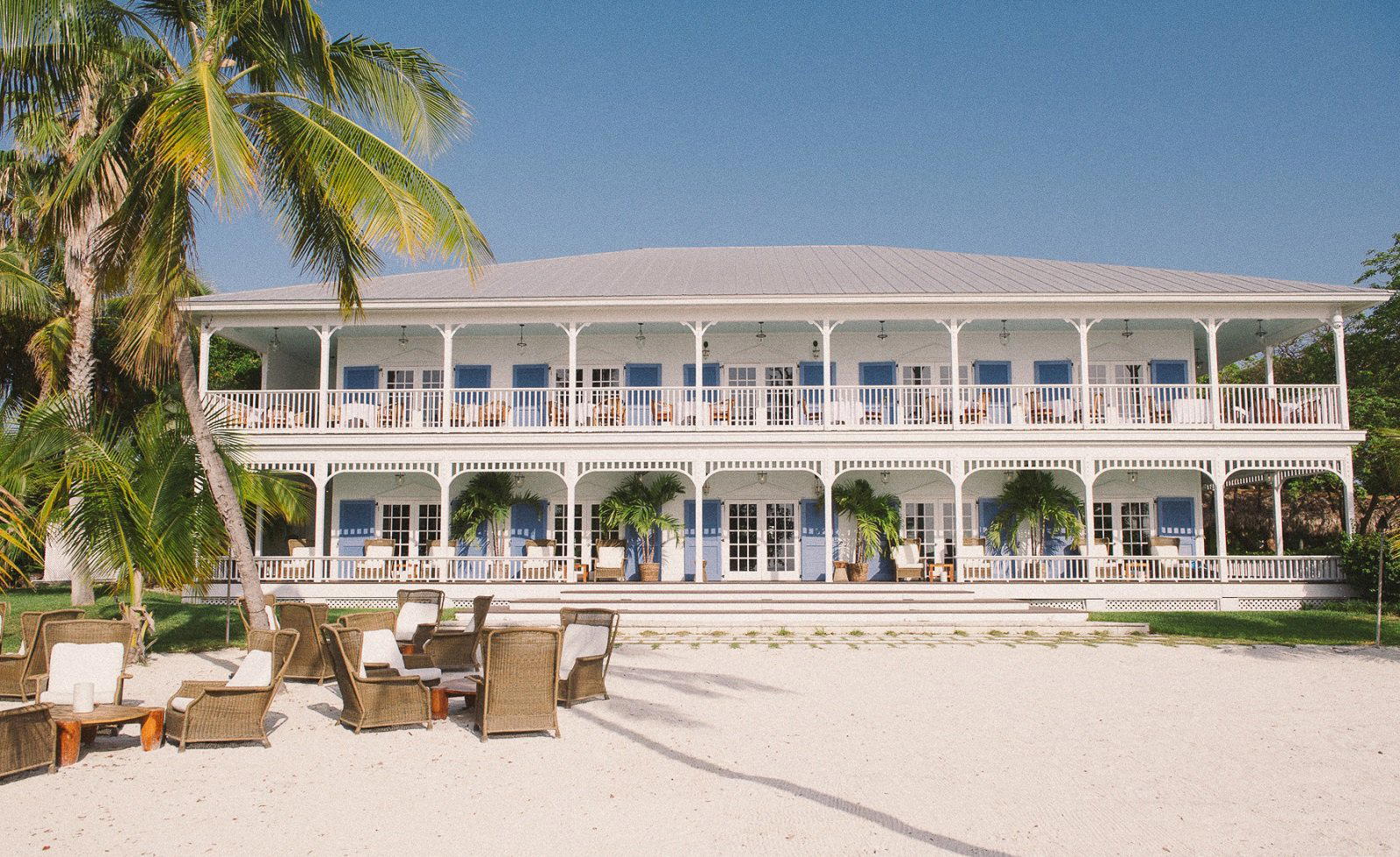
Morada Bay sits along the Overseas Highway in Islamorada, where the ritual of a Florida Keys meal unfolds at the water's edge. The open-air setting, salt air, and proximity to Florida Bay place it within the village's established dining corridor alongside Pierre's, Marker 88, and Atlantic's Edge. It draws both resort visitors and long-drive arrivals looking for the unhurried pace that defines Keys dining at its most characteristic.

Pearl is the En Primeur Club membership app, where members save venues, book tables and use the concierge.
The menu
What to order
- Seafood Pasta
- Key Lime Pie
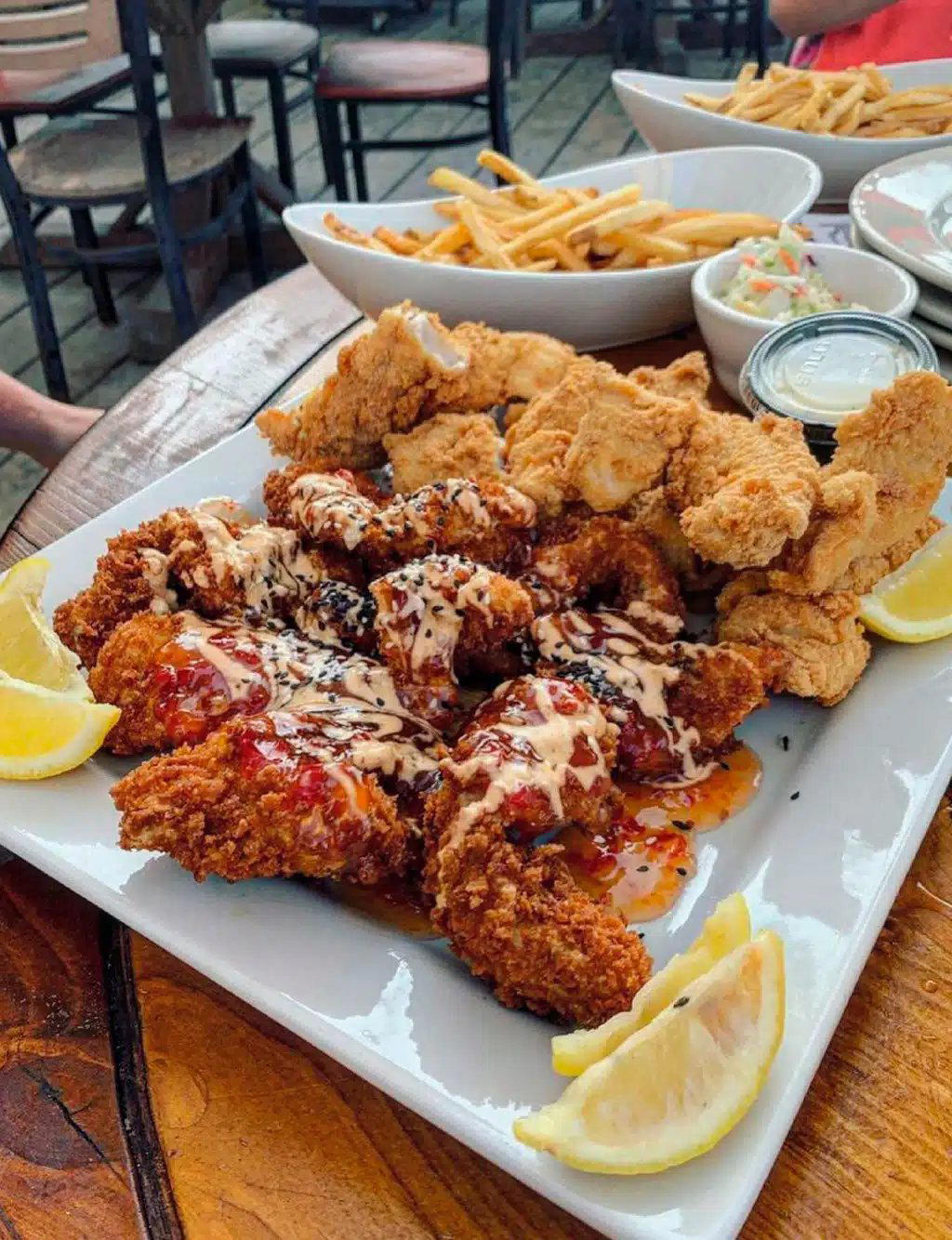
- Fresh Local Seafood
Where the Meal Begins Before You Sit Down
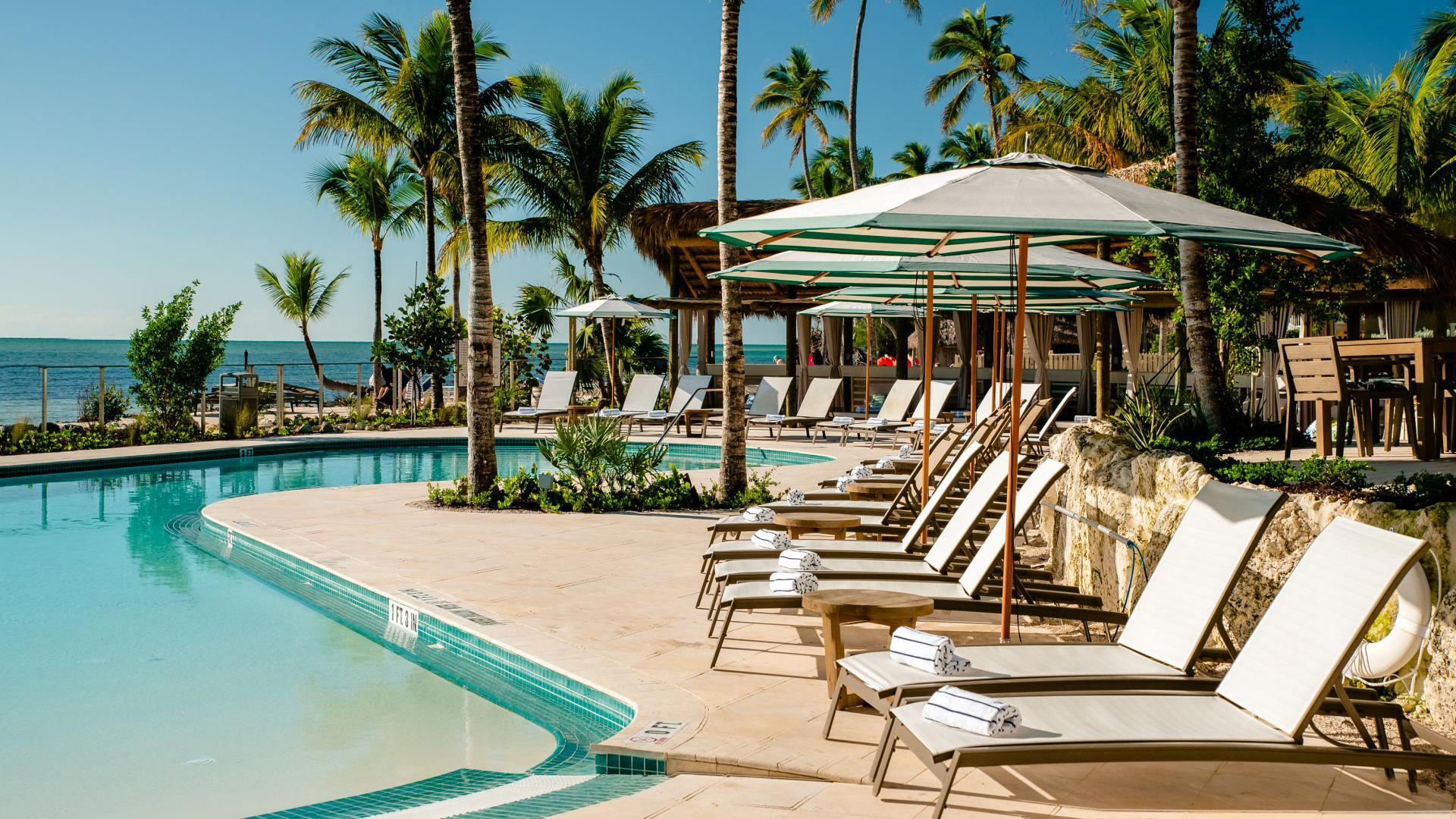
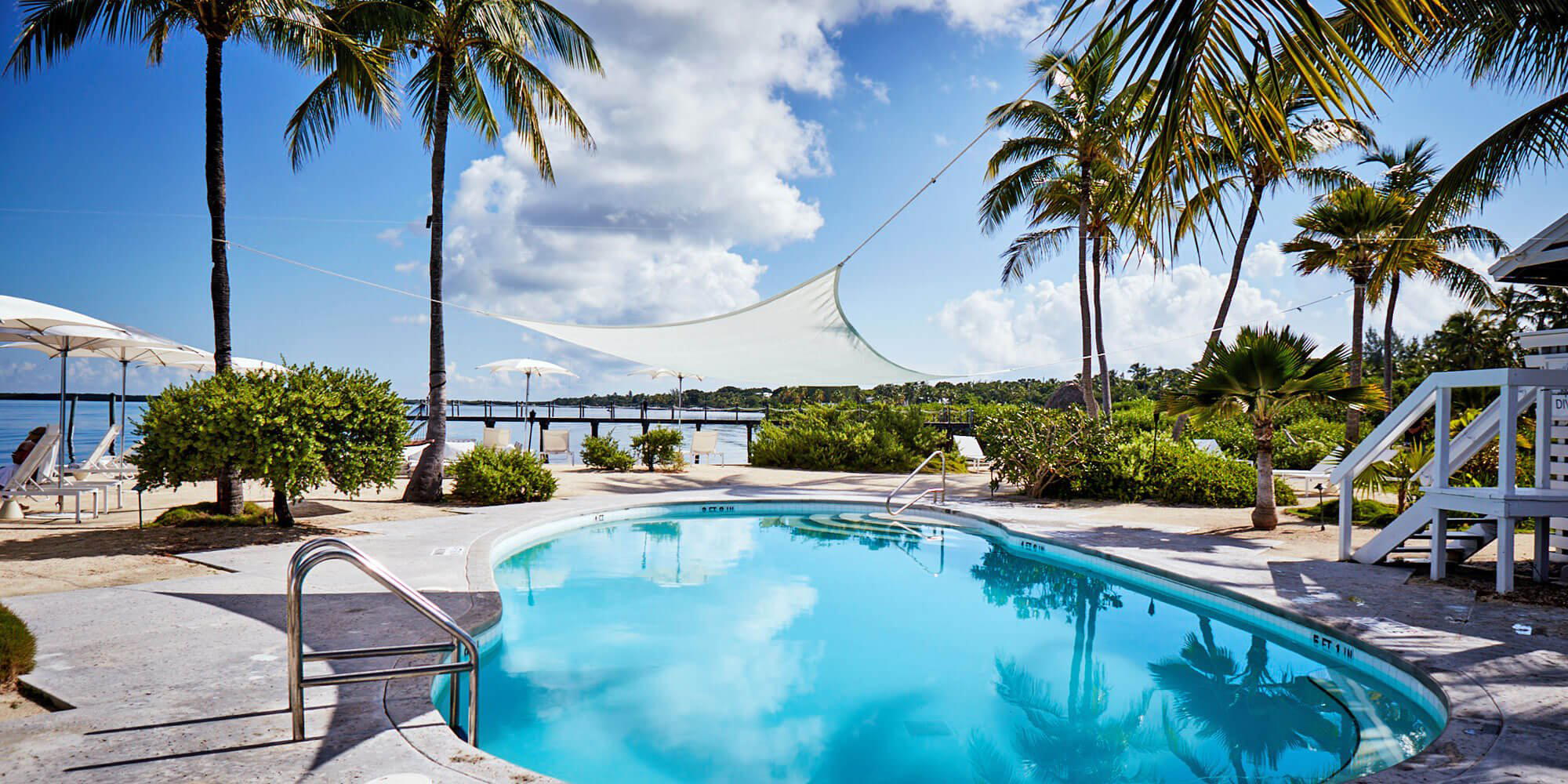
In Islamorada, the approach to a restaurant is part of the dining event. The stretch of Overseas Highway that runs through the village carries traffic from Miami through a chain of islands where water is visible on both sides and the light behaves differently than anywhere on the mainland. Morada Bay, at 81600 Overseas Hwy, sits on Florida Bay at that particular latitude where the Gulf side flattens into a broad, shallow expanse that turns green and gold in the late afternoon. By the time a guest crosses the parking area and reaches the outdoor tables, the meal has already begun in the way that only open-air, waterfront dining in the tropics permits: the environment sets the terms, and the kitchen follows.
That sequencing, where setting precedes service, is a defining feature of the Florida Keys dining ritual. Unlike the closed, controlled environments that characterize tasting-menu destinations such as Alinea in Chicago or Atomix in New York City, the Keys format is deliberately porous. Wind, tide timing, the angle of the sun at six o'clock: these are not incidental details but structural elements of how a meal here is received. Morada Bay operates inside that tradition rather than against it.
The Pacing of a Keys Meal
Across Islamorada's dining corridor, there is a loose but understood pacing to the meal that regulars observe without being told. Drinks arrive early, before menus are fully decided. Sundown is not a background event but a focal one, often prompting a pause in conversation that functions as a kind of collective punctuation. The movement from lighter, colder preparations toward the main is timed less by the kitchen's rhythm than by the sky's. This is not slow service; it is a different relationship between the meal and time.
The broader Keys restaurant scene splits between establishments that lean into this unhurried logic and those that try to run a tighter, more urban-format service. Morada Bay's position on the bay, with direct sight lines to the water, places it firmly in the former category. Among the village's dining options, it occupies a similar register to Marker 88 and Pierre's, both of which use the waterfront as an active element of the dining experience rather than scenic backdrop. Pierre's, in particular, occupies a more formal tier, with an interior dining room that operates on a different register from the bayside tables. Morada Bay and the adjacent Hungry Tarpon share a property lineage and a casual outdoor orientation that makes them a distinct pairing within the same grounds.
Florida Keys Cooking in Context
The cuisine tradition of the Florida Keys draws from a narrower pantry than the menus suggest. Spiny lobster from the Keys fishery, stone crab in season, fresh-caught mahi-mahi, and yellowtail snapper form the structural backbone of most serious tables here. What distinguishes one kitchen from another at this price point and in this geography is less the sourcing than the handling: how the fish is treated, what the kitchen does with the local citrus and pepper that grows on the island chain, whether the preparation respects or overrides the ingredient's character.
That tension between local simplicity and culinary ambition is something the Keys shares with other American coastal dining traditions. It differs from the farm-to-table rigor of a Blue Hill at Stone Barns in Tarrytown or the precision seafood work at Le Bernardin in New York City. The Keys proposition is less about technical command than about access: eating well-sourced, locally caught fish at a table where you can hear the water. Kaiyo and Atlantic's Edge both push toward more composed presentations within this framework, each finding a different way to add structure to the Keys' inherently casual culinary register.
For readers who track the progression from high-formality American dining, the kind practiced at The French Laundry in Napa, Single Thread Farm in Healdsburg, or The Inn at Little Washington, toward the opposite pole, Islamorada represents a useful counterpoint. The craft here is environmental and logistical as much as culinary. Getting the fish this fresh to a table this close to the water, at this price accessibility, with a view this unobstructed, is itself a form of curation. It is no less deliberate than what happens at Providence in Los Angeles or Addison in San Diego; it simply operates on different terms.
Planning a Visit
Islamorada sits roughly 85 miles south of Miami on US-1, a drive that takes between 90 minutes and two-and-a-half hours depending on traffic at the Card Sound Road junction and the condition of construction zones through Homestead. The island has no commercial airport; Key West International is the nearest, about an hour further south. Most guests arrive by car and often plan their Islamorada meals around the drive direction: northbound visitors stopping for dinner as the sun sets over Florida Bay on the Gulf side is a pattern the bay-facing restaurants here are positioned to serve.
Timing matters in a specific way in the Keys. Stone crab season runs October through May; spiny lobster season opens in late July and runs through March. Visiting in peak winter months, roughly December through April, means more competition for tables and higher accommodation prices across the village. Summer brings heat, afternoon storm activity, and noticeably smaller crowds, which suits the pacing of a Morada Bay-style meal better than a rush-hour approach would. For a fuller picture of what Islamorada's dining scene offers across seasons and price points, the EP Club Islamorada restaurants guide maps the village's options in detail.
Those approaching Islamorada from further afield, perhaps building a Florida itinerary that includes Emeril's in New Orleans or Lazy Bear in San Francisco at other stops, will find the Keys operate on a different logic than urban dining destinations. Reservations at the leading village tables are worth making weeks ahead during high season. 8 1/2 Otto e Mezzo Bombana in Hong Kong and similar internationally recognised addresses reward advance planning for different reasons: scarcity of seats. Here the pressure is seasonal and meteorological as much as culinary. Pick your weather window, then plan your table.
Frequently asked questions
Is Morada Bay okay with children?
The open-air, beachside setting at 81600 Overseas Hwy works well for families with children, outdoor seating on the sand gives kids room to move, and the casual Keys atmosphere along Florida Bay is far less formal than enclosed dining rooms. That said, the venue draws evening crowds that can run loud and social, so families with young children tend to fare better earlier in the day.
What's the overall feel of Morada Bay?
Morada Bay sits directly on Florida Bay with tables on the sand and unobstructed water views, putting the setting ahead of the service mechanics in terms of what drives the experience. The format follows the loose, unhurried pacing common across Islamorada's dining corridor: drinks come early, the meal stretches out, and the bay does most of the atmospheric work. It reads less as a destination restaurant and more as the kind of place regulars return to on a reliable schedule.
Can you watch the sunset from Morada Bay in Islamorada?
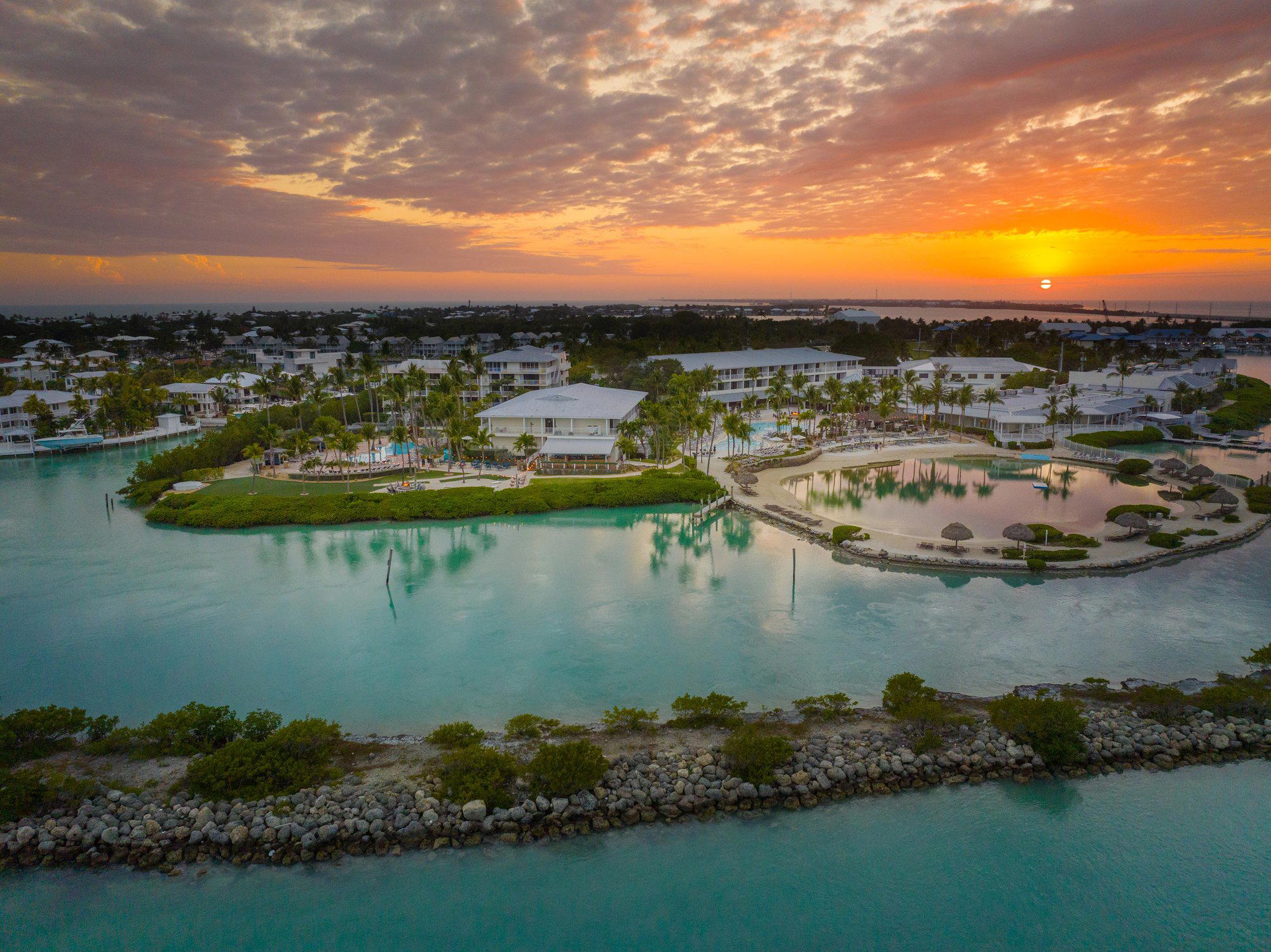
Morada Bay faces west across Florida Bay from its address at 81600 Overseas Hwy, which puts it on the bay side of the Keys where sunset views are direct and unobstructed. This orientation is one of the primary reasons the venue draws early-evening traffic in Islamorada, where the bay-side sunset is a defining feature of the Upper Keys dining ritual. Arriving ahead of peak sunset time is advisable during winter months when the draw is strongest.
What dish is Morada Bay famous for?
Florida Keys cuisine draws heavily from the local fishery, and in Islamorada that means spiny lobster during season and stone crab where the calendar allows. Checking directly with the restaurant before visiting is the reliable way to know what's current.
Cuisine Lens
Comparable venues nearby, for context on price, style, and recognition.
| Venue | Cuisine | Price | Notes |
|---|---|---|---|
| Morada BayThis venue (the venue you are viewing) | Caribbean-Mediterranean Beachfront Bistro | $30–50 | Not listed |
| Kaiyo | Island-Asian Sushi & Wood-Fire Grill | $50–100 | Islamorada Old Highway |
| Hungry Tarpon | Florida Keys Seafood | $20–30 | Robbie's Marina |
| Marker 88 | Fresh Florida Seafood | $30–50 | Plantation Key |
| Atlantic's Edge | Modern Island-Inspired Seafood | $50–100 | Islamorada |
| Pierre's | French Fusion with Regional Influences | $50–100 | Islamorada |
Continue exploring
More in Islamorada
Restaurants in Islamorada
All restaurants in Islamorada →
Bars in Islamorada
Browse all →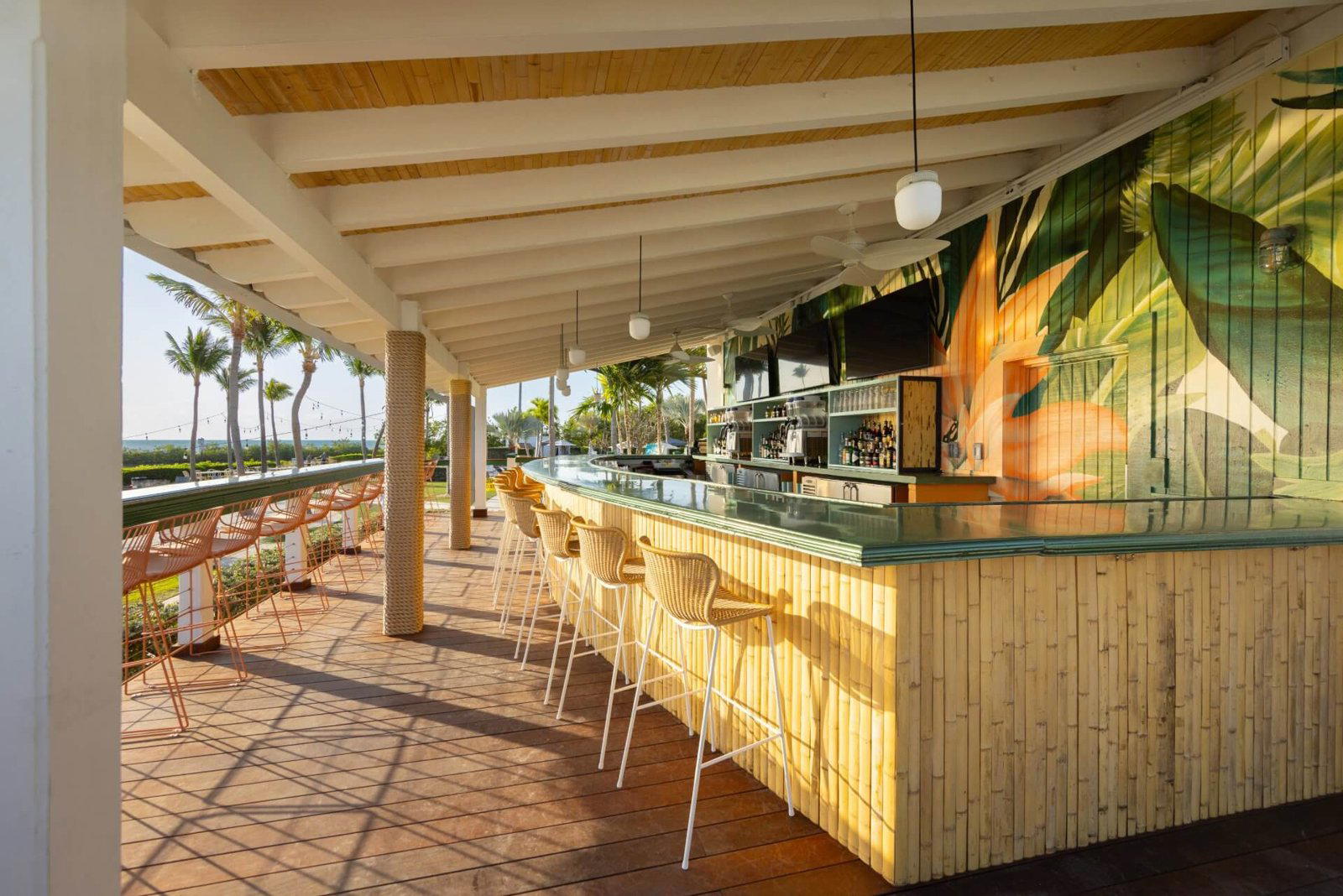
Details
- Romantic
- Scenic
- Elegant
- Lively
- Date Night
- Group Dining
- Family
- Celebration
- Casual Hangout
- Special Occasion
- Waterfront
- Live Music
- Terrace
- Panoramic View
- Craft Cocktails
- Local Sourcing
- Sustainable Seafood
- Waterfront
- A La Carte
- Small Plates
- Tropical Cocktails
- Signature Drinks
- Vegetarian Friendly
- Vegan Options
- Gluten Free Options
Current opening hours
- Monday
- 11:30 AM–10 PM
- Tuesday
- 11:30 AM–10 PM
- Wednesday
- 11:30 AM–10 PM
- Thursday
- 11:30 AM–10 PM
- Friday
- 11:30 AM–10 PM
- Saturday
- 11:30 AM–10 PM
- Sunday
- 11:30 AM–10 PM
Hours can change for holidays and private events. Last verified .
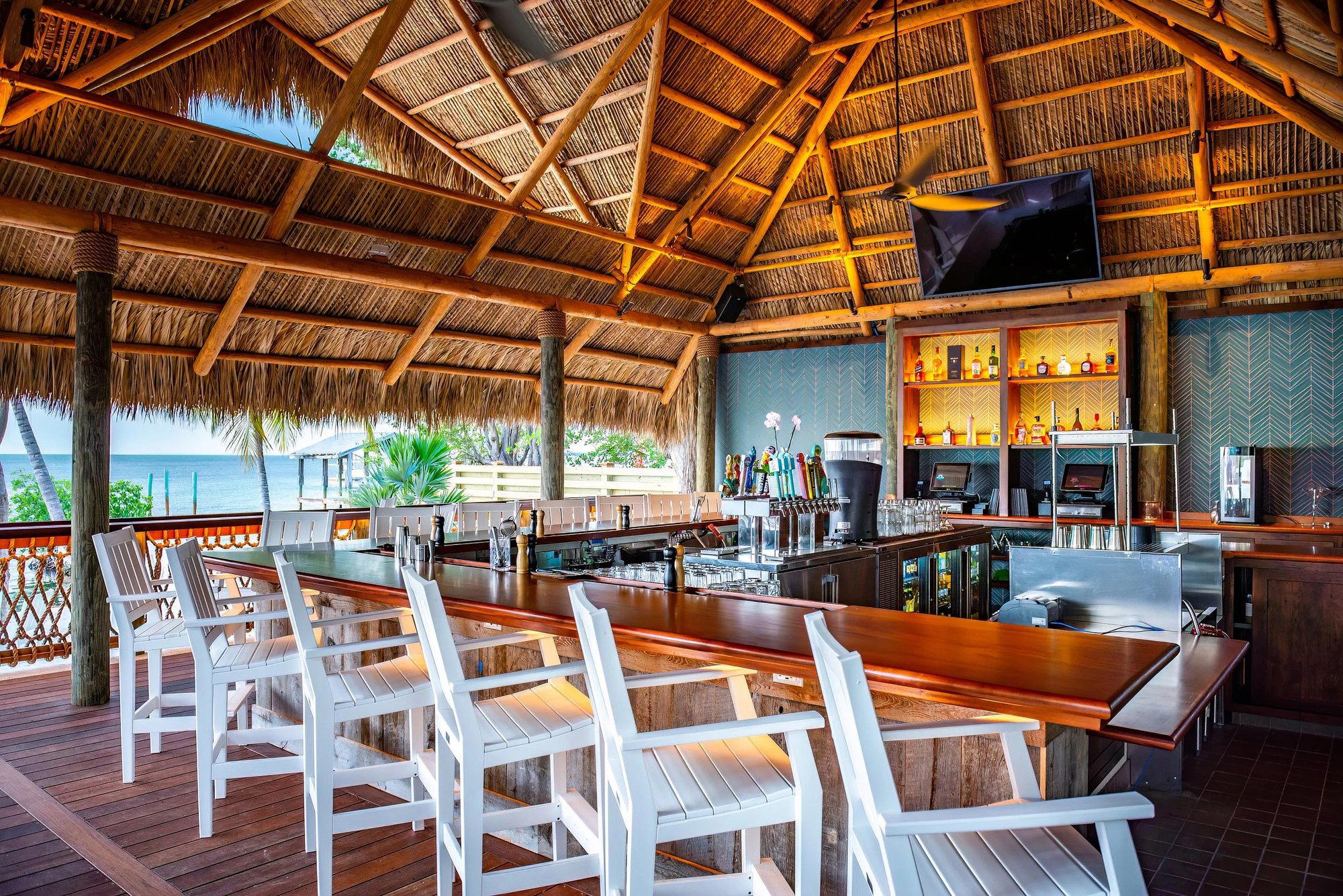
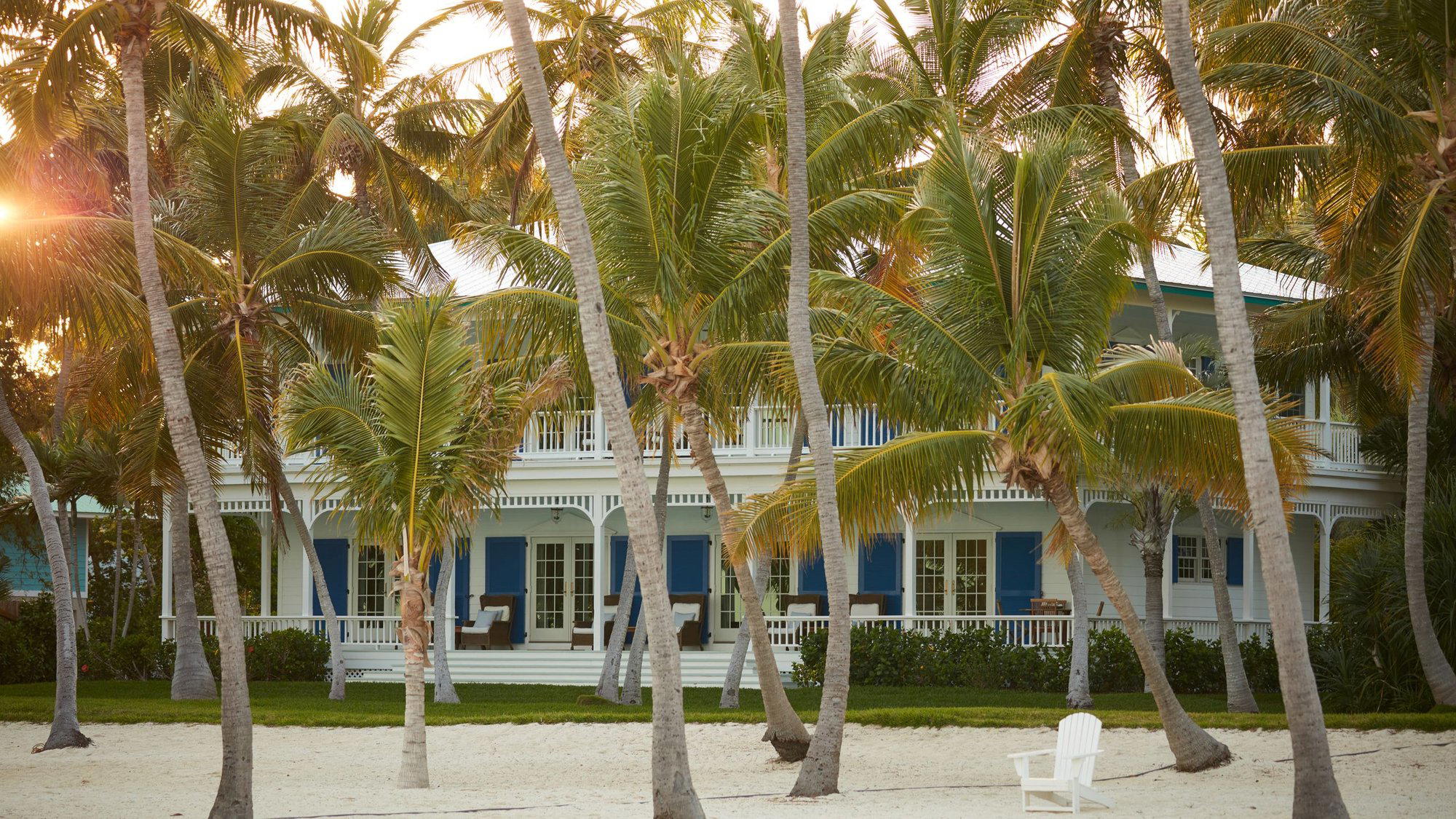
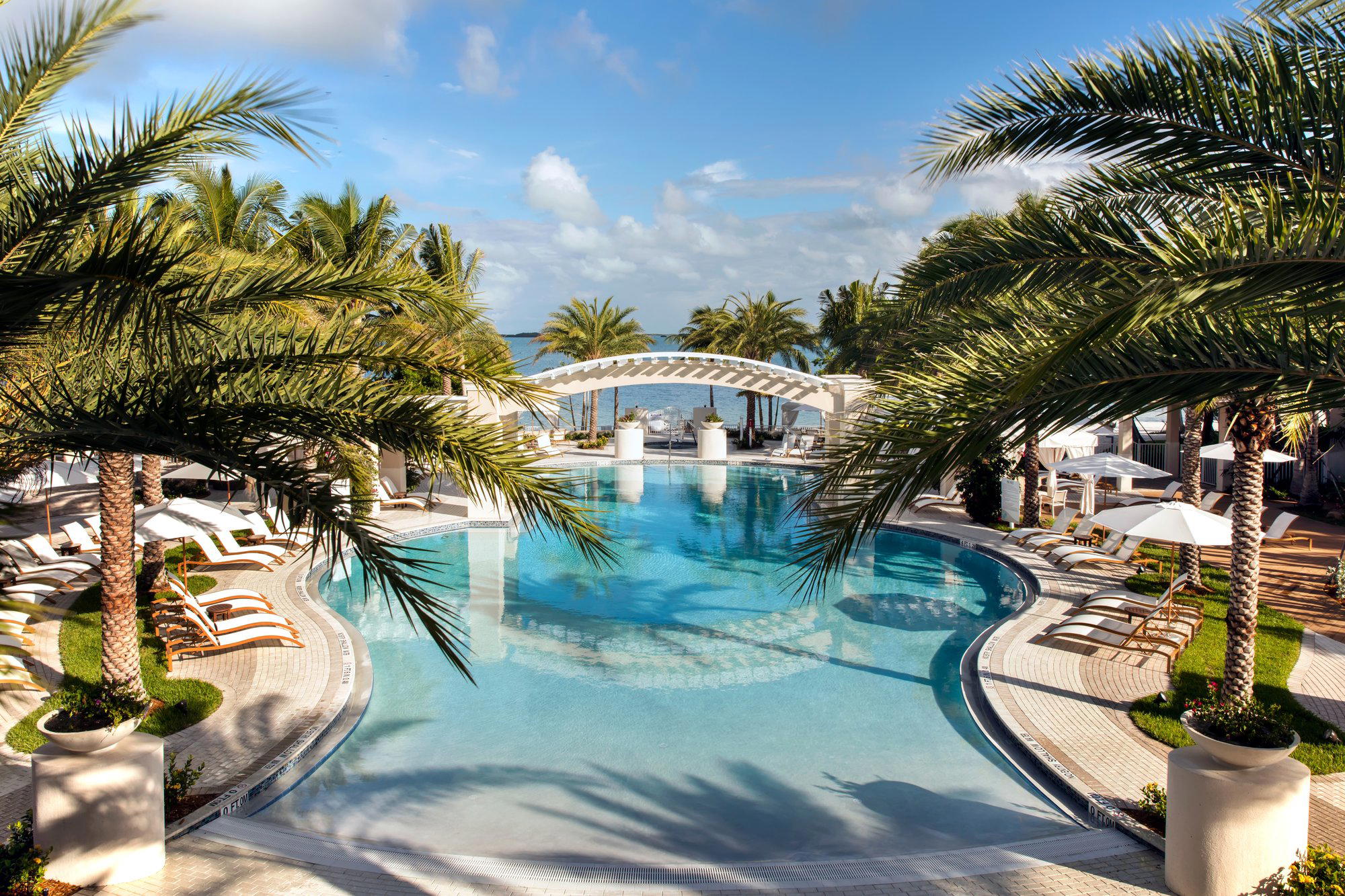
Bright, tropical, and relaxed with palm trees, colorful tables, inside and outside bars, and spectacular sunset views creating a laid-back Keys atmosphere.