
Michelin Plate
Our verdict
MITSU brings Lisbon’s small-counter omakase culture into sharp focus: 10 seats facing the chef, four additional table seats, and a sourcing line that runs through Setúbal, Nazaré and the Azores. The appeal is less about spectacle than control, with Shinya Koike and Kshetri Raju working a compact format around Portuguese Atlantic product.

Pearl is the En Primeur Club membership app, where members save venues, book tables and use the concierge.
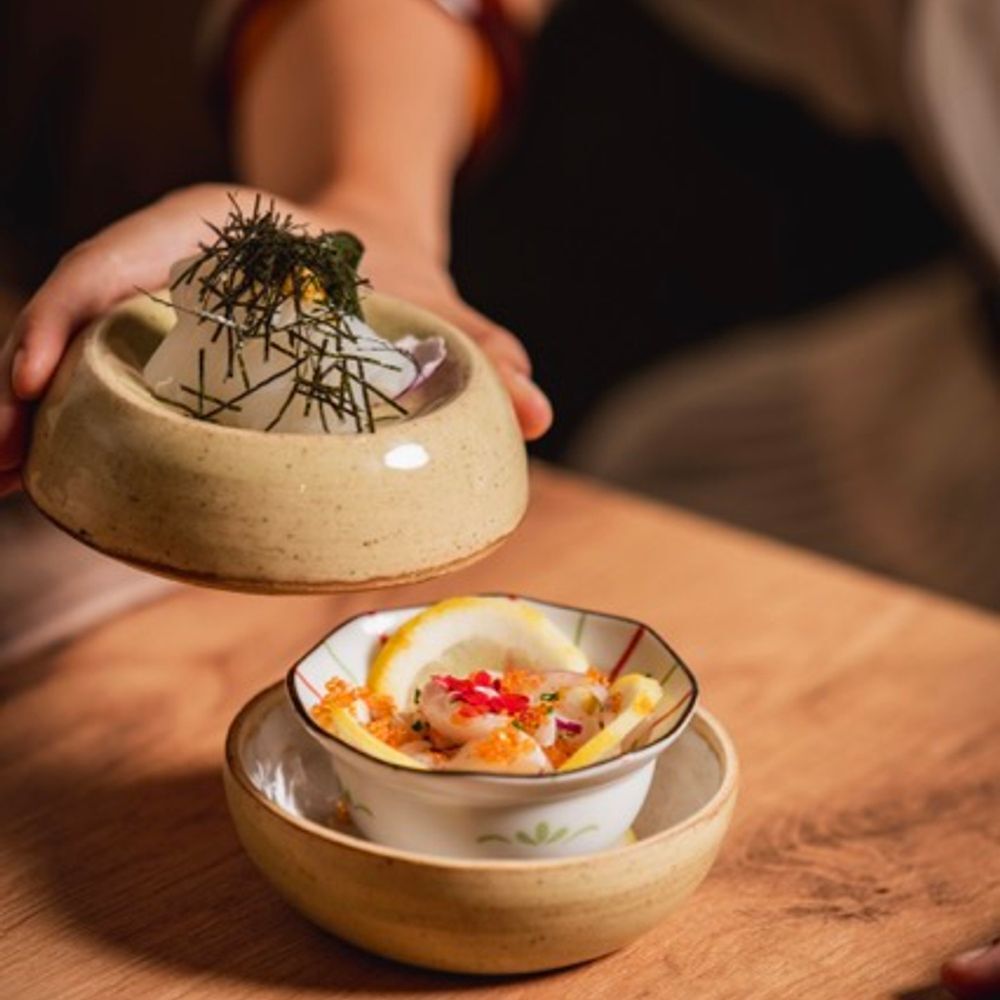
The menu
What to order
- Toro de Atum Bluefin
- Nigiris Edogawa
- Wagyu A5 à moda Sukiyaki
In Lisbon, the room contracts the scale of dinner before the first plate arrives: a compact restaurant setting where the meal is shaped by sequence, timing and proximity. Lisbon has plenty of international dining, but the serious small-room format remains a narrower category, closer to theatre in discipline than in volume. At MITSU, that smallness matters because a focused meal depends on pacing, temperature and attention, and those elements are harder to protect once a room expands.
The more interesting Lisbon story is the way the format meets the city around it. Technique and ritual may travel widely, but in Portugal they gain a different centre of gravity because the city’s dining imagination is already highly developed. Rather than presenting itself as a template imported wholesale, MITSU reads best as a Lisbon restaurant using a tightly controlled format to focus the evening.
Lisbon ingredients, small-room discipline
Focused dining in Lisbon sits at an unusual crossroads. The city’s dining culture has long been fluent in generous tables and strong restaurant traditions, yet this kind of small-format meal asks for a different kind of attention: fewer distractions, tighter pacing, and a progression set by the kitchen rather than the larger shared-table grammar found elsewhere in the city. That does not make it more serious; it makes it more controlled.
The point is restraint rather than spectacle. A room like this works when each course feels connected to the one before it, and when the guest understands that choice has been traded for concentration. The stronger reading of MITSU is not novelty, but focus: a Lisbon dining room using a compact format to give the kitchen direct command of progression.
The people running the room give it its operating spine, but biography is less important here than the structure they maintain. In a small restaurant, the close relationship between kitchen and guest turns service into a sequence rather than a menu browse. That places MITSU closer to Lisbon’s specialist dining tier than to the city’s broader casual international field, including lighter-format names such as Koji and Kazi Eatery. The comparison is not about hierarchy; it is about purpose. One format is built for repetition and accessibility, the other for concentration.
Where it fits in Lisbon's small-format dining scene
Lisbon’s premium restaurant conversation often tilts toward creative local tasting menus, international dining and chef-led rooms with broader seating capacity. For reference points inside the city, other Lisbon dining rooms represent different versions of chef-driven ambition. A tightly structured meal works by another contract: the room is smaller, the diner gives up some choice, and the kitchen’s decisions become the evening’s argument.
That distinction is why scale is not a decorative fact. Limited capacity places pressure on planning and also protects the format. A room of this kind can make a single course or a carefully paced sequence feel like part of a larger thesis rather than an isolated plate. Lisbon’s advantage is the food culture around it, which gives a compact dining room plenty of context without requiring the restaurant to become encyclopedic.
The city around it gives useful contrast. Lisbon draws hotel guests, office dinners and high-spend itineraries, while other dining rooms speak to different modes of restaurant-going. More casual Portuguese addresses sit in another register altogether. MITSU’s value for the reader is the way it compresses the city’s appetite for precision into a concentrated progression, rather than trying to cover every possible Lisbon dining mood.
How to place it on a Lisbon itinerary
This is a focused dinner choice, not a catch-all recommendation for mixed groups with broad menu needs. The room size and set progression suit diners who are comfortable giving control to the restaurant and who care about the logic of the meal. It also fits a Lisbon trip that balances Portuguese cooking with one sharply defined format, especially when paired with broader research through Our full Lisbon restaurants guide, Our full Lisbon hotels guide, Our full Lisbon bars guide, Our full Lisbon wineries guide and Our full Lisbon experiences guide.
For travellers building a wider Portugal food route, the useful comparison is regional rather than stylistic. Lisbon’s focused dining can sit alongside unnamed northern, Douro and coastal addresses without needing to make the same promise. Elsewhere, casual and bar-adjacent formats underline how far compact dining categories can stretch. The Lisbon version at MITSU is narrower, more focused, and more dependent on the discipline of the room than on breadth of choice.
Frequently asked questions
Where do I go for MITSU?
MITSU is in Lisbon.
What's MITSU known for in terms of accolades?
MITSU is listed in the Michelin Guide with a MICHELIN Plate distinction.
How hard is it to get a table at MITSU?
MITSU is a small dining room in Lisbon, so availability can be limited. The format is built for a focused number of guests rather than walk-in volume.
What do critics highlight about MITSU?
Attention usually falls on the compact setup, the controlled pacing and the way MITSU uses a tightly structured meal to create focus in a Lisbon dining context.
How does MITSU handle allergies?
Because MITSU works with a guided dining format in Lisbon, allergies should be communicated before the meal so the kitchen can advise on what is possible within the sequence.
Fast Comparison
Comparable venues by cuisine and price in the same metro.
| Venue | Cuisine | Price | Awards |
|---|---|---|---|
| MITSUThis venue (the venue you are viewing) | High-End Japanese Omakase | $150–200 | Michelin Plate |
| Allora | Modern Cal-Italian Seafood | $200–300 | Michelin Plate · Star Wine List |
| Bread & Friends | Modern Portuguese-influenced bakery café | $20–30 | Not listed |
| Koji | Traditional Japanese Restaurant & Bar | Not listed | Not listed |
| Kazi Eatery | Japanese-Mexican Sushi Taco Fusion | $20–30 | Not listed |
| Restaurante Chiveve | Authentic Mozambican Cuisine | $20–30 | Not listed |
Recognition history
Dated appearances from independent guides and award organizations, with the underlying list record or original source where available.
Michelin Plate
Michelin
MITSU
Featured Guides

Continue exploring
More in Lisbon
Restaurants in Lisbon
All restaurants in Lisbon →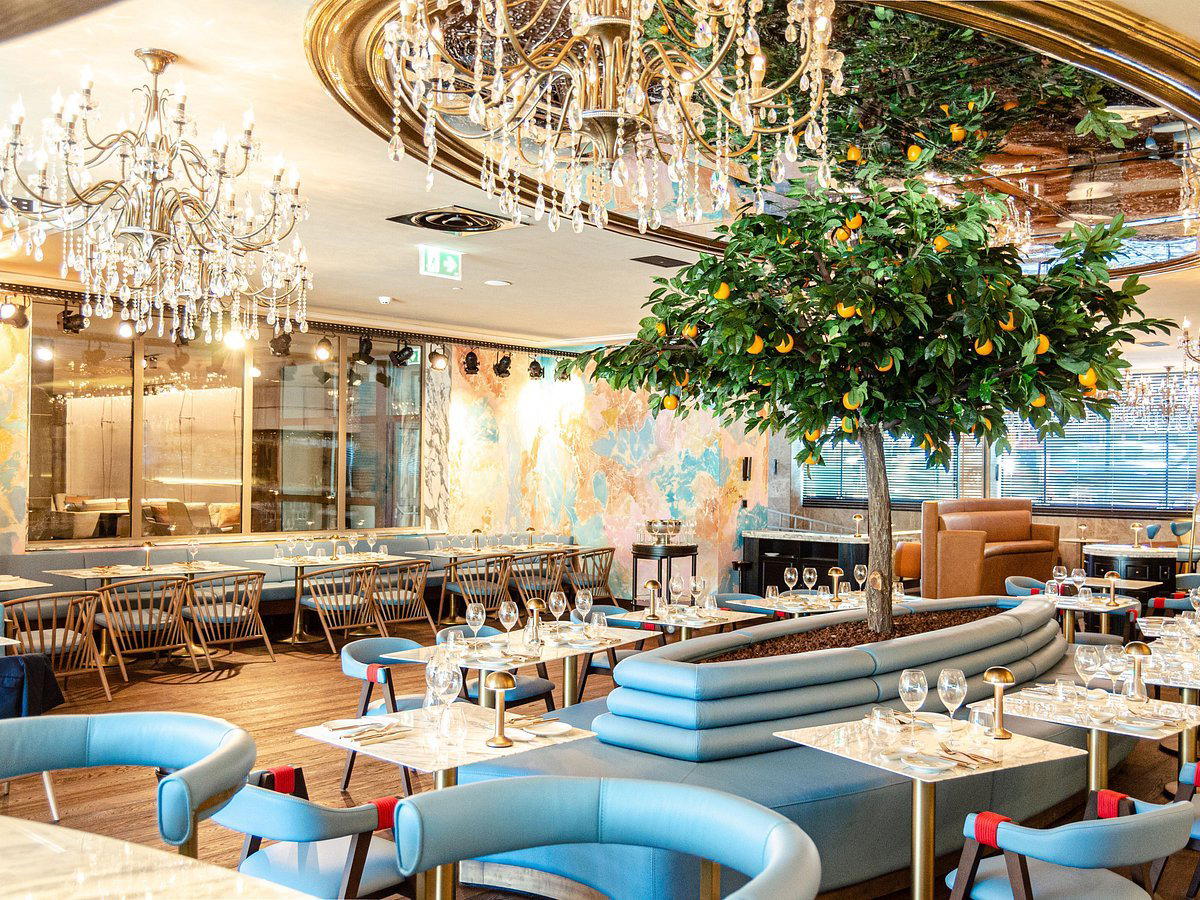
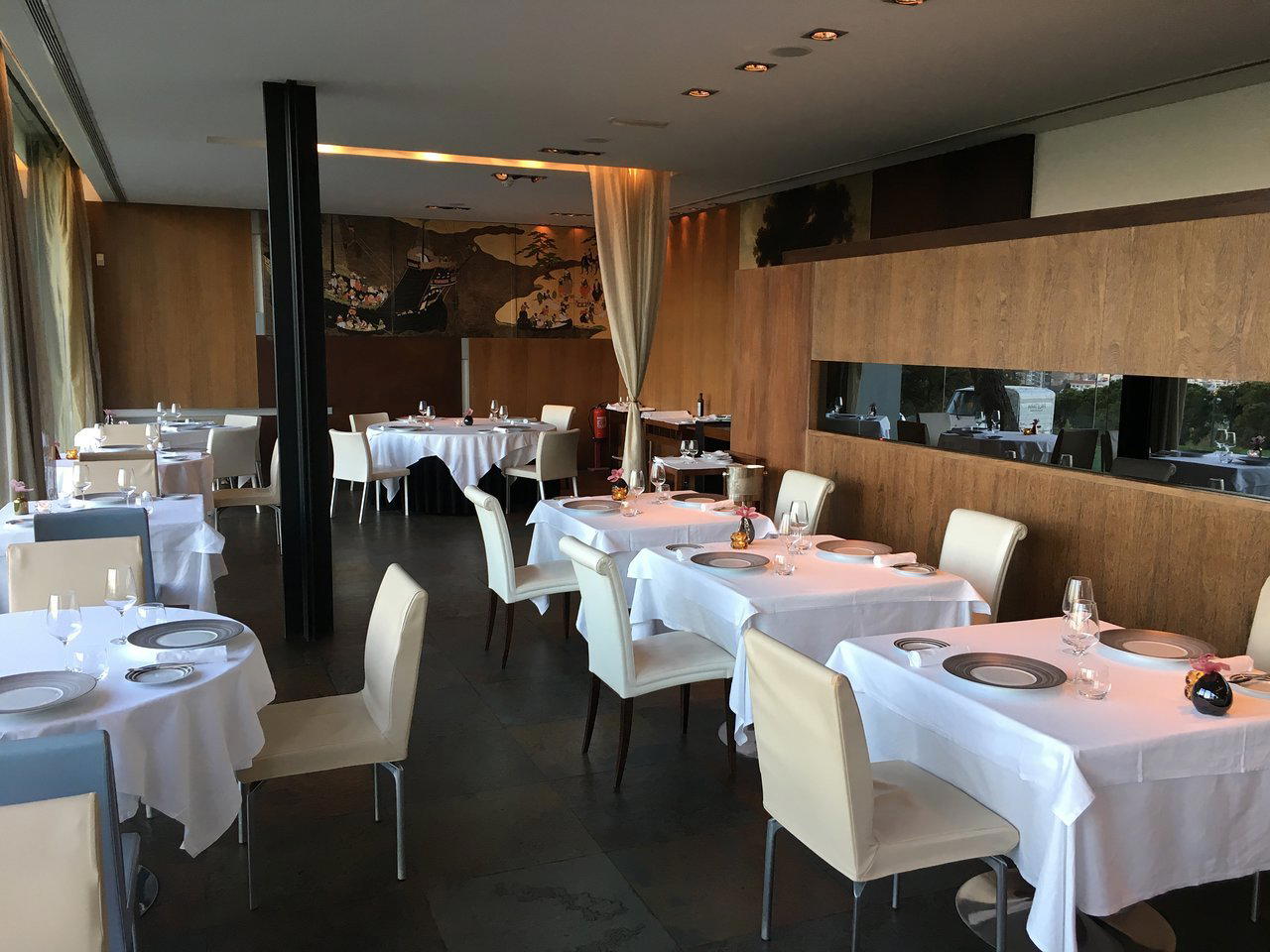
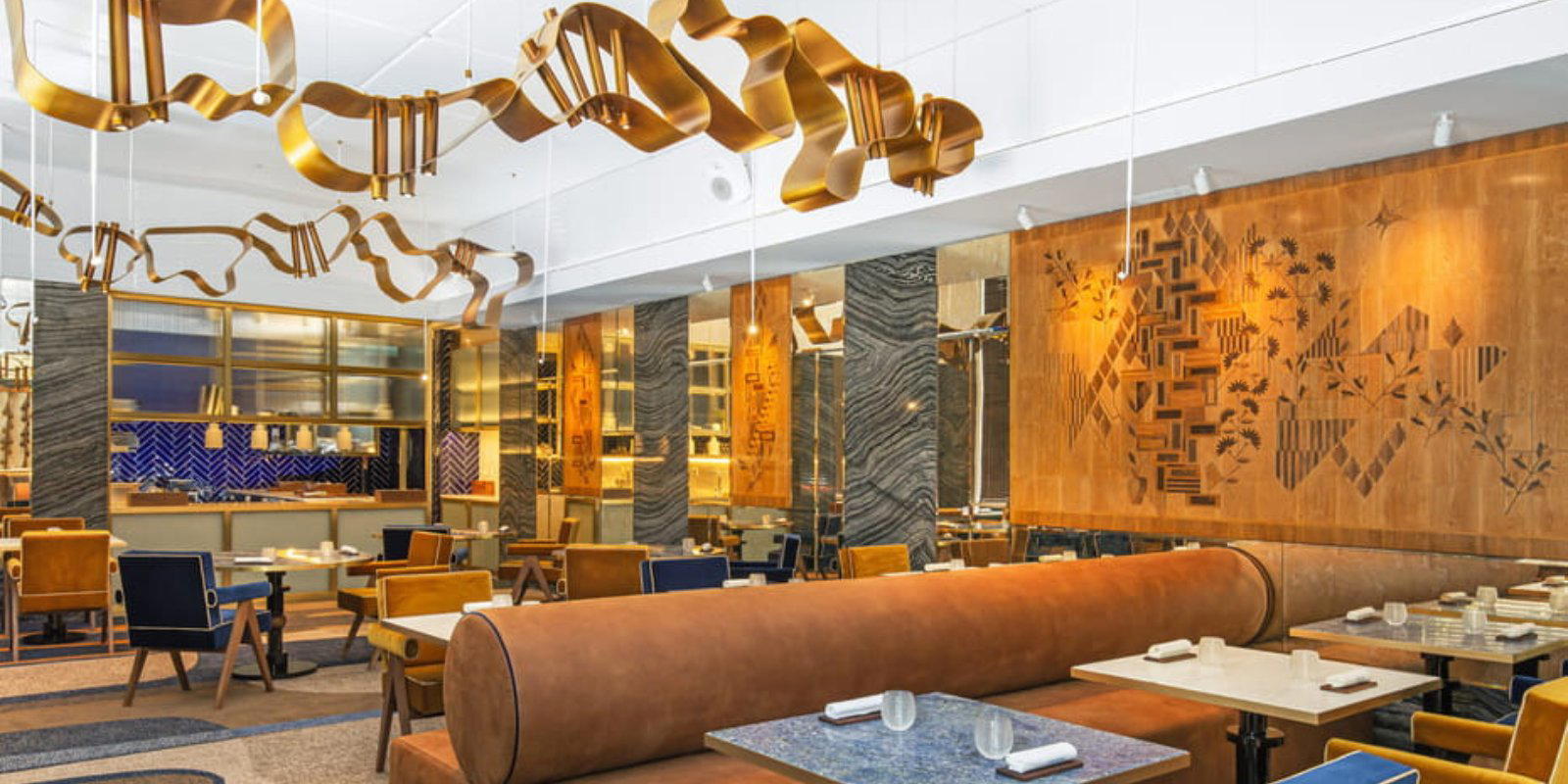
Bars in Lisbon
All bars in Lisbon →

Details
- Intimate
- Elegant
- Modern
- Sophisticated
- Cozy
- Date Night
- Special Occasion
- Celebration
- Solo
- Business Dinner
- Chefs Counter
- Open Kitchen
- Design Destination
- Standalone
- Private Dining
- Sake Program
- Craft Cocktails
- Extensive Wine List
- Sustainable Seafood
- Local Sourcing
- Omakase
- Tasting Menu
- Counter Dining
- Sake
- Wine
- Cocktails
- Pescatarian Friendly
Minimalist and refined counter-only dining room with soft lighting, quiet atmosphere, and close interaction with the chef, creating an immersive, contemplative omakase experience rather than a bustling sushi bar.