Mazza Kitchen
Our verdict
Mazza Kitchen brings Levantine cooking to Petaluma, drawing on the region's deep agricultural infrastructure to put seasonal, farm-sourced ingredients at the center of a cuisine built on spice, char, and slow technique. In a downtown dining scene that skews Californian and European, the kitchen occupies its own territory — a useful counterpoint for anyone working through the city's restaurant options.

Pearl is the En Primeur Club membership app — saves, bookings, and concierge access live there. Same editors, same standards.
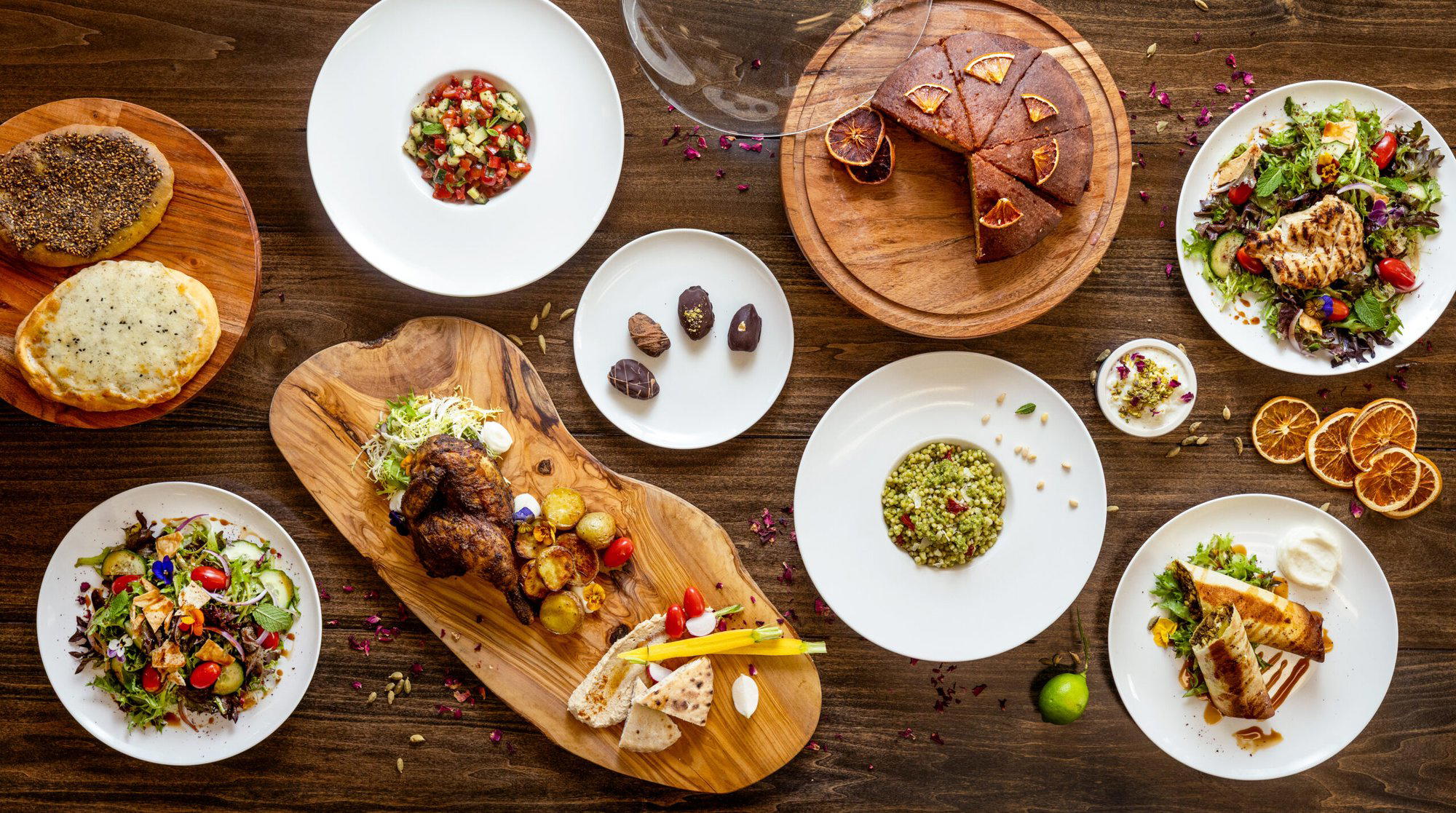
The menu
What to order
- Spiced chicken
- Shawarma
- Manoushe
- Chocolate-covered dates
Where Levantine Cooking Meets California's Agricultural Spine
Petaluma's downtown dining corridor has spent the better part of a decade assembling a compact but considered restaurant scene — Californian farmhouse cooking at Central Market, Italian-inflected comfort at Risibisi, Scandinavian-leaning produce work at Stockhome. Most of those kitchens share a philosophical common ground: proximity to Sonoma County's agricultural infrastructure shapes what lands on the plate. Mazza Kitchen enters that conversation from a different angle. Levantine cooking — built on preserved lemons, tahini, slow-charred eggplant, warm spice blends, and grain-forward plates, does not appear often in this part of Northern California, and in Petaluma specifically, it fills a gap that has remained open while the rest of the downtown scene found its footing.
The Eastern Mediterranean tradition that underpins Levantine cuisine is, at its root, a cuisine of ingredients: what the land and season produce determines the table. That alignment with Northern California's farm-to-kitchen ethic is less accidental than it might first appear. Sonoma County supplies some of the most consistently sourced vegetables, dairy, and proteins in the United States, and a kitchen working in a tradition that has always prioritized raw material quality over technical theatrics has an obvious advantage in this geography.
Sourcing as Culinary Logic
The case for Levantine cooking in Sonoma County becomes clearer when you consider how the cuisine actually works at a sourcing level. Mezze-style eating depends on ingredient integrity in a way that more sauce-heavy European traditions can sometimes obscure. A plate of hummus that arrives at the table reveals its chickpea source directly; roasted vegetables dressed with good olive oil and za'atar have nowhere to hide mediocre produce. The cuisine's transparency makes sourcing decisions visible in every dish.
This is the context in which operations like Mazza Kitchen function. The Sonoma and Marin agricultural belt, running from the Petaluma flatlands north toward Healdsburg and west toward the coast, produces lamb, heritage grains, dairy, and a diversity of vegetables that maps cleanly onto Levantine ingredient requirements. Kitchens at the higher end of that sourcing relationship, like Single Thread Farm in Healdsburg or, in a different register, Blue Hill at Stone Barns in Tarrytown, have demonstrated that farm proximity reshapes what a cuisine can accomplish. Mazza Kitchen operates in the same agricultural zone without the tasting-menu infrastructure, which positions it as a more accessible entry point to that ingredient conversation.
Levantine cuisine also has a longer relationship with preserved and fermented ingredients than most Western traditions. Pickled turnips, labneh aged to concentration, fermented hot sauces, these elements reflect a pantry logic that prizes longevity and depth of flavor alongside fresh seasonal material. In a region where fermentation culture has become a serious preoccupation across the restaurant scene, that overlap adds another layer of relevance to what a Levantine kitchen can offer here.
Petaluma's Restaurant Scene in 2024
Understanding where Mazza Kitchen sits requires a read on Petaluma's current dining character. The city has steadily moved away from its earlier identity as a commuter-town stopover and toward a downtown that rewards an evening spent on foot. Della Fattoria Downtown Café anchors the daytime end of that shift, with bread and pastry work that draws visitors from across the county. Bijou and others occupy the mid-evening tier. The overall effect is a dining scene with genuine range but one that has remained predominantly European in its culinary references.
That concentration creates space for a kitchen working in a different tradition. Middle Eastern and Levantine cooking has developed a serious presence in San Francisco and Los Angeles over the past several years, with chefs bringing the same sourcing and technique discipline that has refined Japanese and Californian cuisine in those cities. Petaluma, positioned between San Francisco and wine country, draws diners who move comfortably between the Bay Area's more cosmopolitan dining culture and the relaxed pace of the North Bay. A Levantine kitchen in this corridor addresses a real appetite, not just a demographic assumption.
For a broader orientation to what Petaluma's restaurant scene offers across cuisines and price points, the EP Club Petaluma restaurants guide covers the full field. Comparison dining in the region's upper tiers is possible with reference to The French Laundry in Napa and Lazy Bear in San Francisco, though both operate in a different price register and format entirely.
The Wider Levantine Dining Conversation
Levantine cooking has been undergoing a serious critical reassessment in the United States for roughly a decade. What was once categorized loosely as Middle Eastern and priced at the lower end of the market has been reconsidered as a cuisine with as much technical depth and regional specificity as French or Japanese cooking. Kitchens at Atomix in New York City have shown what happens when a non-Western culinary tradition receives the same fine-dining infrastructure and critical attention that European cuisines have long taken for granted. The Levantine parallel is still developing, but the trajectory is clear.
Restaurants including Providence in Los Angeles, Le Bernardin in New York City, and Addison in San Diego have each demonstrated that regional specificity, knowing exactly where a cuisine comes from and what it requires, produces more interesting food than a generalized approach to any tradition. The same principle applies to Levantine cooking: the distinction between Lebanese, Syrian, Israeli, and Palestinian culinary vocabularies matters, and kitchens that treat those distinctions seriously produce more coherent plates.
In that context, a Levantine kitchen in Petaluma is not simply filling a geographic gap. It is participating in a broader reclassification of what this cuisine can mean in an American dining context, and doing so in one of the country's better-supplied agricultural regions.
Planning Your Visit
Mazza Kitchen operates in Petaluma, California, within reach of both the Sonoma wine country corridor and the broader North Bay dining circuit. Given the limited publicly available data on hours and reservations, confirming current service times directly before visiting is advisable, the restaurant's booking format, capacity, and seasonal schedule are leading verified through a direct inquiry. Petaluma's downtown is walkable and compact, which makes Mazza Kitchen a practical addition to an evening that might also include a stop at Della Fattoria for bread or a pre-dinner drink at one of the nearby bars along the main corridor. Visitors arriving from San Francisco should allow approximately an hour by car, with Highway 101 north as the standard route. Wine country visitors staying in Healdsburg or Sonoma are within a similar drive south.
Frequently asked questions
Would Mazza Kitchen be comfortable with kids?
Levantine dining formats tend to work well for mixed-age groups. The mezze structure — multiple small plates shared across the table — removes the pressure of individual ordering and lets younger diners pick from a wider spread. Petaluma's downtown dining scene, where Mazza Kitchen operates, generally runs in the casual-to-mid-formal register, which keeps the environment approachable for families.
What is the atmosphere like at Mazza Kitchen?
Mazza Kitchen sits within Petaluma's downtown corridor, a dining district that has shifted toward considered, ingredient-focused restaurants over the past decade. Levantine cooking, by its nature, favors a communal table dynamic — dishes arrive to share rather than in formal sequence, which shapes the pace and feel of a meal. That format tends to produce a convivial, relaxed energy rather than a high-ceremony one.
Is Mazza Kitchen one of the only Levantine restaurants in Sonoma County?
Levantine cuisine is sparsely represented across Sonoma County, where the regional dining identity has historically been shaped by Californian farm-to-table cooking and Italian-inflected wine country fare. Mazza Kitchen's presence in Petaluma places it in a category with very few direct regional competitors. For diners traveling the North Bay corridor, it represents a format that is genuinely difficult to find in this geography.
What should I order at Mazza Kitchen?
As a general orientation: Levantine kitchens in California frequently anchor their menus around cold mezze — items like hummus, muhammara, and fattoush — before moving into grilled proteins and flatbreads. Given Petaluma's position within Sonoma County's agricultural network, locally sourced produce and dairy are a reasonable expectation in this cuisine format.
At-a-Glance Comparison
Comparable venues nearby, for context on price, style, and recognition.
| Venue | Cuisine | Price | Awards | Notes |
|---|---|---|---|---|
| Mazza KitchenThis venue — the venue you are viewing | Levantine Grab-and-Go | Not listed | Not listed | Not listed |
| Della Fattoria Downtown Café | Artisanal Bakery Café | $20–30 | Not listed | historic downtown |
| Stockhome | Swedish Street Food with Middle Eastern Influences | $20–30 | Michelin Bib Gourmand | Downtown Petaluma |
| Risibisi | Authentic Northern Italian Trattoria | $30–50 | Not listed | Downtown Petaluma |
| Central Market | Californian Seasonal American | $30–50 | Not listed | downtown |
| Bijou | California-French Bistro | $50–100 | Sonoma Magazine Best New Restaurants of 2025 | Downtown |
Continue exploring
More in Petaluma
Restaurants in Petaluma
All restaurants in Petaluma →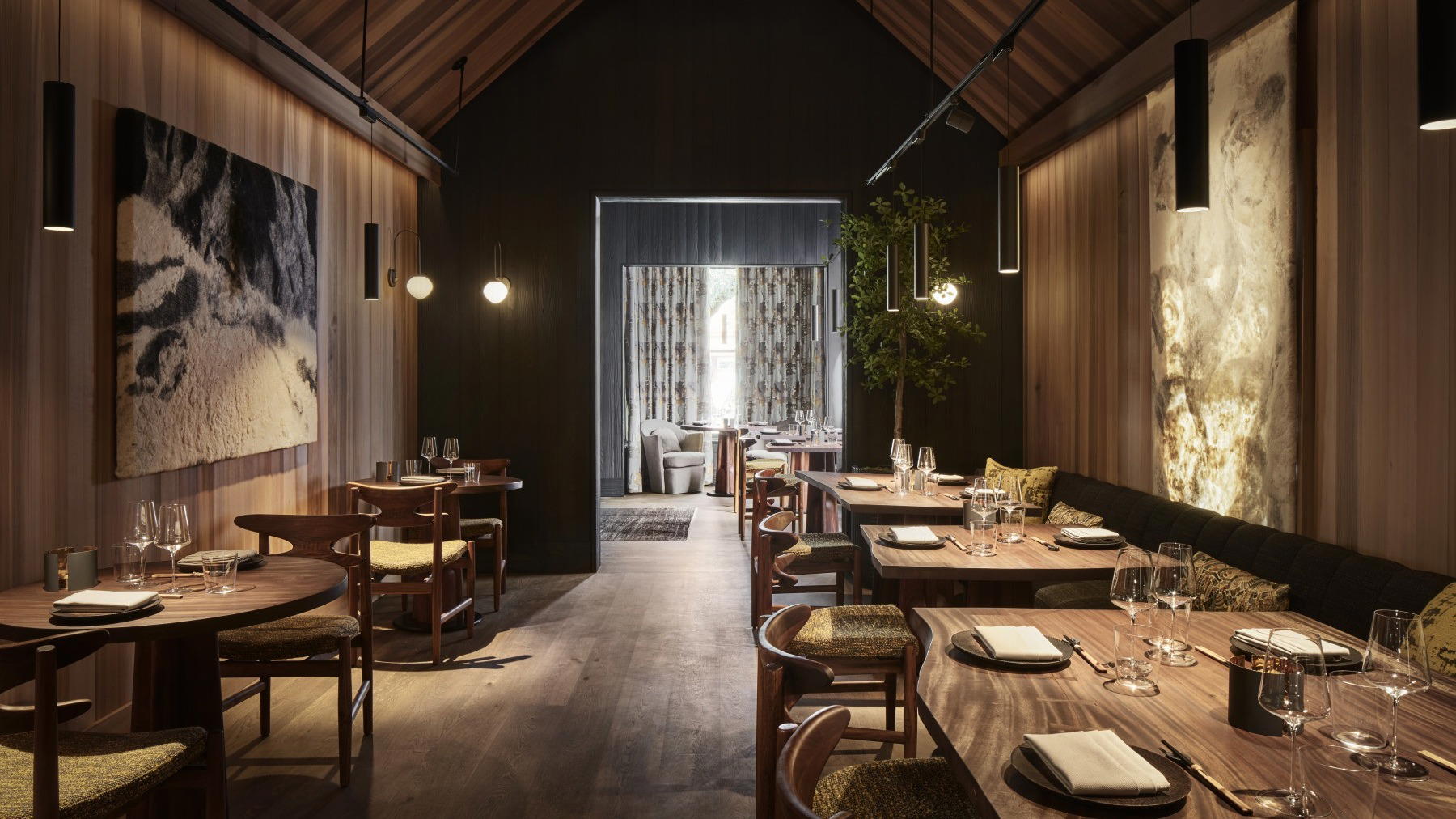
Bars in Petaluma
Browse all →

Details
- Casual
- Casual Hangout
- Local Sourcing
- A La Carte
Casual grab-and-go atmosphere.