
Our verdict
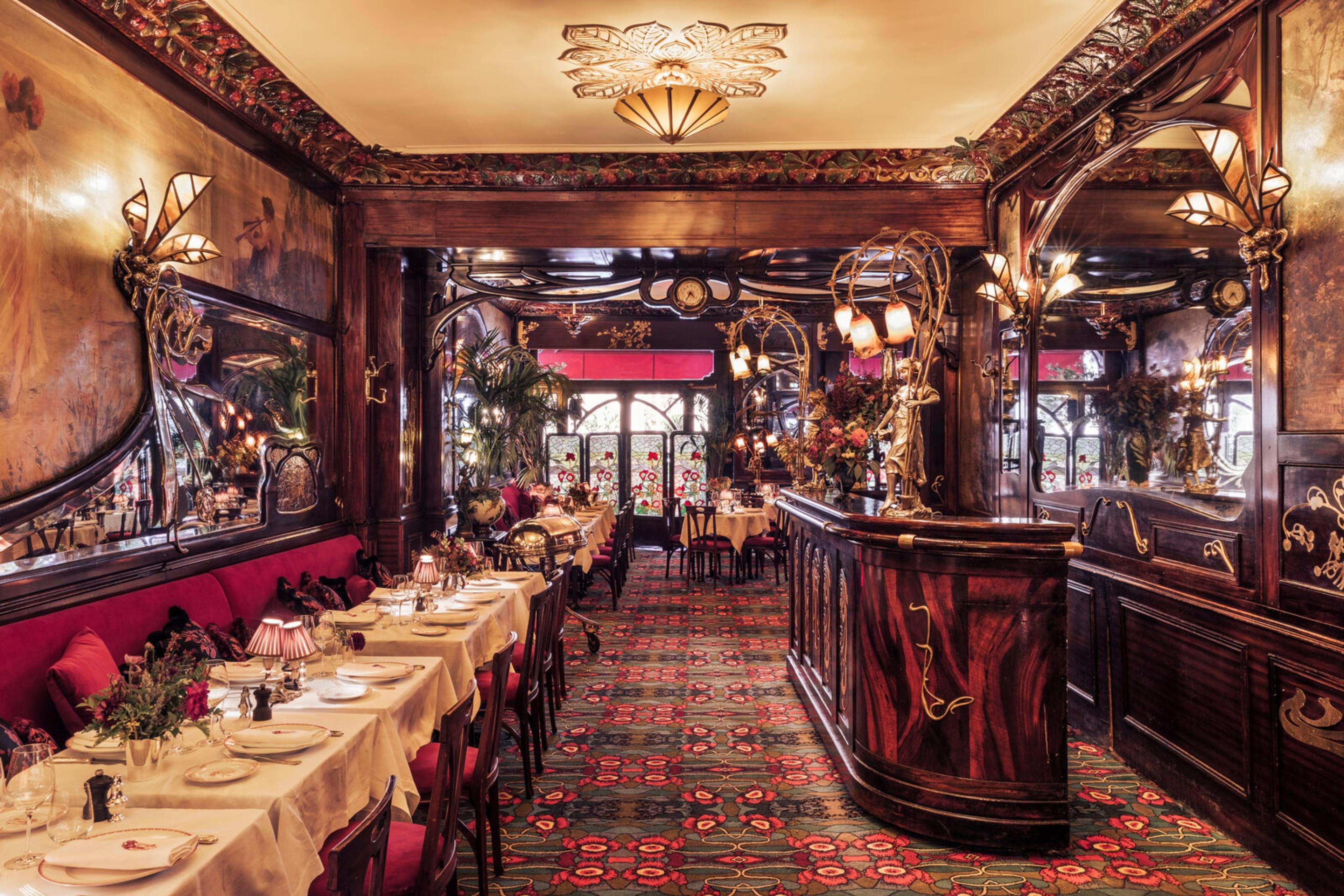
Opened in 1893 on the Rue Royale, Maxim's occupies a specific tier in Paris dining: a Belle Époque institution that carries Opinionated About Dining's Classical Europe ranking (No. Under chef Silvano Sollai, the kitchen holds to French classical technique while the room itself, Art Nouveau in full register, remains one of the most architecturally loaded dining spaces in the city.

Pearl is the En Primeur Club membership app, where members save venues, book tables and use the concierge.
The menu
What to order
- Filet de sole Maxim's
- Crêpes Suzette
A Room With a Century of Evidence
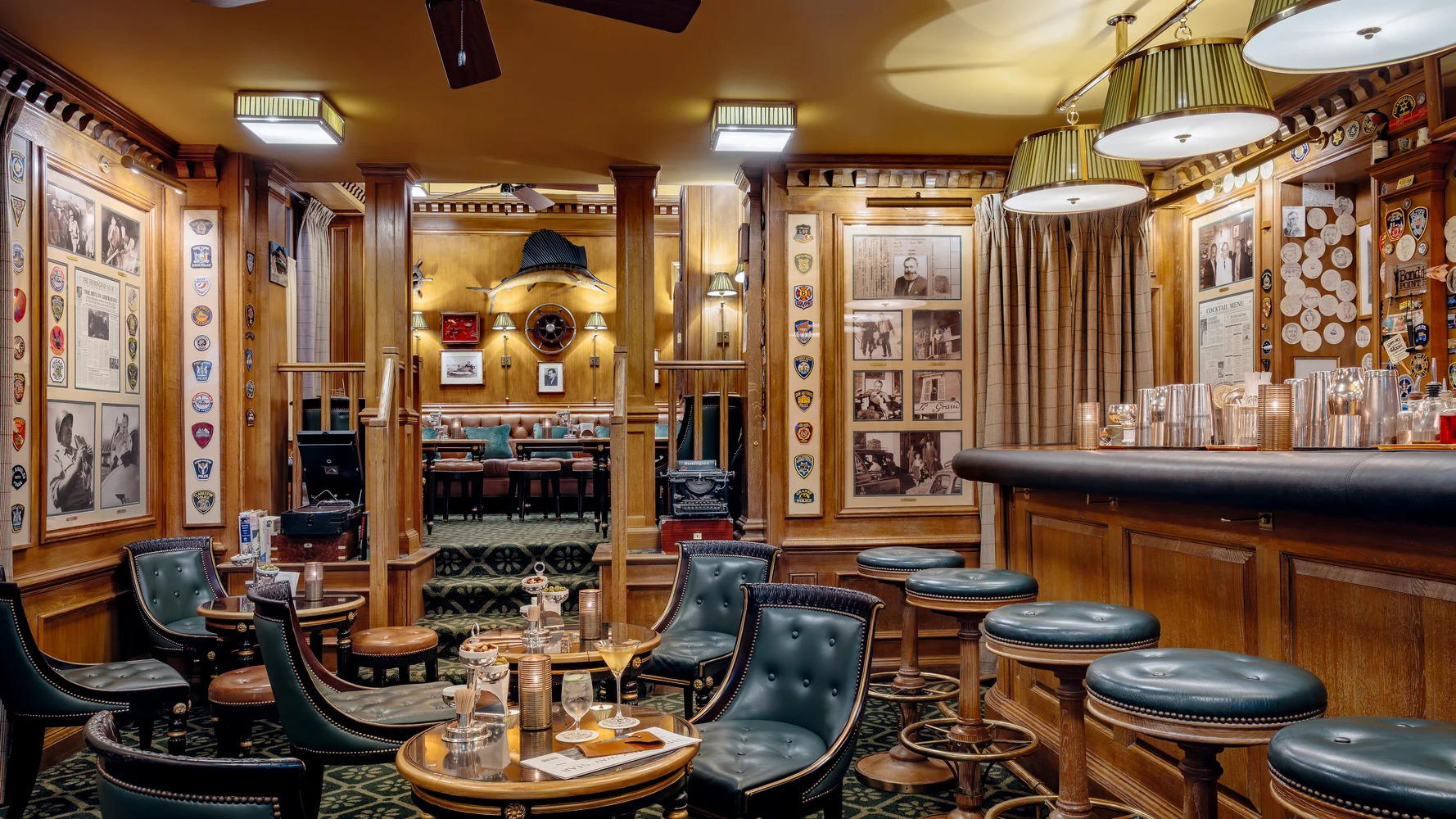
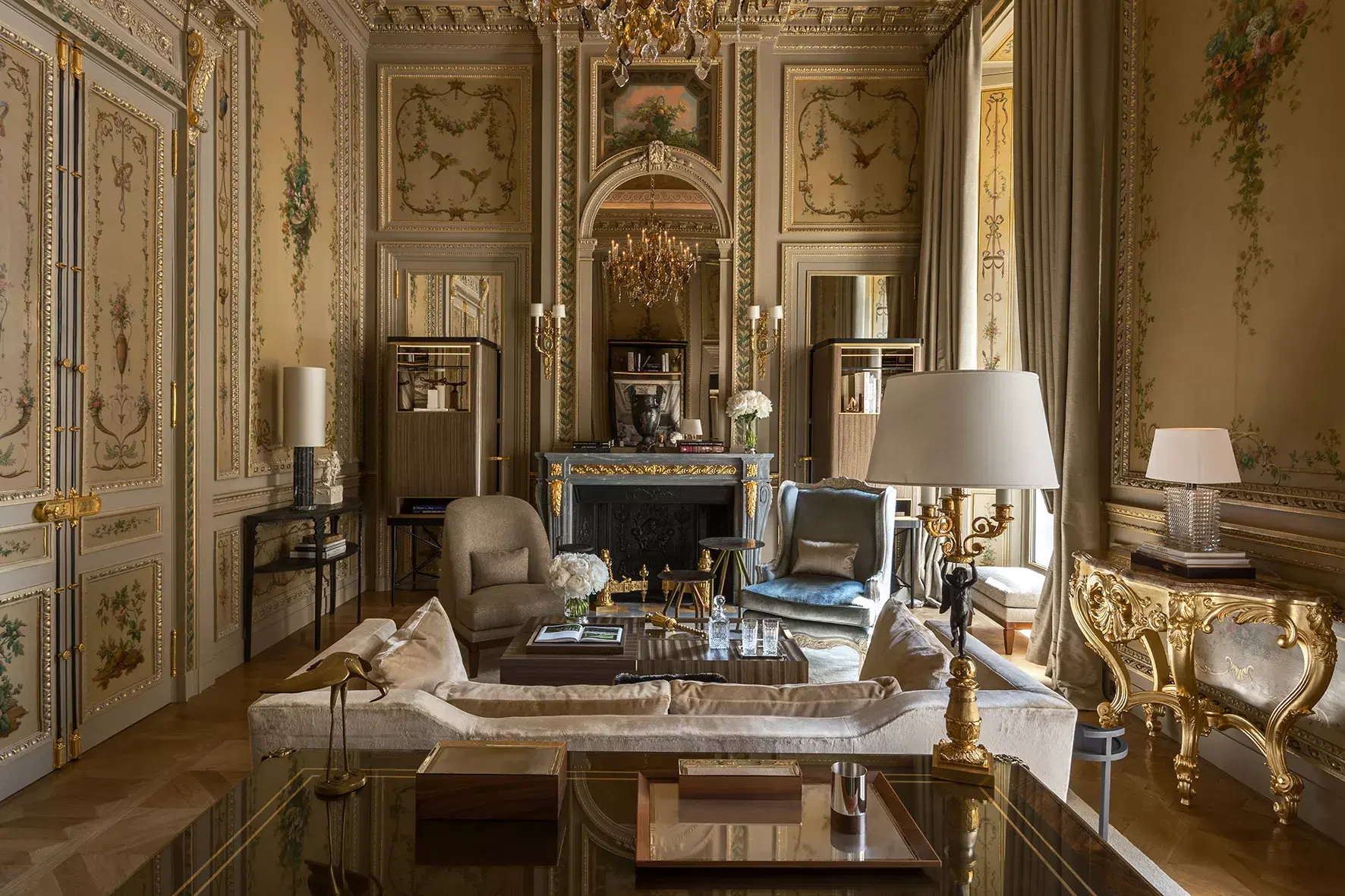
Few dining rooms in Paris carry architectural weight the way Maxim's does. The address at 3 Rue Royale opened in 1893, and the interior has remained in continuous conversation with its Art Nouveau origins ever since. Belle Époque ironwork, mirrored panels, deep banquettes, and painted ceilings make the room itself a kind of argument, one that the kitchen is expected to answer. That expectation shapes everything about how Maxim's operates in the current Paris dining scene: it is not competing against Epicure or L'Atelier de Joël Robuchon, Étoile on modernist ambition. It is competing, instead, on the integrity of its classical French register and the condition of an irreplaceable space.
That distinction matters when you situate Maxim's inside the broader topology of Paris grand dining. Places like Le Taillevent operate in the classical tier with active Michelin recognition. L'Ambroisie and Le Cinq at the Four Seasons George V anchor the €€€€ bracket at the very leading of formal French cuisine. Maxim's sits in a different register, defined less by point-in-time tasting menu invention and more by the continuity of a room and a tradition that stretches back to the Third Republic.
Classical French Technique in a Gilded Room
The editorial angle that clarifies Maxim's leading is not innovation. It is the relationship between inherited French classical technique and the weight of place. Classical French cooking, in its fullest expression, is itself a set of imported and synthesized methods, court cuisine formalized through the Escoffier system, absorbing regional produce from across France and refining it into a unified grammar of sauce, stock, and protein. Maxim's kitchen, under chef Silvano Sollai, operates inside that grammar rather than in dialogue with it.
This is worth contrasting with contemporaries working at the intersection of French method and outside influence. Sézanne in Tokyo, for example, imports French classical training into a Japanese product context, producing a specific kind of creative tension. At the other end of the French regional spectrum, Bras in Laguiole and Flocons de Sel in Megève draw technique into conversation with hyper-local terroir. Maxim's proposition is different from all of these: the technique is the tradition, and the room is the terroir.
What Sollai's kitchen delivers, within that frame, is classical French cooking that earns Opinionated About Dining's Classical Europe ranking, No. 149 in 2025. OAD's classical category specifically tracks restaurants where the tradition itself is the evaluation criterion, separating them from creative or contemporary categories. Appearing on that list at this address is not incidental; it reflects a consistent standard that a large and active reviewer base has validated.
Where Maxim's Fits in the Paris Dining Map
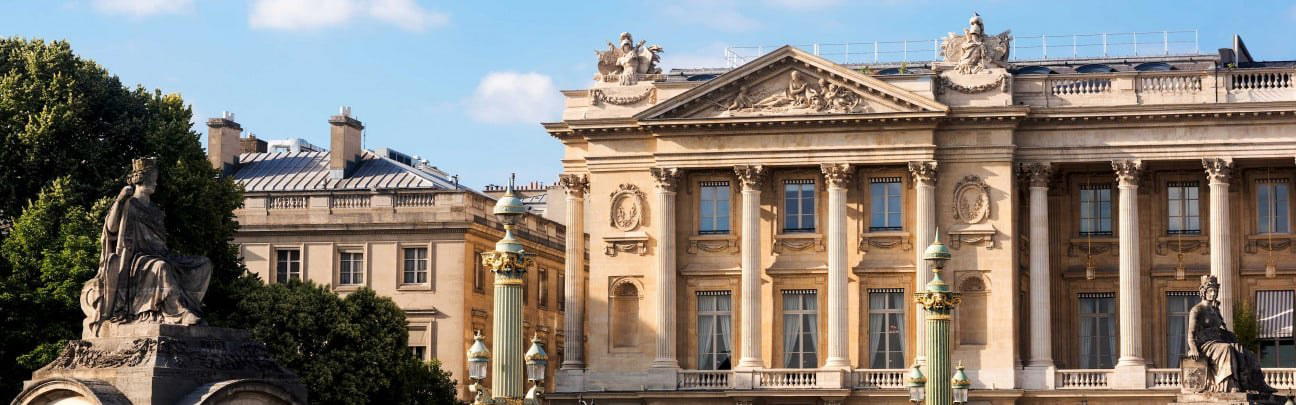
Paris in 2025 offers more dining segmentation than at any previous point. The upper bracket now runs from innovation-led tasting menus (Alléno Paris au Pavillon Ledoyen, Plénitude) through contemporary Franco-Asian fusions like Kei, all the way to strict classicists. Maxim's occupies the classical end of that spectrum with a specific advantage: the address itself is unrepeatable. Rue Royale, a short distance from the Place de la Madeleine and the Place de la Concorde, sits inside the 8th arrondissement's concentration of formal dining in the way that few other streets can claim.
For context on what the broader French classical tradition looks like at its most sustained, it helps to trace the lineage. Paul Bocuse, L'Auberge du Pont de Collonges in Collonges-au-Mont-d'Or, Auberge de l'Ill in Illhaeusern, and Troisgros, Le Bois sans Feuilles in Ouches each represent classical French cuisine at different points on the tradition-evolution axis. Hotel de Ville Crissier in Crissier and Mirazur in Menton extend that conversation into different geographic and philosophical territory. Maxim's position among these is that of the urban, historically anchored classical house, the kind of institution that exists in every serious food capital but that Paris, specifically, generates with a particular combination of architectural seriousness and longevity.
Diners who want a more casual or wine-forward Paris experience, rather than formal classical service, will find their bearings better with Frenchie Bar au Vins or with La Table d'AkiHiro, where the Franco-Japanese dynamic that Maxim's entirely sidesteps becomes the central proposition.
Planning Your Visit
Maxim's sits at 3 Rue Royale in the 8th arrondissement, between the Madeleine and the Concorde, accessible by Métro at Concorde (lines 1, 8, 12) or Madeleine (lines 8, 12, 14). The room carries the expectations of its category: formal dress is the safe assumption at an institution of this standing, and the service register has historically matched the architecture. For the broader Paris dining, hotel, bar, and experiences map, see our full Paris restaurants guide, our full Paris hotels guide, our full Paris bars guide, our full Paris wineries guide, and our full Paris experiences guide.
Frequently asked questions
What do regulars order at Maxim's?
The kitchen under chef Silvano Sollai operates within a classical French register, the kind benchmarked by OAD's Classical Europe list, where Maxim's holds the No. 149 position for 2025. Classical French menus at this level typically centre on stocks and sauce-driven preparations, traditional protein courses, and the kind of structured progression that the Escoffier system codified.
How hard is it to get a table at Maxim's?
Maxim's operates in the classical grand-restaurant tier in Paris's 8th arrondissement, a category where demand is real but typically more manageable than at Michelin three-star tasting counters, which can require bookings months in advance. Contacting the restaurant directly is the surest route.
What is Maxim's leading at?
The strongest case for Maxim's is the combination of a genuinely unrepeatable Belle Époque room and a kitchen that maintains the classical French standard well enough to earn a place on OAD's Classical Europe ranking in 2025. Among Paris addresses, the architecture and the longevity (the restaurant opened in 1893) make the space itself a primary argument. Chef Silvano Sollai's position is to honour that context through technically grounded classical French cooking rather than to reframe or reinterpret it. That is a specific kind of value that no amount of renovation or new-opening energy can replicate elsewhere in the city.
Cuisine Context
Comparable venues nearby, for context on price, style, and recognition.
| Venue | Cuisine | Price | Notes |
|---|---|---|---|
| Maxim’sThis venue (the venue you are viewing) | Classic French Fine Dining | $200–300 | Not listed |
| Table | Modern French Fine Dining | Not listed | Bastille |
| Baronne | Modern French Grill | $50–100 | 8th arrondissement |
| La Verrière | Franco-Japanese Fusion | $50–100 | Montparnasse |
| L'Avenue | Modern French Brasserie | Not listed | Élysée |
| Bustronome | Contemporary French Fine Dining | $50–100 | 16th Arr. |
Recognition history
Dated appearances from independent guides and award organizations, with the underlying list record or original source where available.
Opinionated About Dining Classical in Europe Ranked #149
Opinionated About Dining
Continue exploring
More in Paris
Restaurants in Paris
All restaurants in Paris →
Bars in Paris
All bars in Paris →
Details
- Elegant
- Classic
- Well Known
- Sophisticated
- Special Occasion
- Date Night
- Celebration
- Historic Building
- Extensive Wine List
- A La Carte
Current opening hours
- Monday
- 7–11 PM
- Tuesday
- 7–11 PM
- Wednesday
- 7–11 PM
- Thursday
- 7–11:30 PM
- Friday
- 7–11:30 PM
- Saturday
- 12–2:30 PM, 7–11:30 PM
- Sunday
- 12–2:30 PM, 7–11 PM
Hours can change for holidays and private events. Hours as of .
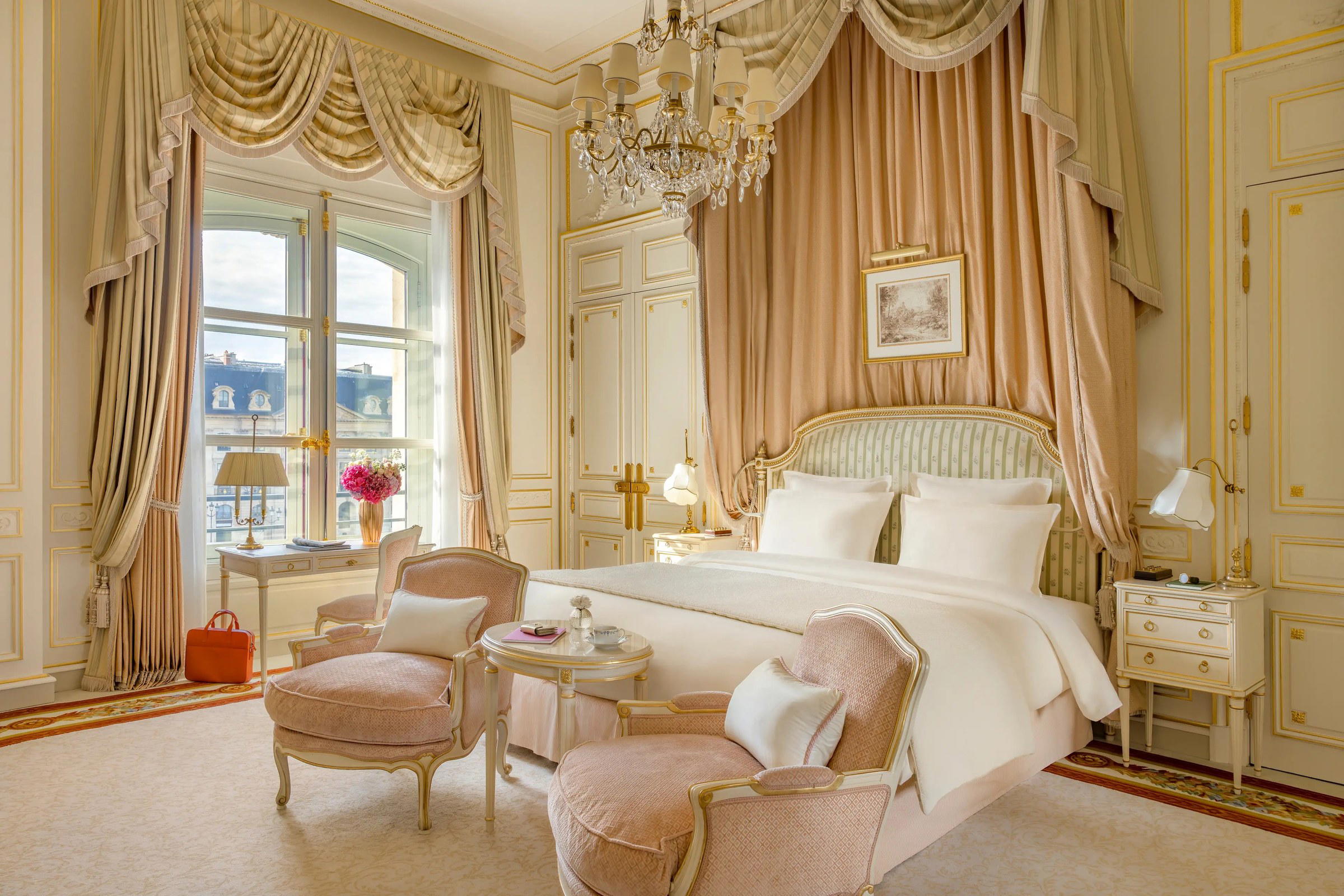
Elegant 1900s period setting with beautiful Art Nouveau decor, buzzy atmosphere from closely spaced tables, and live music, though some note it feels cramped and dated.