Mary Mahoney's Old French House
One of Biloxi's most historically rooted dining addresses, Mary Mahoney's Old French House occupies an 18th-century Creole structure on Rue Magnolia where the architecture and the menu reinforce each other. The kitchen draws on Gulf Coast French and Southern traditions in a setting where the pace of the meal is as deliberate as the building's age suggests. For visitors orienting themselves in the Mississippi Gulf Coast dining scene, it remains a reference point.
Pearl is the En Primeur Club membership app — saves, bookings, and concierge access live there. Same editors, same standards.
- Address
- 110 Rue Magnolia, Biloxi, MS 39530
- Phone
- +12283740163
- Website
- marymahoneys.com
- Directions
- Get directions
 Saves & bookings on Pearl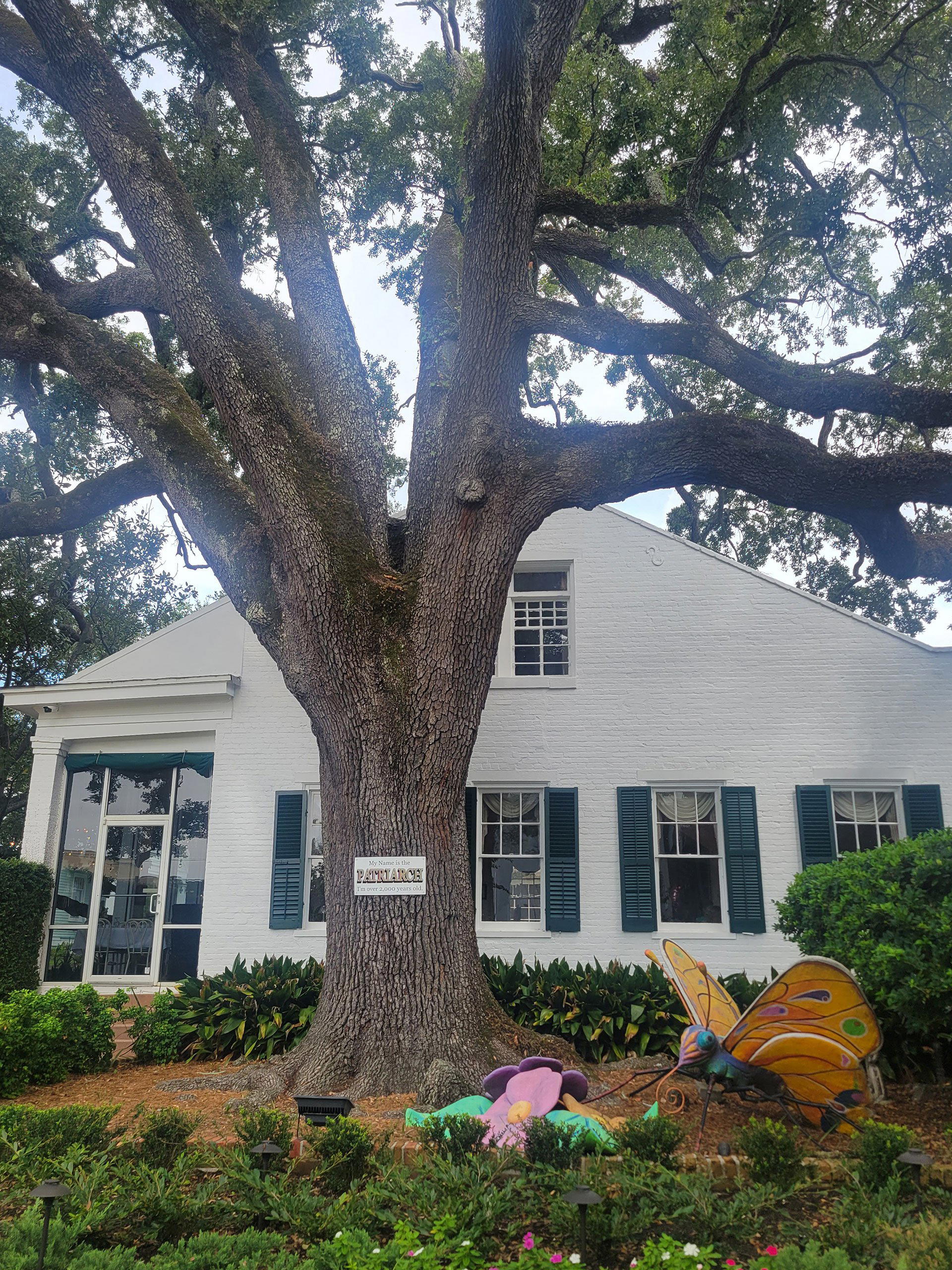
Where the Building Sets the Terms
There are restaurants where the room is decoration, and then there are rooms that predate the concept of a restaurant entirely. Mary Mahoney's Old French House on Rue Magnolia belongs to the second category. The structure is Creole colonial, dating to the 18th century, and its thick walls, low ceilings, and courtyard proportions were built for a different century's logic of shade, airflow, and gathering. Dining here means entering a building that has outlasted every trend the American South has cycled through, which sets a particular tone before anyone has looked at a menu.
Biloxi's dining scene has always run on a dual axis: the casino-resort corridor, where volume and spectacle drive the offer, and the older civic fabric of the city, where places like this one carry the institutional memory of Gulf Coast hospitality. Mary Mahoney's sits firmly in the second tradition. Its address on Rue Magnolia, a street whose French name signals the city's colonial layering, is not incidental. The building and the street name together place the restaurant inside a specific historical argument about what Biloxi was before it became a gaming destination.
The Ritual of the Meal Here
Dining in a structure this old tends to organize itself differently from a modern restaurant. The pacing at Mary Mahoney's follows the logic of the room: courses arrive without the urgency that characterizes high-turnover venues, and the courtyard, which functions as outdoor dining space in the right seasons, encourages the kind of extended sitting that Gulf Coast evenings reward. This is not a place where you are made to feel the table is needed for the next party.
The dining ritual at addresses with this kind of institutional weight tends to attract a particular pattern of behavior from guests. Regulars treat it as a ceremonial occasion, newcomers often arrive with some expectation formed by reputation rather than recent criticism. Both groups are responding to the same signal: that the restaurant's durability is itself a form of endorsement. Longevity in a coastal city, where hurricanes and economic cycles hit hard, is a credential that no award body formally confers but that local diners read immediately.
The Gulf Coast French and Southern tradition the kitchen works within is a genuinely hybrid register. It draws on the same Creole foundations that define serious cooking across the Louisiana-Mississippi corridor, where French technique met Spanish influence, African culinary knowledge, and the specific marine larder of the Gulf. Shrimp, oysters, redfish, and crab are the regional raw materials; roux-based sauces, rice dishes, and slow-cooked preparations are the structural vocabulary. Understanding that tradition is what allows you to read the menu here as something other than regional comfort food, it is, in its way, as historically specific as the building it is served in.
Positioning in the Biloxi Dining Scene
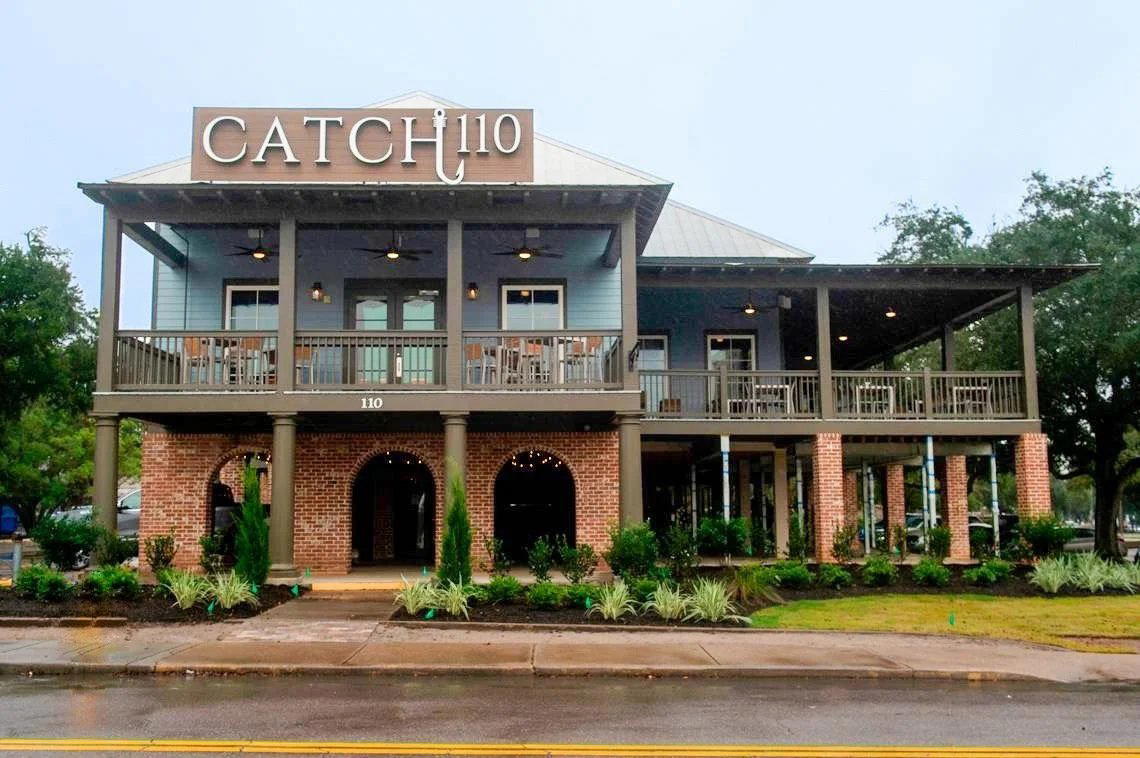
Biloxi's restaurant options have diversified considerably in recent years. Catch 110 represents the upscale contemporary end of the waterfront offer, while Doe's Eat Place anchors the Delta steakhouse tradition that runs through the Mississippi interior. Farruggio's and Field's Mediterranean Biloxi extend the city's range toward Italian and Mediterranean registers respectively, and Jia covers the Asian end of the spectrum. For the full spread of what the city offers, our full Biloxi restaurants guide maps the options across price tiers and cuisine types.
Within that field, Mary Mahoney's occupies a specific niche: it is the address that provides historical grounding. Visitors who arrive in Biloxi from contexts where serious dining means contemporary tasting menus, the kind on offer at places like Le Bernardin in New York City, Lazy Bear in San Francisco, or Alinea in Chicago, will find a different proposition here. The reference set is not Single Thread Farm in Healdsburg or The French Laundry in Napa. Nor does it compete on the farm-driven integrity axis of Blue Hill at Stone Barns in Tarrytown. Mary Mahoney's competes on a different axis entirely: continuity, place-rootedness, and the specific pleasure of eating Gulf Coast food inside a building that predates the United States.
That is also how it sits relative to prestige Gulf South dining more broadly. Emeril's in New Orleans operates in a much larger city with a more developed dining infrastructure; addresses like Providence in Los Angeles, Addison in San Diego, or The Inn at Little Washington in Washington operate in markets with entirely different competitive dynamics. The comparison that matters for Mary Mahoney's is not vertical (how does it rank against national benchmarks) but horizontal (what does it represent inside its own city and region, and what does it carry that no newer venue can replicate).
For dining experiences built on entirely different structural logic, addresses like Atomix in New York City or 8 1/2 Otto e Mezzo Bombana in Hong Kong show what the precision-driven, contemporary tasting menu format can achieve at its ceiling. Mary Mahoney's is not in that conversation, and it does not need to be.
Planning Your Visit
The address at 110 Rue Magnolia places the restaurant in the older civic core of Biloxi, away from the casino strip. That location is worth factoring into how you arrive: driving is the practical option for most visitors, and the neighborhood context rewards a short walk beforehand to understand what the surrounding streetscape communicates about the city's pre-gaming identity. Given the restaurant's profile in the local scene, reservations during peak season and weekends are the safer assumption.
Cuisine Context
Comparable venues nearby, for context on price, style, and recognition.
| Venue | Cuisine | Price | Notes |
|---|---|---|---|
| Mary Mahoney's Old French HouseThis venue — the venue you are viewing | Gulf Coast Seafood & Steakhouse | $$$ | Not listed |
| Catch 110 | Upscale Coastal Seafood and Steakhouse | $$$ | Downtown Biloxi |
| The Reef | Casual Beachfront Seafood | $$ | Biloxi Beach |
| Field's Mediterranean Biloxi | Mediterranean Seafood Fusion | $$$ | downtown |
| Patio 44- Biloxi | American Steakhouse & Seafood | $$ | Not listed |
| Doe's Eat Place | Delta-Style Steakhouse | $$$$ | Biloxi Beach |
Continue exploring
More in Biloxi
At a Glance
- Romantic
- Classic
- Elegant
- Intimate
- Date Night
- Special Occasion
- Business Dinner
- Celebration
- Courtyard
- Historic Building
- Private Dining
- Garden
- Extensive Wine List
- Local Sourcing
Current opening hours
- Monday
- 11 AM–8:30 PM
- Tuesday
- 11 AM–8:30 PM
- Wednesday
- 11 AM–8:30 PM
- Thursday
- 11 AM–8:30 PM
- Friday
- 11 AM–8:30 PM
- Saturday
- 11 AM–8:30 PM
- Sunday
- Closed
Hours can change for holidays and private events. Last verified .
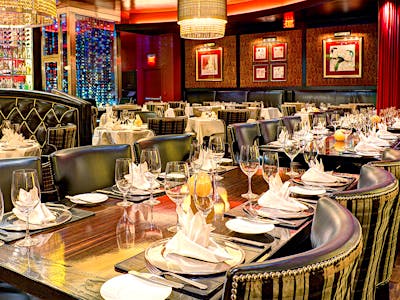
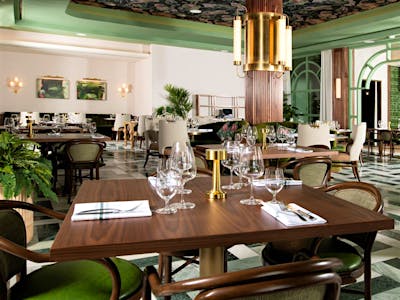
Elegant New Orleans-style setting with quaint dining rooms, romantic courtyard ambiance, and historic charm throughout the property.