Le Bocca - Restaurant

Michelin Plate
Our verdict
Le Bocca brings French Contemporary cooking to Saint-Blaise, a small lakeside town on the northern shore of Lake Neuchâtel, where the Michelin Guide has awarded it a Plate in both 2024 and 2025. For the Neuchâtel region, that combination of recognition and consistency is notable.

Pearl is the En Primeur Club membership app — saves, bookings, and concierge access live there. Same editors, same standards.
- Address
- Av. Bachelin 11, 2072 St Blaise, Switzerland
- Phone
- +41 32 753 36 80
- Hours
- Mon ClosedTue–Sat 9 AM–12 AMSun Closed
- Website
- le-bocca.com
- Directions
- Get directions
- Booking
- Book on TheFork
The menu
What to order
- Wild langoustine with potato emulsion
- Sole meunière
- Filet de boeuf
- Caramelized crispy foie gras
- Chocolate soufflé
- Gnocchi
French Contemporary Cooking on the Neuchâtel Shore
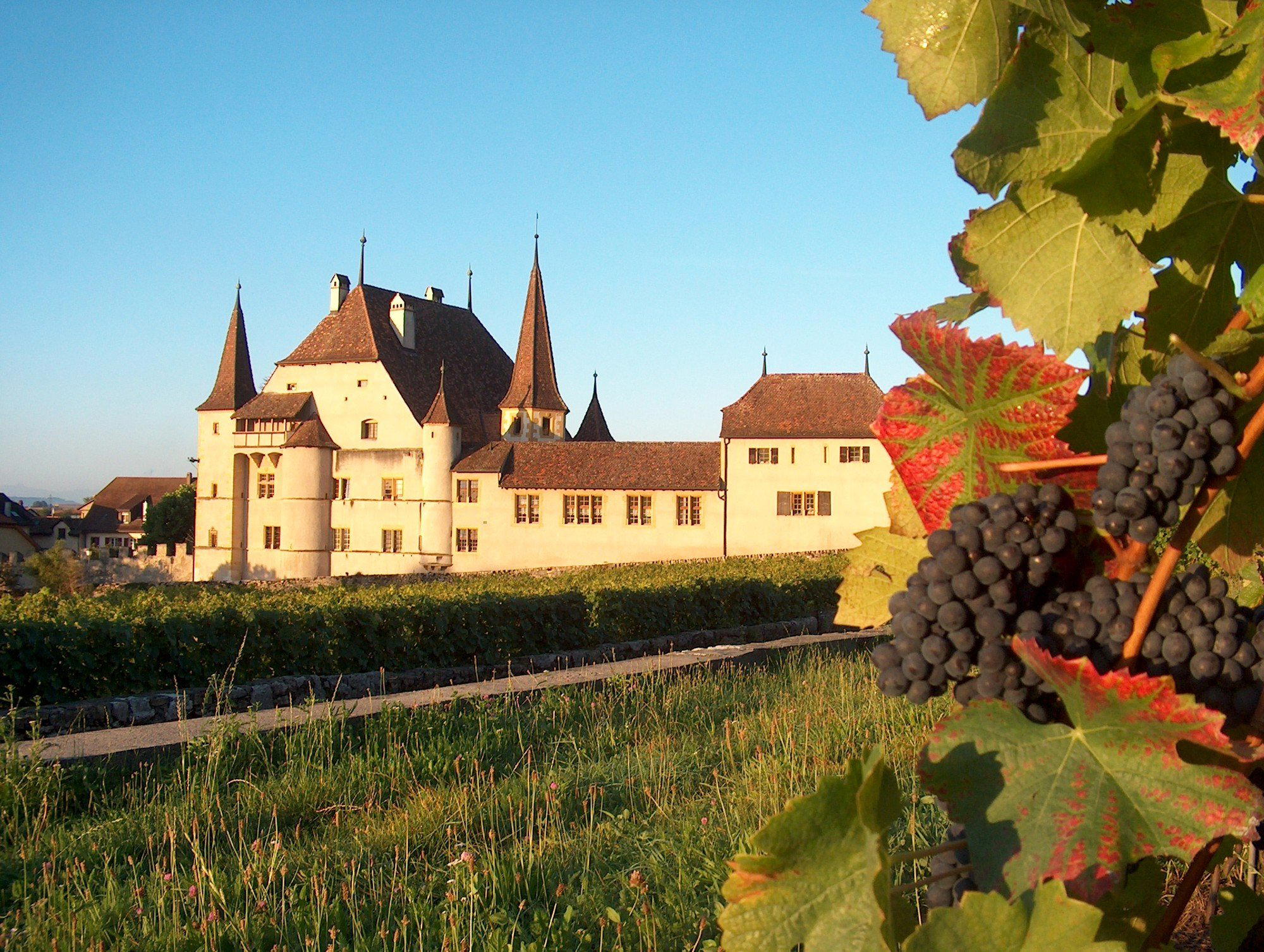
Lake Neuchâtel shapes the climate and larder of everything around it. The water moderates temperatures across the vine-covered slopes that rise from its northern shore, and the agricultural land stretching back toward the Jura foothills produces ingredients that carry a character specific to this corner of French-speaking Switzerland. It is within this context, at Avenue Bachelin 11 in Saint-Blaise, that Le Bocca has established itself as a destination for French Contemporary cooking in a part of Switzerland that rarely appears on the radar of visitors whose dining ambitions pull them toward Zurich or Geneva. The restaurant has held a Michelin Plate in both 2024 and 2025, a recognition that signals quality without the star system's price pressure, and sits at the €€€ tier, which in Swiss terms represents serious cooking without the full commitment that €€€€ restaurants like Schloss Schauenstein in Fürstenau or Memories in Bad Ragaz demand.
Provenance as a Structural Principle
French Contemporary, as a culinary category, has expanded far beyond its Parisian origins. In Switzerland, the tradition intersects with a strong regional identity: the Neuchâtel region produces some of the country's most distinctive white wines, the proximity to France creates cultural fluency with classical technique, and the agricultural diversity of the arc between Lake Neuchâtel and the Jura supports a larder that rewards a provenance-led approach. Where the highest-tier Swiss restaurants, such as focus ATELIER in Vitznau or IGNIV Zürich by Andreas Caminada, have built their identities around Swiss ingredients reinterpreted through modern or sharing formats, French Contemporary at the €€€ level in a town like Saint-Blaise functions differently. The discipline here is applying classical French thinking to what the immediate region actually produces, rather than sourcing nationally for prestige.
The Neuchâtel lake zone supports a short but specific growing season, and the local wine appellation, one of Switzerland's smaller but most coherent, provides natural pairings for a kitchen working in the French Contemporary mode. A table here sits at the intersection of French culinary grammar and Swiss regional identity, which is a different proposition from the cosmopolitan Swiss fine-dining circuit found in the larger cities.
Position in the Swiss Fine Dining Map
Switzerland's fine dining scene is geographically dispersed in a way that few other small countries can match. Three-star restaurants like Hotel de Ville Crissier in Crissier and two-star addresses such as Cheval Blanc by Peter Knogl in Basel anchor the Michelin hierarchy, while Plate-level recognition represents the tier where consistent craft earns acknowledgment without reaching into destination-dining territory. Le Bocca's two consecutive Plate awards place it firmly in that second bracket: credentialed, consistent, and operating at a scale where the dining experience is about food and place rather than spectacle or ceremony.
For context, the €€€€ tier in Switzerland includes restaurants like 7132 Silver in Vals and Einstein Gourmet in Sankt Gallen, where architectural settings and multi-course tasting formats drive pricing as much as ingredient cost. Le Bocca at €€€ operates with a different logic, one closer to a well-executed neighbourhood restaurant in the French tradition than to the choreographed fine-dining format. That positioning makes it accessible for regular visits rather than annual occasions, which partly explains the depth of its local following.
French Contemporary cooking at this tier finds its closest international analogues in the mid-tier bistronomy movement that redefined Paris dining from the 2000s onward, where classical training met seasonal sourcing and informal room design. Within the Swiss context, the Romand region, the French-speaking west, has always maintained closer ties to that tradition than German-speaking Switzerland. Saint-Blaise, as a lakeside commune in the canton of Neuchâtel, sits inside that cultural sphere. For readers interested in comparing how the French Contemporary format translates across very different urban contexts, both Amber in Hong Kong and Odette in Singapore offer useful reference points at the starred end of the same broad tradition, while L'Atelier Robuchon in Geneva shows how the format functions in a Swiss city with stronger French institutional ties.
The Saint-Blaise Setting
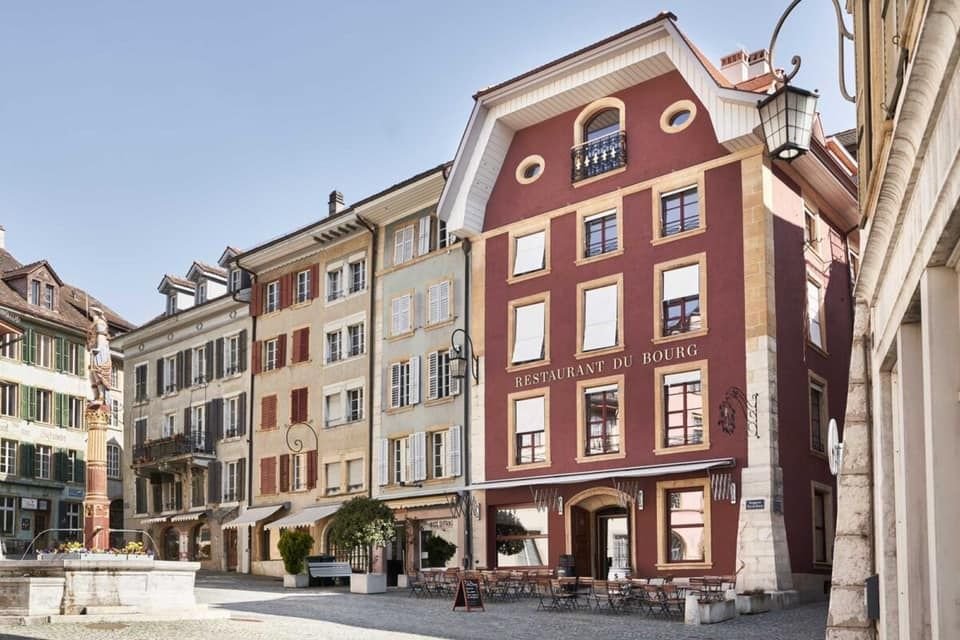
Saint-Blaise sits between Neuchâtel and Hauterive on the lake's northern shore, a small commune that functions in practice as an extension of the Neuchâtel urban zone without carrying the city's foot traffic or tourist infrastructure. Avenue Bachelin runs through the residential core of the town, and Le Bocca's address there places it in a genuinely local context rather than a gastro-tourist strip. Arriving by train from Neuchâtel takes under ten minutes, which makes the restaurant reachable from the city without requiring a car, though the town itself has limited evening footfall beyond its own residents. The practical effect is a room populated by people who made a deliberate choice to eat here, not a passing crowd. That changes the atmosphere considerably.
For visitors assembling a Neuchâtel stay around food and wine, the full range of options in the area is worth mapping before arrival. Our full Saint-Blaise restaurants guide covers the local scene in more detail, while our Saint-Blaise hotels guide and our Saint-Blaise wineries guide are useful for building the surrounding itinerary. The canton of Neuchâtel produces wines, primarily Chasselas and Pinot Noir, that pair naturally with French Contemporary cooking, and the local appellation deserves attention from anyone arriving with serious interest in Swiss viticulture. Our Saint-Blaise bars guide and experiences guide round out the picture for a longer stay. Similarly, Colonnade in Lucerne and Da Vittorio in St. Moritz offer reference points for what Swiss lakeside fine dining looks like in higher-traffic tourist contexts, making the contrast with Saint-Blaise's quieter register all the more apparent.
Planning a Visit
Le Bocca is located at Avenue Bachelin 11 in Saint-Blaise, reachable from Neuchâtel by regional train to the Saint-Blaise station. At the €€€ price tier, a dinner for two with wine will sit comfortably within the range of a considered evening out rather than a special-occasion outlay. Specific hours, contact details, and current booking method are best confirmed directly with the restaurant before travelling.
Frequently asked questions
Is Le Bocca - Restaurant good for families?
Le Bocca operates at the €€€ price tier with two consecutive Michelin Plate recognitions (2024 and 2025), which signals a formal dining register rather than a casual family setting. Saint-Blaise is a quiet residential commune on the Neuchâtel shore, not a tourist town, so the room likely skews toward adult diners seeking a considered meal. Families with older children comfortable in a structured French Contemporary environment would fit the context; those with young children would find the format a mismatch.
How would you describe the vibe at Le Bocca - Restaurant?
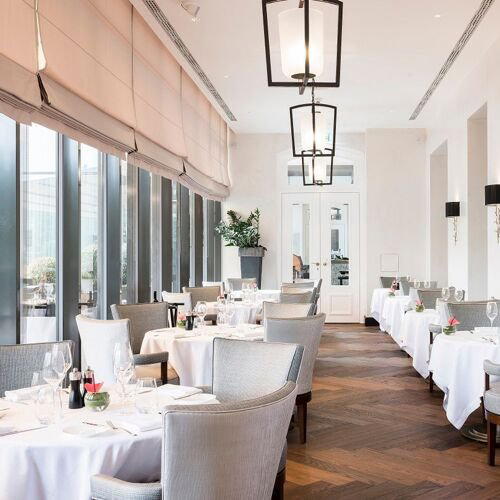
Expect the low-key confidence of a neighbourhood restaurant that has earned Michelin recognition two years running without relocating to a city-centre address. Avenue Bachelin 11 in Saint-Blaise sits between Neuchâtel and Hauterive on the lake's northern shore, which means the clientele is predominantly local and returning rather than tourist-driven. The French Contemporary cuisine category implies technique and composition without the theatrical formality of a multi-starred city room.
What awards or recognition does Le Bocca - Restaurant have?
Le Bocca - Restaurant has received recognition including: Michelin Plate (2025); Michelin Plate (2024).
What do regulars order at Le Bocca - Restaurant?
What two years of Michelin Plate recognition does confirm is that the kitchen's French Contemporary output meets a consistent technical standard, which in this category typically means seasonal sourcing and classical French structure applied to regional ingredients from the Neuchâtel area. Regulars at a €€€ venue at this level tend to work through the full menu rather than ordering à la carte.
Quick Comparison
| Venue | Cuisine | Price | Awards |
|---|---|---|---|
| Le Bocca - RestaurantThis venue — the venue you are viewing | Contemporary French Fine Dining | $100–150 | Michelin Plate |
| Schloss Schauenstein | Modern European, Creative | Not listed | Michelin 3 Star |
| Memories | Modern Swiss | Not listed | Michelin 3 Star |
| focus ATELIER | Modern Swiss, Creative | Not listed | Michelin 2 Star |
| IGNIV Zürich by Andreas Caminada | Sharing | Not listed | Michelin 2 Star |
| La Table du Lausanne Palace | Modern French | Not listed | Michelin 2 Star |
Recognition history
Dated appearances from independent guides and award organizations, with the underlying list record or original source where available.
Michelin Plate
Michelin
Full recognition history (2 entries)
Michelin Plate
Michelin
Continue exploring
More in Saint-Blaise
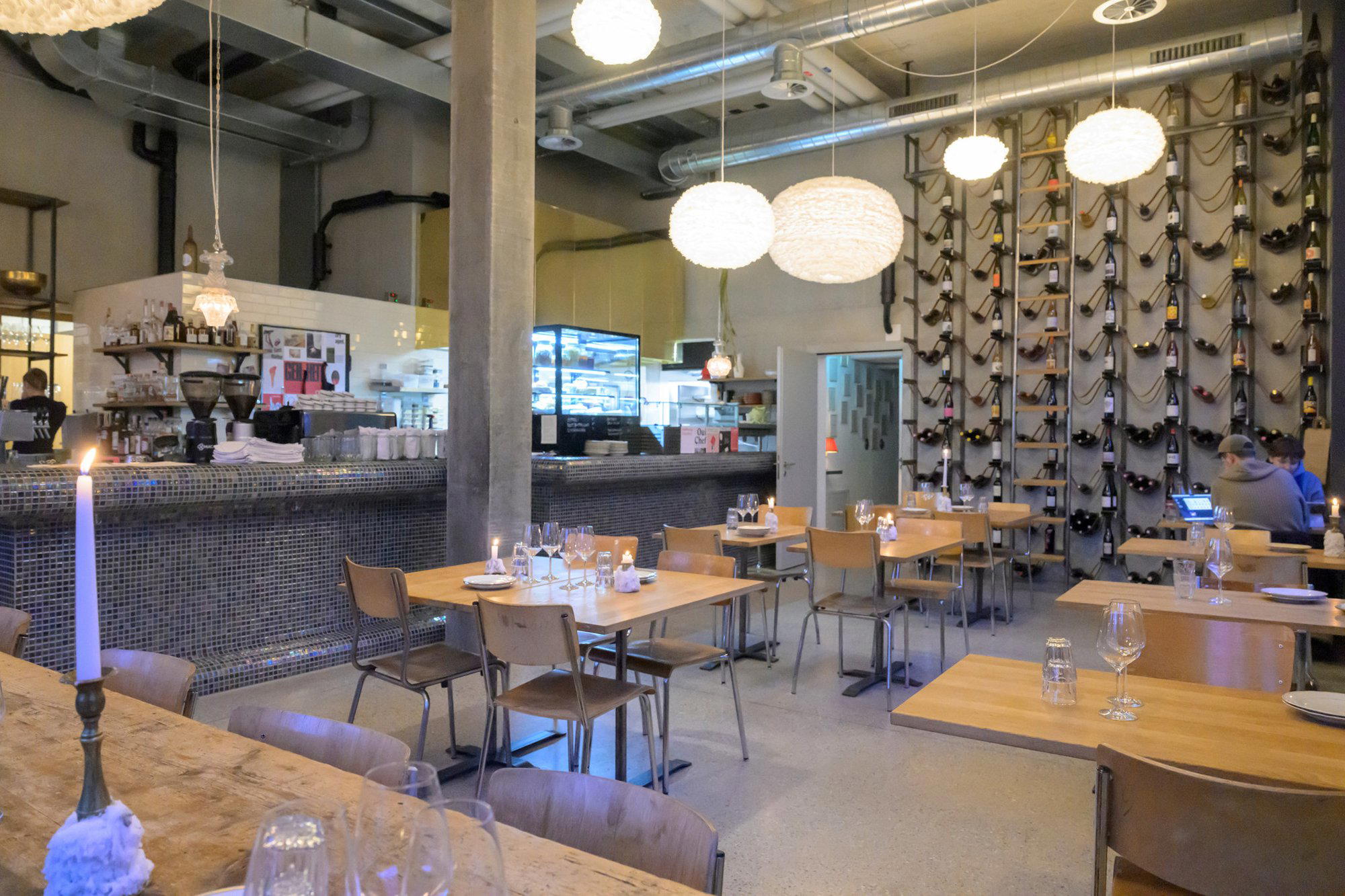
Restaurants in Saint-Blaise
Browse all →
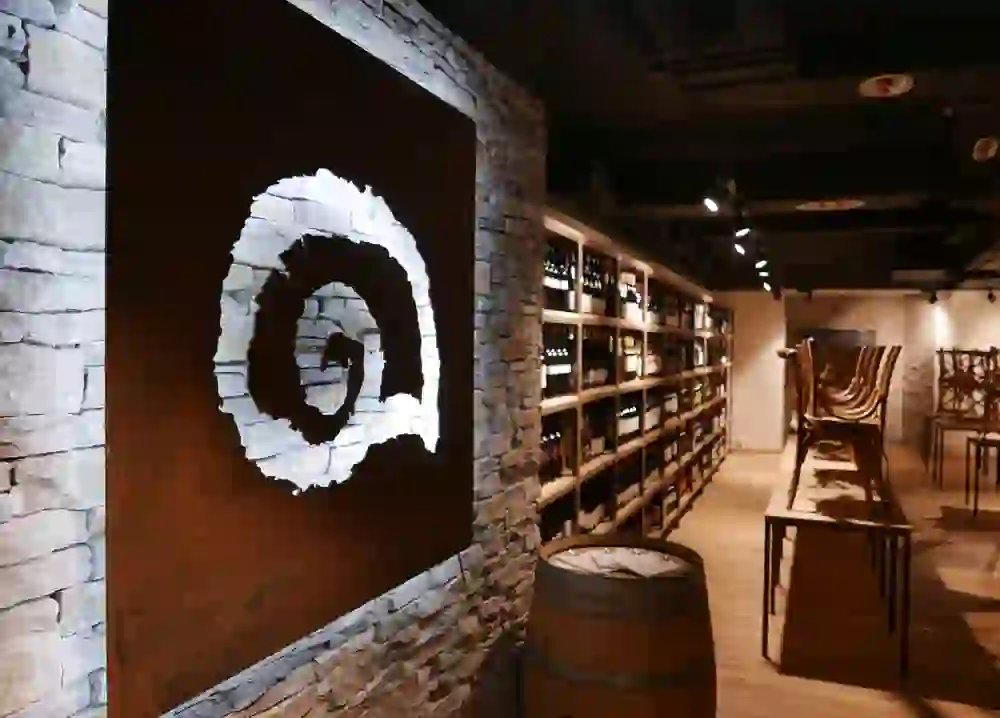
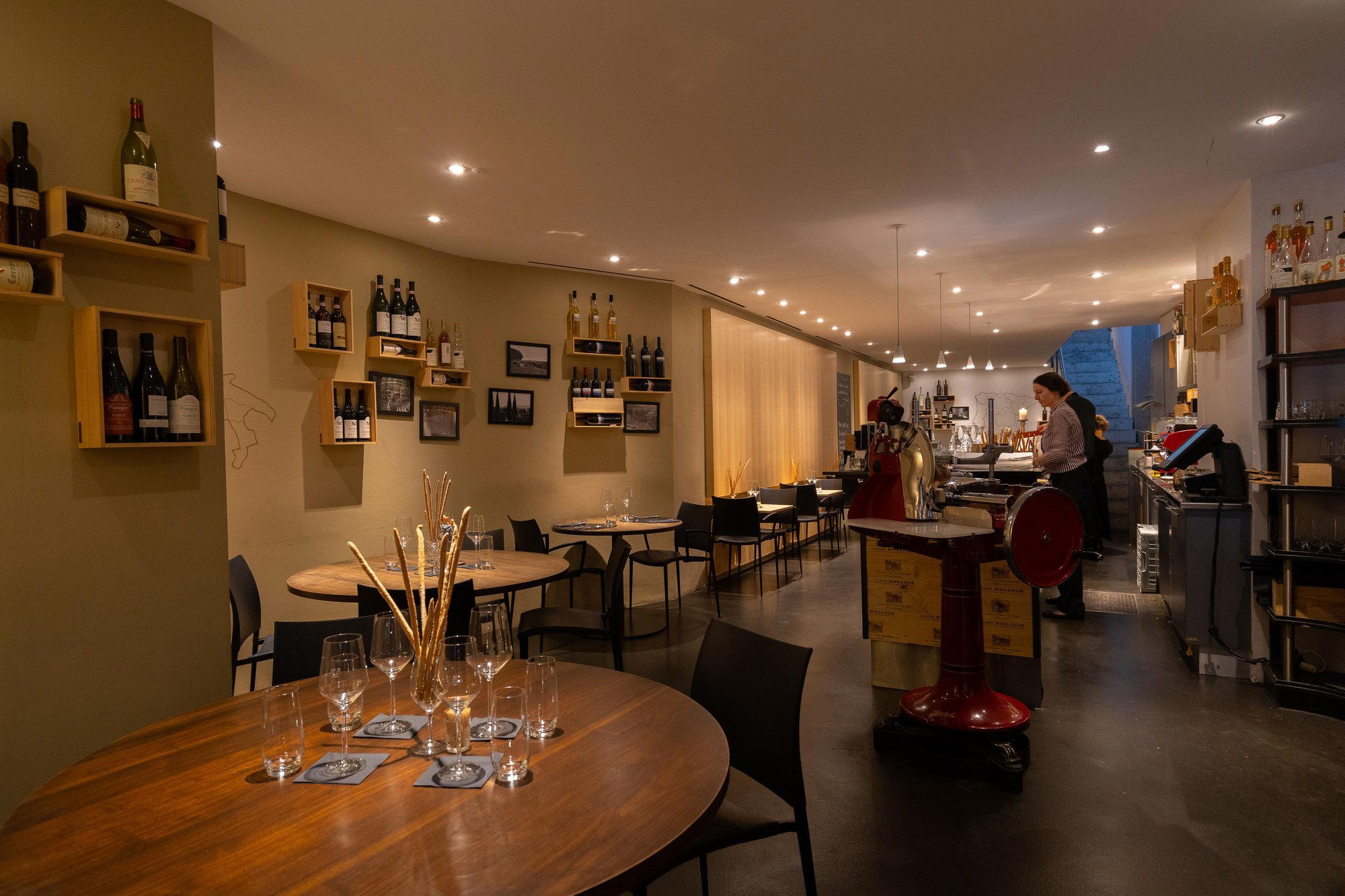
Bars in Saint-Blaise
Browse all →
Hotels in Saint-Blaise
Browse all →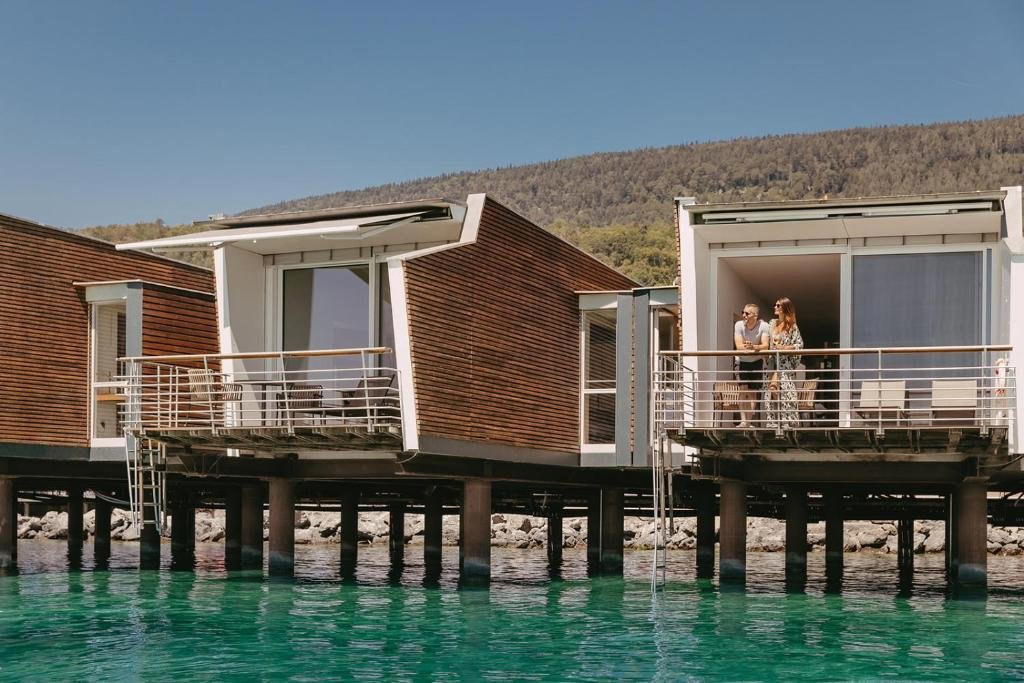

Le Bocca - Restaurant
The wine
- Wine program
- Exceptional wine program
- Extensive wine list
- Sommelier-led
Details
- Elegant
- Romantic
- Sophisticated
- Intimate
- Date Night
- Special Occasion
- Celebration
- Business Dinner
- Terrace
- Private Dining
- Extensive Wine List
- Sommelier Led
- Local Sourcing
- Farm To Table
- Prix Fixe
- Tasting Menu
- Wine
- Vegetarian Friendly
- Allergy Accommodating
Current opening hours
- Monday
- Closed
- Tuesday
- 9 AM–12 AM
- Wednesday
- 9 AM–12 AM
- Thursday
- 9 AM–12 AM
- Friday
- 9 AM–12 AM
- Saturday
- 9 AM–12 AM
- Sunday
- Closed
Hours can change for holidays and private events. Last verified .
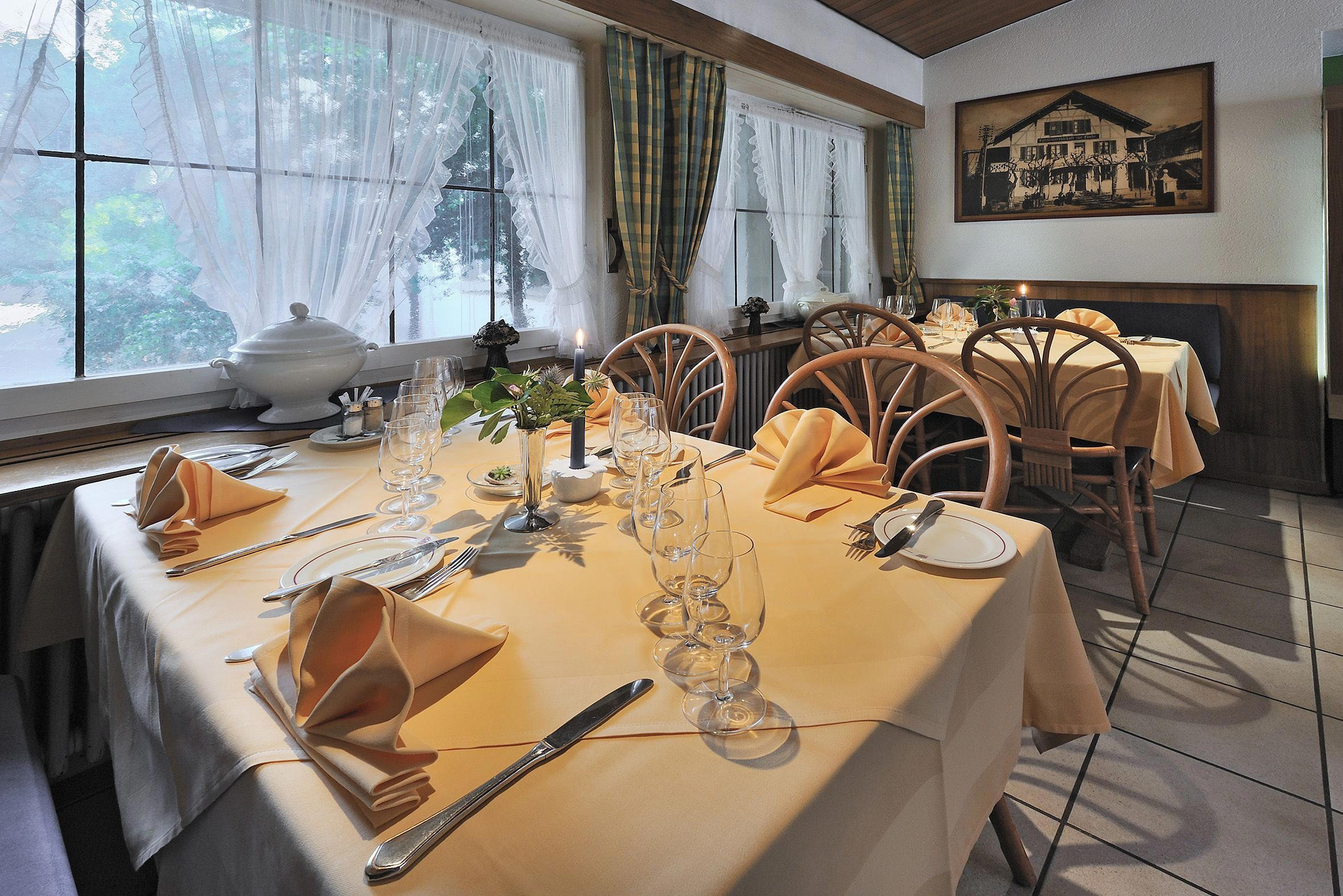
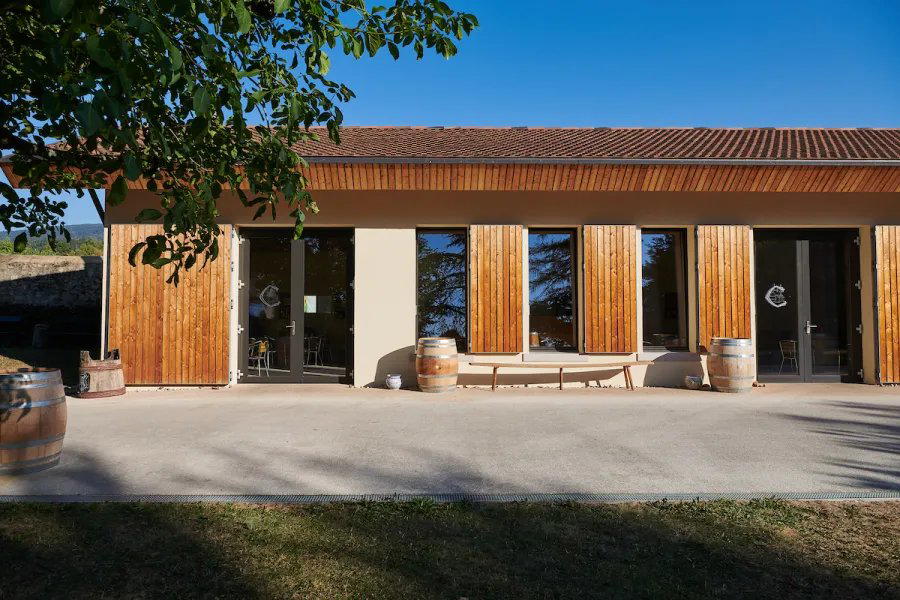
Bright, elegant interior with soft lighting and lush alfresco patio; warm and cozy atmosphere with polished presentation and refined decor.