L'Auberge

L'Auberge brings modern French cooking to Langenthal, a mid-sized Swiss market town more accustomed to industrial heritage than Michelin recognition. Holding a Michelin Plate in the 2025 guide, the restaurant sits at the serious end of the local dining spectrum, where classic French technique meets the produce traditions of the Swiss Mittelland. It occupies a distinct position in a city with few peers at this register.
Pearl is the En Primeur Club membership app — saves, bookings, and concierge access live there. Same editors, same standards.
- Address
- Murgenthalstrasse 5, 4900 Langenthal, Switzerland
- Phone
- +41 62 926 60 10
- Website
- auberge-langenthal.ch
- Directions
- Get directions
 Saves & bookings on Pearl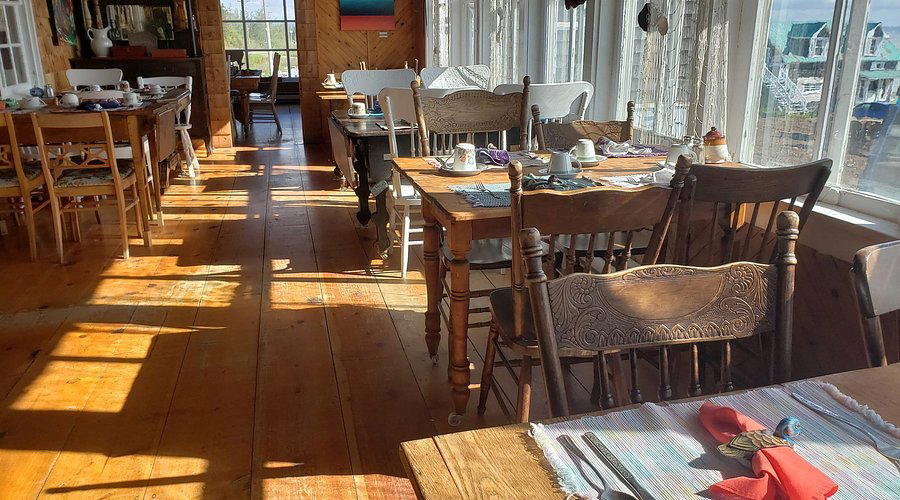
A French Kitchen in the Swiss Mittelland
Langenthal is a working town in the canton of Bern, the kind of place that built its identity around textiles and ceramics rather than tourism. The Murgenthalstrasse address puts L'Auberge in the fabric of that everyday city, not in a converted château or a lakeside hotel wing. Arriving, there is none of the theatrical staging that marks destination restaurants in alpine resorts or urban financial districts. What you find instead is a room that signals intent through restraint: a French kitchen operating in a Swiss provincial setting, with a seriousness that the 2025 Michelin Plate confirms.
That context matters more than it might seem. Modern French cuisine in Switzerland tends to cluster around the country's urban and resort economy. Restaurants like Hotel de Ville Crissier in Crissier and L'Atelier Robuchon in Geneva sit within reach of international visitor flows and corporate dining budgets. L'Auberge, at the €€€ price tier rather than €€€€, operates a register below those flagships but above the town's casual dining offer, which is a specific and often underserved position in Swiss provincial towns.
Provenance and the Mittelland Table
The Swiss Mittelland, the broad agricultural plateau between the Jura to the north and the Alps to the south, is one of Europe's more productive farming zones. The Bernese Oberland edges in from the southeast; the Emmental valley is close enough that its dairy culture inflects local cooking. A modern French kitchen situated here has access to ingredient flows that many urban French restaurants in Switzerland have to work harder to source: Emmental cheese in its home region, Bernese beef traditions, seasonal produce from a relatively short supply chain.
Modern French technique applied to regional Swiss provenance is not a new idea. Andreas Caminada built an international reputation at Schloss Schauenstein in Fürstenau on exactly that combination, though at three Michelin stars and the €€€€ tier, in a different competitive bracket entirely. At L'Auberge, the same underlying logic of French structure meeting Swiss ingredient identity operates at a more accessible price point, which represents a different editorial argument: that provenance-led cooking does not require the destination-dining premium to be credible.
The Michelin Plate designation, introduced by the guide to recognise restaurants serving food of good quality without the star threshold, positions the restaurant within a tier that Michelin inspectors consider worth the detour for cooking that is technically sound and consistent. It places the restaurant in a peer group that includes many of the more serious provincial tables across Switzerland, where the guide has increasingly acknowledged that quality cooking exists well beyond the starred circuit.
Where L'Auberge Sits in the Swiss Modern French Category
Switzerland's modern French dining tier spans a wide range of ambition and price. At the upper end, Cheval Blanc by Peter Knogl in Basel and Memories in Bad Ragaz operate at three Michelin stars with €€€€ pricing. Below that, the mid-tier of Michelin-recognised modern French tables is less densely populated, particularly outside the major cities and lake towns. Langenthal does not sit on a conventional tourist route between Zurich and Bern, which means the restaurant draws primarily from a local and regional clientele rather than passing international traffic.
A tourist-facing restaurant can absorb occasional poor reviews from one-time visitors; a provincial table with a regular clientele cannot. The 4.6 score, on that basis, carries more informational weight than the same number at a high-volume city restaurant. It suggests a kitchen that earns its reputation on local terms.
Across the Swiss French-cuisine category, 7132 Silver in Vals, Colonnade in Lucerne, and Einstein Gourmet in Sankt Gallen each represent different approaches to the formal dining register in Swiss provincial settings. The broader French tradition appears at venues like Sketch, The Lecture Room and Library in London and Schanz in Piesport, where the same classical foundation reaches different expressions depending on regional produce and kitchen philosophy.
Planning Your Visit
The restaurant is located at Murgenthalstrasse 5 in Langenthal, a town accessible by direct rail from Bern in under 40 minutes and from Olten in around 20. The €€€ price tier suggests a spend in the range typical for serious Swiss provincial dining with wine, without reaching the flagship-restaurant pricing of the starred circuit. Reservations should be made in advance, particularly for weekend sittings, given the restaurant's standing as one of the more formally recognised tables in the area. Those exploring the wider Swiss dining scene at higher price tiers might also look at focus ATELIER in Vitznau, IGNIV Zürich by Andreas Caminada, and Da Vittorio in St. Moritz for a sense of where the category extends.
At-a-Glance Comparison
Comparable venues nearby, for context on price, style, and recognition.
| Venue | Cuisine | Price | Awards | Notes |
|---|---|---|---|---|
| L'AubergeThis venue — the venue you are viewing | Modern French with Mediterranean Influences | $$$ | Michelin Plate | Not listed |
| Restaurant LA | Modern French Fine Dining | $$$ | Michelin Plate | Messe |
| Le Bistrot des Ours | French-Swiss Alpine Bistro | $$$ | Michelin Plate | Crans-Montana |
| Sonnenhof | Swiss-Italian-French Bistro | $$$ | Michelin Plate | Saanen |
| Menoir | Seasonal Classic French | $$$ | Michelin Plate | Oberwinterthur |
| Bad Schauenburg | Classic French Fine Dining | $$$ | Michelin Plate | Liestal, Basel-Landschaft |
Recognition history
Dated appearances from independent guides and award organizations, with the underlying list record or original source where available.
Michelin Plate
Michelin
Continue exploring
More in Langenthal
Restaurants in Langenthal
Browse all →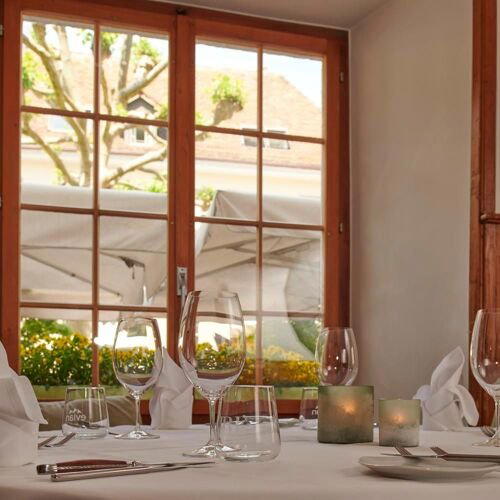
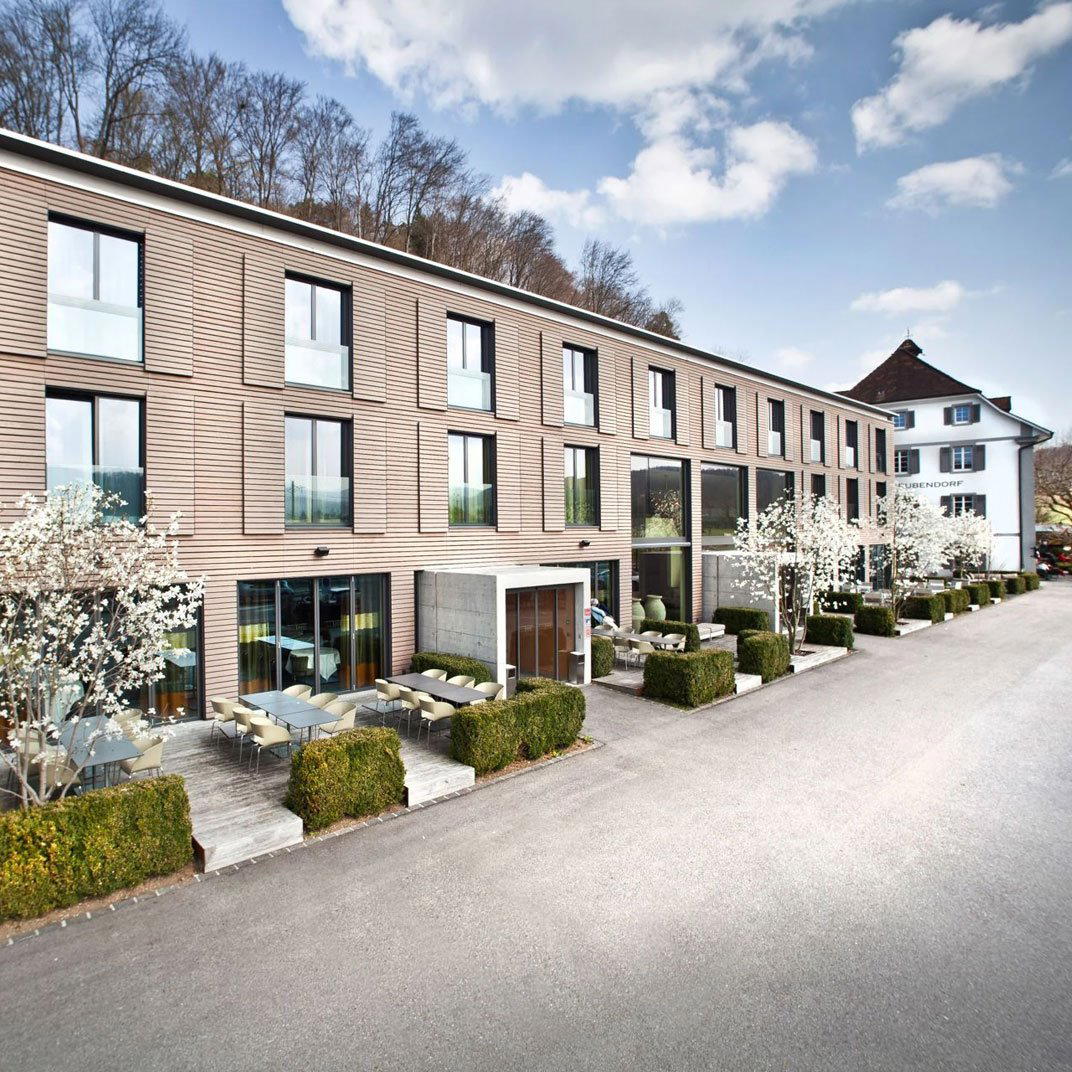
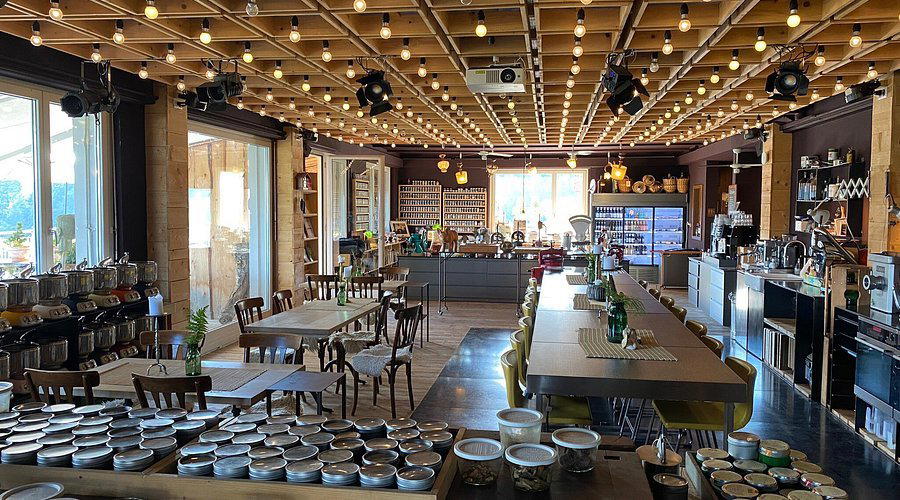
Bars in Langenthal
Browse all →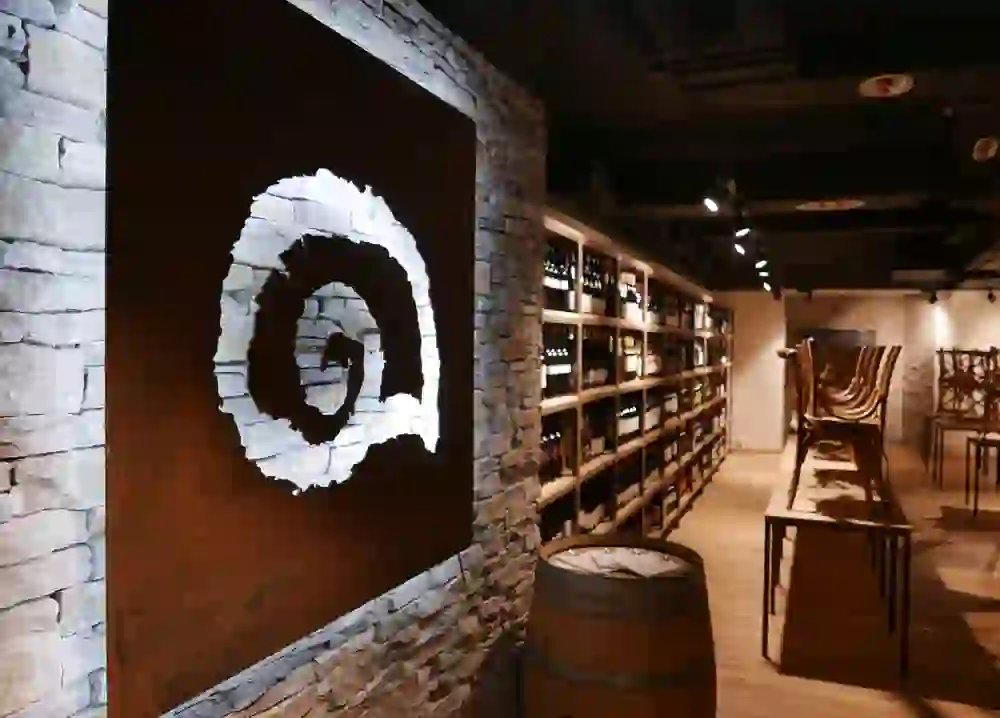
Hotels in Langenthal
Browse all →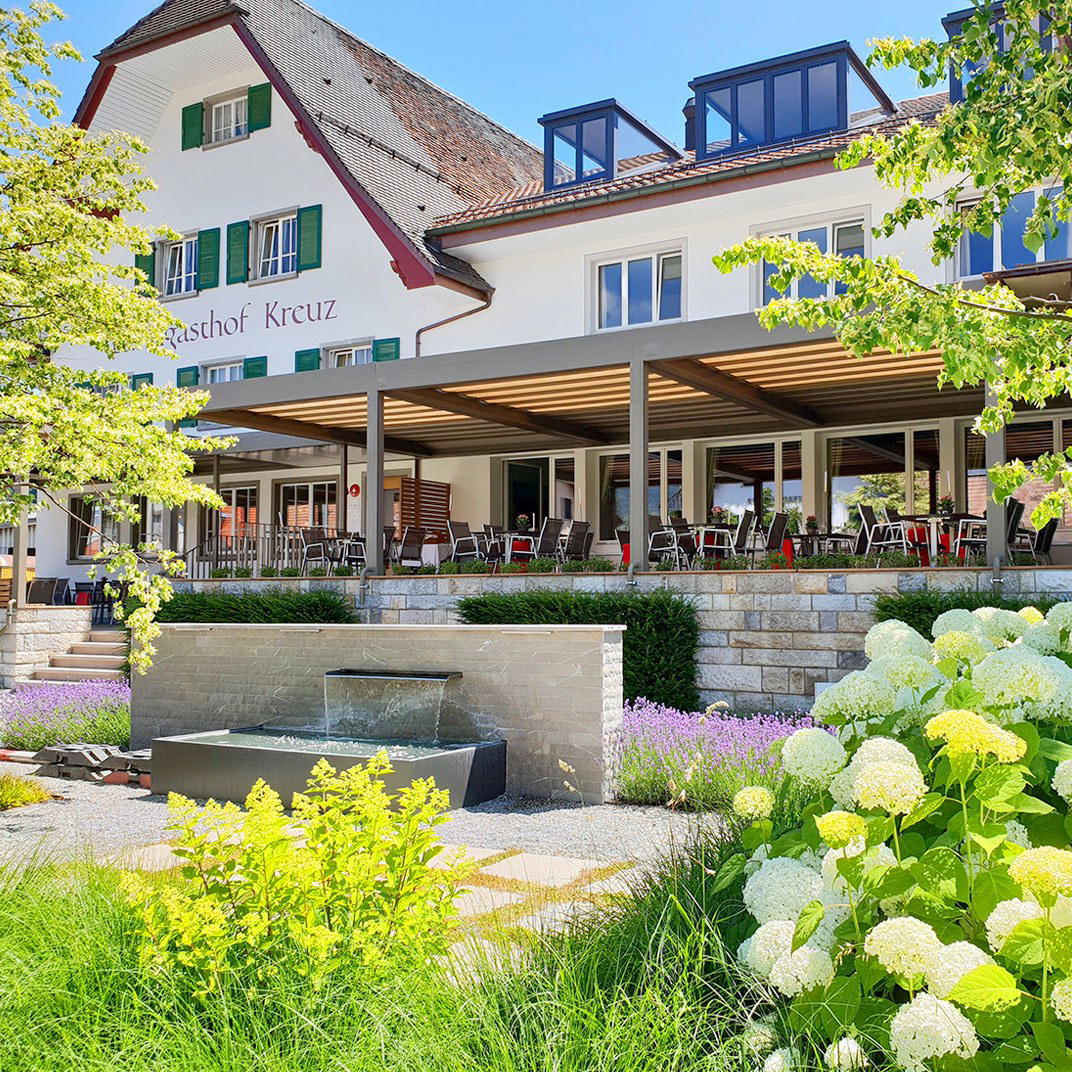
Wineries in Langenthal
Browse all →
At a Glance
- Elegant
- Romantic
- Quiet
- Sophisticated
- Date Night
- Business Dinner
- Celebration
- Special Occasion
- Garden
- Terrace
- Historic Building
- Hotel Restaurant
- Private Dining
- Extensive Wine List
- Sommelier Led
- Local Sourcing
- Farm To Table
- Garden
Intimate and refined with two dining areas—one modern and minimalist, the other elegant—plus a delightful garden terrace in summer; soft lighting and calm atmosphere conducive to relaxation.