
Michelin Plate
Our verdict
Housed in a converted wine barn on the edge of Fleury, La Tulipe Noire operates at the quieter, more grounded end of southern French fine dining. A kitchen garden supplies the majority of vegetables, and the €€ menu reinterprets French classics with technique that belies the modest surroundings. Michelin Plate recognition in 2024 confirms this is serious cooking, not just good intentions.

Pearl is the En Primeur Club membership app — saves, bookings, and concierge access live there. Same editors, same standards.
- Address
- 3 Rue du Ramonétage, 11560 Fleury, France
- Phone
- +33 4 68 46 59 80
- Hours
- Mon 12–2 PM, 7:30–9:30 PMTue–Wed ClosedThu–Sun 12–2 PM, 7:30–9:30 PM
- Website
- restaurant-tulipenoire.fr
- Directions
- Get directions
- Booking
- Book on the venue's website
The menu
What to order
- Tirabuixo
- Porc fermier des Pyrénées
- Filet de loup sauvage
- Niçoise de légumes
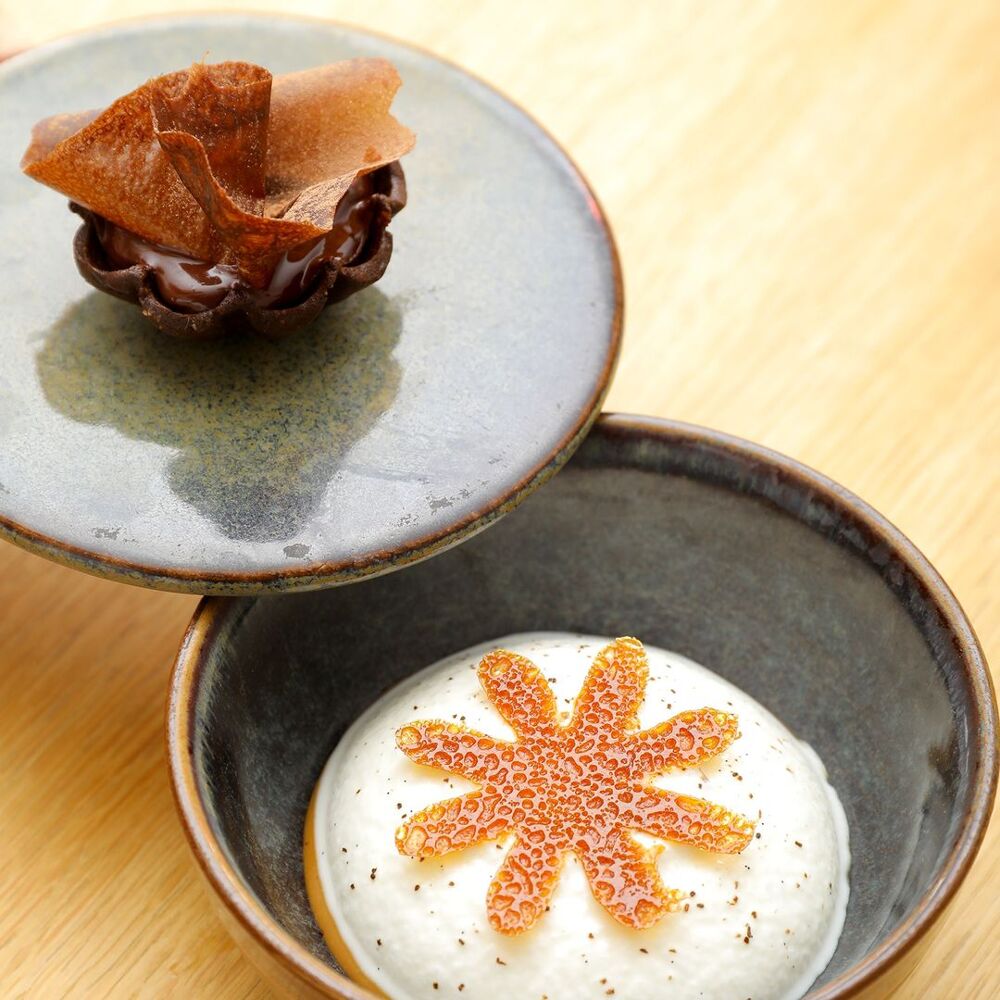
- Mousse aux deux chocolats
A Wine Barn, a Kitchen Garden, and the Audacity of Simplicity
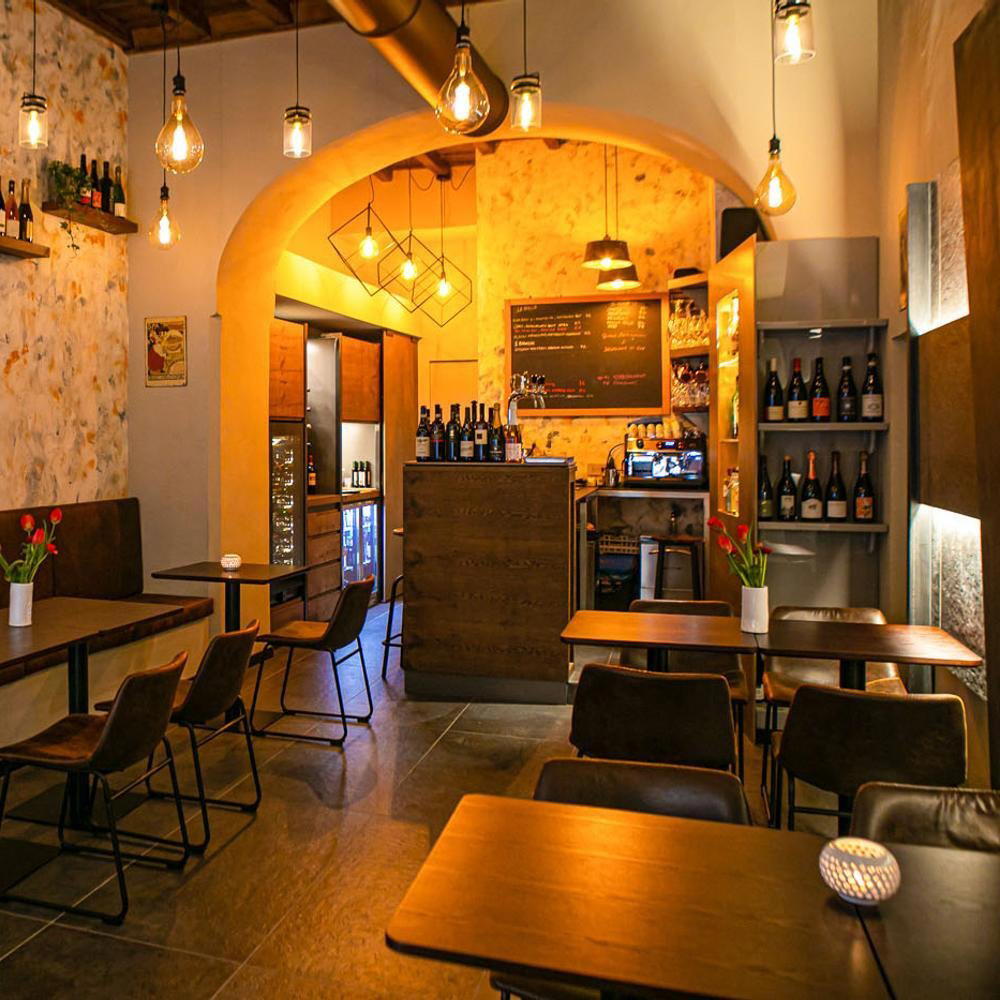
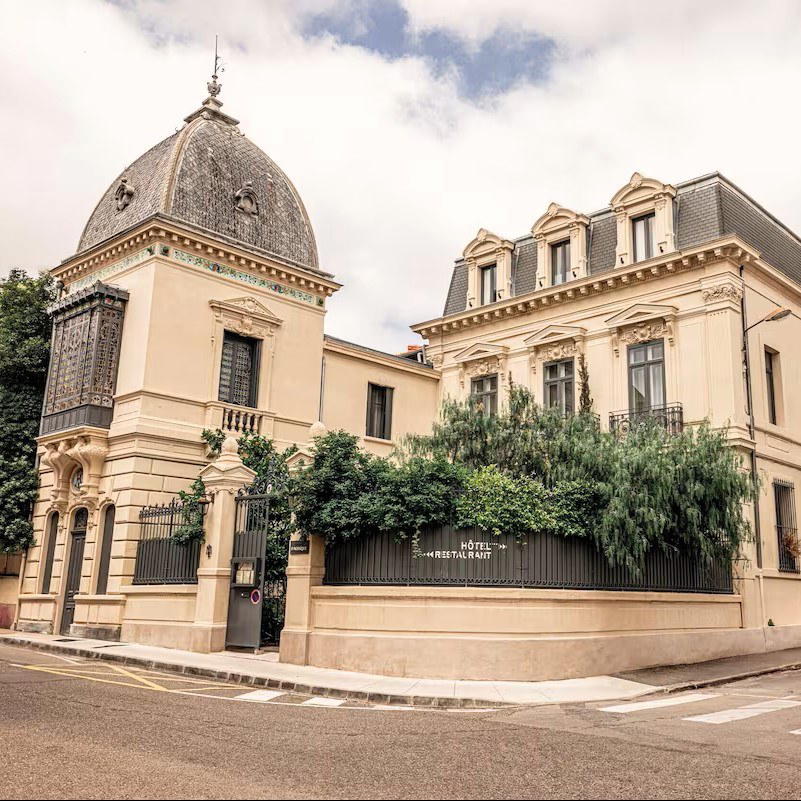
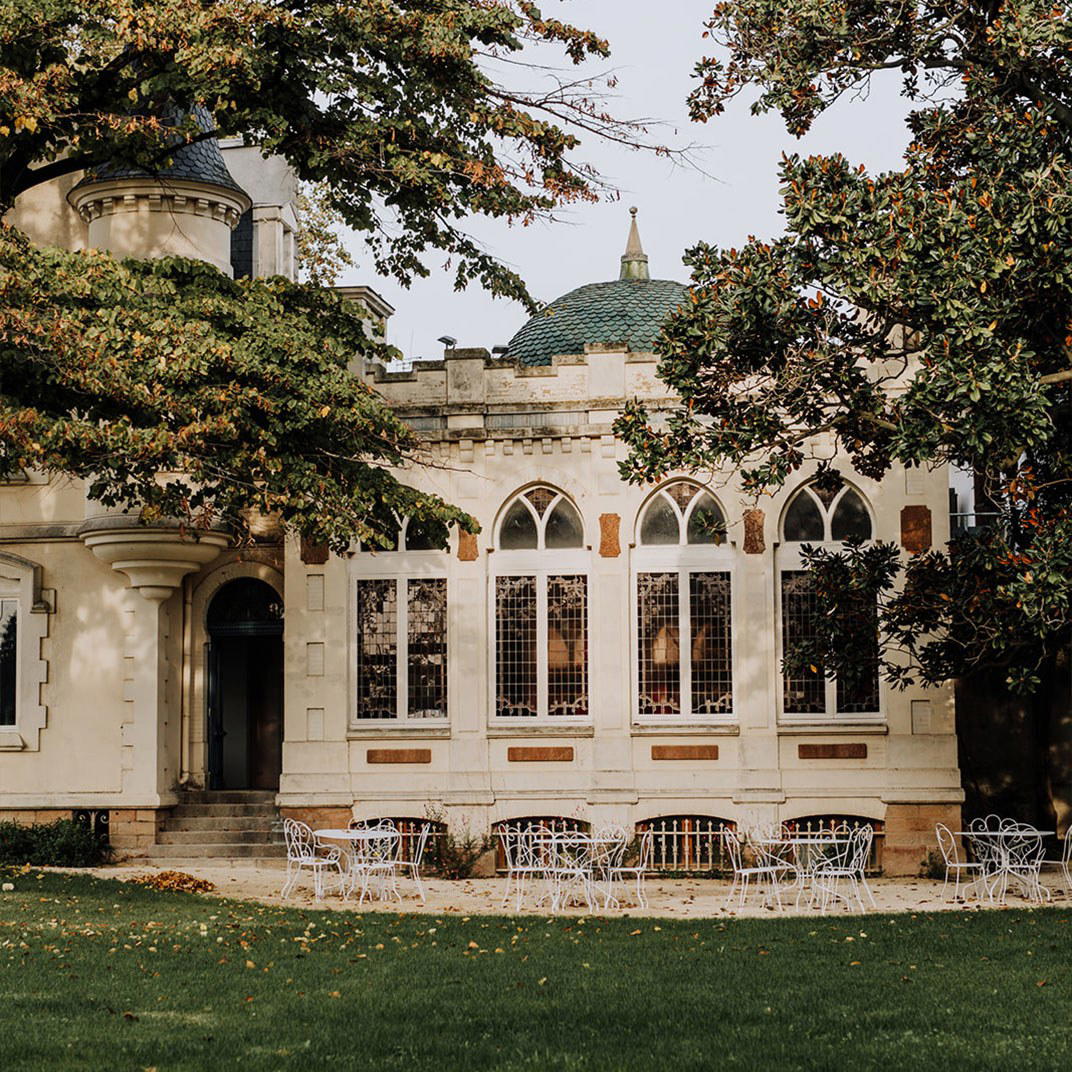
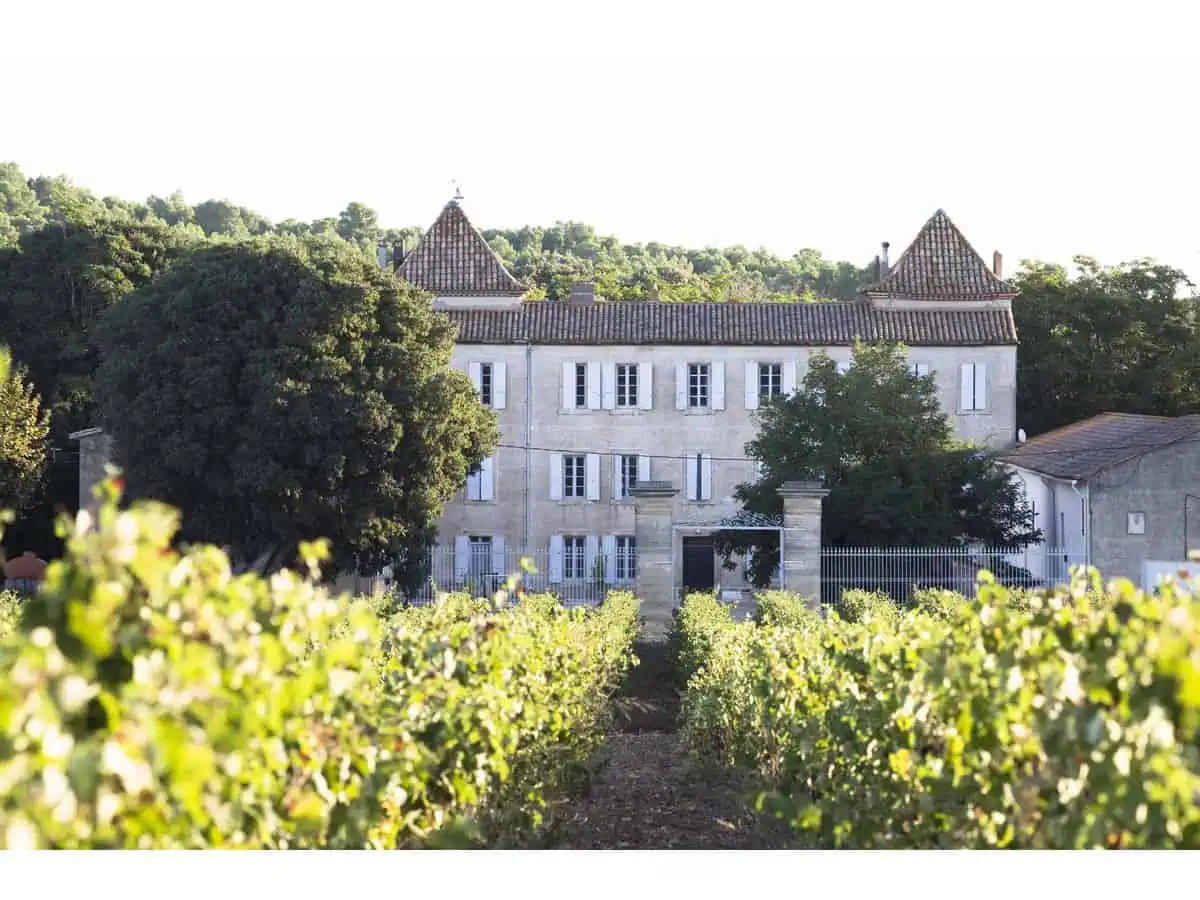
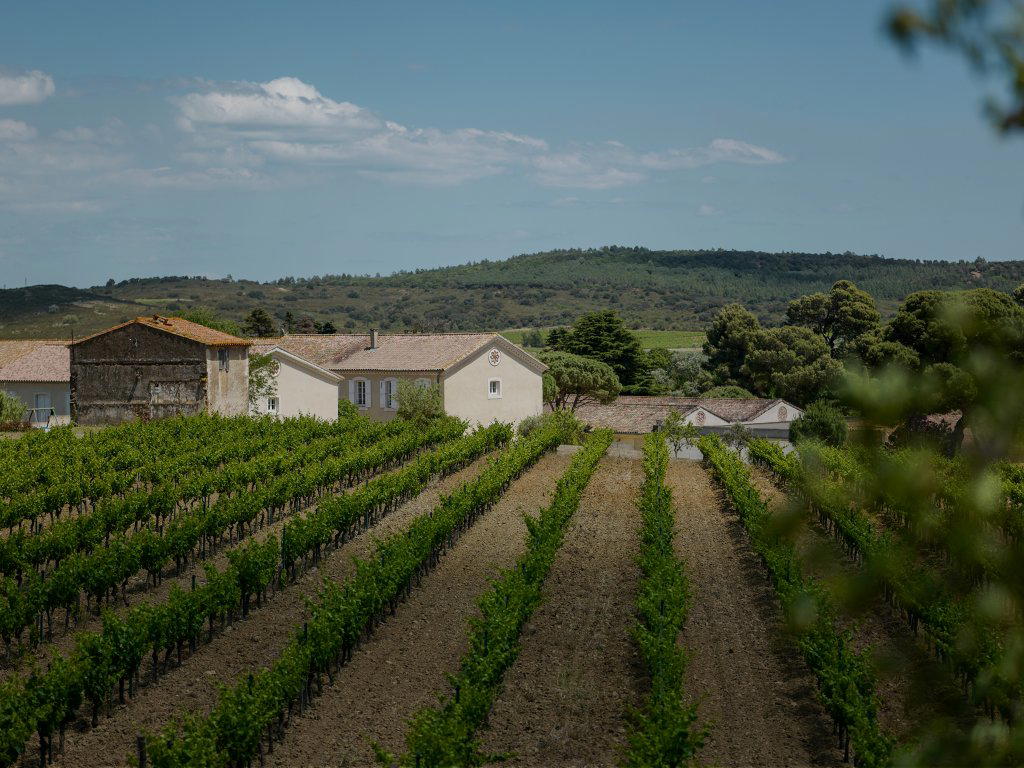
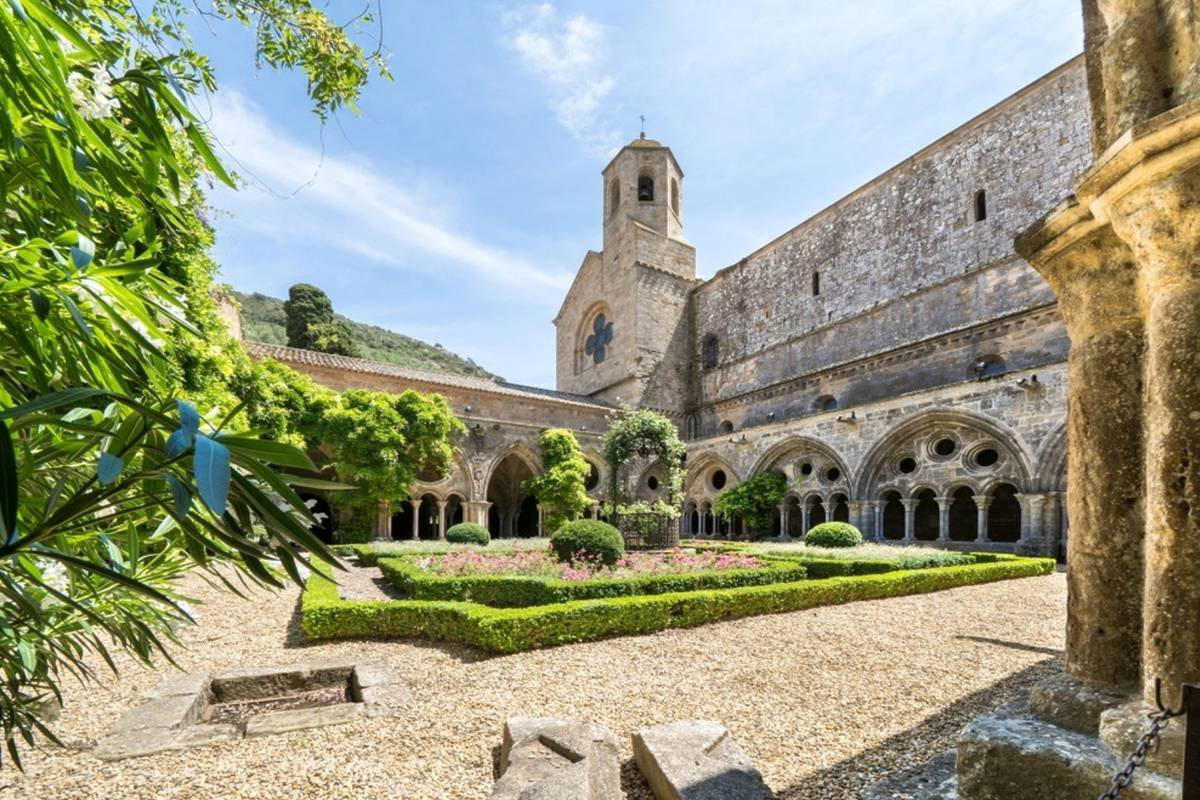
There is a particular tradition in rural French fine dining — the kind that hides behind unassuming stonework and handwritten menus — where the most sophisticated cooking arrives dressed in plain language. Languedoc has its own version of this tradition, and La Tulipe Noire, on 3 Rue du Ramonétage in Fleury, sits squarely within it. The dining room occupies a tastefully converted wine barn, the kind of space that carries its agricultural past in its bones: thick walls, an unhurried atmosphere, and a physical connection to the land outside that is more than decorative. This is not a restaurant that announces itself; it earns attention gradually.
That restraint extends to the menu, where dish names read almost plainly: onion soup, tarte tatin. What the names do not signal is the technical accumulation behind each plate. This is a kitchen that treats the classics as living documents rather than monuments, returning to them with care and then quietly rewriting them from the inside. Michelin's 2024 Plate recognition places La Tulipe Noire in the cohort of restaurants where the cooking is consistently sound, not the high-altitude theatre of Alléno Paris au Pavillon Ledoyen in Paris or Mirazur in Menton, but something more grounded and arguably more honest about what it is trying to do.
The Garden as the Real Menu
Across southern France, the sourcing conversation has shifted in the last decade. Where chefs once named their suppliers as a kind of status credential, the move now is toward genuine integration of growing and cooking, kitchens that do not merely buy from local farms but actually tend their own. La Tulipe Noire belongs to this more demanding category. The chef and his wife maintain a cottage garden that supplies the majority of vegetables used in the kitchen, which means the menu does not simply reflect seasonal availability in the abstract: it reflects what was harvested that week, from soil a few steps from the stove.
This kind of direct sourcing shapes cooking in ways that a supply chain, however local, cannot fully replicate. Dish composition responds to what is actually ready rather than what a distributor has scheduled. Varietals and growing conditions become part of the flavour logic rather than footnotes. In the broader canon of garden-to-table restaurants, places like Bras in Laguiole, which has long centred its identity on the Aubrac terroir, or Flocons de Sel in Megève, where altitude and mountain produce define the register, this kind of physical ownership of the ingredient source represents a genuine commitment rather than a marketing position.
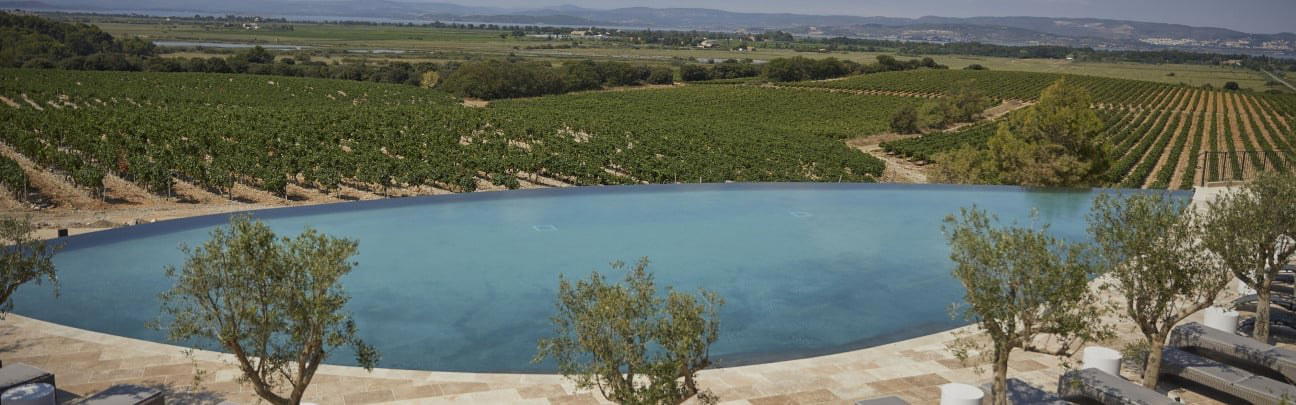
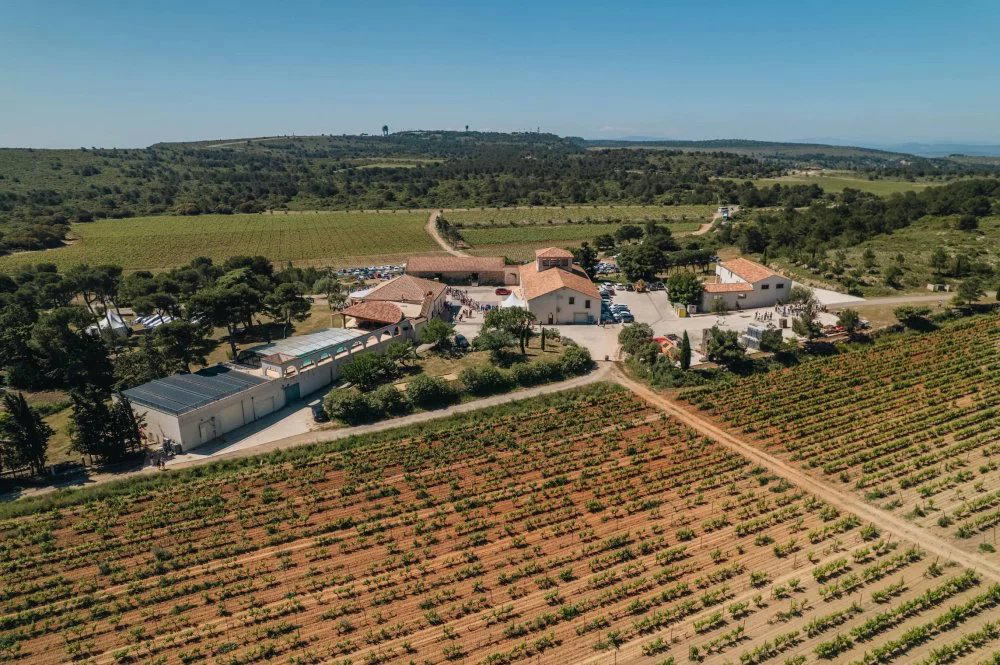
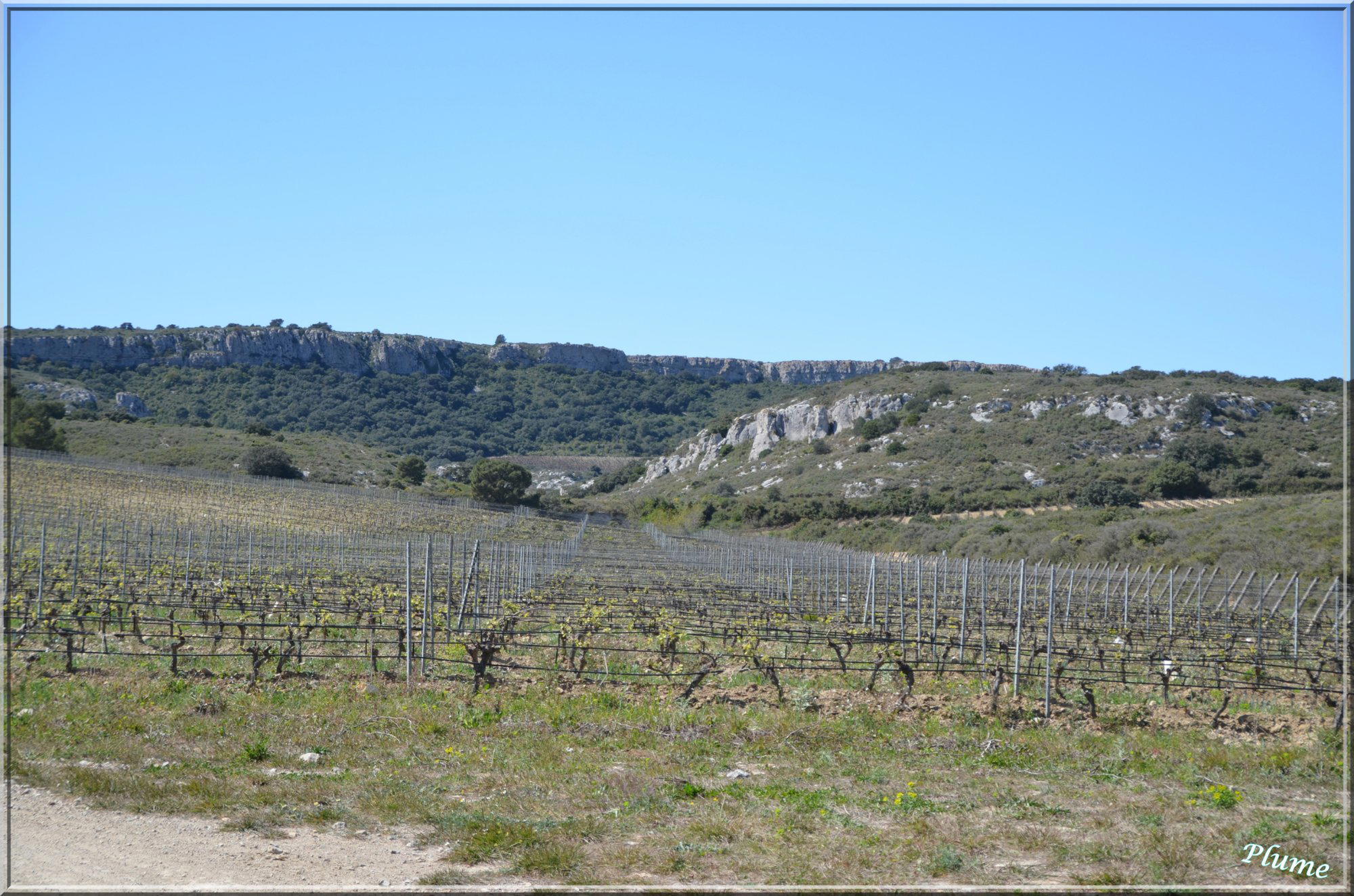
For the Languedoc, where the garrigue, the Mediterranean coast, and the inland plains each produce distinct produce, a kitchen that grows its own is also making a statement about place. The wine barn setting reinforces this: Fleury is viticulture country, and a restaurant working within that agricultural fabric rather than against it occupies a different position than an urban fine-dining room transplanted to the countryside.
Technique in Disguise
The French classical tradition is one of the most technically dense in the world, and the restaurants that continue to develop it, rather than simply perform it, tend to operate under its surface. Auberge du Vieux Puits in Fontjoncouse, not far from Fleury in the Aude, built its three-star reputation on exactly this principle: cooking that appears rooted but is constantly in motion beneath the familiarity. La Tulipe Noire works at a different scale and a different price tier, but the underlying logic rhymes. The apparently simple names of dishes function as misdirection. An onion soup carries centuries of French kitchen memory; when a chef chooses to reinterpret it rather than reproduce it, the decision is both technically ambitious and culturally self-aware.
The €€ price range positions La Tulipe Noire well below the headline properties of French fine dining, a contrast worth stating plainly. Troisgros - Le Bois sans Feuilles in Ouches, Assiette Champenoise in Reims, and Au Crocodile in Strasbourg each occupy the upper tier of the country's restaurant hierarchy in price as well as recognition. La Tulipe Noire's Michelin Plate at the €€ level signals something different: cooking of genuine quality at a price point accessible to a wider audience. That combination is less common than it should be, and in a region that can skew toward tourist pricing in the summer months, it carries real value.
Fleury and the Broader Languedoc Table
Fleury sits in the Hérault and Aude corridor, a stretch of southern France where wine culture dominates but the food culture is increasingly worth attention in its own right. The area does not carry the immediate culinary prestige of Lyon, Alsace, or the Côte d'Azur, which means serious restaurants here operate with less institutional validation and more genuine local rootedness. AM par Alexandre Mazzia in Marseille has done much to raise the profile of southern French cooking at the highest level, but the story of this region is told more accurately through the quieter places that define how people actually eat here.
For visitors building a longer stay around the area, the full picture extends beyond the table. [Our full Fleury restaurants guide]() covers the broader dining context, while [our full Fleury wineries guide]() addresses the viticulture that shapes so much of the region's identity. Those looking to stay longer should consult [our full Fleury hotels guide](), and for a more complete picture of the area's cultural offerings, our full Fleury experiences guide and [our full Fleury bars guide]() round out the itinerary. For further reference points in French regional fine dining, Paul Bocuse - L'Auberge du Pont de Collonges in Collonges-au-Mont-d'Or and Auberge de l'Ill in Illhaeusern represent the establishment end of the tradition La Tulipe Noire quietly works within.
Planning Your Visit
La Tulipe Noire sits at 3 Rue du Ramonétage, 11560 Fleury. Booking ahead is the sensible approach. The converted wine barn setting suggests a relaxed but purposeful dining environment rather than formal ceremony.
Frequently asked questions
Would La Tulipe Noire be comfortable with kids?
La Tulipe Noire is a Michelin Plate restaurant in a converted wine barn, where the cooking leans on precise classical technique and garden-led seasonal menus. The setting is intimate and the pace is unhurried, which suits older children with an appetite for proper sit-down meals. Younger children or those with limited patience for a multi-course format may find it a mismatch.
What's the vibe at La Tulipe Noire?
The room is a tastefully converted wine barn in Fleury, which sets the tone: rural southern France, unhurried, and grounded in the seasons. The husband-and-wife team running the kitchen and front-of-house gives the place a personal register that formal city restaurants rarely manage. At the €€ price point, it sits outside the stiff-napkin tier, closer to a serious neighbourhood table than a special-occasion destination.
Is La Tulipe Noire award-winning?
La Tulipe Noire has received recognition including: In a tastefully converted wine barn, the chef and his wife are in tune with the seasons, in particular thanks to their cottage garden that supplies the majority of veggies here. Do not be misled by the apparently simple names of the dishes,….
What should I eat at La Tulipe Noire?
The Michelin Guide's 2024 note flags the kitchen's habit of working through classics — onion soup, tarte tatin — and reinterpreting them with technique that the plain dish names do not advertise. Most of the vegetables come from the kitchen garden on site, so the seasonal produce is central rather than decorative. Order whatever the menu lists as vegetable-forward; that is where the sourcing advantage shows most clearly.
Comparison Snapshot
| Venue | Cuisine | Price | Awards |
|---|---|---|---|
| La Tulipe NoireThis venue — the venue you are viewing | Modern French Bistro with Seasonal Local Ingredients | $50–100 | Michelin Plate |
| Alléno Paris au Pavillon Ledoyen | Creative | Not listed | Michelin 3 Star |
| Kei | Contemporary French, Modern Cuisine | Not listed | Michelin 3 Star |
| L'Ambroisie | French, Classic Cuisine | Not listed | Michelin 3 Star |
| Le Cinq - Four Seasons Hôtel George V | French, Modern Cuisine | Not listed | Michelin 3 Star |
| Plénitude | Contemporary French | Not listed | Michelin 3 Star |
Recognition history
Dated appearances from independent guides and award organizations, with the underlying list record or original source where available.
Michelin Plate
Michelin
Full recognition history (3 entries)
Michelin Plate
Michelin
Michelin Plate
Michelin
Continue exploring
More in Fleury
Restaurants in Fleury
Browse all →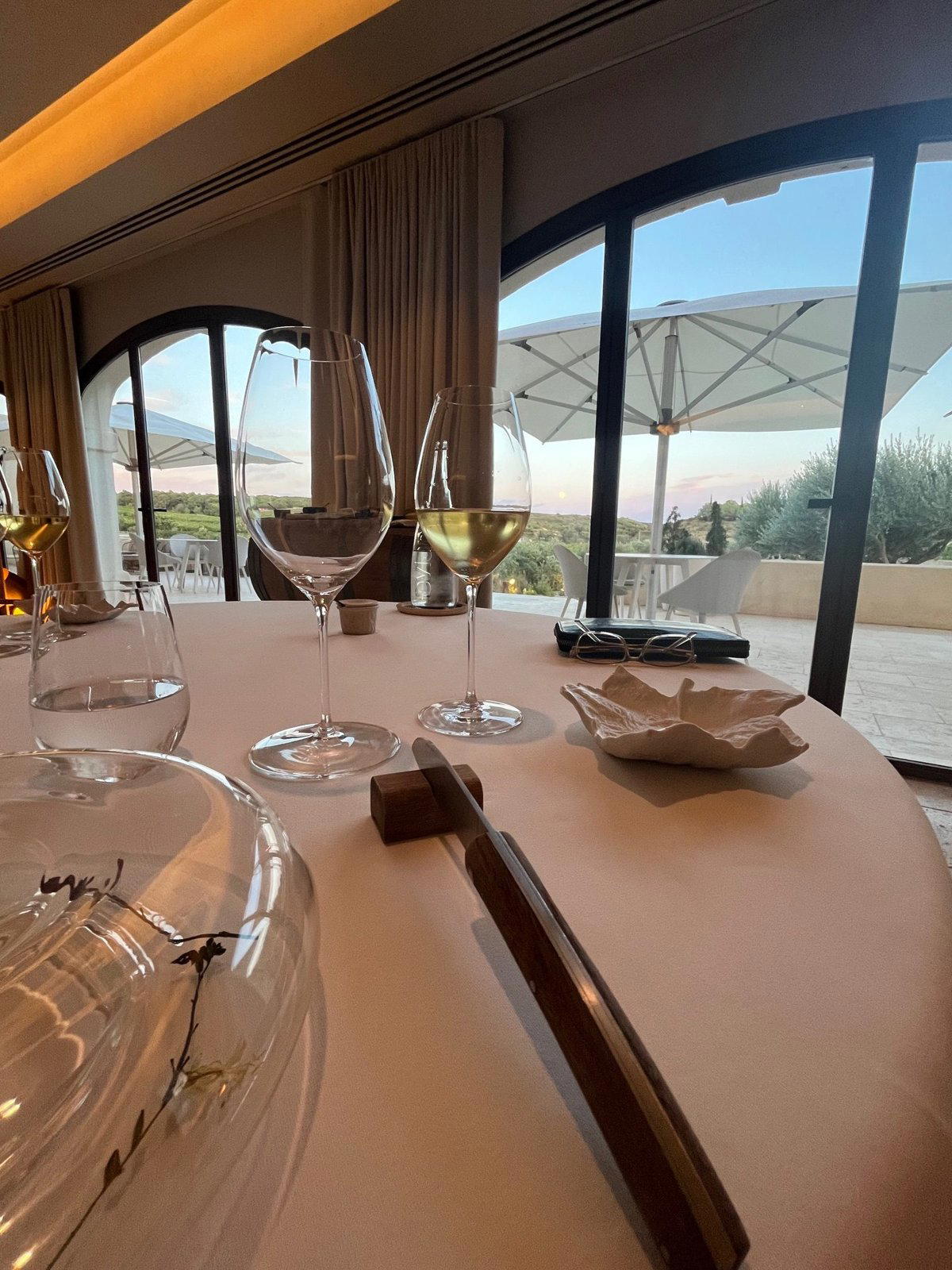
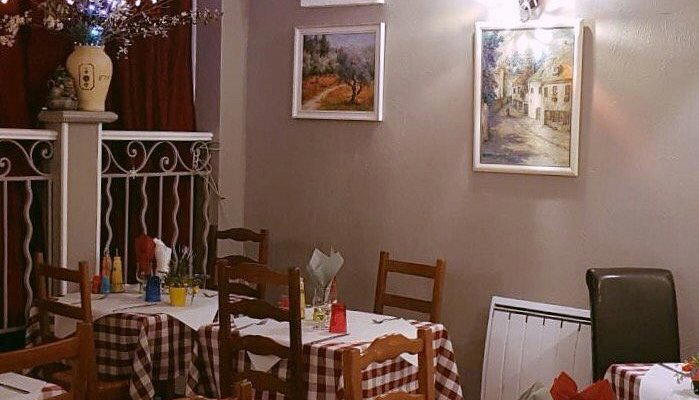
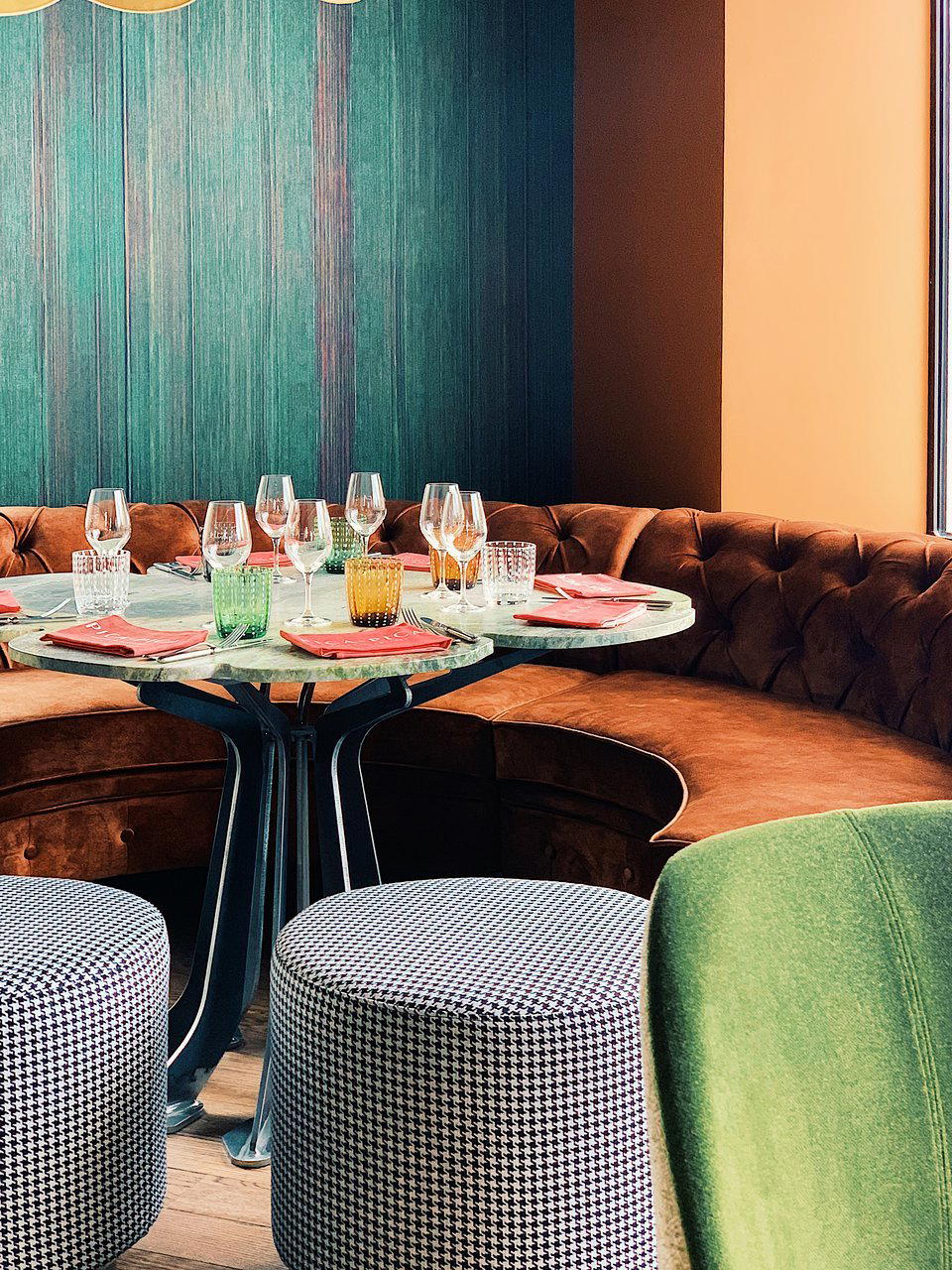
Bars in Fleury
Browse all →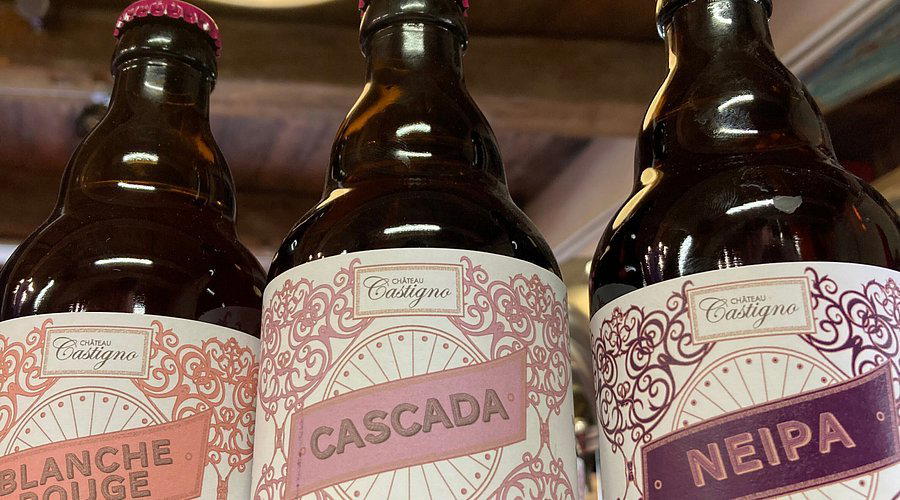
Hotels in Fleury
Browse all →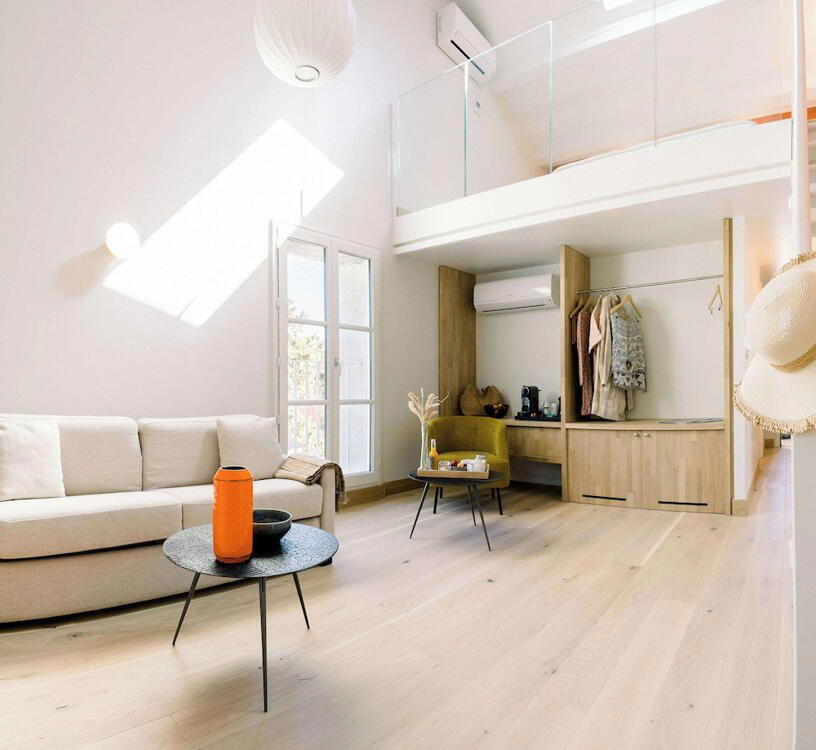
Details
- Romantic
- Cozy
- Elegant
- Classic
- Date Night
- Special Occasion
- Celebration
- Group Dining
- Garden
- Terrace
- Historic Building
- Private Dining
- Beer Program
- Farm To Table
- Local Sourcing
- Organic
- A La Carte
- Prix Fixe
- Wine
- Beer
- Vegetarian Friendly
- Organic Focus
Current opening hours
- Monday
- 12–2 PM, 7:30–9:30 PM
- Tuesday
- Closed
- Wednesday
- Closed
- Thursday
- 12–2 PM, 7:30–9:30 PM
- Friday
- 12–2 PM, 7:30–9:30 PM
- Saturday
- 12–2 PM, 7:30–9:30 PM
- Sunday
- 12–2 PM, 7:30–9:30 PM
Hours can change for holidays and private events. Last verified .
Warm and welcoming atmosphere in a restored historic wine cave with intimate interior and exterior spaces that adapt to the season.