
A Michelin Plate holder for consecutive years in 2024 and 2025, La Table de Jérôme brings modern cuisine to the Morvan town of Luzy in southern Burgundy. Set against the quiet rhythms of a rural French market town, it operates in a register where sourcing proximity and seasonal discipline carry more weight than metropolitan flash. For the southern Nièvre, this is serious cooking.
Pearl is the En Primeur Club membership app — saves, bookings, and concierge access live there. Same editors, same standards.
- Address
- 26 Rue de la République, 58170 Luzy, France
- Phone
- +33 3 86 30 00 66
- Website
- hotelrestaurantdumorvan.fr
- Directions
- Get directions
 Saves & bookings on Pearl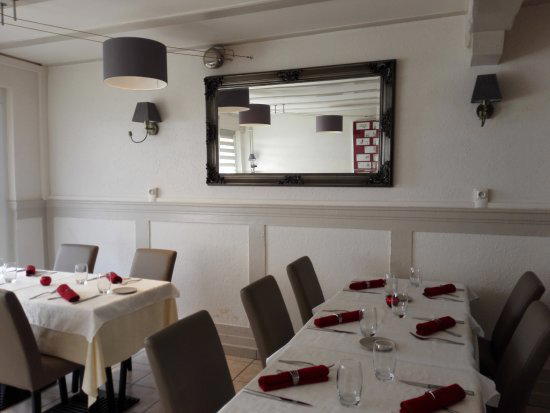
Serious Cooking in the Southern Morvan
Burgundy's reputation for fine dining concentrates around the Côte d'Or corridor, where names like the region's starred tables draw visitors prepared to plan months in advance. The department of Nièvre, and particularly the southern Morvan around Luzy, operates on a different frequency. The town sits at the edge of a protected regional natural park, where cattle farming, freshwater fishing, and market-garden tradition shape what ends up on restaurant plates with more directness than in any urban supply chain. La Table de Jérôme, holding a Michelin Plate in both 2024 and 2025, is the kind of address that emerges from that context: a restaurant whose culinary reference points are rooted in what the surrounding land produces, interpreted through the lens of modern French technique.
Approaching Luzy along the D roads that cross the Morvan plateau, the shift in register is gradual. The landscape opens into pasture and woodland. The town itself, gathered around its central République axis, retains the scale and tempo of a working Burgundian commune rather than a tourist destination. The restaurant sits at 26 Rue de la République, and that address is not incidental: it places the kitchen at the centre of the town's daily life rather than at a scenic remove from it.
What the Morvan Offers a Modern Kitchen
Understanding La Table de Jérôme requires understanding what sourcing looks like in this part of France. The Morvan's agricultural identity is built around Charolais and Limousin cattle, lamb from the upland pastures, freshwater fish from rivers and étangs, and a foraging tradition that extends to wild mushrooms, herbs, and seasonal fruit. These are not incidental garnishes in Morvan cooking: they are the structural material of the cuisine.
Modern French kitchens that operate outside major urban centres face a version of this question constantly: do you source locally and let terroir govern the menu, or do you treat the kitchen as a point of access to the national supply network? The consistent Michelin Plate recognition at La Table de Jérôme across two consecutive years suggests a kitchen that has found its answer. The Michelin Plate in France denotes quality cooking with distinguishing features, a meaningful threshold that separates the address from the generalist brasseries of its tier without placing it in the starred bracket occupied by destinations like Bras in Laguiole or Auberge du Vieux Puits in Fontjoncouse, both of which sit in similarly rural, terroir-driven contexts further south.
The broader pattern across rural French fine dining, visible from Alsace at addresses like Auberge de l'Ill in Illhaeusern to the Alpine approaches at Flocons de Sel in Megève, is that proximity to source material is the strategic advantage these kitchens hold over their urban counterparts. A kitchen in Paris, regardless of its ambition, is working with ingredients that have already passed through a distribution layer. A kitchen in Luzy can shorten that chain considerably.
Modern Cuisine as Method, Not Affectation
The cuisine classification at La Table de Jérôme is modern cuisine, which in the French context describes a kitchen working with classical foundations but making contemporary choices about technique, presentation, and the balance between tradition and invention. This is a middle path, and it is a deliberately disciplined one. It does not mean the theatrical minimalism of destination kitchens like Mirazur in Menton or the laboratory-inflected approach visible at AM par Alexandre Mazzia in Marseille. Nor does it mean the monumental classicism of Paul Bocuse's Auberge du Pont de Collonges. In a town of Luzy's scale and character, modern cuisine functions as a commitment to cooking that takes itself seriously without requiring the architectural ambition or the 300-seat dining rooms of metropolitan addresses.
Price range of €€€ places La Table de Jérôme in a tier that demands quality without the cost structure of the four-symbol houses. For context, three-star Paris addresses like Alléno Paris au Pavillon Ledoyen or Assiette Champenoise in Reims operate at €€€€, a different financial and experiential register entirely. At €€€, this is destination-quality cooking priced closer to its local audience, which is itself a signal about how the restaurant understands its role in Luzy's social fabric.
Planning a Visit
Luzy is accessible by road from Autun to the north, Moulins to the south, and Mâcon to the east, making it a plausible stop for travellers crossing the Burgundy-Auvergne corridor. The restaurant's address on Rue de la République puts it within walking distance of the town centre. Given the restaurant's recognition level and the limited dining options at this quality tier in southern Nièvre, booking ahead is advisable, though the specifics of lead time will depend on the season. The phone and website details are not listed in current directories, so direct contact through local tourism resources or booking aggregators is the practical approach. Visitors planning an extended stay in the area will find guidance in our full Luzy hotels guide, and those looking to map the broader local scene can consult our full Luzy restaurants guide, our full Luzy bars guide, our full Luzy wineries guide, and our full Luzy experiences guide.
For international visitors building a French fine dining itinerary, La Table de Jérôme occupies a different position than the itinerary anchors, the kind of address you add to a route between Troisgros in Ouches and a Lyon or Dijon destination rather than as the sole purpose of a journey. That is not a diminishment; it is a description of how smaller, regionally grounded addresses function leading within a broader travel logic. Notably, the model of technically rigorous cooking in remote or low-profile locations is not uniquely French: Frantzén in Stockholm and FZN by Björn Frantzén in Dubai represent the same underlying argument, that serious technique can operate far outside the traditional fine-dining capitals, anchored by what the local context makes possible. In the Morvan, that context is land-driven, seasonal, and genuinely distinct from anything a Paris market can replicate.
Questions Visitors Ask
- Can I bring kids to La Table de Jérôme?
- At €€€ pricing in a small Burgundian town, this is a dinner-focused address oriented toward adults; families with younger children will find the format and price point a better fit for other options in Luzy.
- What is the atmosphere like at La Table de Jérôme?
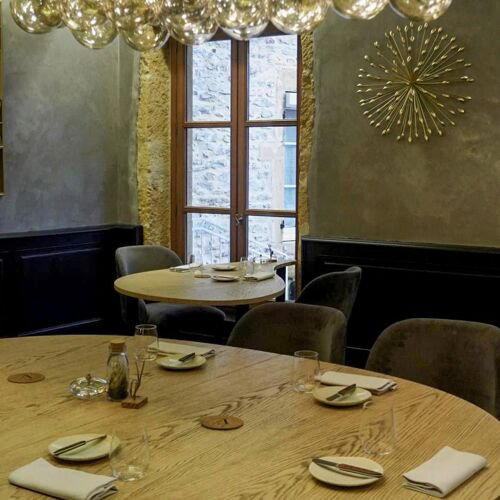
- The setting is a town-centre restaurant in Luzy, not a grand country house or a converted industrial space. Consecutive Michelin Plate recognition at the €€€ tier signals a room that takes itself seriously, with the quieter, more focused atmosphere typical of quality French regional dining rather than the production-level environments of Paris's starred tables. Expect composed rather than casual, without the formality of a four-symbol house.
- What's the must-try dish at La Table de Jérôme?
- Order whatever reflects the Morvan's seasonal supply most directly: the region's Charolais beef, freshwater fish, and foraged ingredients are the structural argument for cooking here rather than in a city. The Michelin Plate recognition across 2024 and 2025 confirms the kitchen is executing at a level that justifies treating the menu as a reflection of what the land is producing at the time of your visit, rather than seeking out a single fixed signature.
Comparison Snapshot
| Venue | Cuisine | Price | Awards |
|---|---|---|---|
| La Table de JérômeThis venue — the venue you are viewing | Modern Cuisine | €€€ | Michelin Plate (2025); Michelin Plate (2024) |
| Alléno Paris au Pavillon Ledoyen | Creative | €€€€ | Michelin 3 Star |
| Kei | Contemporary French, Modern Cuisine | €€€€ | Michelin 3 Star |
| L'Ambroisie | French, Classic Cuisine | €€€€ | Michelin 3 Star |
| Le Cinq - Four Seasons Hôtel George V | French, Modern Cuisine | €€€€ | Michelin 3 Star |
| Plénitude | Contemporary French | €€€€ | Michelin 3 Star |
Recognition history
Dated appearances from independent guides and award organizations, with the underlying list record or original source where available.
Michelin Plate
Michelin
Michelin Plate
Michelin
Michelin Plate
Michelin
Continue exploring
More in Luzy
Restaurants in Luzy
Browse all →
At a Glance
- Elegant
- Sophisticated
- Modern
- Quiet
- Date Night
- Special Occasion
- Celebration
- Business Dinner
- Hotel Restaurant
- Terrace
- Panoramic View
- Extensive Wine List
- Sommelier Led
- Local Sourcing
- Farm To Table
- Garden
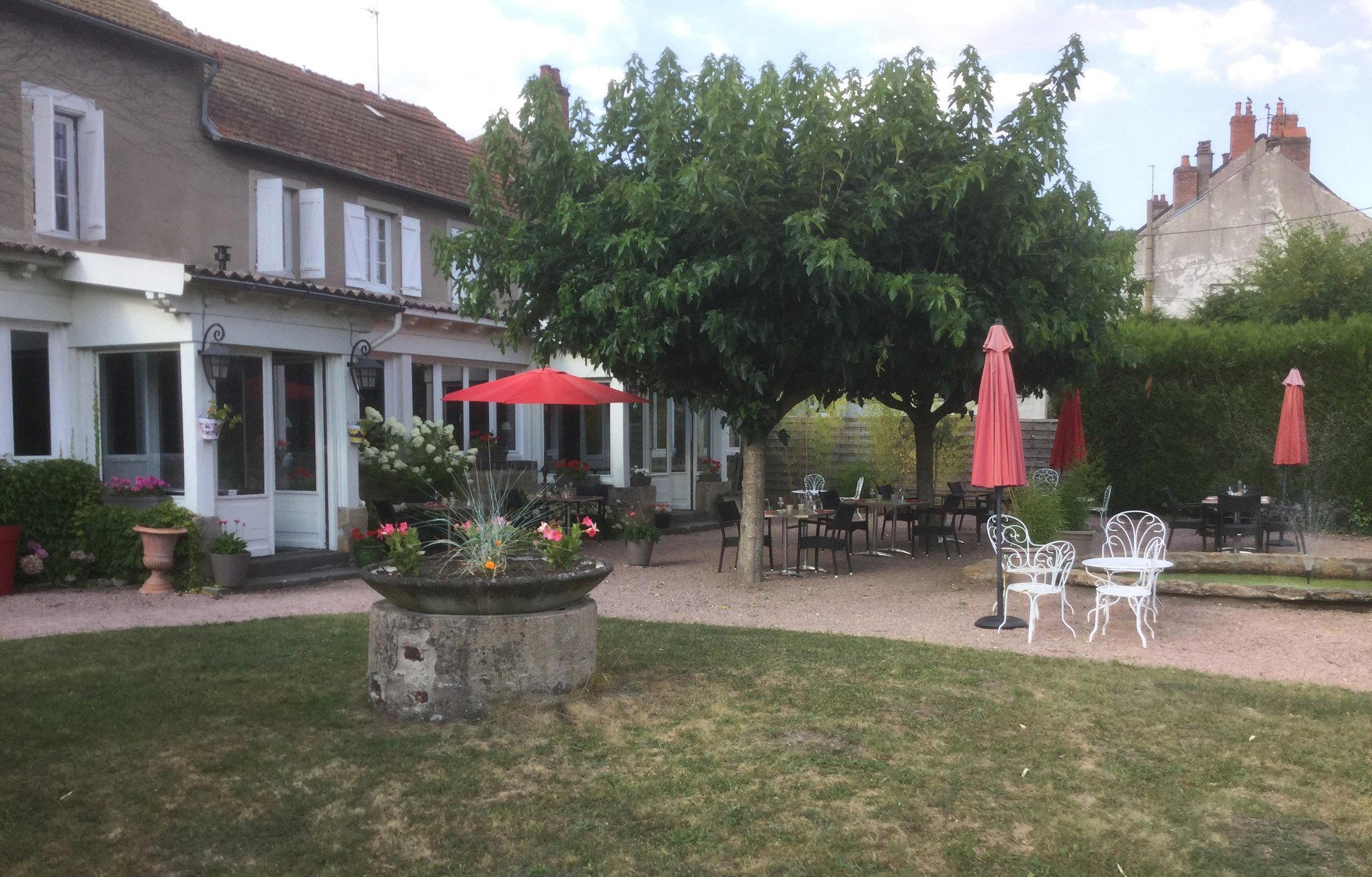
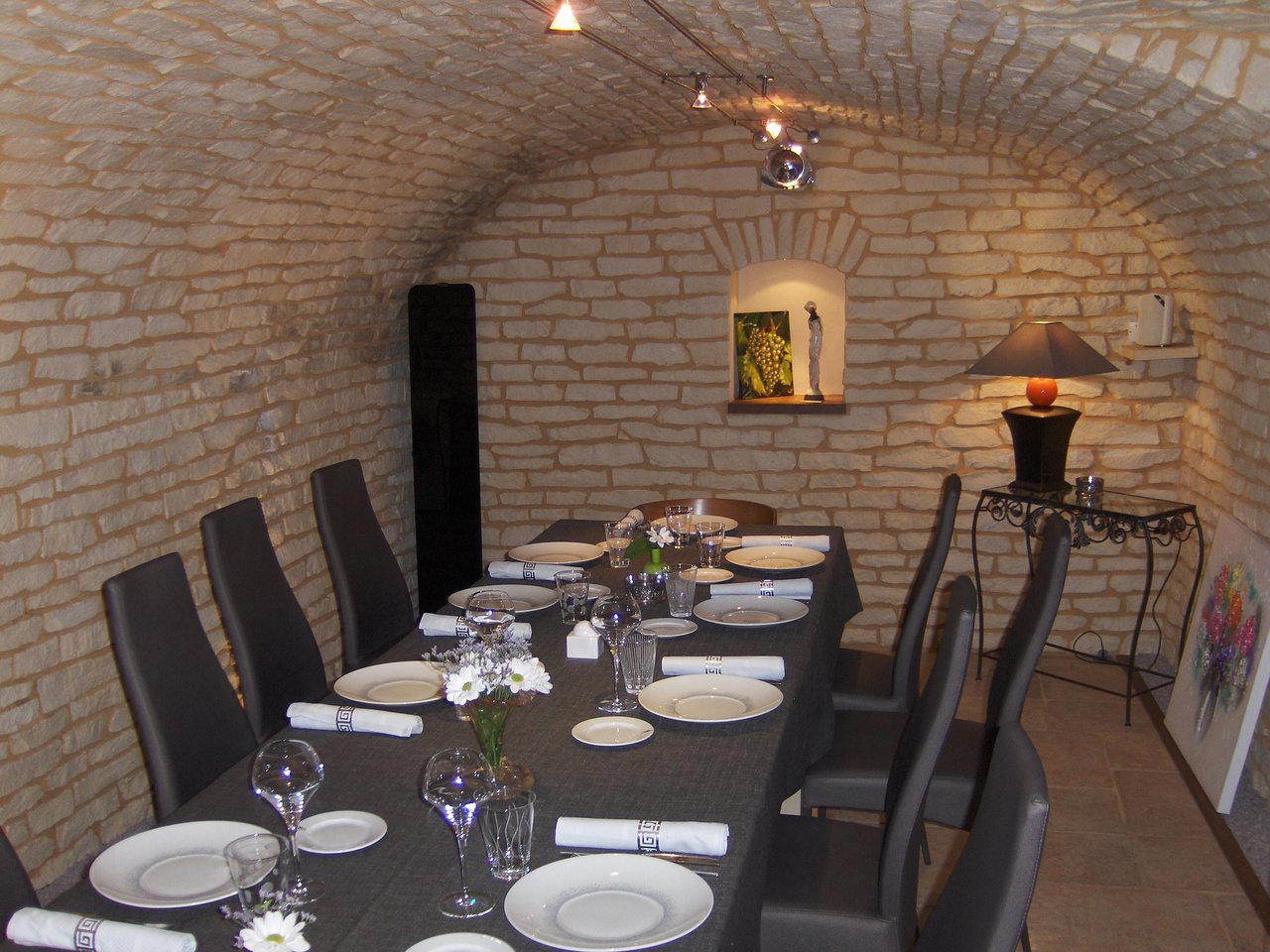
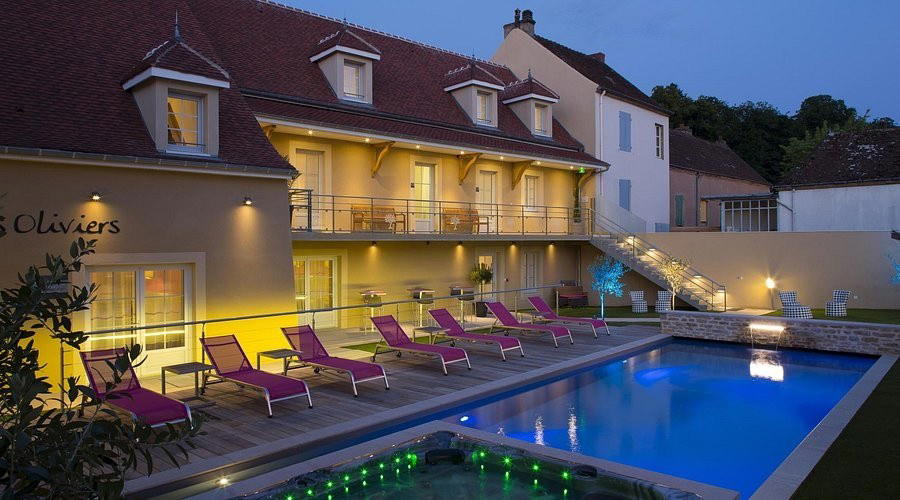
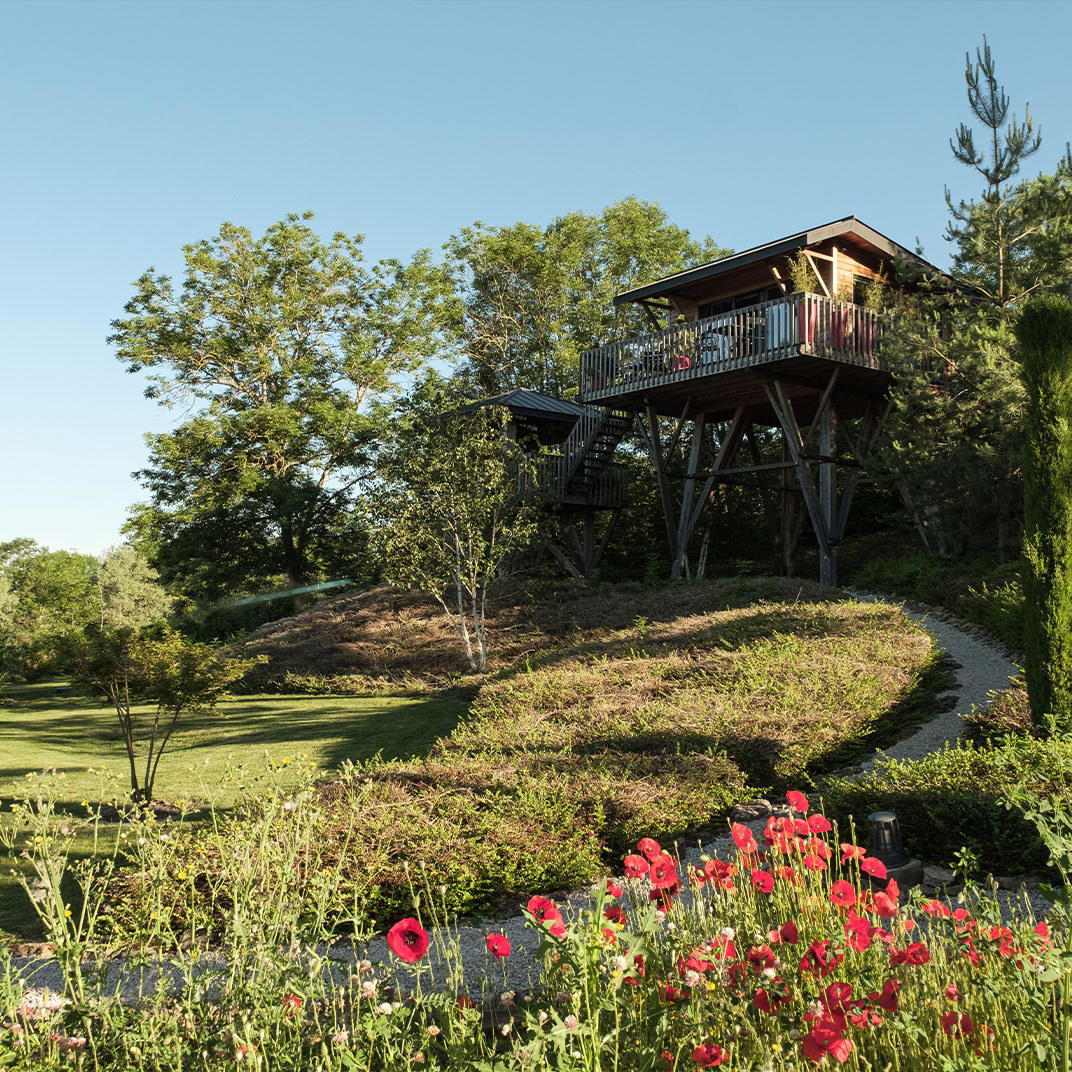
Clean, modern decor with refined and relaxed atmosphere; spacious dining room with well-spaced tables overlooking wooded gardens; contemporary design with tasteful common areas.
Know Before You Go
- Getting there
- 26 Rue de la République, 58170 Luzy, France