La Riboterie
Our verdict
La Riboterie sits in the village of Saint-Vivien in the Charente-Maritime, a département where Atlantic fishing traditions and Cognac-country agriculture define what ends up on the plate. Check directly for current hours and availability before making the journey.

Pearl is the En Primeur Club membership app — saves, bookings, and concierge access live there. Same editors, same standards.
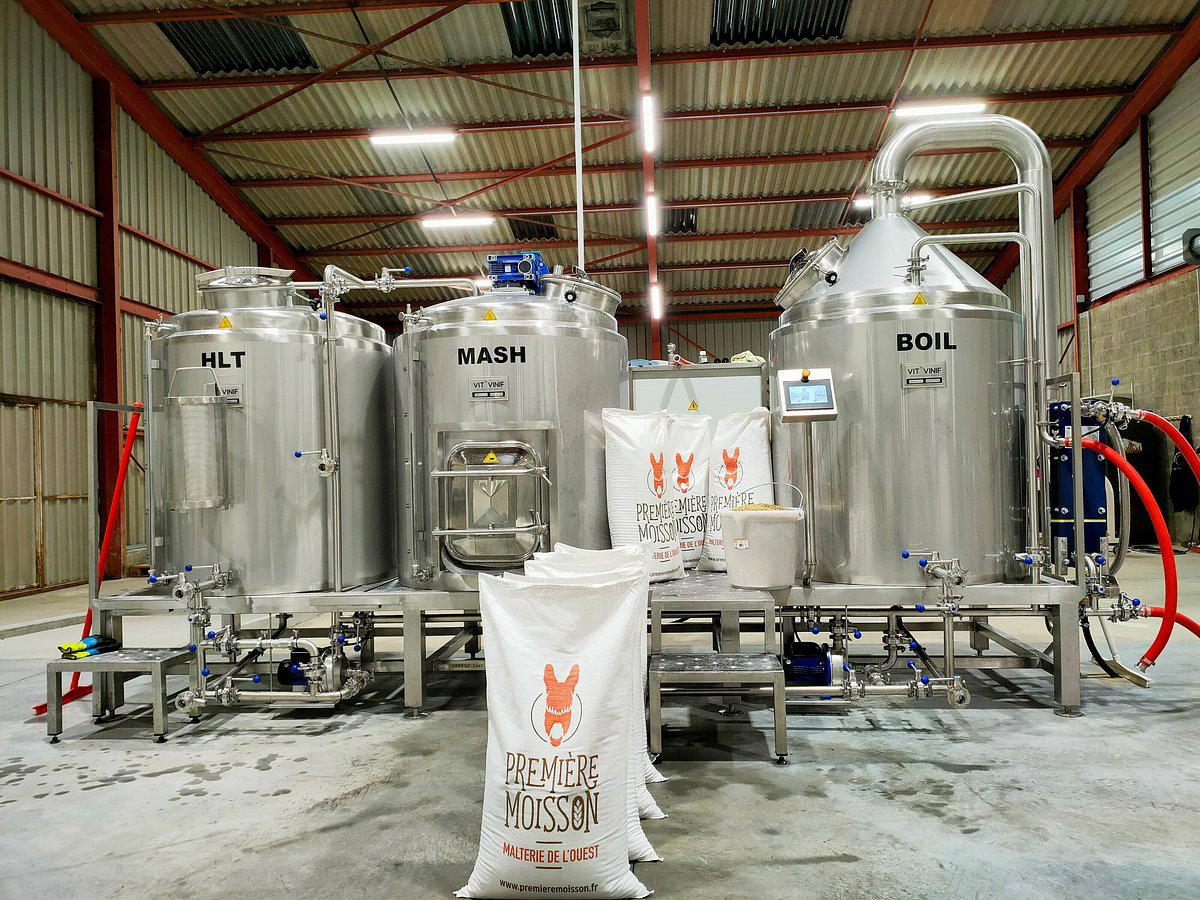
Atlantic France, Off the Main Road
The Charente-Maritime is one of those French départements that serious food travellers tend to pass through rather than stop in. The oyster beds of Marennes-Oléron are famous enough to draw wholesalers and chefs from Paris; the Cognac appellations pull their own crowd further inland. But the villages between these poles, places like Saint-Vivien, operate on a quieter register. Rue des Terriers is not a street that appears in most French dining itineraries, and that positioning tells you something useful about what to expect at La Riboterie before you arrive.
The approach to Saint-Vivien itself sets the context: flat agricultural land, the occasional windmill profile on the horizon, the salt-flat and estuary geography that characterises the Atlantic edge of Poitou-Charentes. It is the kind of terrain that produces specific things very well — brined shellfish, fattened poultry, pineau-marinated preparations — and where restaurants that take their sourcing seriously have immediate access to ingredients that chefs in larger cities pay a premium to import. For those accustomed to the dense dining infrastructure of Bordeaux, La Rochelle, or the more-visited Cognac circuit, a table in this village represents a different proposition entirely.
Ingredient Geography: What This Corner of France Produces
Understanding La Riboterie requires understanding the larder it can draw from. The Charente-Maritime sits at one of France's most productive coastal intersections. The Marennes-Oléron oyster basin, immediately to the west, supplies what many professionals consider France's most consistent flat and cupped oysters, greened by the chlorophyll of the Navicula clays in the claire ponds. Île de Ré contributes early-season potatoes with AOC protection, a genuinely rare designation for a vegetable, grown in sandy soils where sea winds concentrate flavour. Inland, Charolais and Limousin cattle are within reasonable sourcing distance, and the Cognac houses occupy the same landscape as small-production Pineau des Charentes, a fortified grape must that functions as both aperitif and cooking medium in local kitchens.
This is the sourcing context that defines what a serious restaurant in this location can accomplish. When a kitchen sits inside a region like Charente-Maritime, the question is not whether local ingredients are available but how deliberately the menu is constructed around them. The Atlantic coastal tradition here runs from simple brined preparations through to richer inland techniques, grillades over vine wood, reductions built on Cognac and cream, and the most interesting village kitchens tend to work somewhere across that range rather than committing rigidly to one register. That editorial position, common to small restaurants in France's productive agricultural departments, puts La Riboterie in a cohort of places that are harder to classify than their Paris-facing peers at Alléno Paris au Pavillon Ledoyen in Paris or Mirazur in Menton, but often more directly tied to what the surrounding land actually produces.
The Atlantic Southwest in a Broader French Context
France's most-discussed restaurant destinations tend to cluster in predictable geography: Lyon's bouchon belt, Alsace's auberge tradition, the three-star corridor of the Côte d'Azur. The Atlantic southwest receives less systematic coverage, despite having a culinary tradition as coherent as any of these regions. Christopher Coutanceau in La Rochelle has demonstrated that the Atlantic seafood tradition supports serious fine dining at the highest tier, Michelin recognition, sourcing commitment, a format that competes with the leading coastal restaurants in Europe. Further along the French coast, La Marine in Noirmoutier-en-l'île makes a comparable case for the Loire-Atlantic coastline.
What these better-documented addresses share is a sourcing philosophy rooted in proximity: the sea is not an abstraction but a daily operational reality. The same logic applies, at a smaller and less publicised scale, to restaurants in the Charente-Maritime villages. Bras in Laguiole built an international reputation from similarly remote terrain in the Aubrac, a reminder that geographical isolation from major dining cities does not preclude serious kitchen work, and sometimes enables it by enforcing a tight relationship with what the immediate land produces.
The Charente-Maritime also sits within easy reach of the Bordeaux wine region to the south, giving a restaurant here access to one of France's most complete wine-pairing contexts, from classified Médoc estates through to the lesser-known Blaye and Bourg appellations that are increasingly represented on thoughtful regional lists. For those with a wider itinerary, the area connects naturally to the circuit of France's destination restaurants: L'Oustau de Baumanière in Les Baux, Auberge du Vieux Puits in Fontjoncouse, and AM par Alexandre Mazzia in Marseille each anchor different regions across the south and west of France.
Planning a Visit to Saint-Vivien
Saint-Vivien is a small commune in the Charente-Maritime, positioned in the northern part of the département. The village is accessible by road from Saintes, the nearest significant town, which sits on the main Bordeaux-Nantes rail axis and is approximately 45 minutes by car from Saint-Vivien. La Riboterie's address is 31A Rue des Terriers, and given the village's scale, navigation is direct once you are in the commune. In a village of this size, advance contact before making a dedicated trip is a practical necessity rather than a courtesy, particularly given the limited dining infrastructure in the immediate area should the restaurant be closed or fully booked on arrival.
Travellers building a wider itinerary around this part of France will find that the Charente-Maritime rewards slow movement. The oyster farms around Marennes-Oléron operate direct sales to the public at certain times of year, the Cognac houses in the appellation zone run scheduled visits, and the Île de Ré, connected to La Rochelle by a toll bridge, offers a concentrated version of the region's coastal character. For broader context on dining across the area, see our full Saint Vivien restaurants guide.
For those whose French regional itineraries extend further, the country's most decorated tables offer useful reference points for how different regional traditions have developed at high levels: Troisgros - Le Bois sans Feuilles in Ouches, Auberge de l'Ill in Illhaeusern, Georges Blanc in Vonnas, Paul Bocuse - L'Auberge du Pont de Collonges in Collonges-au-Mont-d'Or, Assiette Champenoise in Reims, Au Crocodile in Strasbourg, Flocons de Sel in Megève, and internationally, Le Bernardin in New York City and Atomix in New York City each demonstrate how coastal and regional sourcing traditions translate at the highest levels of international dining.
Questions About La Riboterie
- Is La Riboterie suitable for children?
- Saint-Vivien is a quiet rural village rather than a family resort destination, and a restaurant at this address will reflect that setting; parents with young children should confirm the format and atmosphere directly with the venue before booking.
- What is the overall feel of La Riboterie?
- Based on its location in a small Charente-Maritime village, La Riboterie sits in the category of locally rooted French dining rather than destination-restaurant formality. Without published awards or a listed price tier, it is leading understood as a neighbourhood-scale address in a region with strong ingredient credentials, rather than compared to decorated peers such as Christopher Coutanceau in La Rochelle or the broader three-star circuit.
- at La Riboterie?
- Go with whatever reflects the Charente-Maritime's immediate larder: the region produces some of France's most consistent oysters, AOC-protected Île de Ré potatoes, and a strong tradition of Cognac and Pineau des Charentes in the kitchen.
- How does La Riboterie compare to other restaurants in the Charente-Maritime, and what kind of traveller is it suited to?
- The Charente-Maritime supports a wide range of dining formats, from the Michelin-recognised coastal work at Christopher Coutanceau in La Rochelle through to smaller, unheralded village tables. La Riboterie, without published awards or a documented price range, sits firmly in the latter category, it is suited to travellers already in the region for other reasons (the oyster farms, the Cognac appellations, the Île de Ré) rather than those making a dedicated dining pilgrimage. Its address in Saint-Vivien places it within a productive sourcing zone, which is often the more reliable indicator of kitchen quality at this scale than any formal recognition.
Frequently asked questions
Is La Riboterie suitable for children?
Saint-Vivien is a small, quiet commune in northern Charente-Maritime, and La Riboterie fits the character of a village address rather than a high-pressure city dining room. The regional French table tradition in this part of France tends toward relaxed, multi-course meals rather than fast turnovers, which generally suits mixed-age groups.
What's the overall feel of La Riboterie?
La Riboterie sits at 31A Rue des Terriers in Saint-Vivien, a commune most travellers cross without stopping — which shapes the experience as much as anything inside. The Charente-Maritime's food culture runs toward produce-led, unfussy cooking anchored in oysters, Cognac, and Atlantic fish, and a venue operating in this context is unlikely to aim for metropolitan formality. Think regional French table rather than destination tasting menu.
Is La Riboterie worth a detour from the Charente-Maritime's better-known stops?
Saint-Vivien sits in northern Charente-Maritime, a département more often treated as a corridor between Bordeaux and the Vendée than a destination in its own right. La Riboterie at 31A Rue des Terriers is positioned precisely in that overlooked zone, away from the tourist circuit around Royan or the Île de Ré. For travellers already moving through the region, the stop adds minimal distance and the surrounding larder — oysters, Pineau des Charentes, Atlantic fish — makes a kitchen here worth investigating.
What's the best thing to order at La Riboterie?
What is clear is the geographical context: Saint-Vivien sits in a département that produces some of France's most prized oysters, Cognac-region spirits, and Atlantic seafood. Any kitchen working with local suppliers here has access to a larder that rewards straightforward preparation over elaborate technique.
Where exactly is La Riboterie?
La Riboterie is located at 31 A Rue Des Terriers, 17220 Saint-Vivien, France, Saint Vivien.
How It Stacks Up
Comparable venues nearby, for context on price, style, and recognition.
| Venue | Cuisine | Price | Notes |
|---|---|---|---|
| La RiboterieThis venue — the venue you are viewing | Craft Beer Bar & Grill | $10–20 | Not listed |
| Arkham | Cocktail Bar with Tapas | $20–30 | centre-ville |
| L' After | Bar Food | Not listed | Vieux Port |
| Aux Frères de la Côte | French Seafood Shack | $20–30 | Ars-en-Re |
| La table de Joce | French Bistro | Not listed | Grand Rue |
| OAD 2017 My Grandmother's Cooking | Grandmother's Cooking | Not listed | near Champs-Élysées |
Continue exploring
More in Saint Vivien
Restaurants in Saint Vivien
All restaurants in Saint Vivien →
Bars in Saint Vivien
Browse all →
Details
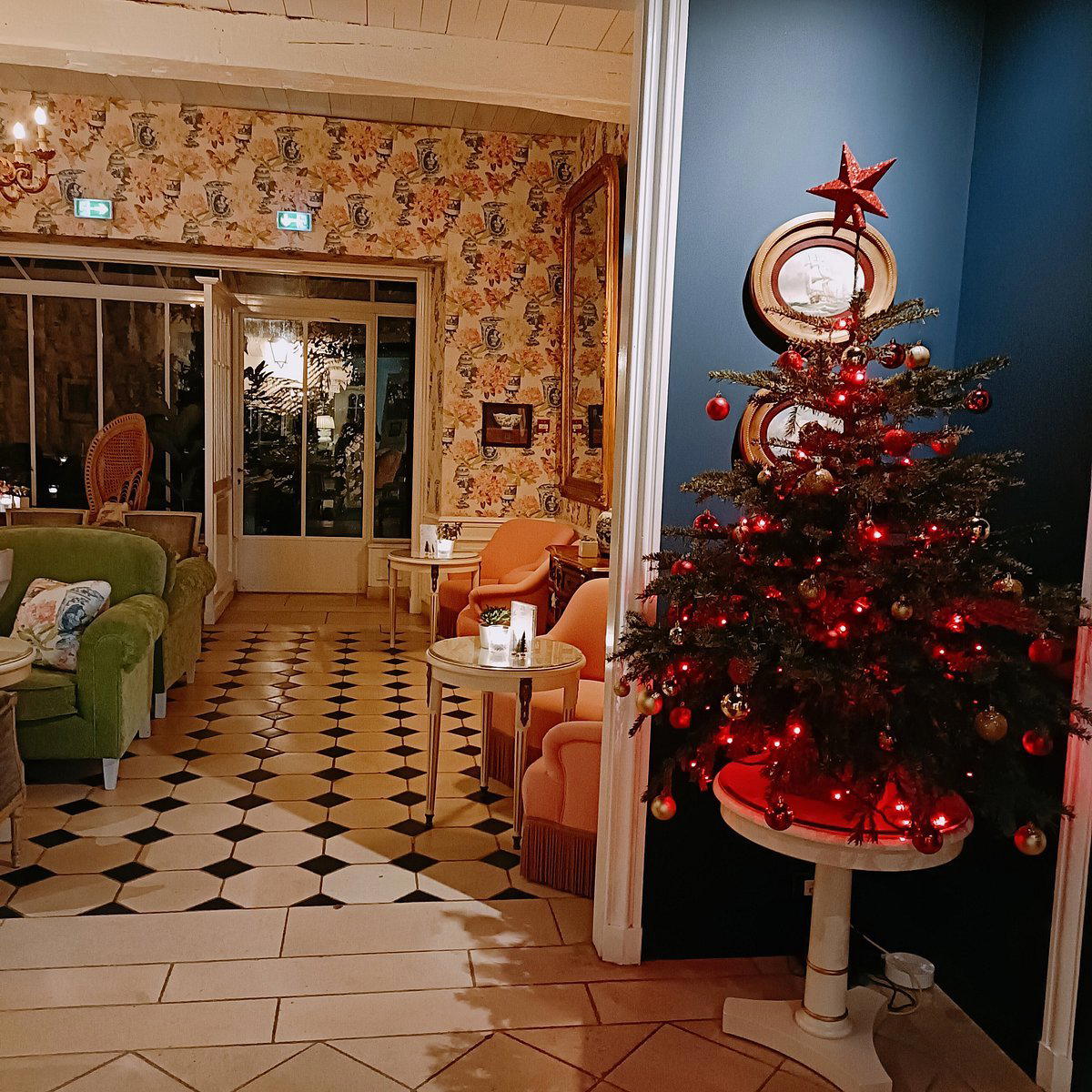
- Cozy
- Rustic
- Casual Hangout
- Open Kitchen
- Beer Program
- Local Sourcing
- A La Carte
- Beer Program
Current opening hours
- Monday
- Closed
- Tuesday
- 9 AM–8:30 PM
- Wednesday
- 9 AM–8:30 PM
- Thursday
- 9 AM–9:30 PM
- Friday
- 9 AM–12 AM
- Saturday
- 5–9 PM
- Sunday
- Closed
Hours can change for holidays and private events. Last verified .
Ravishing atmosphere with attentive staff, well-suited for convivial moments around quality craft beers.