La Griotte sits in Pacé, a commune on the western edge of Rennes in Brittany's agricultural heartland, where the surrounding bocage and market-garden traditions shape what ends up on the plate. The restaurant operates within a French regional dining culture that prizes proximity — between producer and kitchen, between season and menu. For visitors approaching from Rennes, it offers a quieter, more locally rooted alternative to the city's central dining circuit.
Pearl is the En Primeur Club membership app — saves, bookings, and concierge access live there. Same editors, same standards.
- Address
- 42 Rue du Dr Léon, 35740 Pacé, France
- Phone
- +33299601515
- Website
- restaurantlagriotte.com
- Directions
- Get directions
 Saves & bookings on Pearl
Where Brittany's Agricultural Hinterland Meets the Plate
The approach to Pacé from Rennes takes you through a stretch of western Brittany that doesn't announce itself with drama. The bocage — those dense hedgerow networks that divide the fields into intimate parcels — runs right up to the edge of town. It's a landscape shaped by small-scale farming, dairy operations, and market gardens that have supplied Rennes's markets for centuries. In this context, a restaurant like La Griotte, on Rue du Dr Léon in the commune's residential core, isn't an anomaly. It's a logical extension of a food culture that has always been more interested in what the land produces than in importing prestige from elsewhere.
That regional orientation matters more than it might first appear. Brittany sits in an unusual position within the broader map of French gastronomy. It is neither the Michelin-dense axis of Paris and Lyon, where houses like Alléno Paris au Pavillon Ledoyen or the storied dining room of Paul Bocuse - L'Auberge du Pont de Collonges anchor a certain idea of French culinary authority, nor the tourist-season circuit of the south, where Mirazur in Menton draws an international crowd chasing coastal produce and creative ambition. Brittany operates in a different register: deeply agricultural, proud of its dairy and seafood traditions, and increasingly attentive to the short supply chains that its geography makes practical.
The Sourcing Logic Behind Regional French Cooking at This Scale
The cherry, la griotte, is a specific fruit. Not a vague symbol of sweetness, but a particular variety: small, sour-edged, with an intensity that sweetness alone can't deliver. It's the kind of ingredient that rewards patience in sourcing and precision in preparation, and it's a telling name for a restaurant operating in a part of France where agricultural identity is granular and specific rather than broad and generic.
Brittany's producer network is one of the more compelling arguments for eating in this region rather than simply passing through it. The département of Ille-et-Vilaine, in which Pacé sits, produces significant volumes of dairy, pork, and market vegetables, the kind of supply infrastructure that allows a kitchen to source with consistency rather than relying on occasional boutique finds. Across the broader Breton food scene, the most serious tables have learned to work with this infrastructure rather than against it, building menus around what is available rather than what is fashionable. The contrast with the Alps-anchored terroir of Flocons de Sel in Megève or the hyper-local Lozère produce philosophy at Bras in Laguiole is one of emphasis rather than principle: each approach is rooted in what grows, grazes, or swims within reach.
For a restaurant in Pacé, that means working within a short radius to Rennes's wholesale and farm-gate supply networks, where the rhythm of the seasons is less forgiving than in the south but arguably more honest. The artichoke season is brief. The dairy windows are specific. Seafood from the Breton coast, Saint-Malo is roughly an hour's drive northwest, arrives through distribution channels that, at their leading, preserve rather than dilute what the Atlantic produces.
Pacé in the Context of Greater Rennes Dining
Rennes has developed a dining scene of real depth over the past decade, anchored partly by its student population and partly by a growing professional class drawn to the city's tech and administrative sectors. The city's covered market, Les Halles Centrales, operates as a practical barometer of what producers are delivering and at what quality threshold. For anyone eating in the greater Rennes area, including in communes like Pacé that sit in its immediate orbit, that market culture is relevant context: it sets a baseline of ingredient quality that the better local restaurants work to or above.
Pacé itself is a residential commune of around 11,000 people, connected to Rennes by a short drive or public transport. It does not have the concentration of dining options that Rennes's city centre offers, which means restaurants here compete differently, on neighbourhood loyalty, consistent cooking, and the kind of personal service that a local clientele over time comes to rely on. The format is closer to what France has historically done well in its smaller towns: the serious neighbourhood restaurant that functions as an anchor for a community's social and culinary life, rather than as a destination product assembled for outside visitors. Think of the long tradition represented by Auberge de l'Ill in Illhaeusern, a house that built its reputation through consistent regional rootedness over decades, not through positioning itself as a tourist attraction.
That tradition of the rooted French provincial restaurant is under pressure everywhere from rising costs and changing dining habits, but it persists most durably in places where the local food culture is strong enough to sustain it. Brittany qualifies on that count. For visitors arriving from further afield, the reference points shift: coastal-focused restaurants like Christopher Coutanceau in La Rochelle or La Marine in Noirmoutier-en-l'île occupy a more conspicuous tier of Atlantic French cooking, but they represent one end of a spectrum. La Griotte operates closer to the quieter, more embedded end.
Planning a Visit: What to Know Before You Go
Pacé is accessible from Rennes by car in under fifteen minutes from the city centre, or via local bus routes that connect the commune to the Rennes metropolitan network. The address at 42 Rue du Dr Léon places the restaurant in a residential street rather than a high-footfall commercial zone, so first-time visitors should navigate with a map rather than rely on stumbling across it. Given the limited venue data available for La Griotte, no confirmed hours, booking method, or price tier is listed in current records, contacting the restaurant directly before visiting is the only reliable way to confirm availability and current format. This is standard practice for smaller French provincial tables, where phone or walk-in contact often remains the primary booking channel. See our full Pacé restaurants guide for broader context on eating in the commune and the greater Rennes area.
How La Griotte, Pace compares with similar nearby venues.
| Venue | Cuisine | Price |
|---|---|---|
| Les Tourelles - Château d'Apigné | Modern Cuisine | €€ |
| Maison Ronan Kervarrec | Modern Cuisine | €€€€ |
Continue exploring
More in Pace
Restaurants in Pace
Browse all →
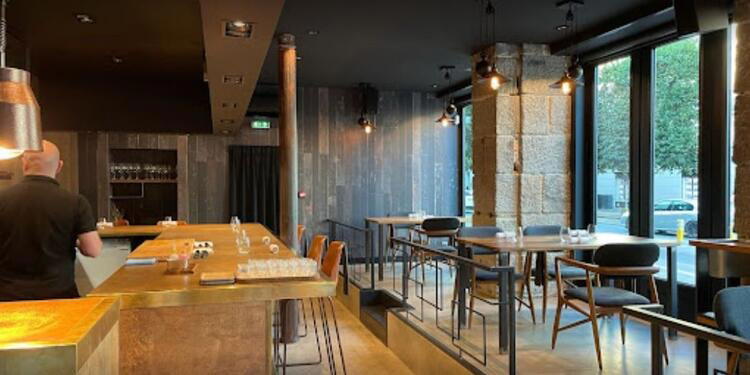
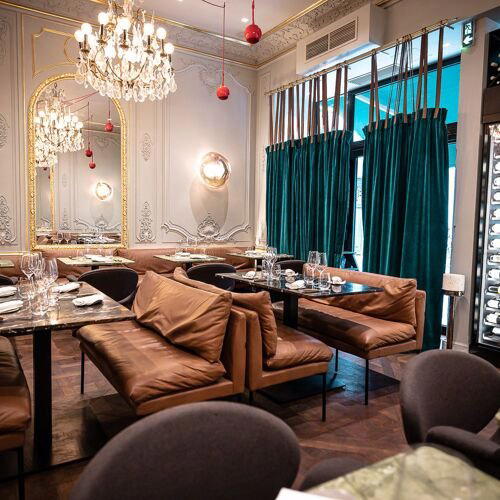
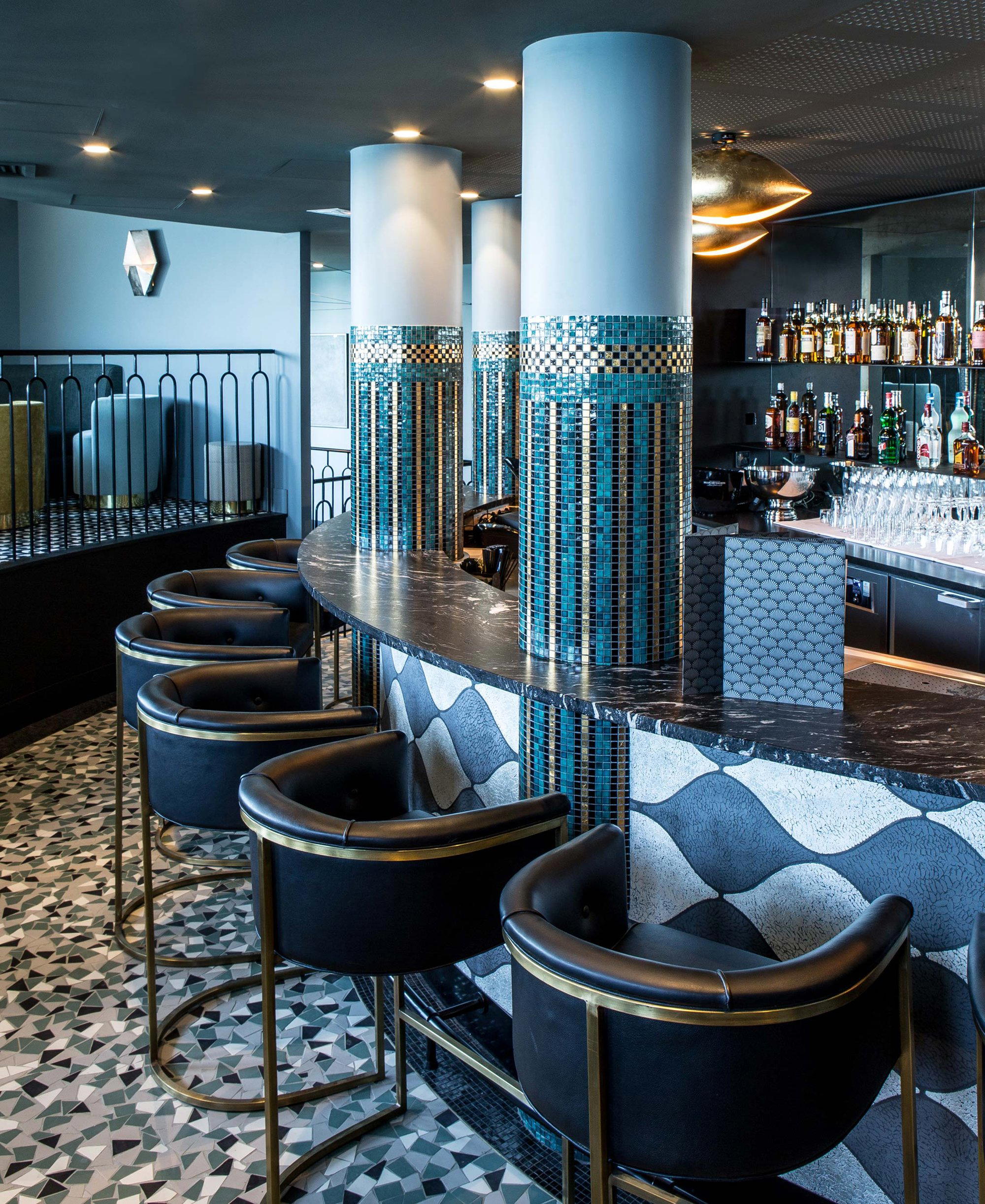
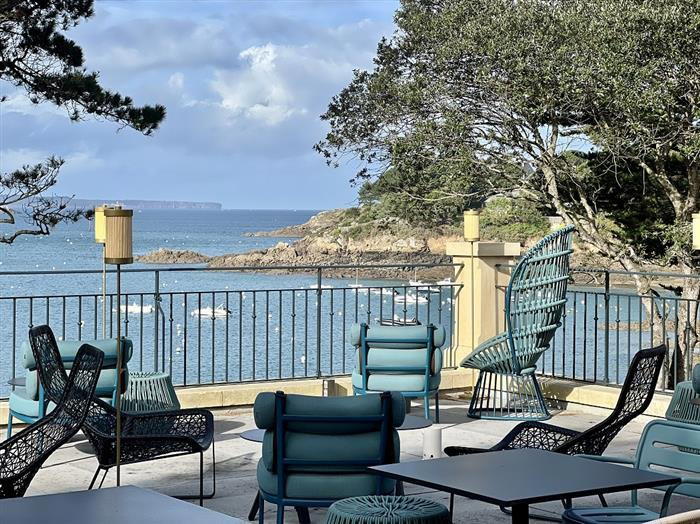
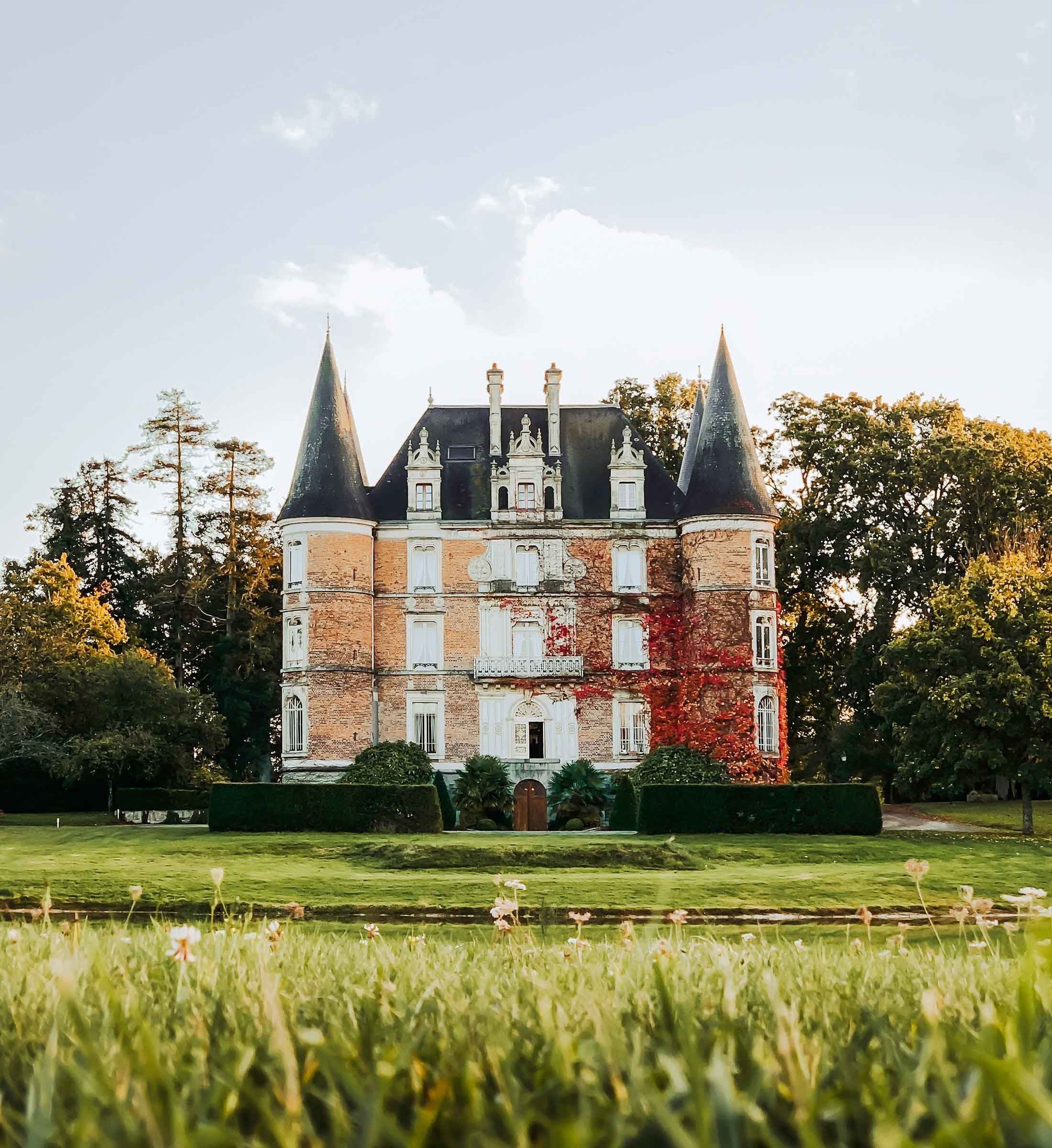
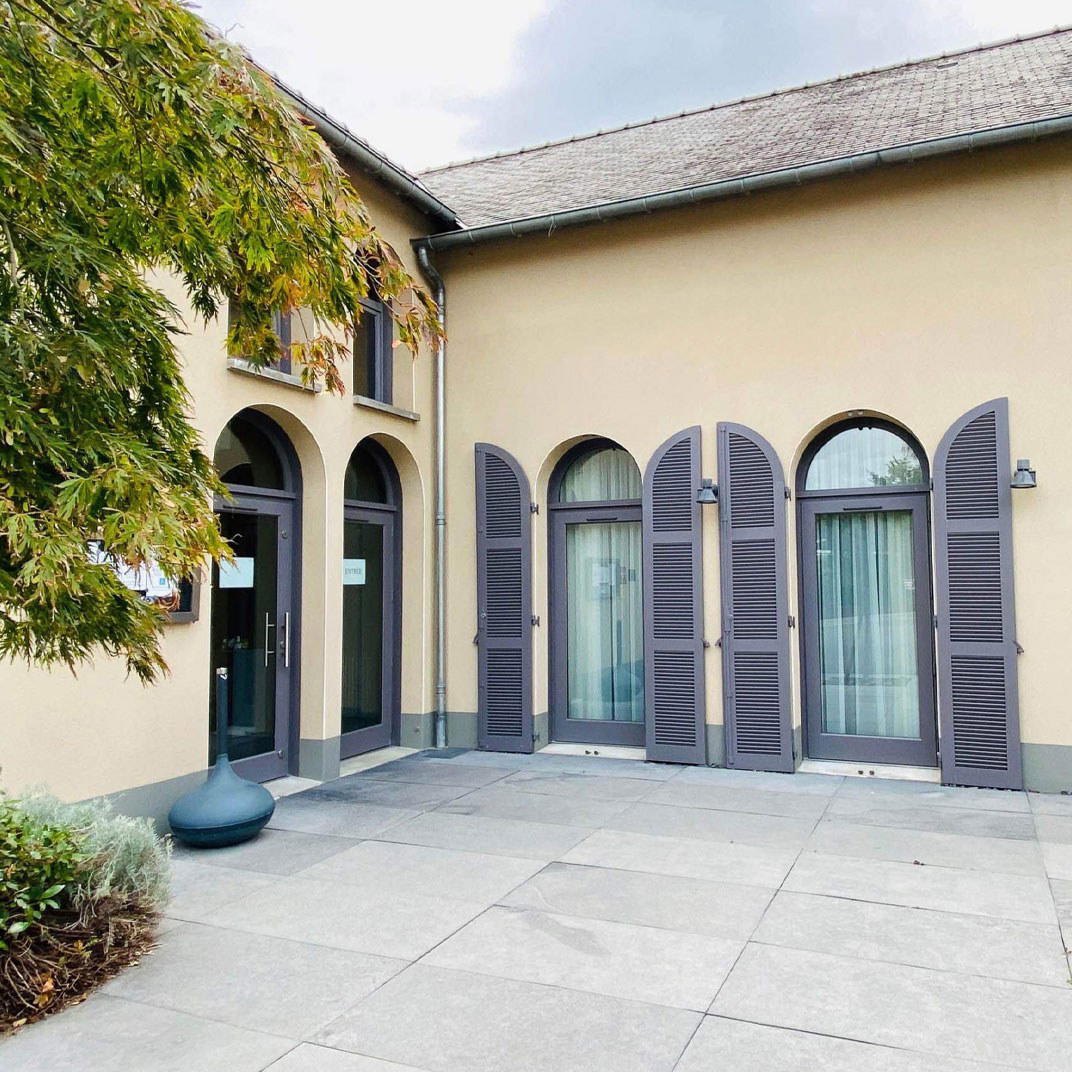
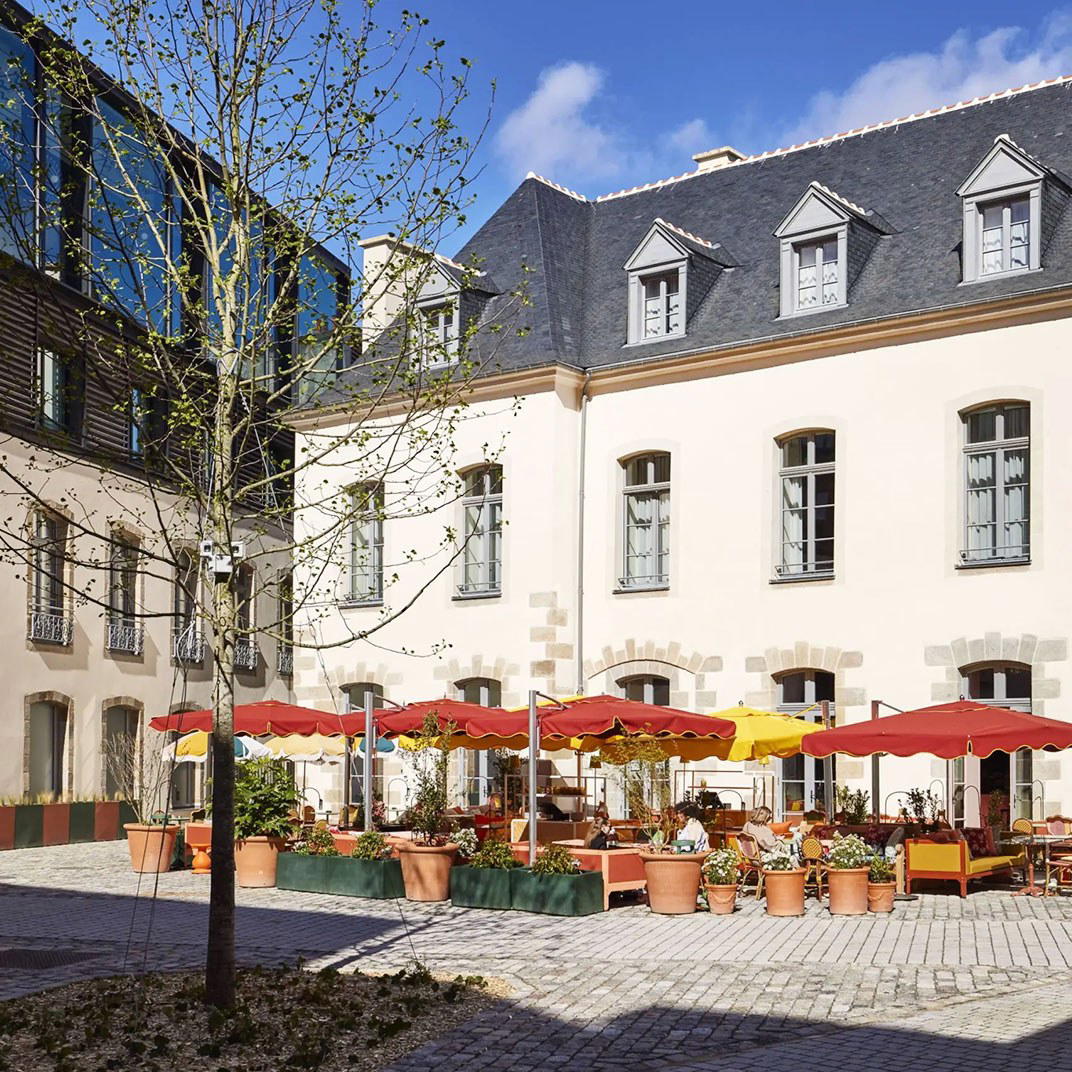
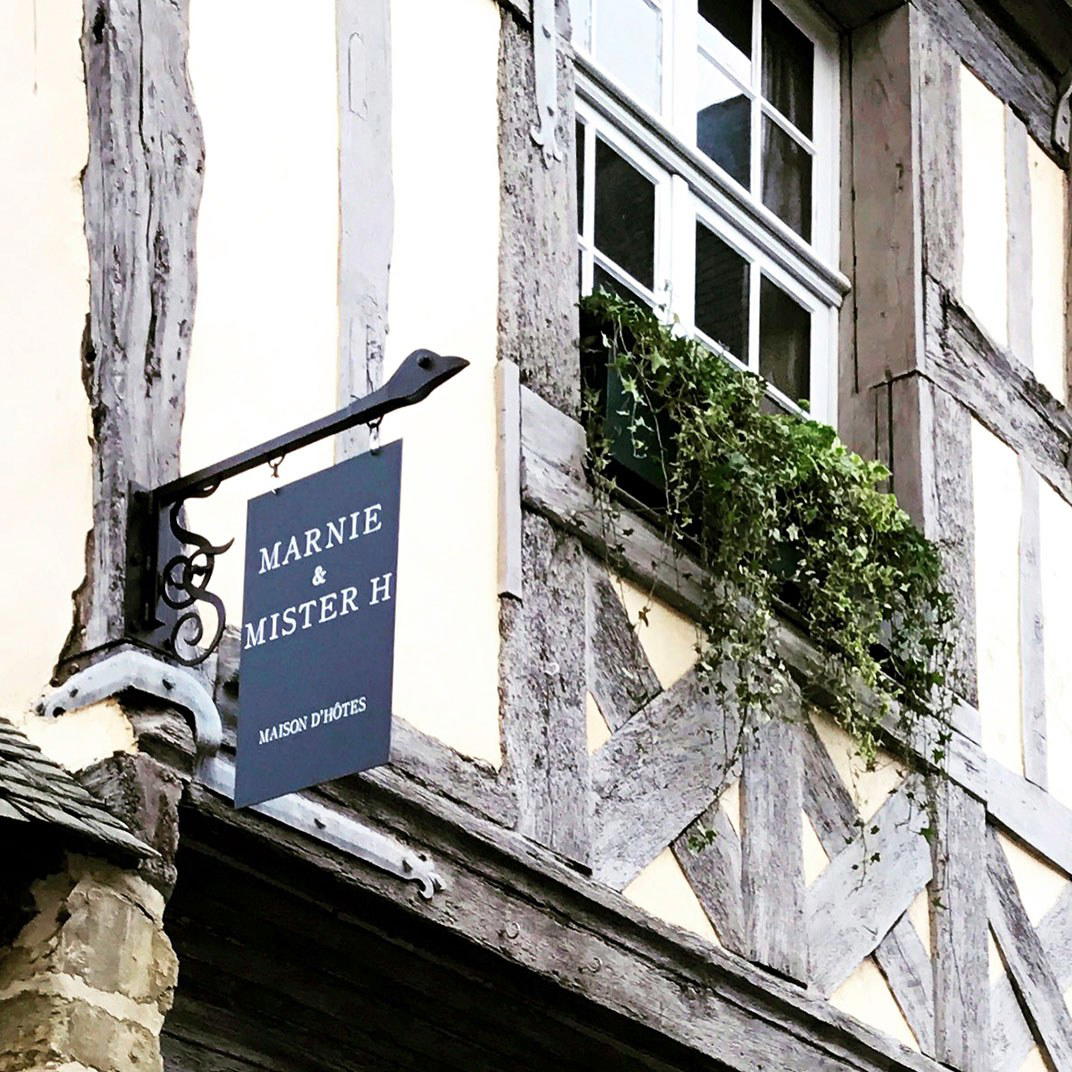
At a Glance
- Elegant
- Quiet
- Romantic
- Sophisticated
- Date Night
- Special Occasion
- Business Dinner
- Celebration
- Historic Building
- Private Dining
- Terrace
- Extensive Wine List
- Sommelier Led
- Local Sourcing
Current opening hours
- Monday
- Closed
- Tuesday
- Closed
- Wednesday
- 12–2 PM, 7–10 PM
- Thursday
- 12–2 PM, 7–10 PM
- Friday
- 12–2 PM, 7–10 PM
- Saturday
- 12–2 PM, 7–10 PM
- Sunday
- 12–2 PM
Hours can change for holidays and private events. Last verified .
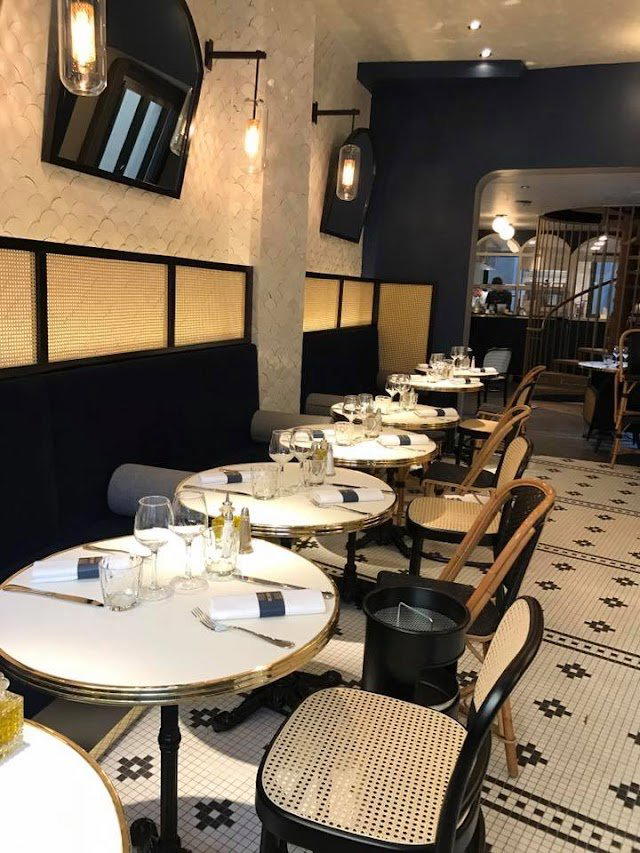
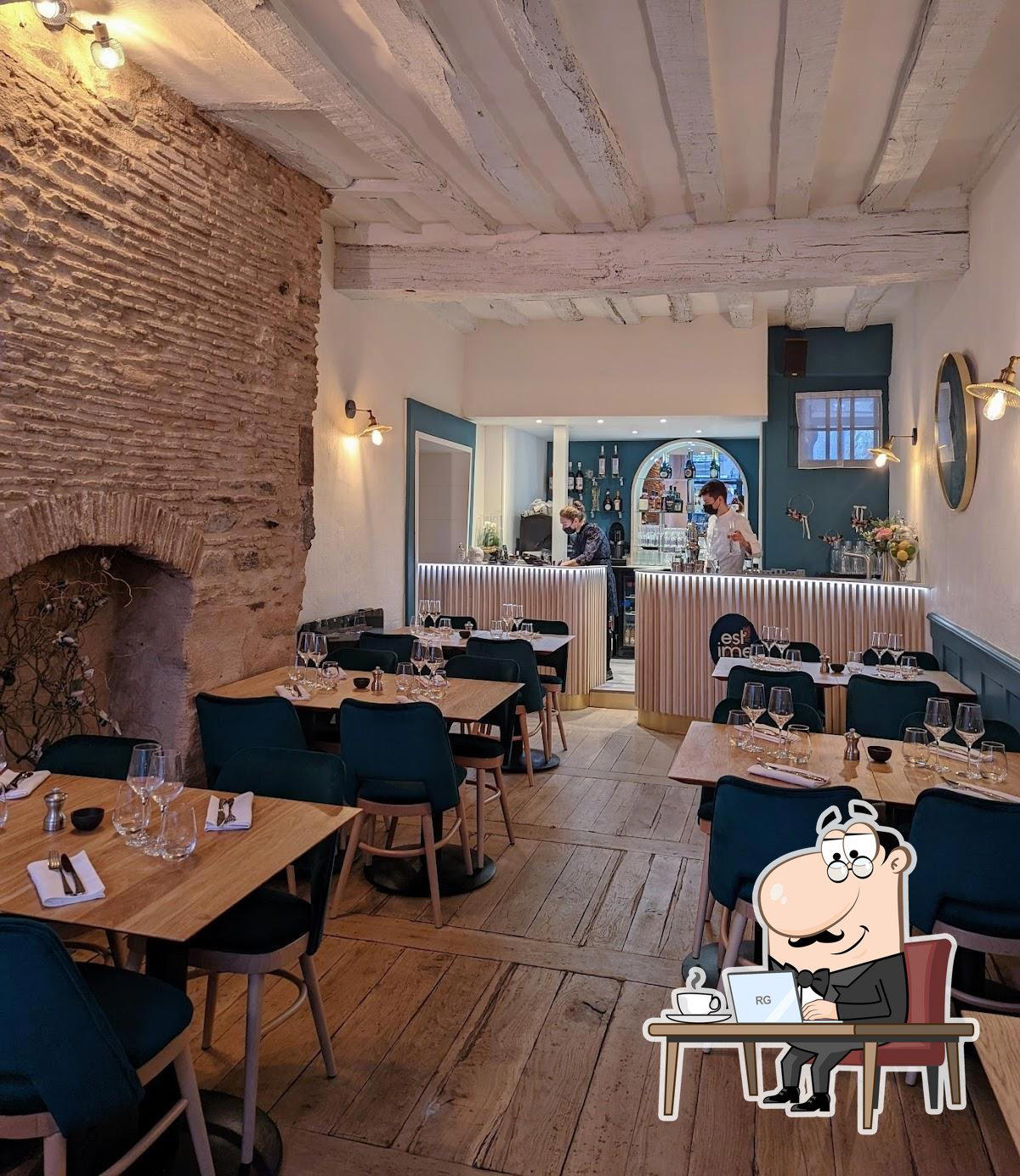
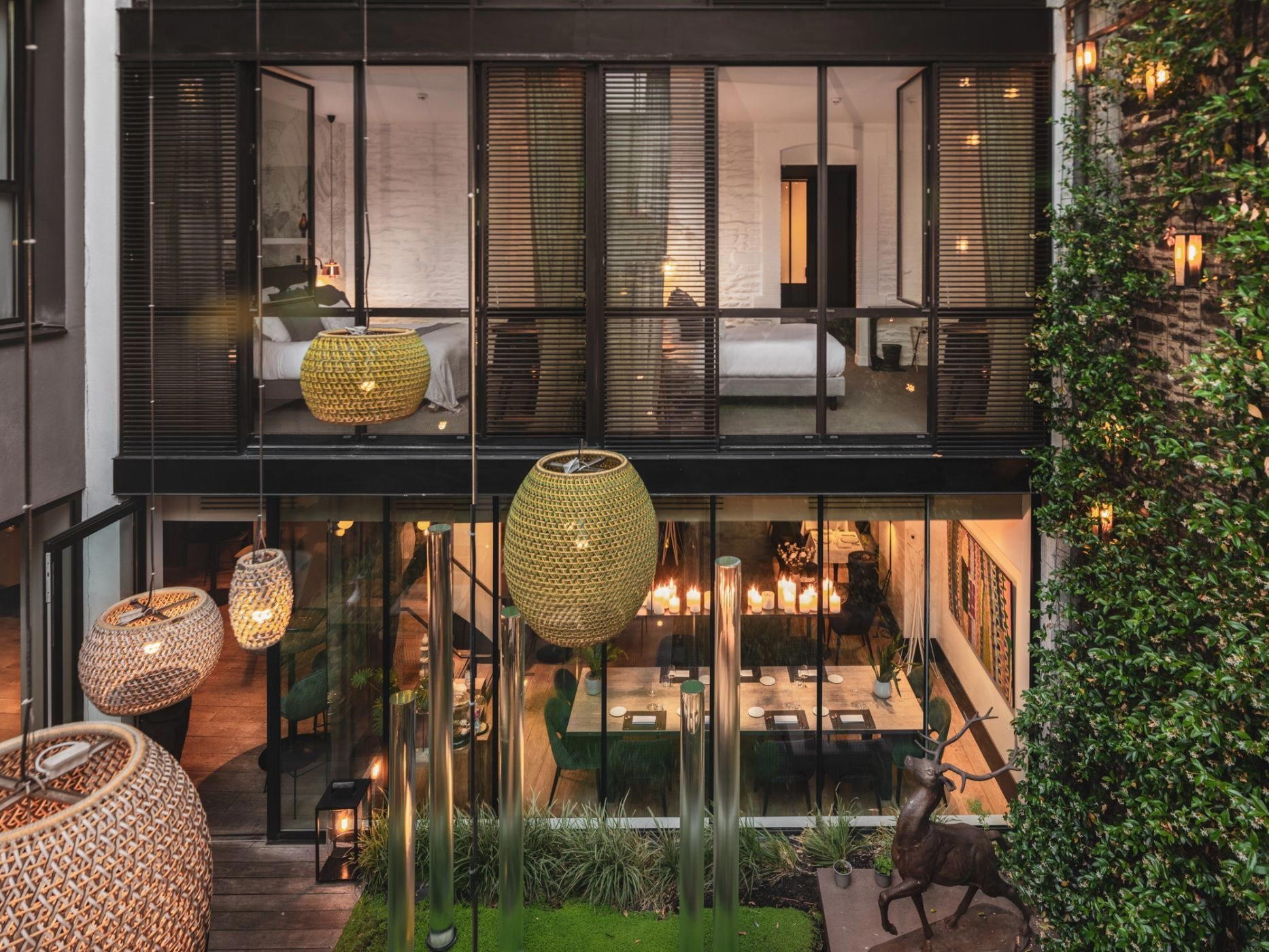
Refined and serene with sober, sophisticated décor; warm and welcoming atmosphere with professional service; spacious tables providing privacy and comfort.
Know Before You Go
- Getting there
- 42 Rue du Dr Léon, 35740 Pacé, France