La Fleur de Thym serves French Bistro with Mediterranean Inspirations in Contes, with local sourcing and dishes including pâté en croûte aux airelles et pistaches and tournedos de canard au miel et dattes.
Pearl is the En Primeur Club membership app — saves, bookings, and concierge access live there. Same editors, same standards.
- Address
- 3 Av. Charles Alunni, 06390 Contes, France
- Phone
- +33493794733
- Website
- fleurdethymcontes.fr
- Directions
- Get directions
 Saves & bookings on Pearl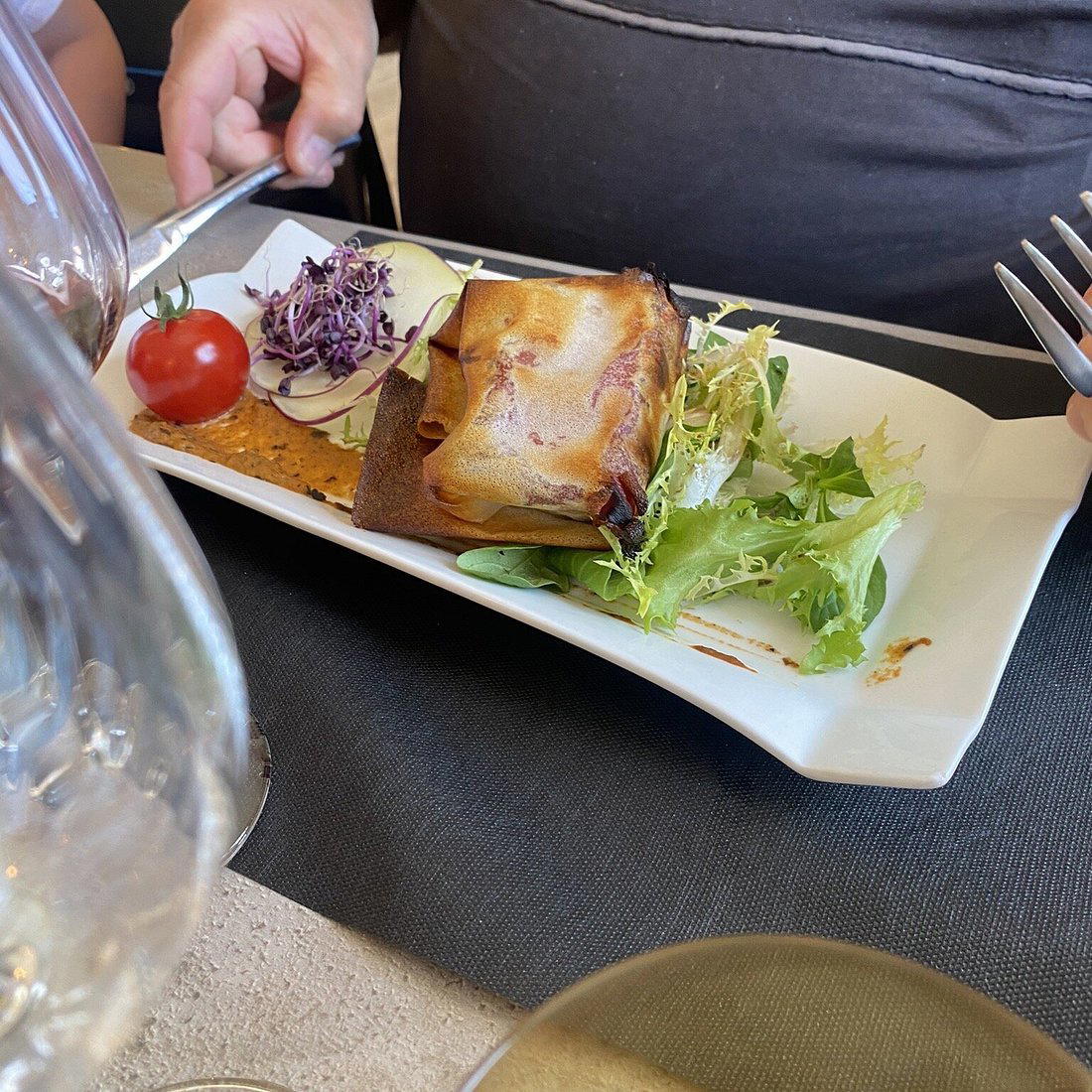
Thyme and Place: Eating in the Hill Country Above the Côte d'Azur
Contes is a village in the Alpes-Maritimes interior, and La Fleur de Thym at 3 Av. Charles Alunni is a French Bistro with Mediterranean Inspirations in Contes, France. The road climbs through terraced olive groves and dry-stone walls, past villages that predate the Promenade des Anglais by several centuries. By the time you reach the village itself, the tourist infrastructure of the Riviera has largely disappeared, replaced by a quieter rhythm governed by market days, local producers, and a culinary register that draws from the arrière-pays rather than the seafront. It is in this context that La Fleur de Thym, situated at 3 Avenue Charles Alunni, makes most sense as a dining destination. The name itself signals intent: thyme, the wild herb that covers the garrigue across the Var and Alpes-Maritimes, is the aromatic anchor of Provençal cooking, and a restaurant that takes it as its emblem is positioning itself within a tradition rooted in territory rather than trend.
Ingredient Sourcing and the Arrière-Pays Tradition
In the villages behind the Côte d'Azur, the logic of ingredient sourcing operates differently from the coast. Where seafront restaurants in Nice or Antibes often build menus around the daily catch and serving an international tourist clientele, restaurants in the hill villages have historically depended on what the immediate hinterland produces. The Contes area sits within a network of micro-producers: market gardeners working the valley floors, small-scale olive oil pressers, goat farmers on the higher slopes, and foragers supplying wild herbs, mushrooms, and greens that rarely make it down to urban wholesalers. This supply chain is not a marketing narrative; it is a practical arrangement that has shaped Provençal cuisine for generations.
The relevance for La Fleur de Thym is structural. A restaurant in a village of this scale, in this region, is by definition operating within a local sourcing radius. The economics and logistics of the arrière-pays enforce what larger urban restaurants adopt as philosophy. That constraint, historically, has produced particularly coherent cooking in southern France, where the menu reflects what is available rather than what a centralised purchasing department can source nationally. Restaurants working in this tradition sit in a different category from the celebrated Riviera dining rooms of the coast, where place and produce are inseparable from the meal.
Provençal Cooking as a Culinary Framework
The cuisine of the Alpes-Maritimes interior draws from a specific pantry. Olive oil rather than butter. Garlic used with confidence. Dried and fresh legumes, particularly chickpeas and white beans. Lamb from the higher pastures. Vegetables cooked in ways that concentrate rather than preserve their freshness, a technique born from summer abundance and the need to extend ingredients across leaner months. This is a Mediterranean culinary grammar that predates the Michelin system by centuries and continues to provide the structural logic for village restaurants across Provence and the Ligurian borderland.
Herbs define the flavour register. Thyme, rosemary, savory, and marjoram grow wild across the limestone hillsides above Contes and have historically cost nothing except the effort of gathering them. In the hands of a kitchen that understands the tradition, these are not garnishes but structural flavour components. A daube built with wild thyme and a splash of the region's tannic rosé carries a character entirely specific to this geography, one that no amount of technical intervention can replicate from outside it. This is the argument for sourcing proximity: the food tastes of somewhere particular, which is increasingly rare.
Lunch often remains the primary service in communities like Contes, where the working week still structures social eating. Arriving without a reservation at a small table in a village dining room is a reasonable gamble at some hours and an unproductive one at others. Recommended booking and opening details should be confirmed before visiting.
Contes and Its Place in the Côte d'Azur's Dining Circuit
The wider Alpes-Maritimes dining scene operates on a pronounced altitude gradient. The coast concentrates wealth, celebrity, and institutional recognition. Michelin's coverage of this region skews heavily toward Nice, Cannes, and Menton. The interior remains less documented by international food media, which leaves room for quieter local tables. Travellers who restrict their dining to the coast will eat well but will miss a parallel tradition that has been feeding these hills for longer than the grand hotels of the Riviera have existed.
Within Contes itself, the restaurant scene is compact. France Pizza serves the village's more casual appetite, while Père et fils Raingeard represents another address in the local dining picture. The broader regional context of southern French fine dining is covered through venues including AM par Alexandre Mazzia in Marseille and Christopher Coutanceau in La Rochelle, both of which illustrate how France's regional cooking traditions continue to generate serious, place-specific work outside the Paris axis. Internationally, the conversation about terroir-driven French cooking reaches as far as Le Bernardin in New York City and Atomix in New York City, where French culinary frameworks inform kitchens working in entirely different geographic contexts.
The restaurant rewards a detour for its local character and regional cooking. The Côte d'Azur makes a strong argument for itself through spectacle and institution. The villages above it make a quieter and, in some ways, more durable argument through continuity, locality, and the specific flavour of a hillside after rain.
Planning Your Visit
The restaurant is located at 3 Avenue Charles Alunni in Contes, a village roughly 25 kilometres north of Nice via the D815. The drive from Nice takes approximately 35 to 40 minutes depending on traffic through the Paillon valley. Given the village's scale and the restaurant's format as a local address rather than a destination-dining operation, confirming hours and availability directly before visiting is essential. Arriving with a prior arrangement is preferable to turning up without one. The area rewards spending a half-day in the village, particularly if combined with a walk through the medieval upper quarter before the meal.
At-a-Glance Comparison
Comparable venues nearby, for context on price, style, and recognition.
| Venue | Cuisine | Price | Notes |
|---|---|---|---|
| La Fleur de ThymThis venue — the venue you are viewing | French Bistro with Mediterranean Inspirations | $$$ | Not listed |
| Père et fils Raingeard | Mediterranean Bistro | $$ | Sclos-de-Contes |
| France Pizza | Italian Pizza | $$ | Contes |
| Maison Blanche | Modern French Fine Dining | $$$ | 8th arrondissement |
| La Belle Etoile | Modern French Mediterranean Bistro | $$$ | Vieille Ville |
| Le Mesclun | Modern Market-Driven French | $$$ | Nice Ouest |
Continue exploring
More in Contes
Restaurants in Contes
Browse all →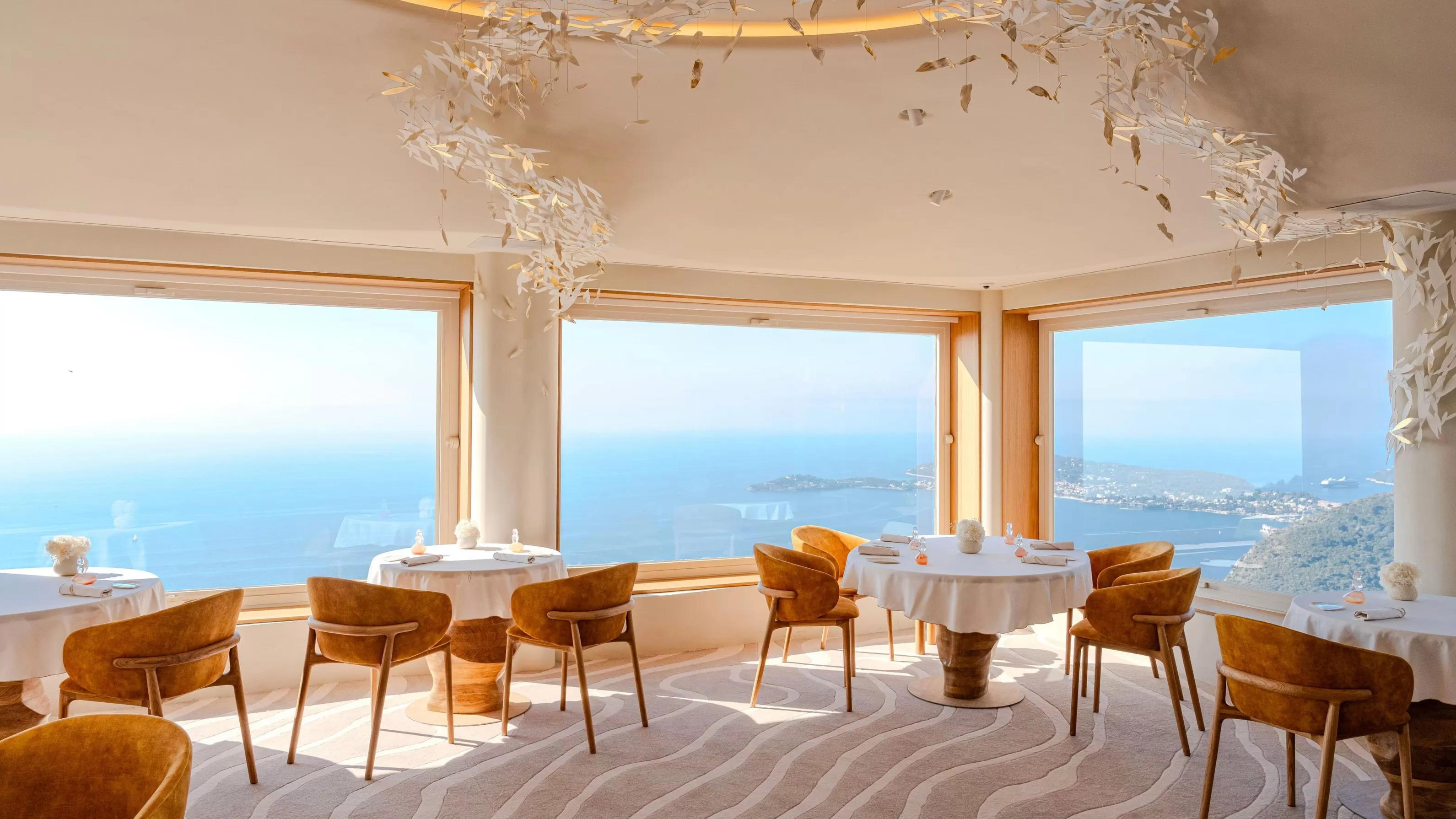
Bars in Contes
Browse all →
Hotels in Contes
Browse all →

At a Glance
- Cozy
- Elegant
- Rustic
- Date Night
- Family
- Business Dinner
- Standalone
- Local Sourcing
Current opening hours
- Monday
- 12–1:30 PM
- Tuesday
- 12–1:30 PM, 7:30–11:30 PM
- Wednesday
- 12–1:30 PM, 7:30–11 PM
- Thursday
- 12–1:30 PM, 7:30–11 PM
- Friday
- 12–1:30 PM, 7:30–11 PM
- Saturday
- 12–1:30 PM, 7:30–11 PM
- Sunday
- Closed
Hours can change for holidays and private events. Last verified .
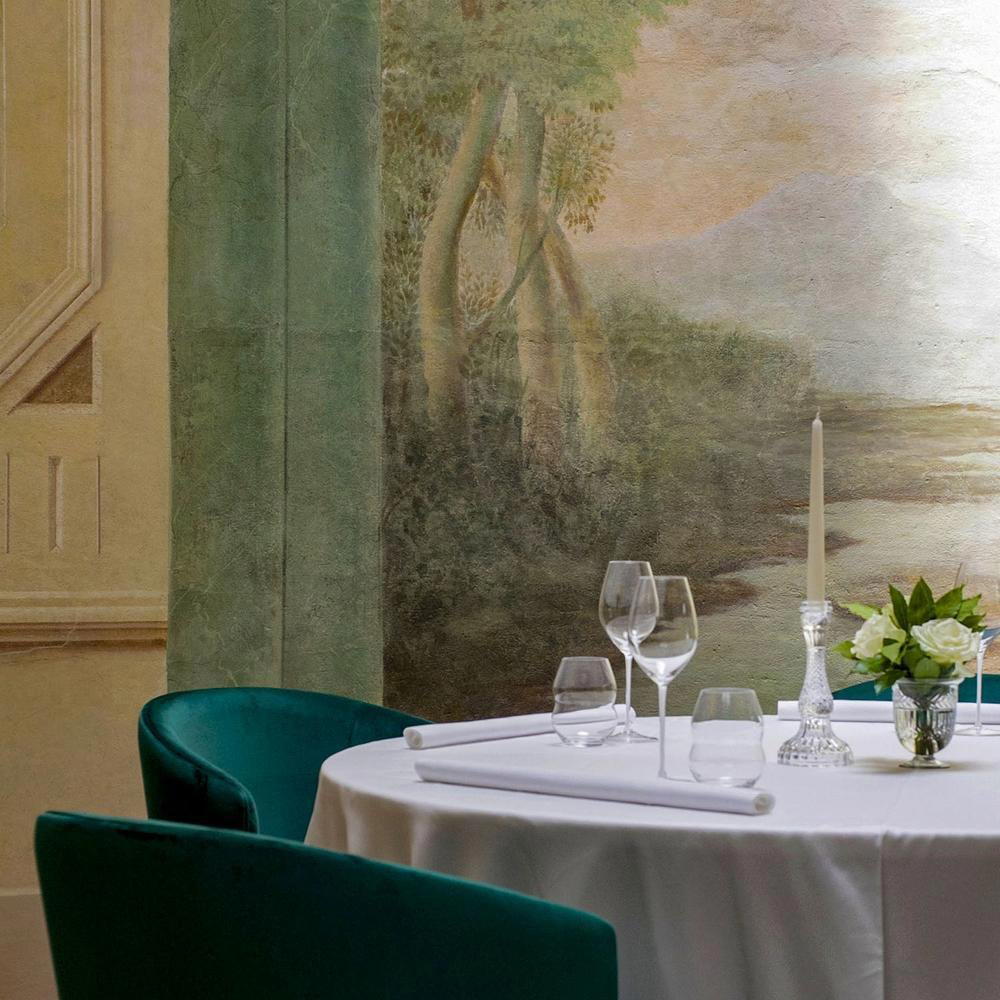
Grande salle crème aux tables fleuries, cadre sobre et régional avec fer forgé et murs patinés, cosy et reposant avec tables bien espacées