La Ferme du Grand Clos
La Ferme du Grand Clos sits on Avenue du Maréchal de Lattre de Tassigny in La Baule-Escoublac, a resort town on the Loire-Atlantique coast where Atlantic seafood tradition and French provincial cooking meet. The address places it within easy reach of La Baule's beach promenade and its wider dining scene, which spans everything from casual brasseries to considered table cuisine.
Pearl is the En Primeur Club membership app — saves, bookings, and concierge access live there. Same editors, same standards.
- Address
- 52 Av. du Maréchal de Lattre de Tassigny, 44500 La Baule-Escoublac, France
- Phone
- +33240600330
- Website
- lafermedugrandclos.com
- Directions
- Get directions
 Saves & bookings on Pearl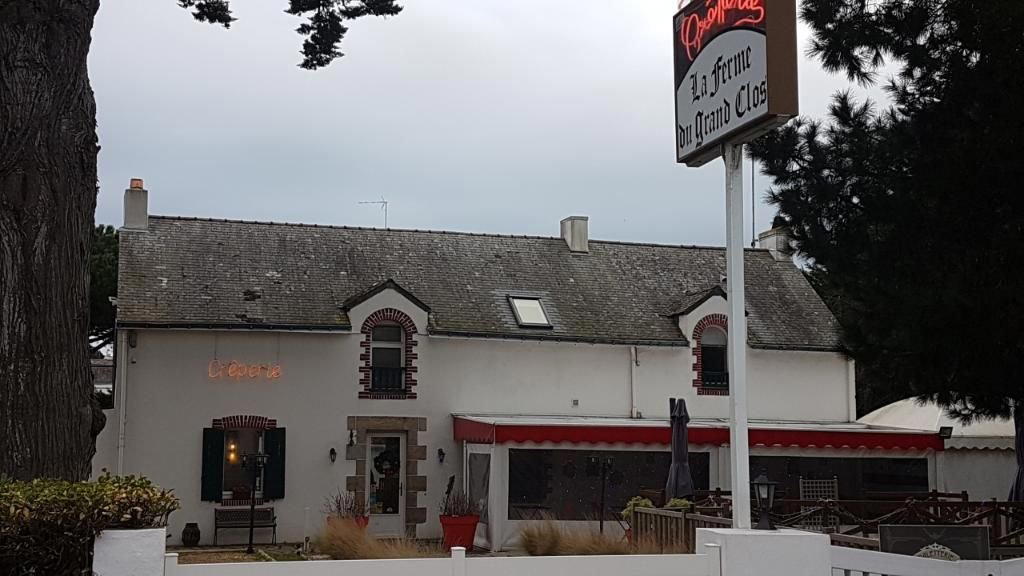
Where the Atlantic Coast Meets French Provincial Tradition
The Avenue du Maréchal de Lattre de Tassigny runs parallel to La Baule's celebrated seafront, a broad residential artery lined with early twentieth-century villas that defined this stretch of the Loire-Atlantique as one of France's premier resort destinations. Arriving at number 52, the address for La Ferme du Grand Clos, you are already inside among the more historically layered dining contexts on the Atlantic coast. The town's identity as a leisure and gastronomy destination was established long before contemporary restaurant culture caught up with it, and the properties along this boulevard carry that memory in their architecture and setting.
La Baule-Escoublac occupies a specific position in the geography of French coastal dining. It sits roughly midway between the seafood-driven traditions of the Loire estuary and the more rugged, wind-exposed tables of the Breton peninsula. That geography shapes what serious kitchens here draw from: Atlantic shellfish, line-caught fish from the Bay of Biscay, local salt marsh lamb from nearby Guérande, and the mineral-rich sel de Guérande itself, one of France's most valued finishing salts and an ingredient that appears in cooking across the region's better tables. This is not a food culture built on imported luxury; it is anchored in what the immediate coastline and inland bocage produce.
La Baule's Dining Scene in Context
The restaurant offer in La Baule-Escoublac divides, broadly, into two registers. The first serves the town's summer visitor traffic: brasseries, crêperies, and seafood platters eaten with a view of the beach. The second, smaller group operates with more deliberate culinary intent, running menus that reflect both classical French technique and the Atlantic larder. La Ferme du Grand Clos belongs to that second category.Brigitte, Camélia, and La Table du Castel. Each of these tables approaches the local produce and the French tradition slightly differently, giving the town a more textured fine-dining map than its resort reputation might suggest.
Within France's broader Atlantic coastal dining tradition, La Baule sits downstream from the celebrated tables of La Rochelle, where Christopher Coutanceau has made ocean-to-table cooking a reference point for the entire coast. The Loire-Atlantique has historically operated with less critical visibility than either Brittany or the Basque country, which means its serious tables often attract a more local and regional clientele than comparable destinations on either flank. That dynamic tends to produce cooking that is confident rather than performative, aimed at repeat visitors rather than first-time tourists chasing recognition.
The Cultural Register of French Provincial Dining
French provincial restaurant culture operates according to conventions that differ meaningfully from the Parisian or internationally visible fine-dining model. The format at addresses like La Ferme du Grand Clos typically prioritises the set menu as the primary vehicle, with regional produce appearing in a sequence that reflects seasonal availability rather than novelty for its own sake. Lunch remains a serious meal in this tradition; the two-hour midday service is not a concession to tourists but a continuation of how France's provincial table has always operated.
That cultural context places establishments like this in a different competitive conversation from the major urban tables. France's most decorated restaurants, including Alléno Paris au Pavillon Ledoyen, Mirazur in Menton, and Troisgros in Ouches, operate under intensive critical scrutiny and at price points that presuppose destination dining. Regional tables on the Atlantic coast inhabit a different register: less pressured, more reliant on the fidelity of their sourcing and the consistency of their cooking across long seasons. The same distinction applies to celebrated provincial maisons elsewhere in France.
The Loire-Atlantique's tradition sits within French cuisine's longer argument about terroir and technique.
Planning Your Visit
Cost and Credentials
Comparable venues nearby, for context on price, style, and recognition.
| Venue | Cuisine | Price | Notes |
|---|---|---|---|
| La Ferme du Grand ClosThis venue — the venue you are viewing | Not listed | $$ | Not listed |
| Camélia | La Baule-Escoublac, French Bistro | $$$ | Not listed |
| La Table du Castel | Not listed | $$$$ | La Baule, Seasonal French Fine Dining with Seafood Focus |
| Brigitte | Not listed | $$$ | Place du Maréchal Leclerc, Modern French Fusion |
| Grain de Folie | Pornichet, French Coastal Brasserie | $$ | Not listed |
| L’aventure | Oz en Oisans, French Mountain Grill | $$ | Not listed |
Continue exploring
More in La Baule Escoublac
Restaurants in La Baule Escoublac
Browse all →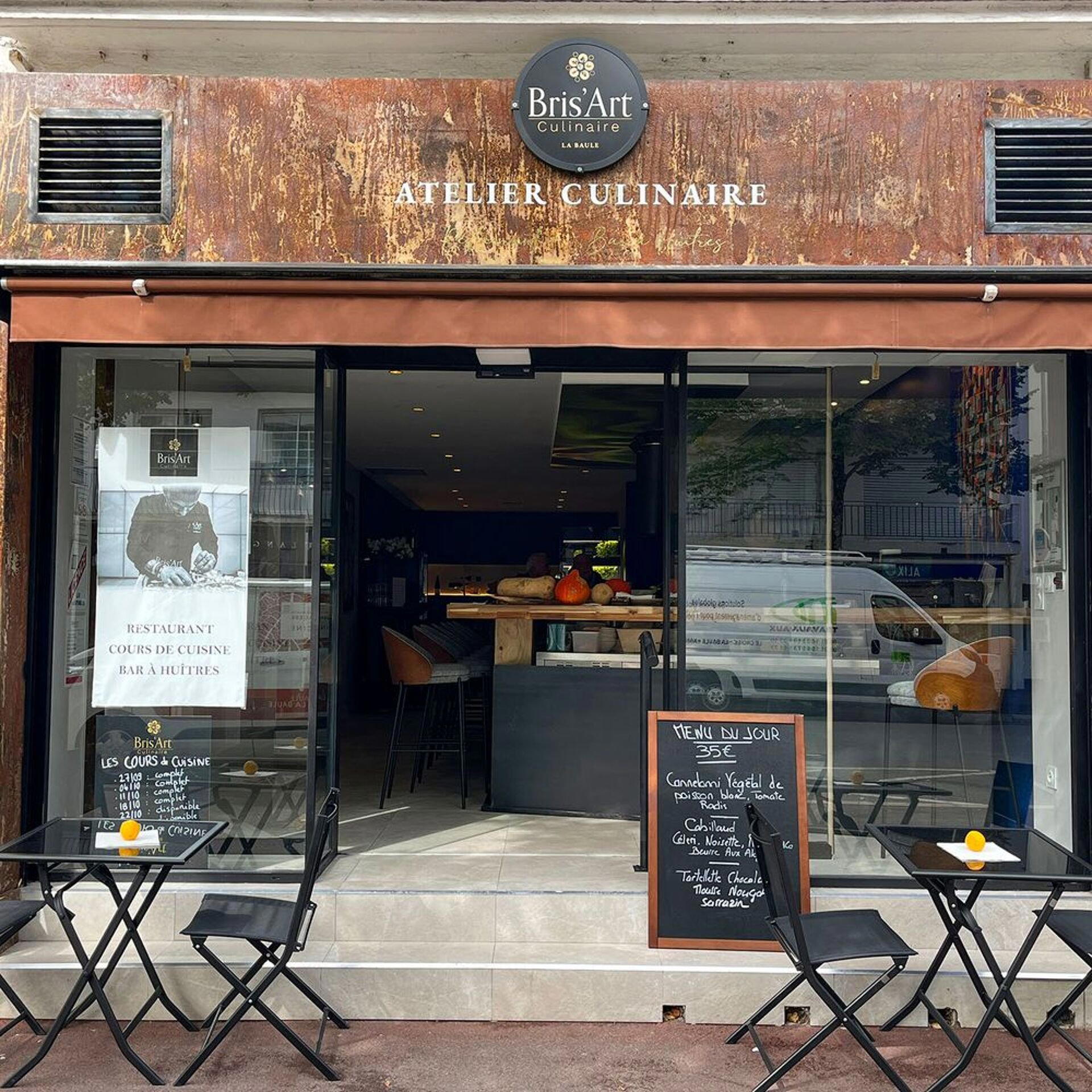
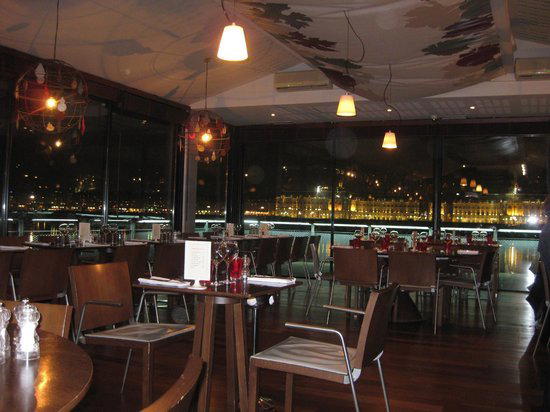
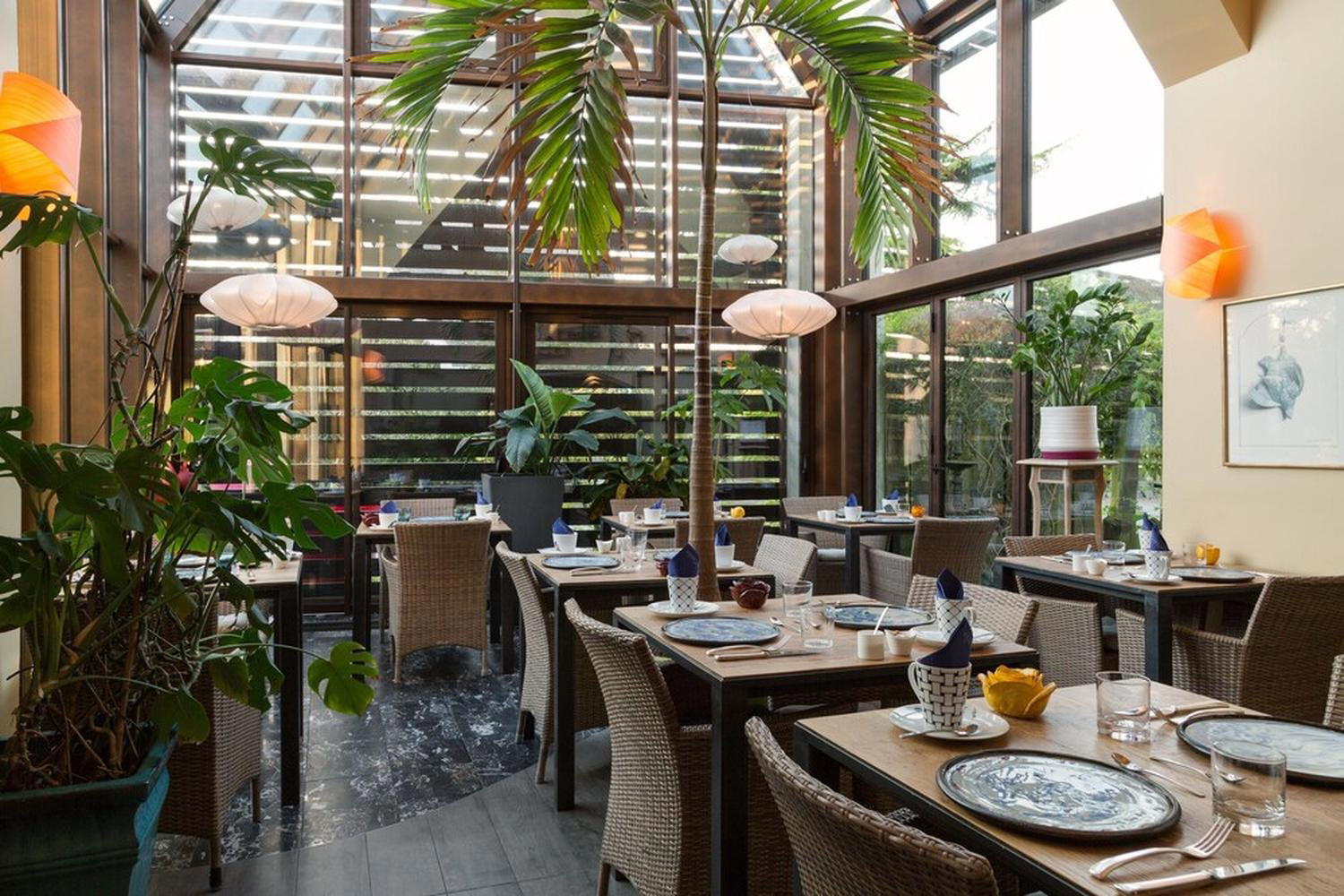
Bars in La Baule Escoublac
Browse all →
At a Glance
- Rustic
- Cozy
- Lively
- Family
- Casual Hangout
- Terrace
- Garden
- Local Sourcing
- Garden
Current opening hours
- Monday
- 12–2 PM, 7–9:30 PM
- Tuesday
- 12–2 PM, 7–9:30 PM
- Wednesday
- Closed
- Thursday
- Closed
- Friday
- 12–2 PM, 7–9:30 PM
- Saturday
- 12–2 PM, 7–9:30 PM
- Sunday
- 12–2 PM, 7–9:30 PM
Hours can change for holidays and private events. Last verified .
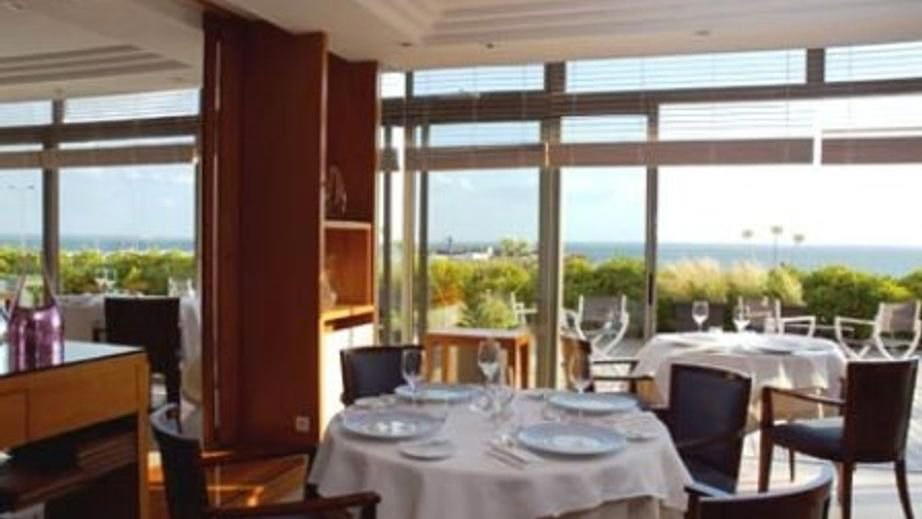
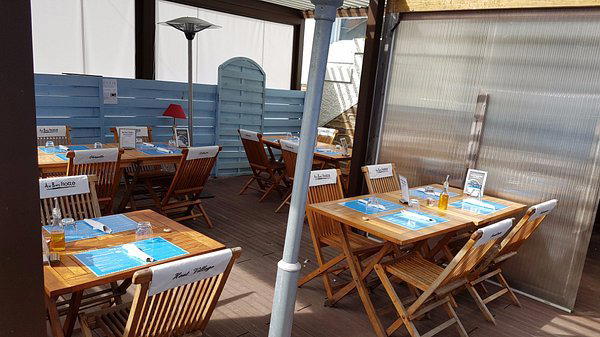
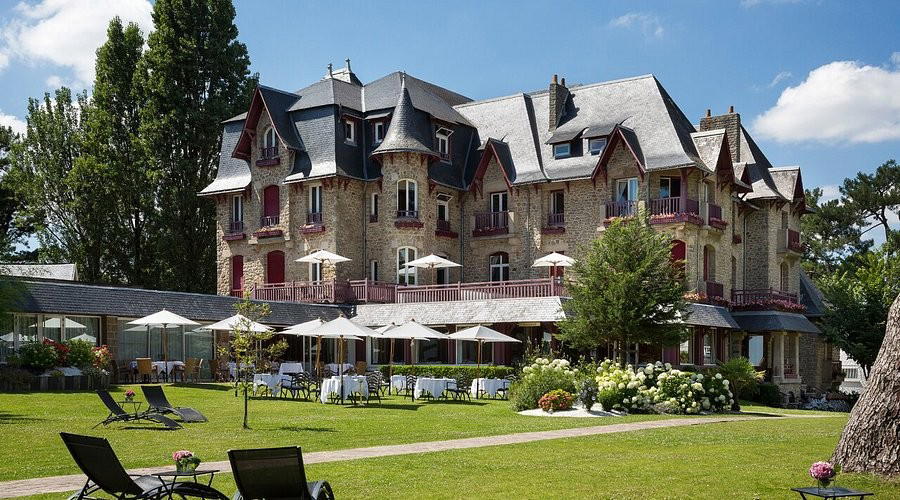
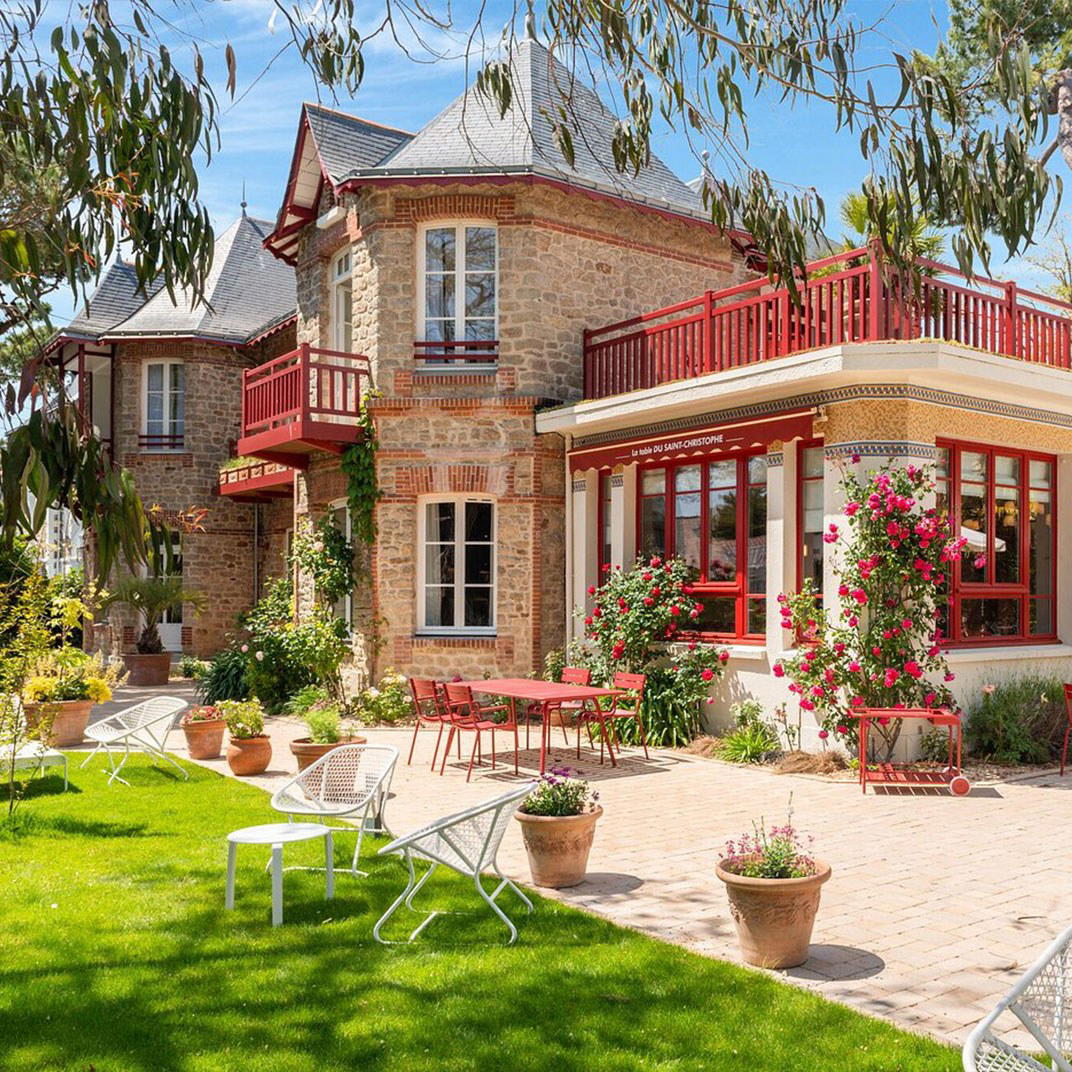
Comfortable, light interior with a calm terrace in a garden, creating a convivial and family-friendly atmosphere.