
Kirkilla Enea sits in Zarautz’s coastal dining conversation, where Basque produce, fish culture, and village-scale hospitality matter more than theatrical tasting-menu architecture. Its 1 Sol recognition in the Guía Repsol 2026 places it in Spain’s serious regional tier, useful for travellers deciding between beach-town informality and the heavier asador tradition nearby.
Pearl is the En Primeur Club membership app — saves, bookings, and concierge access live there. Same editors, same standards.
- Address
- Kalea Santa Marina, 12W, 20800 Zarautz, Gipuzkoa, Spain
- Directions
- Get directions
 Saves & bookings on Pearl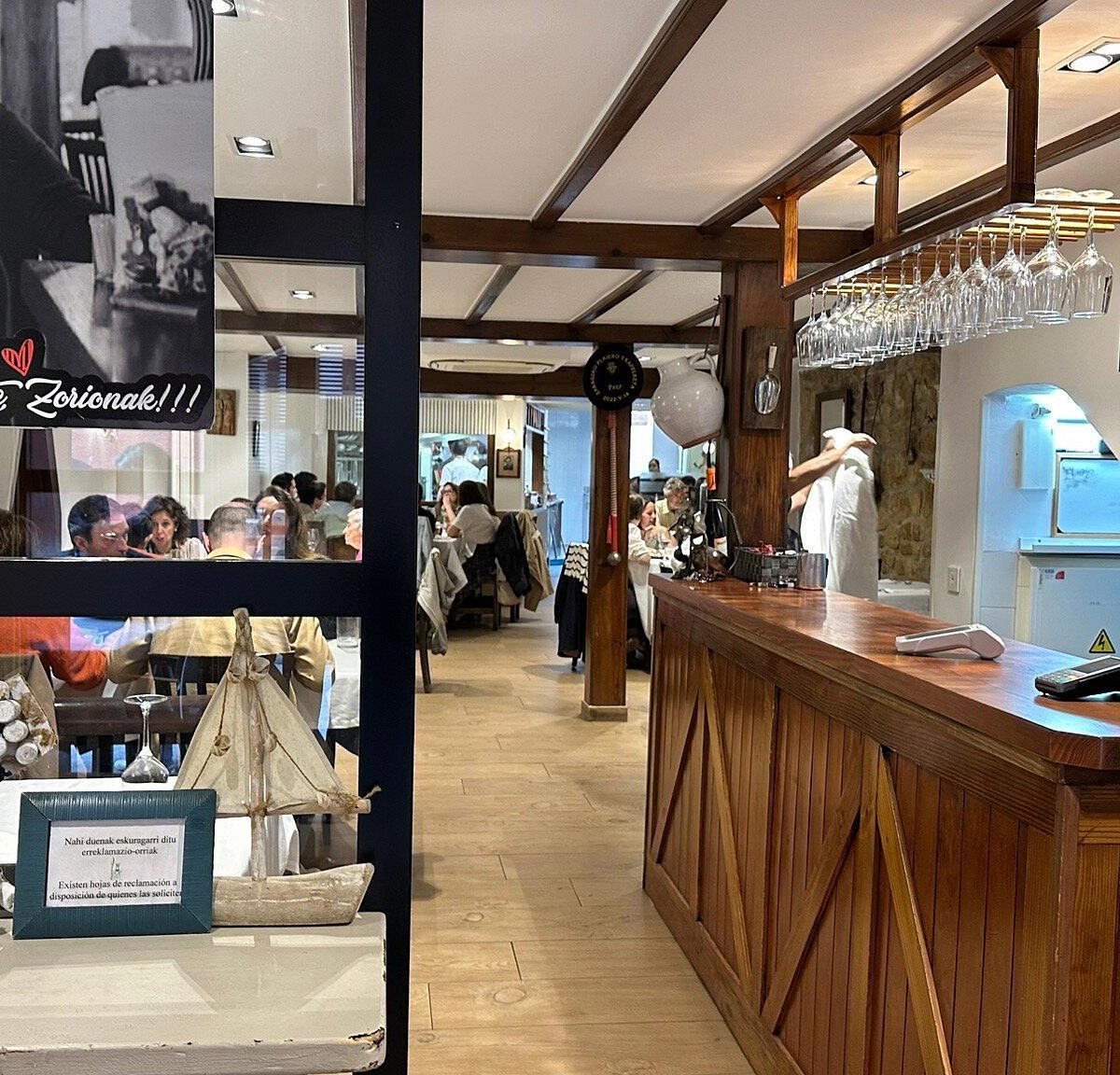
Approaching lunch in Zarautz, the town’s restaurant rhythm is set less by grand entrances than by the coast: everyday movement in the streets, local habits shaped by the surrounding region, and dining rooms that treat midday as a serious part of the day. Kirkilla Enea belongs to that coastal pattern, where a meal’s value begins before the plate, with a sense of place and a restaurant culture that treats consistency as daily discipline, not slogan.
That matters in Gipuzkoa because several restaurant languages run at once. There is the grill-led coastal model, represented in the wider orbit by Elkano and Kaia Kaipe, where product and fire define the table. There is also the smaller town dining-room format, common in places like Zarautz, where the emphasis is less on spectacle and more on a contained local meal. Kirkilla Enea sits in that latter frame, and its 1 Sol listing in the Guía Repsol 2026 signals a restaurant judged within Spain’s regional dining culture, not a venue trading only on beach-town convenience.
Regional context without the asador theatre
Zarautz has a particular advantage for a restaurant visit: it sits within a region where coast, town life and everyday food habits remain close together. Local dining does not need to announce a manifesto when the surrounding setting already shapes expectations. In this context, the appeal is less about novelty than about how clearly a restaurant can make sense within its place.
The useful editorial distinction is format. At coastal asadores, the main event often arrives as product plus grill, priced and paced around a central dish. In a town restaurant, the work is different: the experience has to sit between daily cooking and occasion dining, with less theatre and more pressure on pacing, balance and consistency. That is where Kirkilla Enea’s Repsol recognition matters: a single Sol is not a claim of maximal luxury, but it marks the restaurant as part of Spain’s inspected, regionally serious dining conversation.
For travellers building a Zarautz itinerary, the restaurant is a useful counterpoint to the area’s larger coastal rituals. The town is not only a beach stop; it has its own dining cadence, especially at lunch, when local routine and visitor appetite meet without the formality often associated with destination restaurants. Readers comparing local options can place it alongside Aiten Etxe and Masta, then widen the search through other Zarautz dining rooms.
Where it fits in Zarautz, and when it makes sense
The strongest case for Kirkilla Enea is fit, not maximalism. Zarautz rewards restaurants that understand the town’s double life: leisure energy on one side, local food culture on the other. A serious dining room here must serve visitors without flattening into generic resort cooking. The Repsol Sol separates it from more casual addresses, while the town setting keeps the experience closer to local dining than destination formality.
That position helps with decisions. Travellers seeking a fire-and-product pilgrimage may look beyond Zarautz toward the better-known asador circuit. Travellers staying in town, or pairing a meal with a slower Gipuzkoa day, have a different calculation. Here the appeal is a compact restaurant experience rooted in place, with enough recognition to justify planning around it and enough town context to avoid turning the meal into a separate expedition.
Spain’s regional guide culture is useful because it catches restaurants that do not always fit international shorthand. Michelin stars dominate foreign planning, but Guía Repsol is especially relevant for domestic Spanish dining, where local identity and consistency carry weight. A 1 Sol distinction in 2026 gives Kirkilla Enea credible inspection-level validation without implying a particular format or level of ceremony.
For a broader Zarautz stay, the restaurant works as part of a compact coastal plan rather than a standalone monument. Where you stay can shape whether lunch or dinner makes more sense, and local drinks or nearby outings can help set the pace of the day. For travellers building around surf, walking routes, markets, or coastal towns, our full Zarautz experiences guide gives the restaurant a clearer place in the day.
How to read it against Spain's regional dining map
Kirkilla Enea is most useful as part of Spain’s growing middle tier of serious regional restaurants: dining rooms with recognition, local grounding and a clear sense of place, without the high ceremony of many destination tasting rooms. That tier is where much of Spanish dining feels especially relevant in 2026, giving regulars and visitors a way to read a town through its restaurants.
The comparison is not only local. Across Spain, regional restaurants are often judged less by luxury signals than by how clearly they express place. Some cities have compact dining rooms, some regions have informal counter traditions, and coastal areas often work at a different pace. Against that wider national range, Kirkilla Enea reads as a Zarautz restaurant whose significance comes from recognition, context and fit rather than from a globalized luxury template.
That wider frame clarifies the point: the meal to look for in Zarautz is not an imported format. It is a local restaurant experience shaped by town scale and regional expectation. Specific menus can change, but in Zarautz the reference points remain closer to the everyday dining culture of Gipuzkoa and to the compact scale of the town itself.
In Context: Similar Options
Comparable venues by cuisine and price in the same metro.
| Venue | Cuisine | Price |
|---|---|---|
| Elkano | Asador - Seafood, Seafood | €€€€ |
| Kaia Kaipe | Seafood Asador, Seafood | €€€ |
Recognition history
Dated appearances from independent guides and award organizations, with the underlying list record or original source where available.
Guía Repsol 1 Sol
Guía Repsol
Continue exploring
More in Zarautz
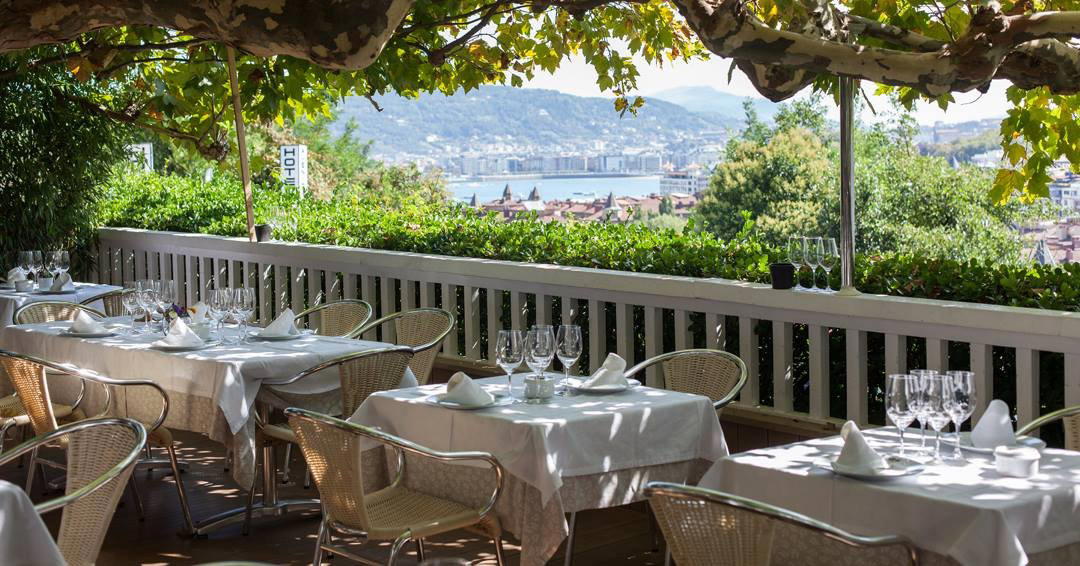
Restaurants in Zarautz
Browse all →
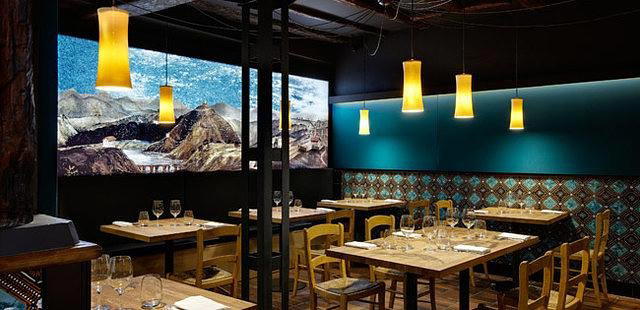
Bars in Zarautz
Browse all →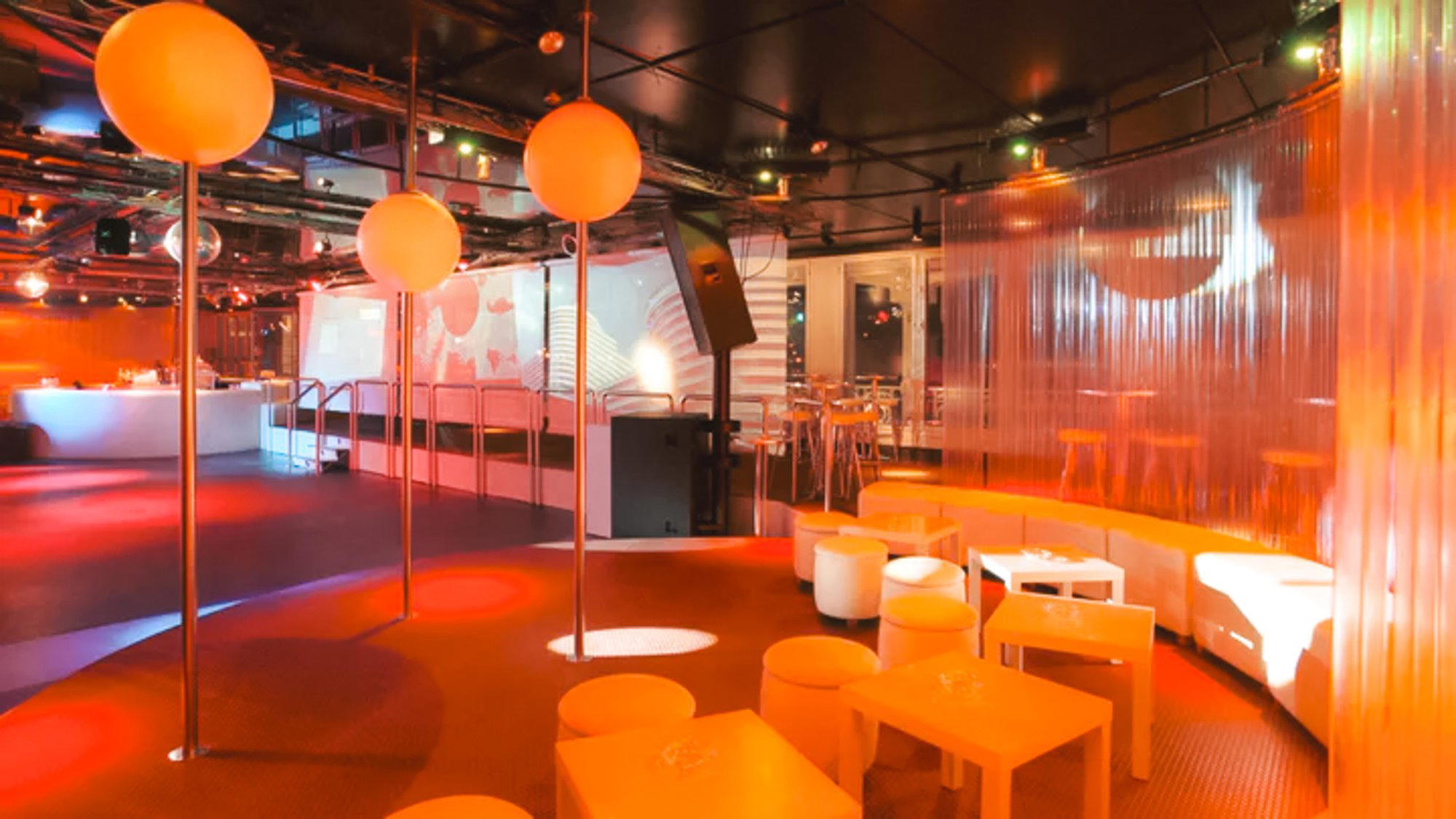
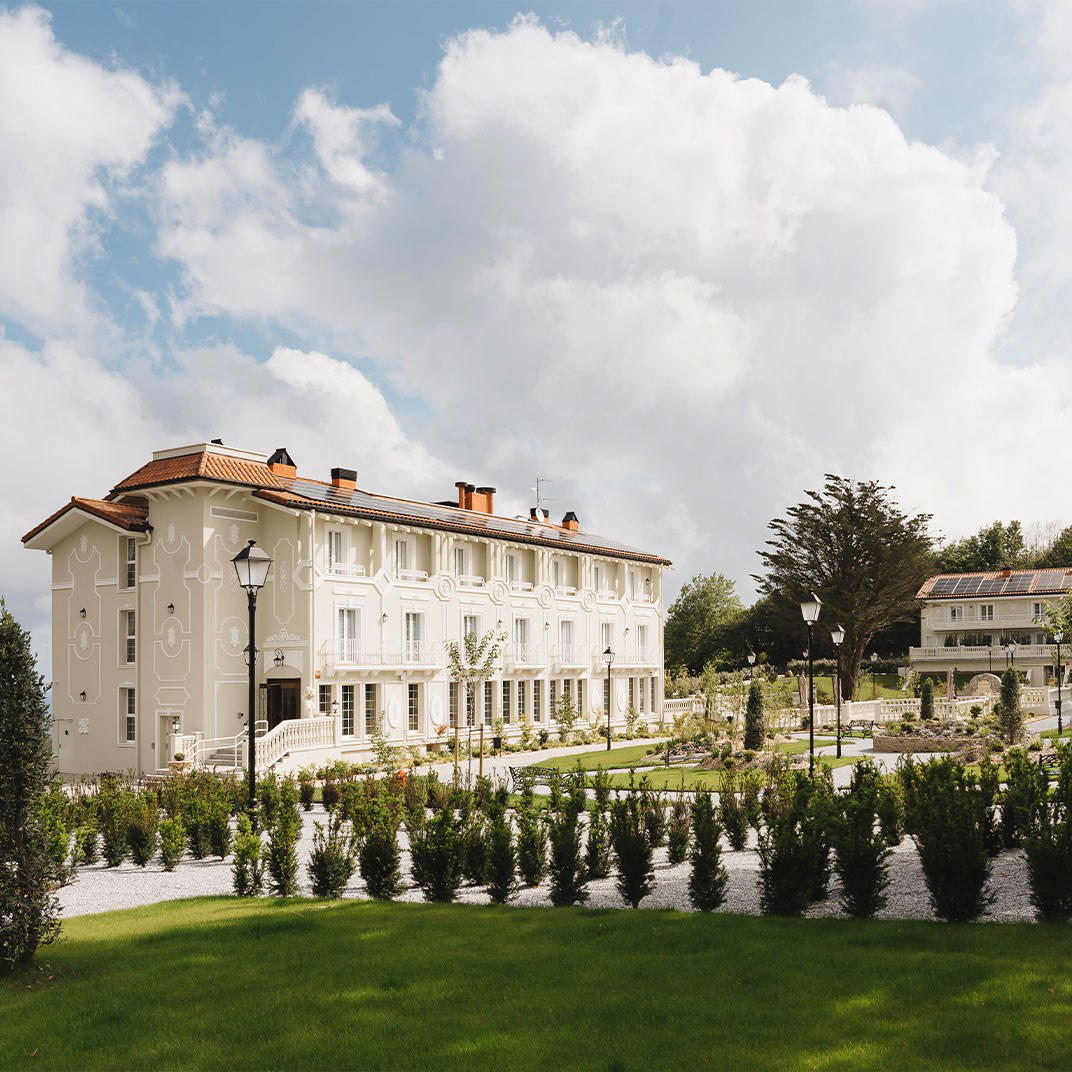
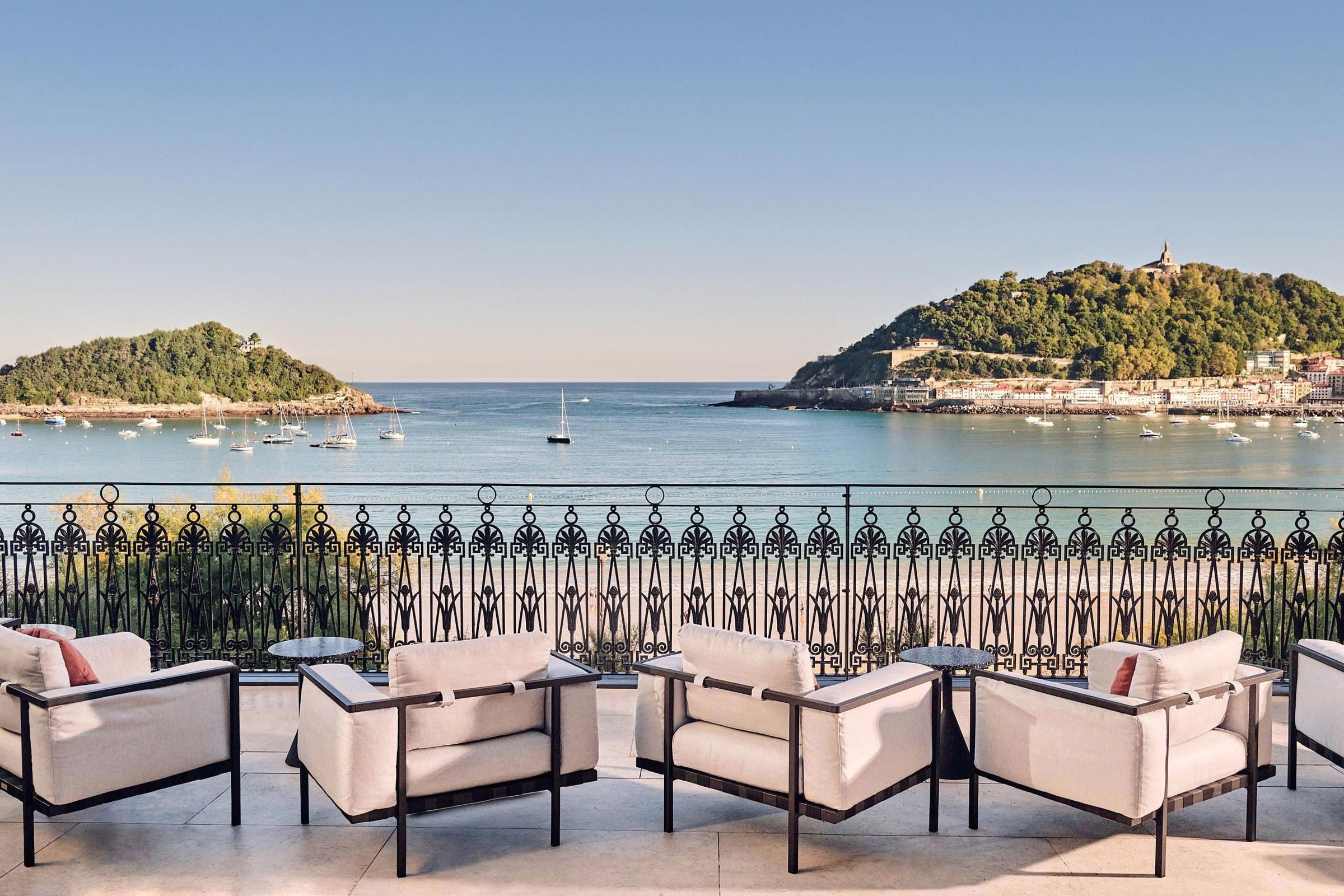
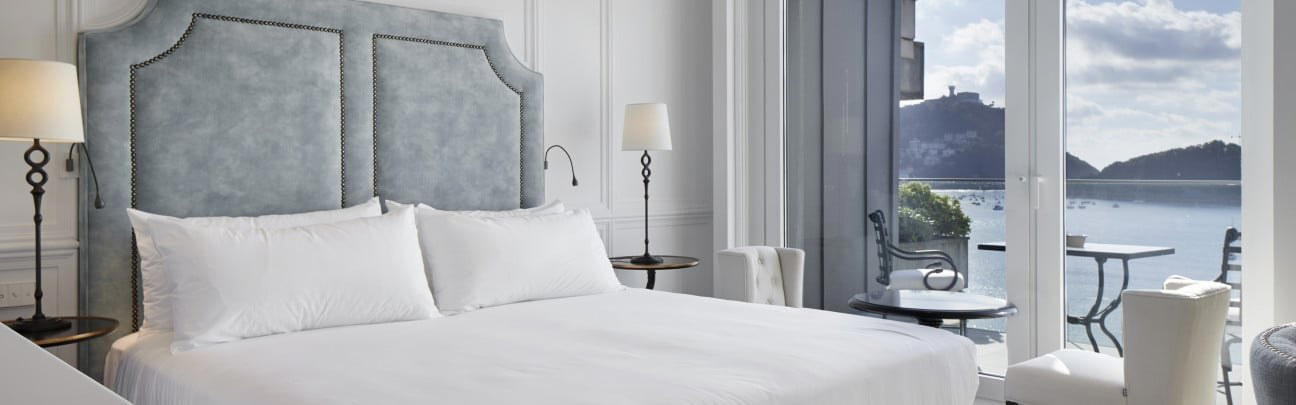
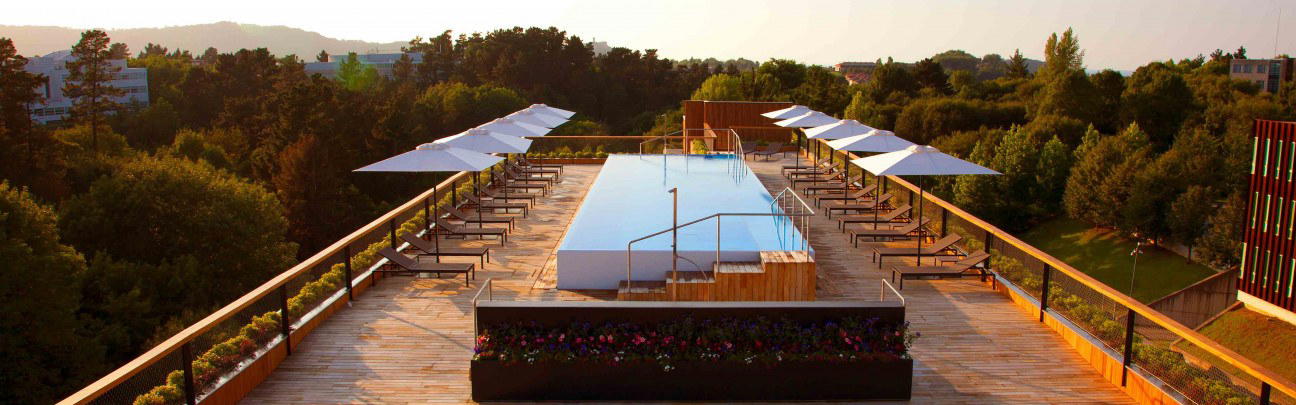
Hotels in Zarautz
Browse all →
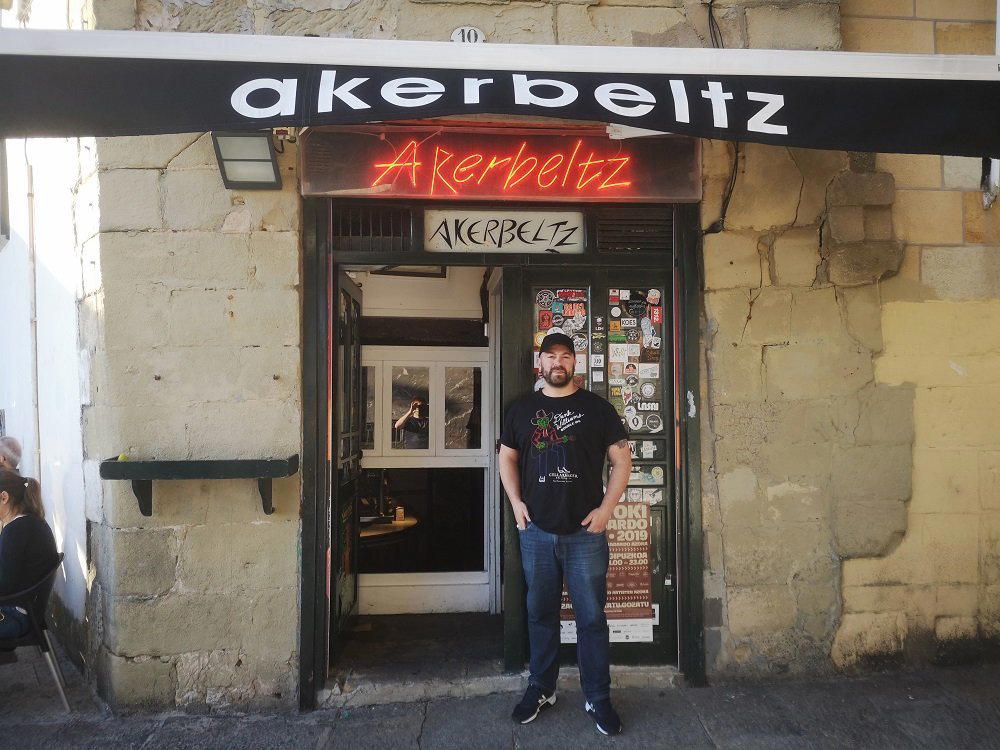
Wineries in Zarautz
Browse all →
At a Glance
- Cozy
- Classic
- Rustic
- Intimate
- Date Night
- Family
- Group Dining
- Celebration
- Casual Hangout
- Special Occasion
- Standalone
- Local Sourcing
- Sustainable Seafood
Current opening hours
- Monday
- Closed
- Tuesday
- 1–3:30 PM
- Wednesday
- 1–3:30 PM
- Thursday
- 1–3:30 PM
- Friday
- 1–3:30 PM, 8:30–10 PM
- Saturday
- 1–3:30 PM, 8:30–10 PM
- Sunday
- 1–3:30 PM
Hours can change for holidays and private events. Last verified .
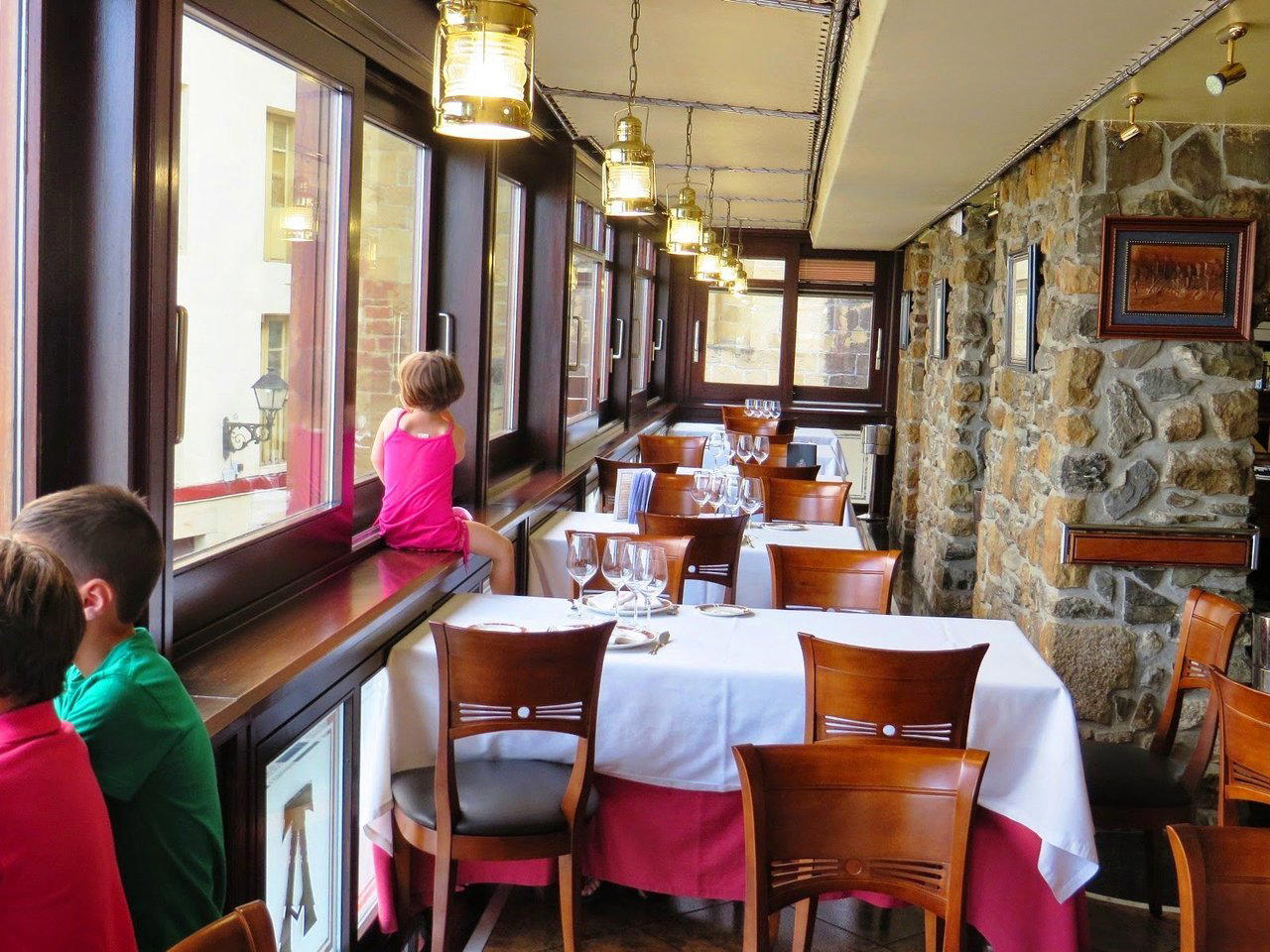
Warm and homey, with traditional-yet-modern Basque décor and a relaxed, intimate atmosphere that feels like a neighborhood dining room rather than a formal restaurant.
Know Before You Go
- Reservations
- Recommended
- Dress code
- Casual
- Getting there
- Kalea Santa Marina, 12W, 20800 Zarautz, Gipuzkoa, Spain