KinFolk
At the Washington Wharf, KinFolk brings American Southern cooking to one of the capital's most transformed waterfront corridors.
Pearl is the En Primeur Club membership app — saves, bookings, and concierge access live there. Same editors, same standards.
- Address
- 685 Wharf St SW, Washington, DC 20024
- Phone
- (202) 793-6528
- Website
- kinfolk-dc.com
- Directions
- Get directions
 Saves & bookings on Pearl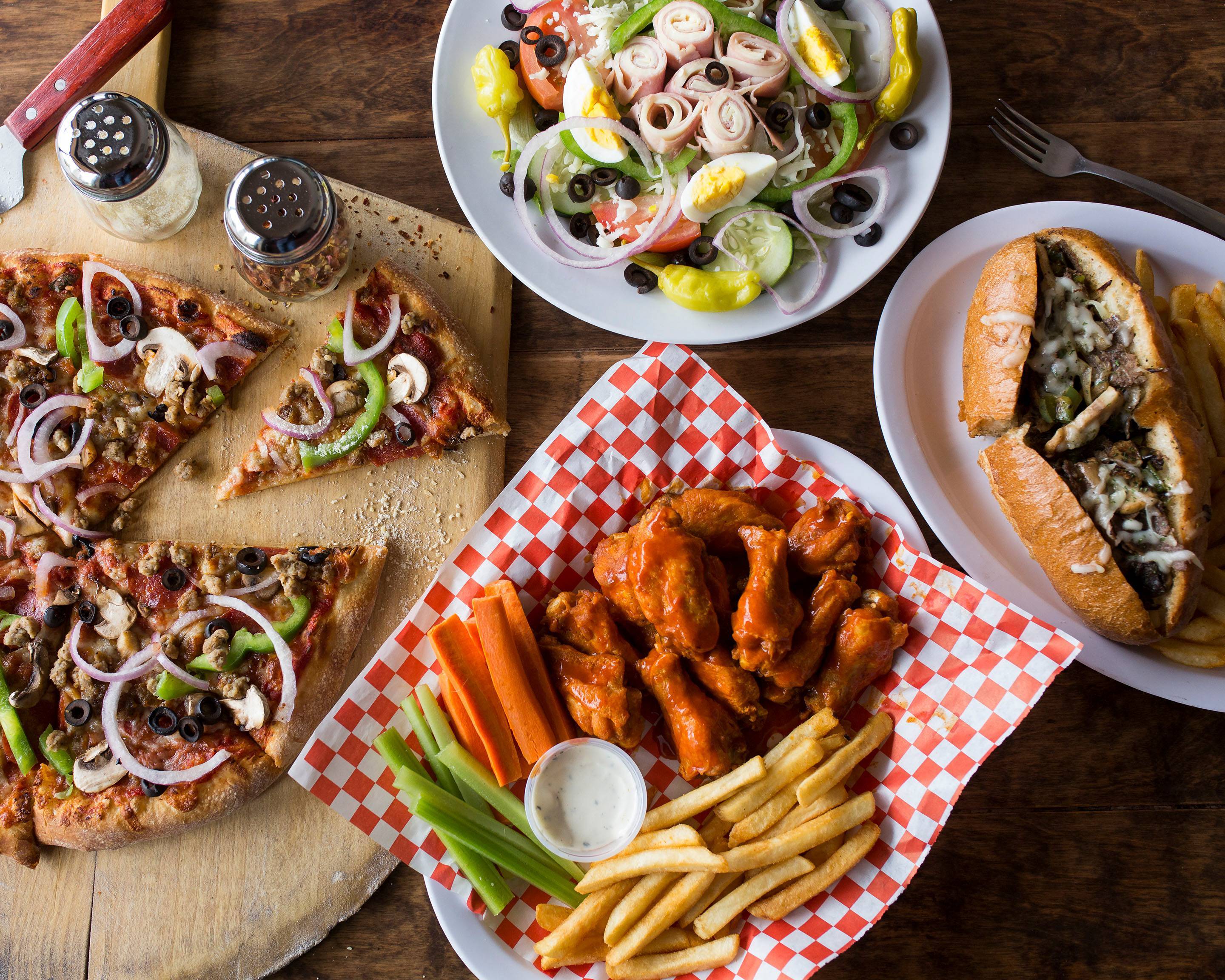
Southern Cooking at the Southwest Waterfront
KinFolk is a casual Southern BBQ restaurant in Washington, D.C. The Washington Wharf development remade Southwest D.C.'s relationship with the Potomac entirely. Where industrial infrastructure once dominated Wharf Street, a dense corridor of restaurants, residences, and performance venues now runs along the water's edge, drawing diners who once had little reason to venture south of the Mall. KinFolk sits within that corridor at 685 Wharf St SW, occupying a position that benefits from the waterfront foot traffic while operating inside a neighborhood that is still finding its identity as a dining destination. The approach on foot from the waterfront promenade frames the experience before you enter: the light off the channel, the density of the surrounding development, and the contrast between the district's political seriousness and the looser, warmer register that Southern cooking tends to carry.
American Southern in a City of Evolving Traditions
Washington, D.C. has long had a complicated relationship with Southern American cooking. Geographically and historically positioned at the upper boundary of the South, the city absorbed waves of migration from Virginia, the Carolinas, and deeper into the region across the twentieth century, and those culinary traditions took root in neighborhoods well before the current restaurant boom. The challenge for contemporary Southern-focused restaurants in D.C. is operating in a moment when the city's dining conversation is dominated by Michelin-starred contemporary programs. Albi and Causa both hold single Michelin stars and anchor a tier of the market priced at $$$$. Oyster Oyster operates in the $$$ bracket with its own star and a sustainability-led identity. Against that backdrop, American Southern cooking, with its emphasis on comfort, community, and ingredient-forward traditions, occupies a different register, one less concerned with tasting-menu architecture and more grounded in the kind of hospitality that American regional cuisine has always carried at its leading.
KinFolk is led by Christophe Bacquié. enprimeurclub.com/restaurants/jont">Jônt or the laboratory format of minibar.
The Team Dynamic and What It Produces
The collaboration between kitchen, floor, and bar is where Southern-style restaurants either succeed or flatten out into something generic. Southern hospitality is a phrase so overused it has nearly lost meaning, but the actual operational principle behind it, that front-of-house warmth should match kitchen ambition, and that service should feel generous rather than transactional, is genuinely difficult to execute consistently. The credential attached to KinFolk's kitchen is Christophe Bacquié, a name with European fine dining lineage that introduces an interesting tension into the American Southern format. That tension, when handled well, tends to produce cooking that is more technically precise than the category average without abandoning the directness that Southern food requires. Whether the floor operation meets that standard is the variable that determines whether any given visit feels integrated or disjointed.
The broader pattern across American Southern restaurants that hold editorial recognition in major cities is that the teams doing it well have resisted the temptation to over-finesse. In Nashville, The Catbird Seat operates at a high-technique level while remaining rooted in the region's ingredient culture. In Charleston, Harken Cafe demonstrates that Southern breakfast and café traditions can carry serious culinary weight. In D.C. the comparable challenge is maintaining that regional specificity while speaking to a dining public that also has access to programs as technically demanding as Alinea in Chicago or Single Thread Farm in Healdsburg when they travel. The D.C. diner is not easily impressed by surface-level regionalism, which raises the bar for any restaurant working in a tradition-forward American format.
The Wharf Context and When to Go
Southwest Waterfront operates on a different seasonal rhythm than D.C.'s inland dining corridors. Spring and early autumn are the periods when the Wharf's outdoor programming and waterfront terraces attract consistent foot traffic, and restaurants in the corridor benefit from that energy. Summer brings heat and humidity that can make outdoor dining less appealing, while the winter months see the waterfront thin out to a steadier local crowd rather than the event-driven audiences that fill the space during warmer weather. For a restaurant like KinFolk, that seasonal variation matters: Southern cooking's heavier, comfort-oriented dishes read differently in October than they do in June, and the atmosphere of the waterfront setting shifts accordingly.
Reaching the Wharf by public transport is practical. The Waterfront Metro station on the Green Line deposits visitors a short walk from the 685 Wharf St SW address. Parking in the Wharf development is available but priced at a premium, and the Metro connection makes driving unnecessary for most visitors arriving from within the District. For those traveling from further afield, D.C.'s broader restaurant scene rewards extended planning: Le Bernardin in New York City and Emeril's in New Orleans represent the poles of fine dining and Southern-influenced cooking at different scales, and the capital's own scene now competes credibly in both registers.
Among American cities with a serious food culture, D.C. remains less traveled for culinary purposes than New York, Chicago, or San Francisco, despite the depth of its current restaurant generation. The comparison with Lazy Bear in San Francisco or The French Laundry in Napa at the prestige end of American dining is instructive: those cities have long-established reputations that draw food-focused visitors independently. D.C. is still building that narrative, and waterfront addresses like KinFolk are part of the argument for why it deserves more attention as a culinary destination.
Peers in This Market
Comparable venues nearby, for context on price, style, and recognition.
| Venue | Cuisine | Price | Notes |
|---|---|---|---|
| KinFolkThis venue — the venue you are viewing | Southern BBQ | $$ | Not listed |
| Urban Roast | Contemporary American Shared Plates | $$ | Penn Quarter |
| Rewind | American Diner with Latin Influences | $$ | Dupont Circle |
| Bolgiano´s Pantry | Farm-to-Table American Breakfast & Brunch | $$ | Brentwood Railyard |
| Springbone Kitchen | Gluten-Free Bone Broth Bowls | $$ | West Village Georgetown |
| Art and Soul | Modern Southern American | $$ | East End |
Continue exploring
More in Washington DC
Restaurants in Washington DC
Browse all →
Bars in Washington DC
Browse all →
Hotels in Washington DC
Browse all →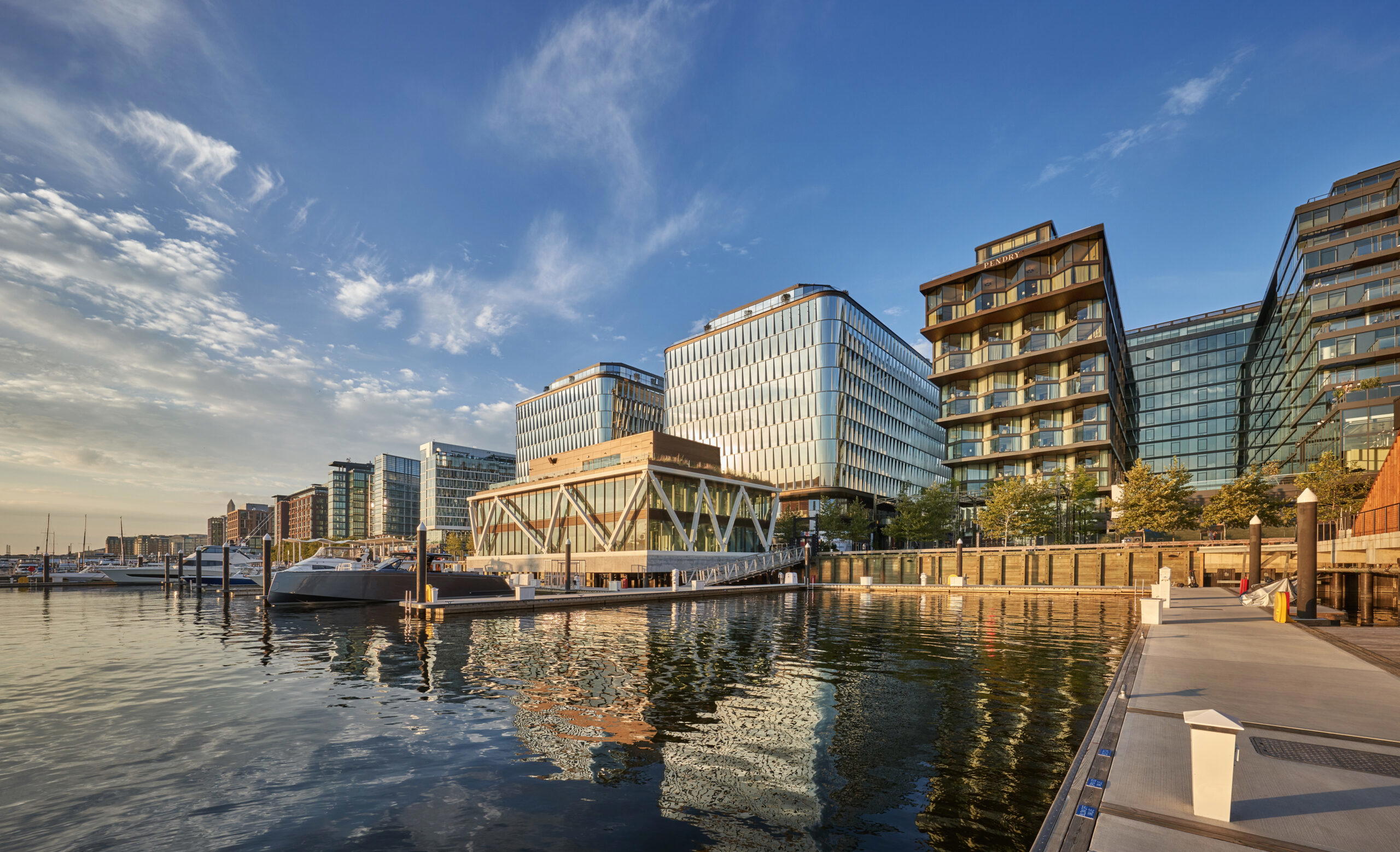
At a Glance
- Lively
- Modern
- Rustic
- Group Dining
- Casual Hangout
- Brunch
- Waterfront
- Terrace
- Open Kitchen
- Craft Cocktails
- Waterfront
Current opening hours
- Monday
- 11:30 AM–9 PM
- Tuesday
- 11:30 AM–9 PM
- Wednesday
- 11:30 AM–9 PM
- Thursday
- 11:30 AM–10 PM
- Friday
- 11:30 AM–2 AM
- Saturday
- 11 AM–2 AM
- Sunday
- 11 AM–9 PM
Hours can change for holidays and private events. Last verified .
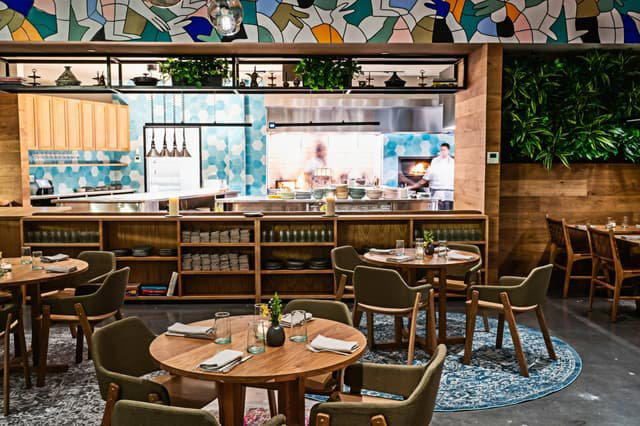
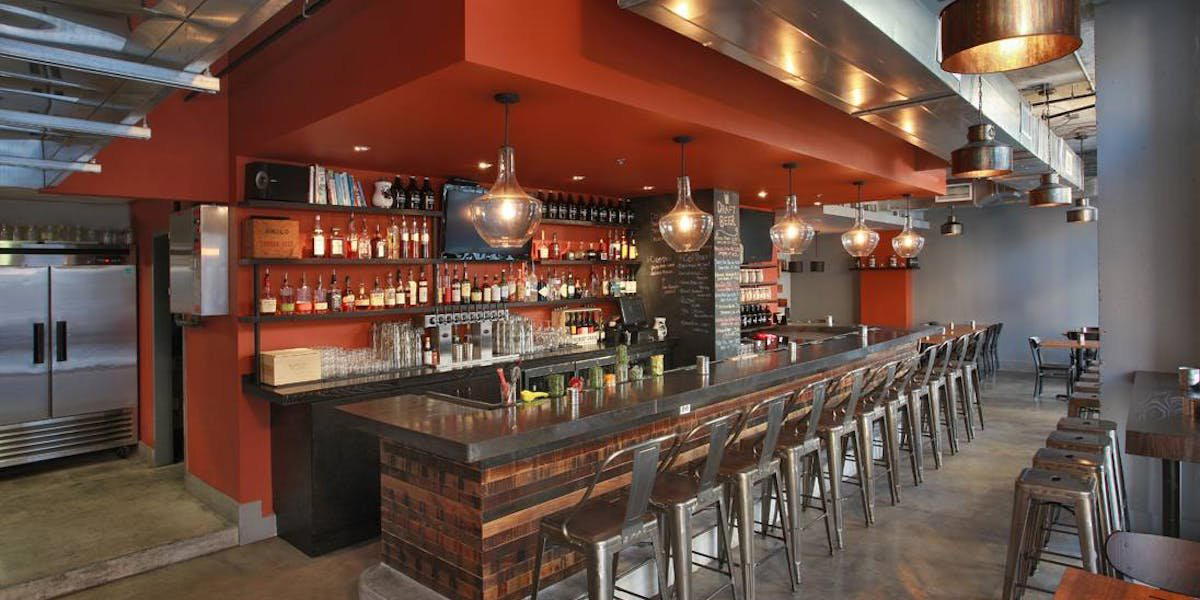
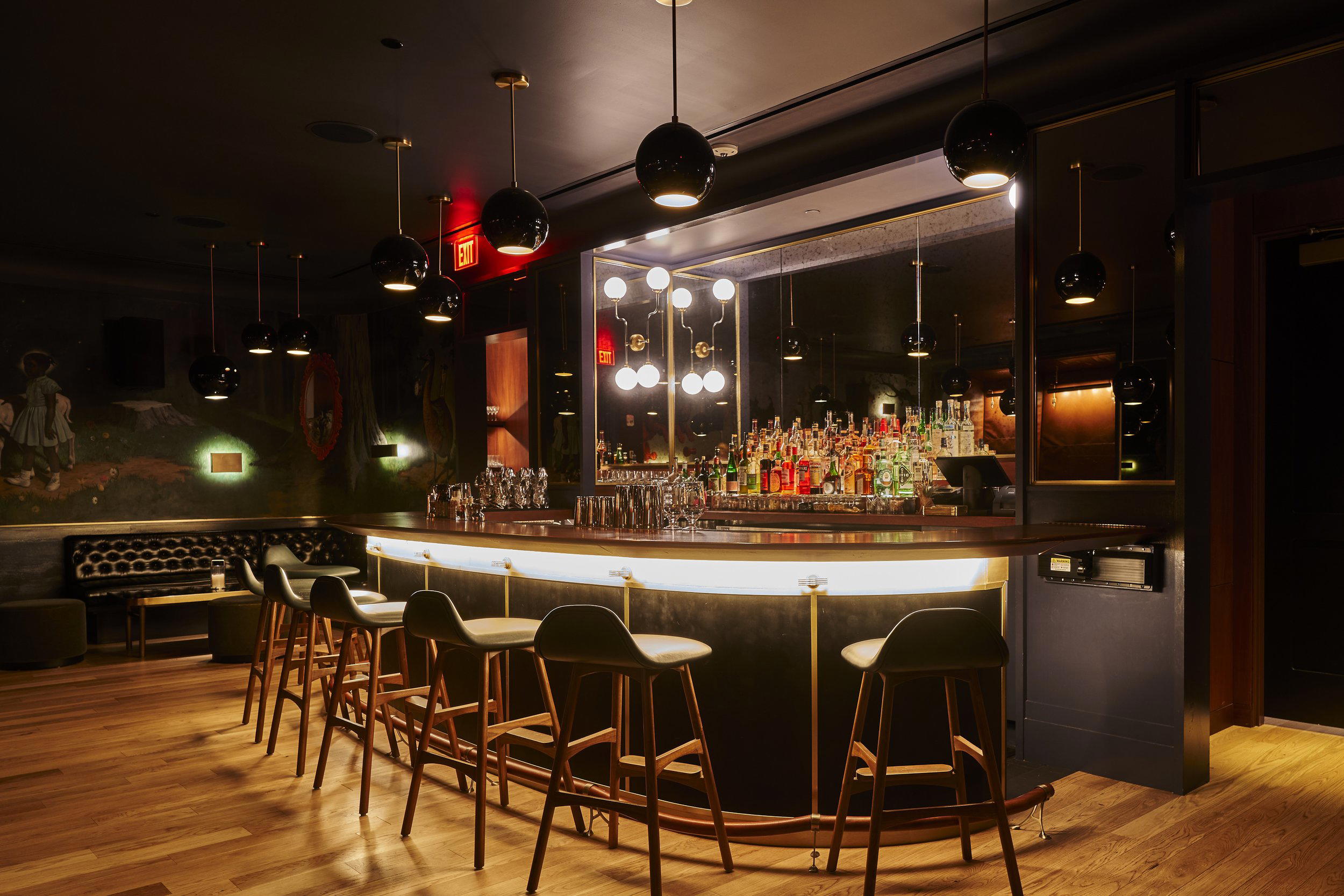
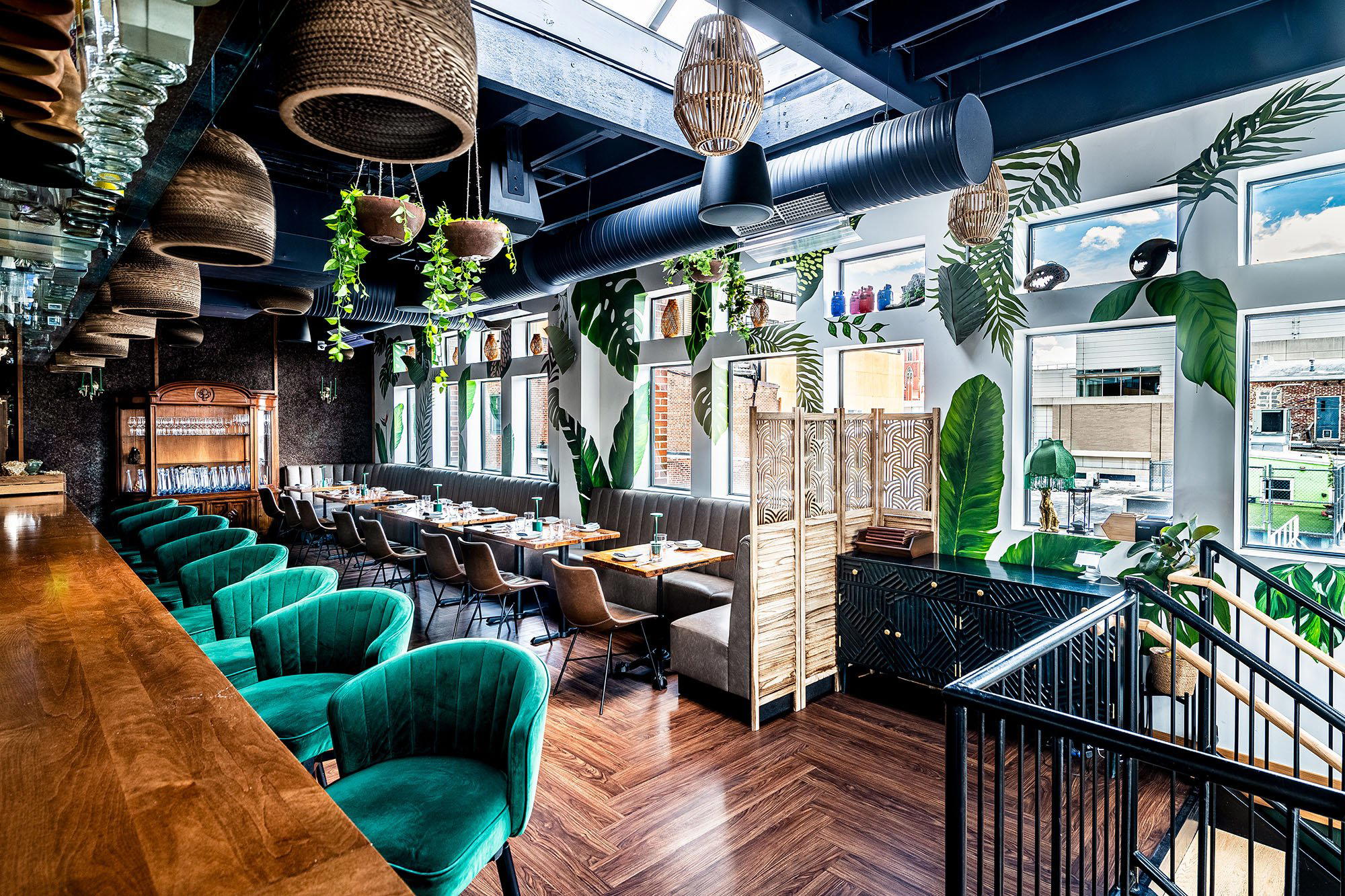
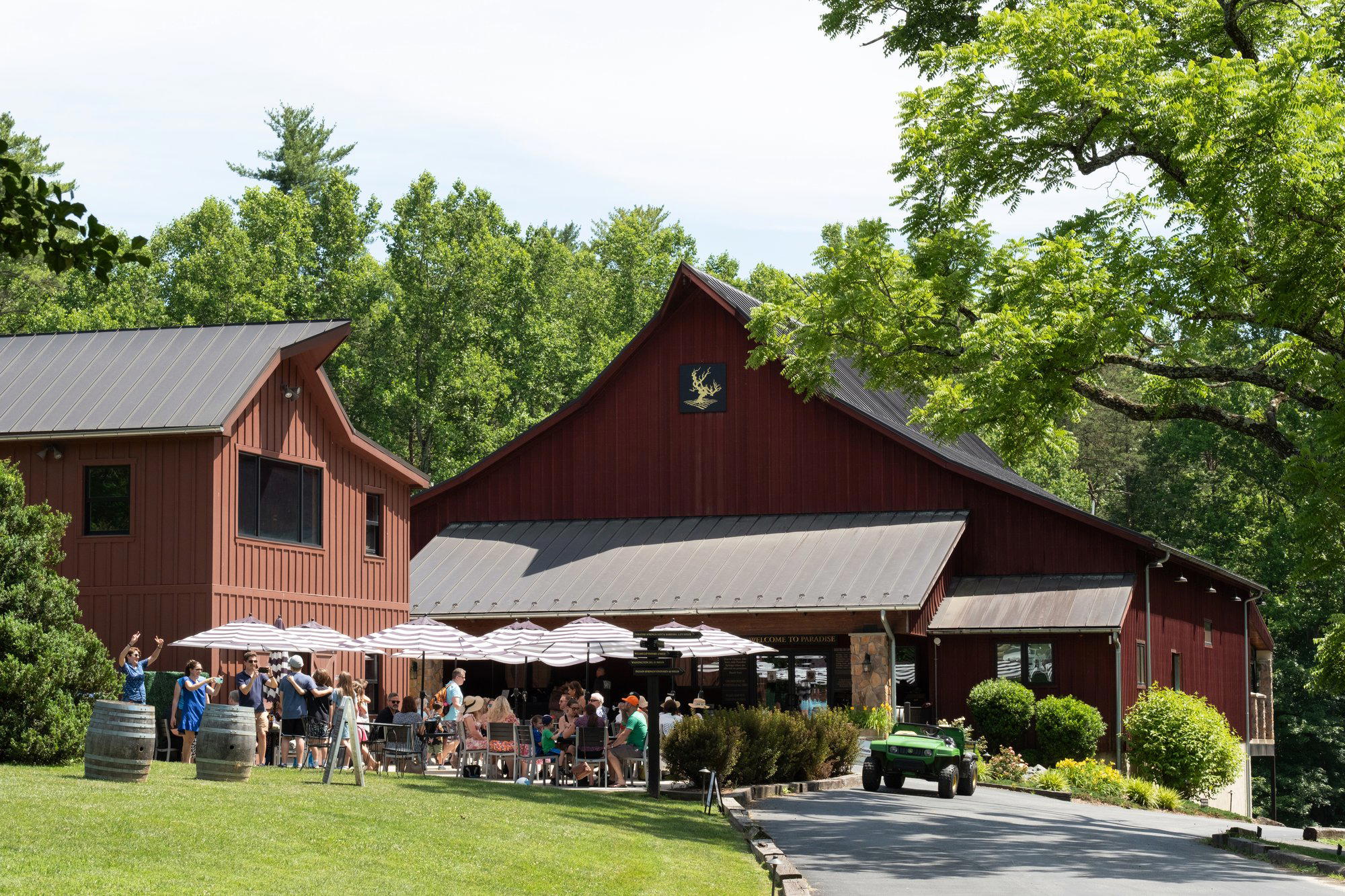
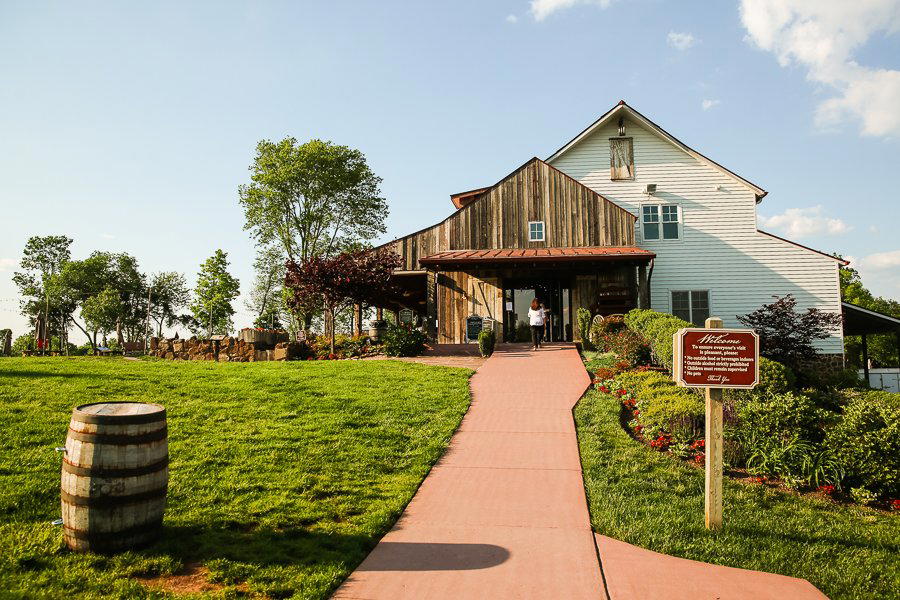
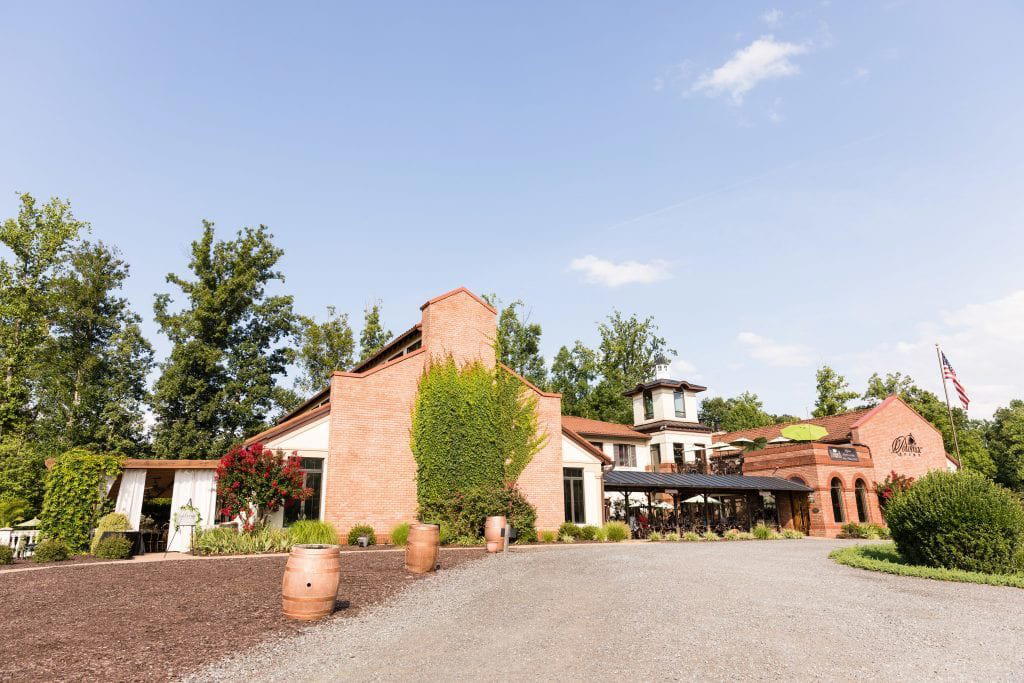
Eclectic mix of rustic cowboy elements, maritime bar design, colorful seating in greens and oranges, with indoor/outdoor patio featuring plants and soothing country-pop music.