Kimchi House on Patricia Street brings Korean cooking to one of Canada's most visited national park towns, where imported pantry staples meet the logistical realities of remote mountain supply chains. In a Jasper dining scene dominated by Canadian comfort and Asian takeaway formats, it represents a specific and less common flavour profile. Visit for the kimchi-based dishes in a town where fermentation traditions are otherwise absent from most menus.
Pearl is the En Primeur Club membership app — saves, bookings, and concierge access live there. Same editors, same standards.
- Address
- 407 Patricia St, Jasper, AB T0E 0A8, Canada
- Phone
- +1 780-852-5022
- Website
- kimchihousejasper.com
- Directions
- Get directions
 Saves & bookings on Pearl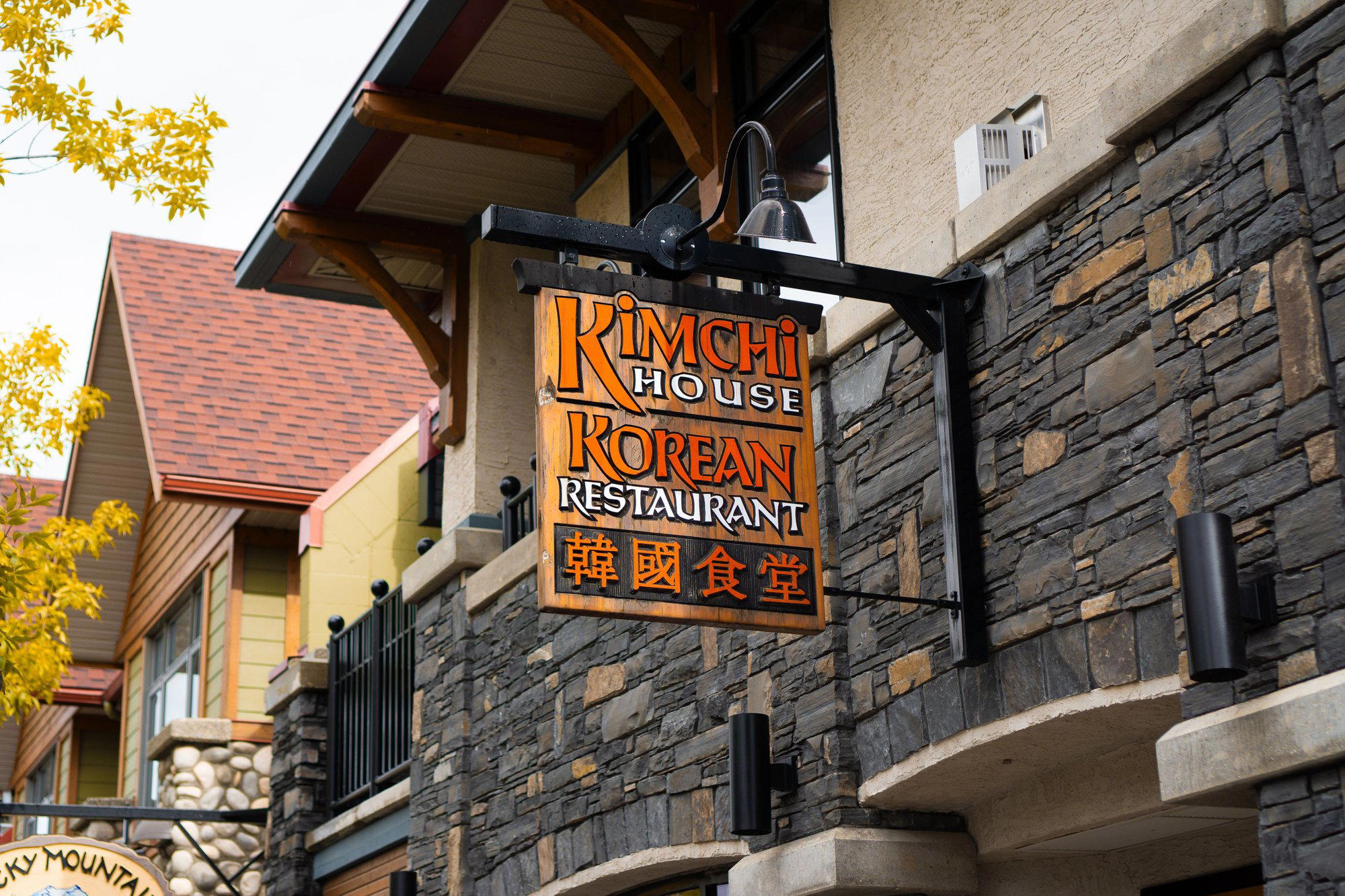
Korean Food at Altitude: What Kimchi House Means for Jasper's Dining Scene
Patricia Street runs through the commercial heart of Jasper, Alberta, a town of roughly 5,000 permanent residents that swells several times over each summer as the primary service hub inside Jasper National Park. The dining strip along Patricia reflects that seasonal boom-and-bust rhythm: restaurants built to serve volume, menus calibrated for speed, and cuisine choices shaped less by local food culture than by what a transient international visitor base will reliably order. Korean food is a statistically unusual choice in that context, and Kimchi House at 407 Patricia St sits as one of the few places in this mountain corridor where fermented vegetables, gochujang-based broths, and bibimbap-style rice bowls appear on a menu board at all.
That geographic specificity matters more than it might in a larger city. In Jasper, Kimchi House operates in relative isolation, which is both its advantage and its structural challenge.
The Ingredient Problem in a National Park Town
Any honest account of Korean cooking in a remote mountain town has to start with supply chains. The core pantry of Korean cuisine, including doenjang, gochugaru, sesame oil, and the fermented cabbage that gives this restaurant its name, does not come from the Rocky Mountain foothills. These are imported or distributed ingredients that arrive via Edmonton, roughly 360 kilometres east, or through regional distributors serving Alberta's hospitality sector. The same logistical friction applies to fresh produce: daikon, napa cabbage, and perilla are not local crops in this climate.
This is not a problem distinctive to Jasper's Korean restaurant. Across the town's dining scene, ingredients travel significant distances. The difference is that Korean cooking is more dependent on specific fermented and preserved components that are difficult to substitute without changing the dish category entirely. A kitchen that cannot source authentic gochujang is not making Korean food in any meaningful sense; it is making a red-sauce approximation.
For comparison, restaurants working the hyperlocal-sourcing angle in Canada, like Eigensinn Farm in Singhampton or Tanière³ in Quebec City, build their identity around the sourcing story itself. The restaurant operates in the inverse condition: the sourcing story is one of distance and difficulty, and the kitchen's response to that reality defines the experience.
Jasper's Broader Dining Context
The town's restaurant mix skews toward formats that work in high-turnover tourist economies. Coco's Cafe handles the casual all-day slot; Woodbridge Tavern covers the pub-and-patio contingent; Jasper China Restaurant and Jasper Curry Place All You Can Eat Indian Buffet represent the broader Asian and South Asian categories. Korean sits outside all of those buckets, which means the restaurant does not have a natural comparable set in town. It is the category, not just a participant in it.
That position creates a particular kind of loyalty among visitors who specifically seek Korean food and among residents who want flavour variety beyond what the town's other kitchens provide. It also means there is no local competitive pressure to maintain standards in the way that exists in cities with multiple Korean restaurants operating on the same block.
What to Know Before You Go
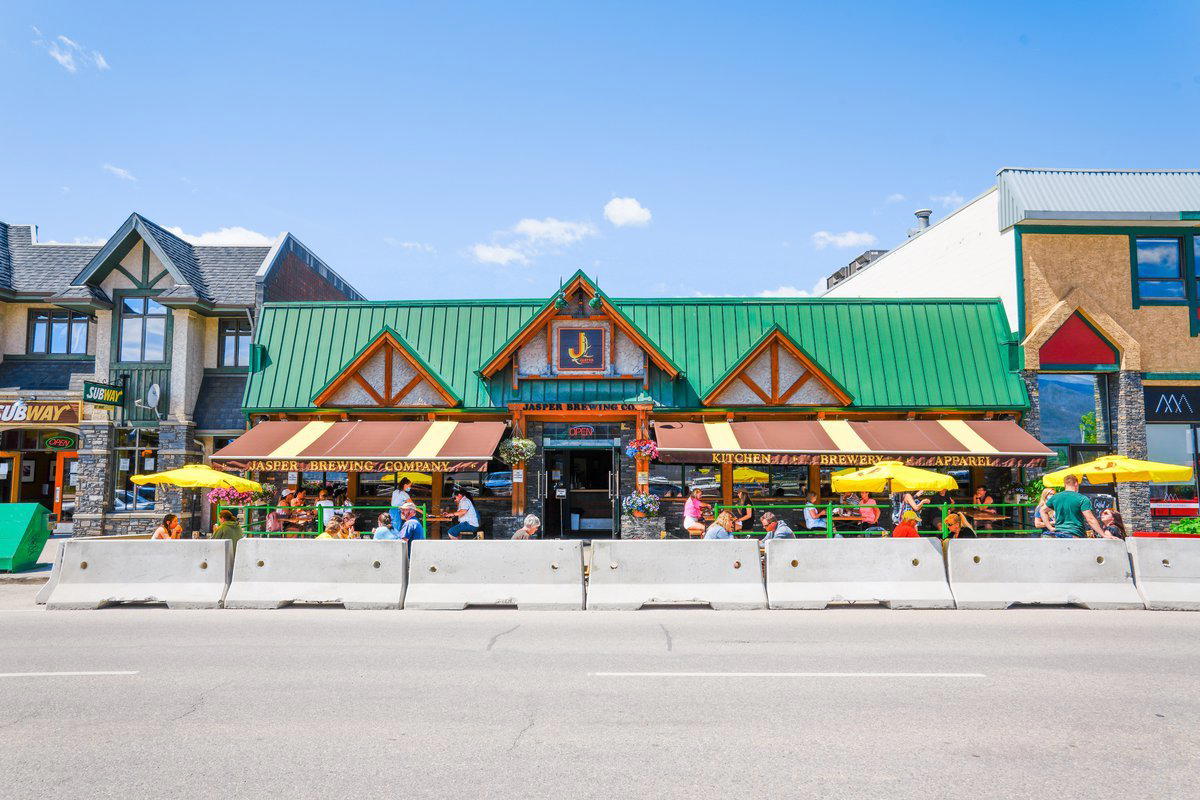
The restaurant is on Patricia Street, Jasper's main commercial corridor, which means it is walkable from most accommodation in town. Jasper operates on a seasonal visitor cycle, with summer (July through September) representing peak demand across all restaurants; if you are visiting during that window, arriving early or late relative to standard meal times will reduce wait times at most Patricia Street establishments. The town itself is accessible by car via the Yellowhead Highway, or by VIA Rail, which runs the Canadian route through Jasper station. The restaurant is recommended for reservations, and it is open daily from 11 AM to 9 PM.
Expect a moderate price tier, with meals averaging about US$20 per person. It is a meal-stop category, not a special-occasion one, and the room should be read accordingly.
Quick Comparison
Comparable venues nearby, for context on price, style, and recognition.
| Venue | Cuisine | Price | Notes |
|---|---|---|---|
| Kimchi HouseThis venue — the venue you are viewing | Authentic Korean | $$ | Not listed |
| Jasper Curry Place All You Can Eat Indian Buffet | All-You-Can-Eat Indian Buffet | $$ | Connaught Drive |
| Jasper China Restaurant | Authentic Cantonese Chinese | $$ | Downtown Jasper |
| Coco's Cafe | Cozy Cafe with Vegetarian & Vegan Breakfast Specialties | $$ | Town Center |
| Urban Crave | Global Street Food Fusion | $$ | Toronto Pearson International Airport |


At a Glance
- Cozy
- Rustic
- Family
- Casual Hangout
- Standalone
Current opening hours
- Monday
- 11 AM–9 PM
- Tuesday
- 11 AM–9 PM
- Wednesday
- 11 AM–9 PM
- Thursday
- 11 AM–9 PM
- Friday
- 11 AM–9 PM
- Saturday
- 11 AM–9 PM
- Sunday
- 11 AM–9 PM
Hours can change for holidays and private events. Last verified .
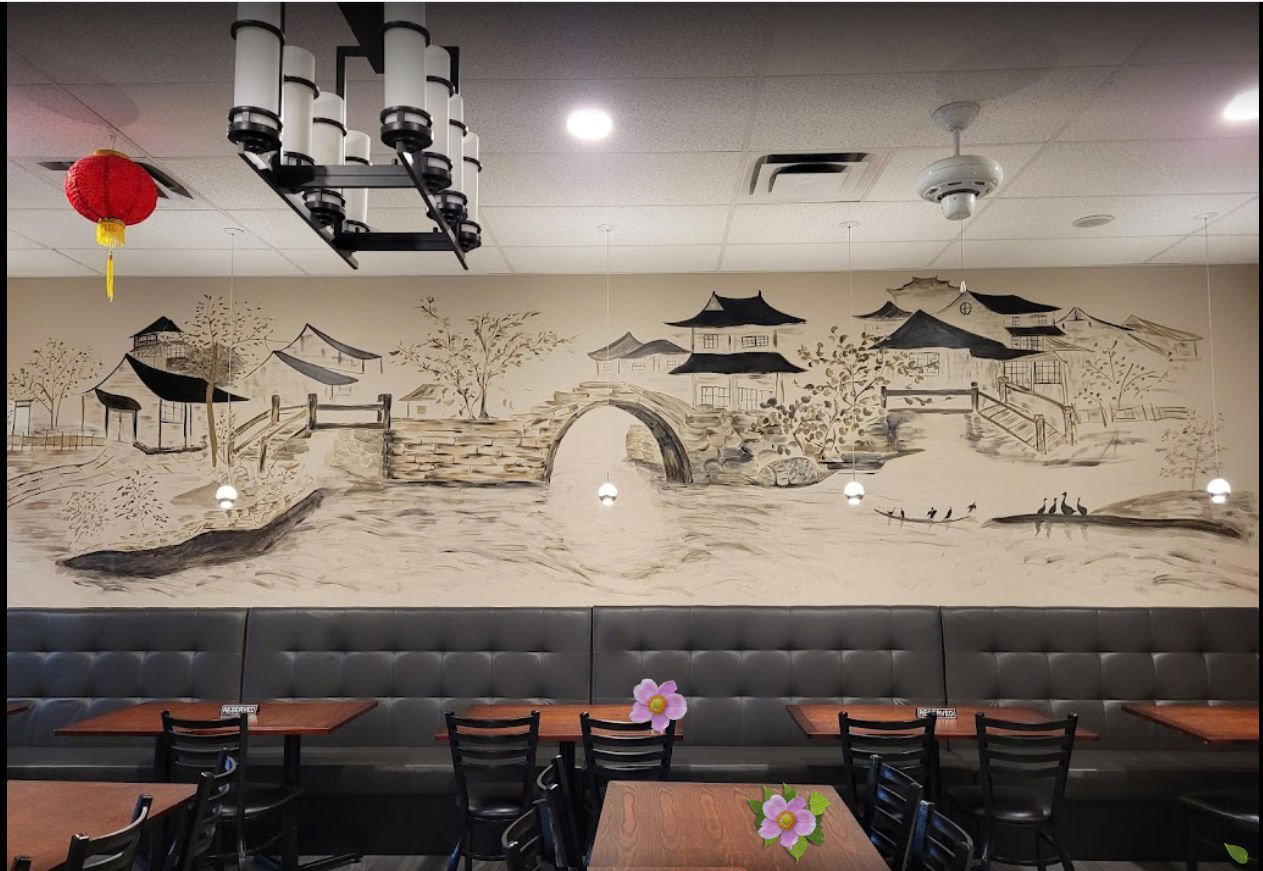
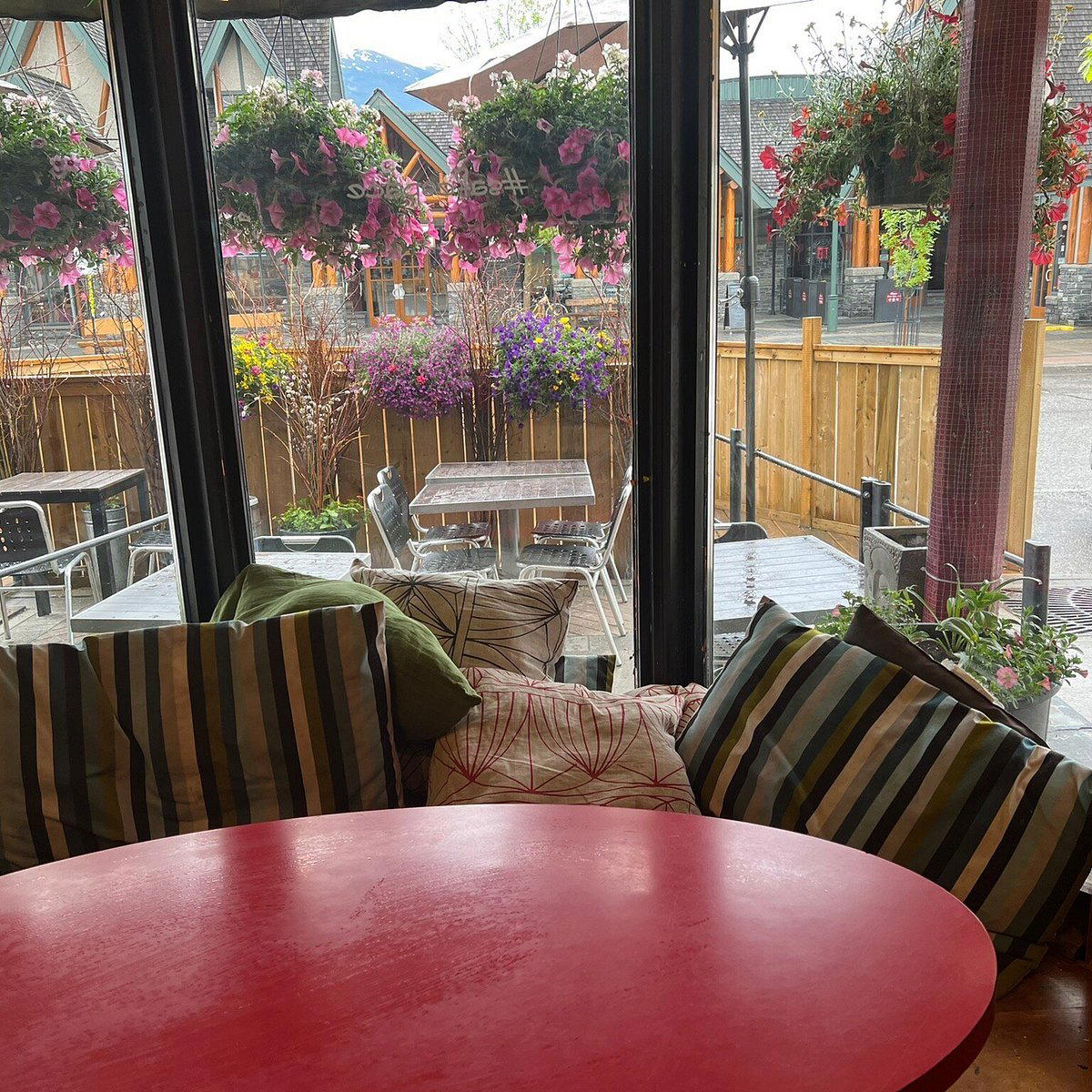
Cozy with red walls adorned with art, relaxed and welcoming atmosphere.