Kai




.png)

Open since 1993 and holding a Michelin star from 2009 through 2024, Kai on South Audley Street has spent three decades repositioning London's understanding of Chinese fine dining. The kitchen works a 'liberated Nanyang' framework, spanning regional Chinese traditions from Sichuan heat to Cantonese refinement, while a wine list deep enough to include a 1990 Château Pétrus at £12,200 signals where this restaurant sits in Mayfair's price tier.
Pearl is the En Primeur Club membership app — saves, bookings, and concierge access live there. Same editors, same standards.
- Address
- 65 S Audley St, London W1K 2QU, United Kingdom
- Phone
- +44 20 7493 8988
- Website
- kaimayfair.co.uk
- Directions
- Get directions
 Saves & bookings on Pearl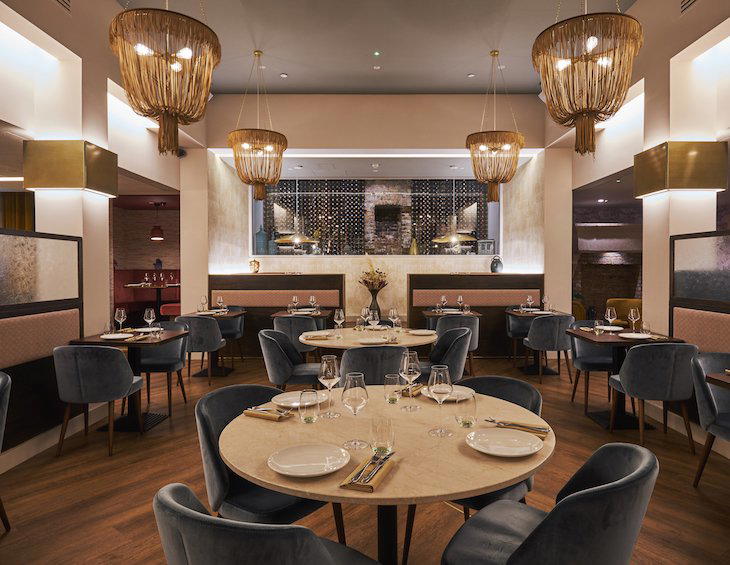
Thirty Years of Chinese Fine Dining in Mayfair
When Kai opened on South Audley Street in 1993, the London restaurant scene was not, to put it charitably, treating Chinese cuisine as a fine dining proposition. The dominant logic placed Chinese restaurants in a value or casual bracket, regardless of ambition or technique. Malaysian-born founder Bernard Yeoh opened Kai against that assumption, in Mayfair's western flank, in a neighbourhood whose dining comparable set has always been defined by Michelin-starred European kitchens and expense-account French restaurants. Sustaining that position for over three decades, including a Michelin star held from 2009 through 2024, represents something more than longevity: it represents a structural argument, made in real time, about where Chinese cooking belongs in the hierarchy of London dining.
That argument has since been joined by other voices. Hakkasan Mayfair arrived with a different aesthetic and a Michelin star of its own, while Imperial Treasure brought a Singapore-rooted institutional confidence to the same conversation. But Kai was making the case first, and the accumulated weight of that history shows in how the restaurant is regarded by diners who have followed its evolution across multiple decades.
The Nanyang Framework: What Regional China Means at Kai
The editorial angle here matters. Chinese cuisine is not one thing, and restaurants that gesture at 'Chinese fine dining' without specifying which tradition they are drawing from tend to produce menus that are neither here nor there. Kai's cooking operates under the label of 'liberated Nanyang', Nanyang being the historical Chinese term for the South Seas region, encompassing the culinary traditions carried by Chinese diaspora communities through Southeast Asia over centuries. This is not the same as Cantonese restaurant cooking, though Cantonese techniques are present. It is not Sichuan fire, though Sichuan spicing appears in dishes like the spring chicken with Szechuan spicy crumble. It is a framework rooted in southern Chinese cooking as filtered through Malaysian and Southeast Asian migration, which gives the kitchen a different kind of latitude than a restaurant committed to any single regional canon.
In practice, around 20% of the menu holds to classical ground: the 18-hour slow-cooked pork belly is one reference point, a dish that rewards the time investment with the kind of texture that shorter cooking cannot produce. The remaining 80% moves into more constructed territory, where the kitchen applies the Nanyang sensibility to combinations that would not appear on a traditional regional menu. Afternoon tea on Wednesday through Sunday adds a separate register, with bao buns and fine infusions occupying the 3 to 4:30 pm slot alongside sweet preparations.
Sichuan heat, Cantonese restraint, and Shanghainese richness each surface at different points on the menu. What holds them together is not a rigid regional loyalty but a southern Chinese diaspora logic that treats the full range of Chinese regional techniques as available materials rather than competing orthodoxies. For diners who have spent time eating across southern China or through Singapore and Malaysia, the reference system is legible. For those approaching it fresh, the menu's 80/20 split between adventurous and classical gives a useful structural guide.
Peking Duck and the Wine List: Two Markers That Place Kai in Its Tier
Pricing at Kai no longer reads as anomalous in the way it once did. London has absorbed a wave of high-cost restaurant openings over the past several years, and the ££££ bracket is now occupied by a wide range of cuisines and formats. That said, Kai's pricing makes its position concrete: Peking Duck runs at £118 at dinner and £94 at lunch, served in two courses, first with pancakes and the kitchen's signature chilli sambal, then as a stir-fry finished with oyster sauce. That price point sits in the range of what comparable preparations cost at other Mayfair-tier Chinese restaurants, and it gives a clear signal about the experience's register.
The wine list is a separate signal, and historically a significant one. Kai was the first London Chinese restaurant to build what critics recognised as a serious wine list, a move that repositioned the dining experience in relation to the sommelier-led European fine dining rooms that had always occupied this neighbourhood. A bottle of 1990 Château Pétrus listed at £12,200 is less a practical purchase for most tables than a statement of depth, but the list also includes Chinese wine options that reflect a genuine interest in the category rather than a token gesture. For restaurants like Hunan or Barshu, where the drinking culture tends toward tea or Tsingtao, the wine focus at Kai marks a distinct positioning choice.
Awards and Critical Standing
The recognition Kai has accumulated across multiple guides tells a consistent story. The restaurant holds a Michelin Plate in the 2025 guide following the removal of its star, a decision that drew scepticism from observers given the restaurant's three-decade track record, its standing in the EP Club annual diners' poll, and its continued inclusion on La Liste's ranked restaurants at 86 points in 2025. The OAD Classical Europe list placed it at number 344 in 2024, and the restaurant carries AAA 5 Diamond status in 2025. An OAD North America ranking at 385 in 2025 reflects the guide's international scope rather than any geographic claim.
Among Chinese fine dining restaurants with European footholds, Kai's peer comparison extends to Restaurant Tim Raue in Berlin and Mister Jiu's in San Francisco, restaurants where Chinese culinary traditions are being applied at a fine dining register outside China, with serious wine programs and multi-guide recognition. The comparison is useful for understanding what Kai is doing structurally, even if the cooking traditions differ at each.
For context within London's broader fine dining scene, the ££££ tier that Kai occupies runs alongside three-Michelin-starred Modern British rooms like The Fat Duck in Bray and L'Enclume in Cartmel, and two-starred operators like Moor Hall in Aughton. That Kai prices and positions against this comparable set rather than against mid-market Chinese restaurants is the structural claim the restaurant has been making since 1993.
Planning a Visit
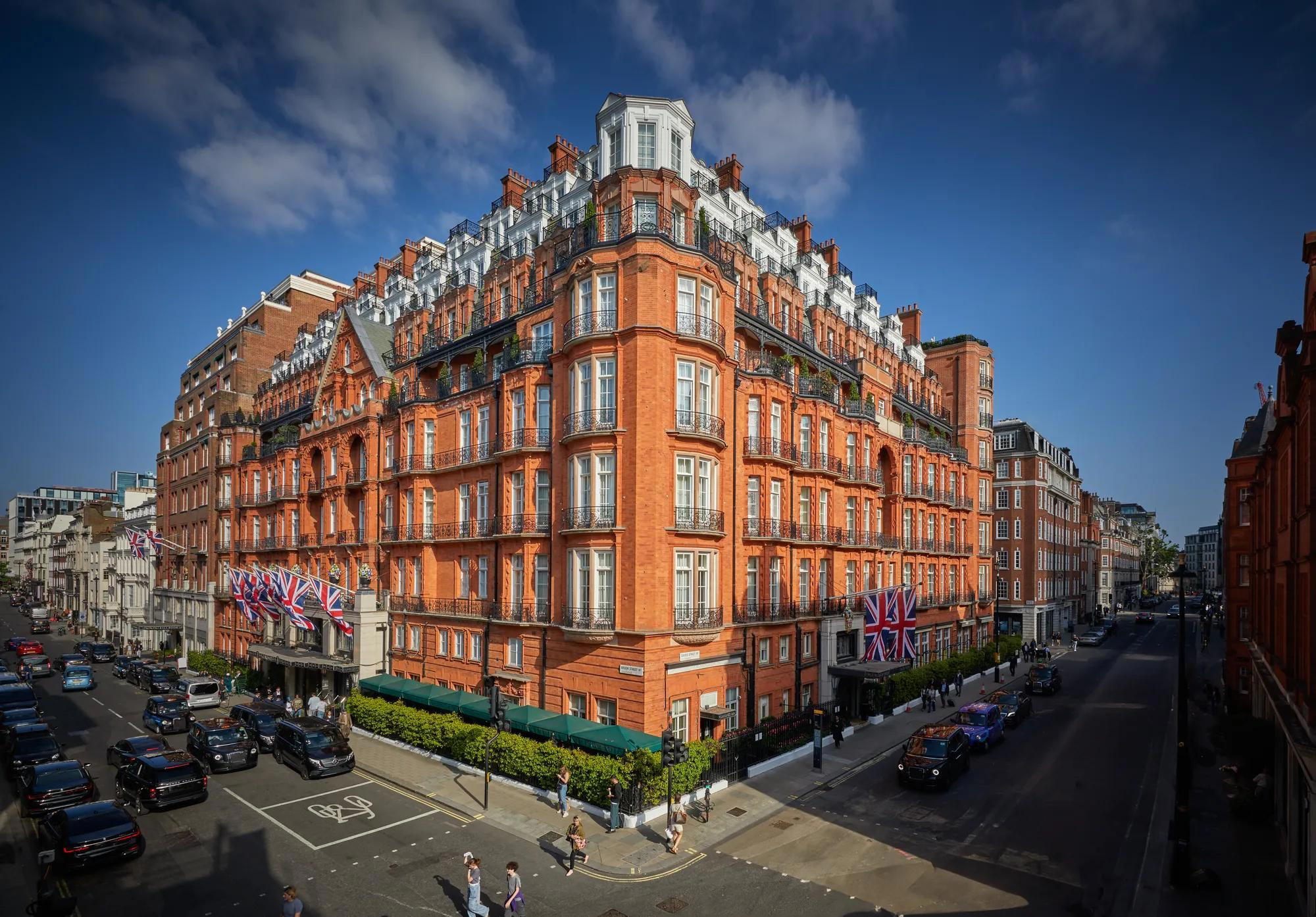
Kai sits at 65 South Audley Street in Mayfair, W1K 2QU, in the western section of the neighbourhood, a few minutes from Hyde Park. Lunch runs Monday through Sunday from 12 to 2:30 pm. Dinner service runs 6:30 to 10:30 pm on the same days. Afternoon tea operates Wednesday through Sunday in the 3 to 4:30 pm slot. The ££££ pricing means a dinner with wine will sit comfortably in the upper tier of London restaurant spending, and the Peking Duck at £118 for two courses is a reasonable yardstick for calibrating expectations. Chef Drew Anderson leads the kitchen.
For further reading on London's dining options, see our full London restaurants guide, alongside our full London hotels guide, our full London bars guide, our full London wineries guide, and our full London experiences guide. For UK dining beyond the capital, Gidleigh Park in Chagford, Hand and Flowers in Marlow, hide and fox in Saltwood, and Moor Hall in Aughton represent the range of what the country's fine dining circuit currently offers.
Cuisine and Awards Snapshot
Comparable venues nearby, for context on price, style, and recognition.
| Venue | Cuisine | Price | Awards | Notes |
|---|---|---|---|---|
| KaiThis venue — the venue you are viewing | Modern Chinese Fine Dining | $$$$ | Michelin Plate | Not listed |
| MiMi Mei Fair | Modern Cantonese Chinese | $$$$ | Michelin Plate | Mayfair |
| Imperial Treasure | Fine Cantonese Chinese Cuisine | $$$$ | Michelin Plate | St. James's |
| Ekstedt at The Yard | Nordic Wood-Fire Cuisine | $$$$ | Michelin Plate | Whitehall |
| The Barbary | Modern North African & Middle Eastern Grill | $$$ | Bib Gourmand | St Giles |
| BiBi | Modern Indian Fine Dining | $$$$ | Michelin Plate | Mayfair |
Recognition history
Dated appearances from independent guides and award organizations, with the underlying list record or original source where available.
Harden's Top 100 UK Restaurants #81
Harden's
Michelin Plate
Michelin
Star Wine List
Star Wine List
AAA 5 Diamond
AAA
La Liste Top Restaurants
La Liste
Michelin Plate
Michelin
Opinionated About Dining Top Restaurants in North America Ranked #385
Opinionated About Dining
Michelin Plate
Michelin
Opinionated About Dining Classical in Europe Ranked #344
Opinionated About Dining
Opinionated About Dining Classical in Europe Recommended
Opinionated About Dining
Continue exploring
More in London
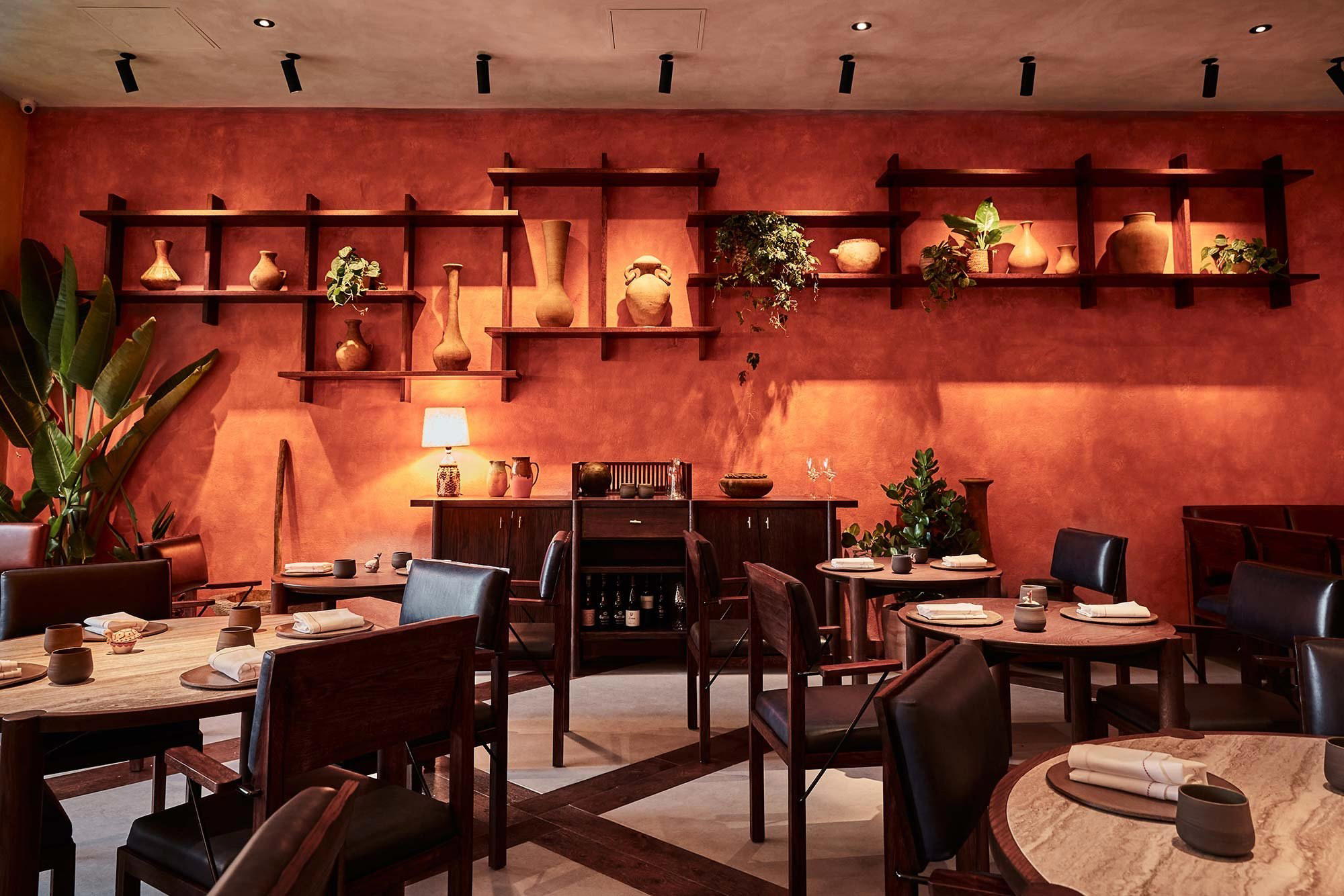
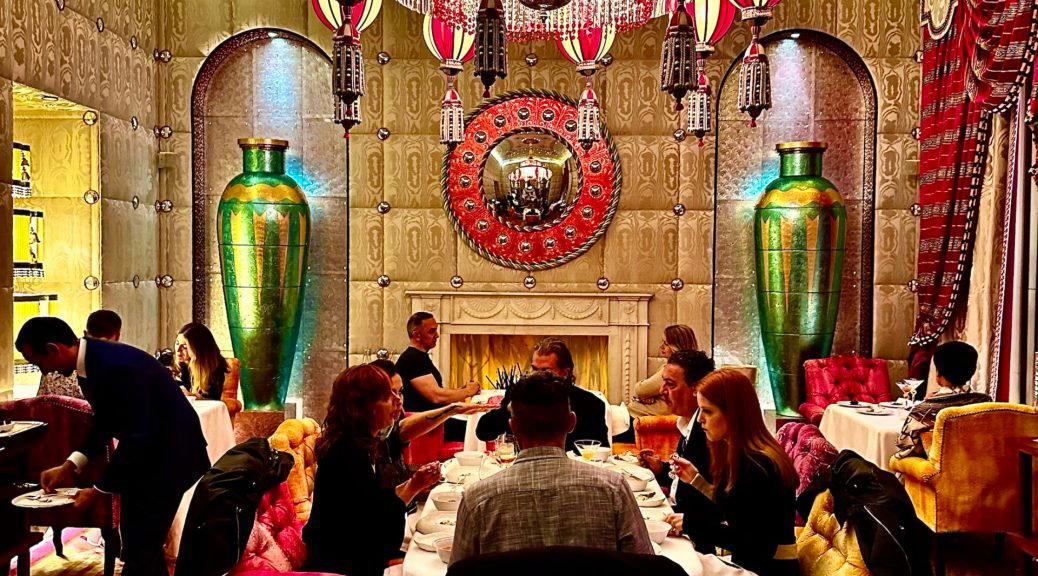
Restaurants in London
Browse all →
Bars in London
Browse all →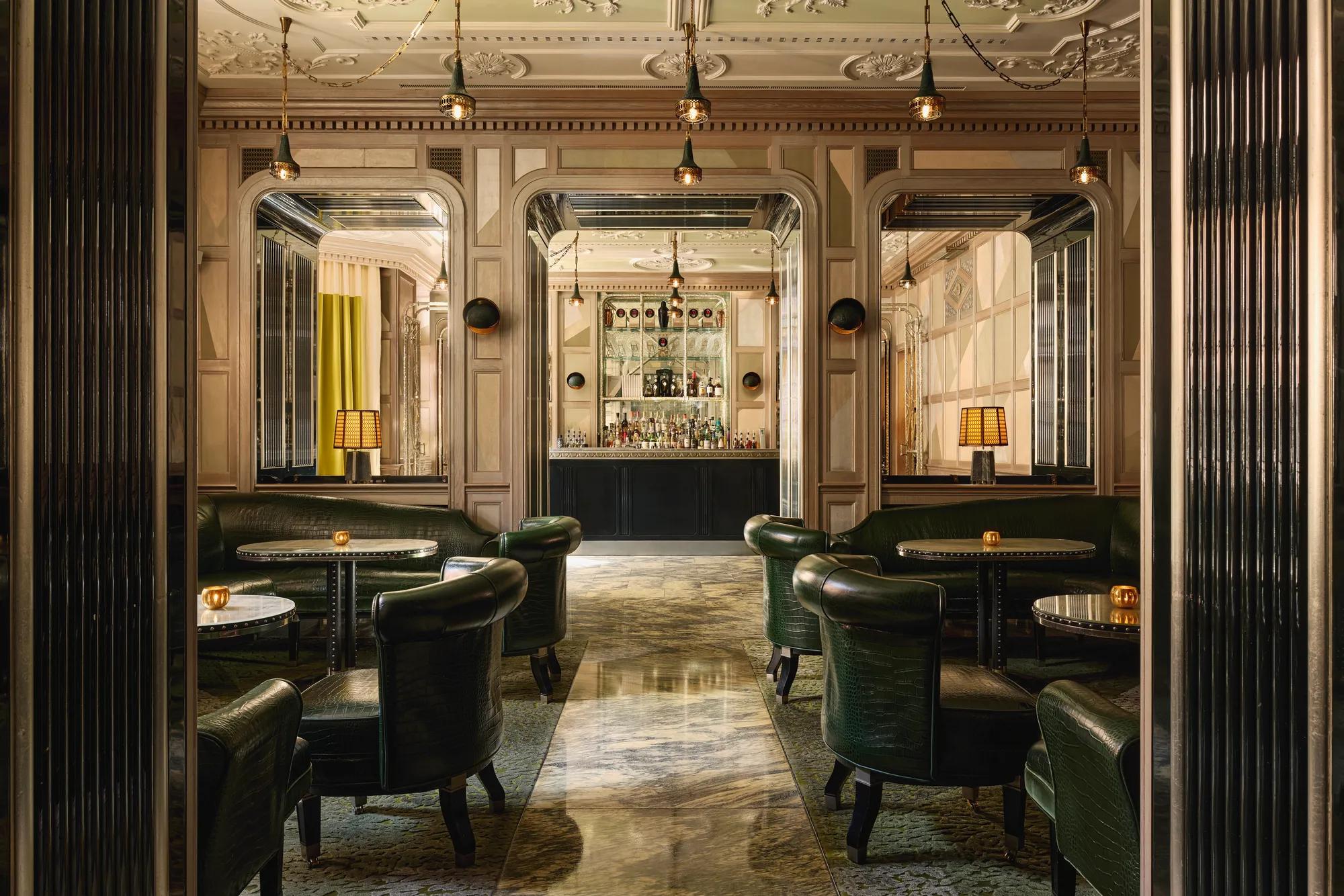
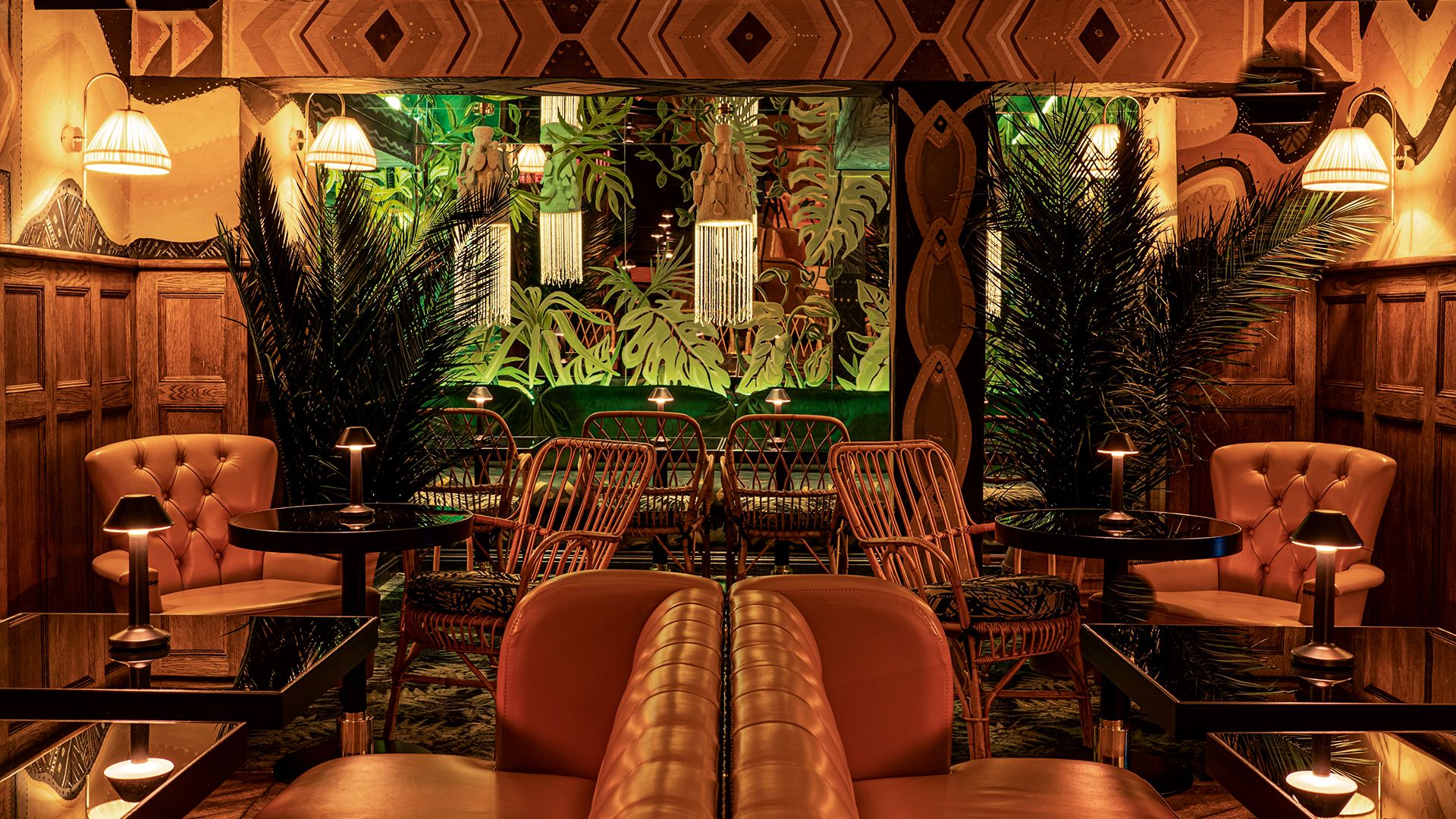
Hotels in London
Browse all →

At a Glance
- Elegant
- Sophisticated
- Intimate
- Date Night
- Business Dinner
- Special Occasion
- Design Destination
- Extensive Wine List
- Street Scene
Current opening hours
- Monday
- 12–2:30 PM, 5:30–10 PM
- Tuesday
- 12–2:30 PM, 5:30–10 PM
- Wednesday
- 12–2:30 PM, 3–4:30 PM, 5:30–10 PM
- Thursday
- 12–2:30 PM, 3–4:30 PM, 5:30–10 PM
- Friday
- 12–2:30 PM, 3–4:30 PM, 5:30–10 PM
- Saturday
- 12–2:30 PM, 3–4:30 PM, 5:30–10 PM
- Sunday
- 12–2:30 PM, 3–4:30 PM, 5:30–10 PM
Hours can change for holidays and private events. Last verified .
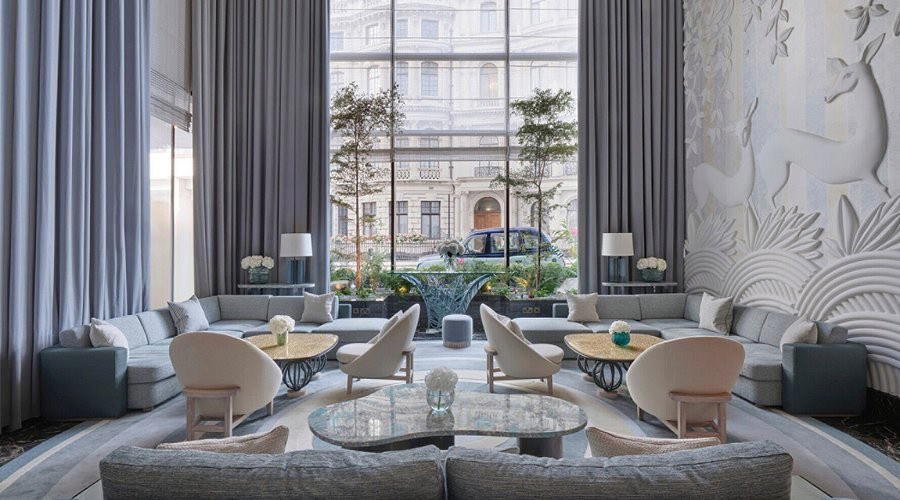
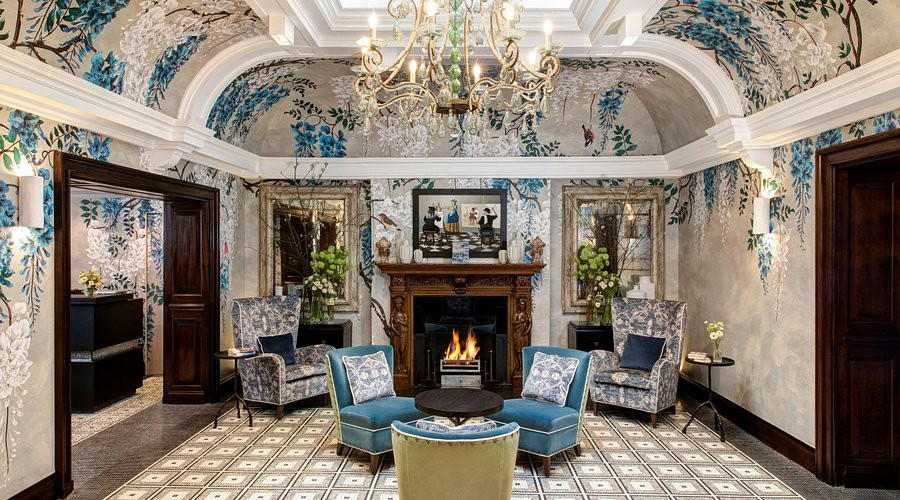
Lovely, comfortable atmosphere with plush furnishings, elegant decor, colorful interior, and tropical fish tank creating an elegant and welcoming vibe.