Skip to Main Content
Traditional Yunnan Cross Bridge Rice Noodles
← Collection
Kunming, China

Jian Xin Yuan

Price≈$3
Dress CodeCasual
ServiceCasual
NoiseLively
CapacityMedium

Yunnan's Table: Where Kunming's Fine Dining Tradition Quietly Earns Its Reputation Kunming occupies an unusual position in China's dining conversation. Frequently overshadowed by the bolder culinary identities of Sichuan to the northeast and...

Pearl is the En Primeur Club membership app — saves, bookings, and concierge access live there. Same editors, same standards.
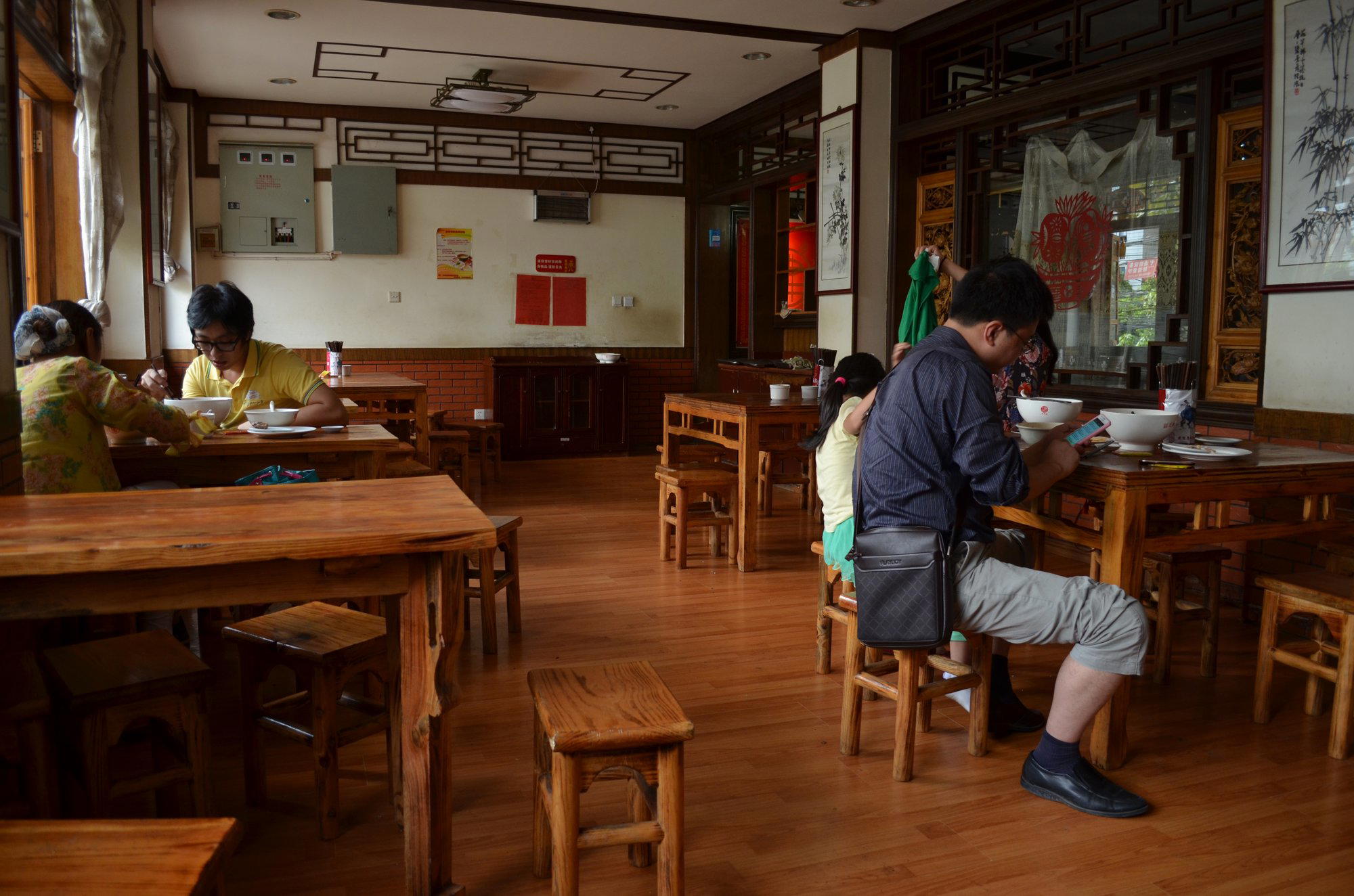
Jian Xin Yuan restaurant in Kunming, China
About

Yunnan's Table: Where Kunming's Fine Dining Tradition Quietly Earns Its Reputation

Kunming occupies an unusual position in China's dining conversation. Frequently overshadowed by the bolder culinary identities of Sichuan to the northeast and Guangdong to the south, the Yunnan capital has spent years developing a premium restaurant tier that operates largely on its own terms. The city's high-altitude produce, its proximity to the Golden Triangle's herb and spice routes, and a multicultural population shaped by over two dozen ethnic minority groups have produced a cuisine that resists easy categorisation. Jian Xin Yuan sits within this scene, representing the kind of considered, ingredient-led dining that Kunming's upper-tier restaurants have been quietly building toward.

The name itself carries a certain stillness. Jian Xin translates loosely to a kind of pureness of heart or sincerity, and in the broader tradition of Chinese fine dining, that framing matters. Across the country's premium restaurant category, from Xin Rong Ji on Xinyuan South Road in Beijing to Chef Tam's Seasons in Macau, the restaurants that hold long-term reputations tend to anchor their identity in craft and restraint rather than spectacle. Jian Xin Yuan fits that orientation.

Yunnan Cuisine and the Cultural Weight Behind the Menu

To understand what Jian Xin Yuan represents, it helps to understand what Yunnan cuisine actually is, and why it remains genuinely distinct from the regional cuisines that dominate national conversations about Chinese food. Yunnan borders Myanmar, Laos, and Vietnam, and that geography has historically shaped everything from the province's mushroom culture to its use of preserved and fermented ingredients. The plateau's cool temperatures allow for produce varieties unavailable at lower elevations: pine mushrooms, wild herbs, fresh dairy products that appear nowhere else in traditional Han Chinese cooking. This isn't a cuisine that borrowed from dominant centres and adapted; it developed laterally, absorbing influences from multiple neighbouring food cultures simultaneously.

At the premium end of Kunming's restaurant tier, the challenge has always been to translate this richness into a format that speaks to a clientele accustomed to national fine dining benchmarks. Places like CUI HOUSE and YIJINSTING approach that challenge differently, with distinct formats and emphases. Naxi Jing Cai Fang draws on the city's ethnic minority heritage more explicitly. Jian Xin Yuan occupies a position in this set that prioritises a certain classical attentiveness, the kind of dining room where the food is treated as the primary argument and the surrounding environment supports rather than competes with it.

Reading the Room: Atmosphere as Editorial Statement

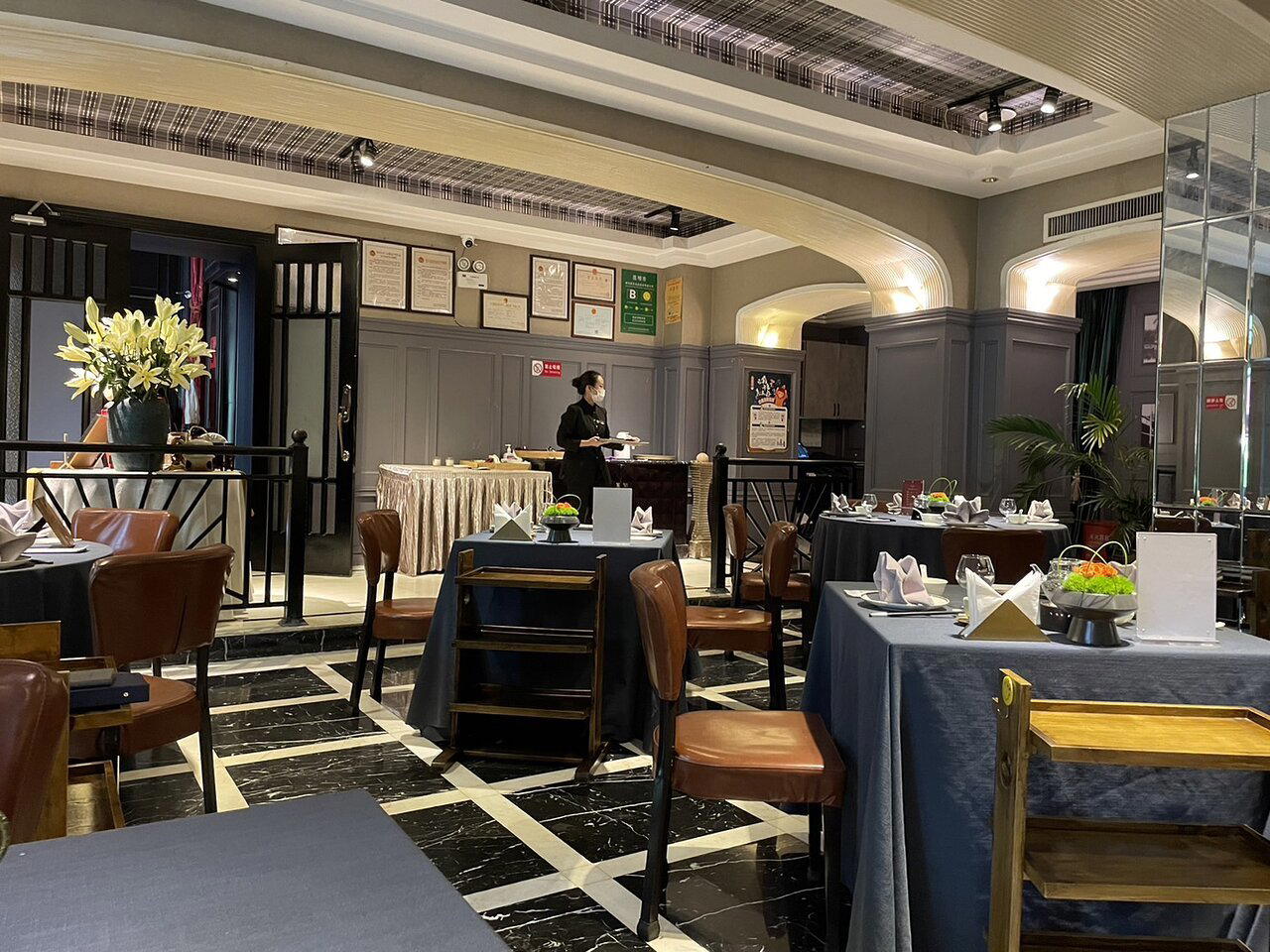
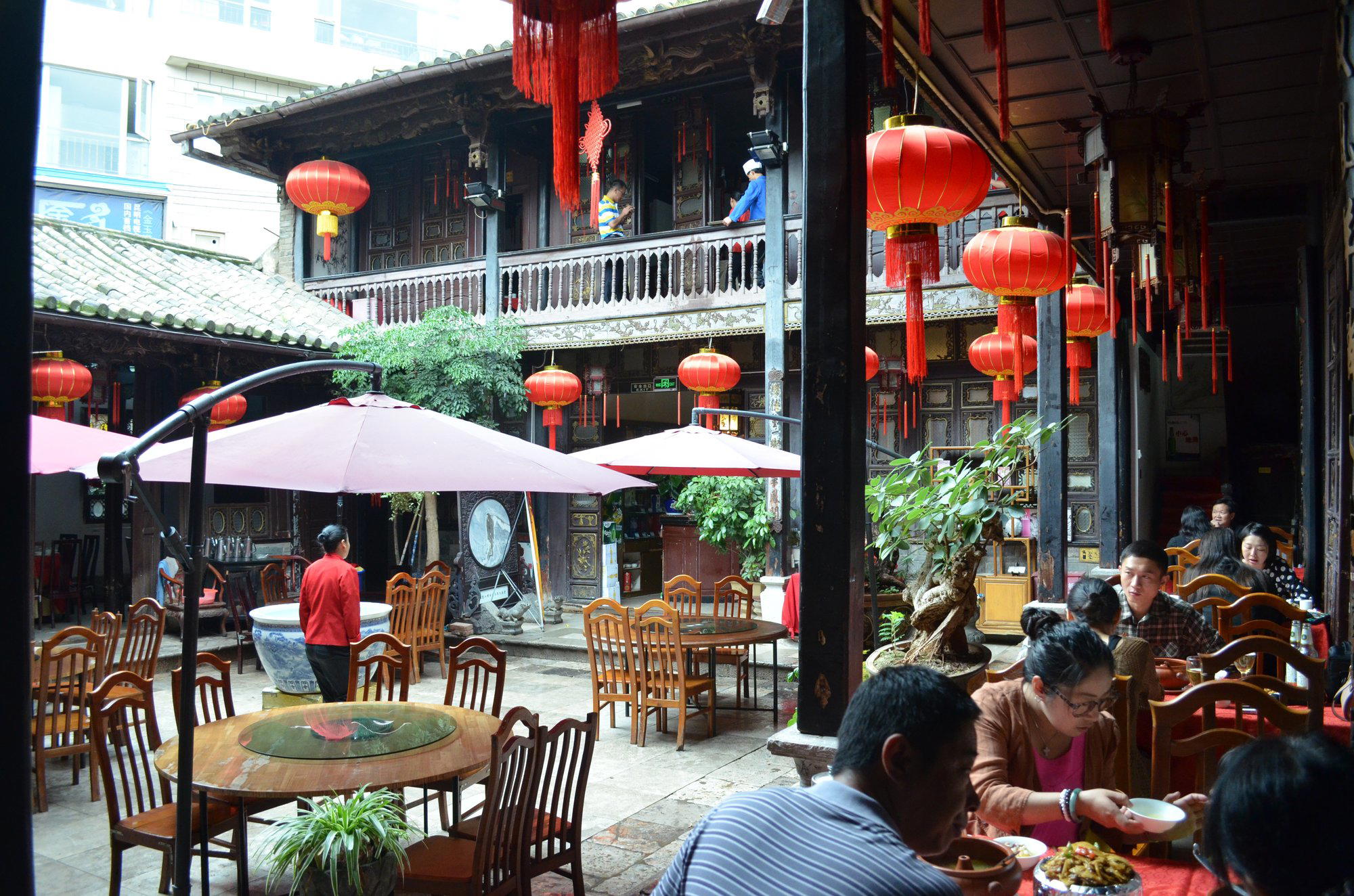
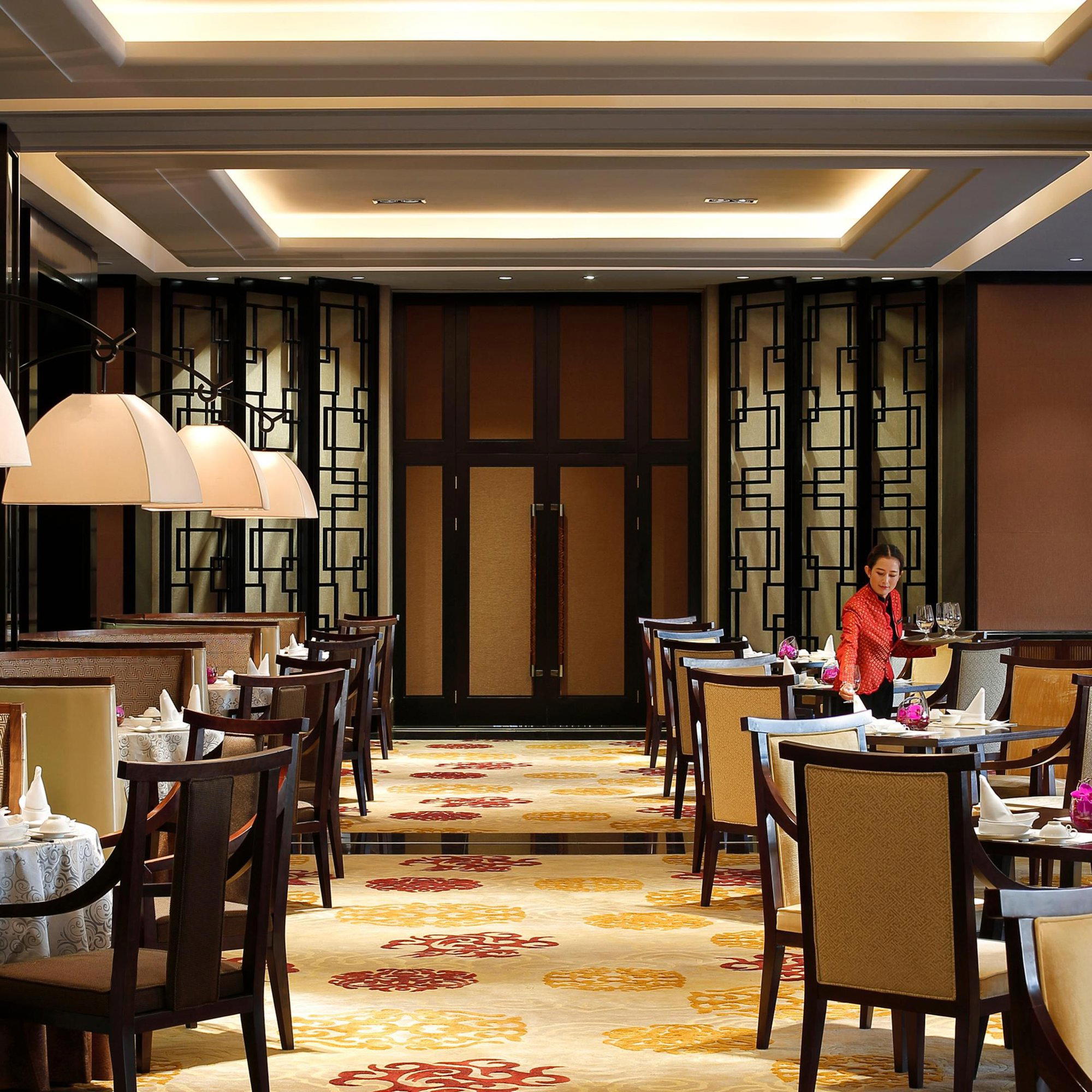
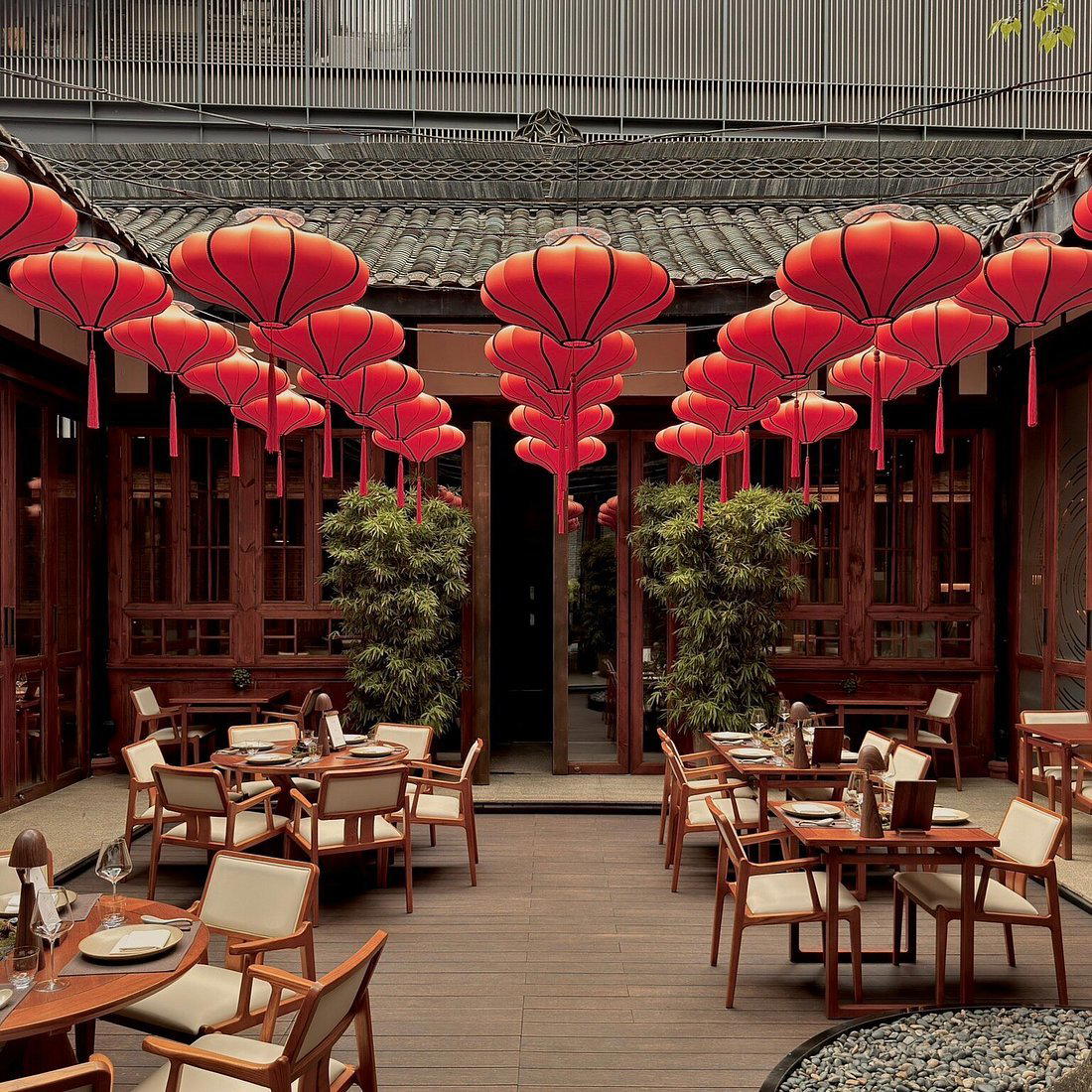
In Chinese fine dining at this level, interior language is rarely incidental. The choice between contemporary minimalism and references to classical architecture, between open kitchens and closed ones, between private rooms and communal counters, each carries a signal about the intended dining relationship. Kunming's geography reinforces this: a city that sits at nearly 1,900 metres above sea level, with a temperate climate that earns the nickname Spring City, naturally invites a calmer, less frenetic pace than coastal counterparts. The restaurants that have thrived here tend to reflect that rhythm.

Across China's secondary dining cities, where national food media attention is thinner than in Shanghai or Beijing, the venues that build durable reputations do so through repeat local custom rather than tourist traffic. This matters for how a place like Jian Xin Yuan positions itself. The peer restaurants worth noting in this context include MOUNTAIN & SEA and the InterContinental Kunming Shang Tao Chinese Restaurant, each of which occupies a distinct niche within the city's upper tier. Shang Tao, backed by the InterContinental's infrastructure, tilts toward the hotel dining experience; MOUNTAIN & SEA signals a different kind of produce-forward ambition. Jian Xin Yuan, by contrast, operates as an independent proposition.

Kunming in the Wider Chinese Fine Dining Frame

The cities that have developed the most coherent premium dining scenes in China tend to share one characteristic: a strong regional ingredient identity that local restaurants can draw on as competitive differentiation. In Hangzhou, Ru Yuan works within the Jiangnan tradition of delicate freshwater produce and refined technique. In Chengdu, Xin Rong Ji has built a reputation by treating Sichuan's bold ingredient palette with discipline. In Fuzhou, Jiangnan Wok‧Rong bridges regional and contemporary formats. Kunming's version of this story runs through its wild produce, its minority food traditions, and a slower urban tempo that filters into how its leading restaurants operate.

For international diners more familiar with Chinese fine dining through cities like Shanghai, where 102 House represents the contemporary private dining model, or through Guangzhou, where Imperial Treasure Fine Chinese Cuisine sits in the Cantonese tradition, Kunming's premium tier can feel unfamiliar precisely because its reference points are so different. That difference is, arguably, the reason to seek it out. The comparison point is less about technical register and more about ingredient access: the mushrooms, the mountain herbs, the fresh goat cheese that appears in Yunnan cooking and almost nowhere else in Chinese fine dining.

Those seeking the most contextual understanding of how Kunming fits within China's broader restaurant map would do well to cross-reference with venues like Dingshan·Jiangyan in Suzhou, Fleurs Et Festin in Xiamen, and Dai Yuet Heen in Nanjing. Each represents a distinct approach to the challenge of elevating regional ingredients within a nationally competitive fine dining frame. Even venues outside the Chinese context, such as Le Bernardin in New York City and Atomix in New York City, offer relevant reference points for how deep ingredient specificity can sustain a restaurant's identity across decades.

Planning a Visit

Kunming is served by Changshui International Airport, one of the larger hub airports in Southwest China, with direct connections from major Chinese cities and select Southeast Asian capitals. The city's Spring City climate means there is no strongly wrong time to visit, though the mushroom season from summer through early autumn is when Yunnan's most celebrated wild ingredients are at their freshest and most available in local restaurants. For Jian Xin Yuan specifically, contact details and booking windows are leading confirmed directly through the venue or through EP Club's concierge service, as operational specifics were not confirmed at time of publication. Our full Kunming restaurants guide covers the broader scene in depth.

Signature Dishes
Cross-Bridge Rice Noodles (Guo Qiao Mi Xian)Braised Rice NoodlesCuiwang Rice NoodleAssorted Cold Rice Noodles
Frequently asked questions

At a Glance
Vibe
  • Classic
  • Rustic
  • Iconic
Best For
  • Casual Hangout
  • Group Dining
Experience
  • Historic Building
  • Standalone
Dress CodeCasual
Noise LevelLively
CapacityMedium
Service StyleCasual
Meal PacingQuick Bite

Traditional old-fashioned rice noodle hall with antique storefront, casual and bustling atmosphere typical of local dining establishments.

Signature Dishes
Cross-Bridge Rice Noodles (Guo Qiao Mi Xian)Braised Rice NoodlesCuiwang Rice NoodleAssorted Cold Rice Noodles