Javelina Indigenous Dining

Esquire Best New Restaurants
Our verdict
At 4636 NE 42nd Ave in Portland, Oregon, Javelina Indigenous Dining brings the food traditions of Turtle Island to the table through dishes like fry bread tacos and Hopi corn tamales. Chef Alexa Numkena-Anderson positions the menu as both a culinary record and an act of cultural reclamation, tracing ingredients and techniques back to their North American Indigenous origins. It occupies a distinct position in Portland's dining scene, where heritage-driven restaurants are reshaping what regional American cooking means.

Pearl is the En Primeur Club membership app — saves, bookings, and concierge access live there. Same editors, same standards.
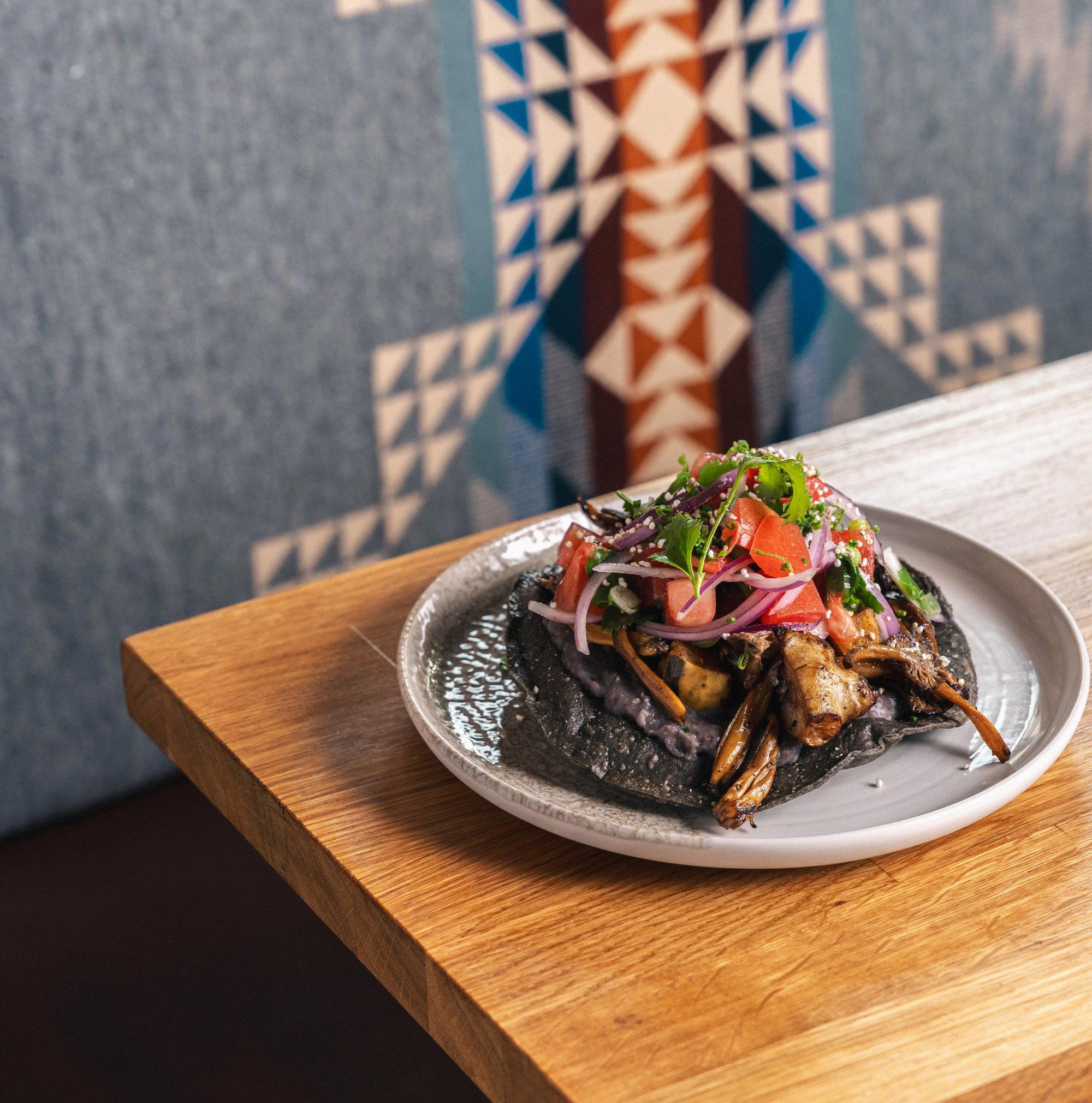
The menu
What to order
- Fry bread tacos
- Bison chili
- Powwow burger
Indigenous Foodways at the Table
Portland has spent the better part of two decades building a reputation for ingredient-led, producer-connected cooking. That conversation has often centred on farms in the Willamette Valley, Pacific seafood, and the kind of European-trained technique that treats local produce as a vehicle for classical form. What has moved more slowly into that frame is a reckoning with the food cultures that existed on this land long before any of those traditions arrived. Javelina Indigenous Dining, at 4636 NE 42nd Ave in northeast Portland, operates inside that gap, placing the agriculture, preservation methods, and flavour logic of North American Indigenous peoples at the centre of its menu rather than at the margins.
The broader shift this represents is worth understanding. Across North America, a small but growing cohort of Indigenous chefs has moved into dining rooms with a specific intent: not to replicate a museum-ready version of pre-contact food, but to make a living, evolving cuisine from traditions that survived removal, boarding schools, and deliberate cultural erasure. That persistence — what the restaurant itself frames as food perseverance — is the actual subject of Javelina's menu. Diners at Kann, Portland's celebrated Haitian restaurant, will recognise a parallel dynamic: a cuisine drawing on a suppressed or marginalised heritage and presenting it with confidence and precision in a contemporary dining context.
The Menu as Cultural Record
Fry bread tacos and Hopi corn tamales appear on Javelina's menu not as novelty items but as anchors to specific food histories. Fry bread carries a contested status in Indigenous communities, it emerged from survival conditions during forced relocation, when commodity rations replaced traditional foods, and its presence on a menu explicitly about perseverance signals that the kitchen is not sanitising that history. Hopi corn, a variety cultivated in what is now the American Southwest for centuries, points toward an agricultural tradition largely invisible in mainstream American restaurant culture, where commodity corn dominates and heirloom grain provenance is discussed in almost exclusively European terms.
This kind of sourcing intelligence has become a marker of the more serious heritage-cuisine restaurants in American cities. The distinction between a restaurant that uses a traditional ingredient as a garnish and one that builds a dish's logic from that ingredient's actual culinary context is substantial, and it tends to show in the menu's structure. Javelina frames its food around Turtle Island, the Indigenous name for North America, as a way of signalling geographic scope. The menu draws from multiple Indigenous culinary traditions rather than collapsing them into a single, undifferentiated category.
Where Javelina Sits in Portland's Dining Scene
Northeast Portland has developed as the part of the city where independently operated, community-rooted restaurants tend to cluster. It sits away from the more tourist-facing concentration of the Pearl District and inner Southeast, and the neighbourhood fabric supports restaurants that build local regulars before attracting destination diners. Javelina's address on NE 42nd Ave places it squarely in that context.
Within Portland's broader restaurant landscape, it occupies a category that has no direct local peer. Berlu operates as a Vietnamese fine-dining counter that treats its culinary heritage with similar seriousness; Langbaan does equivalent work for regional Thai cuisine in a tasting-menu format. Both illustrate a direction Portland's dining scene has been moving: away from fusion as genre and toward deep, specific engagement with a single culinary tradition. Javelina belongs to that cohort, though what it is doing with Indigenous North American food sits closer to an act of cultural documentation than to any conventional fine-dining format.
Portland also has strong pizza and Italian traditions, Nostrana and Ken's Artisan Pizza both draw significant critical attention, but those categories represent a different part of the city's eating life, one rooted in European-American tradition. Javelina's frame of reference is entirely different, and the two do not compete for the same diner intention.
For context on what heritage-driven independent restaurants are doing elsewhere in the country, it is worth noting the range of formats that have received sustained recognition: from the tasting-menu intensity of Lazy Bear in San Francisco to the precise French technique of Le Bernardin in New York and the Korean-American fine dining of Atomix. These restaurants all operate within established critical frameworks. Indigenous cuisine in America has largely sat outside those frameworks, a gap that restaurants like Javelina are working to close not by conforming to existing fine-dining conventions but by asserting that their own culinary tradition carries equivalent depth and complexity.
Chef Alexa Numkena-Anderson
Chef Alexa Numkena-Anderson leads the kitchen. Her role in framing the restaurant's intent is notable: Javelina describes its food as nurturing and healing, a register that is common in Indigenous food discourse and that functions quite differently from the technical vocabulary most fine-dining restaurants use to frame their work. That framing is not incidental, it situates eating within a relationship to land, community, and history that precedes the restaurant as an institution. How that philosophy translates into a specific dining format and service style is something the venue's operational details would need to confirm directly.
Planning Your Visit
Javelina Indigenous Dining is located at 4636 NE 42nd Ave in northeast Portland, Oregon. Northeast Portland is accessible by TriMet bus lines, and the neighbourhood has parking available on surrounding streets. Given the specificity of what Javelina offers, a cuisine with no direct equivalent in the city, it warrants being treated as a destination rather than a walk-in, which means planning ahead and confirming availability before a trip to the area.
For broader context on eating and drinking in the city, EP Club's full Portland restaurants guide covers the range from neighbourhood staples to tasting-menu counters. The Portland bars guide and Portland hotels guide cover the rest of a trip, and the Portland experiences guide maps what to do beyond eating. The Portland wineries guide is relevant for anyone extending a visit into the Willamette Valley.
Frequently asked questions
What do people recommend at Javelina Indigenous Dining?
How far ahead should I plan for Javelina Indigenous Dining?
What is the standout thing about Javelina Indigenous Dining?
Is Javelina Indigenous Dining good for vegetarians?
What culinary tradition does Javelina Indigenous Dining draw from?
Budget Reality Check
Comparable venues nearby, for context on price, style, and recognition.
| Venue | Cuisine | Price | Awards | Notes |
|---|---|---|---|---|
| Javelina Indigenous DiningThis venue (the venue you are viewing) | Indigenous American | $20–30 | Esquire Best New Restaurants | Not listed |
| Great Notion Brewing - Alberta | American Gastropub with Craft Beer Focus | $30–50 | Not listed | Alberta Arts District, American Gastropub with Craft Beer Focus |
| TREAT LLC | American Ice Cream Shop | $10–20 | Not listed | King, American Ice Cream Shop |
| Cafe Rowan | Contemporary Farm-to-Table Brunch | $20–30 | Not listed | Creston-Kenilworth, Contemporary Farm-to-Table Brunch |
| High Horse | Pacific Northwest American Comfort Food | $30–50 | Not listed | Downtown, Pacific Northwest American Comfort Food |
| J&M Cafe | Classic American Breakfast & Brunch | $10–20 | Not listed | Lower Burnside, Classic American Breakfast & Brunch |
Recognition history
Dated appearances from independent guides and award organizations, with the underlying list record or original source where available.
Esquire Best New Restaurants
Esquire
Continue exploring
More in Portland
Restaurants in Portland
All restaurants in Portland →
Bars in Portland
All bars in Portland →
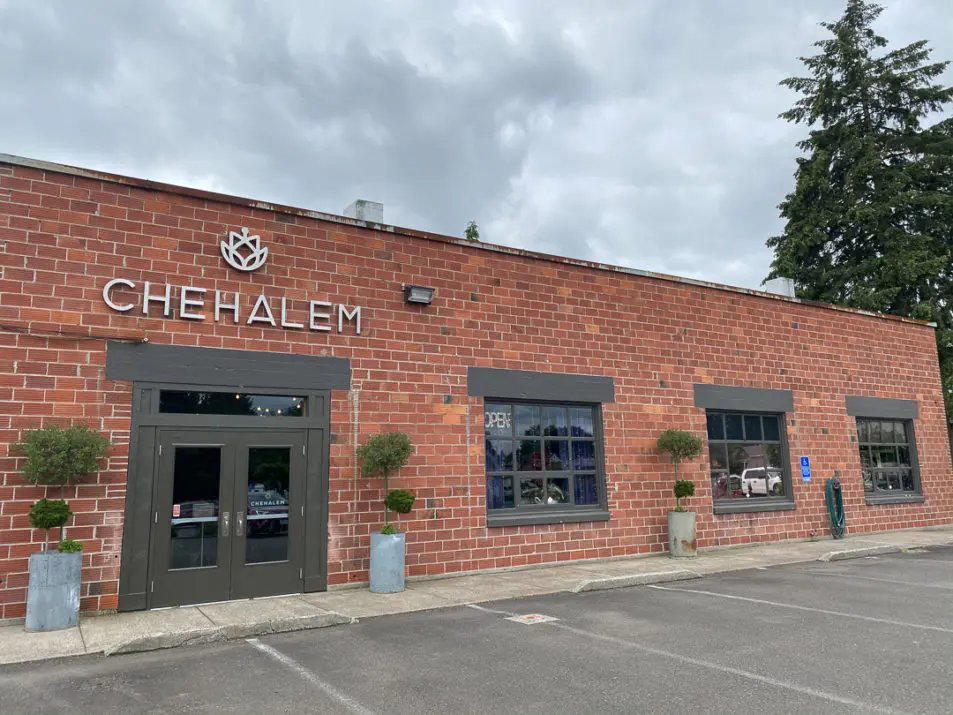
Javelina Indigenous Dining
The wine
- Wine program
- Curated wine list
- Craft cocktails
Details
- Cozy
- Rustic
- Casual Hangout
- Family
- Group Dining
- Open Kitchen
- Craft Cocktails
- Local Sourcing
- A La Carte
- Small Plates
- Indigenous Teas
- Vegetarian Friendly
- Gluten Free Options
- Allergy Accommodating
Current opening hours
- Monday
- 11 AM–9 PM
- Tuesday
- 4–9 PM
- Wednesday
- Closed
- Thursday
- 11 AM–9 PM
- Friday
- 11 AM–9 PM
- Saturday
- 10 AM–2 PM, 4–9 PM
- Sunday
- 10 AM–2 PM, 4–9 PM
Hours can change for holidays and private events. Last verified .
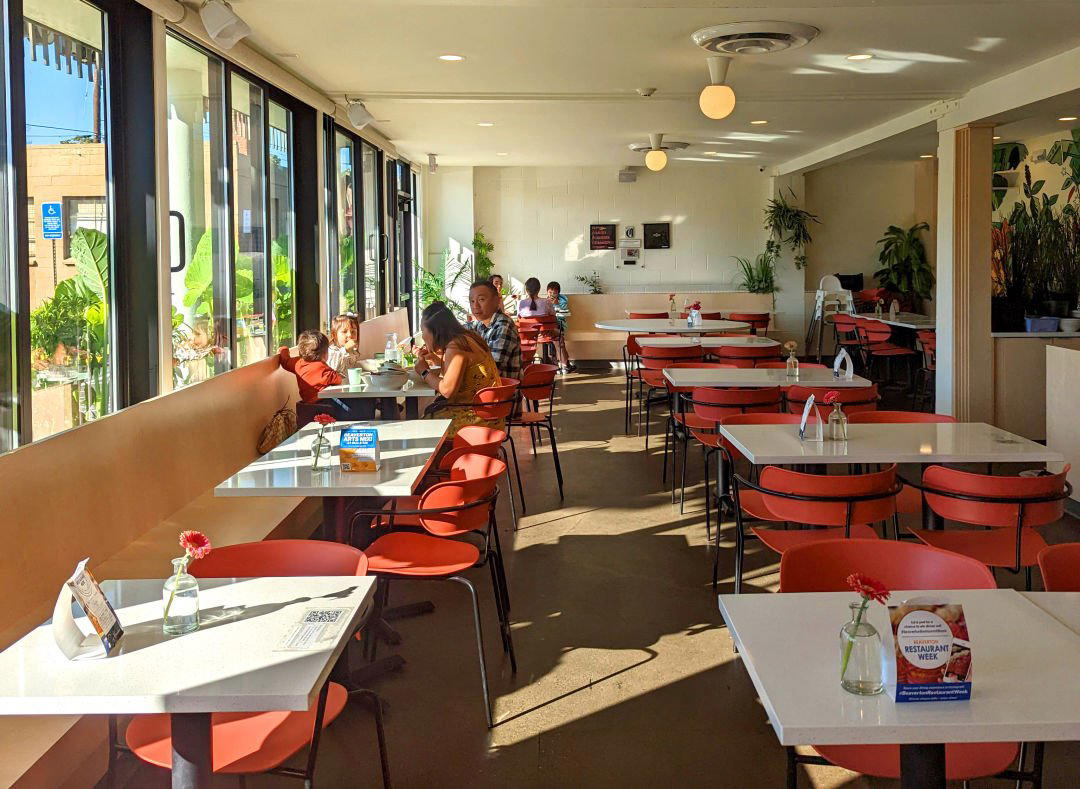
Polished casual atmosphere in a cozy, community-built space with approachable counter service.