
Tabelog 100 #92
Our verdict
Inaho places Kitaakita inside Japan’s serious soba conversation rather than treating the city as a rural footnote. Its Tabelog 100 Soba EAST 2025 selection, modest lunch-to-dinner price band, and soba-led format make it a useful address for travellers who care about regional grain culture, not only destination dining in Tokyo or Kyoto.

Pearl is the En Primeur Club membership app, where members save venues, book tables and use the concierge.
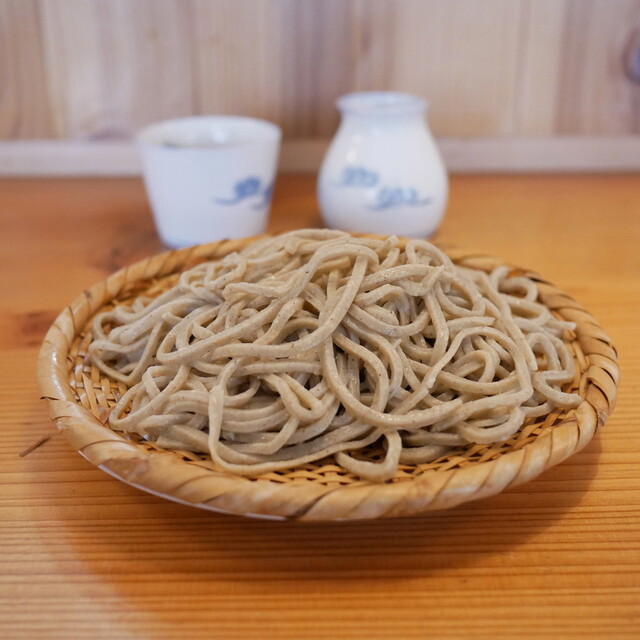
The menu
What to order
- Handmade soba
- Hinai Jidori chicken
- Spicy daikon soba
- Oyakodon
Approaching Inaho in Kitaakita changes the meal’s scale before the first order. The setting reads as regional rather than ceremonial: a local room where soba carries the weight specialist counters can carry in larger cities. In Akita, where rice, mountain vegetables, sake, and cold-climate agriculture shape the table, buckwheat noodles read less as light lunch than as a statement of place.
That is the useful way to read Inaho. It belongs to a Japanese dining tradition where sourcing is implied by category discipline, not announced through long explanations. Soba rewards restraint: flour quality, water, cutting, boiling, and timing leave little room for distraction. A house also listed for chicken dishes and izakaya-style food fits a northern pattern, where noodle craft and evening drinking culture can share one room rather than separating specialist counter and bar.
Soba in Kitaakita, judged by grain rather than theatre
Japan’s soba map is not controlled by the capital. Tokyo has density, but regional shops often make the stronger case for buckwheat: colder growing areas, smaller dining rooms, and diners treating noodles as ordinary life rather than luxury performance. Kitaakita sharpens that argument. Far from Japan’s international restaurant circuit, recognition has to come through the food category itself, not neighbourhood glamour.
Inaho’s Tabelog Hyakumeiten recognition in 2025 is the main public trust signal, grouping it with notable soba restaurants rather than general casual dining. Its Tabelog score of 3.73 places it in a serious Japanese user-review tier, where repeat soba diners are unforgiving about texture and value.
The sourcing angle is broader than a named supplier list. In soba, the ingredient question starts with buckwheat, then extends to regional accompaniments. Akita’s food identity is agricultural and wintry, with hearty noodle culture, sake drinking, and chicken cookery close together. A soba restaurant listed for chicken dishes and izakaya categories is not imitating a tasting-menu restaurant; it is working in a Japanese format where grain anchors lunch and the same kitchen can support a slower evening meal.
For a wider city read, Our full Kitaakita restaurants guide is the natural companion. Travellers building a longer northern itinerary can also use Our full Kitaakita hotels guide, Our full Kitaakita bars guide, Our full Kitaakita wineries guide, and Our full Kitaakita experiences guide to understand how thin the premium-travel grid becomes outside Japan’s major urban corridors.
A regional room with a practical, mixed-format rhythm
The experience is not built around chef biography or theatrical service. The useful facts are practical: soba, chicken dishes, and izakaya-style food in Kitaakita, with lunch listed below dinner. That makes it feel closer to a serious local dining room than a pilgrimage counter. The point is not exclusivity, but category confidence in a city where soba can be everyday food and regional proof.
Compared with nearby out-of-metro options, the positioning is clear. Akita Hinaiya Oodate honten can be read through local comfort and chicken, while Yo and Hasuya suggest different spending and dining moods. Inaho’s argument is not luxury, but soba-specific recognition, regional setting, and a price level tied to local dining habits.
Planning should be pragmatic. Treat it as a regional specialist in Kitaakita rather than a generic urban noodle stop, and confirm current opening, booking, access, and payment details before travelling. The appeal is strongest when the meal is allowed to sit in its local context rather than being forced into a big-city destination-dining script.
That same pragmatism matters for groups and families. Public listings can change, and small regional restaurants may operate differently by service or season. If timing, seating format, smoke sensitivity, or other practical needs matter, check directly before committing to the visit.
Where it fits in a Japan-wide food itinerary
For travellers who chase Japan through metropolitan shorthand, Inaho shows that serious dining credibility is not only urban. The draw is not a long menu description or named signature dish. It is soba in a northern city, supported by recognised category standing and a format that still behaves like a local restaurant. That suits travellers seeking regional food culture more than spectacle.
There is a broader Japan lesson here. Soba, curry, onigiri, sake bars, and small specialist rooms show how focused formats travel across the country without becoming identical. EP Club’s wider restaurant archive makes that spread visible across unnamed dining rooms in major cities, regional towns, and specialist local formats. The point is not to flatten them into one list, but to see how each format answers a different local appetite.
Other specialist addresses show the same pattern from different angles, from curry counters and small Japanese kitchens to burger rooms, mountain huts, sake bars, and onigiri shops. Some formats become legible abroad, while others remain most persuasive in their home region. In Kitaakita, the argument is quieter: buckwheat, regional context, and a room keeping the meal close to its source culture.
Frequently asked questions
Is Inaho okay with children?
Inaho is in Kitaakita. For family suitability and the latest practical details, check the venue's official channels before visiting.
What's the overall feel of Inaho?
It reads as a regional soba restaurant in Kitaakita rather than a formal destination counter. Its 2025 Tabelog Hyakumeiten recognition gives it credibility while keeping the emphasis on category strength and local dining context.
What's the pricing like at Inaho?
Pricing at Inaho is listed as Dinner: JPY 4,000 - JPY 4,999; Lunch: JPY 1,000 - JPY 1,999.
What is Inaho known for?
Inaho is known for soba, chicken dishes, and izakaya-style food in Kitaakita.
At-a-Glance Comparison
Comparable venues by cuisine and price in the same metro.
| Venue | Cuisine | Price | Awards | Notes |
|---|---|---|---|---|
| InahoThis venue (the venue you are viewing) | Japanese Soba and Chicken Dishes | Not listed | Tabelog 100 #92 | Not listed |
| 利尻富士町レストハウス | Japanese Lakeside Seafood | Not listed | Not listed | 利尻富士町 |
| Umemura | Japanese Soul Food | Not listed | Tabelog 100 #44 | Koto |
| らーめん かねかつ | Authentic Japanese Ramen | Not listed | Not listed | Iizuka |
| レストハウス寺子屋 | Japanese Mountain Comfort Food | Not listed | Not listed | 山ノ内町 |
| Kitchen Nankai (キッチン南海) | Japanese Yoshoku | $1–10 | Tabelog 100 #88 | Jimbocho |
Recognition history
Dated appearances from independent guides and award organizations, with the underlying list record or original source where available.
Tabelog 100 #92 · No. 92
Tabelog · Tabelog 100 - Soba - EAST - 2025
Continue exploring
More in Kitaakita
Restaurants in Kitaakita
All restaurants in Kitaakita →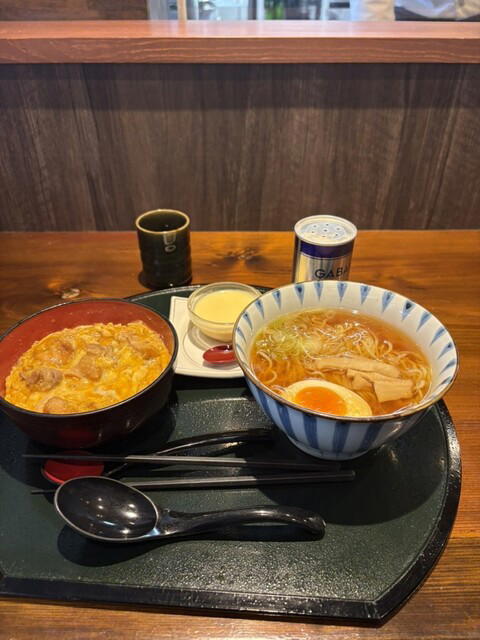
Bars in Kitaakita
Browse all →
Details
- Cozy
- Classic
- Solo
- Casual Hangout
- Standalone
- Street Scene
- A La Carte
Current opening hours
- Monday
- Closed
- Tuesday
- 11:30 AM–2 PM, 5:30–9 PM
- Wednesday
- 11:30 AM–2 PM, 5:30–9 PM
- Thursday
- 11:30 AM–2 PM, 5:30–9 PM
- Friday
- 11:30 AM–2 PM, 5:30–9 PM
- Saturday
- 11:30 AM–2 PM, 5:30–9 PM
- Sunday
- 11:30 AM–2 PM, 5:30–9 PM
Hours can change for holidays and private events. Hours as of .
A modest, local eatery atmosphere focused on traditional noodle-and-chicken dishes rather than formal dining.