Our verdict
Set within Gjakova's Qyteti i Vjetër, the old bazaar quarter that ranks among the Balkans' most intact Ottoman commercial districts, Çarshija e Jupave offers a foothold inside a living piece of Albanian and Kosovar heritage. The property's address alone places it inside a centuries-old trading corridor where the architecture, the stone paving, and the rhythms of daily life have changed far less than in comparable old towns across the region. For travellers approaching Kosovo through its cultural depth rather than its capital's pace, Gjakova repays close attention.

Pearl is the En Primeur Club membership app — saves, bookings, and concierge access live there. Same editors, same standards.
The menu
What to order
- Tava
- Kofta
- Meatballs
- Vegetables with meat
The Old Bazaar and What It Means to Stay Inside One
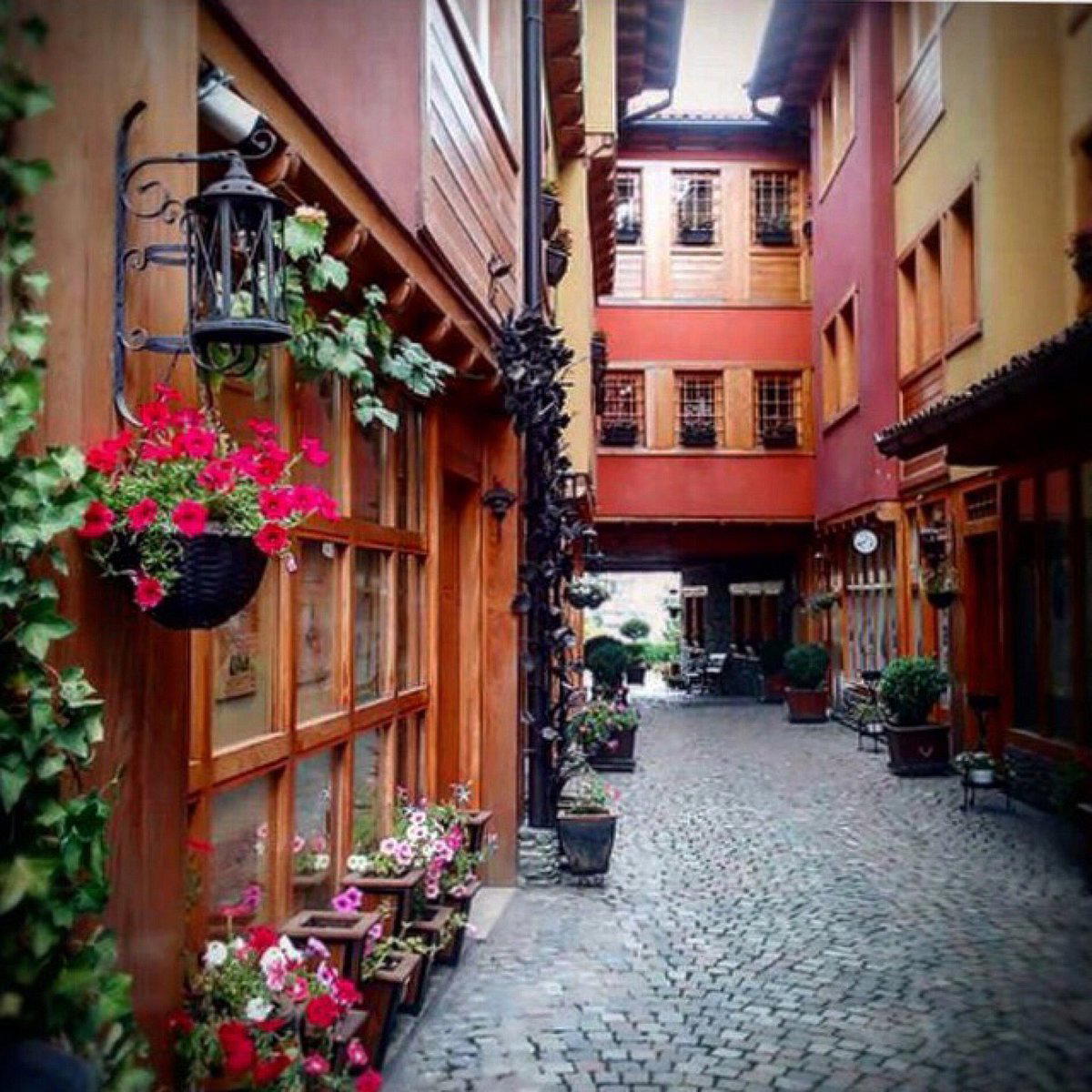
Gjakova's Çarshia — the old bazaar district — is one of the few Ottoman commercial quarters in the western Balkans that was rebuilt after wartime destruction and has since held its coherence. The rebuilding after the 1999 conflict was deliberate and architecturally consistent: the characteristic single-storey and double-storey timber-framed dukane (workshops-turned-shops) were reconstructed along the original street plan, preserving the spatial logic of a market that dates to the 16th century. The result is a walking district where the grain of the streetscape reads as genuinely old even where the fabric is newer than it appears. Çarshija e Jupave sits within this zone, in the Qyteti i Vjetër address that places it at the heart of the commercial and cultural core rather than at its edge.
Approaching from the main pedestrian artery, the sensory register shifts quickly. The noise profile of a working Albanian market town, metalwork, coffee roasting, the call to prayer from the Hadum Mosque nearby, replaces the generic urban texture that characterises most Kosovar city centres. This is the context that gives a property in this address its primary value: not amenities or square footage, but position inside an active, inhabited heritage environment. For the frame of reference, consider that most properties with genuine old-bazaar addresses in the Balkans occupy either the museum-piece tier (heavily restored, tourist-facing) or the working local tier (functional, minimal). Çarshija e Jupave's placement in Gjakova's Qyteti i Vjetër falls into the latter category.
Gjakova's Place in Kosovo's Hospitality Geography
Kosovo's hospitality offer has developed unevenly since the post-war reconstruction period. Prishtina has absorbed the majority of international hotel investment and the growing business-travel segment, while second-tier cities like Peja, Prizren, and Gjakova have developed smaller, locally run accommodation that tends to reflect the character of the town more directly. Gjakova sits roughly 70 kilometres southwest of Prishtina, closer to the Albanian border, and its cultural orientation has historically skewed more conservative and traditionally Albanian than the capital. That orientation shows in the food, the market culture, and the pace of the place.
Among Kosovo's old-town accommodation options, Prizren has historically drawn more international visitors given its scenic Bistrica river setting and the Kosovo Fortress above the city. Gjakova's Çarshia is less internationally promoted but arguably more intact as a working bazaar. Travellers who have moved through Prizren's Te Syla in Prizren or eaten at Alhambra - Te Syla in Perzeren will recognise the regional culinary reference points, but Gjakova's food culture has its own texture, shaped by a denser artisan and craft tradition in the surrounding market.
The Ingredient Question in Kosovar Cooking
The editorial angle on any property inside a functioning Balkan bazaar is, inevitably, proximity to sourcing. Kosovar cuisine operates within a short-supply-chain model that most Western food cultures abandoned decades ago and are now trying to reconstruct at significant cost. The Çarshia in Gjakova has historically been a site of production as much as retail, butchers, bakers, dairy sellers, and dry-goods traders operating within metres of each other in a system where the producer and the seller are often the same person.
For a property positioned in this environment, the practical implication is access to ingredients that are seasonal, locally produced, and subject to none of the extended logistics that characterise hotel procurement in capital cities. The grilled meats, the dairy-heavy dishes (kaçkavall, the regional sheep's milk cheese; kajmak, the clotted cream standard at Albanian tables), the slow-cooked beans and vegetable stews that define this regional kitchen are sourced from an immediate catchment area. The livestock supply comes largely from the Dukagjin plain and the surrounding highlands, which also feed Gjakova's reputation as a centre of traditional food production within Kosovo.
This is not a cuisine making claims to contemporary innovation in the way that, say, Renesansa in Prishtinë operates with its Balkan Modern positioning, or in the register of the multi-course tasting formats you find at institutions like Atomix in New York City or Alinea in Chicago. It is a cuisine making claims to continuity, to the argument that cooking with what is grown nearby, prepared by methods that have not changed much in two generations, produces food that is honest and sufficient. That argument is made most convincingly not by a menu but by a location, and Çarshija e Jupave's address inside the old bazaar is its primary supporting evidence.
What the Region Offers Beyond the Property
Gjakova rewards the kind of itinerary that uses accommodation as a base for a wider circuit rather than a destination in itself. The White Drin canyon and the Rugova gorge near Peja are within practical day-trip range. The Hadum Mosque complex, one of the oldest Ottoman religious sites in Kosovo, is a short walk from the Qyteti i Vjetër. The Albanian highlands that begin south and west of Gjakova offer some of the most demanding and least crowded walking terrain in the western Balkans.
For dining context, travellers using Gjakova as a base should cross-reference with our full Gjakova restaurants guide, which maps the city's eating options against the bazaar geography. Additional Kosovo dining reference points include Restaurant Princesha Gresa in Pristina for those travelling the Prishtina-Gjakova corridor. The regional culinary tradition that Gjakova exemplifies, slow-cooked, meat-forward, dairy-rich, sourced from a tight local catchment, has more in common with rural Albanian highland cooking than with the Ottoman-influenced synthesis you find in Prizren or Prishtina's more cosmopolitan restaurants.
Planning a Stay: Practical Orientation
Gjakova is accessible from Prishtina by road in under 90 minutes in normal traffic conditions, and from the Albanian border at Qafë Prushi in under 30 minutes, making it a natural entry or exit point for travellers combining Kosovo and northern Albania in a single itinerary. The old bazaar district is most active on weekday mornings, when the trading function of the Çarshia is at its fullest, and visiting in that window gives the clearest sense of the environment the property sits within. For regional comparison and travellers calibrating what a Kosovar old-town stay involves relative to more internationally known property types, references from outside the region, Le Bernardin in New York City, Arzak in San Sebastián, or Alain Ducasse at Louis XV in Monte Carlo, represent entirely different investment tiers and hospitality formats, useful for context rather than direct comparison.
Frequently asked questions
Can I bring kids to Hotel Çarshia e Jupave (Çarshija e Jupave)?
Nothing in the property's profile restricts families with children. The hotel sits inside Gjakova's Qyteti i Vjetër — the old bazaar district — where the pedestrian-friendly streets and market activity make the surroundings accessible for younger travellers. Confirm specific room configurations directly with the property before booking, as no detailed room data is currently published.
What is the atmosphere like at Hotel Çarshia e Jupave (Çarshija e Jupave)?
The property sits within Gjakova's Çarshia, one of the few Ottoman commercial quarters in the western Balkans to have been rebuilt after wartime destruction and still function as a working bazaar. That context shapes the stay directly: the surrounding architecture is low-rise stone and timber, the street tempo is set by craftsmen and market traders rather than tourist infrastructure, and Gjakova itself is a mid-sized city with a distinct local pace compared to Prishtina.
What makes Hotel Çarshia e Jupave a different base than staying in Prishtina for exploring Kosovo's southwest?
Gjakova places you inside Kosovo's southwest circuit rather than at its edge: the White Drin canyon, the Albanian border at Qafë Prushi, and the wider Sharr and Accursed Mountains region are all within reach without the 90-minute road transit from the capital each way. The hotel's address within the Qyteti i Vjetër puts guests in the Çarshia district itself — a working Ottoman bazaar quarter with documented historical continuity — rather than in a peripheral hotel zone. For itineraries centred on western Kosovo and northern Albania, Gjakova functions as a more direct operational base than Prishtina.
What's the signature dish at Hotel Çarshia e Jupave (Çarshija e Jupave)?
What is clear from the wider editorial context is that any property inside Gjakova's functioning bazaar sits at close proximity to short-supply-chain Kosovar ingredients — a structural advantage that shapes what guests are likely to find nearby, whether sourced from the hotel or the surrounding market stalls.
Where is Hotel Çarshia e Jupave (Çarshija e Jupave) in Gjakova?
Hotel Çarshia e Jupave (Çarshija e Jupave) is located at Qyteti i Vjetër, Gjakova, Gjakova, Gjakova.
Is Hotel Çarshia e Jupave (Çarshija e Jupave) reservation-only?
Travellers planning a stay in Gjakova should check the venue's official channels through local channels or third-party booking platforms to confirm availability and any advance reservation requirements.
A Quick Peer Check
| Venue | Cuisine | Price | Awards | Notes |
|---|---|---|---|---|
| Hotel Çarshia e Jupave (Çarshija e Jupave)This venue — the venue you are viewing | Traditional Albanian Cuisine | $10–20 | Not listed | Not listed |
| Renaissance | Authentic Albanian | $10–20 | La Liste Top Restaurants | Balkan Modern |
| Alhambra - Te Syla | Kosovar Grilled Meats | $1–10 | Not listed | Not listed |
| Restaurant Princesha Gresa – Gresa Restaurant | International Steakhouse & Grill | $20–30 | Not listed | Not listed |
| Thai restaurant | Authentic Thai | $10–20 | Not listed | Not listed |
| Renesansa | Authentic Albanian | $10–20 | La Liste Top Restaurants | Not listed |
Continue exploring
More in Gjakova
Restaurants in Gjakova
All restaurants in Gjakova →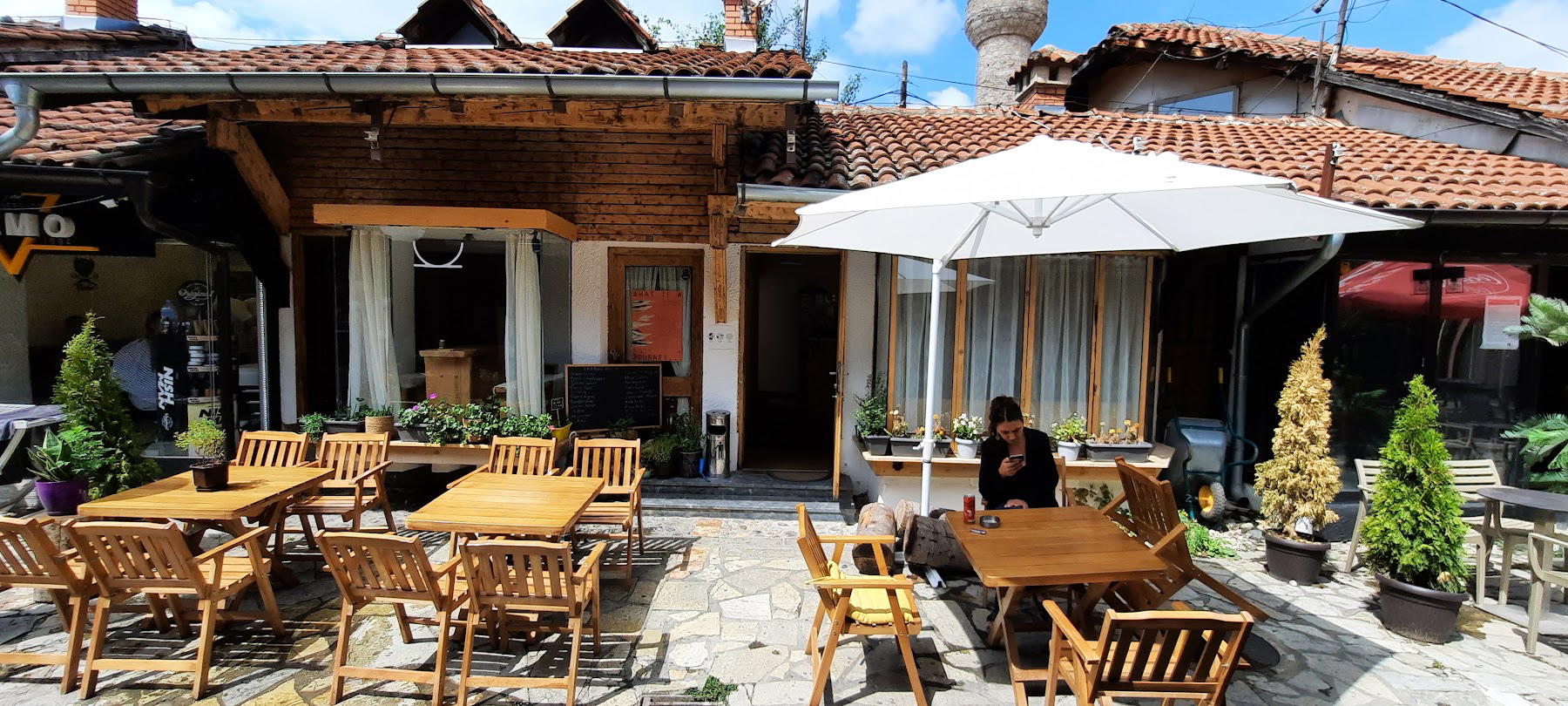
Details
- Classic
- Cozy
- Rustic
- Warm
- Family
- Group Dining
- Casual Hangout
- Hotel Restaurant
- Open Kitchen
- Local Sourcing
- A La Carte
- Family Style
- Buffet
- Grappa
- Local Spirits
- Vegetarian Friendly
- Vegan Options
- Gluten Free Options
- Halal
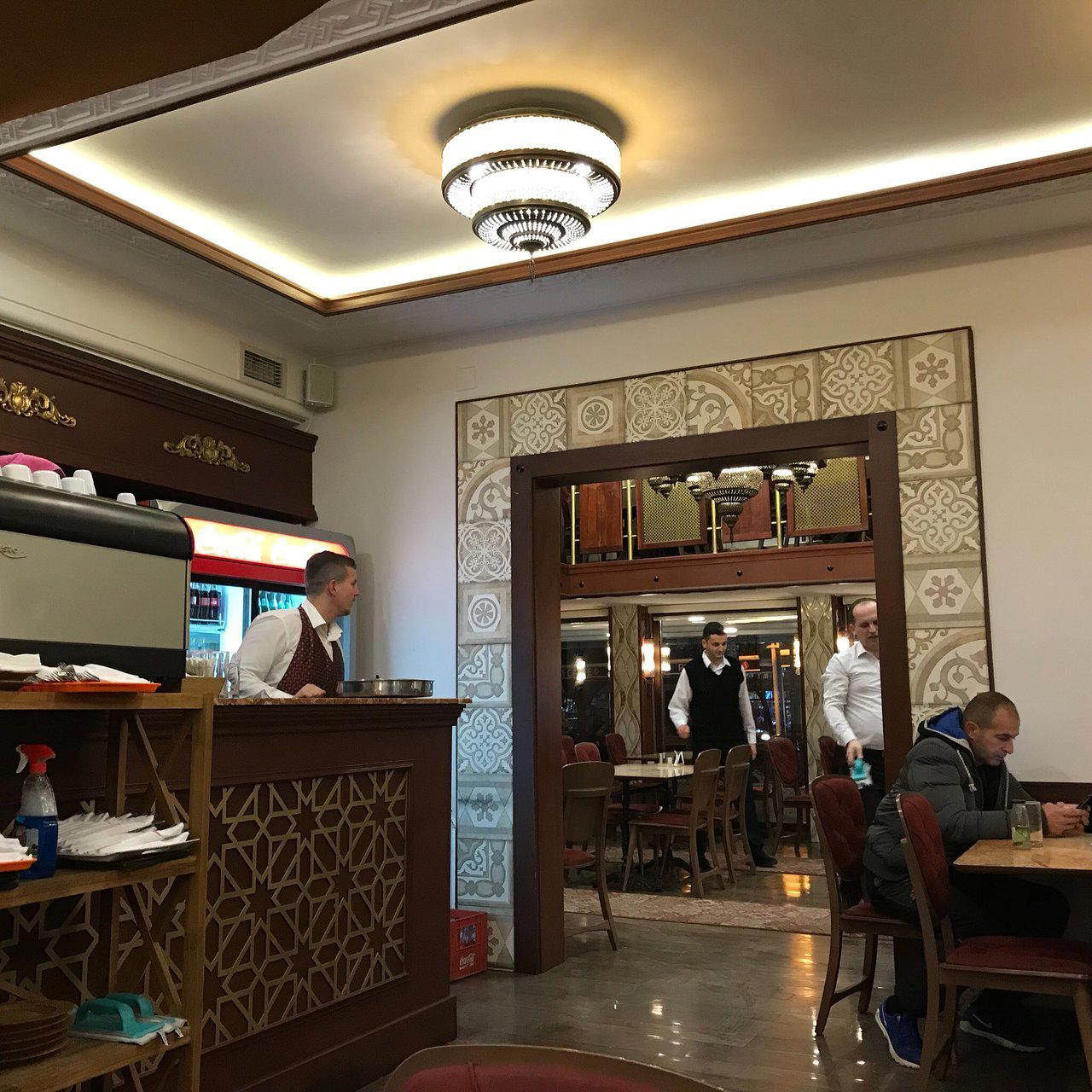
Warm and inviting atmosphere with elegant dining room; described as having a nice, comfortable ambient that reflects the establishment's long tradition and quality.