Our verdict
Te Syla sits inside Prizren's old-city dining circuit, where the sourcing logic runs through local farmland and the Albanian kitchen tradition rather than imported produce chains. The setting reflects the Ottoman-era character of the surrounding streets, and the menu reads as an argument for why Kosovar cuisine deserves the same serious attention as any other Balkan regional tradition. Visitors cross from the bazaar district; reservations are advisable on weekends.

Pearl is the En Primeur Club membership app — saves, bookings, and concierge access live there. Same editors, same standards.
The menu
What to order
- Cevapi
- Pljeskavica
- Qofte
- Steaks
Where the Ingredients Tell the Story
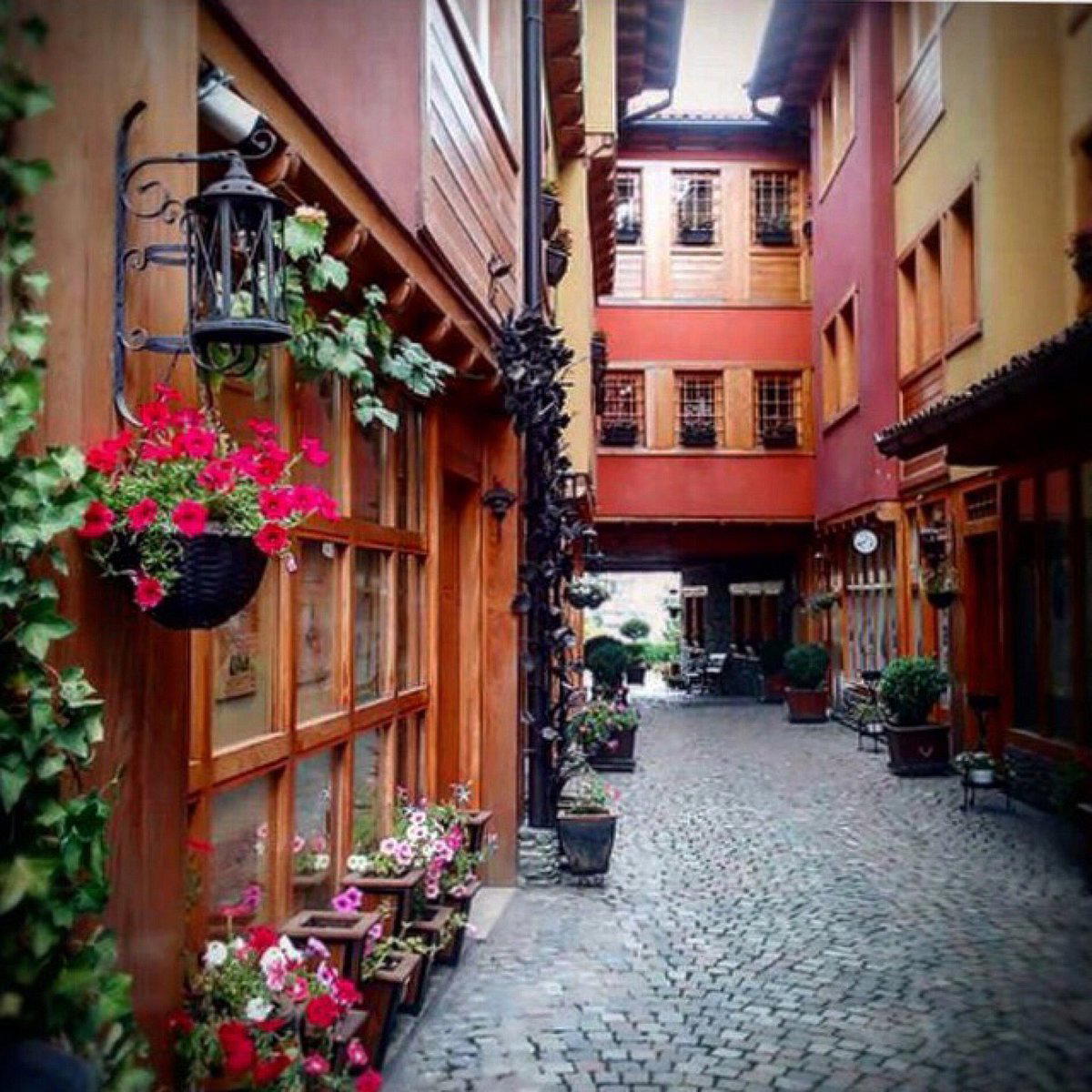
Prizren's old town operates on a different clock from Kosovo's capital. The stone lanes between the bazaar and the Bistrica River fill slowly in the early evening, with the smell of wood smoke and grilled meat arriving before the crowds do. Te Syla sits within this geography, drawing on a sourcing tradition that has defined Albanian-Kosovar cooking for generations: lamb from upland pastures, dairy from small producers in the Sharr mountain foothills, vegetables grown in the Prizren valley's famously fertile basin. In a region where farm-to-table is less a marketing phrase than a structural reality of the supply chain, that sourcing pattern is not a selling point so much as a baseline expectation.
The broader dining scene in Prizren occupies an interesting position in Balkan food culture. Unlike Prishtina, which has spent the past decade absorbing international formats and experimenting with fusion registers, Prizren has retained a more grounded relationship with its own culinary inheritance. The menus that matter here tend to be the ones that can explain where a specific cut of meat or a particular cheese came from, not the ones that gesture toward global trends. That orientation rewards visitors willing to ask questions rather than simply scan a menu for familiar categories. For broader context on where Te Syla fits within the city's restaurant circuit, see our full Prizren restaurants guide.
The Kosovar Kitchen in Context
Albanian and Kosovar cuisine shares its structural DNA with broader Balkan cooking: slow-braised meats, fermented dairy, layered pastry, and grilled preparations that prioritize the quality of the raw ingredient over sauce complexity. What distinguishes the Kosovar expression of this tradition is its specific relationship to mountain agriculture. The Sharr range and the surrounding highlands produce conditions that favor sheep and goat farming over cattle, and that fact runs through the entire flavor profile of traditional dishes in this part of the country. Kajmak, a clotted cream with more depth and acidity than its Serbian or Macedonian counterparts, appears across the menu in ways that signal whether a kitchen is sourcing locally or buying from a distributor.
Te Syla operates within this tradition rather than around it. The approach places it in a different register from restaurants that have imported international formats into Kosovo's emerging dining scene. For comparison, Renesansa in Prishtina has moved toward a Balkan Modern interpretation, while Alhambra - Te Syla in Perzeren represents another node in the same regional family. The distinction matters because it tells a visitor what kind of meal they are choosing: one shaped by tradition and local supply, or one that uses tradition as raw material for reinterpretation.
The regional sourcing argument becomes more legible when you consider what that supply chain actually produces. Kosovo's agricultural sector is dominated by small-scale producers, many of whom sell directly to restaurants in their immediate vicinity rather than through centralized wholesale systems. That structure creates genuine variation from one kitchen to the next and makes provenance tracking more meaningful than it tends to be in markets where the supply chain is longer and more anonymous.
Prizren's Place in the Wider Dining Conversation
Prizren has not yet attracted the level of international critical attention that cities like Tirana or Sarajevo have received in recent years, but the gap is narrowing. The old town's concentration of Ottoman-era architecture, the presence of a significant cultural festival circuit, and the increasing volume of independent travelers moving through the western Balkans have all contributed to a slow but measurable rise in the quality floor of restaurants operating in the city. The venues that will define Prizren's reputation over the next decade are likely to be the ones that can hold a local sourcing standard while improving service consistency and wine selection.
For travelers accustomed to dining at establishments like Le Bernardin in New York City or Arpège in Paris, where ingredient sourcing is the animating philosophy of the entire kitchen, Te Syla offers a different but structurally adjacent argument: that sourcing discipline does not require a three-star budget or a celebrity chef, only a genuine relationship between a kitchen and its local suppliers. That is a case that Kosovar restaurants are increasingly capable of making, and Prizren is one of the more credible settings in which to make it.
The comparison is not intended to suggest parity of execution or price point. What connects a restaurant like Aponiente in El Puerto de Santa María or Arzak in San Sebastián to a traditional Kosovar kitchen is simply the underlying conviction that what grows or grazes nearby is the most honest starting point for a menu. The execution gap is real, but the sourcing logic is the same.
Planning Your Visit
Prizren rewards visitors who arrive with time to move slowly through the old city before sitting down to eat. The walk from the covered bazaar to the restaurants along the Bistrica is short, and the evening light on the Sinan Pasha Mosque and the Ottoman bridge makes the approach to dinner something worth building into the itinerary. Te Syla is accessible on foot from most of the old town's accommodation, and the city's compact geography means that moving between venues after dinner is practical without a car.
Kosovo does not require visas for most European and North American passport holders, and Prizren is approximately ninety minutes by road from Prishtina's Adem Jashari International Airport. The city is also well connected by bus from Skopje and Tirana. Weekend evenings during the summer festival season and the late spring harvest period draw significantly larger crowds, so securing a table ahead of time during those windows is advisable. Visitors with an interest in the broader regional restaurant scene should also consider Hotel Çarshia e Jupave in Gjakova, which operates within a similar tradition approximately forty-five minutes to the north.
Frequently asked questions
Would Te Syla be comfortable with kids?
Prizren's old town restaurants generally accommodate families without issue, and Te Syla sits within that same neighbourhood tradition. Kosovar cuisine — grilled meats, pastry dishes, dairy-based sides — tends to suit younger palates without requiring a separate children's menu. Arrive earlier in the evening when the pace is calmer.
What's the vibe at Te Syla?
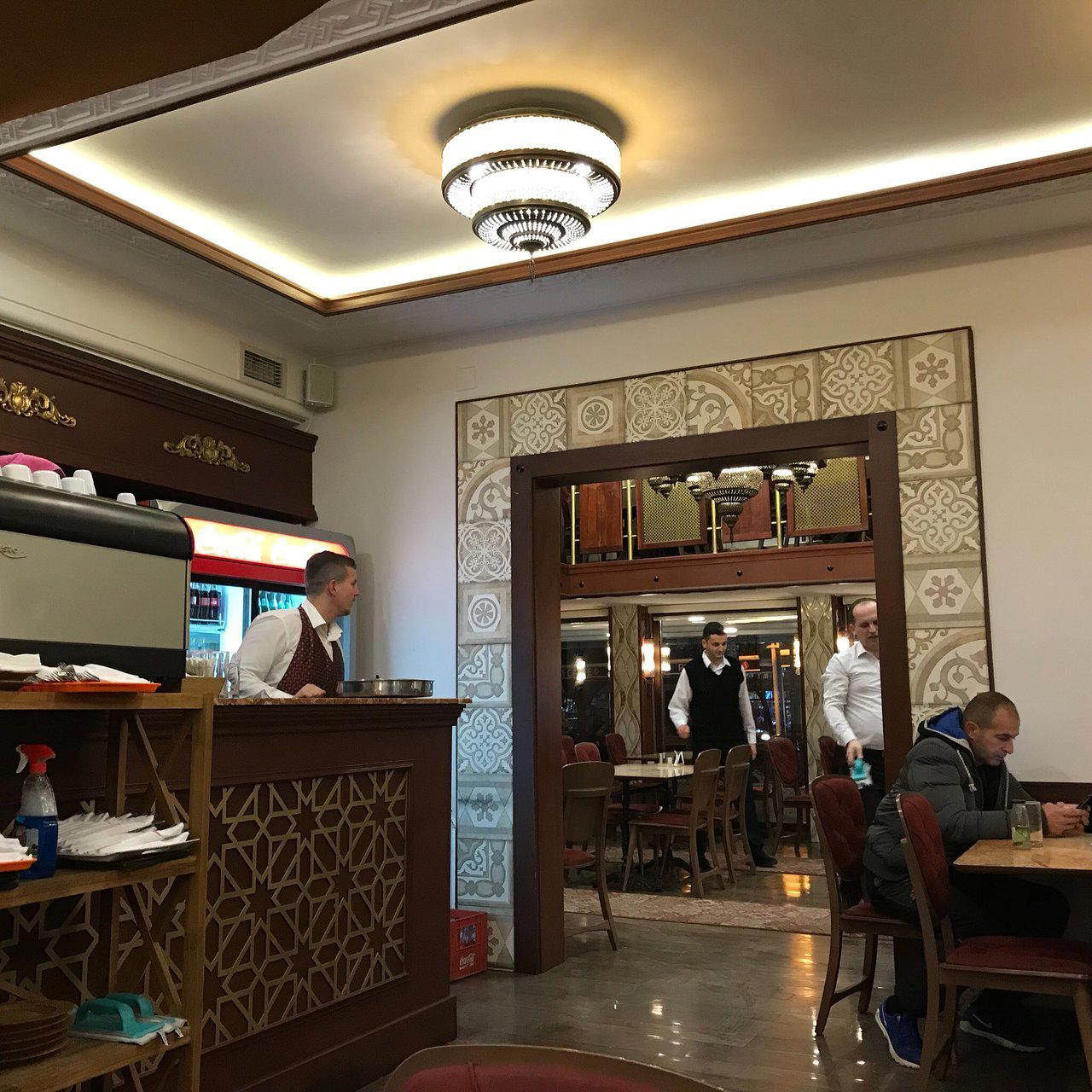
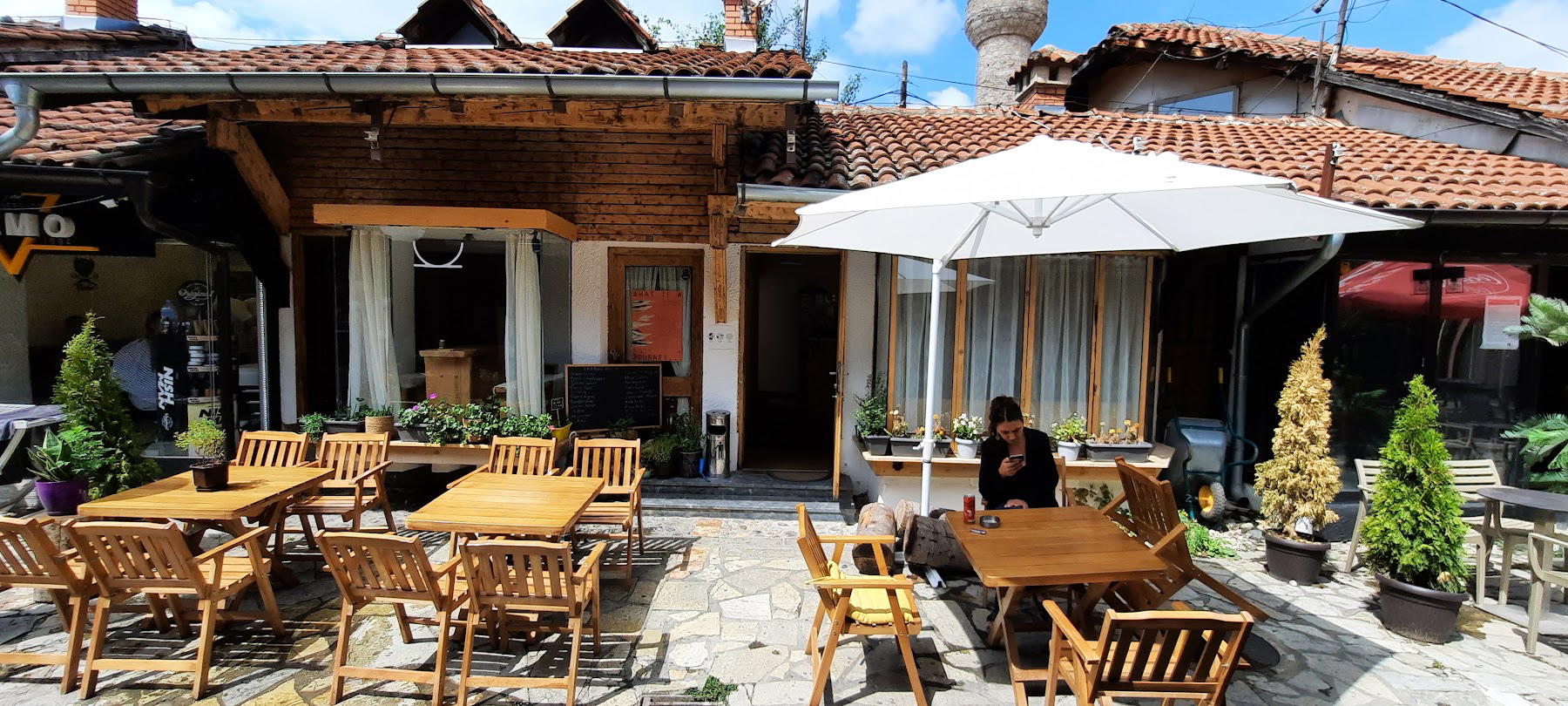
Te Syla draws from the rhythm of Prizren's stone-laned old town: unhurried, local in character, and oriented around the table rather than the clock. Expect a setting shaped more by neighbourhood habit than by any designed atmosphere. It fits the pattern of Prizren's established eating culture, where the meal stretches across conversation rather than courses.
Is Te Syla a good option for experiencing authentic Kosovar food in Prizren's old town?
Prizren is among Kosovo's strongest settings for encountering Kosovar and Albanian culinary tradition in an intact historical context, and Te Syla operates within that old town environment. The city has not yet drawn the level of international critical attention that Tirana or Sarajevo have received, which keeps its restaurant scene grounded in local habit rather than visitor-facing adaptation. For travellers specifically seeking Prizren's food culture rather than an international menu, the old town neighbourhood — where Te Syla is located — is the right place to start.
What do regulars order at Te Syla?
In Prizren's Kosovar kitchen, the reliable anchors are slow-braised meat dishes, grilled minced-meat preparations like qebapa, and layered filo pastries filled with spinach or cheese. Fermented dairy accompaniments — variously labelled kajmak or kos — appear across the table in most local meals. These structural staples define what regulars return for in this part of Kosovo.
Comparable Spots, Quickly
| Venue | Cuisine | Price | Awards | Notes |
|---|---|---|---|---|
| Te SylaThis venue — the venue you are viewing | Kosovar Grilled Meats | $1–10 | Not listed | Not listed |
| Renaissance | Authentic Albanian | $10–20 | La Liste Top Restaurants | Balkan Modern |
| Hotel Çarshia e Jupave (Çarshija e Jupave) | Traditional Albanian Cuisine | $10–20 | Not listed | Not listed |
| Alhambra - Te Syla | Kosovar Grilled Meats | $1–10 | Not listed | Not listed |
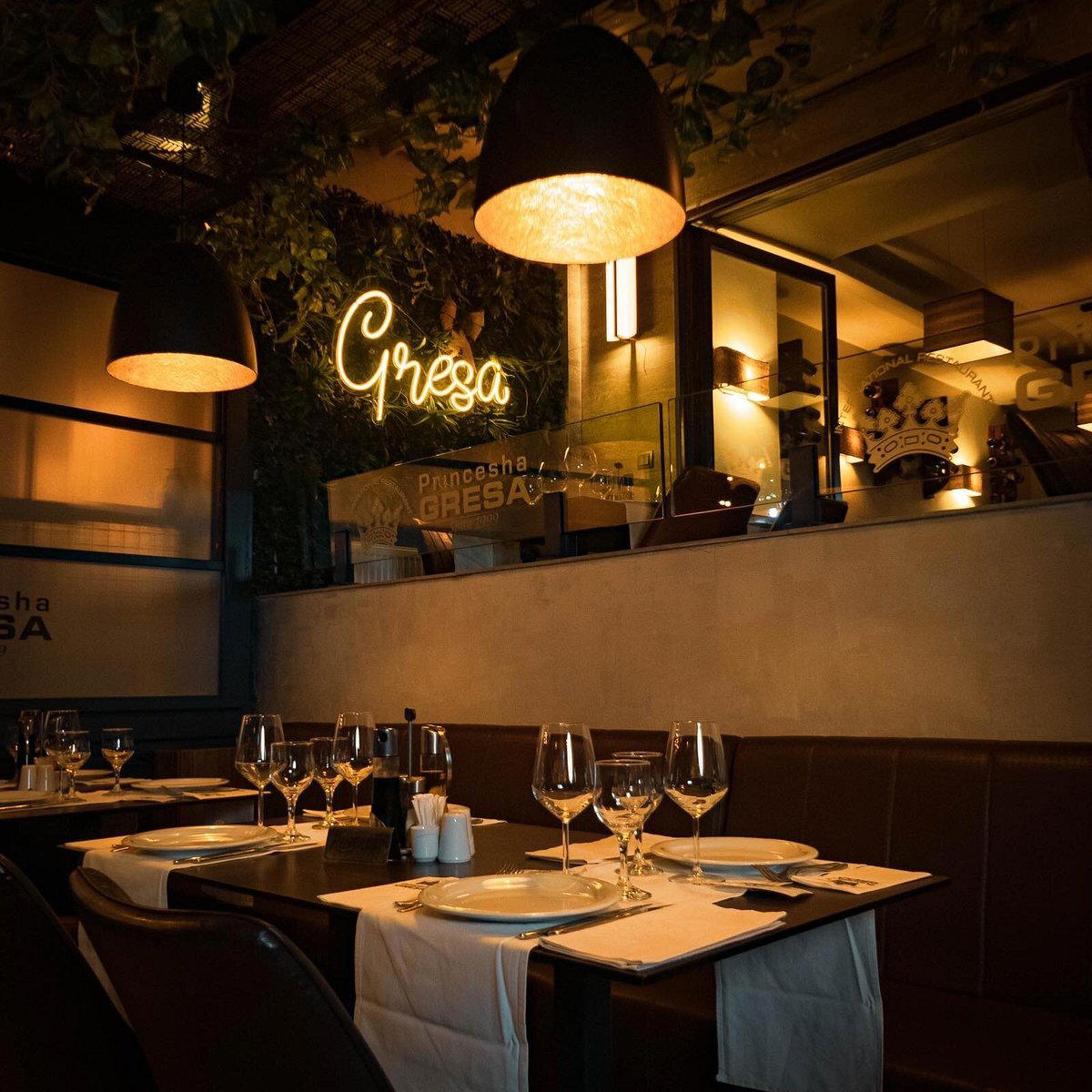
| Restaurant Princesha Gresa – Gresa Restaurant | International Steakhouse & Grill | $20–30 | Not listed | Not listed |
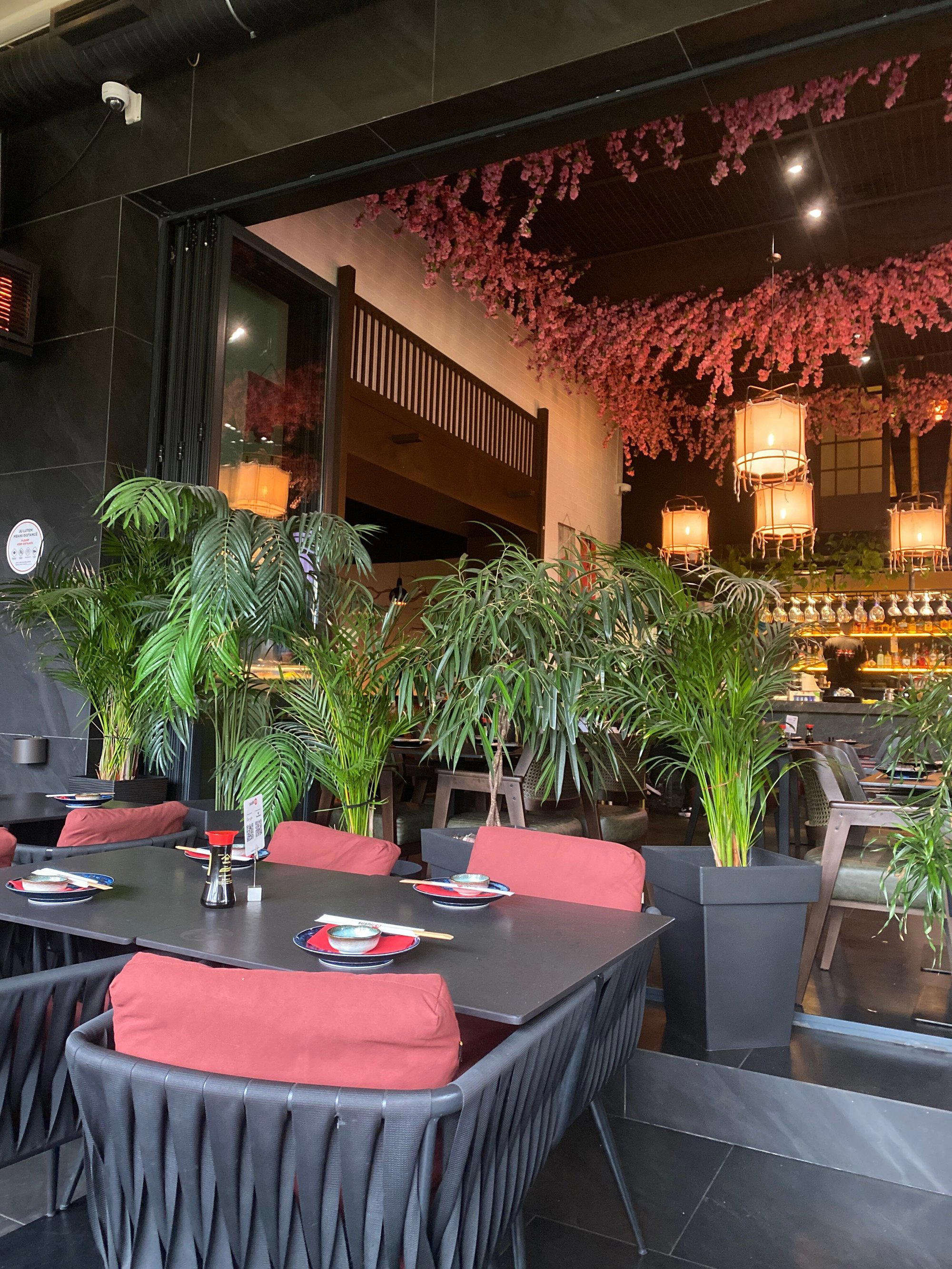
| Thai restaurant | Authentic Thai | $10–20 | Not listed | Not listed |
Continue exploring
More in Prizren
Details
- Scenic
- Rustic
- Lively
- Well Known
- Family
- Group Dining
- Casual Hangout
- Waterfront
- Terrace
- Beer Program
- Local Sourcing
- Waterfront
- A La Carte
- Family Style
- Wine
- Beer
- Vegetarian Friendly
- Vegan Options
- Allergy Accommodating