Guillermo's Restaurante
Our verdict
On El Paseo, Palm Desert's main commercial corridor, Guillermo's Restaurante occupies a stretch that draws comparison-shoppers and regulars in equal measure. The name signals a Latin-rooted kitchen in a dining scene that skews heavily toward Continental and Mediterranean formats. For visitors working through the strip, it represents a distinct point of difference worth examining on its own terms.

Pearl is the En Primeur Club membership app, where members save venues, book tables and use the concierge.
El Paseo and the Question of Provenance
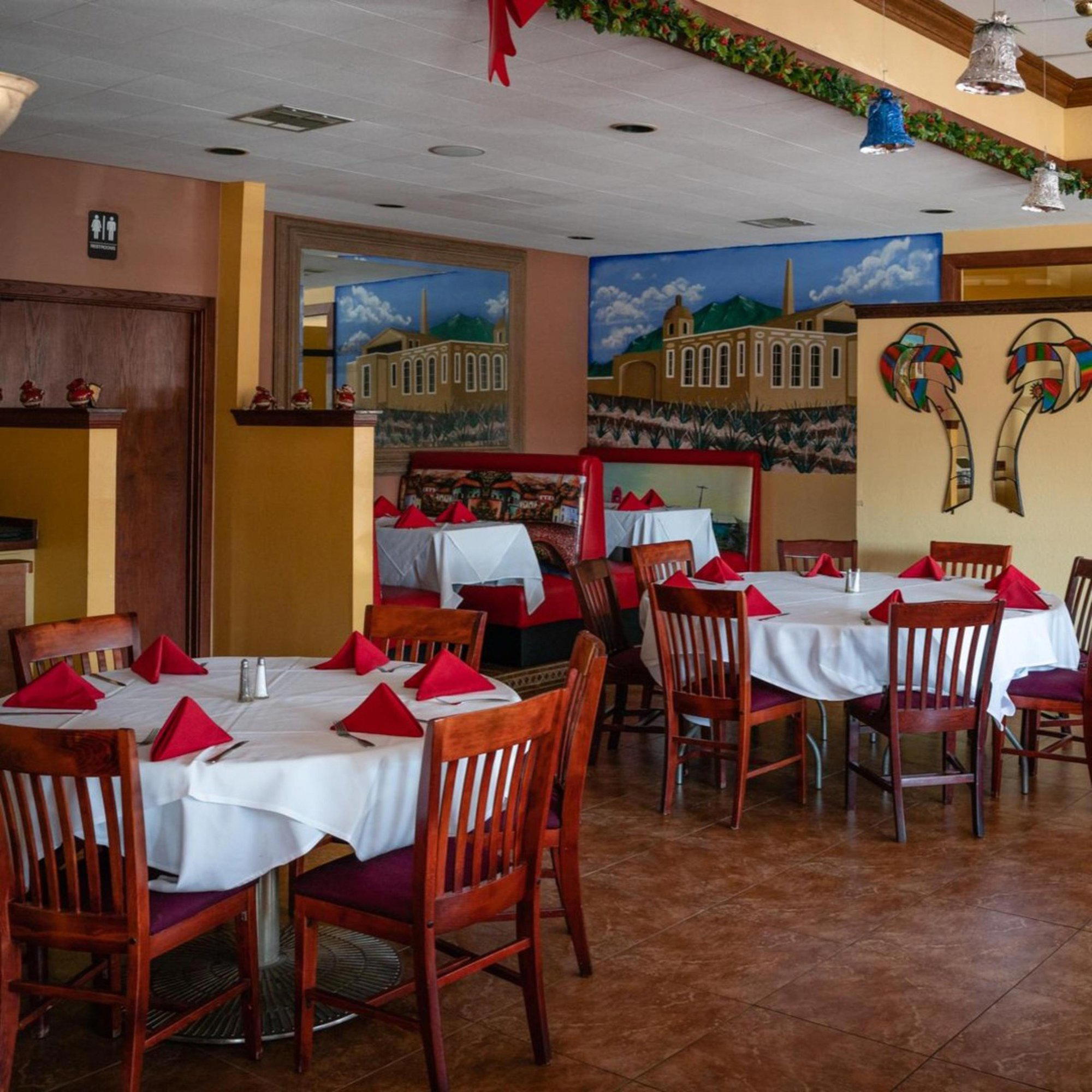
El Paseo runs through Palm Desert like a thesis statement about California desert wealth: art galleries, fashion boutiques, and restaurants arranged for maximum visibility and foot traffic. At 72850, Guillermo's Restaurante sits within that corridor, which means it competes not just on food but on positioning. Diners walking El Paseo are making active choices between formats, and the Latin-inflected name here signals something distinct from the French bistro traditions represented by neighbors like Backstreet Bistro or the European-leaning rooms at Castelli's.
The broader El Paseo dining scene has long favored Continental formats, with Italian and French idioms dominating the mid-to-upper tier. That makes a kitchen anchored in Latin cooking something of a counterpoint, and the question worth asking on any restaurant with that positioning is the same one applied to sourcing-focused kitchens anywhere in Southern California: how close does the food stay to its origins, and where does the ingredient supply actually come from?
Sourcing in the Desert: What the Geography Demands
The Coachella Valley's own agricultural production is more substantial than most visitors realize. Date palms are the obvious export, but the valley also supplies citrus, stone fruit, and winter vegetables to markets well beyond its borders. A Latin kitchen operating in this geography has natural access to ingredients that align with Southwestern and Mexican cooking traditions: dried chiles sourced from the broader California-Baja corridor, citrus for marinades and ceviches, and seasonal produce that shifts meaningfully between the valley's mild winters and its brutal summers.
This matters because ingredient sourcing separates kitchens that use a Latin format as aesthetic from those that ground the cooking in actual supply chains and culinary logic. Restaurants like Single Thread Farm in Healdsburg and Blue Hill at Stone Barns in Tarrytown have made provenance the explicit organizing principle of their menus. Those are formal tasting-menu operations at a different scale and price tier, but the underlying discipline they demonstrate, knowing exactly where each element comes from and why, applies equally to a neighborhood restaurant with more casual ambitions.
At the regional level, Southern California Latin kitchens with serious sourcing credentials have built reputations on relationships with Baja California farms, Mexico City suppliers, and the agricultural communities of the Central Valley. Providence in Los Angeles illustrates how rigorously a Southern California kitchen can pursue sourcing specificity within a seafood format. The same discipline applied to Latin cooking in the desert context creates a real point of difference from the Continental default that dominates El Paseo.
Palm Desert's dining options along and adjacent to El Paseo cover a fairly wide range of formats and price points. Bellatrix, CASA BLANCA, and Alps Village each occupy positions in that mix, and the cumulative effect is a strip that offers genuine variety if you know what to look for. Guillermo's sits within that set as the entry point for Latin-format dining, a category that remains underrepresented relative to the city's demographics and the broader California dining scene.
Nationally, the Latin fine-dining conversation has moved considerably in recent years. Kitchens like Atomix in New York City have demonstrated how heritage-rooted cooking can operate at the highest formal tier, while more accessible formats have shown that flavor integrity doesn't require tasting-menu architecture. The question for any mid-market Latin kitchen in a tourist-heavy corridor is whether it's tracking those developments or operating on a fixed template from an earlier era of the format.
Seasonality and the Desert Calendar
Palm Desert's dining scene operates on a notably compressed seasonal clock. Peak season runs roughly October through April, when snowbirds and resort travelers fill the valley and restaurant volumes spike. The summer months, when temperatures regularly exceed 110°F, see significantly reduced foot traffic and a local-only customer base. Kitchens that source seasonally have to account for this, because the growing calendar in the Coachella Valley doesn't always align with the hospitality calendar.
For a Latin kitchen, winter in Southern California actually offers strong sourcing conditions: citrus at peak, winter squash, root vegetables, and dried goods from the fall harvest cycle. Spring brings the transition to stone fruit and early summer produce. A restaurant attentive to this cycle has the raw material for a menu that changes meaningfully across the season rather than defaulting to a fixed card year-round. That's the kind of operational discipline that separates kitchens worth returning to from those that deliver the same plate regardless of month.
Visitors planning a trip to the valley can cross-reference the full dining picture through our full Palm Desert restaurants guide, which maps the scene across formats and price tiers. For context on what California kitchens at the formal end of the spectrum are doing with sourcing and technique, The French Laundry in Napa and Addison in San Diego offer reference points, as does Lazy Bear in San Francisco, which built its reputation on a hyper-local sourcing model applied to an unconventional format.
Planning a Visit
Guillermo's Restaurante is at 72850 El Paseo in Palm Desert, walkable from the majority of the strip's hotels and galleries. El Paseo is most comfortably navigated on foot in the cooler months; summer visitors should plan around the heat and factor in midday temperatures when timing a lunch reservation. The address places it centrally on the strip, which means parking on or adjacent to El Paseo is the standard approach for those arriving by car.
Frequently asked questions
What part of town is Guillermo's Restaurante in?
Guillermo's Restaurante is located at 72850 El Paseo, Palm Desert, CA 92260, Palm Desert.
Where exactly is Guillermo's Restaurante on El Paseo, and is it walkable from nearby hotels?
Guillermo's Restaurante is located at 72850 El Paseo in Palm Desert, California 92260, placing it within the main commercial stretch of the strip. El Paseo's hotels, galleries, and boutiques are concentrated along the same corridor, making foot access from properties on or adjacent to the strip straightforward. The street is most comfortable on foot from October through April, when Palm Desert's temperatures are conducive to walking between venues.
What's the best thing to order at Guillermo's Restaurante?
For the most accurate picture of what the kitchen is running, calling ahead or checking with the restaurant directly before your visit is the practical approach on El Paseo, where seasonal menus shift with the desert calendar.
Do they take walk-ins at Guillermo's Restaurante?
El Paseo restaurants as a category tend to fill quickly during peak season, which runs October through April in Palm Desert, so arriving early in the evening is the safer strategy if you haven't booked ahead.
What's the signature at Guillermo's Restaurante?
The restaurant sits on El Paseo in Palm Desert, a strip where kitchens frequently draw on Coachella Valley produce, including locally grown dates and valley-grown crops, so the menu likely reflects that regional sourcing context.
Is Guillermo's Restaurante allergy-friendly?
Contacting the restaurant directly before your visit is the reliable route for any dietary requirements, particularly during peak Palm Desert season when kitchens are operating at capacity.
Comparable Spots, Quickly
Comparable venues nearby, for context on price, style, and recognition.
| Venue | Cuisine | Price | Notes |
|---|---|---|---|
| Guillermo's RestauranteThis venue (the venue you are viewing) | Authentic Mexican | $20–30 | Not listed |
| CASA BLANCA | Traditional Mexican | $20–30 | Palm Desert |
| French Corner Cafe | French Bakery Cafe | $20–30 | Palm Desert |
| Piero's PizzaVino | Traditional Neapolitan Pizza | $20–30 | El Paseo |
| Chez Pierre Bistro | Classic French Bistro | $30–50 | El Paseo |
| il Corso | Authentic Sicilian Italian with Wood Oven Pizza | $50–100 | El Paseo |
Continue exploring
More in Palm Desert
Restaurants in Palm Desert
All restaurants in Palm Desert →
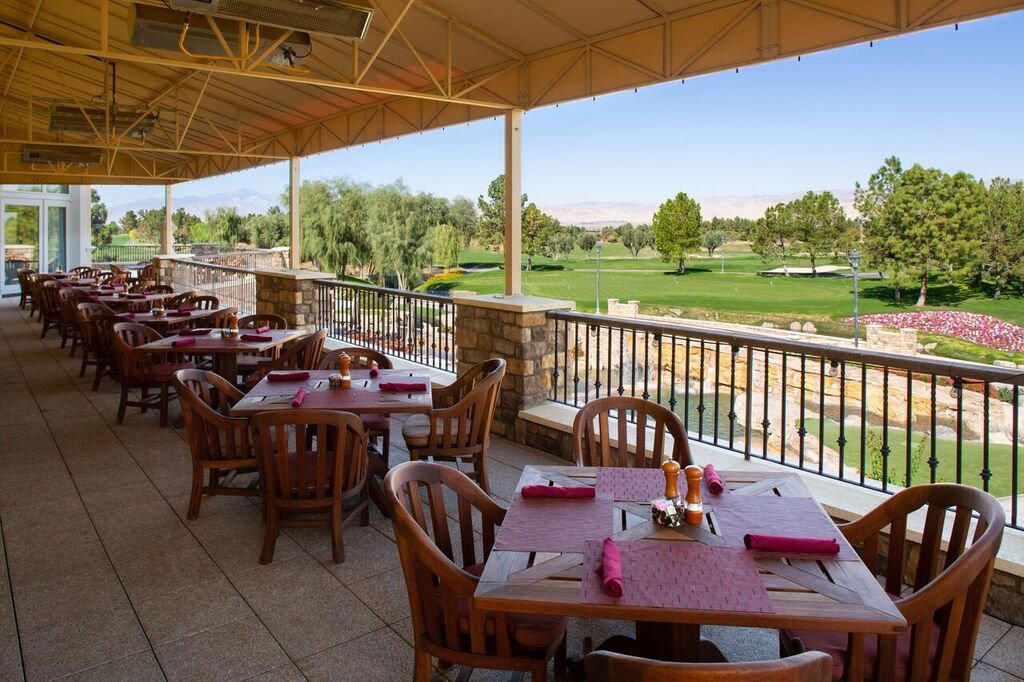
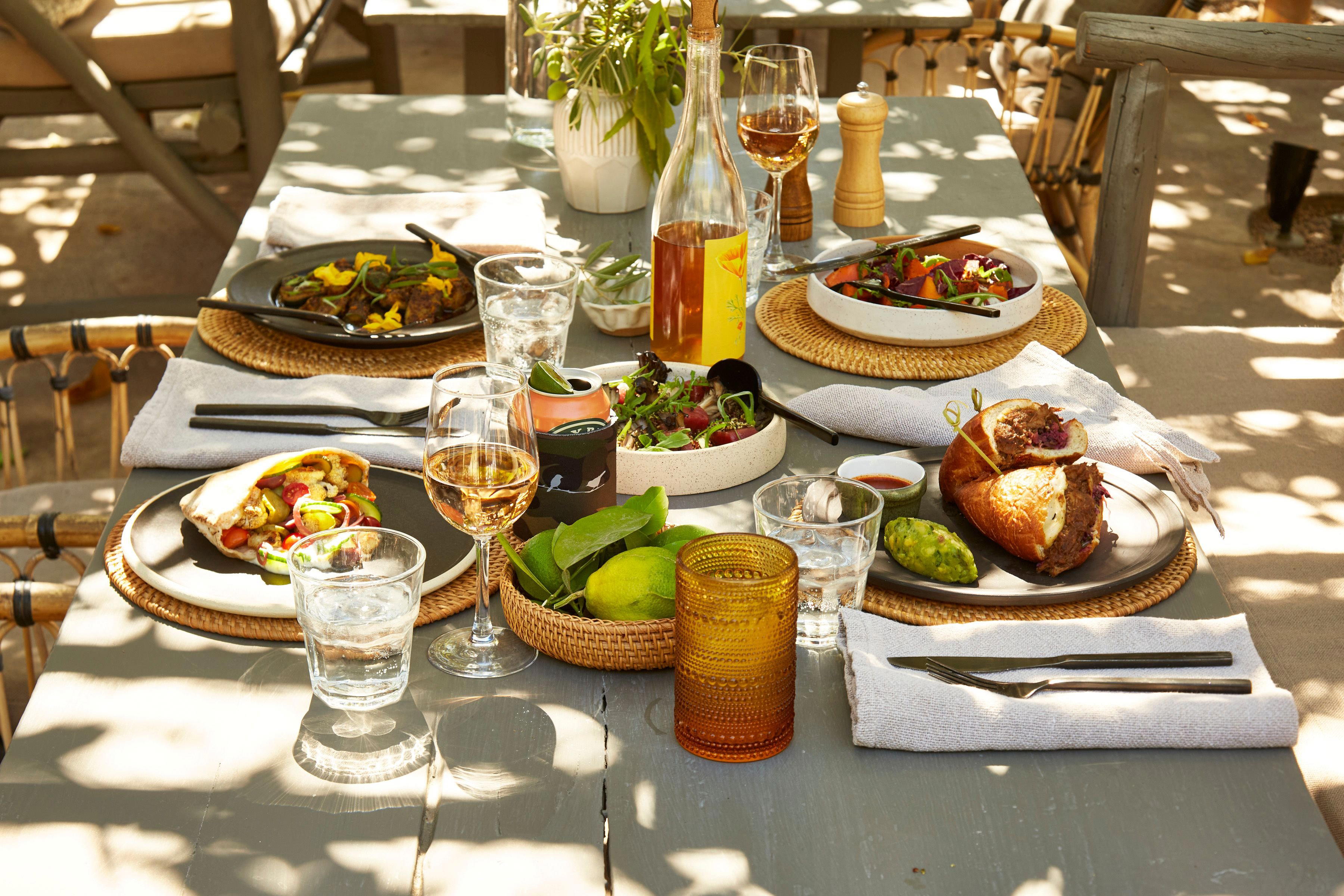
Bars in Palm Desert
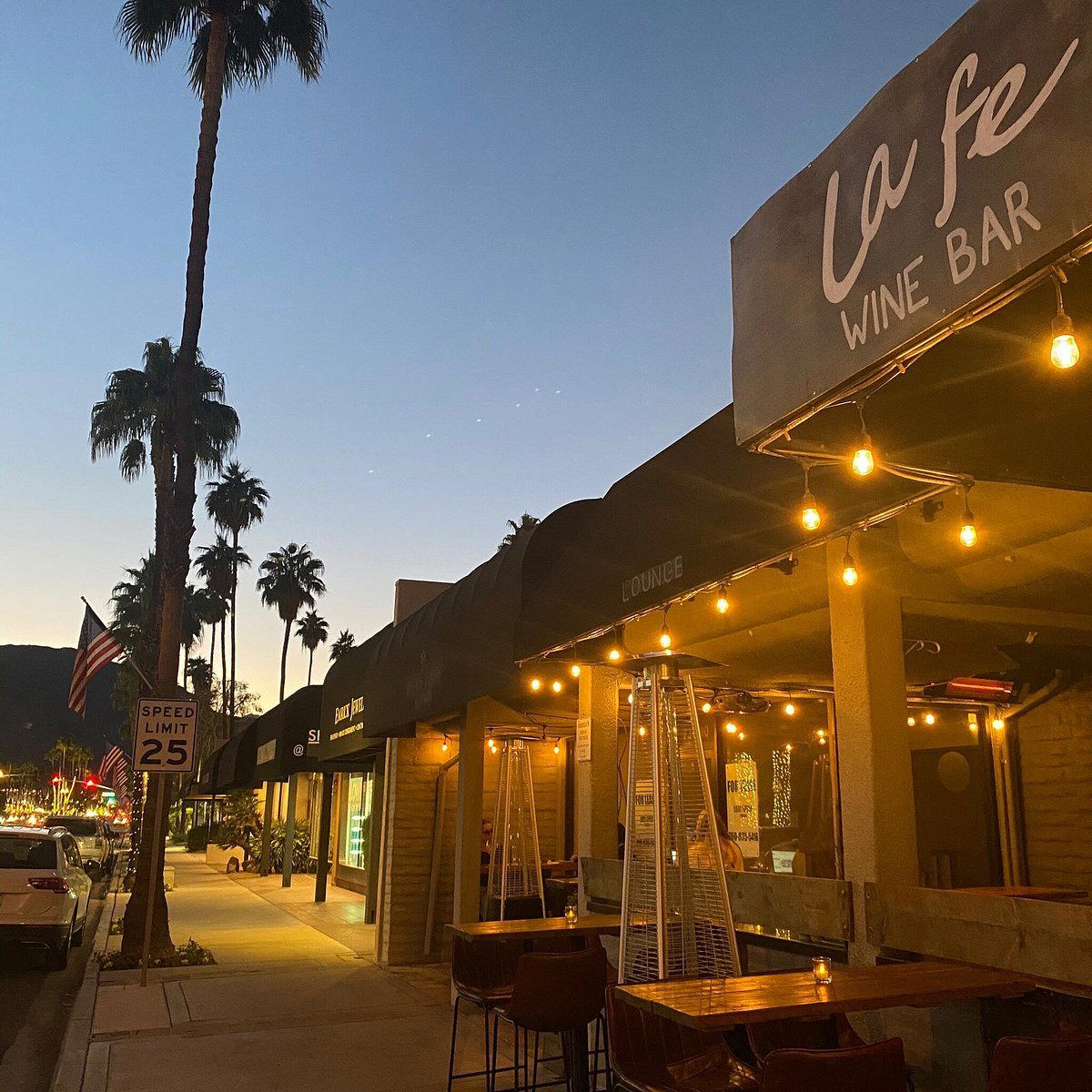
All bars in Palm Desert →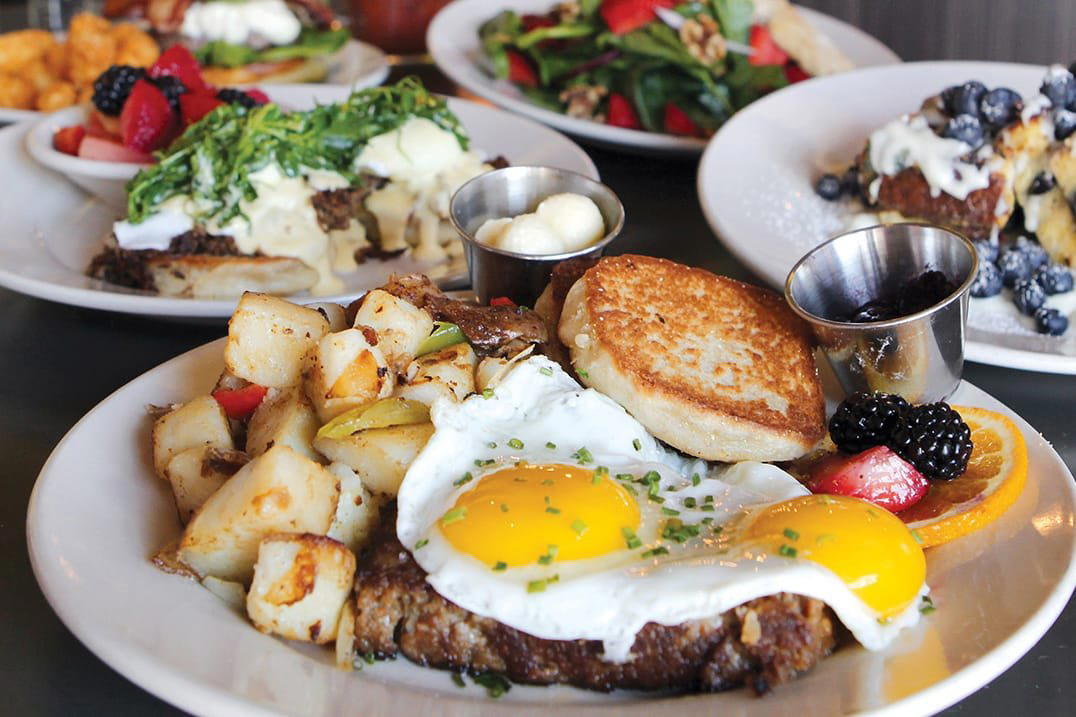
Details
- Cozy
- Intimate
- Date Night
- Casual Hangout
- Craft Cocktails
- Local Sourcing
- A La Carte
- Margaritas
- Vegetarian Friendly
- Vegan Options
- Gluten Free Options
Current opening hours
- Monday
- 11 AM–8:30 PM
- Tuesday
- 11 AM–8:30 PM
- Wednesday
- 11 AM–8:30 PM
- Thursday
- 11 AM–8:30 PM
- Friday
- 11 AM–8:30 PM
- Saturday
- 11 AM–8:30 PM
- Sunday
- 11 AM–8:30 PM
Hours can change for holidays and private events. Hours as of .
Charming and cozy with a focus on dining experience.