Grantley Arms

The team from the nearby country manor brings estate-sourced ingredients and Modern British cooking to a traditional pub setting in North Yorkshire. The connection to a working estate shapes the menu, which rotates with the seasons and highlights what grows or grazes on site. Check availability before visiting.
Pearl is the En Primeur Club membership app — saves, bookings, and concierge access live there. Same editors, same standards.
- Address
- Ripon, Grantley, North Yorkshire, HG4 3PJ, GBR
- Phone
- +44 1765 699946
- Website
- guide.michelin.com
 Saves & bookings on Pearl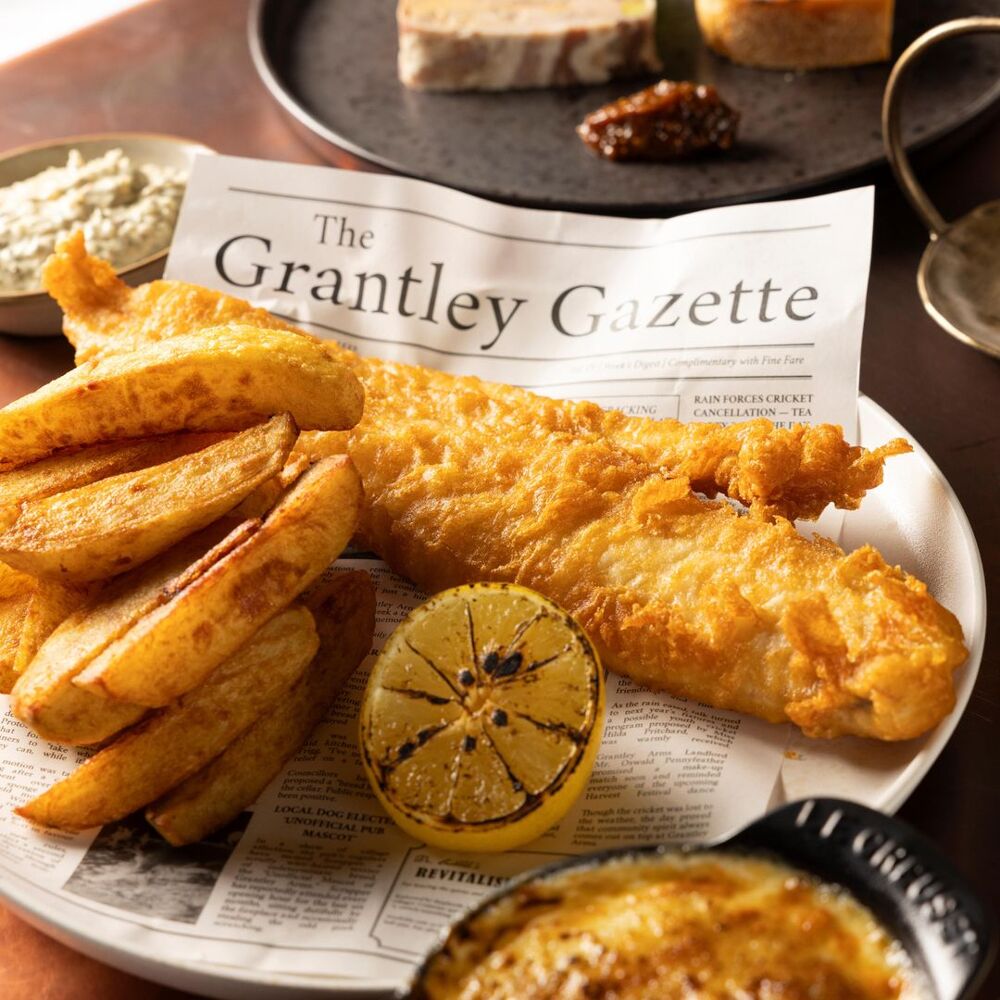
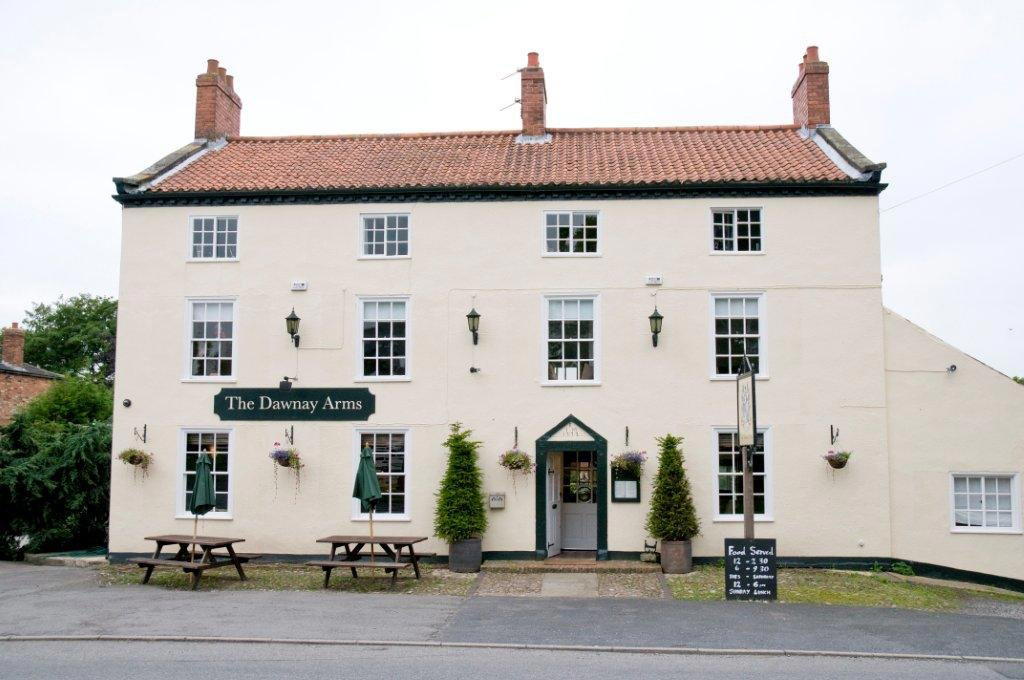
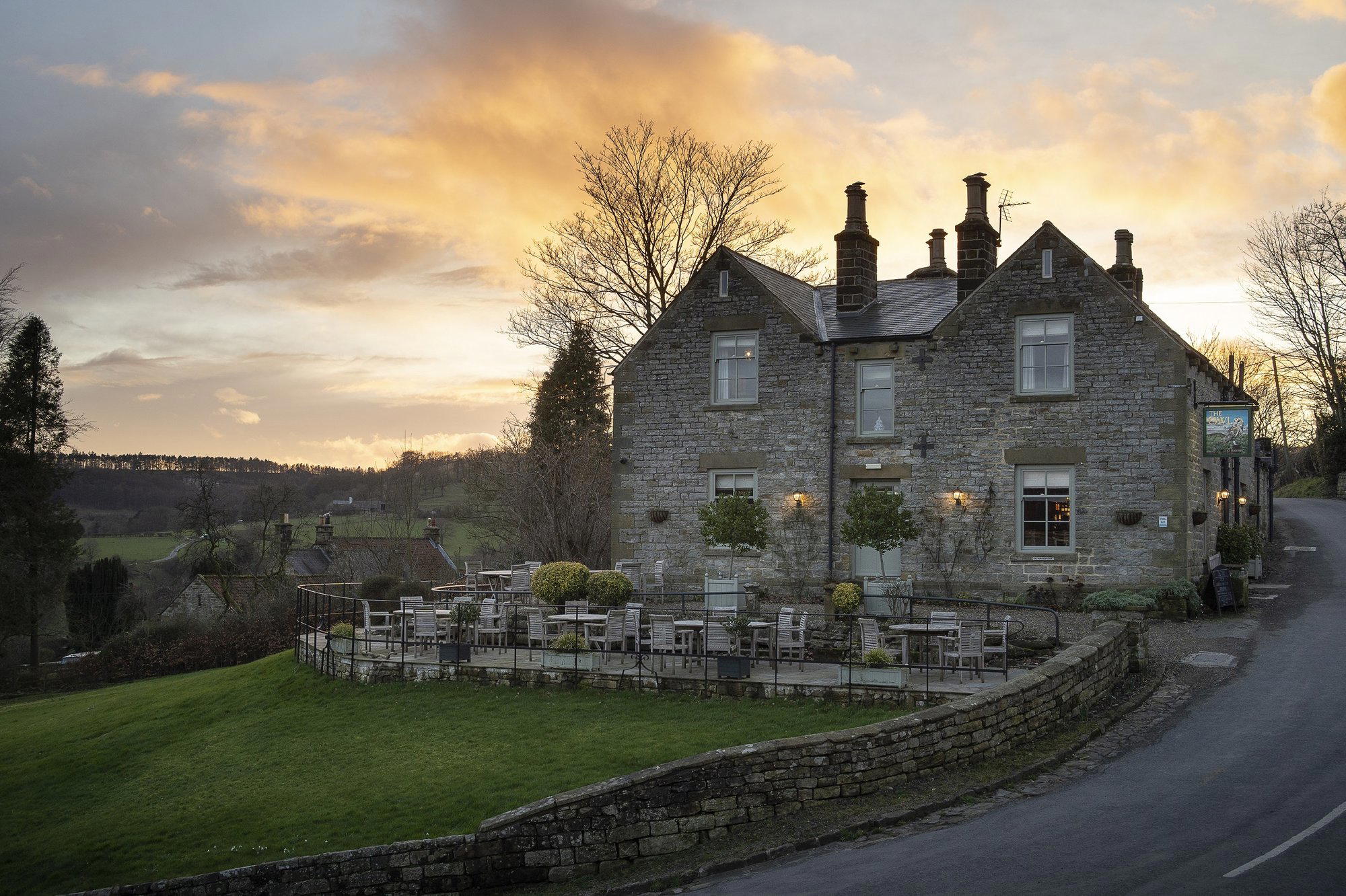
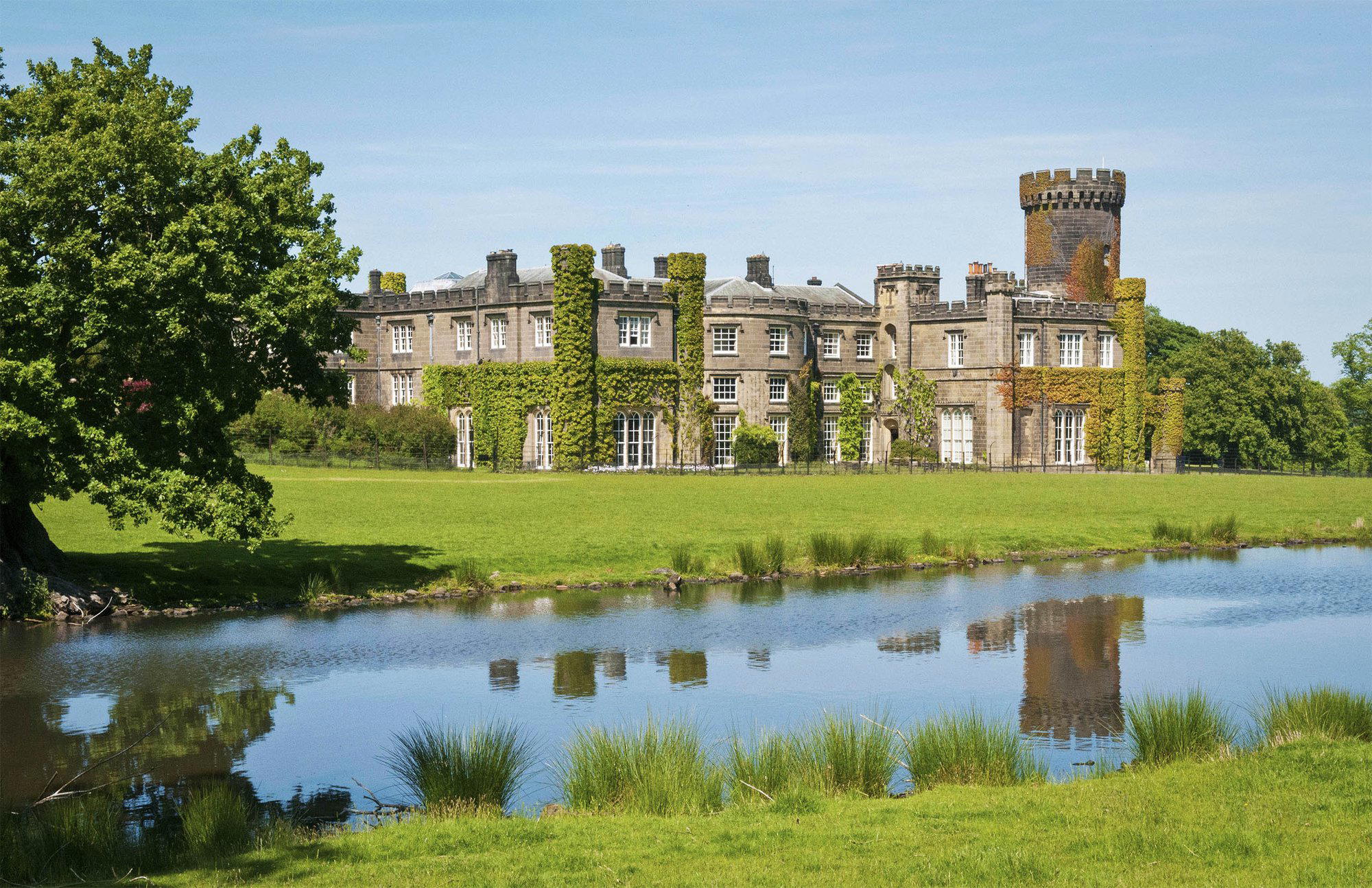
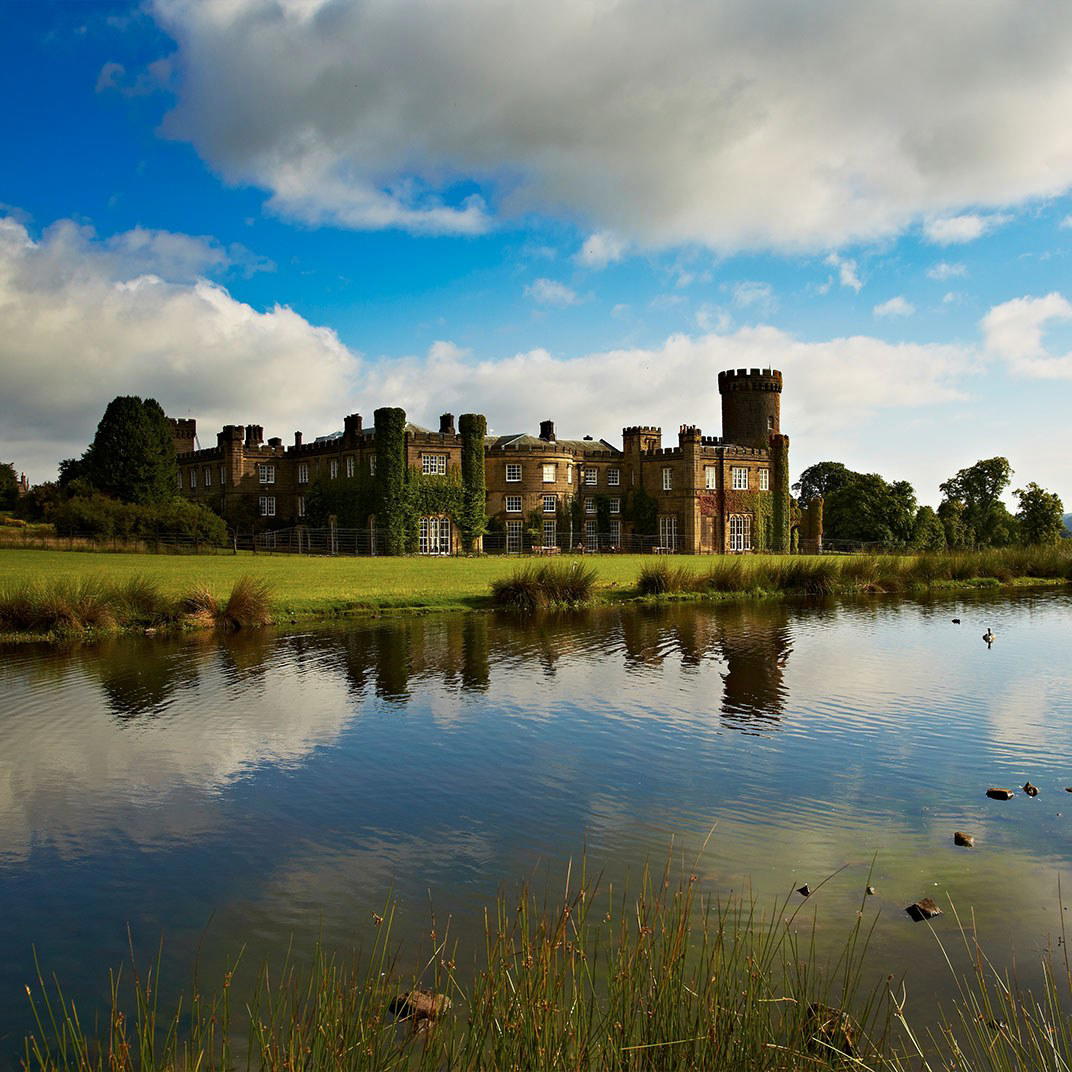
The stone-fronted pub sits in a hamlet midway between Ripon and Pateley Bridge, where the road narrows and the farmland opens onto rolling fells. The building holds the proportions of a 19th-century coaching inn, low ceilings, flag floors, a bar that runs the length of one wall, but the team running it now comes from the nearby country manor, and that connection rewrites the sourcing map. Estate land surrounds the village, and the kitchen draws heavily from its acreage: vegetables from the walled garden, lamb and beef from pasture stock, game in season from the shoot. That estate-to-table arc is not distinctive in North Yorkshire, [Shaun Rankin at Grantley Hall]() and [Fletchers]() both work similar supply chains, but the pub format and price tier shift the emphasis from tasting-menu ceremony to ingredient-forward plates that change weekly.
Modern British cooking in the region has moved toward this model: shorter menus, more vocal sourcing notes, and a willingness to let a single ingredient anchor a dish without elaborate garnish. The menu here follows that template. Beef comes with a listed breed and pasture; root vegetables arrive with soil type or garden plot; fish is named by catch method when it matters. The intent is transparency rather than storytelling, and the kitchen doesn't embellish. A roast carrot is listed with the date it was lifted and the butter used to finish it; a piece of lamb will cite the age of the animal and the graze. That level of specificity appeals to diners who read menus as supply-chain documents, but it can feel reductive if you prefer a chef's editorial voice over a farm report.
Where the Food Comes From and Why It Matters
The estate model shapes what appears on the plate and when. Spring brings wild garlic from the woodland edge, early asparagus from the forcing beds, and hogget that spent winter indoors. Summer opens the vegetable garden: broad beans, courgettes, soft herbs, and lettuces that arrive in the kitchen within hours of picking. Autumn shifts to game, pheasant, partridge, and venison from the shoot, alongside stored roots and brassicas that hold through the cold months. Winter tightens the menu further: beef, pork, and preserved vegetables dominate, with occasional deliveries of line-caught fish from the east coast when weather permits. The rhythm mirrors what most estate-linked kitchens in [Grantley]() and the surrounding Dales follow, but the pub format means portions are generous and prices stay below the £30-per-main threshold that defines the fine-dining tier in the region.
The kitchen doesn't chase novelty. Techniques are classical, roasting, braising, slow cooking for tougher cuts, and the plating is direct. A dish is a single piece of protein, a seasonal vegetable, and a sauce reduced from stock made on site. The lack of flourish can read as understatement or as undercooked ambition, depending on what you value. For diners who want to taste the difference between pasture-raised lamb and supermarket stock, the approach works. For those who expect a chef's hand to reframe an ingredient, the menu can feel underdeveloped. The wine list is short, skewed toward European bottles in the £25-£50 range, and pairs better with red meat than fish or vegetables.
What to Expect in the Dining Room
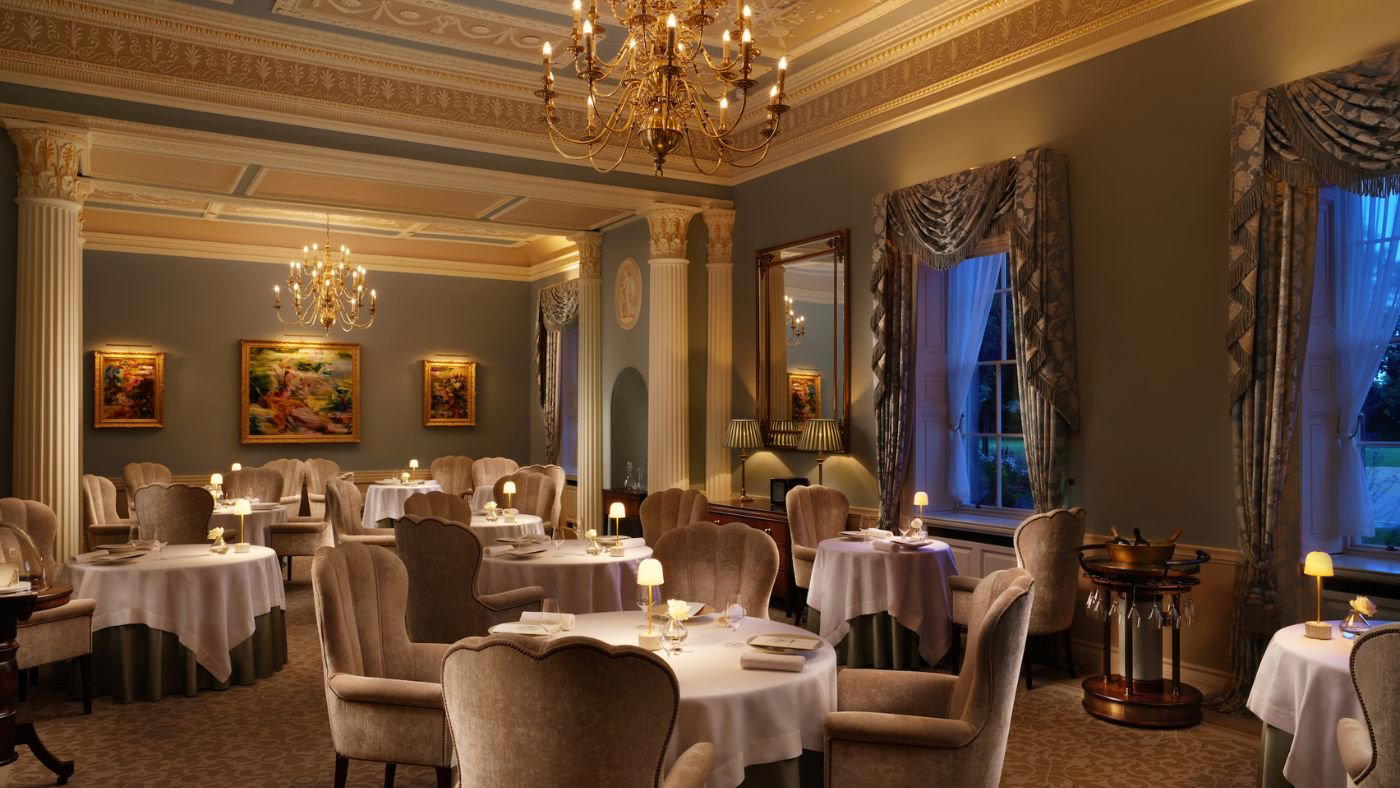
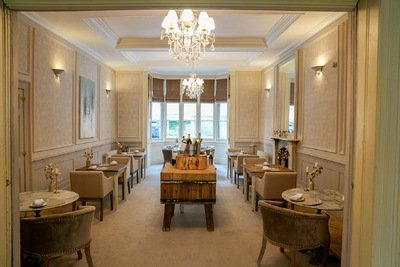
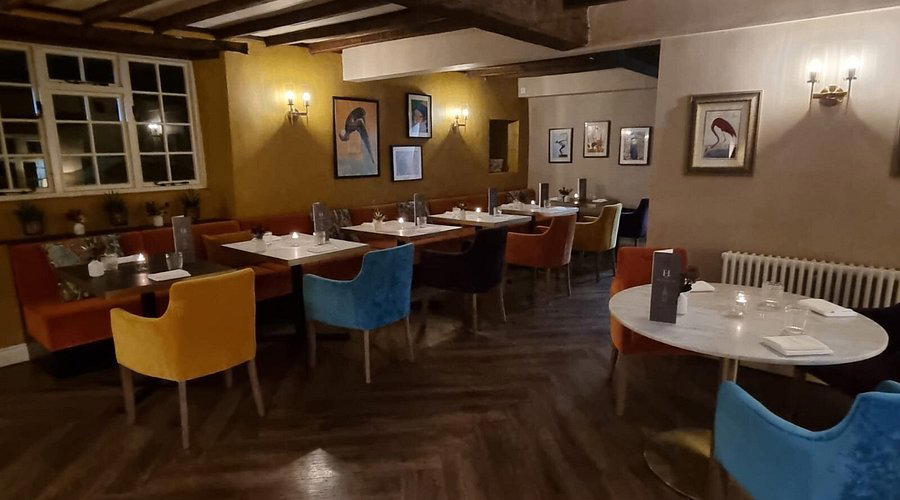
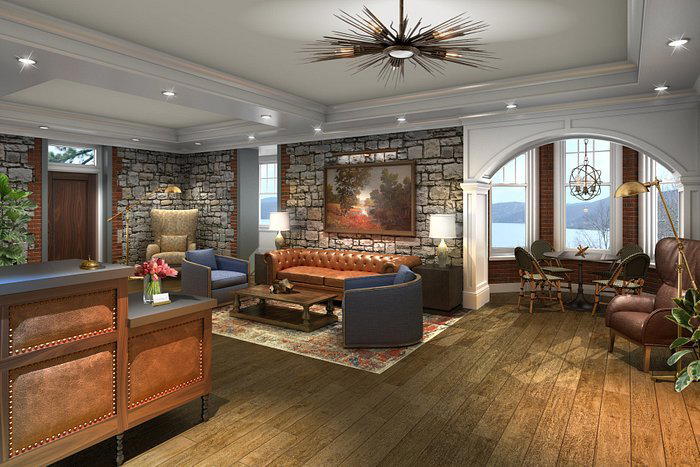
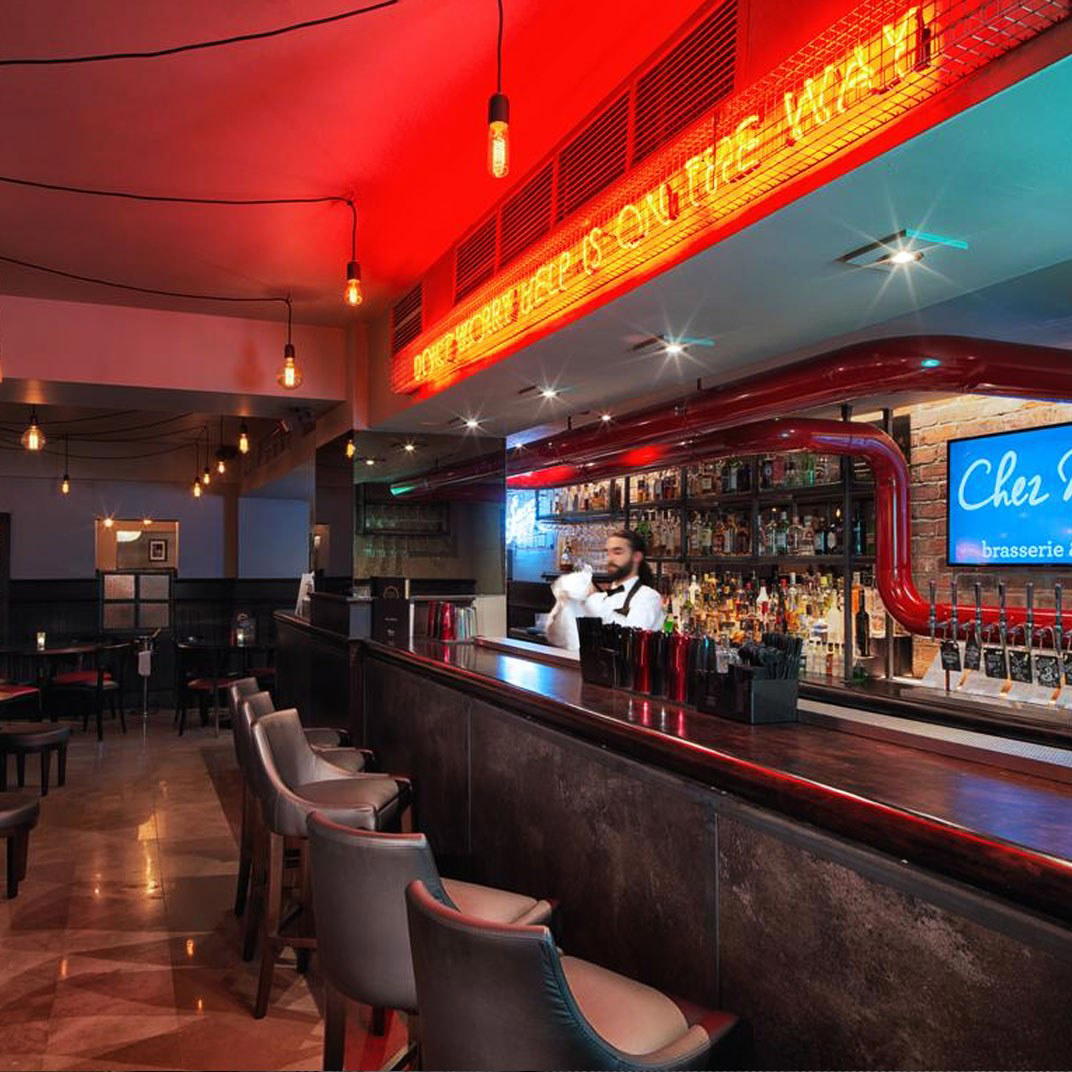
Interior holds onto pub bones: wood paneling, a working fireplace, tables that vary in size and placement, and a bar that serves local cask ales alongside wine and spirits. The room fills quickly on weekends, and walk-ins are rare after 7pm. Booking is recommended, especially if you're traveling from outside the region. The dining room doesn't separate into formal and casual zones; the same menu runs throughout, and service is informal but knowledgeable. Staff can cite the provenance of most ingredients and will adjust dishes for dietary restrictions with advance notice. The acoustics are typical for a stone-and-wood pub: lively when full, echoing when quiet. If you prefer a quieter meal, aim for weekday lunch or early evening.
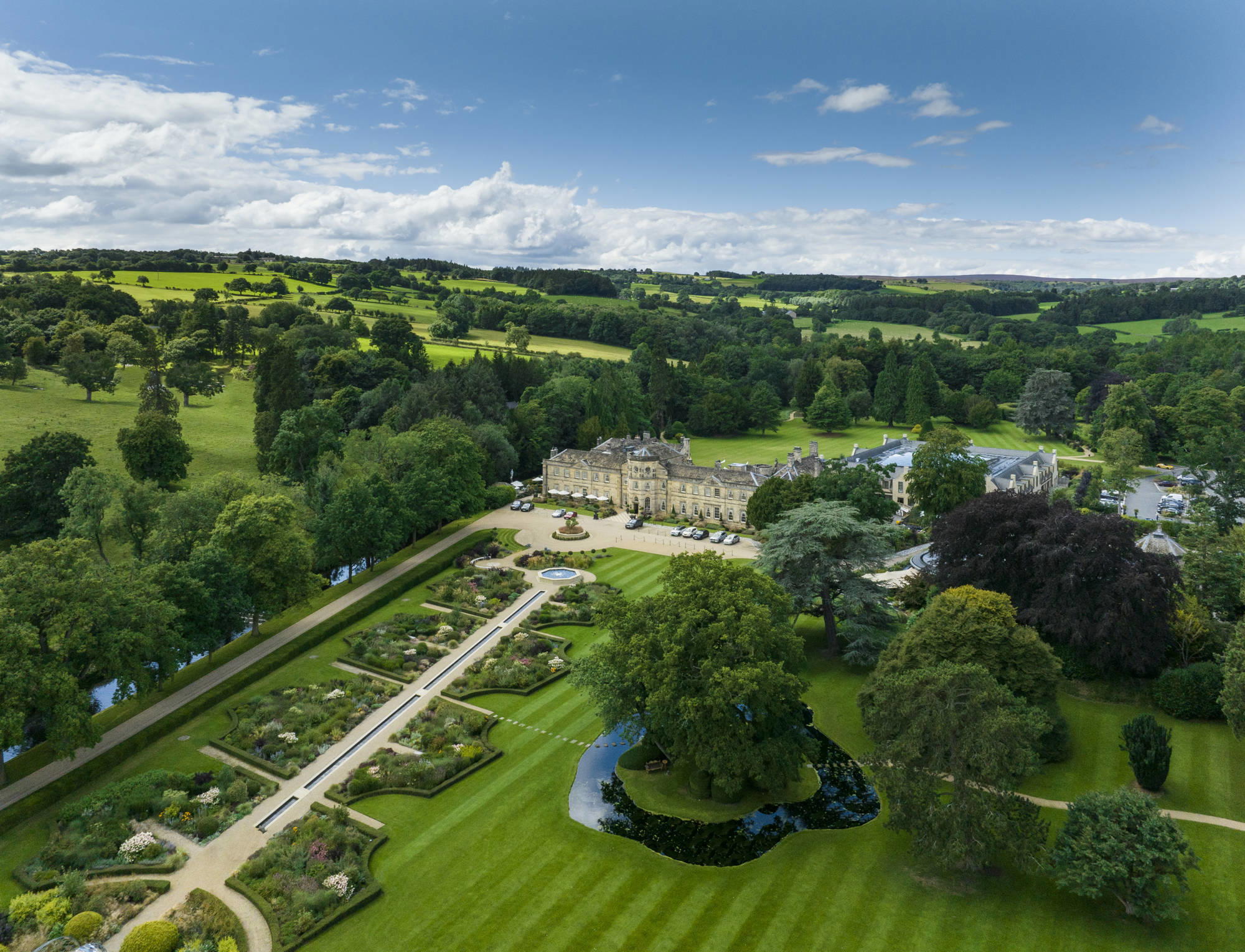
Broader [Grantley restaurants guide]() places the pub in a small but growing cluster of estate-linked venues in North Yorkshire that prioritize ingredient sourcing over technique or presentation. That cluster includes [Shaun Rankin at Grantley Hall](), which operates at a higher price and formality tier, and [Fletchers](), which runs a similar ingredient-forward model in a more urban setting. The pub format here lowers the barrier to entry but also limits the kitchen's ability to push the food in a more ambitious direction. The team from the manor brings technical skill and access to notable raw materials, but the venue's identity as a village pub constrains how far the cooking can evolve. For some diners, that constraint is the appeal: the food is good, the setting is unpretentious, and the connection to the land is direct. For others, the lack of editorial ambition or technical flourish will feel like a missed opportunity.
North Yorkshire's dining scene continues to grow around estate-linked kitchens and farm-to-table models, and the pub sits comfortably within that trend. It doesn't compete with [Grantley hotels]() or the fine-dining tier at nearby manor houses, but it offers a more accessible entry point into the same ingredient philosophy. If you're exploring the region and want to taste what grows and grazes locally without committing to a tasting menu or a three-hour meal, the pub makes sense. If you're looking for a chef-driven experience or a venue that pushes Modern British cooking in a new direction, you'll find more interesting work elsewhere. The estate connection is the story here, and the kitchen tells it clearly.
Comparison Snapshot
Comparable venues by cuisine and price in the same metro.
| Venue | Cuisine | Price | Awards |
|---|---|---|---|
| Grantley Arms | The team from the nearby country manor... | This venue | |
| Bar & Restaurant EightyEight | |||
| Shaun Rankin at Grantley Hall | Modern British | ££££ | Modern British, ££££ |
| Fletchers | Modern British | £££ | Modern British, £££ |
| The Orchard | |||
| The Yorkshire Tea Room |
Recognition history
Dated appearances from independent guides and award organizations, with the underlying list record or original source where available.
Michelin Plate
Michelin · 2026 Michelin Plate
At a Glance
- Cozy
- Rustic
- Classic
- Sophisticated
- Low Profile Address
- Family
- Group Dining
- Casual Hangout
- Date Night
- Historic Building
- Standalone
- Beer Program
- Extensive Wine List
- Local Sourcing
- Farm To Table
Warm, familiar, and beautifully renovated, with a relaxed yet refined classic country feel rather than a formal dining-room atmosphere.