Grand House Asian Bistro
Our verdict
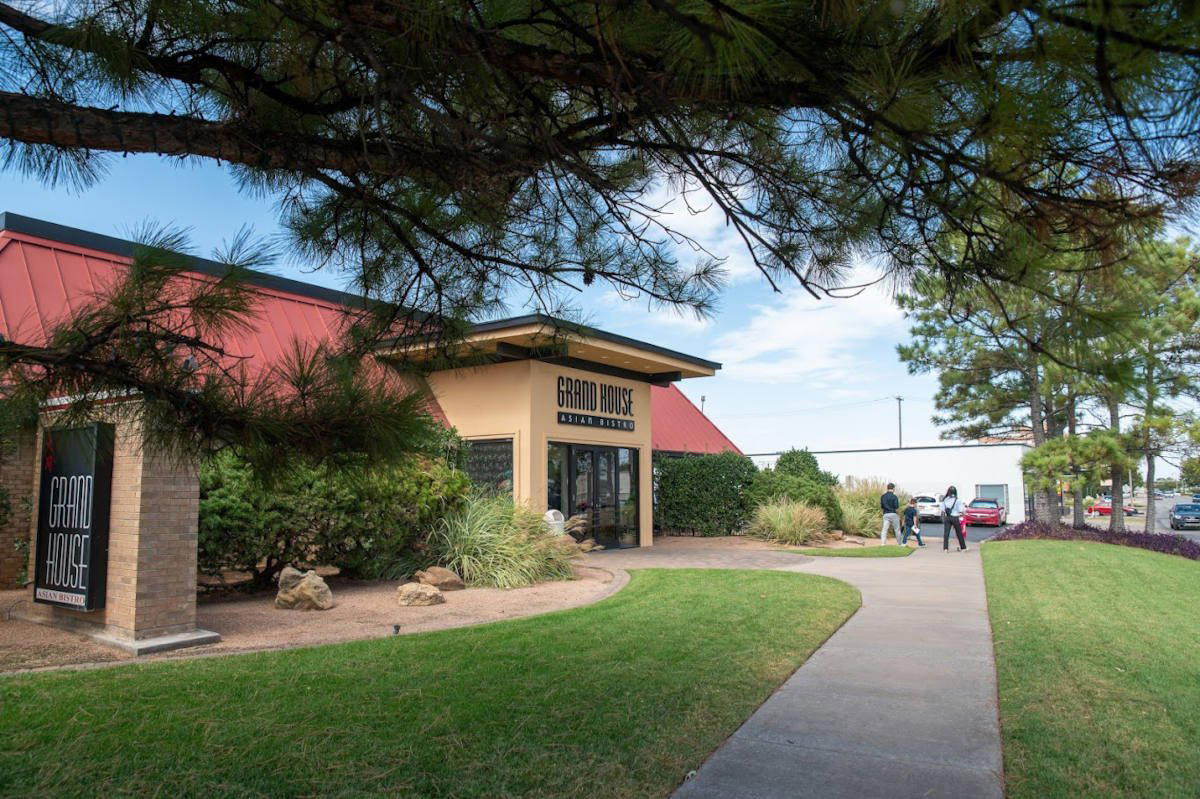
On North Classen Boulevard, Grand House Asian Bistro occupies a stretch of Oklahoma City that has quietly become the city's most internationally minded dining corridor. The restaurant draws from across the Asian culinary spectrum, positioning itself as a counter-weight to the city's steakhouse tradition and a useful reference point for understanding OKC's expanding appetite for pan-Asian cooking.

Pearl is the En Primeur Club membership app, where members save venues, book tables and use the concierge.
The menu
What to order
- Dim Sum
- Egg Rolls
- Express Lunch Special
North Classen and the Corridor That Changed Oklahoma City Dining
North Classen Boulevard does not announce itself the way Bricktown does. There are no neon signs calibrated for out-of-towners, no valet queues trailing around a corner. What the corridor has instead is density: Vietnamese bakeries beside Korean grocery markets, Lao restaurants a few doors from Guatemalan breakfast spots. This stretch of Oklahoma City has accumulated one of the more quietly consequential international dining strips in the southern plains, and Grand House Asian Bistro at 2701 N Classen Blvd sits squarely within that tradition. The building reads matter-of-factly from the street, which is, on Classen, a form of credibility. The restaurants that perform loudest here tend to last the least.
Understanding Grand House requires understanding what Classen is and what it is not. It is not a destination corridor engineered by a city planning authority. It developed the way immigrant food corridors always do: incrementally, driven by community need before restaurant-world attention arrived. Oklahoma City's Asian and Latino populations concentrated in this part of the city across several decades, and the food followed. By the time national food media began noting OKC's dining scene in earnest, Classen already had its own internal logic, its own hierarchy of regulars and repeat customers who did not need a press release to tell them what was worth eating.
Pan-Asian Cooking in a Steakhouse City
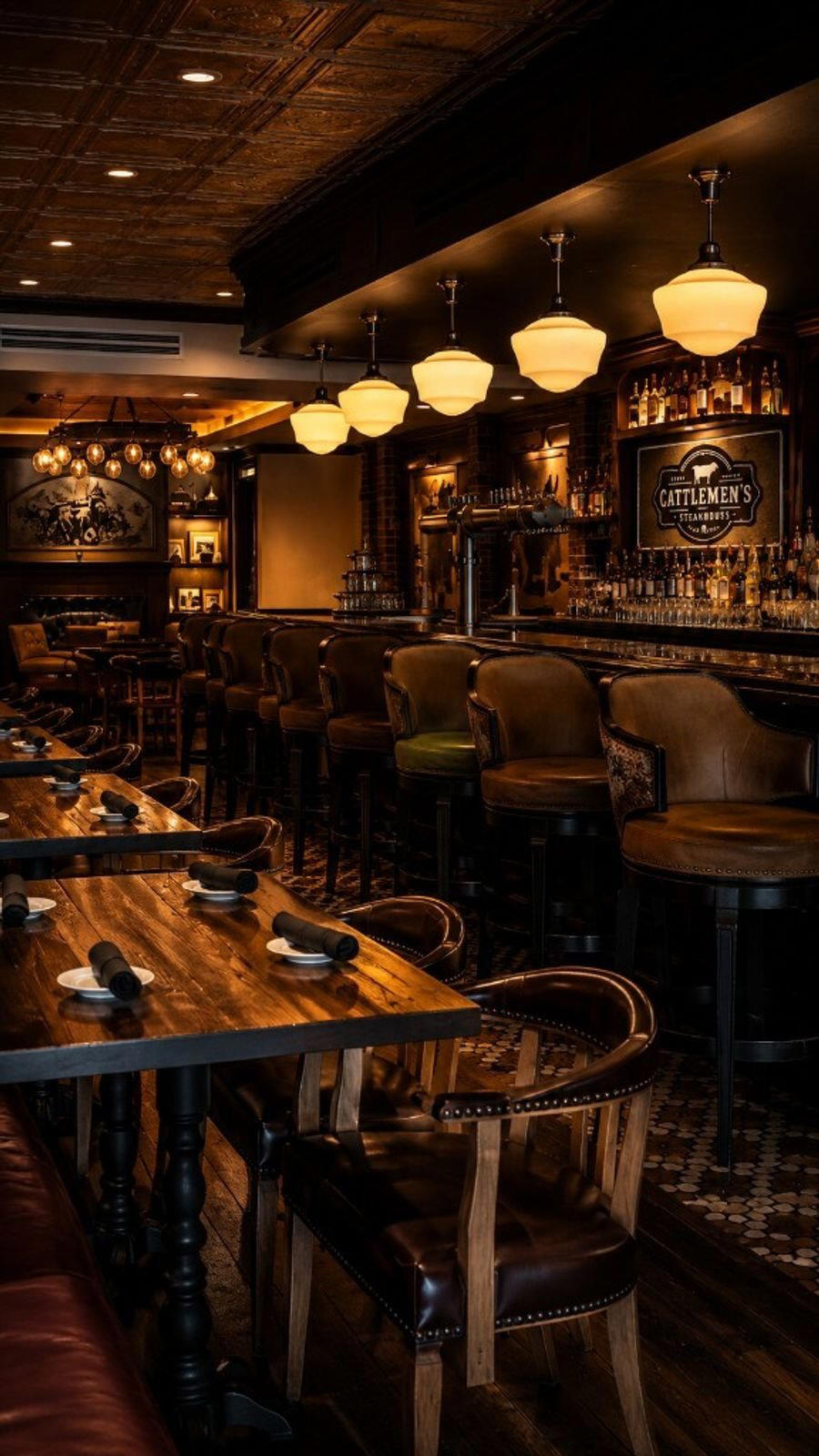
Oklahoma City's dining identity has long been anchored in beef. Cattlemen's represents the oldest and most argued-over expression of that tradition, a steakhouse operating out of the Stockyards district with a history that predates the city's modern restaurant scene by decades. Against that backdrop, the category of pan-Asian cooking occupies a different register entirely: lighter proteins, acid-forward sauces, rice and noodle formats that sit outside the beef-and-sides framework most visitors associate with the city.
What the North Classen strip has demonstrated, year over year, is that there is a committed local audience for exactly this kind of cooking. Bar Sen, which draws on Lao culinary tradition, is among the more cited examples of Classen-adjacent Asian dining that has attracted wider recognition. Grand House operates in a related but distinct register, pulling from a broader pan-Asian frame rather than a single national tradition. That breadth can be a strength in markets where any single Asian cuisine would have a smaller audience than the combined draw of multiple traditions under one roof.
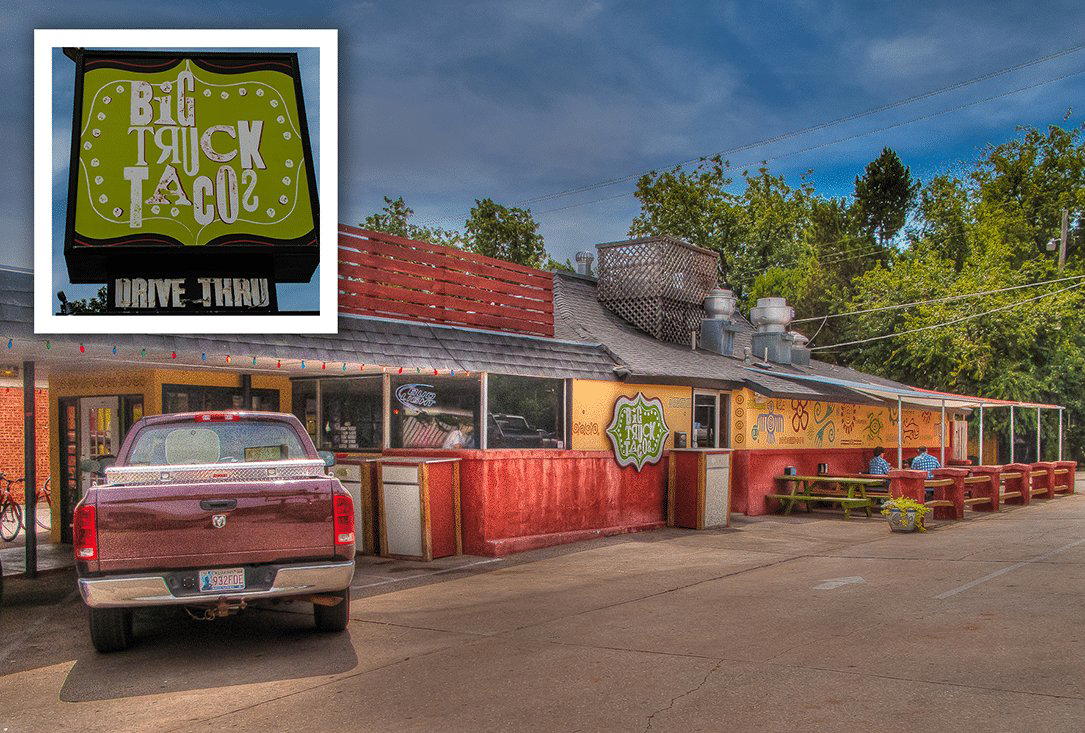
The contrast with the city's other well-regarded restaurants is instructive. Bellini's Ristorante and Grill and Cafe Kacao operate in European and Latin American traditions respectively, each carving a distinct lane. Big Truck Tacos occupies a more casual, street-adjacent format. Grand House sits in a different position: a sit-down Asian bistro format that reads as accessible without being stripped-down, which in a mid-sized American city is a meaningful distinction. See our full Oklahoma City restaurants guide for a broader view of how these dining traditions map across the city.
What the Bistro Format Means Here
The word bistro applied to an Asian restaurant in an American city carries specific weight. It signals a middle register: not the white-tablecloth formal end, not the counter-service casual end. In practice, bistro-format Asian restaurants in American mid-sized cities tend to function as the workhorses of their local dining scenes, places where the food is taken seriously but the occasion does not require advance planning weeks out. This is not the format you find at Atomix in New York City, where Korean fine dining operates in a tasting-menu framework priced and paced against the city's most formal rooms. Nor is it the format of 8 1/2 Otto e Mezzo Bombana in Hong Kong, where fine dining traditions from Europe and Asia converge in a formal framework. Grand House is positioned for frequency of visit, not rarity of occasion.
That positioning matters in Oklahoma City specifically. The city's dining scene has grown considerably over the past decade, but it has not yet developed the kind of deep omakase or tasting-menu tier you find in cities like San Francisco, where Lazy Bear operates, or Chicago, where Alinea has held three Michelin stars. The formal end of OKC dining is represented by a handful of ambitious rooms; the more durable action is in restaurants like Grand House that serve the middle of the market consistently.
Placing Grand House in a Wider Frame
Nationally, pan-Asian bistro formats occupy an interesting position in the restaurant economy. They are rarely the venues that attract major awards attention. The James Beard Foundation and Michelin Guide tend to recognize either hyper-specific ethnic traditions executed at a high technical level or New American tasting-menu formats with documented sourcing programs. Pan-Asian breadth does not map neatly onto either category. What these venues do attract is the more durable marker of local loyalty: the regulars who come twice a month because the food is reliable and the experience is repeatable without fatigue.
By that measure, the North Classen location is an asset. Restaurants on this corridor are not sustained by tourism or novelty cycles. The customer base is local, return-driven, and calibrated to value over spectacle. The most decorated rooms in American dining, from The French Laundry in Napa to Le Bernard in New York City, operate on a different logic entirely: scarcity, occasion, and formal achievement. Grand House operates on the logic of the neighborhood, which on Classen means serving a community that already knows what it wants and comes back when it gets it.
For visitors arriving in Oklahoma City with enough time to move beyond the Bricktown entertainment district, North Classen offers a more granular read on how the city actually eats. The strip provides context that a single restaurant visit cannot: the visual grammar of immigrant-built food corridors, the adjacency of cuisines from different parts of Asia and Latin America, the sense that this part of the city developed its food culture from within rather than for outside consumption. Restaurants like those found in the comparable formal tier, from Blue Hill at Stone Barns in Tarrytown to Addison in San Diego, are shaped by deliberate vision and significant capital. Classen's restaurants are shaped by community gravity, which produces a different but equally legible kind of quality signal.
Planning Your Visit
Grand House Asian Bistro is located at 2701 N Classen Blvd, Oklahoma City, OK 73106, positioned in the heart of the North Classen corridor where parking is typically street-level and available. Visitors should approach this as a neighborhood restaurant rather than a special-occasion destination: the format rewards a relaxed pace and benefits from arriving without fixed expectations about any single dish category. Given that the Classen corridor functions primarily as a local dining strip rather than a reservation-heavy fine dining tier, walk-in dining is a reasonable assumption, though this should be verified before visiting during peak hours.
Frequently asked questions
What's Grand House Asian Bistro's location?
Grand House Asian Bistro is located at 2701 N Classen Blvd, Oklahoma City, OK 73106, Oklahoma City.
How does Grand House Asian Bistro fit into Oklahoma City's broader international dining scene?
Grand House Asian Bistro sits on North Classen Boulevard, the stretch of Oklahoma City that concentrates more internationally focused restaurants per block than any other corridor in the metro. In a city where steakhouses and barbecue command the most historical attention, a pan-Asian bistro here addresses a segment of Oklahoma City diners specifically looking beyond that tradition. The North Classen address places it within walking distance of several other immigrant-owned operations, making the area a practical destination for back-to-back exploration.
What's the signature dish at Grand House Asian Bistro?
For current menu details, visiting Grand House Asian Bistro at 2701 N Classen Blvd in Oklahoma City directly is the most reliable approach. North Classen's pan-Asian corridor context suggests a range of dishes spanning multiple Asian culinary traditions.
What makes Grand House Asian Bistro worth seeking out?
Grand House Asian Bistro operates in the North Classen corridor, which functions as Oklahoma City's most concentrated stretch of international dining outside the mainstream Bricktown circuit. In a city whose restaurant identity has historically centered on beef, a pan-Asian bistro format in this location represents a deliberate counterpoint. The bistro register, positioned between fast-casual and white-tablecloth, makes it accessible without sacrificing culinary seriousness.
How does Grand House Asian Bistro handle allergies?
Pan-Asian menus commonly involve soy, shellfish, gluten, and peanuts across multiple preparations, so guests with dietary restrictions should contact the restaurant at 2701 N Classen Blvd, Oklahoma City before visiting.
Is a meal at Grand House Asian Bistro worth the investment?
The bistro format it operates within typically positions meals in the mid-range, offering more than fast-casual but stopping short of tasting-menu pricing.
At a Glance
Comparable venues nearby, for context on price, style, and recognition.
| Venue | Cuisine | Price | Notes |
|---|---|---|---|
| Grand House Asian BistroThis venue (the venue you are viewing) | Traditional Chinese Dim Sum and Asian Bistro | $20–30 | Not listed |
| Poblano Grill | Authentic Mexican | $20–30 | North Oklahoma City, Authentic Mexican |
| Classen Grill | Classic American Breakfast & Grill | $10–20 | Classen Circle, Classic American Breakfast & Grill |
| Ted's Café Escondido | Mexican & Southwestern | $20–30 | NW Oklahoma City, Mexican & Southwestern |
| Cheever's Cafe | Upscale Southwestern & Southern Bistro | $30–50 | Route 66, Upscale Southwestern & Southern Bistro |
| Jamil's | Lebanese-Influenced Steakhouse | $50–100 | Midtown, Lebanese-Influenced Steakhouse |
Continue exploring
More in Oklahoma City
Restaurants in Oklahoma City
All restaurants in Oklahoma City →




Details
- Elegant
- Cozy
- Group Dining
- Family
- Casual Hangout
- Brunch
- Open Kitchen
- A La Carte
- Small Plates
- Family Style
- Vegetarian Friendly
Current opening hours
- Monday
- 11 AM–9 PM
- Tuesday
- 11 AM–9 PM
- Wednesday
- 11 AM–9 PM
- Thursday
- 11 AM–9 PM
- Friday
- 11 AM–9 PM
- Saturday
- 9 AM–9 PM
- Sunday
- 9 AM–9 PM
Hours can change for holidays and private events. Hours as of .
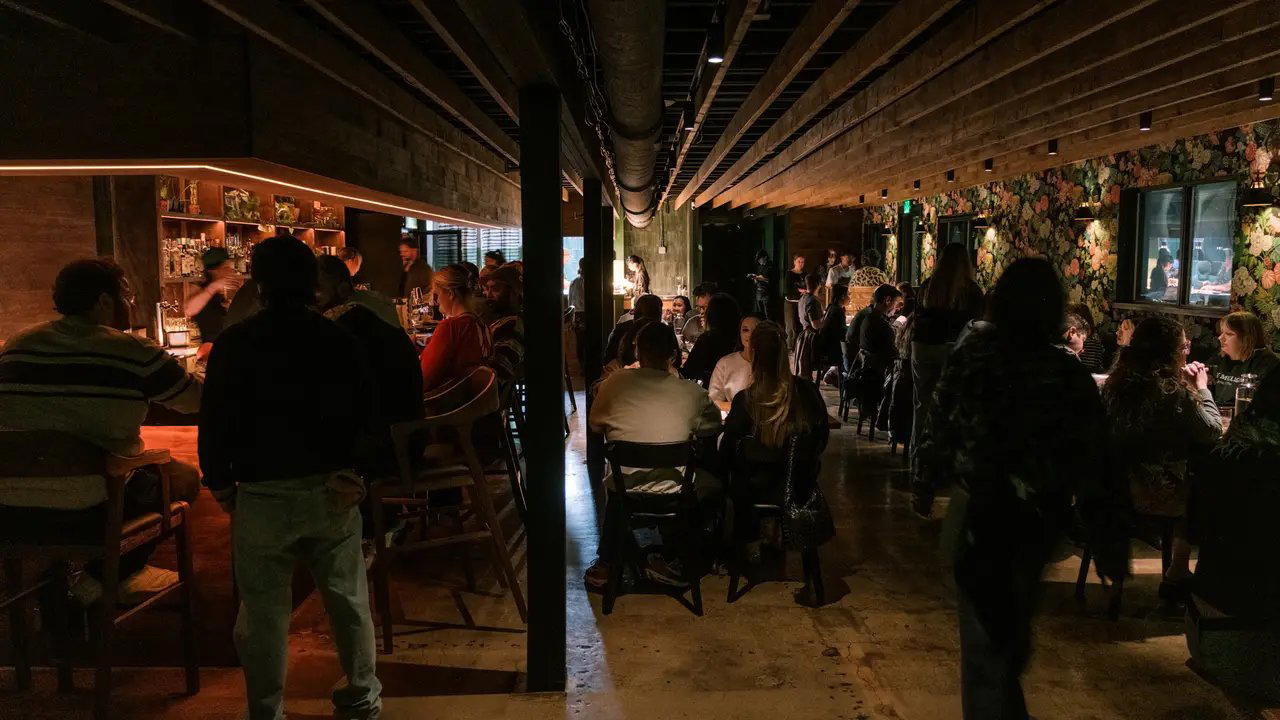
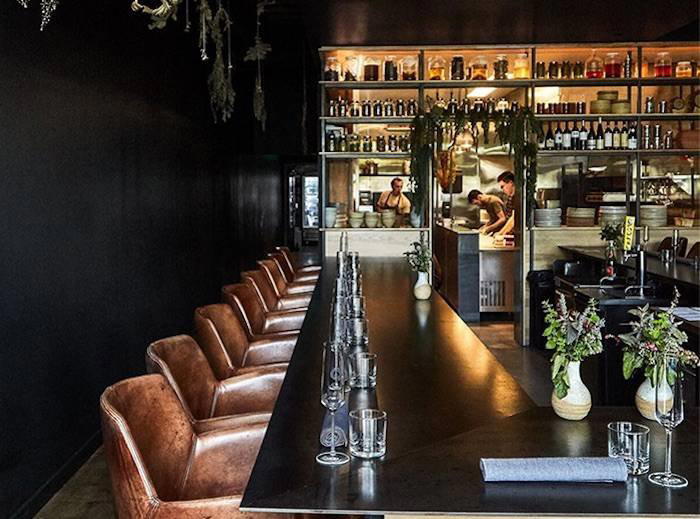
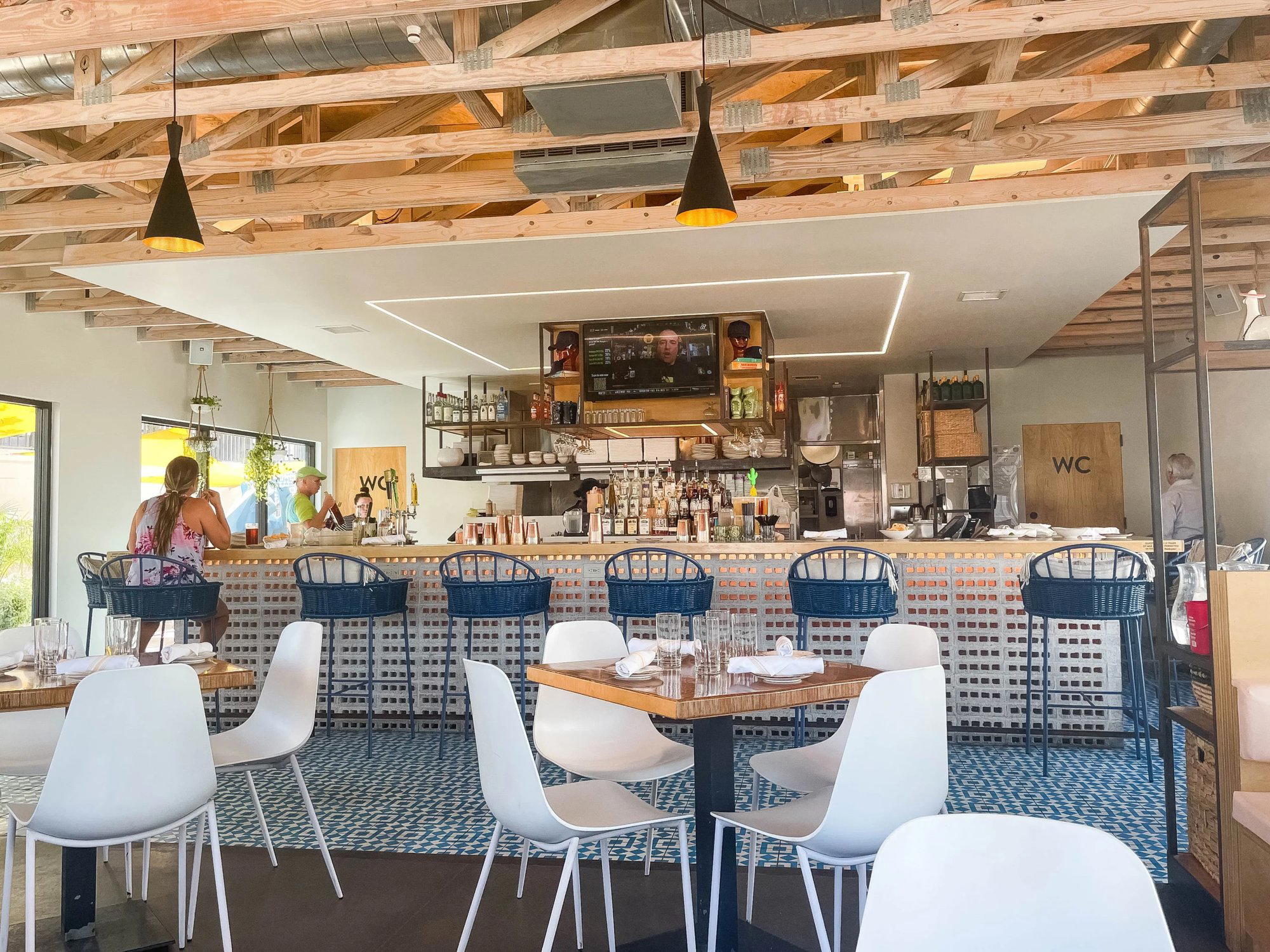
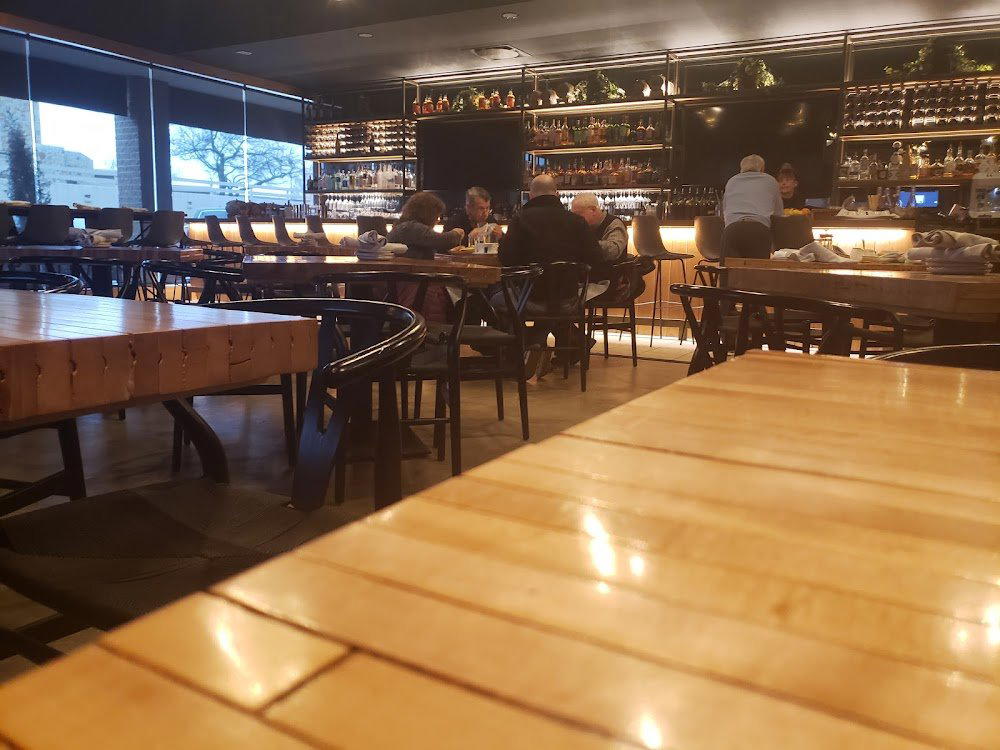
Warm and quietly elegant surroundings with a full bar.