Our verdict
Ecrivain in Dublin presented contemporary French-Irish cuisine from chef Derry Clarke, pairing precision technique with Irish produce. Must-try dishes included Castletownbere Crab Ravioli, Wild Irish Rabbit terrine and Hand-Dived Scallops. Renowned for its Michelin star tenure (2003–2020), the restaurant delivered tasting menus that changed with the season, offering rich sauces, clean seafood brine and warm, inviting service. Diners remembered the Georgian mews setting, attentive front-of-house care and the live-kitchen theatre that made each course feel deliberate and celebratory.
- Address
- 109a Lower Baggot Street, Dublin, Ireland
- Phone
- +353 1 6611919
- Directions
- Get directions
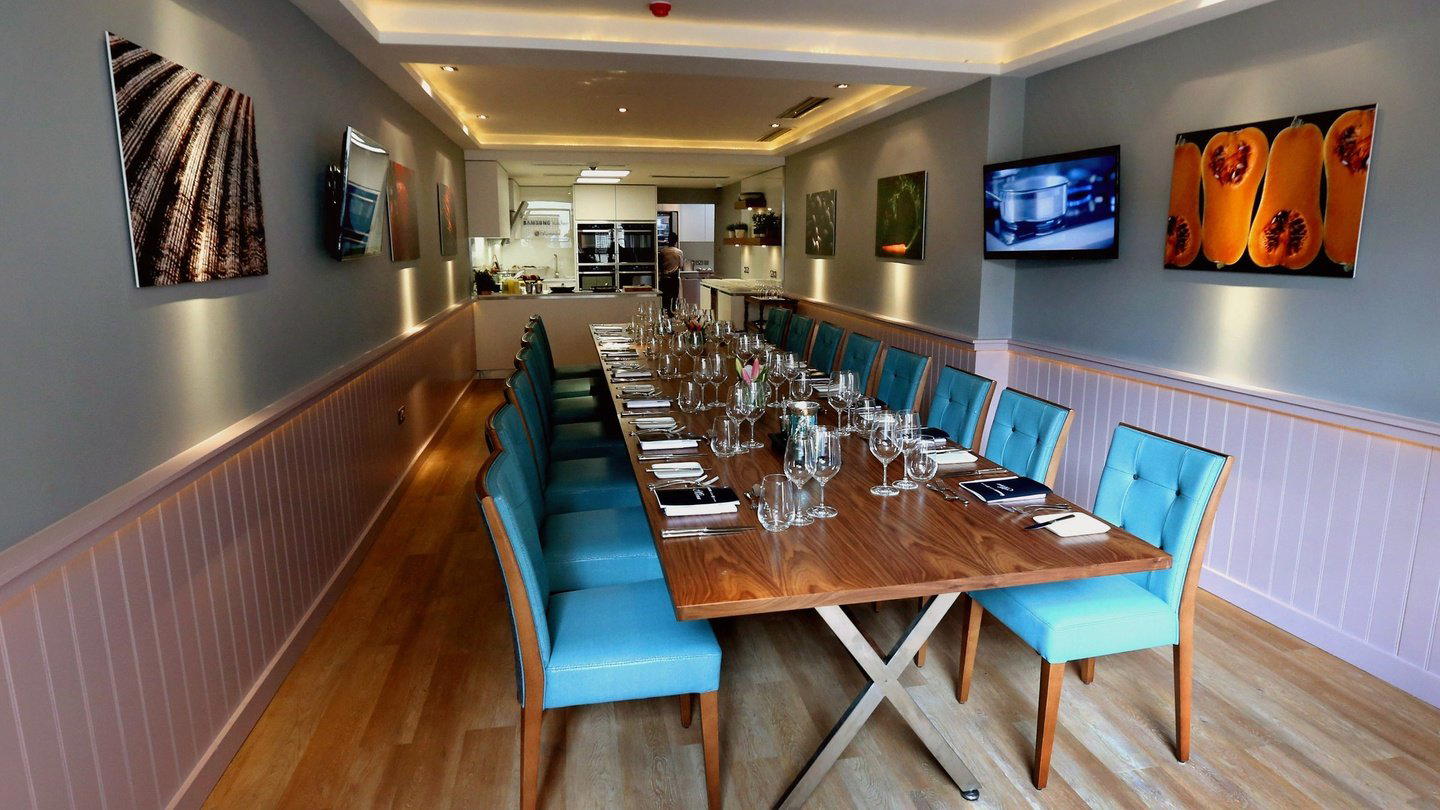
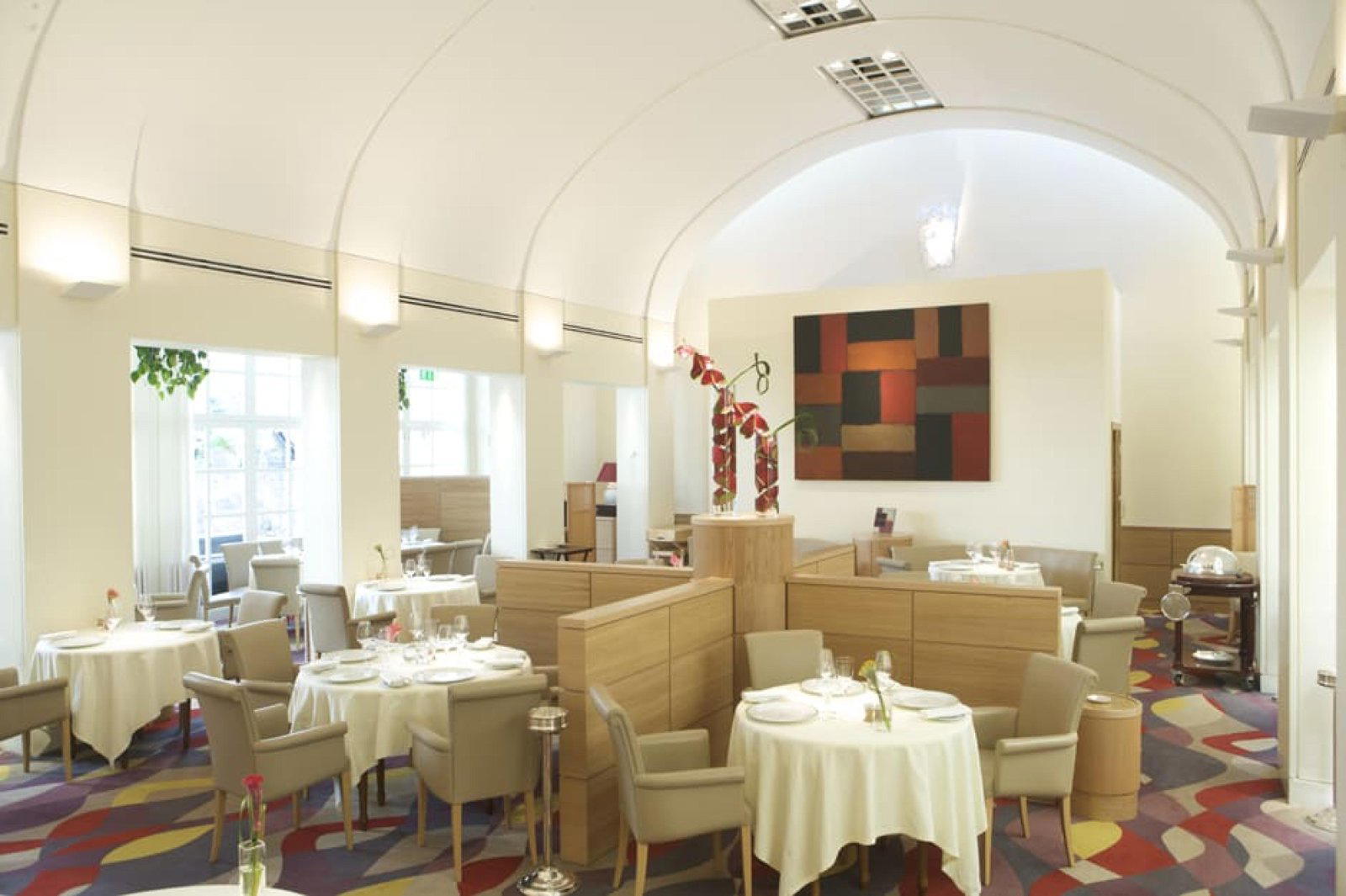
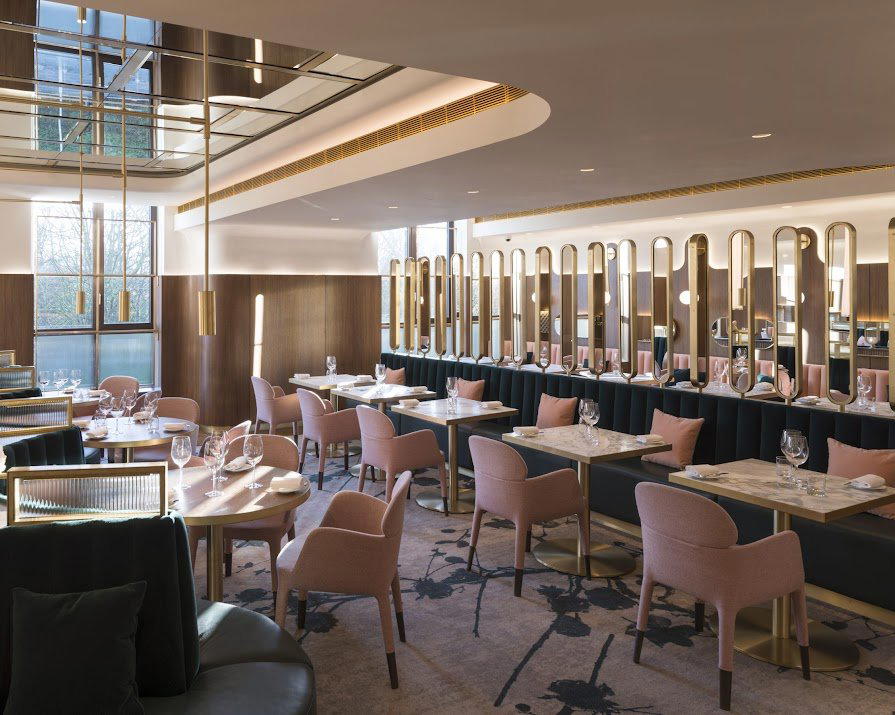
Ecrivain in Dublin set a measured scene from the first course, a compact dining room accessed off Lower Baggot Street where the kitchen’s approach to Contemporary French-Irish cuisine arrived precise and unmistakable. In the evenings the room favored small, focused tables, quiet conversation and the steady rhythm of plates leaving a live kitchen. Ecrivain in Dublin was a destination for celebrations and business dinners alike, and its menus invited guests to taste dishes that married French technique with Irish ingredients. This focus on seasonal produce and thoughtful execution made each visit feel like a carefully planned meal rather than a casual outing.
Chef Derry Clarke and his wife Sallyanne opened the restaurant in July 1989, and Ecrivain’s vision grew from that long stewardship: French classical technique applied to small Irish producers and changing seasons. The restaurant held a Michelin star from 2003 to 2020, a distinction that confirmed its consistency and technical standards. Clarke’s profile on television and in print amplified the address, but the kitchen’s reputation rested on steady plates and service standards that guests described as attentive and precise. Over 32 years the team earned praise for tasting menus, à la carte options, and a sourcing philosophy that prioritized local farmers, fishers and artisan producers.
The culinary journey at Ecrivain moved between restrained seafood and rich meat courses. Signature items included Castletownbere Crab Ravioli—a delicate parcel filled with sweet crab, carrot vinaigrette and crab foam that balanced texture with bright acid. Hand-Dived Scallops arrived often with smoked tomatoes, squid and tomato essence, a dish that layered smoke and marine sweetness while keeping the scallop central. Wild Irish Rabbit appeared as loin and leg terrine with sweetcorn beignet and foie gras emulsion, marrying rustic protein with refined enrichments.
The Hereford Beef Assiette paired fillet with braised ox cheek, tongue and smoked garlic crumbs, offering varied textures and deep marrow richness. Wild Turbot featured caramelized clams, Paleta Iberico ham and organic leek for an umami-rich coastal course. Desserts mirrored the kitchen’s control, such as a rhubarb composition with yoghurt pannacotta, chilled consommé and candied ginger sablé where tartness and cream met in clean, balanced bites. Menus rotated by season and the tasting menu structure allowed guests to sample a range of these preparations, highlighting both coastal and pasture-forward Irish ingredients.
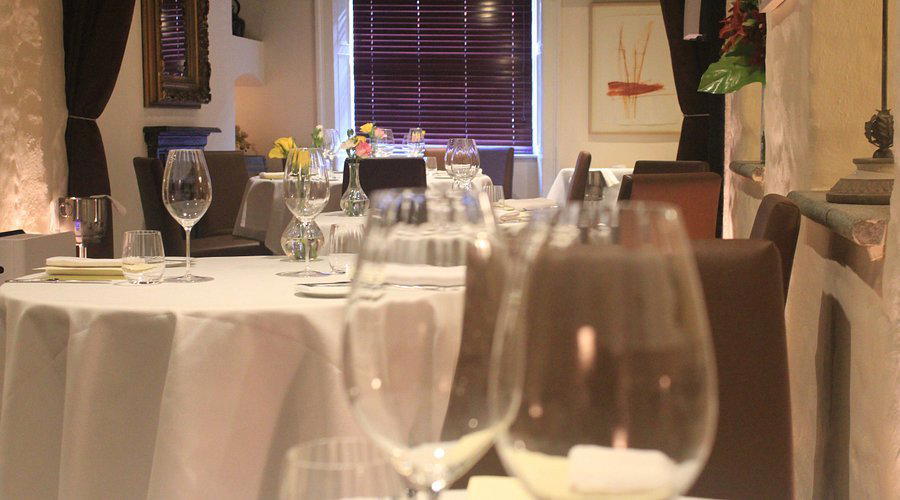
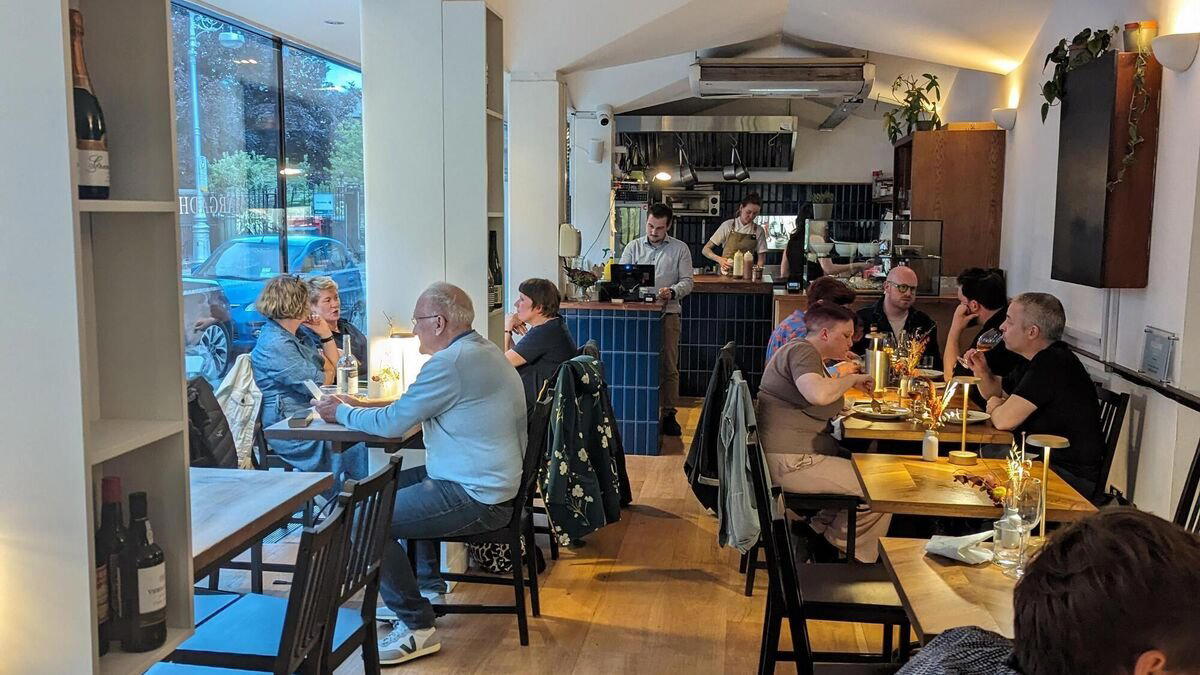
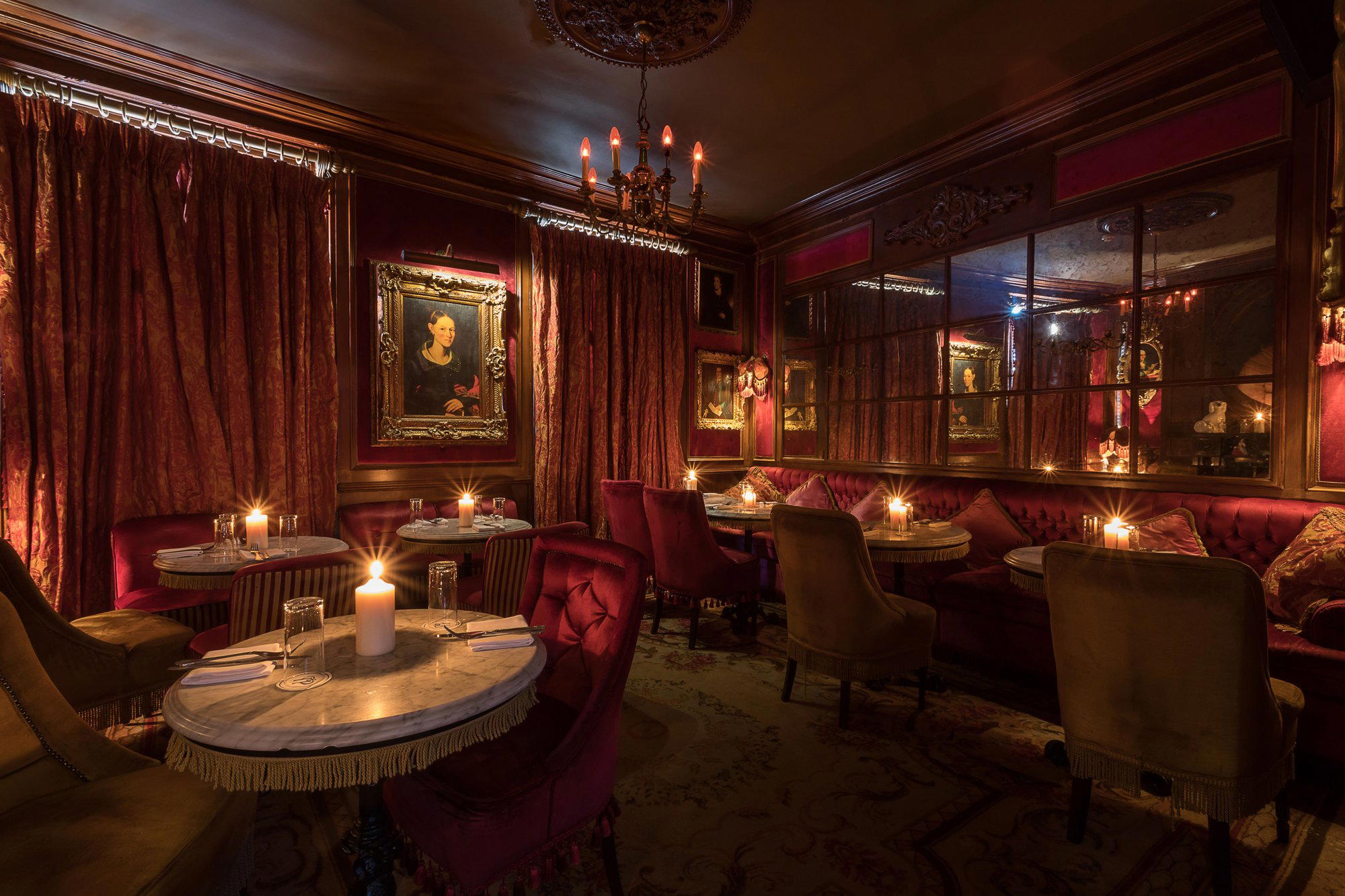
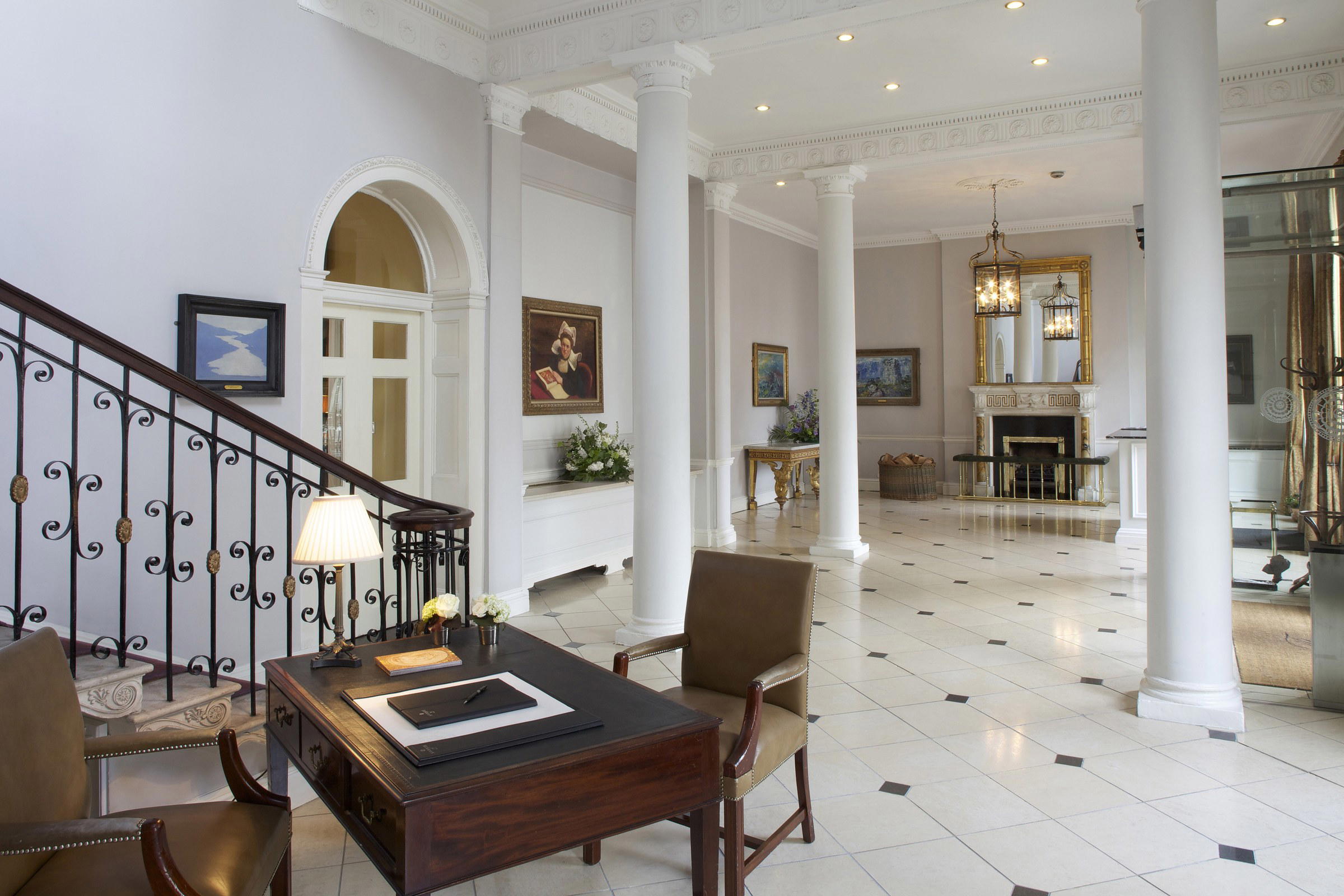
The atmosphere at Ecrivain favored privacy and focus. The building’s Georgian mews courtyard location off Baggot Street delivered a sense of being set slightly apart from city traffic. Inside, lighting and layout promoted conversation while the live kitchen window offered a visual connection to the cooks at work. Service followed a quietly professional model: staff anticipated next steps, cleared and paced courses smoothly, and made special occasion arrangements with care.
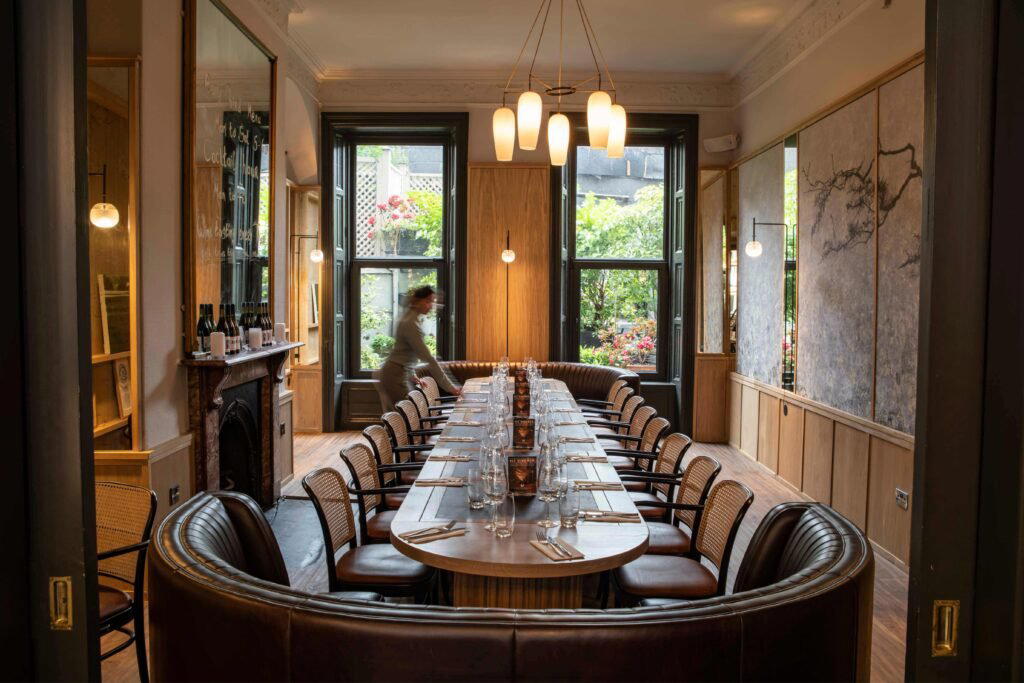
Three private dining rooms enabled intimate events and allowed guests to choose observation of the kitchen or a more secluded setting. The overall tone was chic yet relaxed, suitable for anniversaries, corporate meals and food-focused travelers. For practical planning note that Ecrivain closed permanently in March 2021; the descriptions here reflect its historical menu, accolades and experience. When it was operating, best times to visit were dinner seatings for the full tasting menu, and weekday evenings for a quieter table.
Dress leaned smart casual to formal; reservations were recommended well in advance, especially for private rooms and tasting-menu evenings. The kitchen accommodated allergies and dietary restrictions with notice, and menu prices in final years typically ranged from approximately €55–€90 for two- to three-course options and tasting menus higher. Ecrivain remains an important chapter in Dublin’s restaurant history and a model of how French technique can clarify Irish ingredients. For travelers researching Dublin fine dining past and present, Ecrivain’s record—its Michelin recognition, seasonal menus and careful service—offers a clear reference point for what to expect from high-end gastronomy in the city.
Consider these details when comparing current Dublin tasting menus or when curating a culinary itinerary that traces the city’s evolution in modern Irish cooking.
In Context
Comparable venues nearby, for context on price, style, and recognition.
| Venue | Cuisine | Price | Notes |
|---|---|---|---|
| EcrivainThis venue — the venue you are viewing | South Dock, Dining | Not listed | Not listed |
| Matt The Thresher | Irish Seafood Gastro Pub | Not listed | Mansion House B, Irish Seafood Gastro Pub |
| 3fe Grand Canal Street | Specialty Coffee Cafe | $10–20 | South Dock, Specialty Coffee Cafe |
| Gallaghers Boxty House | Traditional Irish Boxty House | $20–30 | North City, Traditional Irish Boxty House |
| Café en Seine | Modern Irish-European Gastropub | $20–30 | Mansion House B, Modern Irish-European Gastropub |
| MV Cill Airne | Irish Steakhouse on a Historic Boat | $30–50 | North Dock B, Irish Steakhouse on a Historic Boat |
Continue exploring