

Star Wine List · World's Best Wine Lists Awards WBWL 3-Star
Our verdict
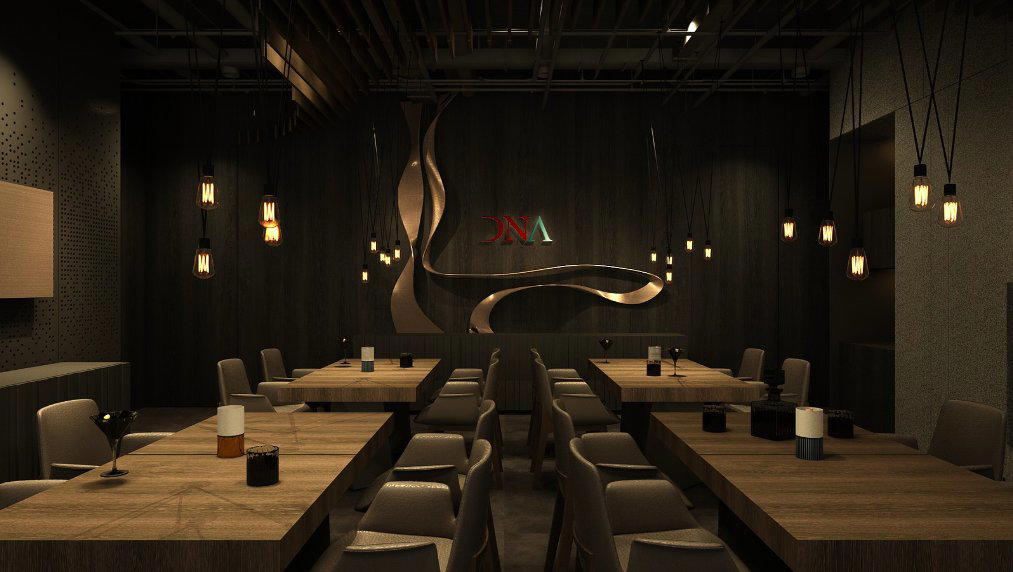
DNA Spanish Restaurant occupies a specific niche in Taichung's international dining scene: Spanish cuisine recognised by both Star Wine List's White Star accreditation and a World of Fine Wine 3-Star distinction, placing it among a small cohort of wine-serious Western tables in a city better known for Taiwanese and Japanese formats. Located in Xitun District, it draws guests who expect the food and the cellar to operate at the same level.

Pearl is the En Primeur Club membership app, where members save venues, book tables and use the concierge.
Where Spanish Cooking Lands in Taichung
Taichung's restaurant scene has developed a recognisable structure over the past decade. At the leading sit the tasting-menu houses oriented around Taiwanese contemporary or Modern Singaporean formats, places like Sur- and JL Studio. Below that, a second tier of European-influenced tables occupies a more specialist position, drawing guests who want the architecture of a European kitchen applied to local ingredients, or who want a specific regional cuisine that isn't Japanese or French. Spanish cooking sits in that second tier, and it sits there almost alone. DNA Spanish Restaurant in Xitun District is one of the few addresses in the city where the Iberian pantry, the technique of salt-curing, the logic of a long wine list anchored in Rioja and Ribera del Duero, and the discipline of a Spanish kitchen are operating together at a level serious enough to earn external recognition.
That recognition comes from two sources. Star Wine List, a publication focused on wine programs at restaurants globally, published DNA in April 2023 and assigned it a White Star accreditation, a designation given to venues with lists deemed above average in quality and curation. The World of Fine Wine awards process separately assigned a 3-Star accreditation. In a city where wine programming is not always treated as equal to the food, these signals tell a specific story: the cellar at DNA is not decorative.
The Logic of Sourcing Spanish Cuisine in Taiwan
The challenge that defines any serious European restaurant operating outside its home geography is ingredient sourcing. Spanish cuisine at its upper registers depends on a short list of products that are difficult to replicate: Ibérico pork from acorn-fed pigs in Extremadura and Andalusia, tinned seafood from the Atlantic and Cantabrian coasts, aged cheeses from Manchego and Idiazabal traditions, and olive oils from specific Andalusian appellations. These are not products that Taiwanese agriculture produces, which means the decision-making about what to serve at a restaurant like DNA is shaped, in part, by what can be sourced in a form that honours the original.
The more interesting editorial question is how a Spanish kitchen in Taichung handles the gap between what is imported and what can be sourced locally. Taiwan's central market infrastructure is formidable: the island produces exceptional seafood, including grouper, clams, and various shellfish that appear in Spanish coastal cooking under different names. Pimentón, saffron, and sherry vinegar travel well. The sofrito base that underpins much of Catalan and Valencian cooking can be constructed from local tomatoes. The sourcing question, then, is not binary. A kitchen that thinks carefully about which Spanish flavour profiles survive the translation into Taiwanese markets, and which require direct import to maintain integrity, is making a set of editorial decisions about the menu. Those decisions shape what the guest experiences at the table.
This context matters when situating DNA against peers elsewhere in Taiwan. Logy in Taipei works from a similar premise: European technique applied in a Taiwanese market, with sourcing as a central discipline. GEN in Kaohsiung operates in a different register, but the question of how European cooking roots itself in Taiwan is one that serious kitchens across the island are answering in different ways. DNA's answer is Spanish-specific, and Xitun District is where it plays out.
The Wine Program as a Structural Element
A White Star from Star Wine List and a 3-Star from the World of Fine Wine are not the same credential as a Michelin star or a 50 Best placement, but they are not trivial either. Star Wine List evaluates whether a restaurant's wine list is curated with genuine knowledge, whether the pricing is reasonable relative to what is being offered, and whether the list reflects considered choices rather than a generic distributor portfolio. For a Spanish restaurant, this means the list should be navigating Rioja's different classification levels, the difference between a crianza and a reserva, the argument for Priorat over Ribera del Duero at a particular price point, and the case for lesser-known Spanish regions like Bierzo or Txakoli.
In Taichung, where the wine program at a European restaurant is often an afterthought behind the food menu, a cellar recognised at this level places DNA in a distinct position. L'Atelier par Yao works the French Contemporary register and presumably carries a French-dominant list; MINIMAL operates in a different conceptual space. Among European tables in the city, a Spanish list of this depth is a specific asset for the guest who wants the wine and the kitchen to reinforce each other rather than coexist independently.
Finding DNA in Xitun
DNA Spanish Restaurant is located at No. 36, Huizhong 7th Street in Xitun District, on the ground floor. Xitun is Taichung's western commercial corridor, a district built around mixed residential and commercial density rather than the older street-food culture of Central or South District. It is less immediately atmospheric than some of the city's older neighbourhoods, but it has developed a concentration of destination restaurants that draw guests from across the city. For visitors staying elsewhere in Taichung, the journey to Xitun is worth treating as a dedicated evening rather than a stop on a longer itinerary.
Given the wine program's credentials and the specificity of the cuisine, booking in advance is the sensible approach. For broader context on where DNA sits within Taichung's dining options, see our full Taichung restaurants guide. Visitors planning a longer stay should also consult our Taichung hotels guide, our bars guide, and our experiences guide for a complete picture of the city.
DNA in the Wider Taiwan Context
Positioned against the broader Taiwan dining scene, DNA represents a format that remains genuinely rare: a Spanish restaurant operating at a level where the wine program is formally recognised alongside the kitchen. Akame in Wutai Township demonstrates how indigenous Taiwanese ingredients can anchor a serious tasting format; Zhu Xin Ju in Tainan and A Gan Yi Taro Balls in New Taipei show the range of the island's food culture from formal to street-level. Against that range, DNA's proposition is a narrow but coherent one: Spanish food and Spanish wine, taken seriously, in Taichung.
For comparison beyond Taiwan, the model of a regionally specific European kitchen built around both food and wine credentials is visible at places like Le Bernardin in New York City and Emeril's in New Orleans, where a defined regional or culinary identity is sustained at a high level over time. The challenge for DNA is sustaining that specificity in a market where the default European option is French, and where Spanish wine literacy among diners remains lower than in European capitals. The Star Wine List and World of Fine Wine recognitions suggest the kitchen and cellar are meeting that challenge.
For guests planning visits across the region, our Taichung wineries guide covers the wine side of central Taiwan more fully, and Volando Urai Spring Spa and Resort in Wulai District offers a different register of the food-and-setting combination for those who want to extend their Taiwan itinerary beyond Taichung and into the mountains north of Taipei. Oretachi No Nikuya rounds out the Taichung picture from the barbecue register, for those evenings when the instinct runs toward smoke rather than sofrito.
Frequently asked questions
Where is DNA Spanish Restaurant located?
DNA Spanish Restaurant is located at 1樓, No. 36號, Huizhong 7th Street, Xitun District, Taichung.
What's DNA Spanish Restaurant known for in terms of accolades?
DNA Spanish Restaurant has received recognition including: DNA Spanish Restaurant is a restaurant in Taichung, Taiwan. It was published on Star Wine List on April 20, 2023 and is a White Star.;
What do people recommend at DNA Spanish Restaurant?
The wine program has earned both a Star Wine List White Star and a World of Fine Wine 3-Star accreditation, which suggests the bottle list is where regulars invest their attention.
Should I book DNA Spanish Restaurant in advance?
Contact details are not publicly listed for DNA, but Spanish restaurants operating at a credentialed level in Taichung's Xitun District typically require reservations, particularly for evening seatings. Given the wine recognition from both Star Wine List and the World of Fine Wine, this is not a walk-in format. Booking ahead through the venue directly or via a hotel concierge is the practical approach.
What's DNA Spanish Restaurant best at?
The wine program is the most verifiably documented strength: a Star Wine List White Star and a World of Fine Wine 3-Star place DNA among a small number of Taichung restaurants with dual international wine accreditation. In the broader Taiwan dining context, Spanish restaurants operating at this level of wine seriousness remain rare outside Taipei.
Is DNA Spanish Restaurant good for vegetarians?
Spanish cuisine at the level DNA appears to operate frequently centres on seafood, charcuterie, and meat-based preparations, which can limit options for strict vegetarians. No menu data is publicly documented for DNA, so contacting the restaurant directly before visiting is advisable if plant-based requirements are a factor.
How does DNA Spanish Restaurant's wine program compare to other accredited restaurants in Taichung?
DNA holds both a Star Wine List White Star and a World of Fine Wine 3-Star accreditation, a combination that distinguishes it from the majority of Taichung's restaurant wine lists, where single-credential recognition is more common. These awards assess list depth, value, and curation rather than cellar size alone, positioning DNA's program as one of the more rigorously assessed in the city's Spanish and European dining segment.
A Quick Peer Check
| Venue | Cuisine | Price | Awards | Notes |
|---|---|---|---|---|
| DNA Spanish RestaurantThis venue (the venue you are viewing) | Modern Spanish Tapas | $50–100 | Star Wine List · World's Best Wine Lists Awards WBWL 3-Star | Not listed |
| JL Studio | Modern Singaporean Cuisine | $100–150 | 3 Michelin Stars · World's 50 Best #50 | Modern Singaporean, Singaporean |
| Sur- | Modern Taiwanese Fine Dining | $50–100 | 1 Michelin Star | Taiwanese contemporary |
| L'Atelier par Yao | Modern French Fine Dining with Eastern Fusion | Not listed | 1 Michelin Star | French Contemporary |
| Oretachi No Nikuya | Japanese Yakiniku | $50–100 | 1 Michelin Star | Barbecue |
| YUENJI | Modern Taiwanese Fine Dining | $100–150 | 1 Michelin Star | Taiwanese |
Recognition history
Dated appearances from independent guides and award organizations, with the underlying list record or original source where available.
Star Wine List
Star Wine List
World's Best Wine Lists Awards WBWL 3-Star
World's Best Wine Lists Awards
Continue exploring
More in Taichung
Restaurants in Taichung
All restaurants in Taichung →
Bars in Taichung
All bars in Taichung →
Details
- Modern
- Elegant
- Intimate
- Date Night
- Special Occasion
- Celebration
- Open Kitchen
- Extensive Wine List
- Sommelier Led
- Small Plates
- A La Carte
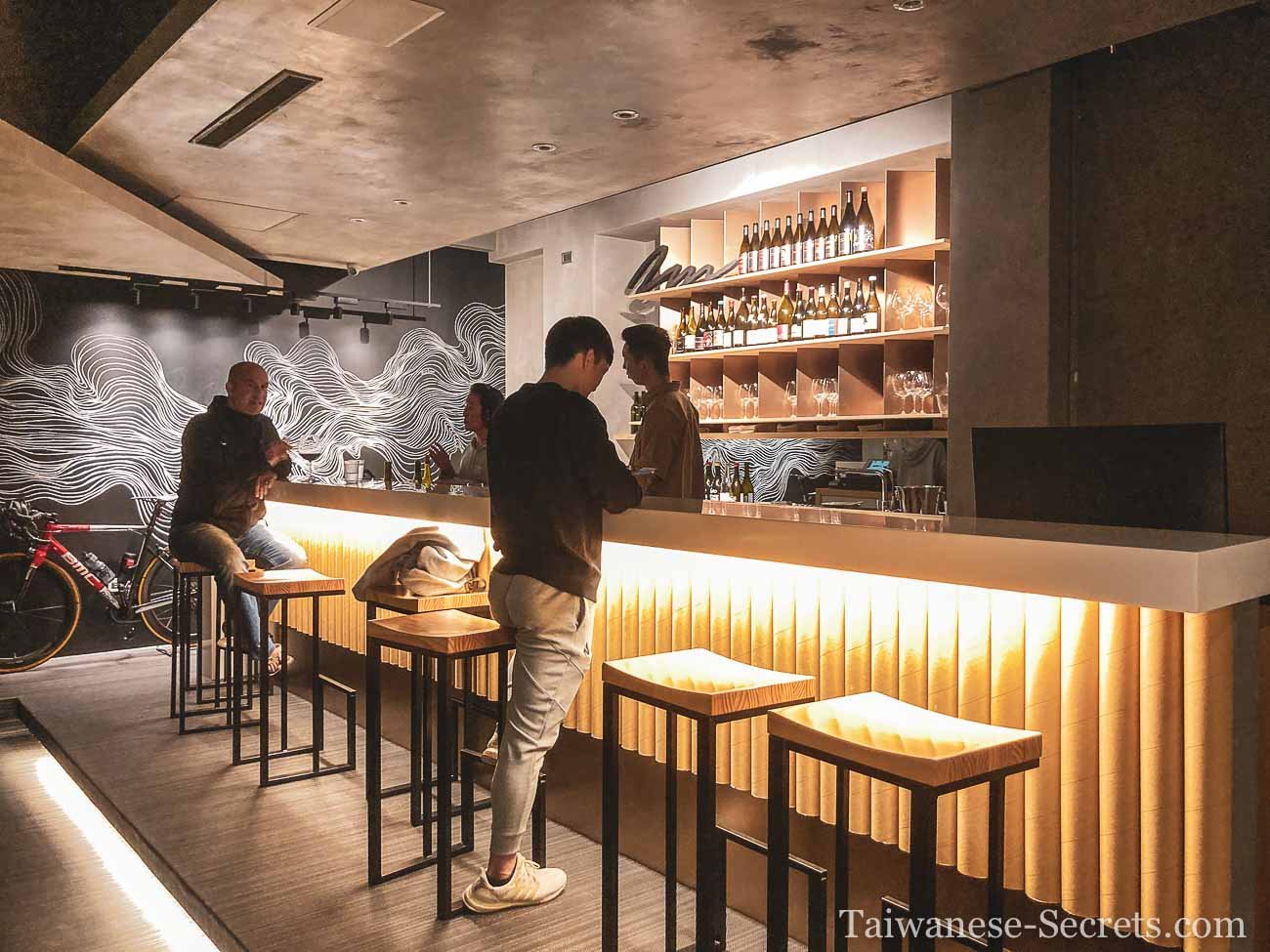
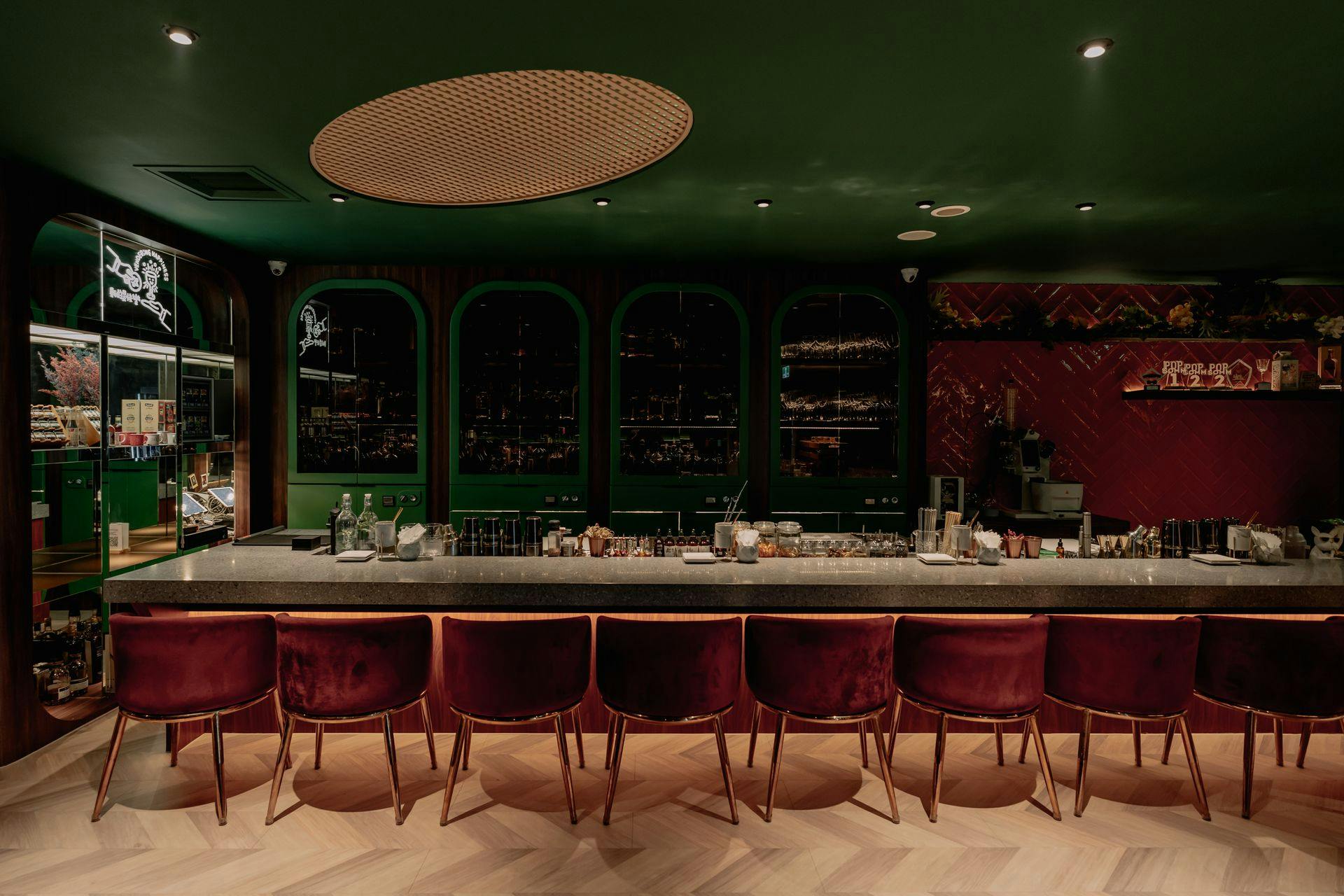
Quiet and atmospheric with private box options, modern plating, and cute tableware enhancing the elegant dining experience