Deanes at Queens
.png)
Deanes at Queens occupies a brasserie position in Belfast's dining scene that few places manage well: serious technique at accessible prices, backed by consecutive Michelin Bib Gourmand awards in 2024 and 2025. The Mibrasa charcoal grill drives the menu, putting Northern Irish produce like Mourne lamb rump at the centre of the offer. The Queen's University setting adds a covered terrace and a crowd that mixes academics, locals, and visitors in roughly equal measure.
 Discover on Pearl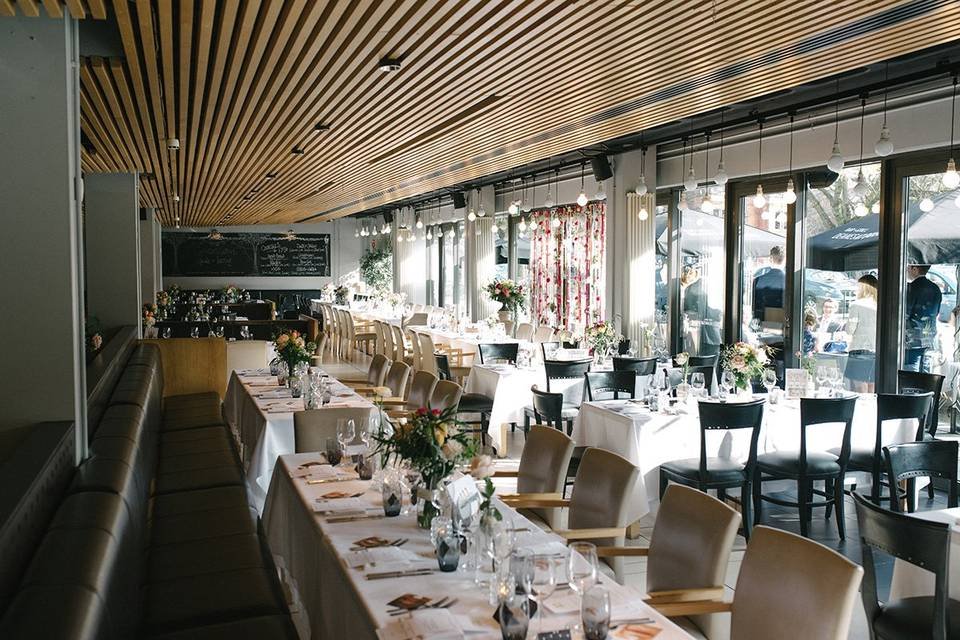
South Belfast's Brasserie Benchmark
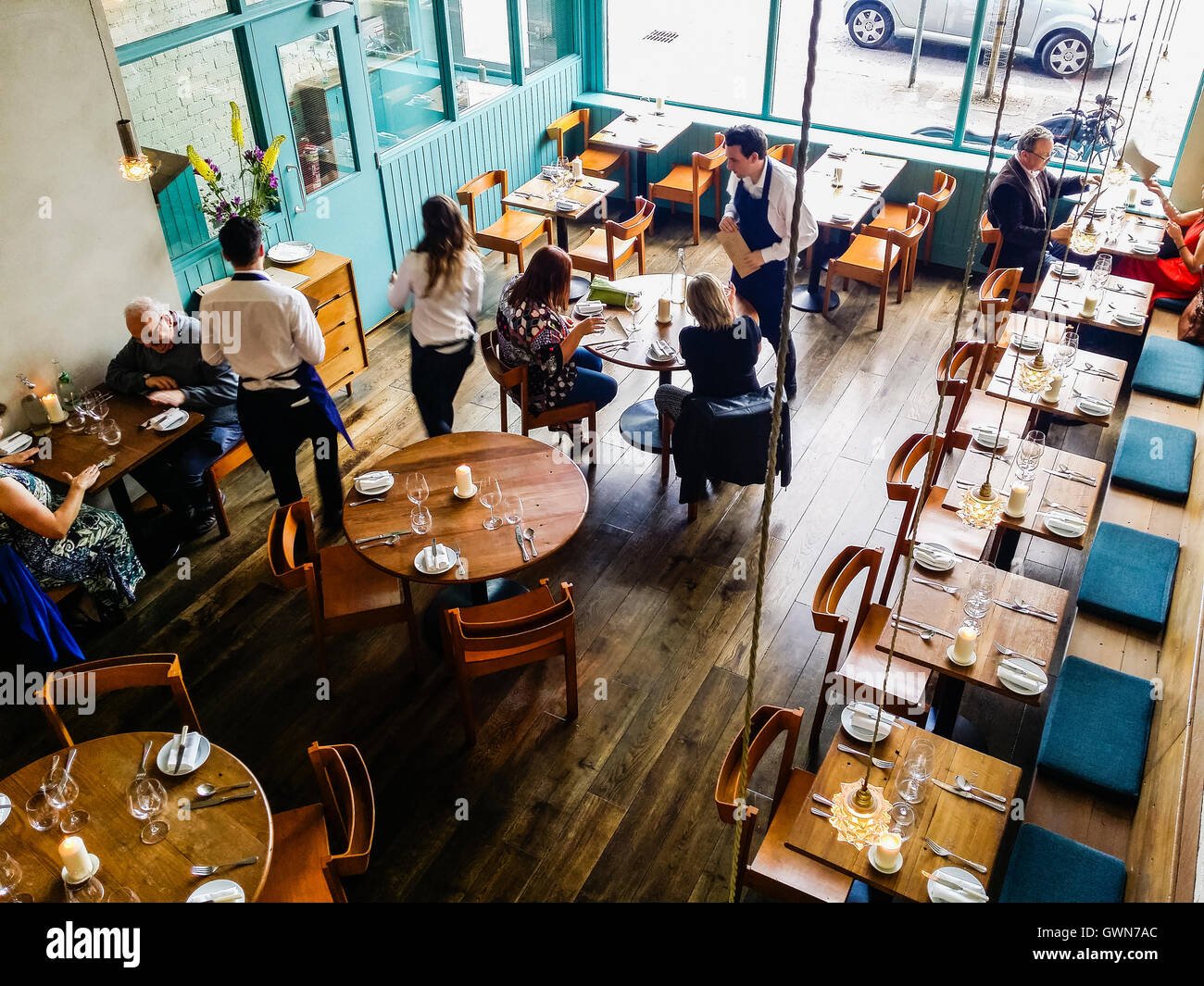
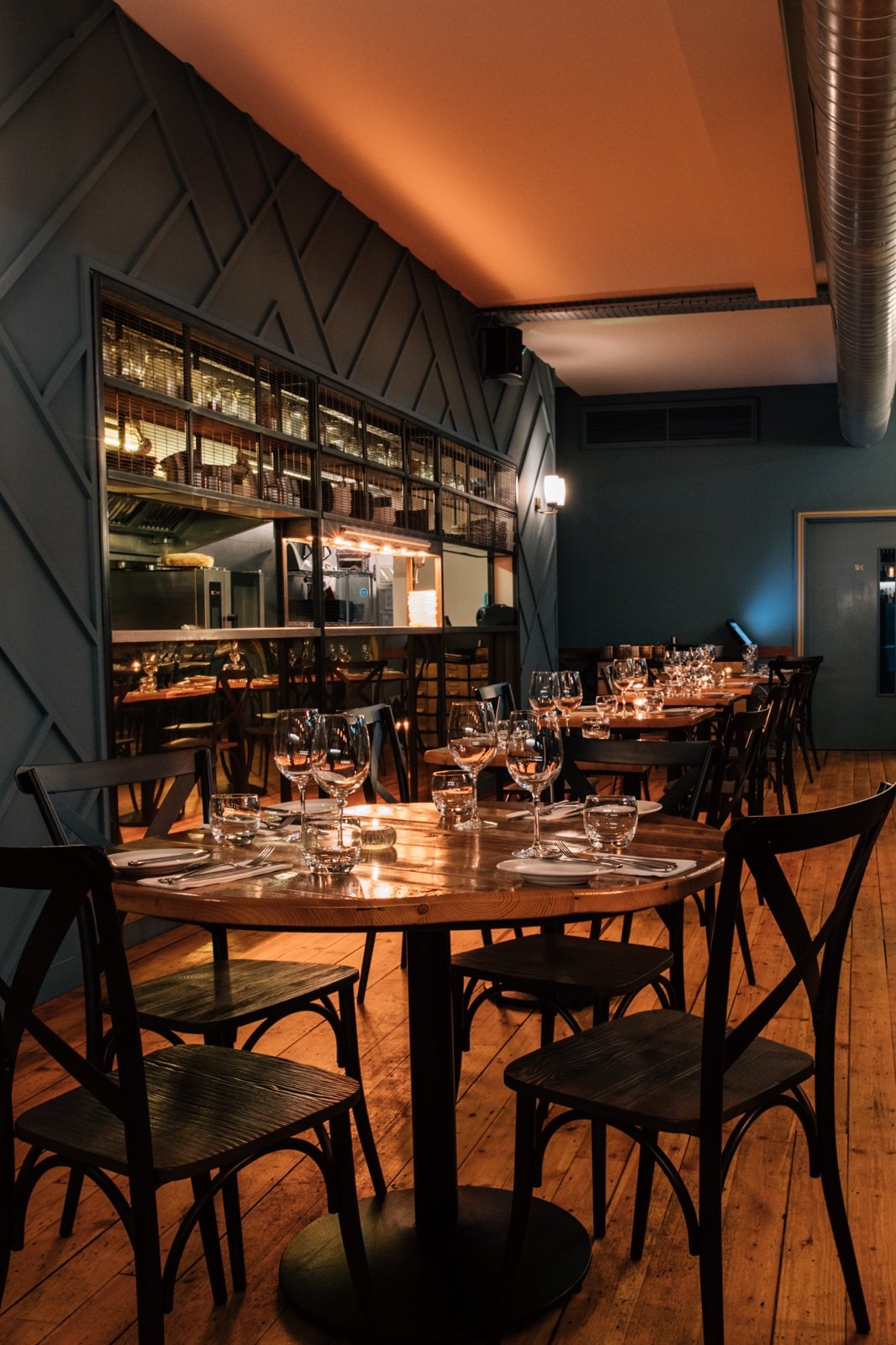
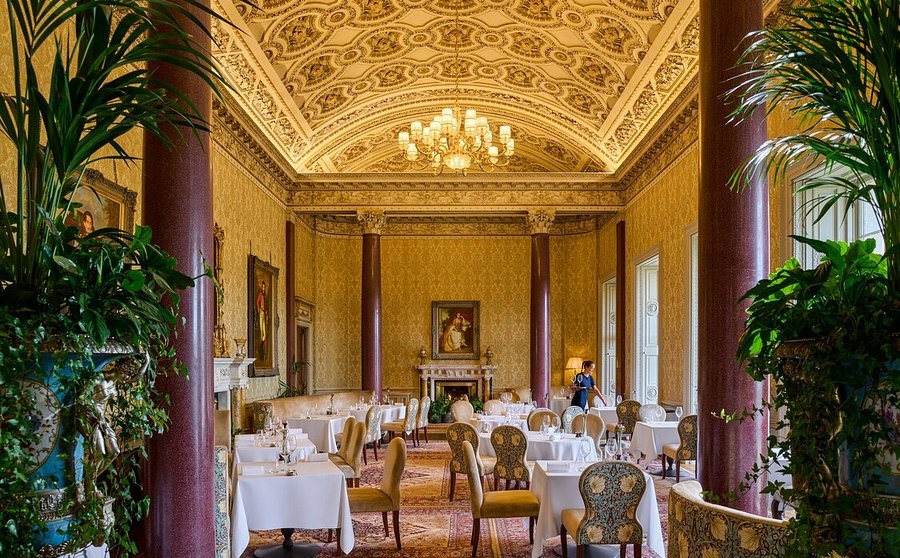
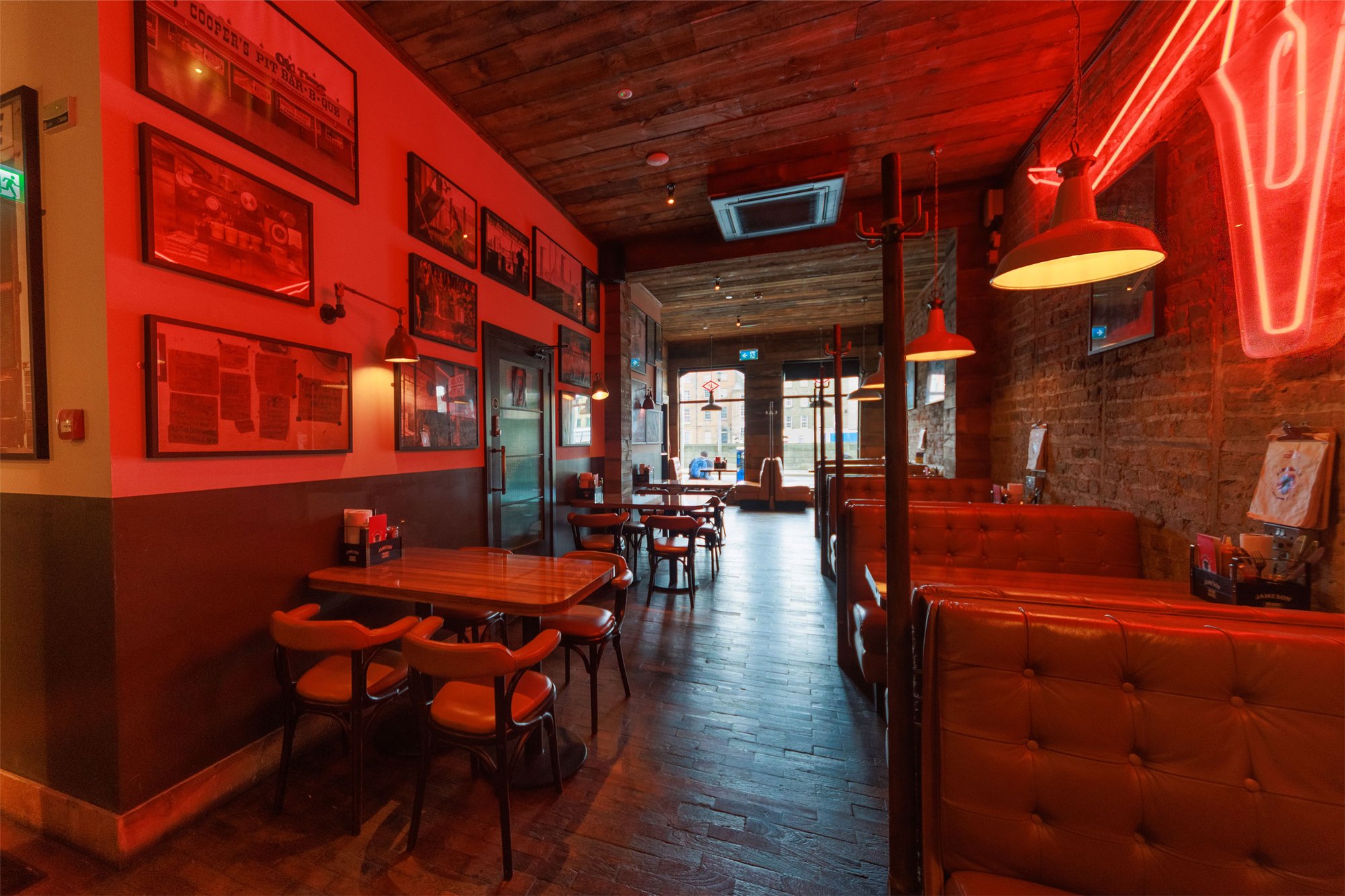
The stretch of College Gardens that runs alongside Queen's University Belfast has a different tempo to the Cathedral Quarter's evening rush or the city centre's lunchtime scramble. The red-brick Victorian buildings set a quieter register, and the large covered terrace at Deanes at Queens reads as an extension of that neighbourhood character rather than a contrast to it. On warmer evenings the terrace fills early, and on colder ones the interior brasserie hum carries the same sense of a room being used by people who know what they're doing with it.
This is Michael Deane's most accessible address in Belfast, and its positioning is deliberate. Where OX and The Muddlers Club operate at the £££ tier with single-Michelin-star ambition, Deanes at Queens holds the ££ bracket and earns its Michelin Bib Gourmand on the argument that serious cooking need not be expensive. The Bib Gourmand is Michelin's marker for good cooking at modest prices, and the award running consecutively through 2024 and 2025 confirms this isn't a one-year anomaly. Across Belfast's restaurant scene, the ££ tier is increasingly competitive — Cyprus Avenue and Beau occupy similar price territory — but the Deane name carries institutional weight that the newer arrivals have not yet accumulated.
The Charcoal Grill as Editorial Commitment
The Mibrasa charcoal grill is not a piece of equipment bolted onto a brasserie menu as a trend signal. In the context of Northern Irish produce, it functions as a statement of intent about how ingredients should be treated. The Mibrasa operates at high heat with live-fire technique, producing the kind of caramelisation and smoke integration that a conventional oven cannot replicate. Mourne lamb rump is the kitchen's stated example of what the grill does: the Mourne Mountains supply some of the finest lamb in these islands, with an altitude and grass diet that produces meat lean enough to benefit from the grill's direct intensity rather than the slower braise that lesser lamb might need.
The seasonal British larder argument for this part of the island runs through the full year. Autumn brings game, root vegetables, and the last of the hedgerow berry season. Winter shifts toward braised meats and strong northern staples. The charcoal grill, with its capacity for both high-heat searing and slower residual cooking, is a useful tool across that range. This aligns Deanes at Queens with a broader tendency in serious British cooking to invest in technique-led treatment of indigenous produce rather than importing ambition through exotic ingredients. That tendency is visible at a different price register at L'Enclume in Cartmel and Moor Hall in Aughton, where the provenance argument carries Michelin stars. At Deanes at Queens, the same argument operates in a brasserie format at a price point that doesn't require a special occasion to justify.
The Case for the Desserts
In brasserie cooking, desserts are often where the kitchen's discipline slips. They become either over-engineered to compensate for an otherwise direct menu, or neglected entirely in favour of the mains course. Deanes at Queens takes a third route: classic forms executed with precision. The panna cotta and the freshly baked jam and coconut sponge represent the kind of dessert that only works when the kitchen's timing and temperature control are reliable. A panna cotta that releases too early or too late from the mould exposes poor technique with nowhere to hide. A freshly baked sponge requires a kitchen that is managing its timing across multiple tables simultaneously. The Michelin inspector's note on these desserts as exemplary of the kitchen's classical execution is a more telling credential than many awards that come with more publicity.
This approach to the dessert course also maps onto a broader truth about British brasserie cooking at its most effective. The format has never been about innovation in the way that tasting-menu restaurants at venues like The Fat Duck in Bray or CORE by Clare Smyth in London define it. The brasserie's contract with the diner is different: consistent execution, honest pricing, and a menu wide enough that a table of four can disagree about what to order. Deanes at Queens holds that contract, and the dessert course is where the kitchen makes the most obvious case for it.
Placing Deanes at Queens in the Deane Group and the City
Michael Deane has operated in Belfast long enough to function as a reference point for the city's restaurant development rather than a participant in it. The Deane name represents institutional continuity in a city whose dining scene has undergone significant change over the past two decades. For visitors oriented primarily toward the James St end of the market or the Cathedral Quarter, Deanes at Queens sits in a different postal code and a different mode entirely. The Queen's University quarter has its own rhythm, and the brasserie format suits it: the room accommodates the long lunch, the pre-theatre dinner, and the post-lecture meal without any of those uses feeling like an imposition on the others.
For context on how Modern British cooking at this level sits in a national frame, the comparison set extends well beyond Belfast. Hand and Flowers in Marlow, hide and fox in Saltwood, and Gidleigh Park in Chagford each demonstrate different configurations of the Modern British proposition. The Ritz Restaurant in London occupies a different tier entirely. Deanes at Queens makes no attempt to compete with those addresses on formality or price. Its peer set in Belfast includes the ££ contemporaries already noted, and its credential difference is the consecutive Bib Gourmand plus the Deane lineage, which represents a decade-plus of reputation built in this city specifically.
Planning a Visit
Deanes at Queens is located at 1 College Gardens, Belfast BT9 6BQ, a short distance from the main Queen's University campus and accessible from the city centre by taxi or a direct bus route south on the Malone Road corridor. The ££ pricing makes it a sensible choice for a working lunch or a mid-week dinner without the booking pressure of the starred rooms in the Cathedral Quarter. The covered terrace is a practical advantage through the longer daylight months, when a South Belfast evening gives the outdoor space genuine utility rather than optimistic theatre. Chef Chris Fearon leads the kitchen. For hotel options in the city, the Belfast hotels guide covers the full range. Those planning a longer stay can explore Belfast's bar scene, wineries, and experiences through the EP Club city guides.
Category Peers
A small comparison set for context, based on the venues we track.
| Venue | Cuisine | Awards | Notes |
|---|---|---|---|
| Deanes at Queens | Modern British | Bib Gourmand | This venue |
| OX | Argentinian, Irish - French, Modern British | Michelin 1 Star | Argentinian, Irish - French, Modern British, £££ |
| The Muddlers Club | Modern Cuisine | Michelin 1 Star | Modern Cuisine, £££ |
| EDŌ | European Contemporary | European Contemporary, ££ | |
| Cyprus Avenue | Contemporary | Contemporary, ££ | |
| Home | Mediterranean Cuisine | Mediterranean Cuisine, ££ |
Continue exploring