Da Zero

Our verdict
Da Zero brings the principles of Cilento's Mediterranean Diet tradition to artisanal pizza, sourcing high-quality local ingredients across its chain of locations that began in Vallo della Lucania. The name signals the approach: everything starts from the raw material, not the technique. For pizza made in direct conversation with a UNESCO-recognised food culture, this is the reference point in the region.

Pearl is the En Primeur Club membership app, where members save venues, book tables and use the concierge.
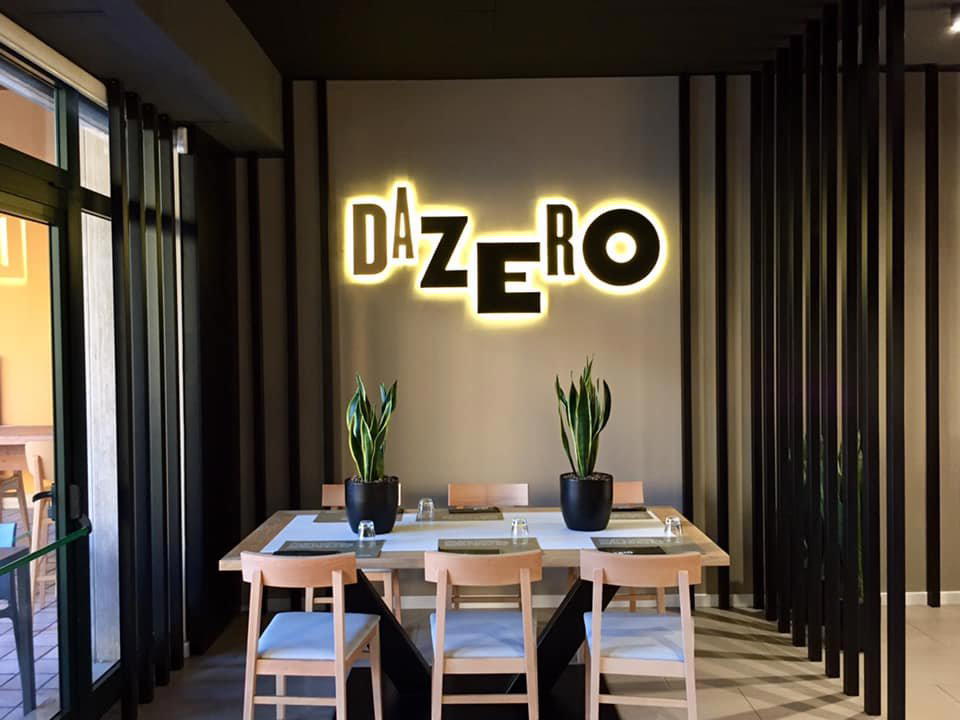
Where Pizza Meets UNESCO Territory
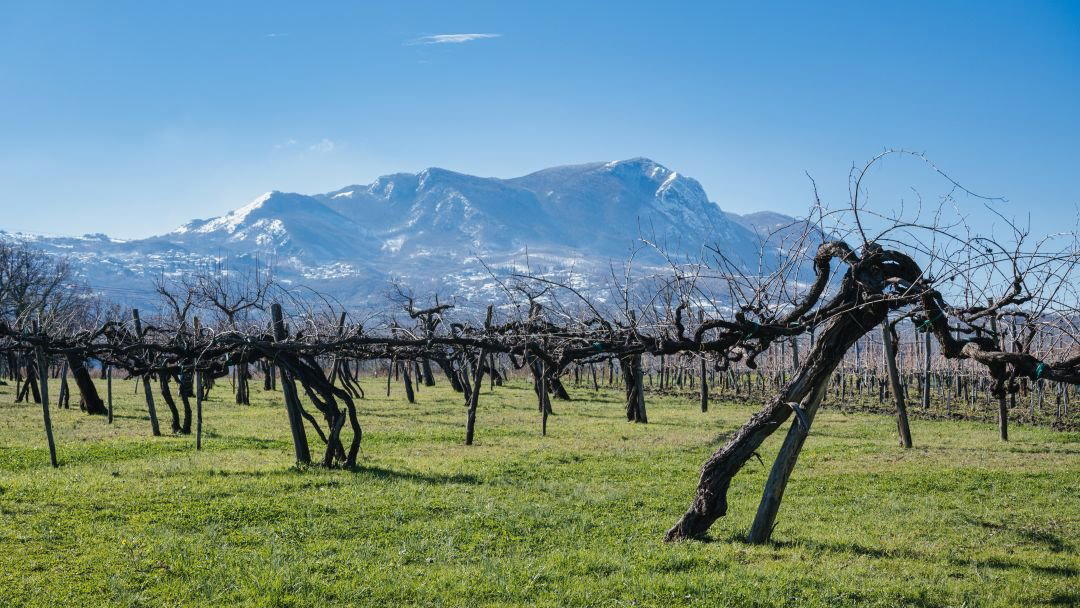
The Cilento region of Campania carries a designation that few food-producing territories in the world hold: it is recognised as the cradle of the Mediterranean Diet, the dietary pattern that UNESCO added to its Intangible Cultural Heritage list in 2010. That context matters when considering what artisanal pizza means here. This is not Naples, where the tradition is operatic and centuries deep, nor is it a northern city experimenting with sourdough fermentation as a point of difference. Cilento's claim is quieter and older, a range of ancient grains, local legumes, wild herbs, and olive oil pressed from trees that predate modern agriculture. Da Zero, which began in Vallo della Lucania, is positioned squarely inside that claim.
The name translates directly as "From Zero," and the phrase describes a sourcing philosophy rather than a brand slogan. Starting from zero means starting from the ingredient: the flour, the tomato, the oil, the cheese. In a pizza category that has split globally between fast-casual volume and premium artisan formats, Da Zero operates in the latter register, using Cilento's agricultural identity as both raw material and editorial frame.
Cilento's Ingredient Culture and What It Means on a Pizza
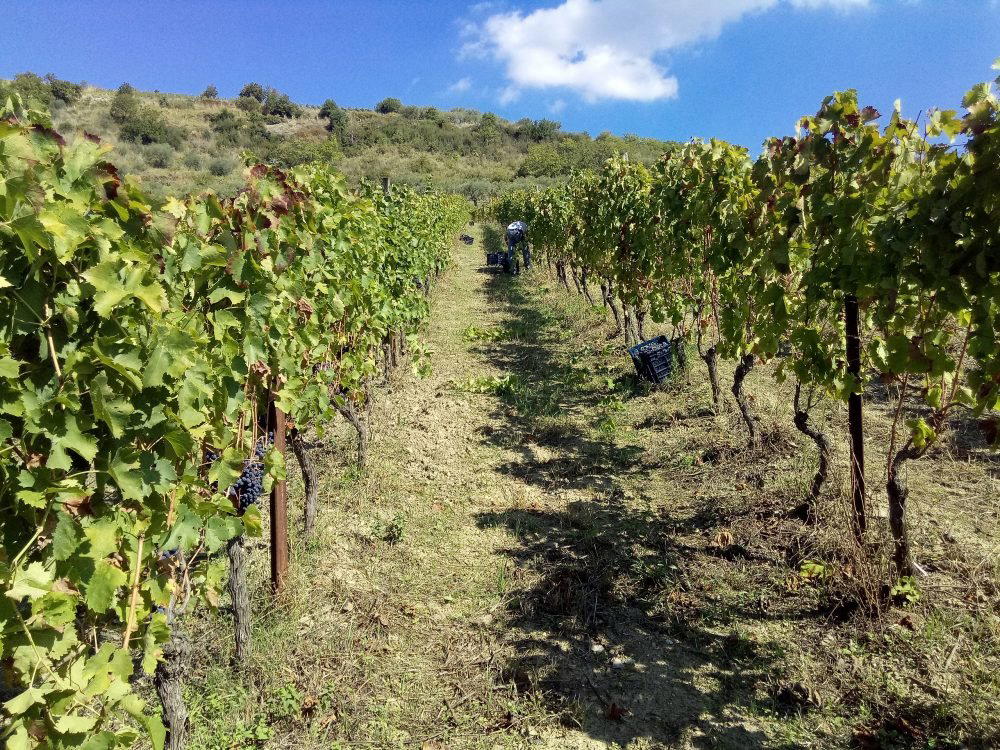
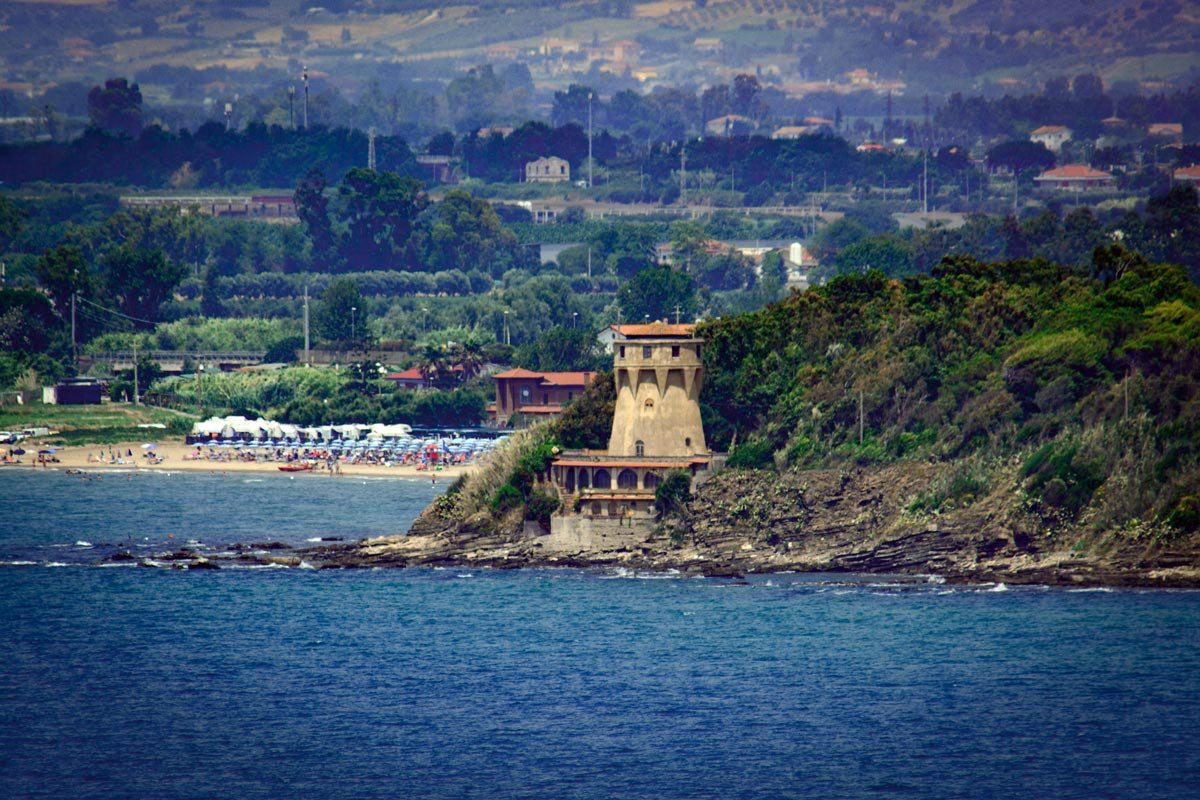
To understand what Da Zero is doing, it helps to understand what Cilento produces. The region sits in the southern stretch of Campania, bordered by the Tyrrhenian coast to the west and the Apennine mountains inland. Its isolation, which kept it outside the main currents of Italian industrial agriculture for much of the twentieth century, preserved food traditions that elsewhere were modernised out of existence. Heirloom grain varieties, small-farm dairy production, and hyperlocal curing and preserving techniques persisted here not as heritage projects but as practical continuity.
The Mediterranean Diet, as documented by American physiologist Ancel Keys, who based his long-term research partly in Cilento, was not a prescriptive menu but an observation of how people in this territory ate: plant-forward, grain-centred, seasonal, low-waste. Pizza made in accordance with that ethos looks different from both Neapolitan DOC-certified pies and from the craft-pizza movement that has spread across northern Europe and North America. It is ingredient-driven in the most literal sense: the dough, the toppings, and the production chain are all anchored in what the local territory actually grows.
That commitment to territory is what separates this tier of Italian artisan food production from the more internationally visible fine-dining circuit. Restaurants like Osteria Francescana in Modena, Le Calandre in Rubano, or Piazza Duomo in Alba translate regional ingredients through progressive technique at Michelin three-star level. Da Zero's register is different: the territory speaks through a format that is fundamentally accessible, not through tasting-menu architecture. The craft is in the sourcing chain, not the plating.
The Chain Format and What It Implies
Da Zero has expanded beyond its Vallo della Lucania origins into a multi-location chain. That expansion deserves a direct comment, because in artisan food circles the word "chain" carries immediate suspicion. The relevant question is whether territorial sourcing and quality discipline can survive the pressures of replication. The brands that have answered this credibly, in cheese, in bread, in wine, have done so by keeping supply chains short and production oversight centralised. The "from zero" philosophy, if applied consistently, imposes a natural limit on how far the model can scale before ingredient provenance becomes difficult to defend.
For visitors to Vallo della Lucania specifically, the origin location carries the strongest claim to that original sourcing proximity. This is where the project began, and where the connection between the pizza and the agricultural territory of Cilento is most direct. Vallo della Lucania is a small inland town in the Salerno province; getting there from Naples involves roughly two hours by road, or a train to Vallo-Buonabitacolo followed by a local connection. The town itself has a compact dining scene, with options including Aquadulcis and La Chioccia d'Oro for country-style cooking that draws on the same Cilento pantry, though from a trattoria rather than pizza format.
Placing Da Zero in the Wider Italian Pizza Conversation
Italian pizza in 2024 occupies a more stratified critical space than at any point in its history. Naples has its DOC Vera Pizza Napoletana standards and its roster of historic pizzerias; Rome has its thin, cracker-base tradition; and a newer wave of pizzaioli across the country has pushed fermentation times, flour blends, and topping compositions into territory that reads almost as fine dining. Publications and critics who once ignored pizza as a serious subject now track it with the same attention given to tasting-menu restaurants.
Within that conversation, the most credible artisan operations are those with a coherent sourcing story, not just a long fermentation or a wood-fired oven, but a clear account of where the ingredients originate and why those ingredients are worth using. Da Zero's Cilento provenance gives it that account in unusually direct form. The Mediterranean Diet designation is not marketing language; it is a UNESCO-backed documentation of an agricultural and culinary tradition that happens to run directly through the territory where this pizza is made.
For a broader sense of what serious Italian cooking looks like across different formats and price points, the EP Club covers the full range: from Dal Pescatore in Runate and Enoteca Pinchiorri in Florence at the formal fine-dining end, to Reale in Castel di Sangro and Atelier Moessmer Norbert Niederkofler in Brunico for territory-driven creative cooking in less-trafficked Italian regions. Enrico Bartolini in Milan and Quattro Passi in Marina del Cantone cover southern Campania at a different price register. Internationally, the territory-first sourcing philosophy that Da Zero applies to pizza finds parallels in the ingredient-led approach at Le Bernardin in New York City and the produce-driven precision of Atomix, though in formats and price tiers that bear no direct comparison.
Planning a Visit
Da Zero is located at Via Angelo Rubino, 1, in Vallo della Lucania. Given its origin-location status and the town's modest size, the Vallo della Lucania address functions as the most coherent base for anyone making a dedicated Cilento food trip. Pairing a visit with broader exploration of the region's culinary offerings makes logistical sense; our full Vallo della Lucania restaurants guide covers the wider scene, and the hotels guide, bars guide, wineries guide, and experiences guide provide context for building a stay around the territory rather than a single meal.
Frequently asked questions
Is Da Zero Michelin-listed?
Da Zero has received recognition including: Da Zero is an artisanal pizza chain that started in Cilento, the cradle of the Mediterranean Diet. It is known for its strong connection to the territory and its use of high-quality, local ingredients to create a unique and recognizable piz….
What's the address for Da Zero?
Da Zero is located at Via Angelo Rubino, 1, 84078 Vallo della Lucania SA, Italy, Vallo della Lucania.
What's the best thing to order at Da Zero?
Da Zero's sourcing philosophy centres on Cilento ingredients tied to the region recognised as the cradle of the Mediterranean Diet, so whatever carries the most local provenance on the menu will reflect that foundation most directly. The name 'Da Zero' signals a commitment to starting from raw materials rather than shortcuts, which means dough, fats, and produce are where the kitchen's position is made. Ask staff which current topping draws from nearby producers, that is the order that makes the Cilento origin meaningful.
How hard is it to get a table at Da Zero?
Vallo della Lucania is a small inland town in Salerno province, not a high-traffic tourist stop, so the booking pressure here differs considerably from Naples or Rome. Da Zero has also expanded into a multi-location chain beyond its original Cilento base, which distributes demand. Turning up without a reservation is more viable here than at a single-seat counter in a capital city, though weekend evenings and summer periods in Campania warrant a call ahead.
Price and Recognition
| Venue | Cuisine | Price | Awards | Notes |
|---|---|---|---|---|
| Da ZeroThis venue (the venue you are viewing) | Cilentan Pizza | $10–20 | Not listed | Not listed |
| Atelier Moessmer Norbert Niederkofler | Modern Alpine Fine Dining | $300–500 | 3 Michelin Stars · World's 50 Best #20 | Italian, Creative |
| Dal Pescatore | Classic Italian Fine Dining | $200–300 | 3 Michelin Stars · World's 50 Best #38 | Italian, Italian Contemporary |
| Enoteca Pinchiorri | Contemporary Italian Fine Dining | $200–300 | 3 Michelin Stars · World's 50 Best #32 | Italian - French, Italian Contemporary |
| Enrico Bartolini | Modern Italian Fine Dining | $300–500 | 3 Michelin Stars · World's 50 Best #85 | Creative |
| Osteria Francescana | Avant-Garde Italian Contemporary | $300–500 | 3 Michelin Stars · World's 50 Best #1 | Progressive Italian, Creative |
Recognition history
Dated appearances from independent guides and award organizations, with the underlying list record or original source where available.
50 Top Pizza 50 Top World Artisan Pizza Chains #30
50 Top Pizza
Continue exploring
More in Vallo della Lucania
Restaurants in Vallo della Lucania
All restaurants in Vallo della Lucania →
Hotels in Vallo della Lucania
Browse all →

Details
- Rustic
- Cozy
- Casual Hangout
- Family
- Open Kitchen
- Extensive Wine List
- Local Sourcing
- Street Scene
- A La Carte
- Vegetarian Friendly
Current opening hours
- Monday
- 12:30–2:30 PM, 7:30–10:30 PM
- Tuesday
- 12:30–2:30 PM, 7:30–10:30 PM
- Wednesday
- 12:30–2:30 PM, 7:30–10:30 PM
- Thursday
- 12:30–2:30 PM, 7:30–10:30 PM
- Friday
- 12:30–2:30 PM, 7:30–11 PM
- Saturday
- 7:30–11:15 PM
- Sunday
- 7:30–10:30 PM
Hours can change for holidays and private events. Last verified .
Casual and welcoming atmosphere focused on high-quality regional products with excellent service.