Aquadulcis

Michelin Plate
Our verdict
A restored mill in Cilento's Vallo della Lucania, Aquadulcis holds consecutive Michelin Plates (2024 and 2025). Chef Vincenzo Cucolo works from a tight repertoire grounded in traditional Cilento ingredients, threading old recipes alongside creative dishes in a dining room that seats only a handful of tables. The price point sits at mid-range for the region, making it one of the more accessible Michelin-recognised addresses in southern Italy.

Pearl is the En Primeur Club membership app, where members save venues, book tables and use the concierge.
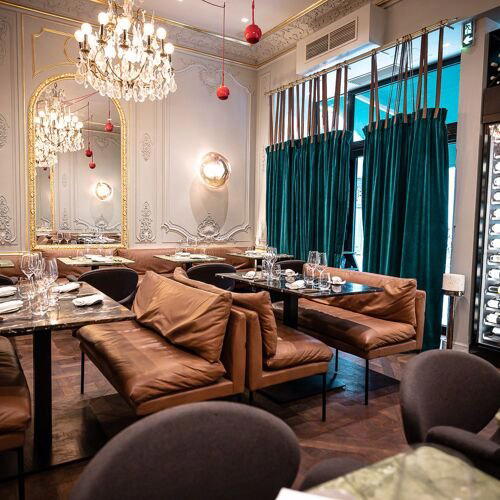
Where the Cilento Larder Meets a Repurposed Mill
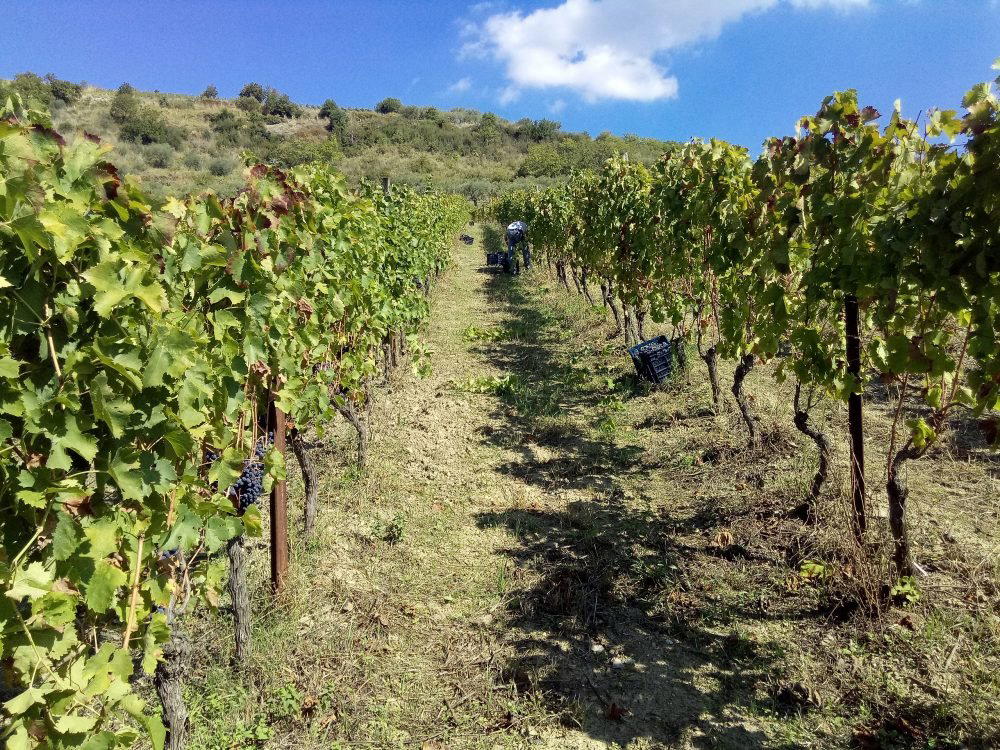
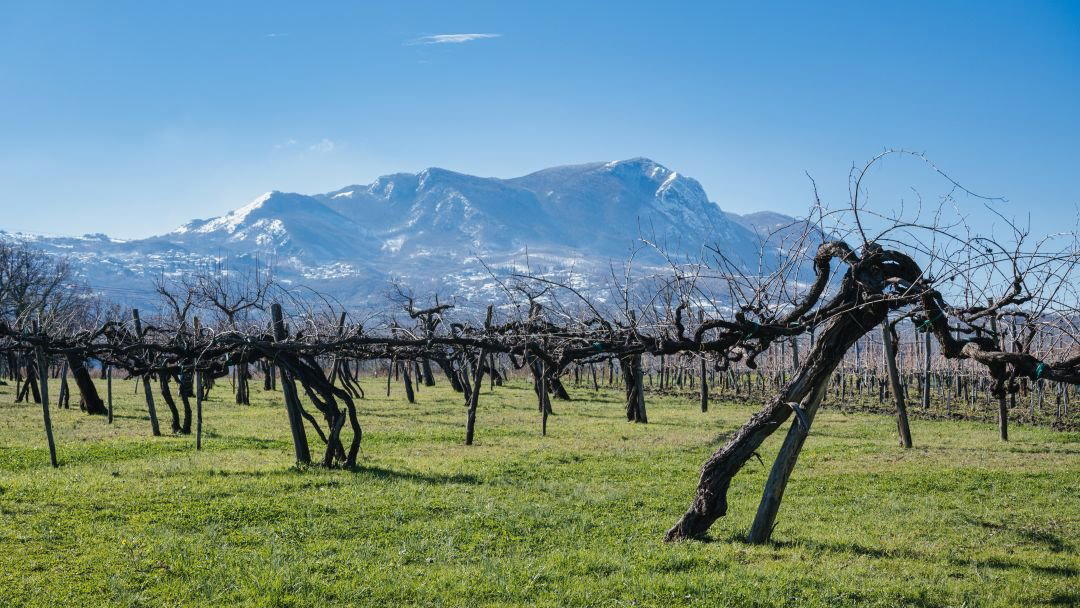
Vallo della Lucania sits in the interior of the Cilento, the mountainous southern tip of Campania that stretches between the Tyrrhenian coast and the Apennine ridgeline. This is territory where the slow-food argument predates any manifesto: smallholders have been growing legumes, raising animals, and pressing oil in these valleys for centuries, largely because the distance from major distribution networks made self-sufficiency a practical necessity rather than a philosophical choice. The restaurants that have earned recognition here tend to reflect that reality directly on the plate, and Aquadulcis is a clear example of the pattern.
The building itself sets the terms before a dish arrives. An old mill, carefully restored rather than gutted, gives the room a material character that newer builds cannot replicate: stone walls, the structural logic of a working building, a physical record of what this land was used for before tourism or gastronomy had any relevance to it. The number of tables is deliberately small, which means the kitchen operates at a scale where sourcing decisions stay coherent from week to week. This is a dining format that has become increasingly common at the recognised tier in rural southern Italy, where intimate rooms and hyperlocal supply chains reinforce each other.
The Cilento Ingredient Argument
Understanding what Aquadulcis puts on the plate requires a working knowledge of what the Cilento actually produces. The our full Vallo della Lucania restaurants guide gives a broader picture of how the town's dining scene sits within this agricultural context, but a few specifics are worth stating directly. The Cilento is a UNESCO-designated area, partly on the strength of its role in the research that established the Mediterranean diet as a nutritional model. That status reflects the density of traditional food production here: white Pisciotta figs, Cilento artichokes with protected denomination, recovered wheat varieties, and a pig-farming tradition that feeds a notable salumi culture. Restaurants working at the recognised tier in this zone are not sourcing locally because it is fashionable; they are doing so because the raw material quality justifies it and because the supply infrastructure, built over generations, actually exists.
At Aquadulcis, chef Vincenzo Cucolo's approach is framed explicitly around those ingredients. The menu combines creative preparations with older regional recipes, which is a common structure at Italian restaurants that take terroir seriously: the archive of traditional technique provides a baseline, and the creative element tends to surface where a contemporary method can clarify or extend what a traditional ingredient already does. This is a different proposition from the kitchen-led creativity at, say, Osteria Francescana in Modena or Le Calandre in Rubano, where the regional ingredient is often a starting point for significant abstraction. In Cilento, the material tends to remain legible throughout the dish.
That restraint is not a limitation. It is an editorial choice about where the cooking's energy goes. The same logic appears at Reale in Castel di Sangro, another southern Italian address where the kitchen's ambitions are inseparable from the specific geography of the surrounding land. Country cooking in the Cilento is, at its sharpest, a form of precision sourcing with technique kept close to transparent.
Recognition and What It Signals
Aquadulcis has held consecutive Michelin Plates in 2024 and 2025. The Michelin Plate denotes a restaurant where inspectors judge the cooking to be good, placing it in the inspection record and signalling that the kitchen meets a consistent standard, without the full star designation that comes with a higher tier of ambition or technical complexity. In a small town in the Cilento interior, that recognition is meaningful precisely because the guide's coverage of this zone is not dense.
At that volume, scores in the high 4s typically reflect genuine satisfaction rather than a small sample skewed by enthusiastic early visitors. Taken alongside the Michelin recognition, the picture is of a kitchen that performs reliably rather than brilliantly on a few occasions. For rural Italy at the €€ price point, that consistency is a significant differentiator.
For comparison, the full starred tier in Italy runs from addresses like Dal Pescatore in Runate and Enoteca Pinchiorri in Florence at the three-star level down through hundreds of one-star operations across the country. Aquadulcis occupies a different bracket: below the starred tier in formal classification, but operating in a geographic and ingredient context that most starred restaurants in northern Italy cannot replicate, because the raw material is simply not there in the same form. Atelier Moessmer Norbert Niederkofler in Brunico and Piazza Duomo in Alba demonstrate what deep regional sourcing can achieve at the three-star level in northern contexts. The Cilento equivalent operates at a smaller scale and a lower price point, but the sourcing logic is structurally similar.
Aquadulcis fits the same structural pattern, anchored to a different and arguably less-documented regional larder.
Planning Your Visit
Vallo della Lucania is approximately 100 kilometres south of Salerno, most easily reached by car given the town's position in the Cilento interior; the nearest rail connection runs through Agropoli-Castellabate on the coastal line, requiring onward road transport. For accommodation, our full Vallo della Lucania hotels guide covers the town's options, while bars, wineries, and experiences across the area fill out a longer stay. Given the small number of tables, booking ahead is advisable, particularly in summer and during the autumn harvest period when the Cilento's agricultural calendar drives both supply and visitor interest. The €€ pricing makes Aquadulcis accessible by the standards of recognised Italian restaurants, and the format suits those who want ingredient-focused cooking without the ceremony of a full tasting-menu operation. Cucolo's kitchen at Quattro Passi in Marina del Cantone offers a coastal Campanian counterpoint if a multi-day itinerary through the region is under consideration, and Enrico Bartolini represents the metropolitan end of Italian creative cooking for those calibrating where Aquadulcis sits on the broader national register.
Frequently asked questions
What price level is Aquadulcis?
Pricing at Aquadulcis is listed as €€.
Where is Aquadulcis located?
Aquadulcis is located at Aquadulcis, Vallo della Lucania, SA, Italy, Vallo della Lucania.
A Quick Peer Check
| Venue | Cuisine | Price | Awards | Notes |
|---|---|---|---|---|
| AquadulcisThis venue (the venue you are viewing) | Contemporary Italian Country Cooking | Not listed | Michelin Plate | Not listed |
| Atelier Moessmer Norbert Niederkofler | Modern Alpine Fine Dining | $300–500 | 3 Michelin Stars · World's 50 Best #20 | Italian, Creative |
| Dal Pescatore | Classic Italian Fine Dining | $200–300 | 3 Michelin Stars · World's 50 Best #38 | Italian, Italian Contemporary |
| Enoteca Pinchiorri | Contemporary Italian Fine Dining | $200–300 | 3 Michelin Stars · World's 50 Best #32 | Italian - French, Italian Contemporary |
| Enrico Bartolini | Modern Italian Fine Dining | $300–500 | 3 Michelin Stars · World's 50 Best #85 | Creative |
| Osteria Francescana | Avant-Garde Italian Contemporary | $300–500 | 3 Michelin Stars · World's 50 Best #1 | Progressive Italian, Creative |
Recognition history
Dated appearances from independent guides and award organizations, with the underlying list record or original source where available.
Michelin Plate
Michelin
Full recognition history (3 entries)
Michelin Plate
Michelin
Michelin Plate
Michelin
Continue exploring
More in Vallo della Lucania
Restaurants in Vallo della Lucania
All restaurants in Vallo della Lucania →
Hotels in Vallo della Lucania
Browse all →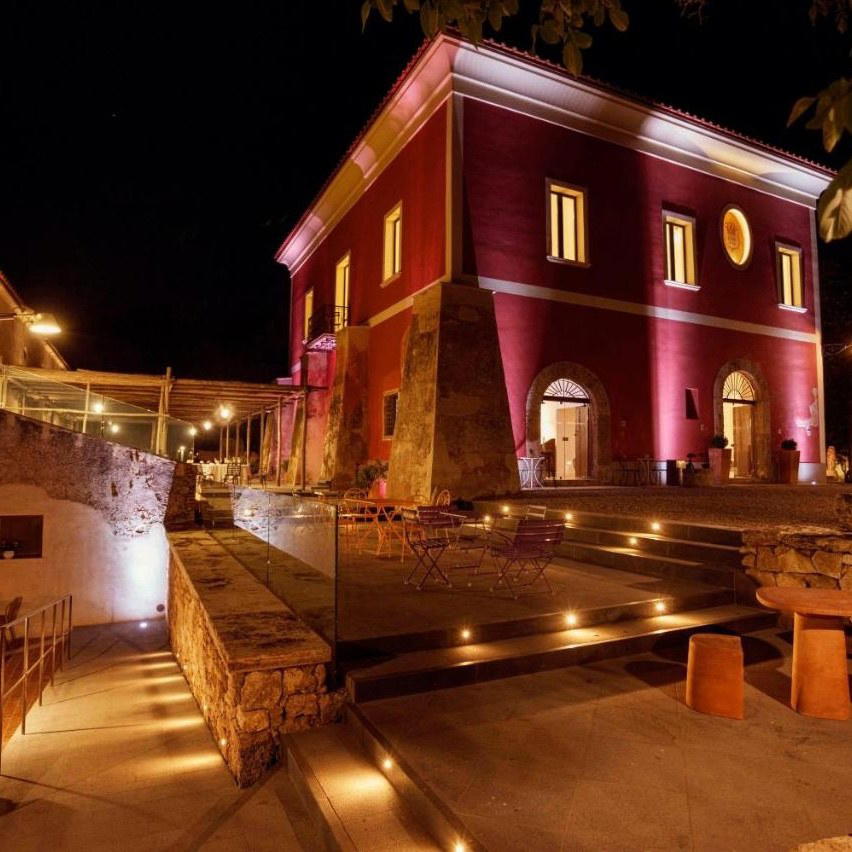

Details
- Intimate
- Elegant
- Rustic
- Cozy
- Date Night
- Solo
- Special Occasion
- Open Kitchen
- Historic Building
- Extensive Wine List
- Local Sourcing
- Tasting Menu
- Vegetarian Friendly
- Vegan Options
- Gluten Free Options
Warm, inviting atmosphere blending rustic charm with modern elegance in a quiet, refined setting.