Cityzen
CityZen in Washington, DC redefined Modern American tasting menus with exacting technique and seasonal sourcing. Must-try dishes included pumpkin panna cotta with raisin salad, mackerel sashimi with citrus dressing, and roasted Brussels sprouts pierogi with whipped crème fraîche and apple cider broth. Led by chef Eric Ziebold, a French Laundry alumnus, CityZen earned AAA Five Diamond recognition and a loyal following for its formal multi-course service. Diners remember the warm Parker House rolls, precise searing on scallops, and the thoughtful coffee cake parting gift—an experience that combined visual polish with bold, balanced flavors.
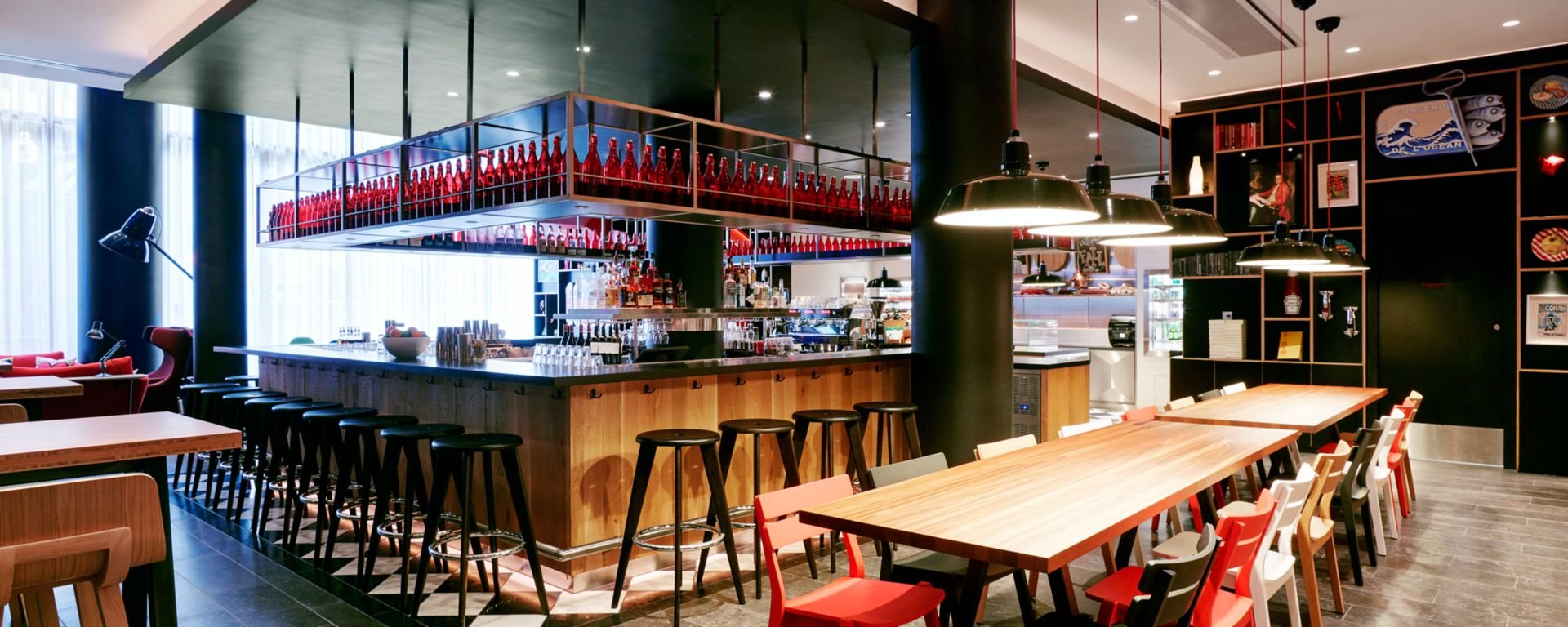
CityZen in Washington announced itself in 2004 as a Modern American restaurant with a strict focus on tasting menus and seasonal ingredients. The dining room at the Mandarin Oriental Washington offered an intimate meal for roughly 65 guests where the menu changed frequently to reflect peak produce, local seafood, and heritage proteins. Early reviews from The Washington Post and local trade groups marked CityZen as a critical arrival in DC’s dining scene, and the restaurant quickly became known for formal, multi-course meals designed for special occasions. For diners seeking refined, ingredient-forward haute cuisine in Washington, CityZen represented a clear and memorable option.
While the restaurant closed in December 2014 after a decade of service, its plates and techniques remain touchstones in the city’s culinary memory. CityZen shaped expectations for tasting menus in the capital, blending precise technique with American flavors. Chef Eric Ziebold led the kitchen from opening until the restaurant’s close, bringing a résumé that included The French Laundry and a disciplined approach to ingredients and timing. Ziebold’s philosophy emphasized seasonal sourcing, technical precision, and dishes that paired savory and sweet elements without excess.
The shortlist, unlocked.
Hard-to-book tables, cellar releases, and concierge-planned trips.
Get Exclusive Access →The team maintained annual late-August pauses to refresh menus and staff training, a signal of their commitment to quality over volume. During its run, CityZen earned local accolades, including ranking high in Washingtonian’s lists and recognition from metropolitan restaurant groups; the restaurant also received AAA Five Diamond distinction, underlining the consistency expected at that level. Those honors reflected a kitchen that combined visual presentation with tight flavor engineering, where plated components were balanced and sauces were reduced to clarity rather than heaviness. The culinary journey at CityZen moved across clearly articulated courses.
Tasting menus often began with small, focused bites—mackerel sashimi dressed with bright citrus to cut the fish’s oil, or a silky pumpkin panna cotta served with a raisin salad that provided textural contrast. Scallops were consistently noted for exact searing, delivering a caramelized exterior and translucent interior. Heartier courses featured house knödel with black-eyed peas, Carolina Gold rice, and braised kale, or venison and shoat prepared to retain juiciness while layering savory reductions. A recurring signature combined roasted Brussels sprouts transformed into pierogi, finished with whipped crème fraîche and an apple cider broth, a dish that married rustic technique with refined plating.
Pastry touches—Parker House rolls at the table and coffee cake as a parting gift—rounded the meal and left a lasting impression. Techniques mixed New American and classical French approaches, with occasional nods to Asian seasoning and presentation. The dining room’s design favored formal elegance without ostentation. Inside the Mandarin Oriental, the space accommodated an upscale audience seeking privacy and attentive service.
Table spacing allowed for discreet conversation, and service followed a traditional, multi-course rhythm with plated deliveries and precise timing. Staff training emphasized pacing; servers explained courses and wine pairings in measured, informative language. The overall atmosphere was quiet and reserved, aimed at diners who wanted an extended, uninterrupted meal. Intimate lighting and refined place settings underscored the formal intent while allowing the food to take center stage.
Practical details that guided visits included menu pricing from 2012—4-course menus at approximately $90 and a 6-course tasting around $120—helping guests plan for a high-end evening. Dress code leaned formal; jackets and refined attire fit the room’s tone. Reservations were recommended well in advance for peak nights and special dates, and the restaurant periodically closed in late August for a menu reset. While CityZen no longer operates, its model for seasonal, tasting-driven Modern American dining lives on in chef Eric Ziebold’s influence and in Washington’s restaurant scene.
For travelers and gastronomes researching memorable Washington dining history, CityZen’s decade-long run offers a study in disciplined cooking and thoughtful service. Explore CityZen’s legacy when planning a culinary-led visit to DC, and consult current hotel and dining guides for events that revisit the restaurant’s signature plates and techniques.
Need a table?
Our members enjoy priority alerts and concierge-led booking support for the world's most difficult tables.
Get Exclusive AccessThe shortlist, unlocked.
Hard-to-book tables, cellar releases, and concierge-planned trips.
Get Exclusive Access →