Chuckhouse
Our verdict
Chuckhouse belongs to a rural Northern California dining tradition where setting matters as much as technique: meals read through proximity to ranch country, mountain roads, and the practical appetite of Plumas County. In Quincy, it offers a dining-hall frame rather than a city tasting-room script, making it most useful for travelers who want the food culture around the Sierra foothills to feel grounded rather than staged.

Pearl is the En Primeur Club membership app — saves, bookings, and concierge access live there. Same editors, same standards.
- Address
- 2116 Greenhorn Ranch Rd, Quincy, CA 95971 (dining hall)
- Directions
- Get directions
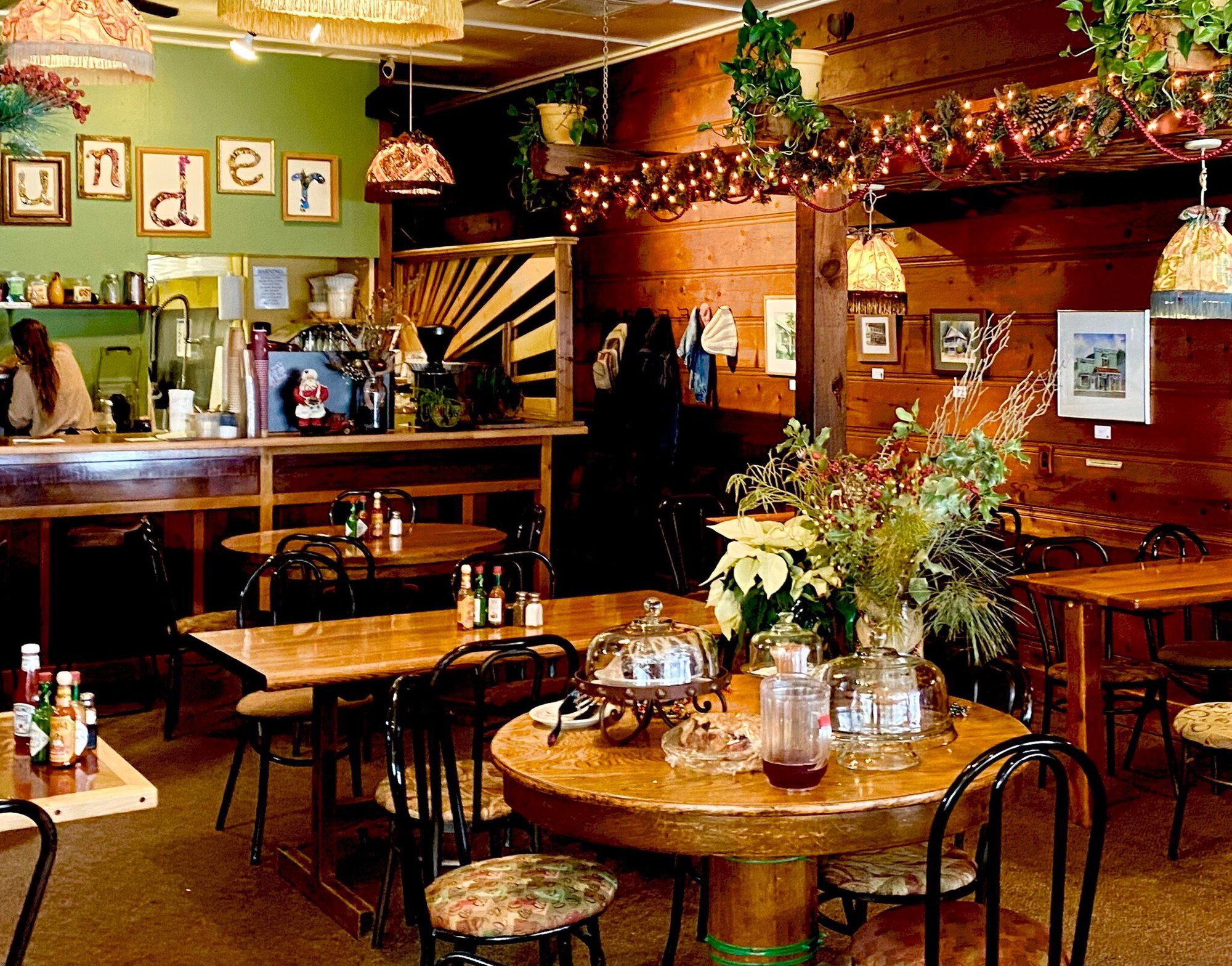
The approach to Chuckhouse is not an urban restaurant arrival. Quincy puts the meal in the grammar of the northern Sierra: timber, pasture edges, long drives, and a dining-hall setting rather than a street-corner storefront. That context changes the way to read the table. In Quincy, restaurants are not competing with the theatrical density of San Francisco or Los Angeles; they are part of a smaller Plumas County circuit where appetite is shaped by weather, road time, and the old overlap between ranch work, outdoor recreation, and town gathering.
That makes ingredient sourcing the useful lens here, even when the public-facing details are restrained. Rural California dining often carries a different burden from city cooking: it has to make sense in relation to land that visitors have just driven through. The point is not a decorative farm-to-table claim. It is the expectation that a meal in this part of the state should feel connected to the working geography around it, with a preference for substance over display. Chuckhouse fits that wider tradition through format and location: a dining hall in Quincy, not a chef-counter room built around scarcity.
Ranch-country dining, read through the Sierra foothills
In smaller mountain towns, the restaurant scene tends to split between two functions. One side serves residents with practical regularity; the other absorbs travelers passing through for trailheads, lakes, guest ranches, and seasonal cabins. Quincy sits in that overlap. The town is not a resort monoculture, and that matters: meals here are less likely to be structured around imported luxury signals and more likely to reflect the rhythms of a county seat with surrounding ranch and forest country.
Chuckhouse should be understood inside that pattern. The name itself points toward the American chuckhouse tradition, where the dining room is tied to labor, land, and shared tables rather than individualized ceremony. That does not require nostalgia to be useful. It explains why the experience is better judged against other rural California dining rooms than against metropolitan tasting menus. The relevant comparison is not whether the room performs urban polish; it is whether the meal feels coherent in a place where the drive, the landscape outside the window, and the appetite at the table are part of the same story.
For readers mapping Quincy more broadly, the city’s dining identity is better approached as a set of contrasts than as a single cuisine. A local itinerary might place Chuckhouse alongside other Quincy dining rooms, not because they share a category, but because together they show how a small city absorbs different dining needs. The broader planning frame sits in our full Quincy restaurants guide, with adjacent context from our full Quincy hotels guide, our full Quincy bars guide, our full Quincy wineries guide, and our full Quincy experiences guide.
Why the source of the meal matters here
Ingredient talk can become empty when every city menu claims proximity to farms. In Plumas County, proximity is more literal. The region’s food culture sits closer to ranching, forest economies, highway travel, and seasonal tourism than to the reservation economy of major coastal cities. A place such as Chuckhouse is therefore most persuasive when read through origin and function: what kind of meal belongs after a mountain drive, what kind of room supports groups, and what kind of cooking feels appropriate in a dining hall rather than a white-tablecloth room.
This is also where formal recognition is a limited lens rather than the whole story. In rural dining, public attention often follows a different pattern from actual usefulness. Michelin and national media systems cluster around dense restaurant markets; a Quincy dining hall operates in a different economy of trust, where location, repeat local use, and the ability to feed mixed groups carry more weight than a trophy-case reading. That does not make critical standards lower. It changes the question. The useful test is whether the experience belongs to the place, not whether it imitates a city format with more capital behind it.
Travelers coming from larger food cities may find a helpful calibration by thinking across other place-led restaurants rather than by cuisine label alone. The regional specificity behind memorable dining rooms comes from each venue answering its own geography. Chuckhouse asks for that same kind of reading, but in a Quincy register.
How to judge the experience
The sensible expectation is a grounded, setting-led meal rather than a chef-biography performance. There is no need to force a fine-dining vocabulary onto a room whose Quincy setting already tells the more relevant story. For families, groups, and travelers building a Quincy stay around the outdoors, that can be the appeal: the meal does not need to detach itself from the day’s terrain. It can belong to it.
Planning should be practical because Quincy is not a city where late improvisation always works in a traveler’s favor. Seasonal movement through the northern Sierra can concentrate demand around weekends, holidays, events, and fair-weather travel windows. Treat Chuckhouse as part of the day’s route rather than an afterthought, especially if the meal anchors a group schedule. The editorial value is not in rarity. It is in fit: a dining-hall meal in Quincy, in a county where food, land, and travel remain tightly connected.
Frequently asked questions
Is Chuckhouse suitable for children?
Yes. The dining hall format in Quincy points to a setting that works well for families, rather than a formal dining room. Quincy’s smaller-town pace also suits an unhurried meal with children.
What is the atmosphere like at Chuckhouse?
Expect a dining hall setting in Quincy, California, with a practical, ranch-country feel rather than a polished city-room mood. The Quincy context signals a meal shaped by place as much as by the menu.
What's Chuckhouse's location?
Quincy.
How far ahead should I plan for Chuckhouse?
Plan Chuckhouse into your Quincy schedule rather than treating it as a spontaneous stop, especially if the meal is part of a group plan or a Plumas County day out. The Quincy setting makes it a place that rewards timing around the rest of the trip.
What is Chuckhouse known for?
Chuckhouse is identified as a dining hall in Quincy, California. That format suggests straightforward, setting-led meals rather than chef-driven tasting menus.
Is Chuckhouse good for vegetarians?
Those details are not published. In Quincy, California, it is sensible to confirm plant-based options before making it part of the plan. Check the venue's official channels for the latest details.
Comparison Snapshot
Comparable venues by cuisine and price in the same metro.
| Venue | Cuisine | Price |
|---|---|---|
| ChuckhouseThis venue — the venue you are viewing | American | $30–50 |
Continue exploring
More in Quincy
Hotels in Quincy
Browse all →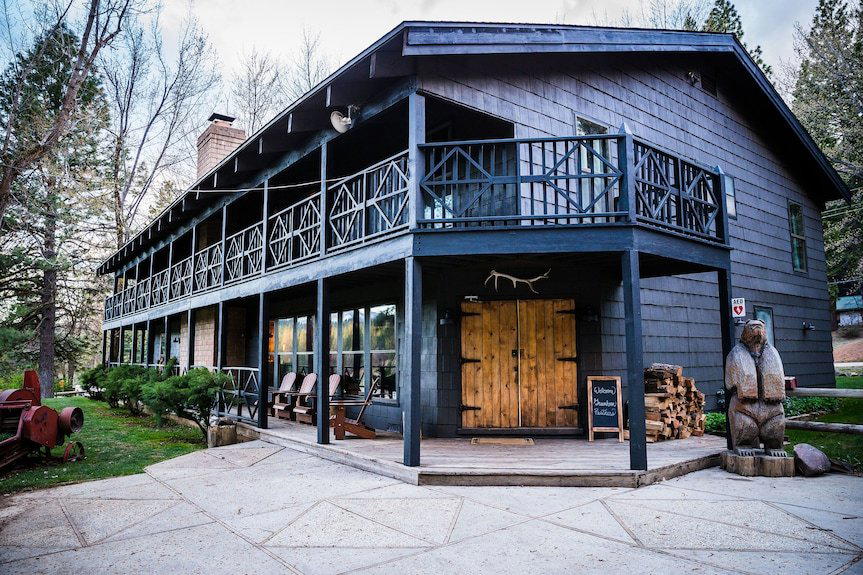
Details
- Cozy
- Rustic
- Group Dining
- Family
- Casual Hangout
- Hotel Restaurant
- Standalone
- Mountain
- A La Carte
Casual, relaxed, and ranch-appropriate, with a cozy Western-leaning atmosphere suited to an off-highway destination setting.