Chao Pescao
Our verdict
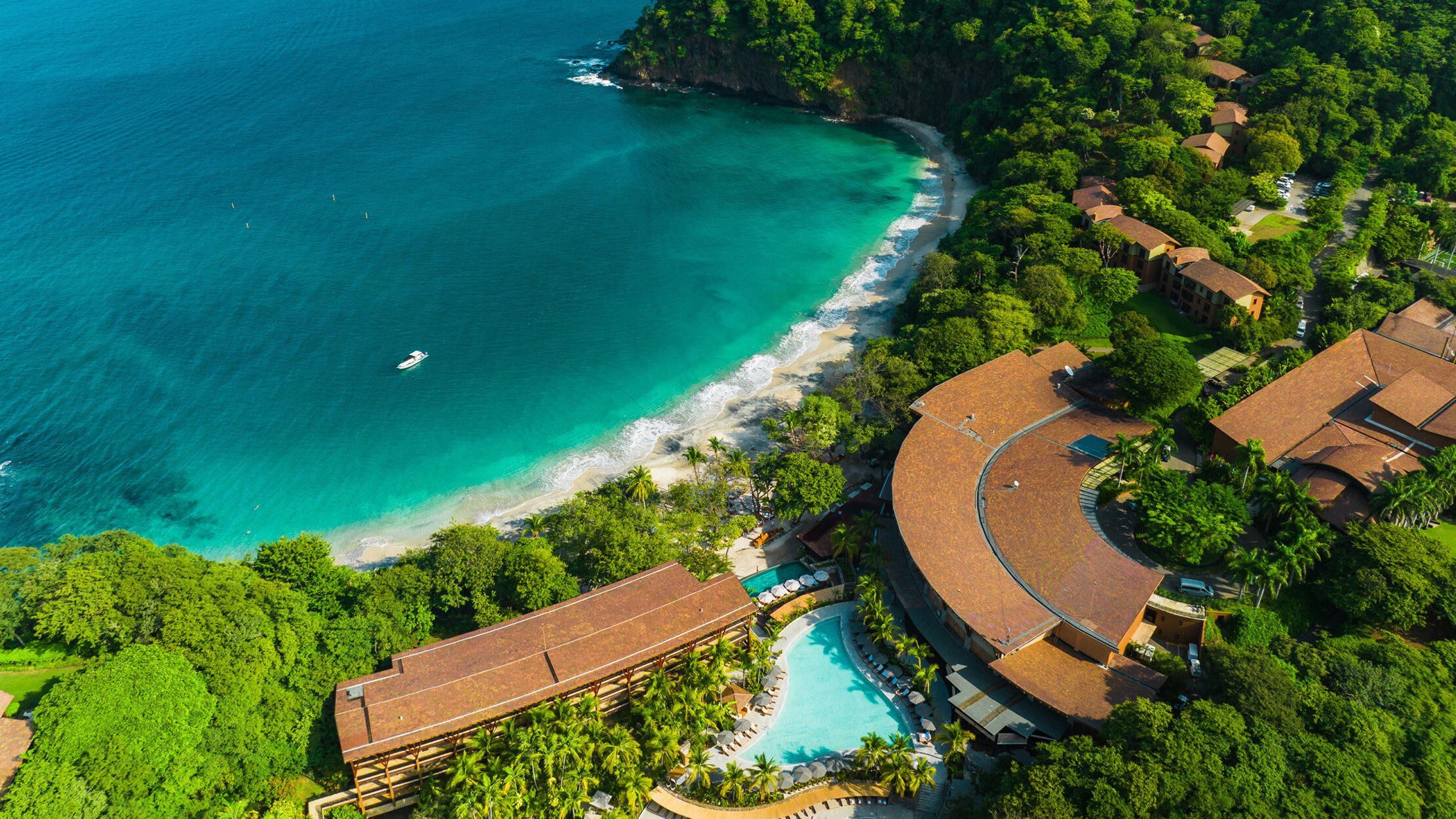
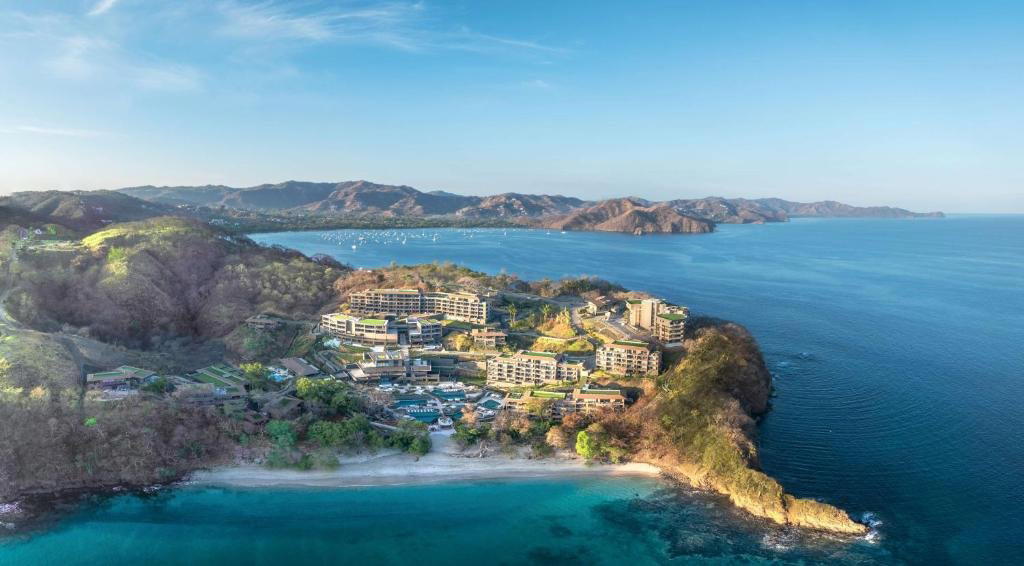
Chao Pescao sits on Peninsula Papagayo, where Guanacaste dining is shaped by resort polish, Pacific seafood culture, and the informality of Costa Rican coastal eating. Treat it less as a standalone destination restaurant and more as part of the peninsula’s wider hospitality circuit, useful for readers comparing meals across the region’s beaches, hotels, and marina-driven dining rooms.

Pearl is the En Primeur Club membership app — saves, bookings, and concierge access live there. Same editors, same standards.
The menu
What to order
- Chaofrijo
- Pinchos
- Chicharrones
- Beef patacón
Approaching dining in Guanacaste means entering a controlled version of the region: dry-forest hills, resort roads, Pacific air, and a dining culture built around visitors who want Costa Rica without losing the comfort of a managed setting. Chao Pescao belongs to that Guanacaste circuit, where the meal is shaped as much by geography as by menu language. In this part of the country, restaurants often sit between two forces: the local logic of relaxed pacing and warm-weather eating, and the travel-led demand for polished service and broadly legible formats.
That tension defines much of Guanacaste’s dining conversation in 2026. The province is not a single restaurant market. Inland stops, surf towns, resort areas, beach-town cafés, and longer regional itineraries all speak to different travelers. A resort-area restaurant has a different job from a roadside soda or a casual breakfast room: it has to translate Costa Rican ease into a setting built for itineraries, families, and resort evenings.
Guanacaste resort dining sits between Costa Rican coastal habits and travel structure
Guanacaste’s food culture is grounded in practicality: generous plates, breakfast staples, fresh fruit, tortillas, and the kind of casual service rhythm that makes sense in hot weather. In resort-led parts of the province, that foundation is filtered through a higher-comfort travel environment. The result is not the same as eating in a market town or at a beach shack. It is a curated version of the region, with the setting doing part of the work.
Chao Pescao’s location in Guanacaste places it inside that category. The location matters because this is not simply another beach stop; it is part of a managed travel environment with resort infrastructure, planned movement, and a visitor base often moving between hotel time, outdoor plans, and dinner reservations. Nearby comparison names such as Gaio, Meso, Ostra, and Nemare belong to the same broader conversation: restaurants here are judged by how well they handle resort expectations while keeping some relationship to place.
For readers building a wider Costa Rica itinerary, the useful comparison is not only within Guanacaste. Urban dining in the capital plays a different role, while northern resort and volcano routes point toward a more itinerary-driven style of travel. Beach-town dining has another register again, with a looser rhythm and more spontaneous stops. Guanacaste resort dining is cleaner-edged, more planned, and less improvised than many of those markets.
The cultural read is coastal ease, not destination-restaurant theatre
The strongest way to read Chao Pescao is through Guanacaste’s coastal social code: meals that work around heat, water, groups, and a relaxed evening tempo. Without relying on unconfirmed chef, ranking, or tasting-menu details, the more useful editorial frame is category fit. This is not a page for trophy-dining signals. It is a decision point for travelers asking how a Guanacaste meal fits into a larger Costa Rica route.
That distinction matters. Guanacaste has a habit of flattening into generic “beach dining” in travel writing, but the province has sharper internal differences. Some areas skew toward surf, wellness, and café culture; resort zones are more service-led; inland routes lean into practical local cooking and road-trip meals. A Guanacaste restaurant therefore needs to be judged on coherence: does the setting, pace, and format make sense for the trip, rather than trying to mimic a capital-city tasting room?
Readers comparing within Guanacaste can widen the map through other dining rooms across the province. Those options help show the spread of the region: café stops, casual rooms, resort-adjacent meals, and beach-town formats all compete for different moments of the day. For the full regional picture, use Our full Guanacaste restaurants guide alongside Our full Guanacaste hotels guide, Our full Guanacaste bars guide, Our full Guanacaste wineries guide, and Our full Guanacaste experiences guide.
How to place it in a Costa Rica itinerary
Chao Pescao makes the strongest editorial sense when the day is already anchored in Guanacaste. The location places it within the Guanacaste circuit, where meals often support beach days, hotel stays, boat plans, and family travel rather than serving as isolated culinary pilgrimages. That is a different value proposition from crossing a city for a chef-led counter or building a night around a bar program.
International readers sometimes misread Costa Rica as a single dining field. It is better understood as a series of formats tied to geography. Specialist rooms in major international cities often operate on precision and category definition; Guanacaste dining is more exposed to climate, distance, and the practical needs of travelers moving through the province. Other coastal regions in Costa Rica sit in their own rhythms again.
The verdict is measured: Chao Pescao is most useful for travelers already inside the Guanacaste orbit who want a meal that belongs to the region’s resort-coastal grammar. It should not be evaluated by award-chasing criteria without verified recognition to support that frame. Its relevance is contextual: location, regional fit, and how it helps structure a Guanacaste day without pulling the itinerary away from the region.
Frequently asked questions
Does Chao Pescao work for a family meal?
Yes. The Guanacaste location points to a resort-area setting that suits family dinners and mixed-age groups. It reads as relaxed rather than formal, which helps when the table includes children or larger parties.
What kind of setting is Chao Pescao?
It sits in Guanacaste, so the setting is tied to Costa Rica’s resort coast rather than a city-center dining room. Expect a coastal, holiday-leaning atmosphere that fits the region.
How do I find Chao Pescao?
Guanacaste.
Do they take walk-ins at Chao Pescao?
In a resort zone, timing matters, especially around peak meal periods.
Booking and Cost Snapshot
Comparable venues by cuisine and price in the same metro.
Continue exploring
More in Guanacaste
Restaurants in Guanacaste
All restaurants in Guanacaste →
Bars in Guanacaste
All bars in Guanacaste →

Details
- Lively
- Romantic
- Scenic
- Trendy
- Cozy
- Energetic
- Date Night
- Group Dining
- After Work
- Casual Hangout
- Celebration
- Late Night
- Live Music
- Waterfront
- Terrace
- Panoramic View
- Design Destination
- Hotel Restaurant
- Craft Cocktails
- Beer Program
- Local Sourcing
- Waterfront
- Garden
- Mountain
- A La Carte
- Small Plates
- Craft Cocktails
- Rum
- Beer
- Vegetarian Friendly
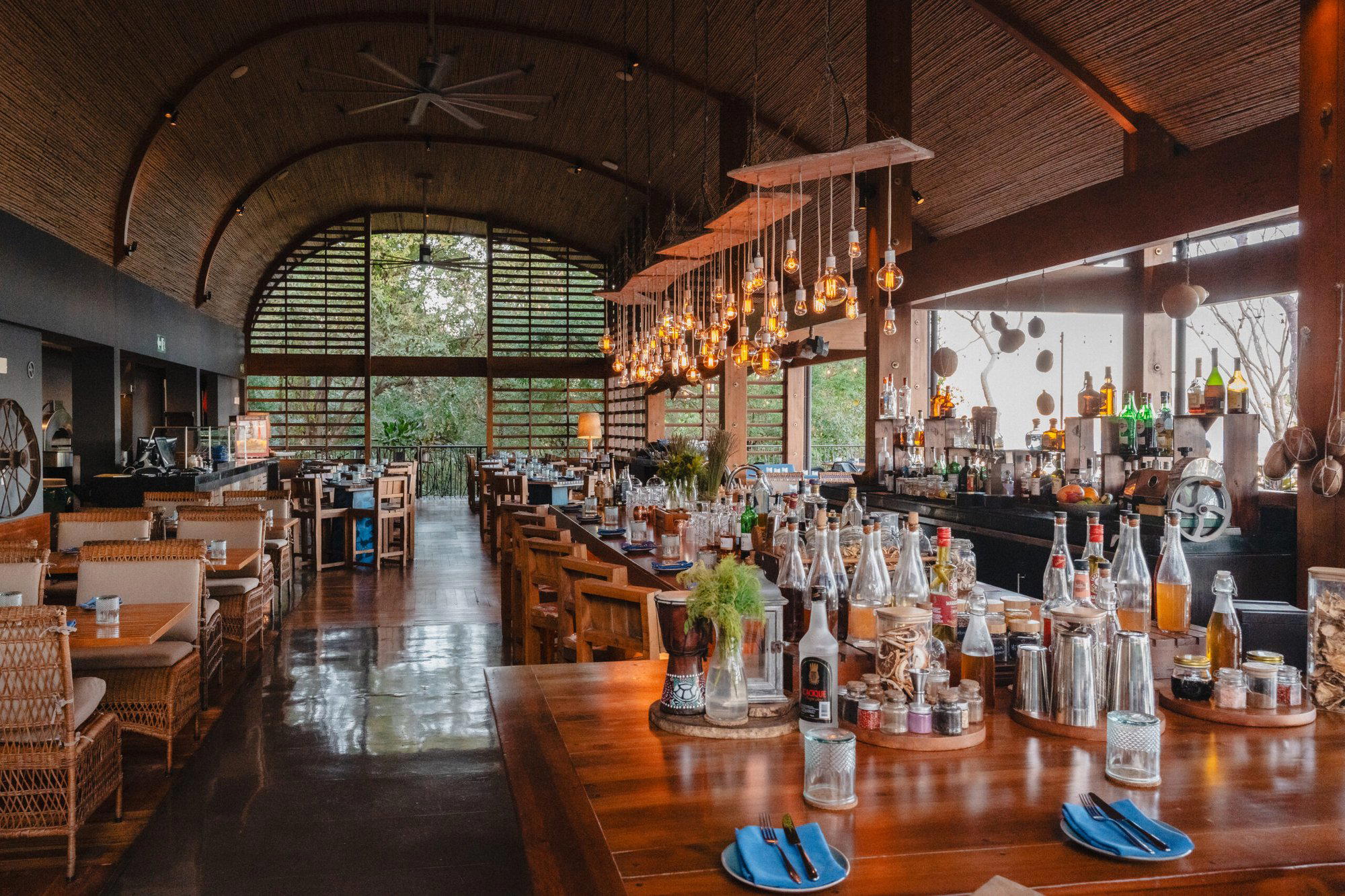
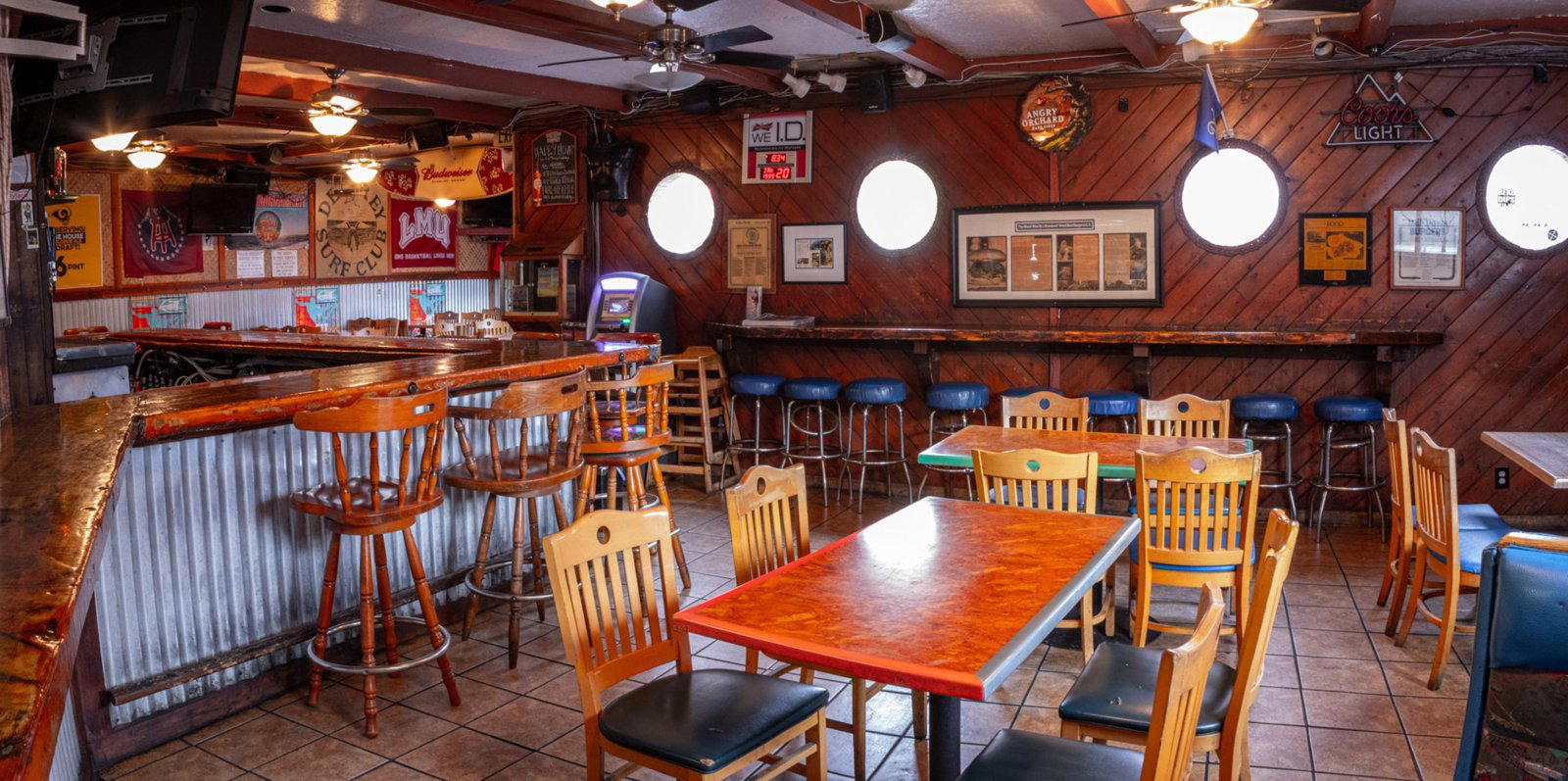
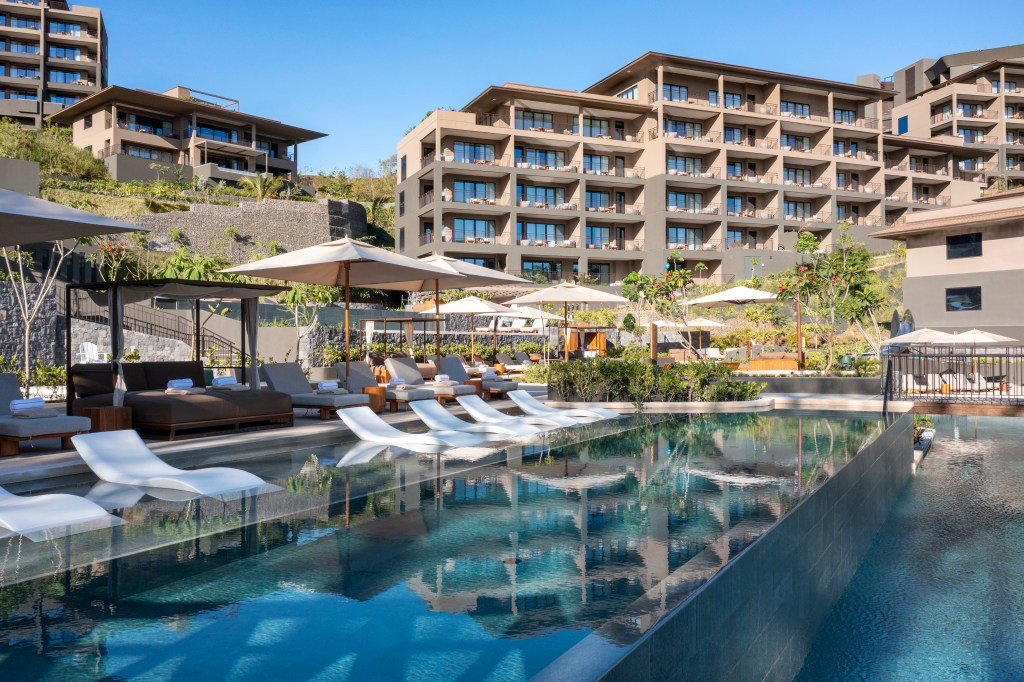
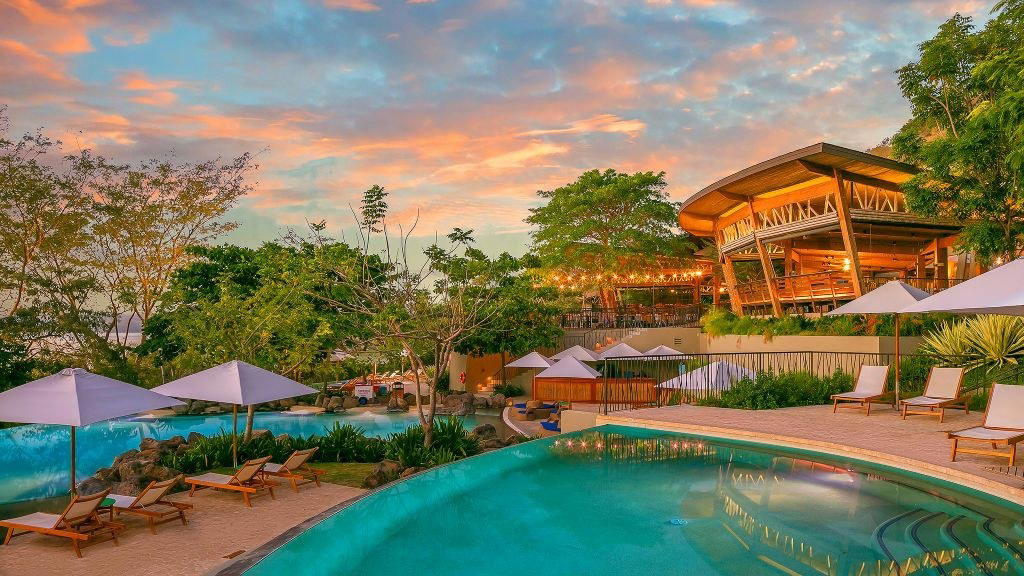
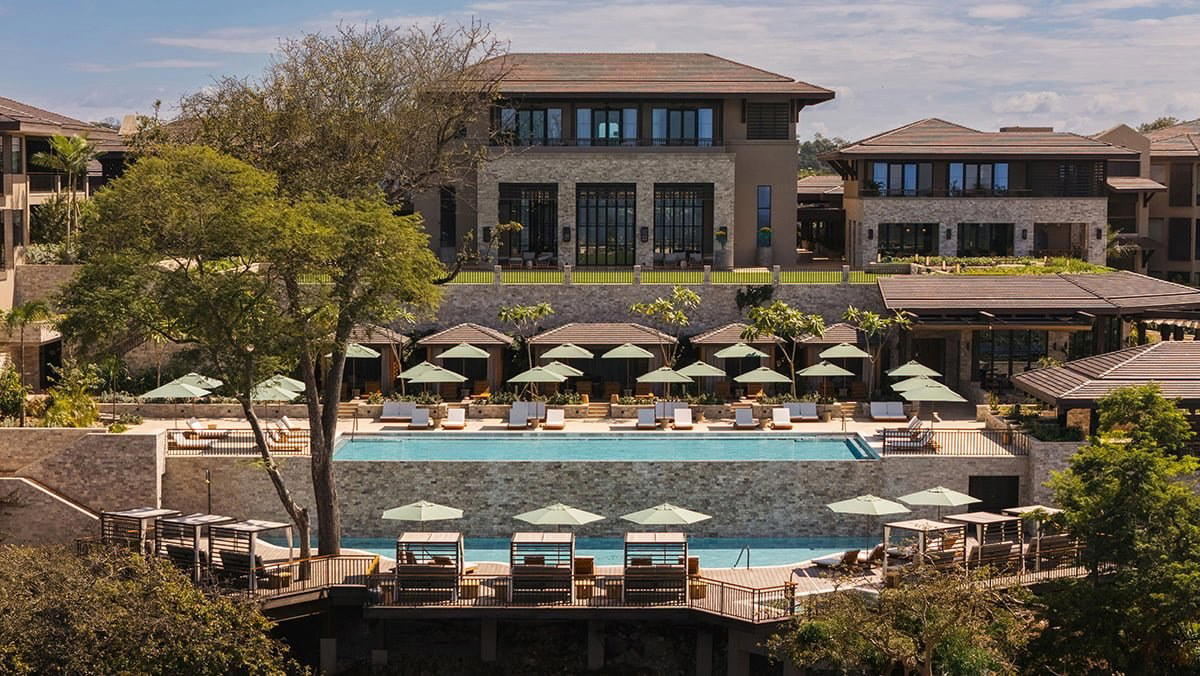
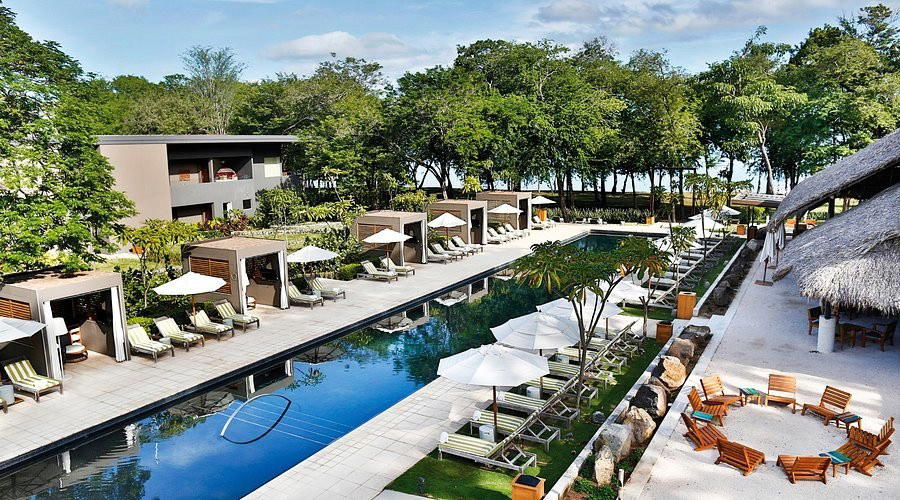
Open‑air, jungle‑meets‑marina setting with dim, romantic lighting at night, candles on tables, hanging lights over the bar, and a lively atmosphere driven by Latin music and cocktails.