
Michelin Plate
Our verdict
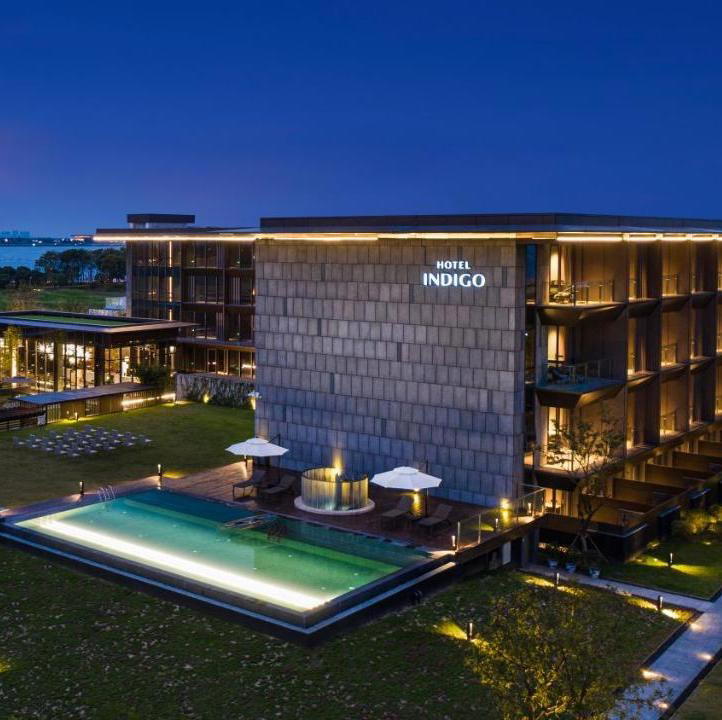
Chai Court (Huqiu) sits in Suzhou’s Huqiu district, where hotel dining and Jiangnan ingredient culture meet a more vertical, contemporary side of the city. The draw is less about spectacle than calibration: a restaurant suited to readers comparing Suzhou’s polished Chinese dining rooms with lower-key noodle houses and regional specialists across the city.

Pearl is the En Primeur Club membership app, where members save venues, book tables and use the concierge.
The menu
What to order
- Deep-fried pigeon with crispy skin
- Slow-cooked Cantonese soups
- Cantonese barbecues
- Cantonese stir-fries
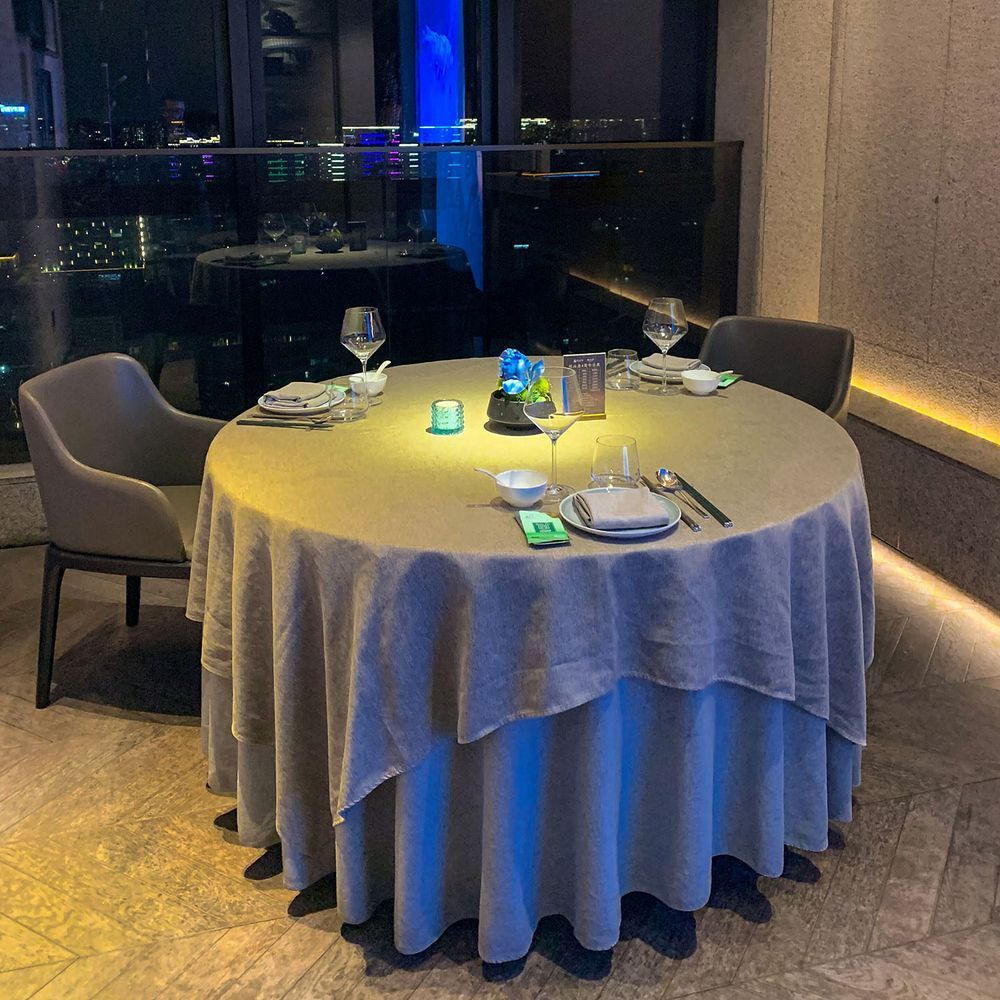
Arriving at Chai Court (Huqiu), the first impression is of a composed, planned dining room rather than a casual street stop. That matters in a city often read through canals, gardens, and old-town texture. Contemporary Suzhou dining now runs on multiple tracks, from intimate neighbourhood rooms to more polished restaurants, and Chai Court (Huqiu) belongs to the latter conversation.
The ingredient question in Suzhou is never abstract. Local dining culture is often associated with seasonality, careful technique, and a preference for balance over force. Even when a restaurant does not publish a narrow cuisine label, the city sets expectations: dishes that reward precision rather than volume, and meals where restraint can matter as much as richness. In this context, stronger rooms are judged by sourcing discipline and control, not by theatrical plating alone.
Suzhou dining through a local sourcing lens
Suzhou’s premium dining scene is not as internationally codified as larger metropolitan neighbours, but it has a clearer local grammar. The city’s serious kitchens tend to draw authority from proximity: regional ingredients, local technique, and the soft power of dishes that look simple until timing exposes the weak versions. Suzhou adds another layer. This is not only the canal-side fantasy of the city, but a place where contemporary development produces a different kind of dining demand: formal enough for hosting, accessible enough for repeat local use, and less dependent on old-town romance.
That makes Chai Court (Huqiu) useful as a reading of modern Suzhou rather than only as a dinner address. The format signals a certain expectation: quieter service rhythms, suitability for planned meals, and a room designed for a more deliberate occasion rather than casual grazing. In Suzhou, that places it closer to the city’s polished restaurant tier than to the noodle counters that define everyday eating.
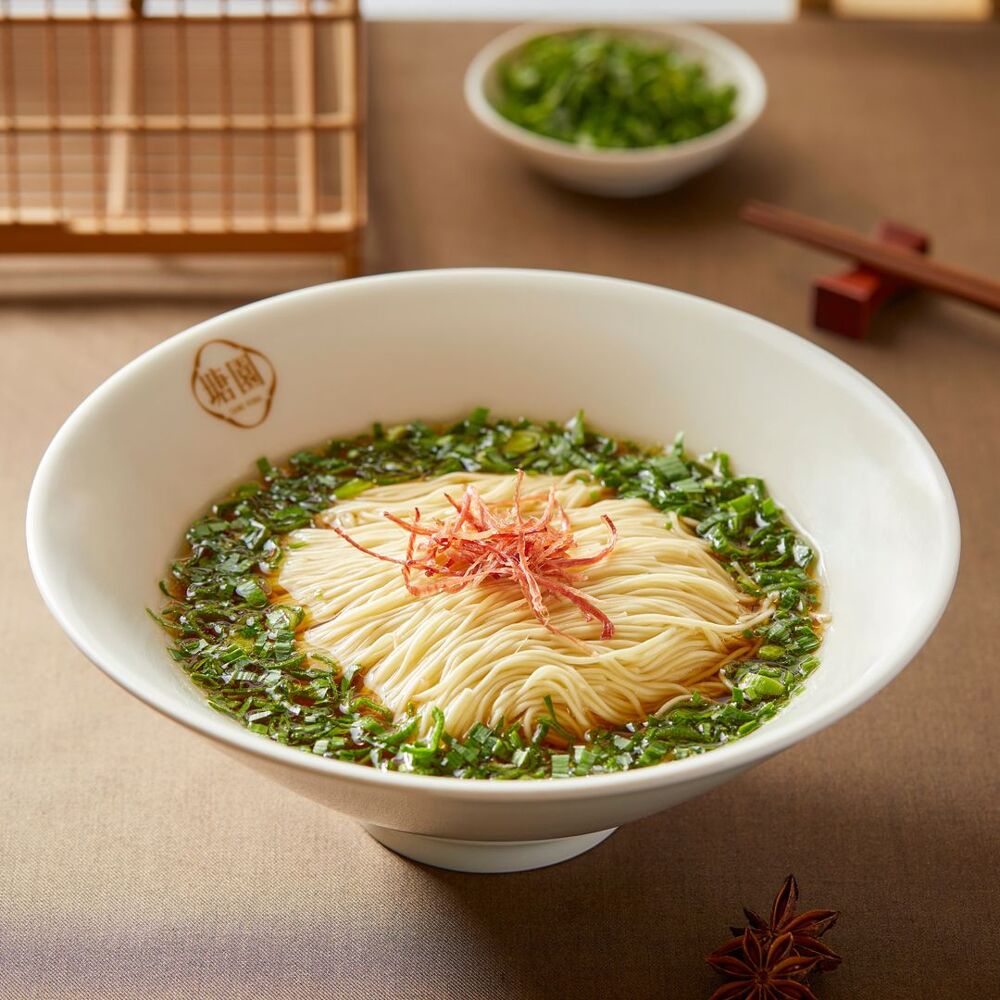
For comparison inside Suzhou, Alkanna and Biao Xia add further evidence that Suzhou’s dining map is no longer only about old-city addresses. Su Mian Fang, Tang Yuan, and Yu Mian Tang point to other ways the city can be read through more focused or casual dining formats. The useful question is not which room is grander; it is which vocabulary the kitchen is using, and how clearly the produce supports it.
What the room says about Suzhou's current dining habits
More formal restaurants in Chinese cities often serve two audiences at once: local diners who need a composed room for family or business meals, and travellers who want a polished meal without decoding a neighbourhood-only operation. That dual role can flatten a menu when a kitchen chases generic luxury signals, but it can also make a restaurant more legible when it understands its city. In Suzhou, the better version of the form keeps the local register intact: balance controlled, textures clean, ingredients handled with care, and vegetable cookery treated as a measure of skill rather than a side note.
Chai Court (Huqiu) should be read in that category. Its setting gives it a practical advantage for visitors who want a planned meal within Suzhou rather than a street-level search. It also changes the atmosphere: expect a composed restaurant register rather than the energy of a casual noodle shop. That distinction helps set expectations before comparing it with Suzhou’s more casual noodle specialists, including Su Mian Fang and Yu Mian Tang, where pace and purpose belong to a different dining tradition.
Regional comparison sharpens the point without needing to turn the meal into a league table. Other dining rooms in China may be judged by different hierarchies: banquet polish, seafood handling, noodle craft, tea service, or the choreography of a signature dish. Suzhou’s quieter register asks a different question. These comparisons matter because Chai Court’s value depends on whether the kitchen lets Suzhou’s ingredient culture lead rather than dressing it in generic banquet language.
How to place it within a Suzhou itinerary
For travellers, the decision is simple: use Chai Court (Huqiu) when the meal needs polish, calm, and a more structured setting in Suzhou. It is not the address to explain the full city by itself. Suzhou rewards contrast, and a sharper itinerary might pair one composed restaurant meal with a noodle stop, a garden walk, and a separate evening built around bars or tea rather than another formal dining room.
Readers planning across categories should use the full Suzhou restaurants guide for the dining spread, then cross-check stays through the full Suzhou hotels guide. Drinking culture sits in a separate lane, covered in the full Suzhou bars guide, while the full Suzhou wineries guide and the full Suzhou experiences guide help build a wider trip around the meal. For readers extending beyond Suzhou, other dining formats elsewhere can show how tightly focused specialist rooms differ from Suzhou’s broader polished-restaurant model.
The editorial case for Chai Court (Huqiu) rests on context: a Suzhou address where contemporary dining habits and local ingredient expectations meet. Treat it as a measured, planned meal rather than a spontaneous snack stop, and judge the kitchen by the fundamentals Suzhou has always cared about: sourcing, timing, texture, and restraint.
Frequently asked questions
Is Chai Court (Huqiu) a family-friendly restaurant?
Its setting in Suzhou makes it a workable choice for family dining. The format suits seated meals with a more formal pace than a casual street restaurant.
What should I expect atmosphere-wise at Chai Court (Huqiu)?
Expect a composed dining room in Suzhou, with the kind of setting that suits dinner parties, business meals, and slower-table conversation.
Does Chai Court (Huqiu) have a Michelin star or similar recognition?
Chai Court (Huqiu) is listed in the Michelin Guide with a MICHELIN Plate distinction.
What's the address for Chai Court (Huqiu)?
Suzhou.
Do they take walk-ins at Chai Court (Huqiu)?
Walk-ins depend on seating and timing on the day. For a meal here, the composed restaurant format suggests planning ahead rather than relying on a casual drop-in mindset.
Fast Comparison
Comparable venues by cuisine and price in the same metro.
| Venue | Cuisine | Price | Awards |
|---|---|---|---|
| Chai Court (Huqiu)This venue (the venue you are viewing) | Traditional Cantonese with seasonal touches | Not listed | Michelin Plate |
| Alkanna | Modern international bistro | $30–50 | Not listed |
| Biao Xia | Refined Huaiyang and Jiangzhe Chinese cuisine | $30–50 | Not listed |
| Tang Yuan | Suzhou-style Noodle Shop | $1–10 | Michelin Bib Gourmand |
| Su Mian Fang | Suzhou-style Noodles | Not listed | Michelin Plate |
| Yu Mian Tang | Suzhou Heritage Noodles | $20–30 | Michelin Bib Gourmand |
Recognition history
Dated appearances from independent guides and award organizations, with the underlying list record or original source where available.
Michelin Plate
Michelin
Continue exploring
More in Suzhou

Details
- Elegant
- Cozy
- Classic
- Intimate
- Business Dinner
- Group Dining
- Special Occasion
- Date Night
- Private Event
- Private Dining
- Hotel Restaurant
- Standalone
- A La Carte
- Set Menu
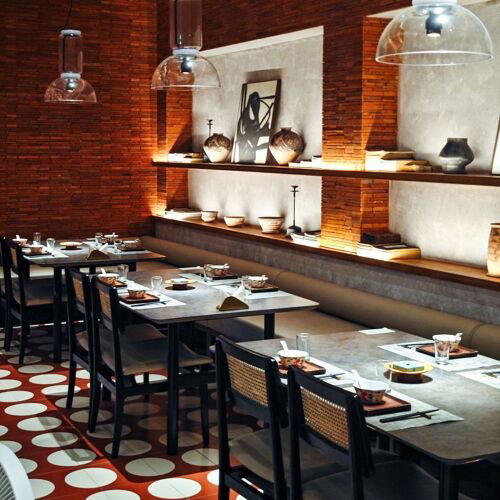
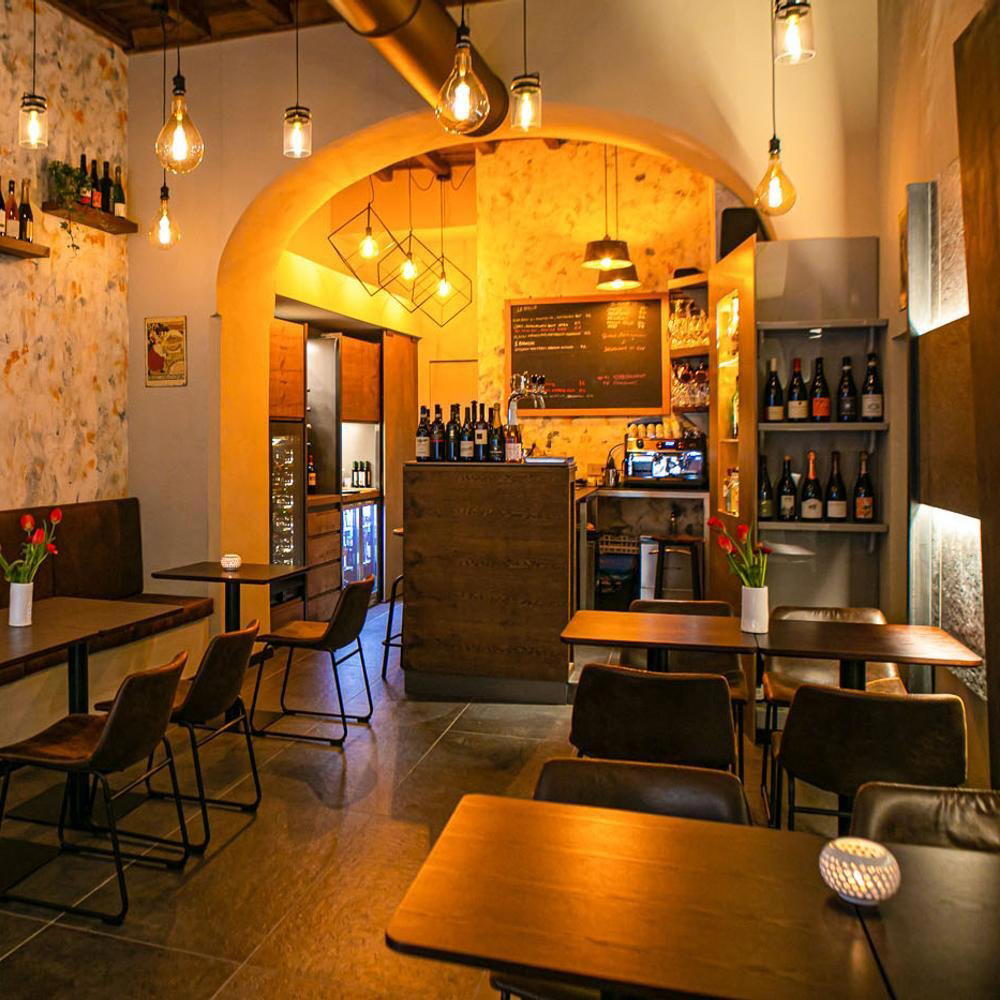
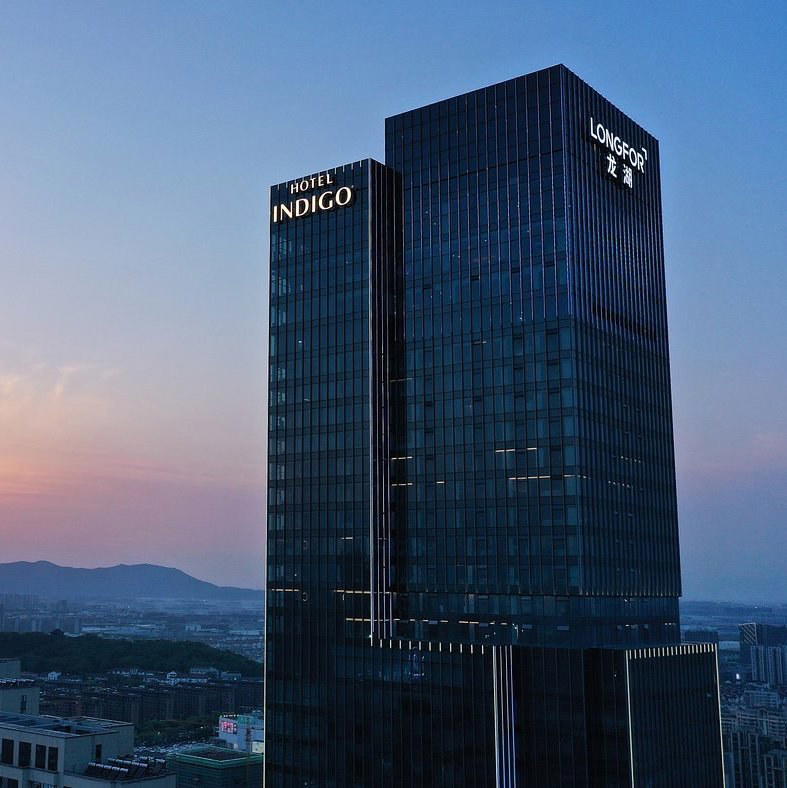
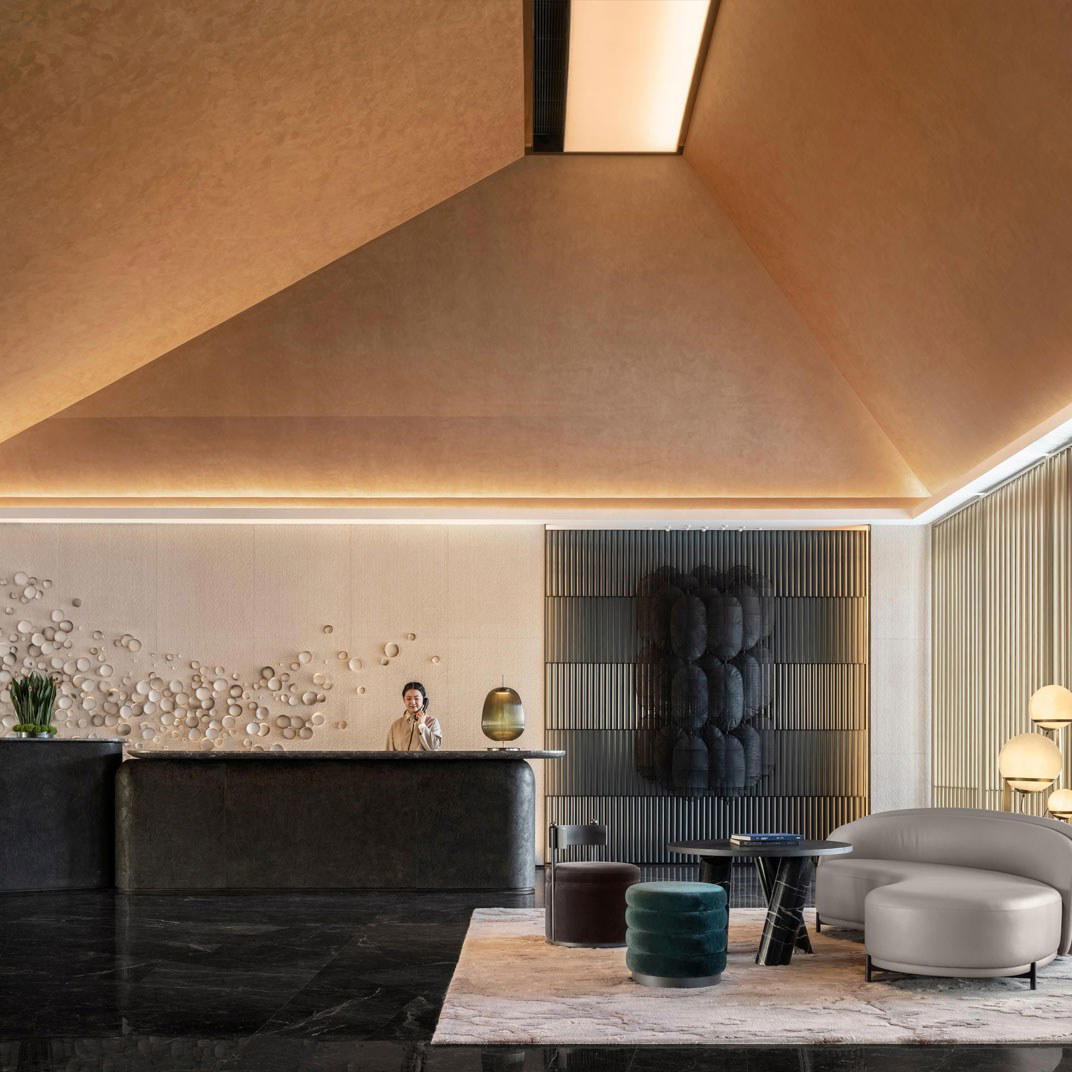
A spacious yet cosy dining room in a high-floor hotel tower, combining classic Cantonese-restaurant formality with warm, comfortable décor and private rooms well-suited to banquets and dinner parties.