Our verdict
Al Muheet belongs to Muscat’s resort-side dining circuit, where the strongest argument is proximity to the Gulf rather than chef theatrics. Its Barr Al Jissah poolside setting suits diners looking for a relaxed coastal meal, with Omani seafood culture and the city’s hotel-dining ecosystem providing the useful frame.

Pearl is the En Primeur Club membership app, where members save venues, book tables and use the concierge.
The menu
What to order
- Al Muheet Caesar Salad
- Peruvian shrimp ceviche
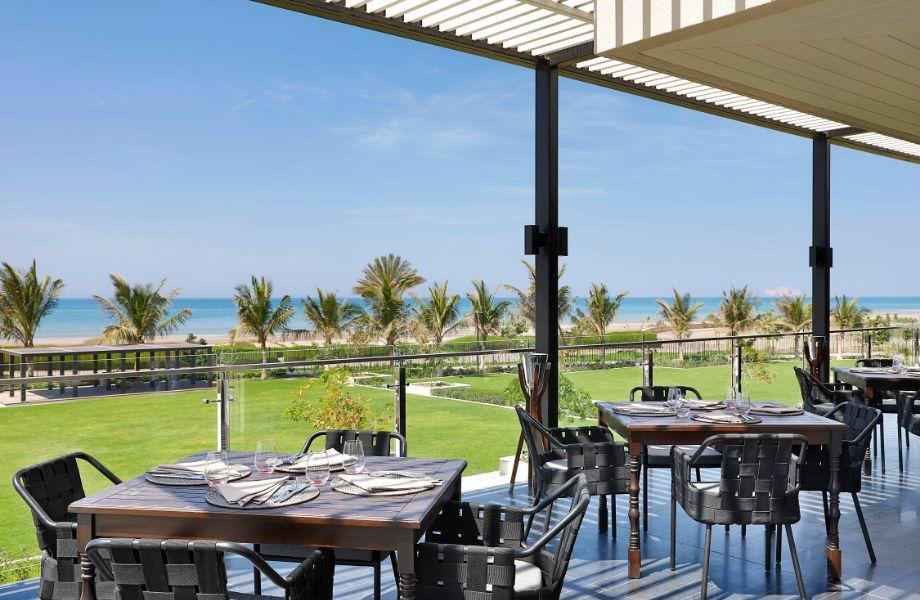
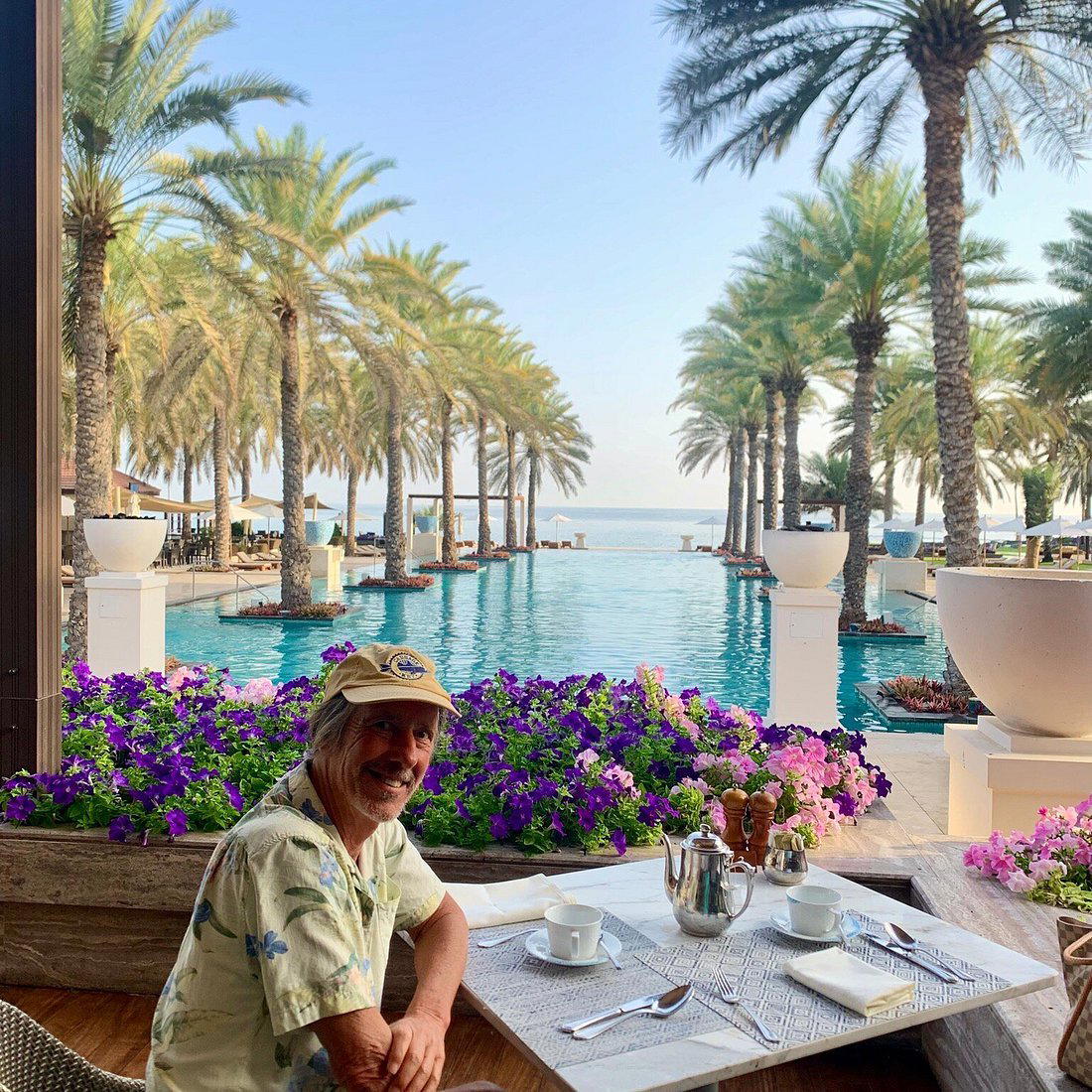
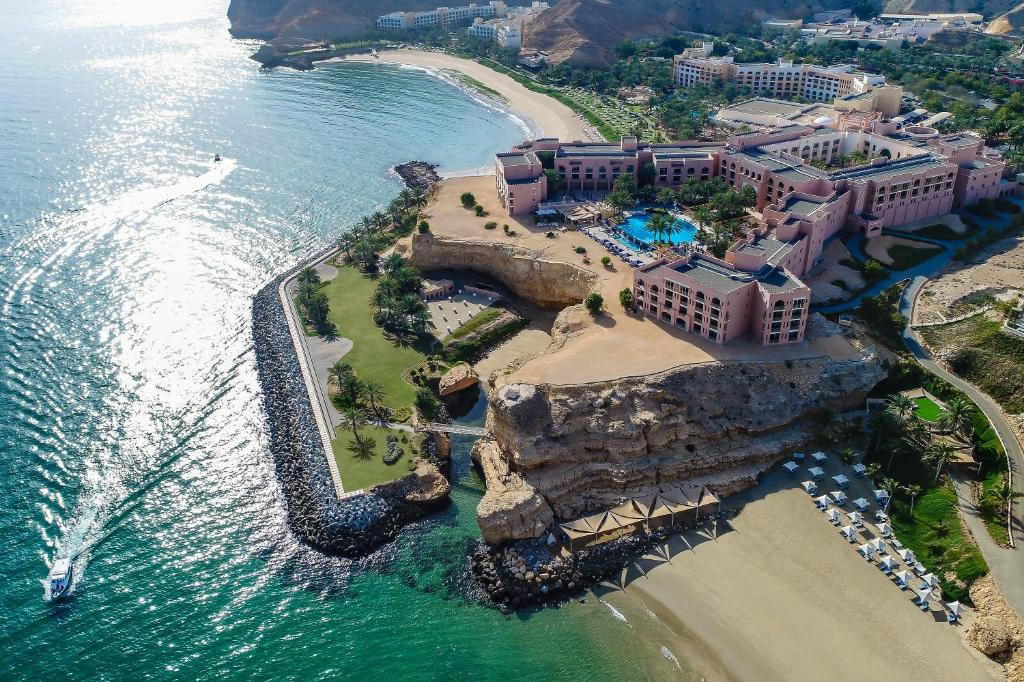
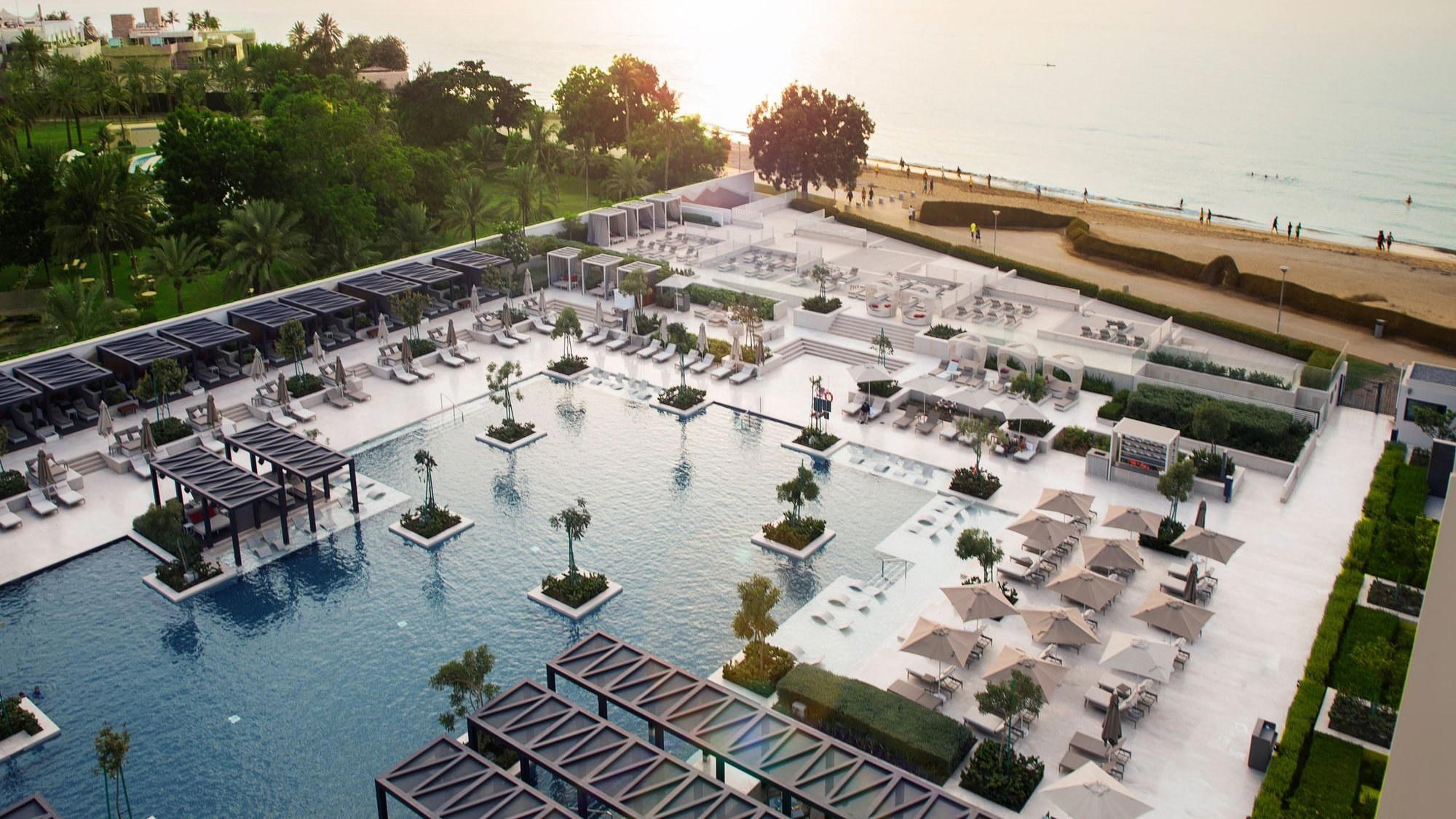
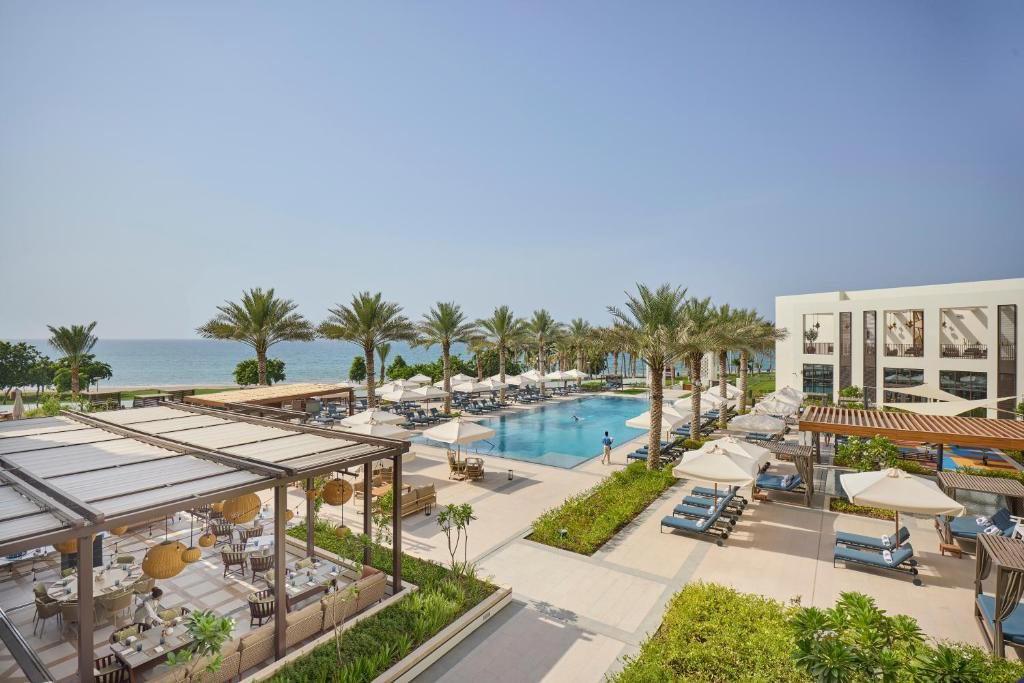
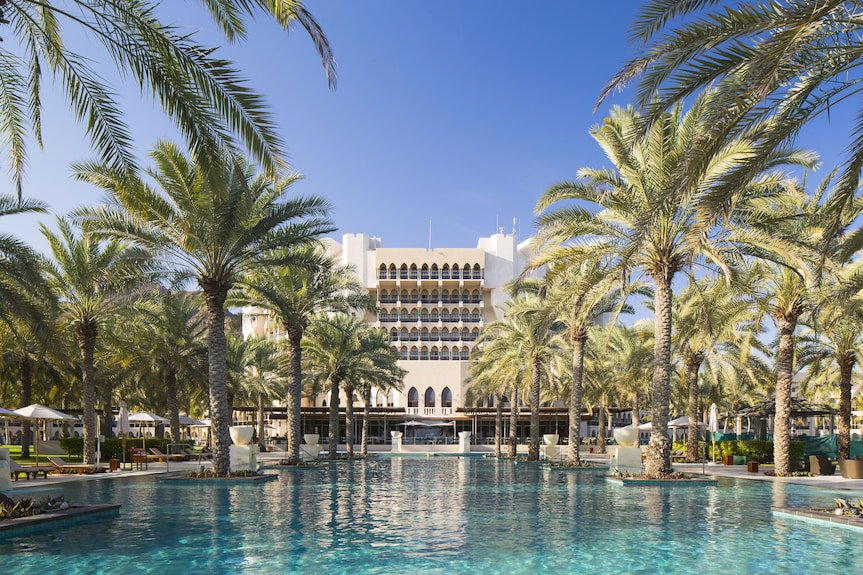
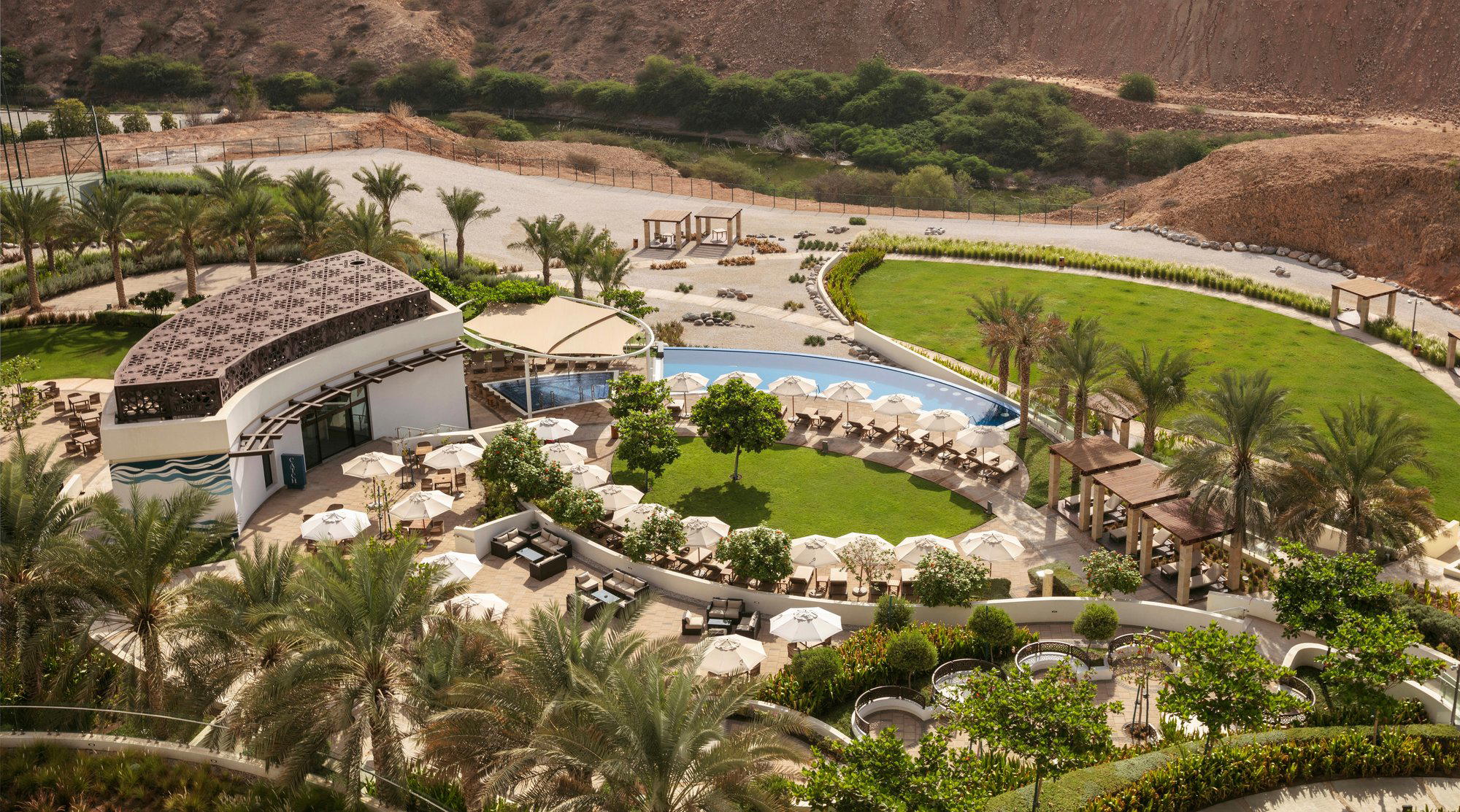
Approaching Al Muheet in Muscat, the appeal is immediate and uncomplicated: water, heat, stone, and the coast’s presence close enough to shape the appetite before any menu does. In Muscat, that matters. The city’s dining identity moves between traditional local dining, international hotel restaurants, and coastal tables that trade on proximity to the sea. Al Muheet sits in that last category, where the setting does much of the early work and the meal is judged against Muscat’s long relationship with the coast rather than against theatrical tasting-menu formats.
Muscat's coastal table, read through sourcing rather than spectacle
Oman’s food culture is inseparable from its geography. The country faces the Arabian Sea and the Gulf of Oman, and Muscat’s strongest dining moments often come when a restaurant understands that coastal freshness is not a luxury accent but a local baseline. Rice, citrus, spice, and maritime influence all sit behind the city’s restaurant scene. A poolside restaurant in Muscat should be read through that lens: the question is less whether it reinvents a tradition, and more whether it gives travellers a coherent way into the ingredients and atmosphere that define the coast.
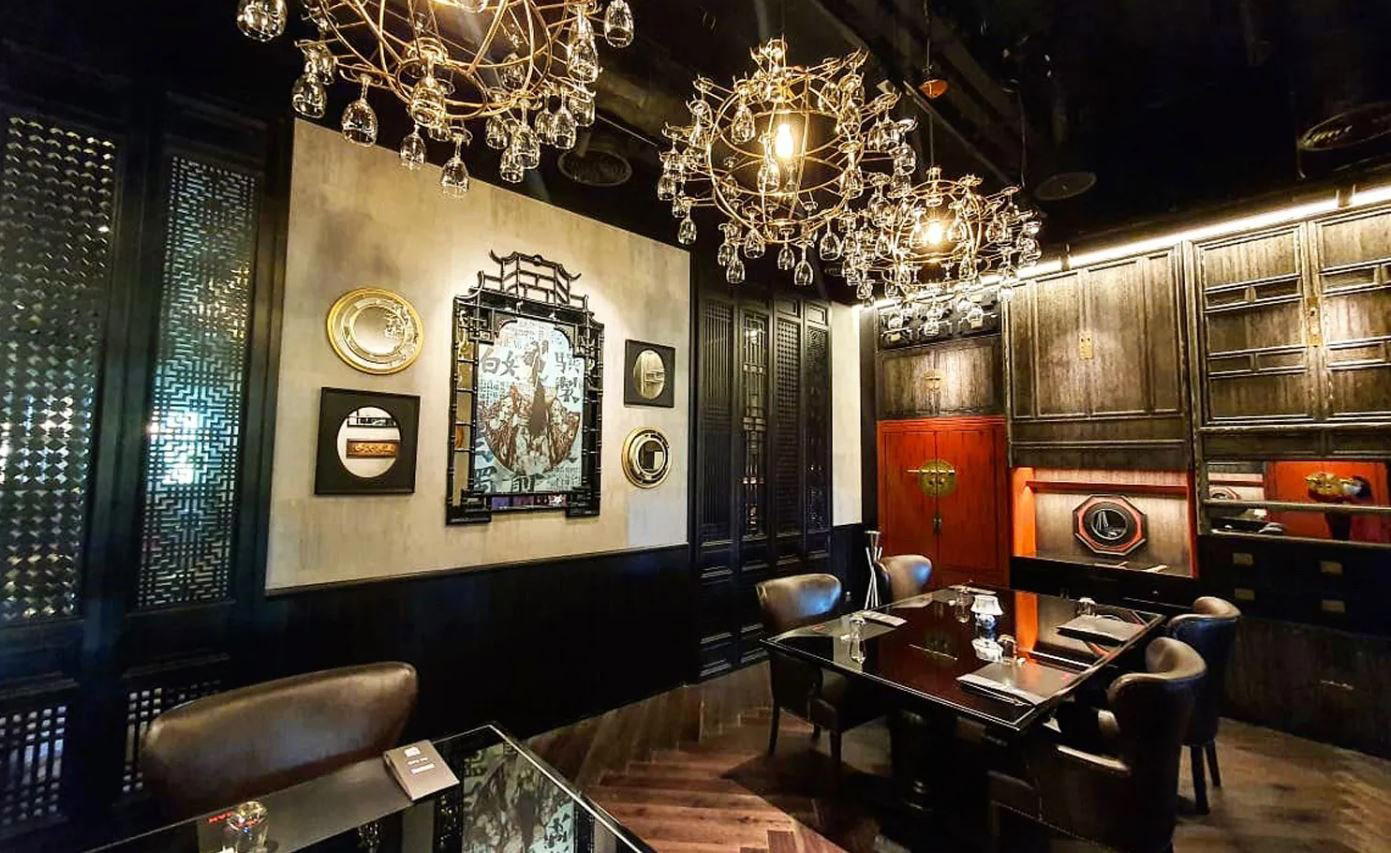
That distinction matters because Muscat can feel deceptively international at resort level. Hotel dining often smooths local edges for a broad audience, while older local restaurants preserve a more direct grammar of hospitality and place. For comparison inside the city, Bait Al Luban Omani Restaurant - Mutrah pulls the conversation toward heritage cooking, while Ba Ban reflects a polished international side of Muscat dining. Al Muheet is more useful as a coastal resort counterpoint: less urban, less heritage-coded, and more dependent on the pleasure of eating near water.
The sourcing question is therefore practical as much as romantic. In a coastal city, resort restaurants live or die by freshness, restraint, and whether the kitchen lets the setting feel specific rather than burying it under generic resort habits. EP Club readers should approach the meal with that benchmark. Order toward the sea-facing logic of the place when the menu allows, then use balance, brightness, and ease as the measure of whether the kitchen is speaking Muscat’s language or merely borrowing its view.
Where it fits among Muscat's resort restaurants
Muscat gives the restaurant a different rhythm from a city-centre meal. Some parts of the capital have the older commercial pulse; others lean more urban and social; the resort coast is slower, more contained, and better suited to travellers who want dinner to follow beach or pool hours without crossing town. That context is the point. Al Muheet is not competing with a city-centre institution on depth of tradition, nor with a formal dining room on ceremony. It belongs to the category of resort restaurants where location, ease, and coastal relevance carry the evening.
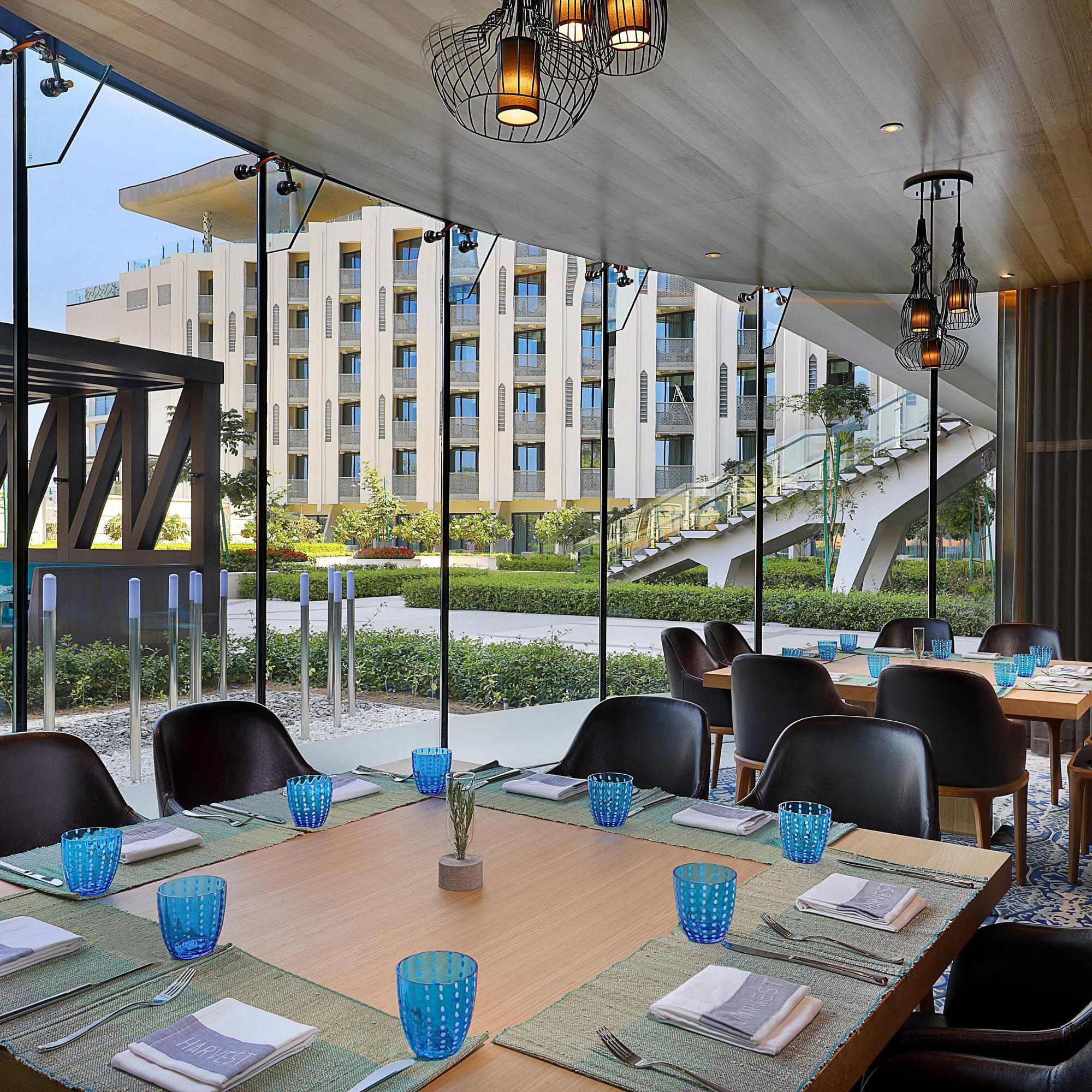
Muscat’s useful dining map is broad rather than crowded. Other hotel dining rooms speak to the all-day format, local restaurants to a more explicitly traditional register, and venues such as Mahhara Beach Restaurant, Harvest, and CHAR show how resort and hotel dining can divide into distinct moods and formats. Within that spread, Al Muheet’s advantage is clarity: poolside coastal dining in Muscat, where the surrounding water and resort setting make an urban restaurant comparison feel beside the point.
The wider Oman context helps sharpen the choice. Travellers building a route beyond the capital will find that the country’s food geography changes by landscape, with interior, coast, mountain, and southern climates each shifting the pantry and the mood of the table. In that national frame, a Muscat poolside table is not the whole story, but it is a credible coastal chapter. Al Muheet works best when understood as that chapter rather than as a claim to summarize the country in one meal.
How to use it in a Muscat itinerary
The strongest use case is a relaxed meal built around the resort day rather than a destination dinner that demands rearranging the city schedule. That makes it especially relevant for travellers staying in Muscat or pairing dinner with a low-movement evening after heat, swimming, or a boat day. For a deeper local-food education, build the same trip around contrast: heritage cooking, an international hotel meal, and one coastal resort dinner. Bait Al Luban Omani Restaurant - Mutrah extends the heritage thread, while other Muscat dining rooms can keep the itinerary closer to the same resort-led rhythm.
Readers planning the city more broadly should treat Al Muheet as one tile in a larger Muscat board rather than the definitive expression of local dining. Use Our full Muscat restaurants guide for restaurant context, then layer in Our full Muscat hotels guide, Our full Muscat bars guide, Our full Muscat wineries guide, and Our full Muscat experiences guide to understand how the capital actually works for premium travel. For readers comparing category habits beyond Oman, the broader lesson is that format discipline, whether a focused bar, a casual counter, or resort-side dining, matters as much as any cuisine label.
The editorial verdict is measured. Al Muheet is strongest when chosen for the right reason: a Muscat coastal setting that lets the coast frame the meal, with the city’s waterside culture as the reference point. Travellers seeking a tightly documented chef-led restaurant or award-driven room will want to verify those details separately rather than assume them here. Travellers who want a low-friction resort meal that belongs to its waterside setting will understand why it earns a place in a Muscat plan.
Frequently asked questions
Is Al Muheet child-friendly?
Yes, the pool-side setting in Muscat makes it an easy fit for families. It reads as a resort meal, not a formal dining room.
How would you describe the vibe at Al Muheet?
Relaxed and resort-led. Al Muheet sits pool-side in Muscat, so the mood is casual daylight dining rather than a dinner-only destination.
Where do I go for Al Muheet?
Muscat.
How far ahead should I plan for Al Muheet?
Plan it around your resort schedule rather than as a long-range reservation. The pool-side setting in Muscat suits an easy lunch or a stop between beach time and the room.
A Quick Peer Check
Comparable venues by cuisine and price in the same metro.
| Venue | Cuisine | Price |
|---|---|---|
| Al MuheetThis venue (the venue you are viewing) | Resort pool café and bar with international light bites | $30–50 |
| Mahhara Beach Restaurant | Beachfront Seafood and Grill | Not listed |
| Bait Al Luban Omani Restaurant - Mutrah | Traditional Omani | $10–20 |
| Ba Ban | Modern Chinese at W Muscat | $50–100 |
| Harvest | Healthy Seasonal International | $30–50 |
| CHAR | Mediterranean Grill & Global Steaks | $100–150 |
Continue exploring
More in Muscat
Restaurants in Muscat
All restaurants in Muscat →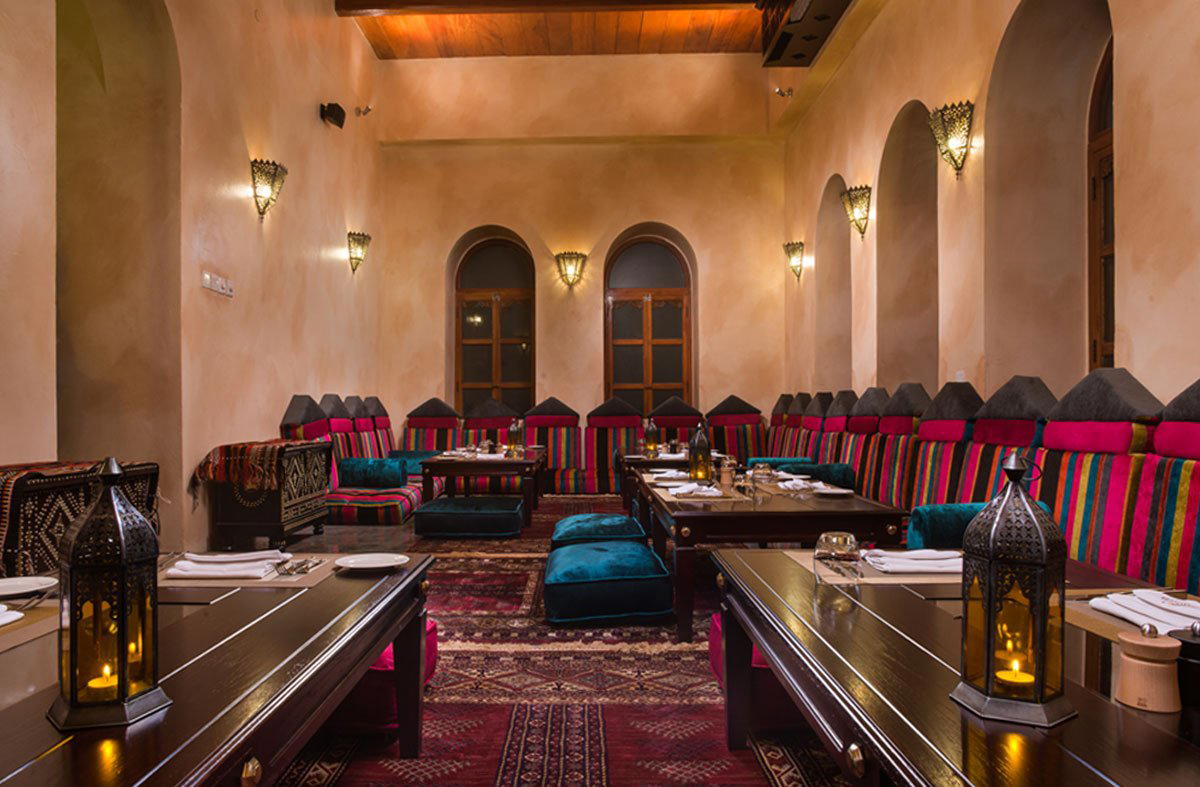
Details
- Modern
- Scenic
- Lively
- Cozy
- Casual Hangout
- Family
- After Work
- Group Dining
- Waterfront
- Terrace
- Standalone
- Design Destination
- Beer Program
- Local Sourcing
- Waterfront
- Street Scene
- A La Carte
- Beer
- Cocktails
- Fresh Juices
- Vegetarian Friendly
- Halal
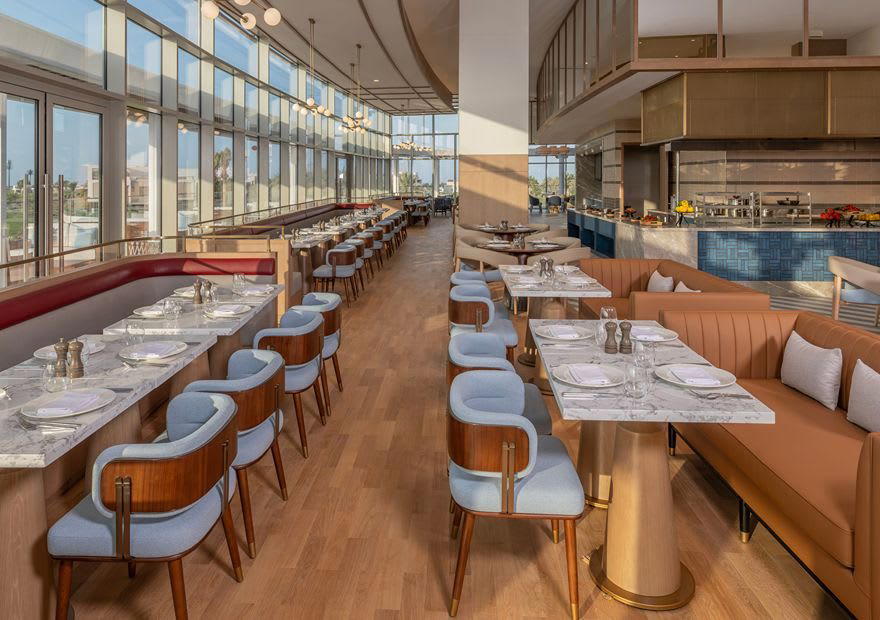
Casual, resort-style pool bar atmosphere with daylight-filled outdoor seating, relaxed music, and scenic sea views that feel social but not overly loud.