Carbone Miami Beach


Carbone Miami Beach puts Italian-American dining into Miami Beach’s high-gloss social register rather than a regional trattoria frame. Jonah Resnick leads the kitchen, and the restaurant carries a 2026 Opinionated About Dining Top Restaurants in North America Recommended citation, placing it in the city’s serious-dinner conversation as much as its nightlife orbit.
Pearl is the En Primeur Club membership app — saves, bookings, and concierge access live there. Same editors, same standards.
- Address
- Miami Beach, Florida, United States
- Website
- carbonemiami.com
 Saves & bookings on Pearl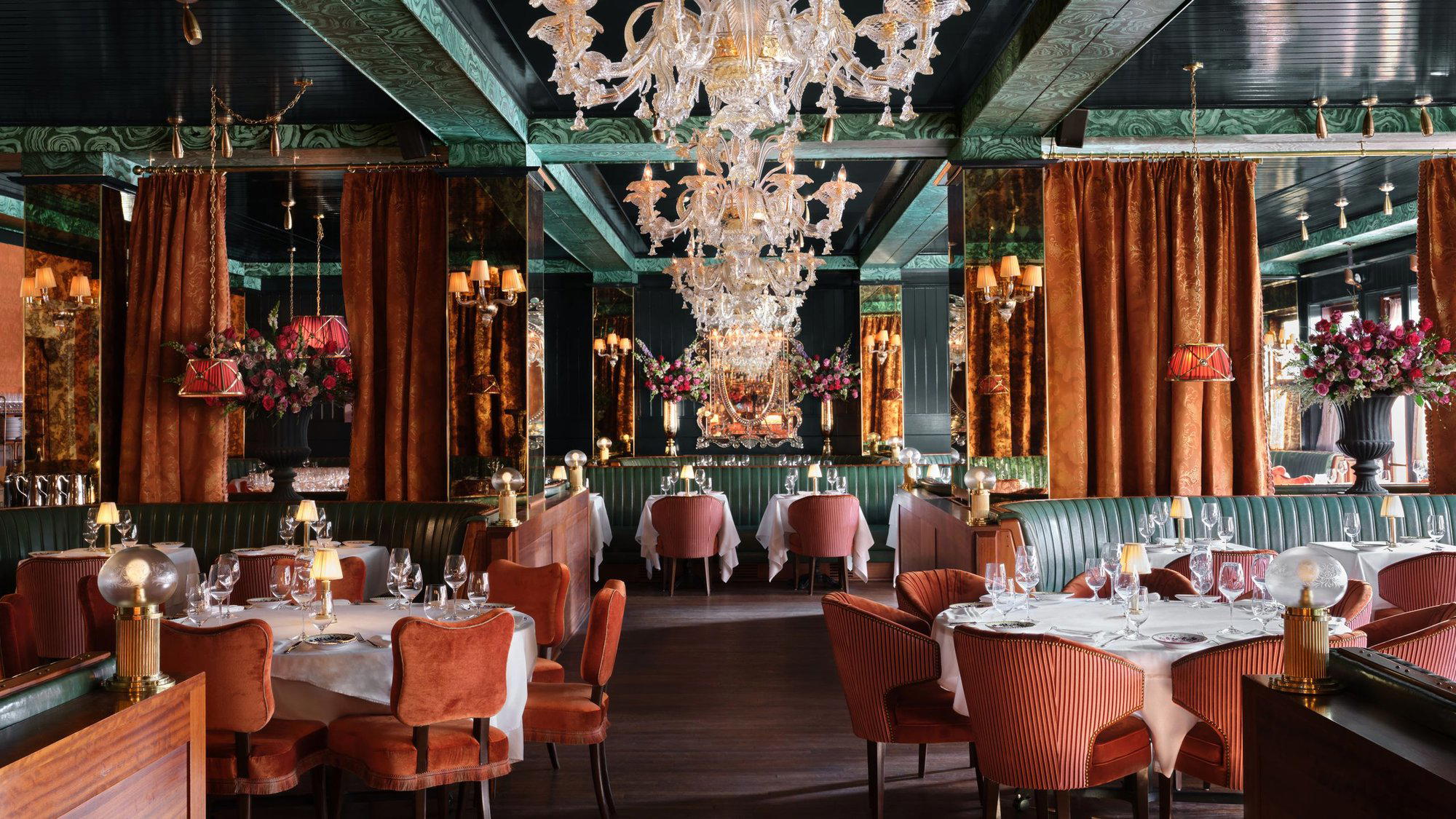
Miami Beach Italian dining has two instincts: coastal ease and stagecraft. The first belongs to terrace lunches, seafood pastas, spritzes, and hotel dining rooms built around weather. The second is sharper, louder, and theatrical, rooted less in Roman restraint or Tuscan farmhouse cooking than in the mid-century Italian-American dining room, where sauce, service rhythm, and room energy matter as much as regional purity. Carbone Miami Beach belongs firmly to the second tradition.
That distinction matters. Contemporary Italian dining often sells provenance: Ligurian seafood, Neapolitan dough, Tuscan beans, Milanese veal, Roman pasta canon. Italian-American cooking is a cuisine of migration, New York dining rooms, red-sauce ceremony, and generous pacing. In Miami Beach, that vocabulary takes on a different social temperature. Dinner is rarely just dinner; it competes with hotels, bars, late seating, and a city appetite for rooms charged before the first order lands.
The trust signal is not vague popularity. Carbone Miami Beach appears in the 2026 Opinionated About Dining Top Restaurants in North America Recommended list, with Jonah Resnick named as chef and Italian listed as the cuisine. OAD’s inclusion places the restaurant in a judged North American field rather than a local hype cycle. In a city where restaurant noise can outpace scrutiny, that outside recognition is useful evidence.
Italian-American ceremony in a city that rewards theater
The useful way to read the restaurant is not as a substitute for Italy’s regional kitchens. It is an American dining-room form with Italian grammar: pasta, veal, seafood, salads, tableside pace, and choreographed service. That separates it from South Florida’s lighter Mediterranean style. Miami Beach can make Italian food feel like beach-adjacent leisure; this format makes it feel like an occasion.
Regional identity sits in the tension. Roman cooking prizes a narrow canon and clean architecture: carbonara, amatriciana, cacio e pepe, artichokes, offal. Tuscan cooking leans into beans, grilled meats, bread soups, bitter greens, and olive oil. Neapolitan tradition is inseparable from pizza, tomatoes, seafood, and street-level intensity. Milanese dining signals butter, risotto, cutlets, and northern polish. Italian-American dining borrows fragments from all of them, then reframes them through abundance, red sauce, and roommanship. Carbone Miami Beach is better understood inside that lineage than through a map of the Italian peninsula.
That framing explains why it differs from smaller neighborhood Italian rooms. The cooking may be Italian by category, but the experience is built around dressed-up dinners, recognizable dishes, formalized hospitality, and the sense that the room is part of the price. In Miami Beach, where hospitality often blurs restaurant, hotel, and nightlife, that script reads clearly.
For broader local context, Our full Miami Beach restaurants guide maps the wider dining field, while Our full Miami Beach hotels guide, Our full Miami Beach bars guide, Our full Miami Beach wineries guide, and Our full Miami Beach experiences guide show the surrounding travel ecosystem that shapes where serious dinners sit in an evening.
Where the kitchen fits into Miami Beach's Italian conversation
Miami Beach does not lack Italian food, but the category is uneven. Some rooms feed hotel guests efficiently; others chase coastal gloss with crudo, pasta, and citrusy cocktails; a smaller group uses Italian cooking for high-spend social dining. The restaurant falls into that last group. The OAD Recommended citation gives it a reference point beyond brand recognition, and Resnick’s named role gives the kitchen a clear line of accountability.
The restaurant’s value is strongest for diners who want Italian-American ritual rather than minimalist regional cooking. A guest seeking the austerity of a Roman trattoria or the rural directness of Tuscany is measuring against the wrong standard. The better question is whether the room delivers the old-school American-Italian contract with enough polish to justify a planned dinner rather than an improvised reservation. The critical answer is yes, with the caveat that the appeal depends on appetite for theater.
That appetite is not incidental. Miami Beach rewards restaurants that understand arrival, pacing, and social visibility. Here, a red-sauce dining room with formal service codes feels less nostalgic than strategic. It gives the city Italian dining that is neither coastal resort casual nor chef’s-counter experimental, but more public: a dinner built to be seen, heard, and remembered by the table rather than analyzed dish by dish.
Readers comparing Miami Beach styles can place it beside different local formats through 11th Street Diner, A Fish Called Avalon, A La Folie, a'Riva, and AC Kitchen. Those links are useful less as direct peers than as markers of how broad the city’s restaurant spectrum runs.
How to decide if this is the right dinner
The right diner for the restaurant wants a high-energy Italian-American room, not a quiet regional study. The restaurant makes the strongest case for celebrations, dressed-up group dinners, and visitors building a Miami Beach night around one central table. It is weaker for diners seeking a low-key bowl of pasta, a strictly regional Italian lesson, or a room where food is expected to work without atmosphere.
The award context helps separate substance from noise. A 2026 OAD Top Restaurants in North America Recommended placement does not make the restaurant a tasting-menu temple, and it does not need to. It signals that the operation has been noticed within a broader North American restaurant conversation. In Miami Beach, where brand gravity can overshadow critical assessment, that distinction is worth noting.
For travelers building a wider dining map beyond Florida, useful contrasts in genre and city context include Jōdo Saké Bar in Los Angeles, Onigiri Time in Pasadena, ¿Por Qué No? in Portland, 'Ai Love Nalo in Waimanalo Beach, 'āina in San Francisco, 'Ama 'Ama in Kapolei, 112 Eatery, Italian in Minneapolis, and 8 1/2 Otto e Mezzo Bombana (Hong Kong), Italian in Hong Kong. The broader lesson is that Italian restaurants travel in radically different forms: neighborhood, luxury hotel, American red-sauce, northern fine dining, and chef-led hybrid. The restaurant occupies the form where ceremony is not decoration; it is the operating language.
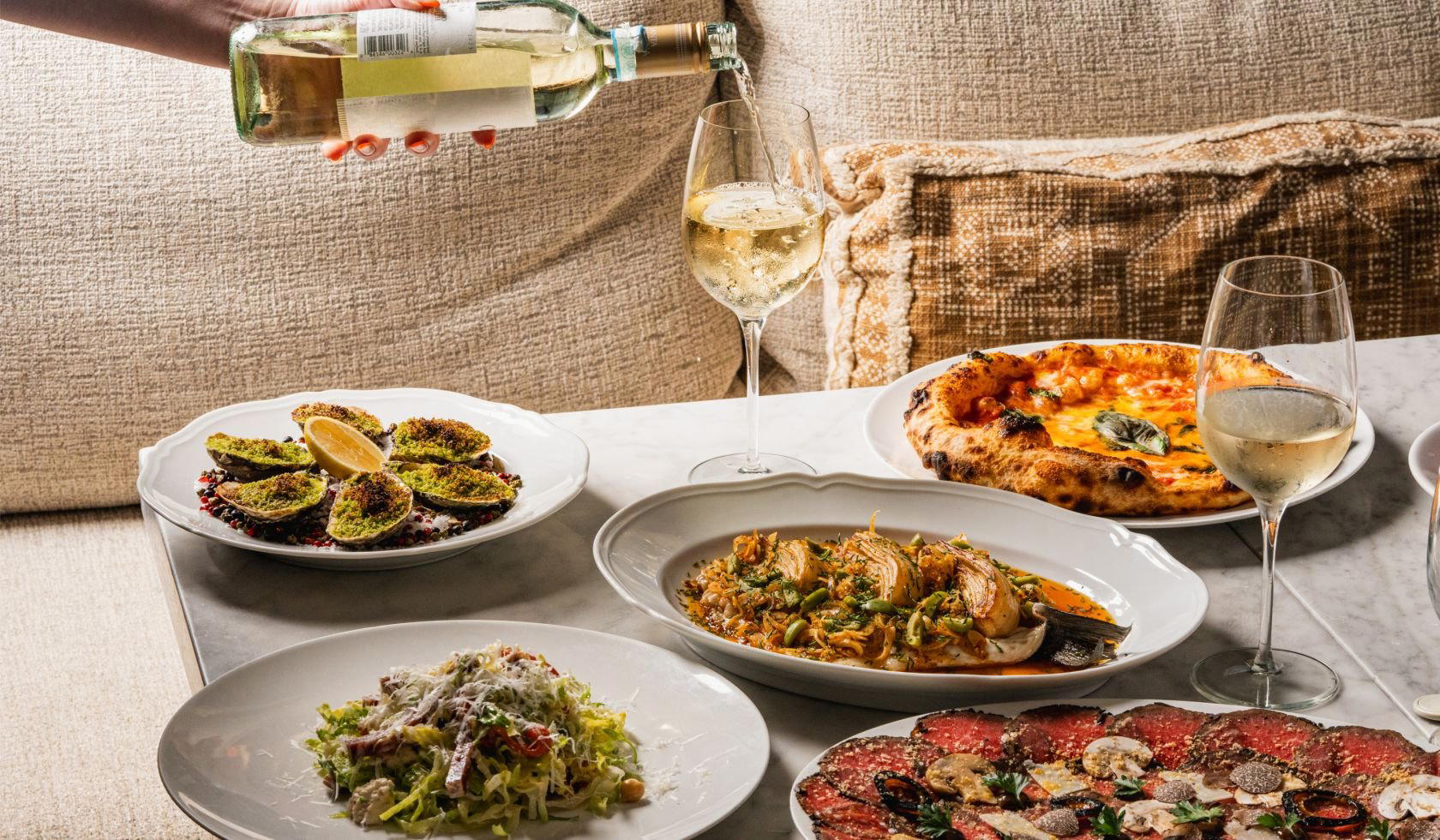
- Caesar Salad alla ZZ
- Spicy Rigatoni
- Carpaccio Piemontese
- Baked Clams
- Veal Parmesan
- Lobster Fra Diavola
How It Compares
Comparable venues nearby, for context on price, style, and recognition.
| Venue | Cuisine | Price | Notes |
|---|---|---|---|
| Carbone Miami Beach | Upscale Italian‑American Fine Dining | $$$$ | South of Fifth |
| Ezio’s | Italian Steakhouse | $$$$ | North Beach |
| Gianni's At The Former Versace Mansion | Italian Mediterranean | $$$ | South Beach |
| Mister01 | Extraordinary Italian Star-Shaped Pizza | $$$ | South Beach |
| Donatella | Modern Italian Fine Dining | $$$$ | Miami Beach |
| Meat Market Steakhouse Miami Beach | Modern Steakhouse | $$$$ | South Beach |
Recognition history
Dated appearances from independent guides and award organizations, with the underlying list record or original source where available.
Opinionated About Dining Top Restaurants in North America Recommended
Opinionated About Dining
Wine Spectator Best of Award of Excellence
Wine Spectator
Continue exploring
More in Miami Beach
Restaurants in Miami Beach
Browse all →
Bars in Miami Beach
Browse all →

At a Glance
- Well Known
- Ornate
- Lively
- Elegant
- Sophisticated
- Romantic
- Date Night
- Business Dinner
- Group Dining
- Celebration
- Special Occasion
- Late Night
- Design Destination
- Terrace
- Courtyard
- Standalone
- Private Dining
- Extensive Wine List
- Craft Cocktails
- Corkage Allowed
- Street Scene
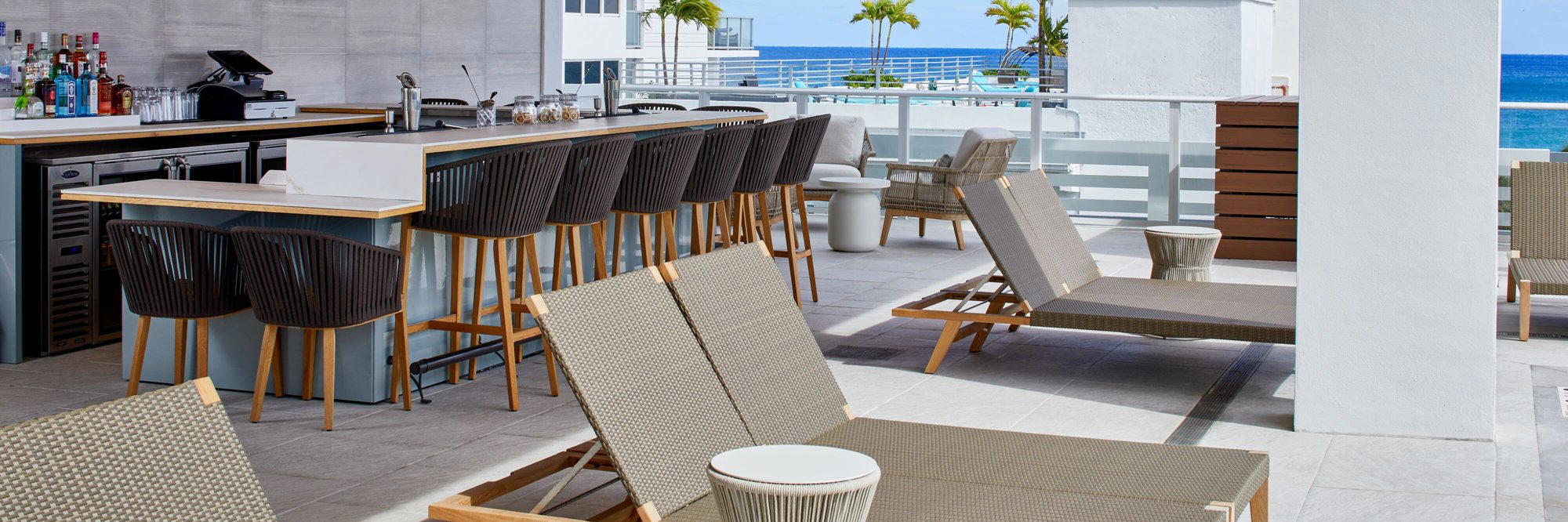
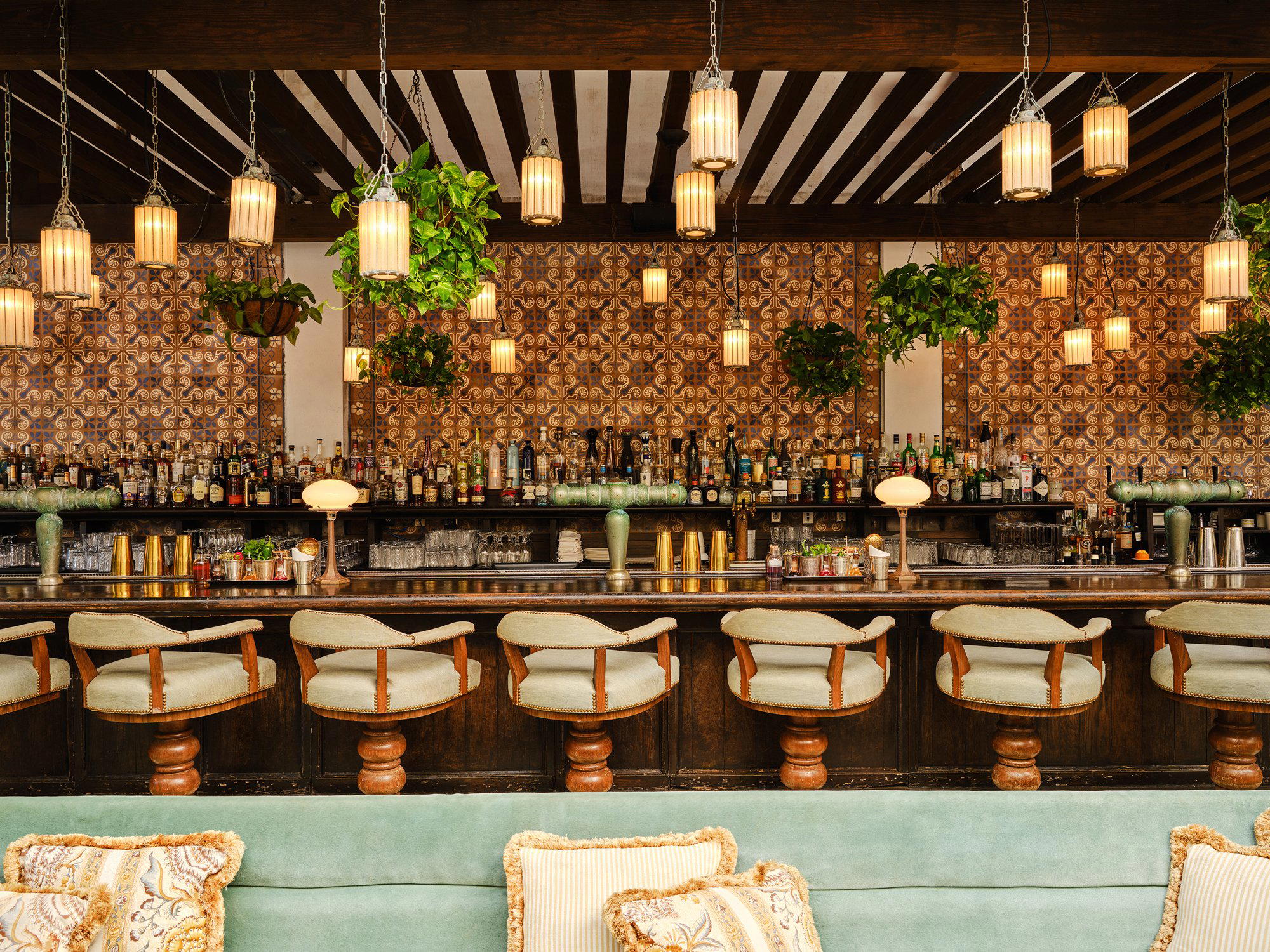
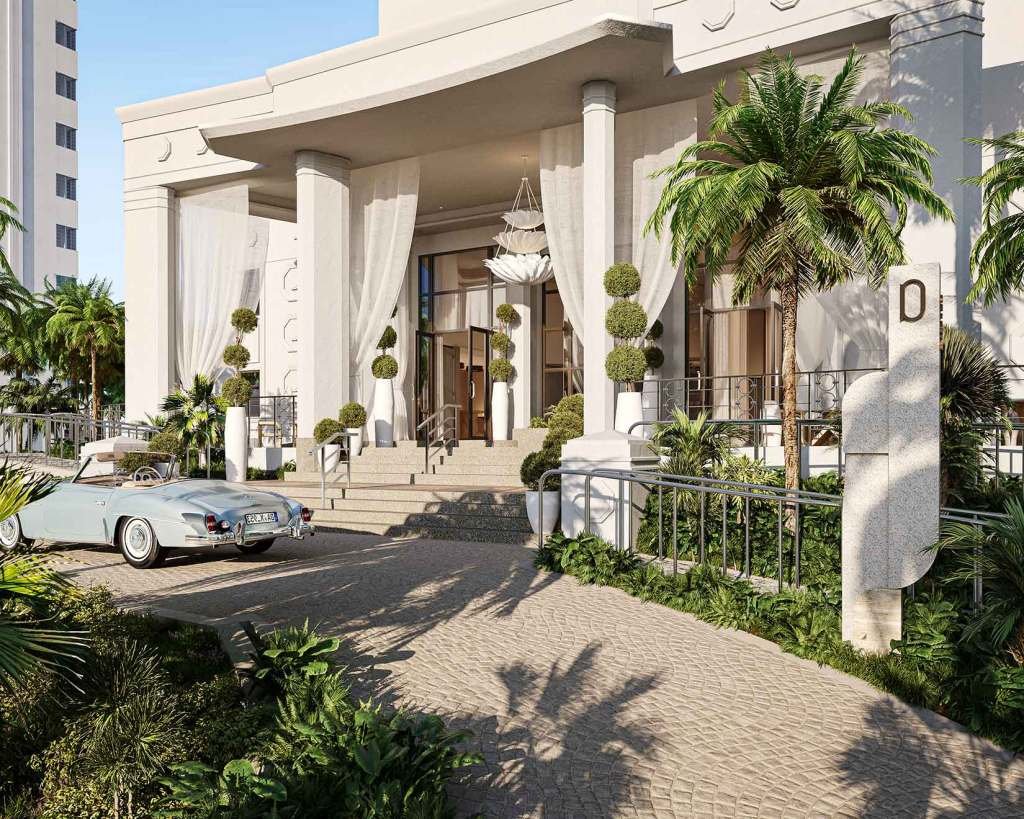
An electric, extravagant, and retro-glam setting with rich terracotta and emerald tones, Murano glass lighting, leather banquettes, and a lively, celebratory dining room that feels like a throwback New York supper club transported to tropical Miami.