Canyons Steak House

World's Best Wine Lists Awards WBWL 3-Star
Our verdict
Canyons Steak House sits along Soboba Road in San Jacinto, earning a 3-Star Accreditation from the World of Fine Wine & Lifestyle Awards, a signal that places it above the regional average for a city where serious dining options remain selective. For the Inland Empire visitor weighing where to eat well, it represents a credible address in a market that rewards knowing where to look. See our full San Jacinto restaurants guide for broader context.

Pearl is the En Primeur Club membership app, where members save venues, book tables and use the concierge.
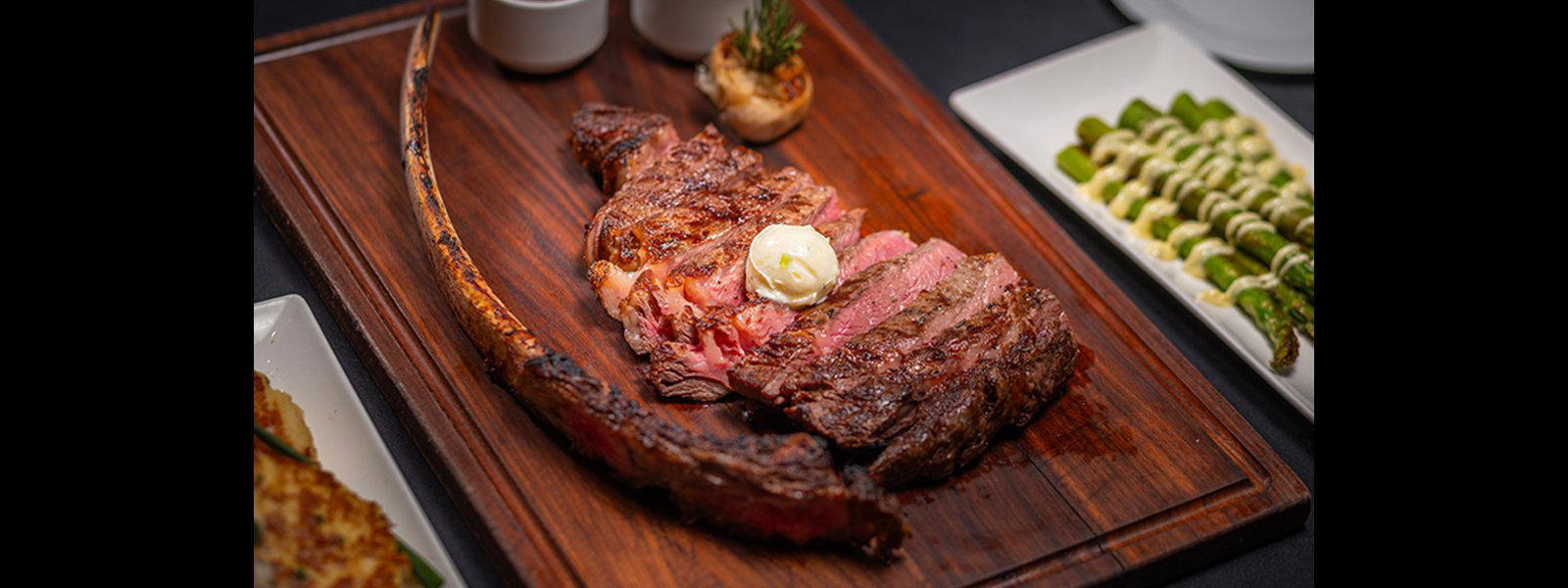
Where the High Desert Meets the Steakhouse Tradition
The Inland Empire's dining scene has long operated in the shadow of Los Angeles and San Diego, two cities where the critical conversation about California cooking tends to concentrate. San Jacinto, positioned at the foot of the San Jacinto Mountains along Soboba Road, sits further from that conversation than most. Yet that distance has a way of clarifying what a restaurant actually needs to do: earn its place on local terms, without the ambient prestige of a dense urban dining corridor to prop it up. Canyons Steak House operates in exactly that context, and its 3-Star Accreditation from the World of Fine Wine & Lifestyle Awards is worth noting because it represents an external validation that travels beyond the local market.
The setting itself does meaningful work before a plate arrives. Soboba Road leads toward the Soboba Band of Luiseño Indians reservation, and the surrounding terrain, dry chaparral slopes, the mountain ridgeline to the west, gives the approach a character that most suburban steakhouses simply do not have. That physical environment, whether or not the dining room formally acknowledges it, shapes expectations. You are not in a strip-mall steakhouse corridor. The sense of arrival has geography behind it.
The Steakhouse Format in a Regional Context
American steakhouse has become one of the more stratified categories in domestic dining. At the top of the national tier sit tasting-menu-adjacent beef programs, places where sourcing provenance, breed selection, and aging protocol are treated with the same seriousness that sommeliers apply to Burgundy vintages. Venues like The French Laundry in Napa and SingleThread Farm in Healdsburg have made ingredient origin a central editorial argument on the plate. Further down the California coast, Providence in Los Angeles and Addison in San Diego operate within a similar framework of sourcing transparency, even if the format differs from direct steakhouse service.
What that premium tier has established, over roughly two decades of farm-to-table rhetoric becoming farm-to-table practice, is a baseline expectation: diners at any restaurant carrying external accreditation now reasonably want to know where the protein came from. The steakhouse format, historically the most resistant to this transparency, has largely moved toward disclosing breed, rancher, and aging method at the credentialed end of the market. A 3-Star World of Fine Wine & Lifestyle Accreditation at a regional California steakhouse implies that Canyons has oriented itself toward that more accountable end of the format, even if specific sourcing details require confirmation directly with the restaurant.
Ingredient Sourcing and Why It Shapes the Experience
Southern California has real agricultural infrastructure within reach of the Inland Empire. The Coachella Valley to the east supplies produce at a scale that few American regions can match. Temecula Valley wine country sits roughly an hour southwest, giving regional restaurants a viable local wine argument if they choose to pursue it. Ranching operations across Riverside County and San Bernardino County have historically supplied beef to both local and broader California markets.
For a steakhouse at Canyons' accreditation level, the sourcing question matters because it is the primary variable that separates a credible steakhouse program from a competent one. The cut composition of a menu, whether it skews toward commodity beef or toward traceable, aged product, determines more of the actual eating experience than kitchen technique alone. A well-aged prime ribeye from a rancher whose feed and finishing protocols are known is a different proposition than an unspecified USDA Prime cut, even if both arrive at the same internal temperature on the same ceramic. This is the axis on which regionally accredited steakhouses either earn sustained loyalty or remain occasional destinations.
Visitors with specific sourcing questions are leading served by contacting Canyons directly before arrival. Confirming breed, aging duration, and any local rancher relationships will also tell you something about how the kitchen thinks about its product, a useful signal before committing to a steakhouse at any price point. For comparison, the sourcing rigor that defines venues like Blue Hill at Stone Barns in Tarrytown sets one end of the spectrum; most regional steakhouses occupy the middle, with sourcing that is competent but less fully documented.
What to Order
At any accredited steakhouse operating in California's mid-market, the safest ordering logic runs as follows: concentrate spending on the primary protein rather than distributing it across appetizers, and treat the sides as supporting evidence rather than the argument itself. Steakhouses at the credentialed tier tend to have stronger depth in their aged cuts than in their seafood starters or dessert programs, though exceptions exist. The wine list, at a venue carrying a World of Fine Wine recognition, warrants attention, a 3-Star Accreditation from that body specifically implies that the beverage program has met a threshold of quality, making it worth asking the floor staff what they are currently recommending from California producers.
For context on what accoladed dining looks like at the far end of the quality spectrum, Le Bernardin in New York City, Alinea in Chicago, and Lazy Bear in San Francisco each represent what deep investment in sourcing and technique produces at the highest tier. Canyons operates in a different market and at a different scale, but the directional logic, that accreditation implies a higher baseline of care, applies across the category.
Planning a Visit
For broader planning across the city, our full San Jacinto restaurants guide maps the wider dining picture. If you are building a longer itinerary, our San Jacinto hotels guide, bars guide, wineries guide, and experiences guide cover the rest of the city's offer in the same editorial register.
Frequently asked questions
Would Canyons Steak House be comfortable with kids?
The steakhouse format at Canyons, situated on Soboba Road in San Jacinto, typically accommodates families, and the regional Inland Empire dining culture tends toward inclusive seating. That said, the venue holds a 3-Star World of Fine Wine accreditation, which signals a serious wine program and a dining room that leans toward adult occasions. check the venue's official channels to confirm seating arrangements before bringing younger children.
What's the overall feel of Canyons Steak House?
Canyons sits at 22777 Soboba Road in San Jacinto, set against the high desert terrain of Riverside County rather than an urban corridor. Its 3-Star accreditation from the World of Fine Wine positions it above the casual end of the regional steakhouse spectrum, suggesting a dining room where the wine list carries real weight. The location and format point to a destination-style visit rather than a drop-in dinner.
What's Canyons Steak House known for in terms of accolades?
Canyons Steak House has received recognition including:
What should I eat at Canyons Steak House?
At any California steakhouse operating at this accreditation level, dry-aged beef and regionally sourced sides are the structural anchors worth prioritizing. Ask staff what cuts are featured that evening and let the wine list guide the pairing from there.
In Context: Similar Options
| Venue | Cuisine | Price | Awards | Notes |
|---|---|---|---|---|
| Canyons Steak HouseThis venue (the venue you are viewing) | Fine Dining Steakhouse | Not listed | World's Best Wine Lists Awards WBWL 3-Star | Not listed |
| Le Bernardin | French Seafood Fine Dining | $300–500 | 3 Michelin Stars · World's 50 Best #13 | French, Seafood |
| Lazy Bear | Modern American Tasting Menu | Not listed | 2 Michelin Stars · World's 50 Best #25 | Progressive American, Contemporary |
| Alinea | Avant-Garde Molecular Gastronomy | $300–500 | 2 Michelin Stars · World's 50 Best #37 | Progressive American, Creative |
| Atelier Crenn | Contemporary French Fine Dining | $300–500 | 3 Michelin Stars · World's 50 Best #44 | Modern French, Contemporary |
| Benu | Modern Asian Fusion Fine Dining | $150–200 | 3 Michelin Stars · World's 50 Best #33 | French - Chinese, Asian |
Recognition history
Dated appearances from independent guides and award organizations, with the underlying list record or original source where available.
World's Best Wine Lists Awards WBWL 3-Star
World's Best Wine Lists Awards
Continue exploring
More in San Jacinto
Restaurants in San Jacinto
All restaurants in San Jacinto →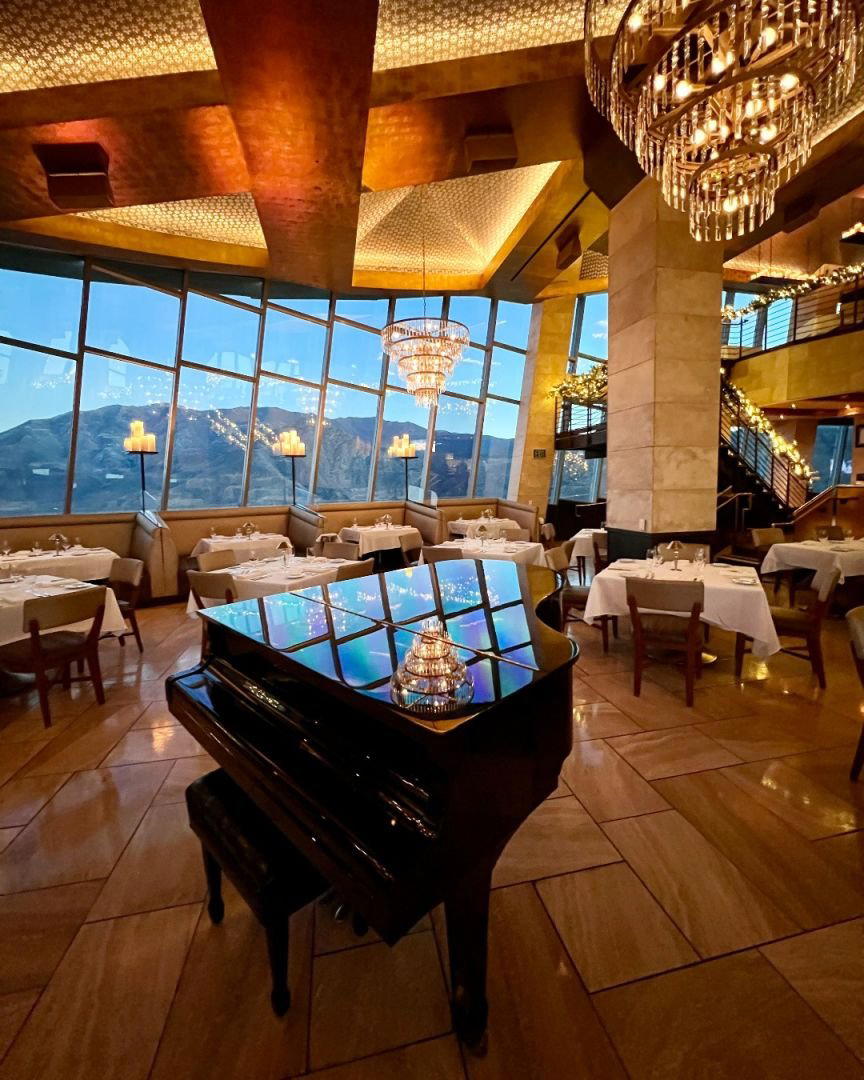


Bars in San Jacinto
Browse all →
Hotels in San Jacinto
Browse all →




Wineries in San Jacinto
Browse all →
Details
- Elegant
- Sophisticated
- Intimate
- Date Night
- Special Occasion
- Celebration
- Live Music
- Private Dining
- Extensive Wine List
- A La Carte
- Vegetarian Friendly
- Gluten Free Options
Current opening hours
- Monday
- Closed
- Tuesday
- Closed
- Wednesday
- 5–10 PM
- Thursday
- 5–10 PM
- Friday
- 5–11 PM
- Saturday
- 5–11 PM
- Sunday
- 4–9 PM
Hours can change for holidays and private events. Hours as of .
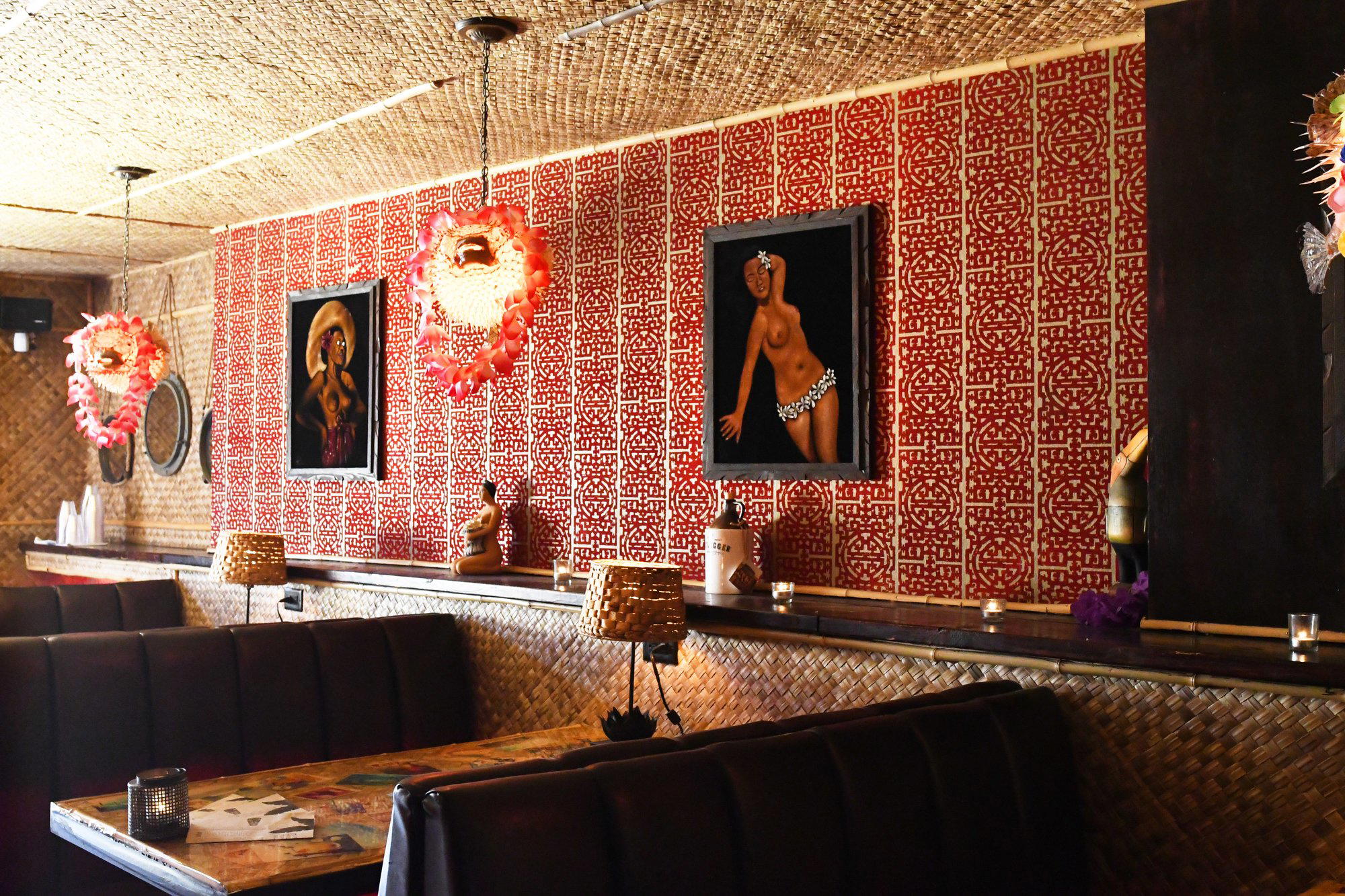
Elegant dining room with large comfortable booths, confetti on tables for celebrations, and live piano in the background creating a sophisticated fine dining atmosphere.