Camping Fischers Fritz
Our verdict
On Zurich's western lakefront, Camping Fischers Fritz sits at an address — Seestrasse 559 — that has drawn lake-lovers and curious diners to the edge of the city for years. The setting places it outside the downtown restaurant corridor, which shapes both who comes here and how they plan the visit. Specific menu and booking details are limited in public records, so advance research directly with the venue is advisable.

Pearl is the En Primeur Club membership app — saves, bookings, and concierge access live there. Same editors, same standards.
The menu
What to order
- Lake Zurich sushi
- Fischknusperli
- Truffle pommes frites
Zurich's Lakefront Dining Belt and Where Camping Fischers Fritz Fits
Zurich's serious restaurant scene clusters in two broad zones: the Kreis 1 and Kreis 2 inner districts, where addresses like IGNIV Zürich by Andreas Caminada and The Counter sit within walking distance of the main commercial spine, and the outer lakefront corridor stretching south toward Wollishofen and beyond. Camping Fischers Fritz occupies the latter, at Seestrasse 559 in the 8038 postal district. That address is not incidental — it signals a different relationship with the city than the central dining room, one defined by proximity to water rather than proximity to foot traffic.
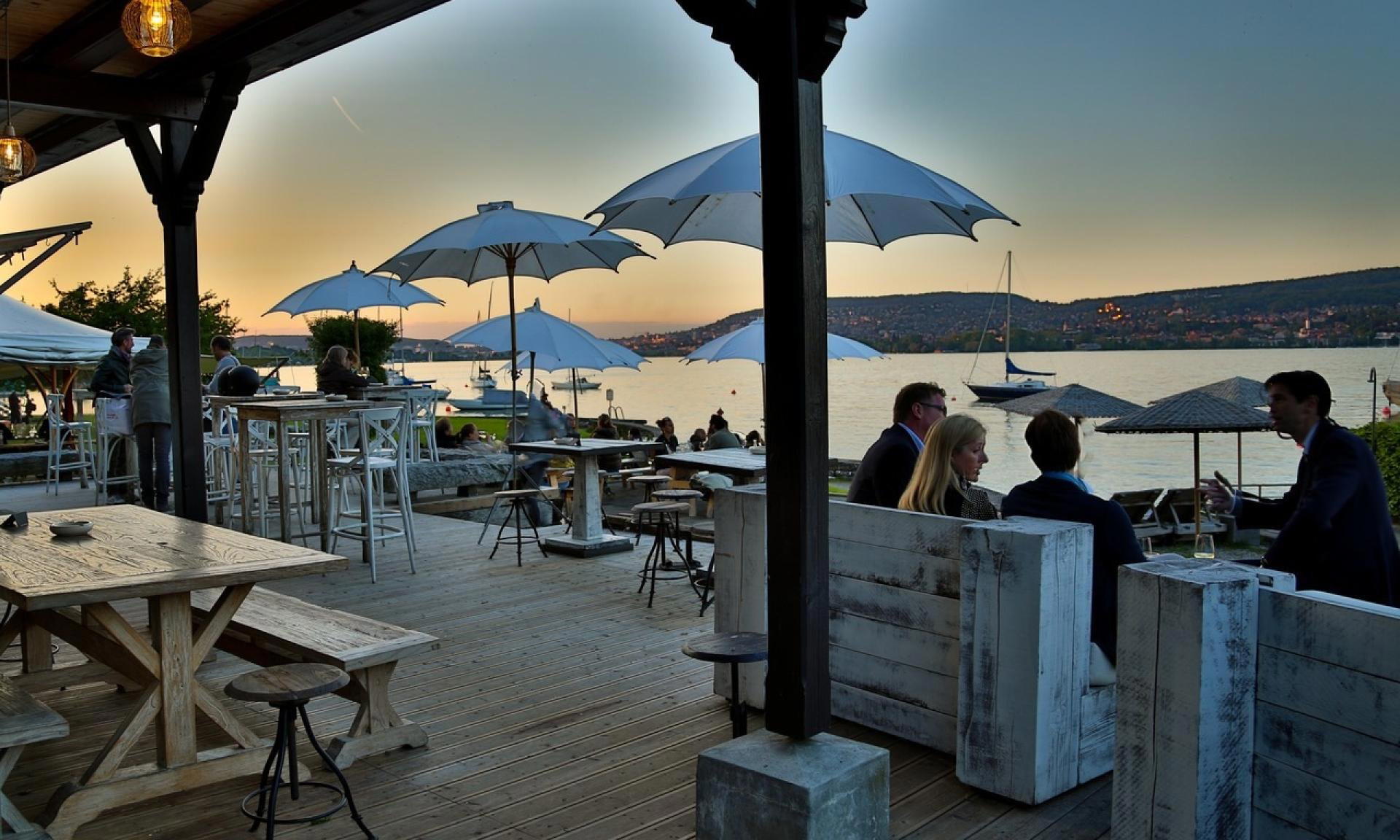
The western shore of Lake Zurich at this latitude is less dense than the Zürichhorn parkland on the eastern side. Restaurants out here tend to attract a deliberate audience: people who have made a plan, usually in daylight, often combining the meal with a walk along the lakefront or an afternoon on the water. The approach on a clear day, with the lake flat and the Alps visible on the horizon in winter and spring, frames the experience before a single plate arrives. That kind of setting tends to shape a venue's identity more durably than interior design.
The Booking Question: Planning Around an Address This Far from the Centre
The editorial angle most relevant to Camping Fischers Fritz is logistics. Any restaurant positioned this far along the lakefront operates under a different set of practical constraints than its inner-city peers. Reaching Seestrasse 559 from Zurich's Hauptbahnhof or Paradeplatz involves either a tram or bus connection south through Wollishofen, a cycle along the lake path, or a private car — none of which are complicated, but all of which require a decision rather than an impulse. That friction tends to reduce the walk-in rate and increase the proportion of guests who have planned specifically to be there.
For restaurants in this position across comparable European cities, think of the suburban lakefront addresses outside Geneva, or the peripheral dining rooms on Hamburg's Alster, the pattern is consistent: the further from the centre, the more the visit depends on advance commitment. Venues that succeed in these locations generally offer something that justifies the trip on its own terms, whether that is a view, a format, or a seasonal menu that anchors the outing as a destination rather than a convenience.
Switzerland's broader restaurant picture at the top tier includes addresses that have built reputations specifically around destination travel: Schloss Schauenstein in Fürstenau, Memories in Bad Ragaz, and focus ATELIER in Vitznau all require guests to commit to a journey before the meal begins. Camping Fischers Fritz operates on a smaller geographic scale than those destinations, but the logic of planning-first applies equally on the Zurich southern lakefront.
What the Address Tells You About Format and Audience
Venues on working lakefronts in Swiss cities tend to occupy one of two formats: casual water-facing terraces that prioritise volume and accessibility, or more considered dining rooms that use the setting as a frame for a specific kind of hospitality. The name Camping Fischers Fritz carries an informal register, it suggests something closer to the first category, the kind of place associated with outdoor seating, seasonal operation, and a crowd that includes both families and food-conscious locals who have discovered the address through word of mouth rather than a Michelin listing.
That positions it differently from the city's formal dining tier, which includes The Restaurant at Hotel Baur au Lac or Widder in the old town. It also places it in a different register from the focused Italian program at Eden Kitchen & Bar. The Swiss lakefront casual tier has its own internal hierarchy, and within that segment the addresses that earn repeat visits are typically those that have resolved the tension between accessibility and quality, a balance that lakeside restaurants across the country, from Hotel de Ville Crissier's Crissier neighbourhood to the mountain-adjacent setting of La Table du Valrose in Rougemont, approach from very different angles.
Switzerland's Dining Context and How Zurich Fits
Zurich holds more Michelin stars per capita than most European cities its size, and its restaurant culture has broadened over the past decade beyond the formal hotel dining rooms that once defined the top tier. The city now has creative addresses that compete with peer counters in Paris or Copenhagen, alongside a well-developed middle tier of wine bars, specialist cuisine rooms, and neighbourhood trattorias. Venues on the outer lakefront occupy a zone adjacent to this main circuit, close enough to be part of the conversation, far enough to operate on their own terms.
For visitors building a Zurich itinerary with more than two nights, the lakefront south of the city is worth including specifically because it offers a different relationship with the urban geography. Reaching Cheval Blanc by Peter Knogl in Basel or Einstein Gourmet in Sankt Gallen requires a train; reaching Seestrasse 559 requires twenty minutes on a tram. The relative proximity makes it a reasonable half-day anchor, particularly in warmer months when the lake becomes a destination in its own right. Comparable lakefront day-trip logic applies at Da Vittorio in St. Moritz and Mammertsberg in Freidorf, though at considerably greater distance from any major city.
Planning Your Visit
Lakefront restaurants in this part of Zurich can operate on seasonal timetables that shift significantly between summer and winter, and some close entirely for portions of the colder months when outdoor seating is unavailable and demand from leisure visitors drops. Arriving without a booking at a venue this far from the city centre carries more risk than it would at a restaurant with a walk-in culture in Kreis 4 or Kreis 5.
For a fuller picture of where this address fits within Zurich's eating options, the EP Club Zurich restaurants guide maps the city by district, format, and price tier. Peer comparison across the Swiss network is also available through addresses like Maison Wenger in Le Noirmont. For international reference points on how destination-format dining tends to operate, and how venues like Le Bernardin in New York City or Lazy Bear in San Francisco handle the planning-first relationship with their guests, the EP Club archive offers comparable editorial depth.
Frequently asked questions
How do I find Camping Fischers Fritz?
Camping Fischers Fritz is located at Seestrasse 559, 8038 Zürich, Switzerland, Zurich.
Is Camping Fischers Fritz a good option for an outdoor lakeside meal in Zurich?
The address at Seestrasse 559 on Lake Zurich's southern shore places the venue in a stretch of waterfront that favours open-air or terrace dining, particularly during Zurich's warmer months from late spring through early autumn. Zurich's lakefront dining belt in this area draws guests specifically for proximity to the water rather than the city-centre restaurant density found in Kreis 1. Confirming seasonal hours and terrace availability directly with the venue is advisable before making the journey from central Zurich.
What dish is Camping Fischers Fritz famous for?
The name itself, which references Fritz and a camping or fishing context, combined with the Seestrasse 559 lakefront address, points toward a format built around lake fish or casual waterside cooking, though the cuisine type has not been officially documented. Visitors should check the venue's official channels to confirm the current menu focus before arriving.
Should I book Camping Fischers Fritz in advance?
Seestrasse 559 sits well south of Zurich's central restaurant corridor, which means a visit requires deliberate planning whether you are travelling by tram along the lake route or by car. Venues in this stretch of the lakefront tend to draw a loyal local crowd and seasonal visitors specifically seeking the waterside setting, which can compress availability on warmer evenings and weekends. Reserving ahead is advisable to avoid a wasted trip to an address this far from the centre.
Comparison Snapshot
| Venue | Cuisine | Price | Awards | Notes |
|---|---|---|---|---|
| Camping Fischers FritzThis venue — the venue you are viewing | Lake Zurich Fresh Seafood | $50–100 | Not listed | Not listed |
| IGNIV Zürich by Andreas Caminada | Modern Swiss Fusion Sharing | $150–200 | 2 Michelin Stars · La Liste Top Restaurants | Sharing |
| KLE | Modern Vegan Fine Dining | $100–150 | 1 Michelin Star · The Best Chef One Knife | Vegan |
| Kronenhalle | Classic Swiss Fine Dining | $100–150 | Michelin Plate · World's 50 Best #32 | Swiss, Traditional Cuisine |
| The Counter | Modern Cosmopolitan Omakase with East Asian Influences | $300–500 | 2 Michelin Stars · La Liste Top Restaurants | Creative |
| Eden Kitchen & Bar | Mediterranean-Italian | $100–150 | 1 Michelin Star · Falstaff Bar - 94 Falstaff Points | Italian |
Continue exploring
More in Zürich
Restaurants in Zürich
All restaurants in Zürich →
Bars in Zürich
All bars in Zürich →
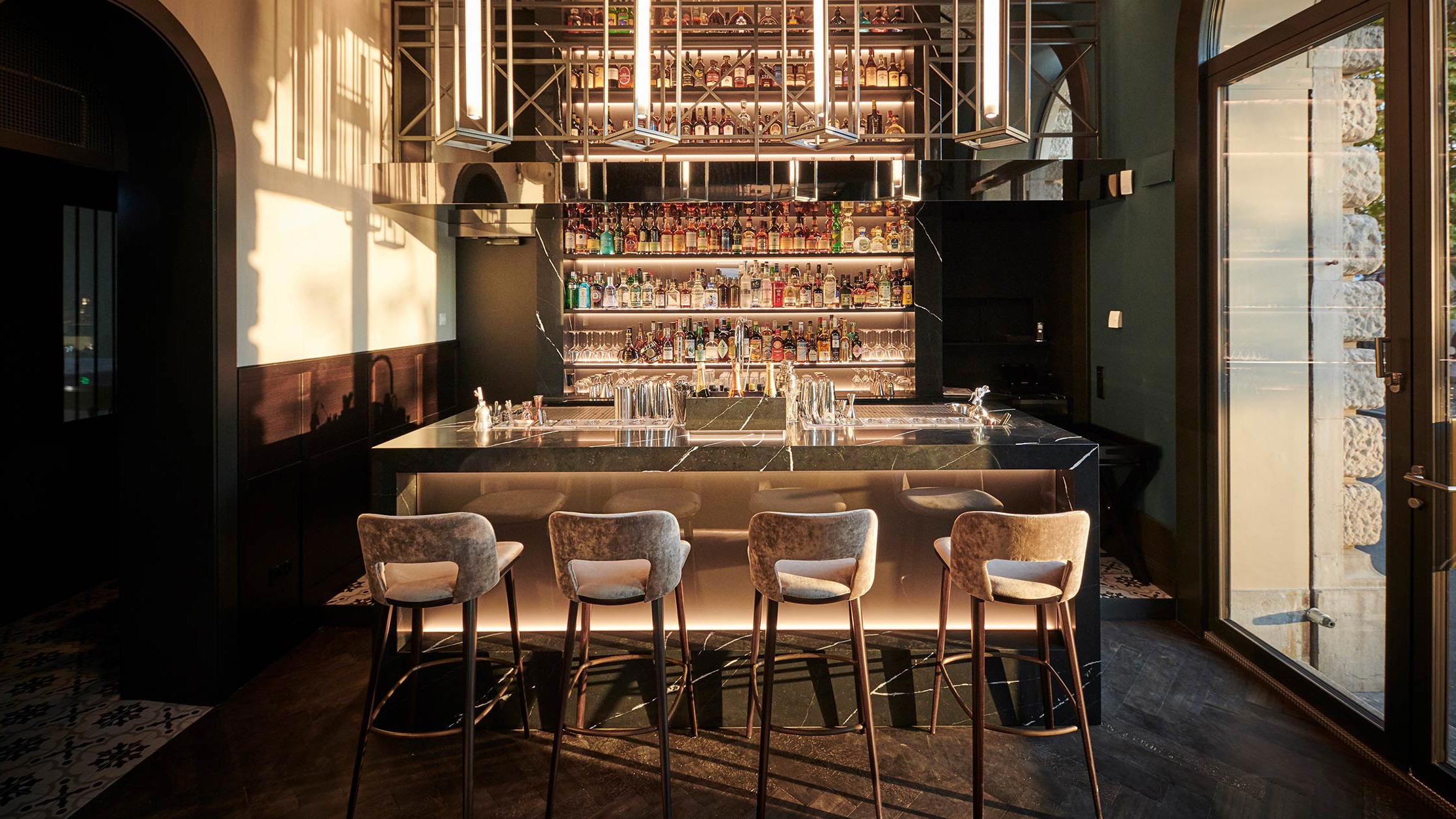
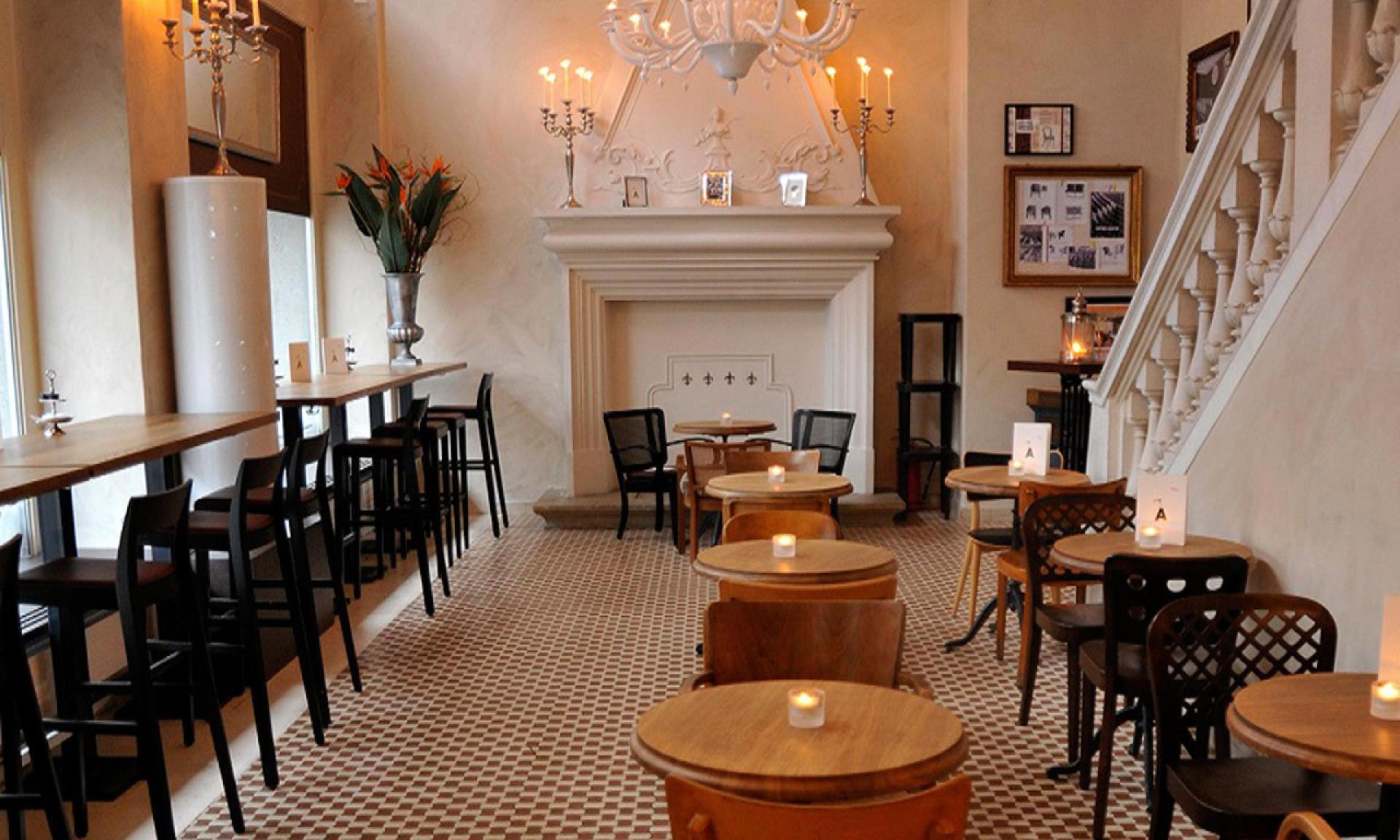
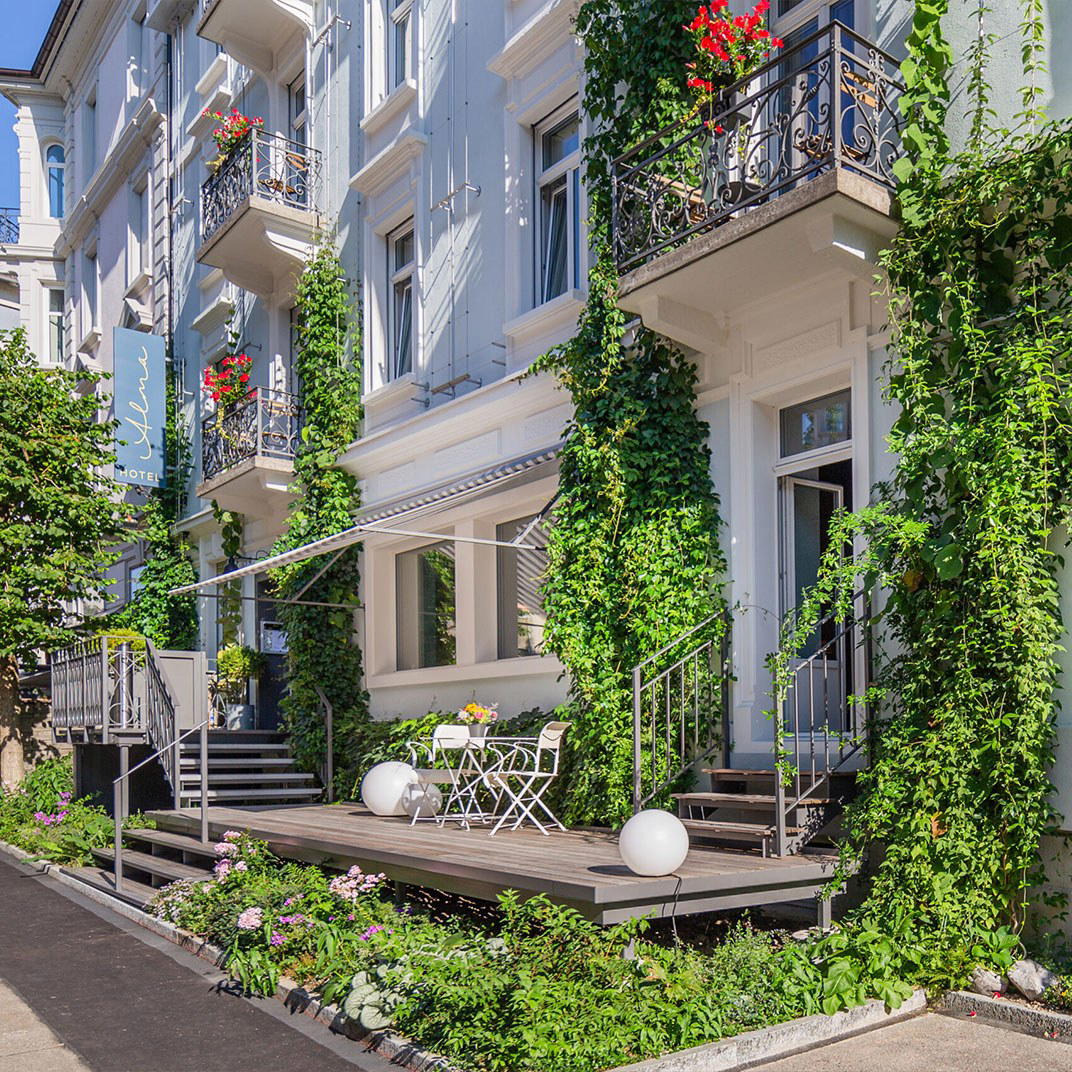
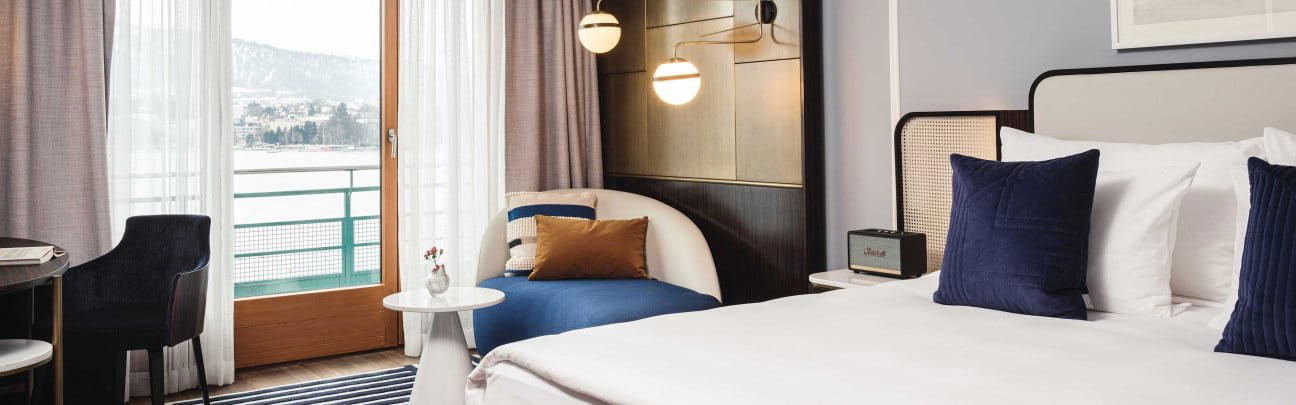

Camping Fischers Fritz
The wine
- Wine program
- Curated wine list
- Extensive wine list
Details
- Scenic
- Cozy
- Relaxed
- Casual Hangout
- Family
- Brunch
- Waterfront
- Terrace
- Open Kitchen
- Extensive Wine List
- Local Sourcing
- Waterfront
- A La Carte
- Vegetarian Friendly
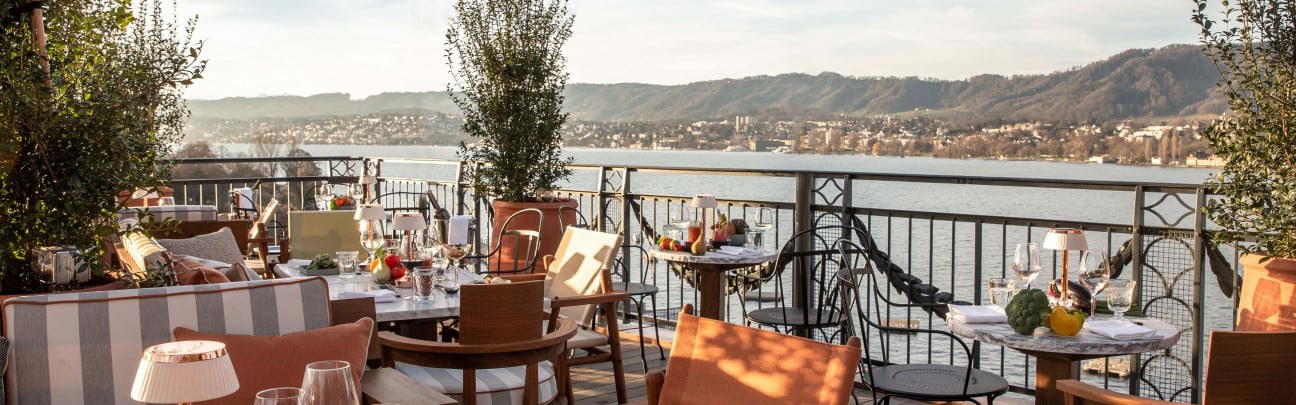
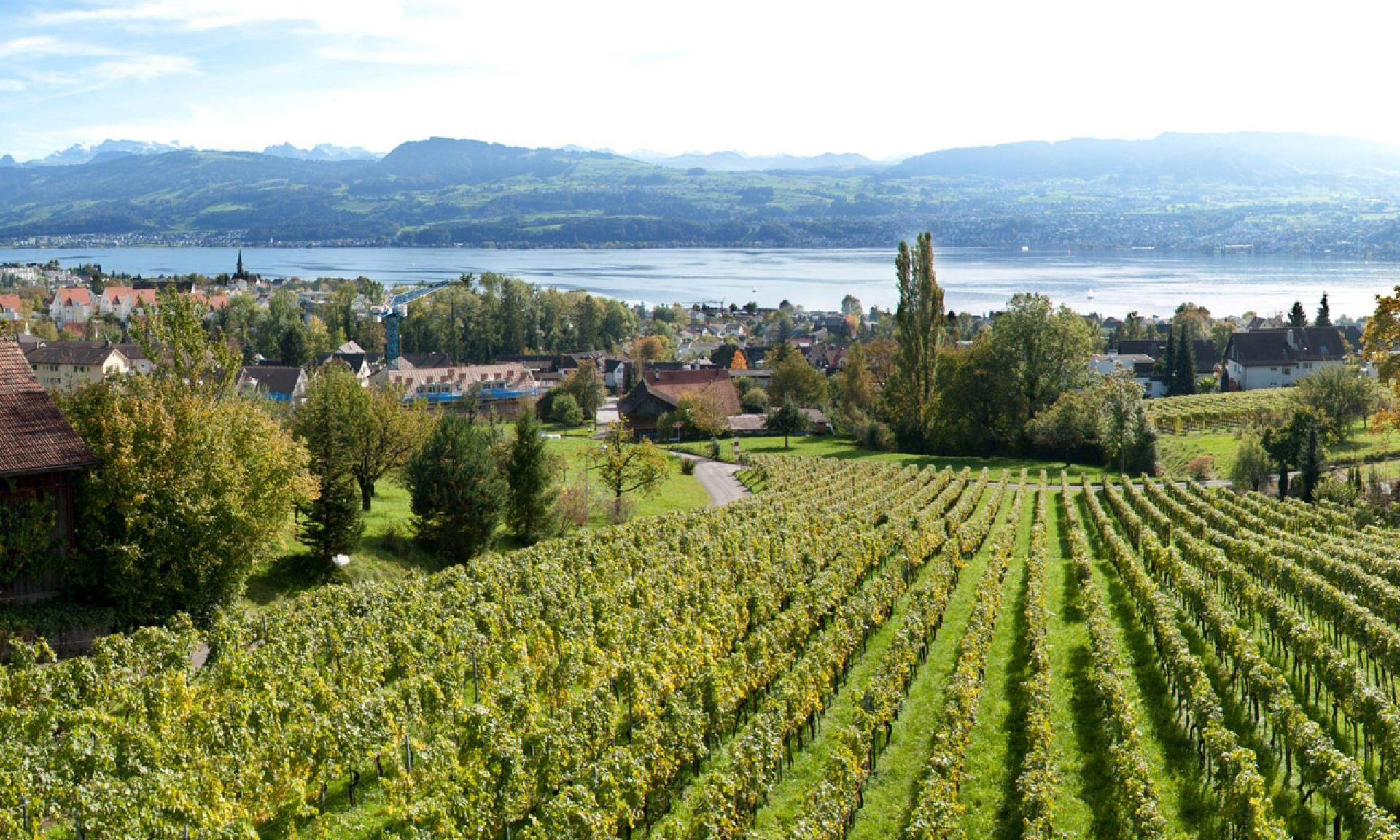
Relaxed lakeside atmosphere with dramatic Lake Zurich views from the terrace, balcony, and lawn, evoking a casual beachside vibe even indoors.