Calicata
Our verdict
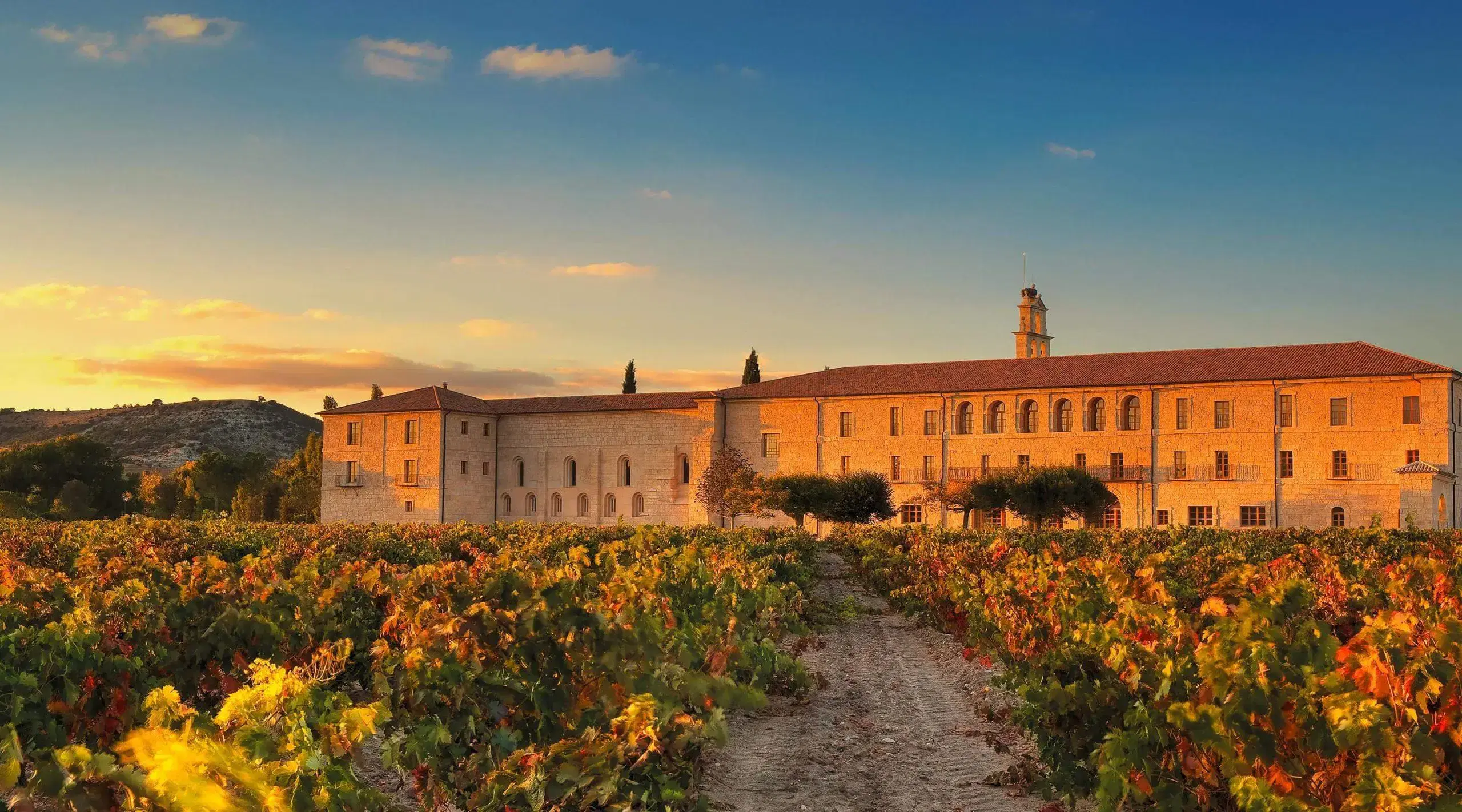
Calicata belongs to Sardón de Duero’s wine-country dining circuit, where the meal is inseparable from vineyard geography and the slower rhythms of Castilla y León. With its winery setting on the N-122 corridor, it suits travellers reading the area through produce, cellar culture, and the contrast between informal wine-led meals and the region’s more formal creative kitchens.

Pearl is the En Primeur Club membership app — saves, bookings, and concierge access live there. Same editors, same standards.
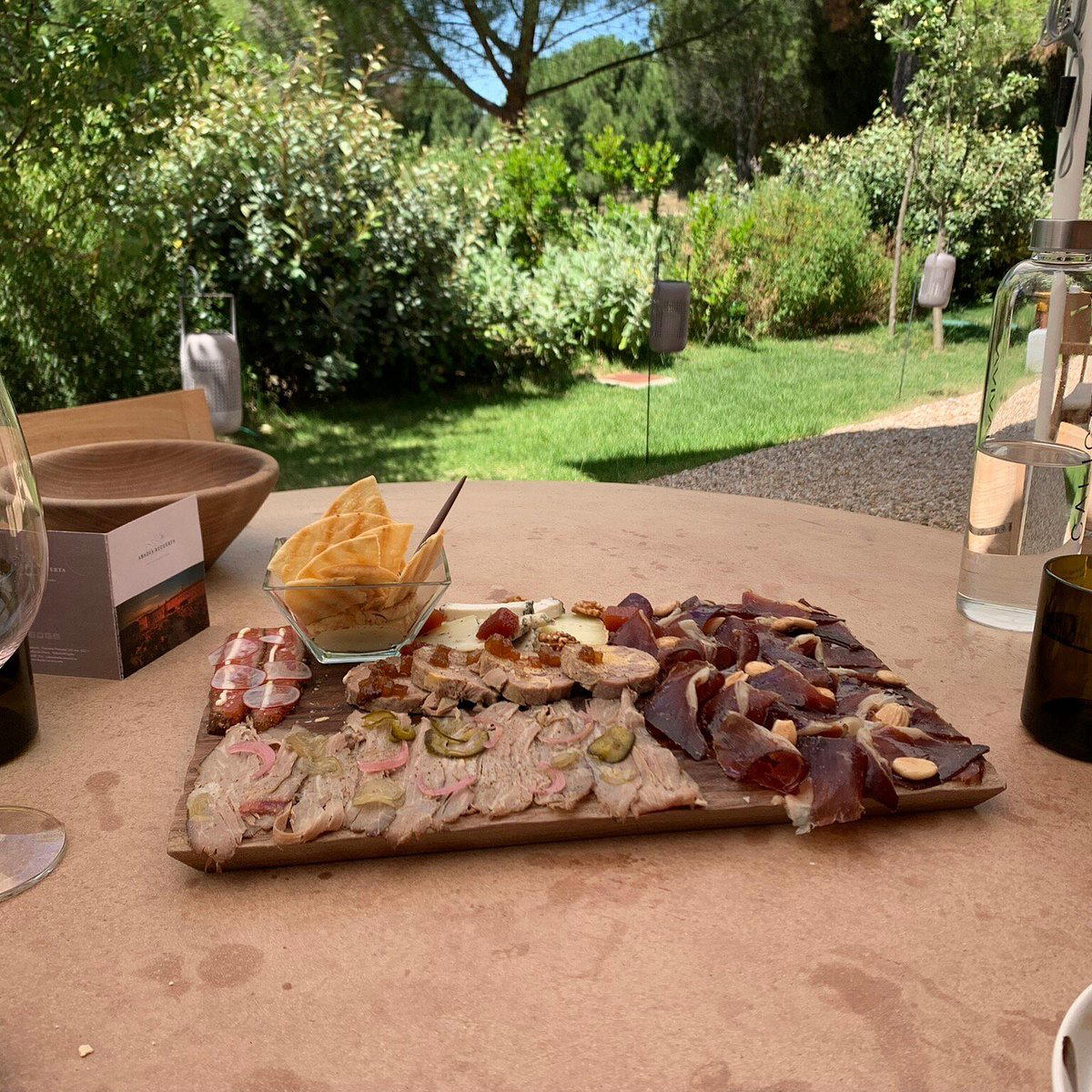
The menu
What to order
- Smoked rosemary butter with wine salt
- Beet gazpacho from the estate
- Tormes trout with vichyssoise and Valladolid cecina
- Pibil-style lamb chop with pickles and pine nuts
- Pears in wine with honey ice cream
- Castilla y León cheese board
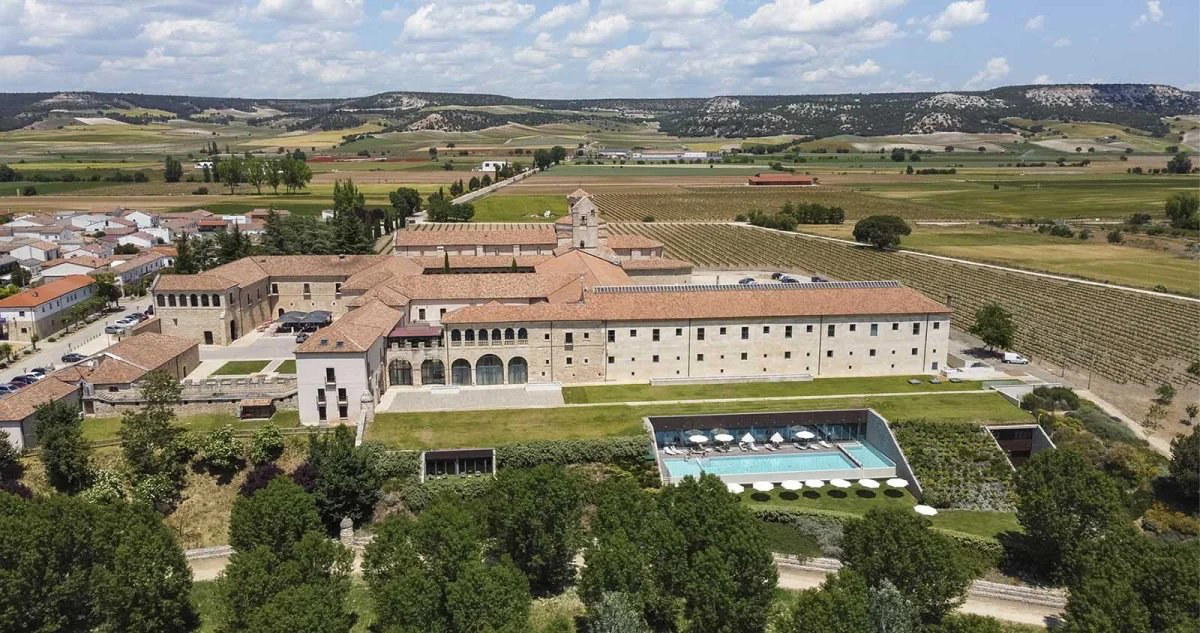
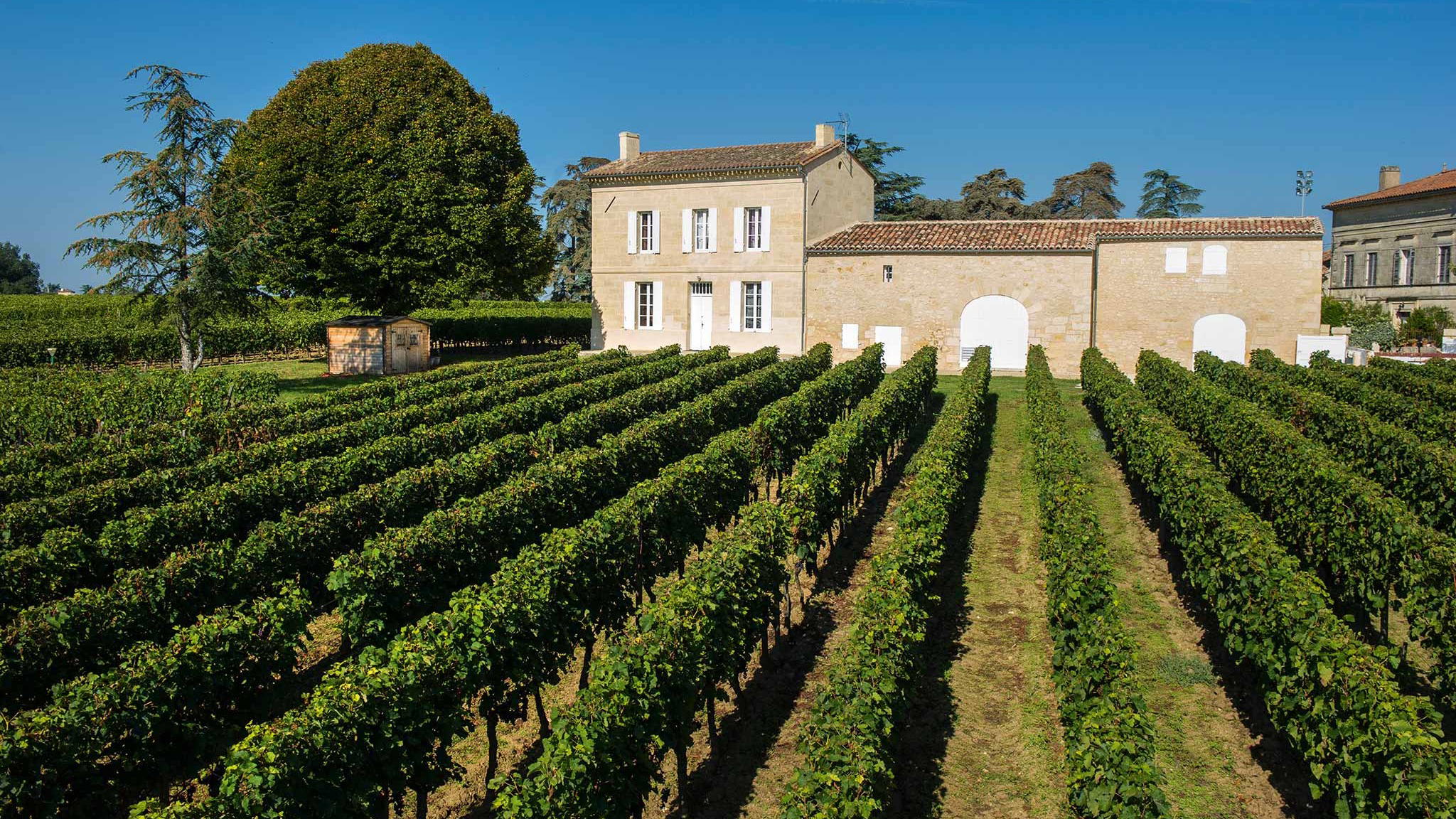
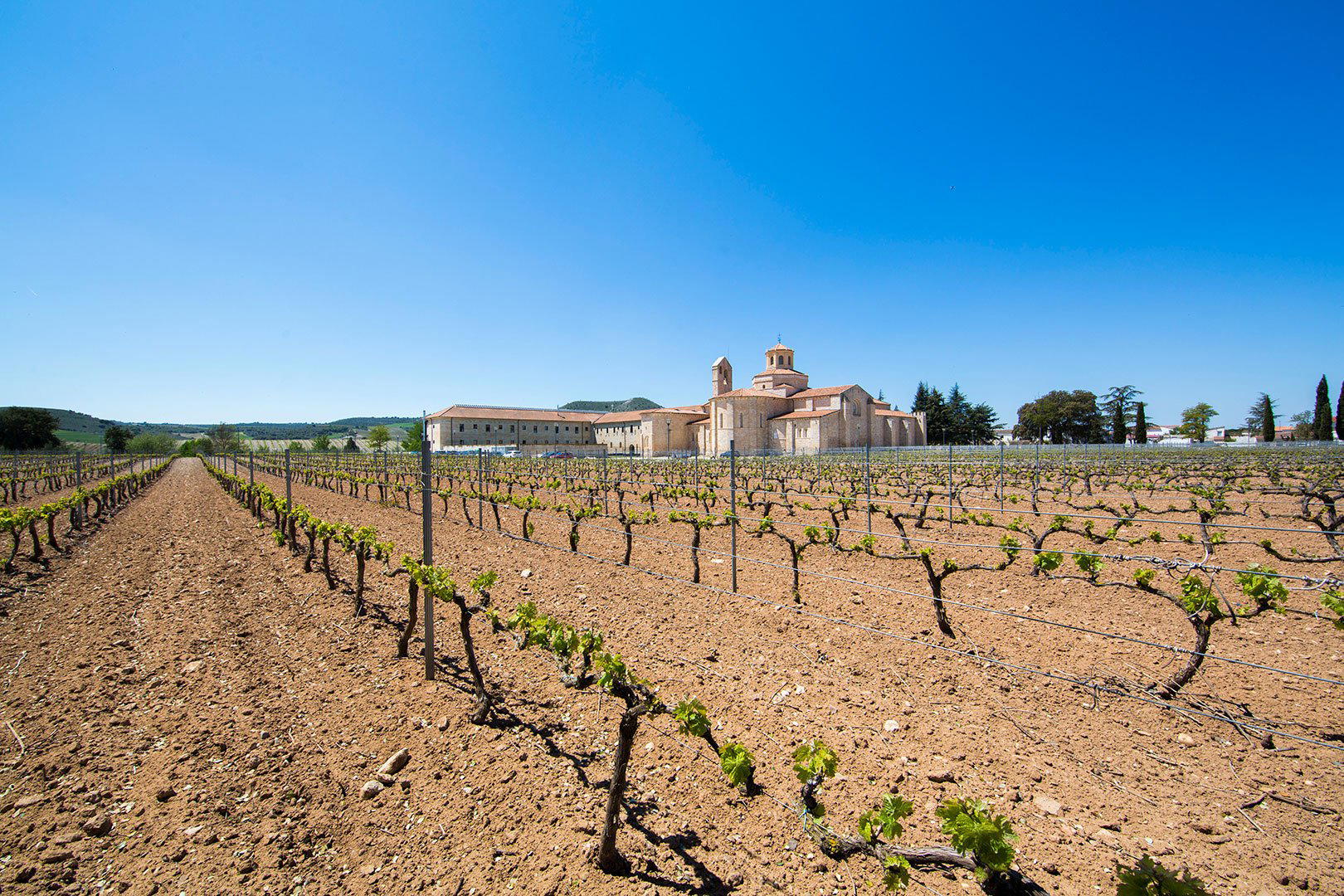
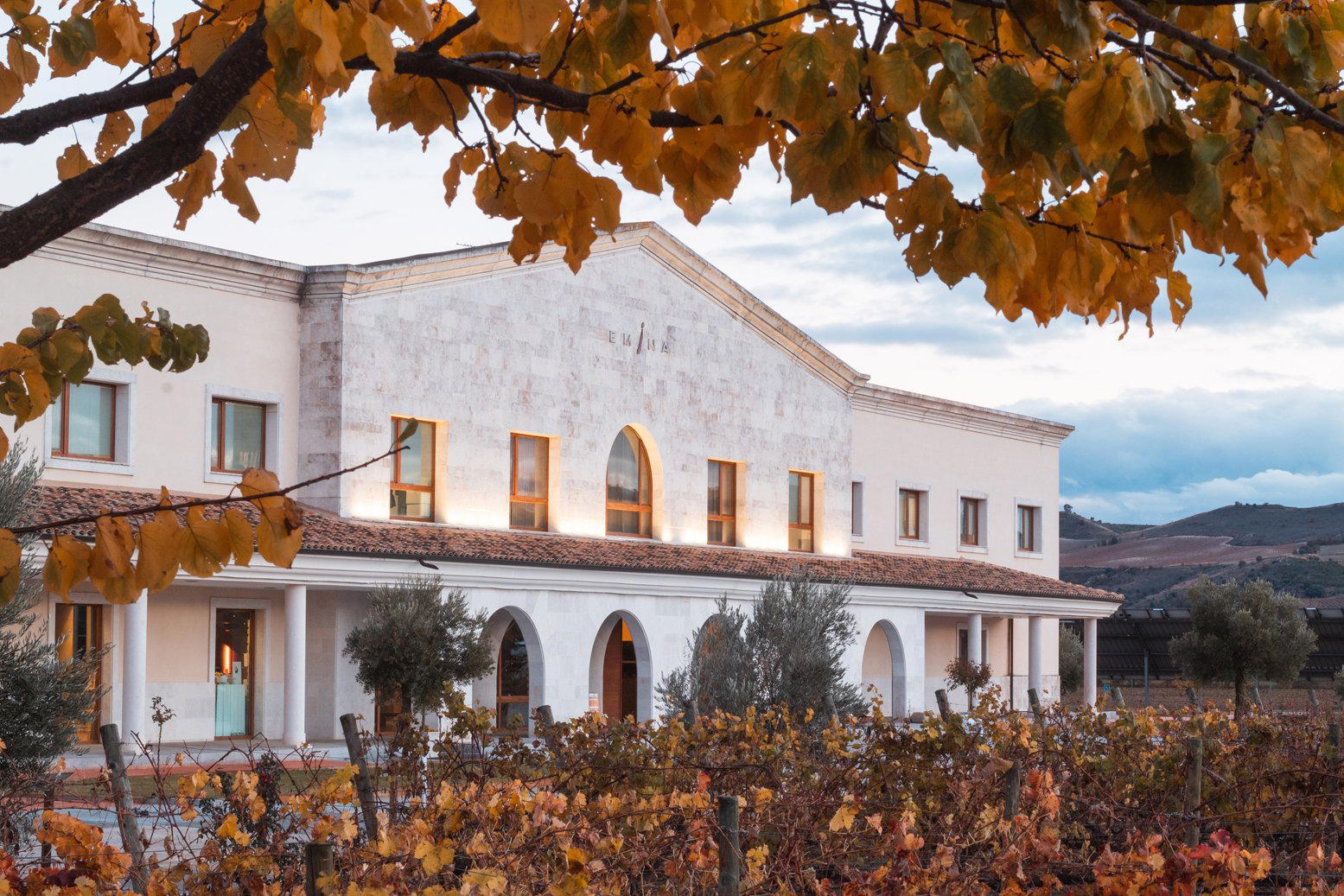
Approaching Calicata means entering the Duero by road rather than by postcard: open country, wine-country hospitality, and a setting in Sardón de Duero that places the meal inside the area’s rural logic. This is not an urban restaurant transplanted to the countryside. The surrounding context matters because this part of the Duero tends to eat and drink through proximity: local tables, cellar culture, and the hospitality economies that have made the wider wine landscape travel far beyond the villages that host it.
Wine-country eating in Sardón de Duero is built around origin, not performance
Sardón de Duero has a compact but unusually concentrated hospitality scene for its size. The village’s restaurant map tilts toward wine-adjacent dining, hotel terraces, cellar bars, and destination rooms rather than casual high-street abundance. Calicata fits that pattern by treating location as part of the dining proposition: the point is not simply what reaches the plate, but how the meal reads in a place where wine is the dominant local grammar.
The sourcing angle here is practical rather than decorative. In this part of Spain, regional cooking is less about display than about a working pantry, careful timing, and ingredients that make sense in the surrounding landscape. A wine-country restaurant in Sardón de Duero has to be judged against that backdrop. The stronger versions of this format understand that wine-country cooking needs structure: savoury depth, balance, acidity, and restraint, so wine is not asked to carry the whole experience alone.
That distinction matters in a village where visitors may be comparing different formats in a small radius. Refectorio represents one end of local dining and belongs in a separate decision category from a more cellar-led stop. Vinoteca reads more naturally as a wine-led stop, while Hospedería Terrace and Jardín de Hospedería belong to the terrace-and-hotel side of the village’s hospitality ecosystem. Calicata sits within that broader rural circuit, useful for travellers who want the meal to remain connected to the cellar rather than detached from it.
The Duero context gives the room its editorial weight
The Duero corridor rewards diners who think in categories. A formal tasting-menu room, a terrace lunch, and a winery table may all occupy the same small destination, but they answer different needs. Calicata’s advantage is contextual: the winery setting gives it a clear reason to exist in a region where wine tourism can otherwise become repetitive. For a reader planning Sardón de Duero, the question is less “Is this the grandest meal nearby?” and more “Does this meal help explain the place?” On that measure, a cellar-linked format has more value than a generic countryside restaurant with polished furniture and no agricultural anchor.
There is also a useful Spanish comparison to make, though only at the level of dining context. Across the country, destination dining often splits between urban precision and regional specificity. Larger cities can absorb polished rooms with a very different rhythm, while northern and wine-country circuits frame meals through their own local vocabularies. Sardón de Duero is more compressed. The interest lies in how quickly a traveller moves from vineyard to table to hotel terrace, and how little distance separates cellar culture from lunch.
That compression is useful, but it also raises expectations. Wine-country restaurants can fall into the trap of treating the view and bottle list as substitutes for cooking. The better reading of Calicata is narrower and more demanding: it should be approached as part of a regional food-and-wine day, not as a standalone trophy reservation. That makes ingredient discipline important. In this part of Spain, produce does not need theatrical handling to carry authority; it needs timing, thoughtful sourcing, and enough confidence to let the wine remain a partner rather than a prop.
How to place it in a Sardón de Duero itinerary
For travellers building a short stay, Calicata makes the most sense alongside the village’s other wine-country addresses rather than in isolation. Use our full Sardón de Duero restaurants guide to compare formats, then cross-check the wider stay through our full Sardón de Duero hotels guide, our full Sardón de Duero bars guide, our full Sardón de Duero wineries guide, and our full Sardón de Duero experiences guide. The planning logic is simple: decide first whether the day is about a serious creative meal, a relaxed terrace, or a cellar-led table, then let the restaurant choice follow.
Spain’s broader dining map offers useful contrasts but not direct substitutes. Other dining rooms in Andalusian, island, port-city, Canarian, and international settings all underline the point: place determines how a meal should be read. A tapas stop, a resort-driven room, a harbour-side restaurant, or a bar built around a different drinking culture may be excellent in its own context, but those contexts do not translate directly to Sardón de Duero. Calicata is strongest when judged through Sardón de Duero’s vineyards, not through imported city-restaurant criteria.
Frequently asked questions
Does Calicata work for a family meal?
Yes, if the group is comfortable with a winery setting in Sardón de Duero. Calicata sits in a wine-country context rather than a formal urban dining room.
What's the overall feel of Calicata?
It reads as winery dining in Sardón de Duero. The room's character is shaped more by its wine-country location than by city-restaurant theatrics.
What part of town is Calicata in?
Sardón de Duero.
What's the best way to book Calicata?
Plan around Sardón de Duero and confirm the arrangements before setting out. For a venue in this part of Spain, that location is the most useful reference point.
Comparison Snapshot
Comparable venues by cuisine and price in the same metro.
| Venue | Cuisine | Price | Awards | Notes |
|---|---|---|---|---|
| CalicataThis venue — the venue you are viewing | Seasonal Castilian cuisine & wine bar among the vineyards | $50–100 | Not listed | Not listed |
| Hospedería Terrace | Local Spanish Comfort Food | Not listed | Not listed | Not listed |
| Refectorio | Contemporary Spanish Fine Dining | $150–200 | 1 Michelin Star · Guía Repsol 2 Soles | Not listed |
| Jardín de Hospedería | Local Spanish Comfort Food | Not listed | Not listed | Not listed |
| Refectorio | Contemporary Spanish Fine Dining | $150–200 | 1 Michelin Star · Guía Repsol 2 Soles | Creative |
| Vinoteca | Contemporary Castilian Tavern | Not listed | Not listed | Not listed |
Continue exploring
More in Sardón de Duero
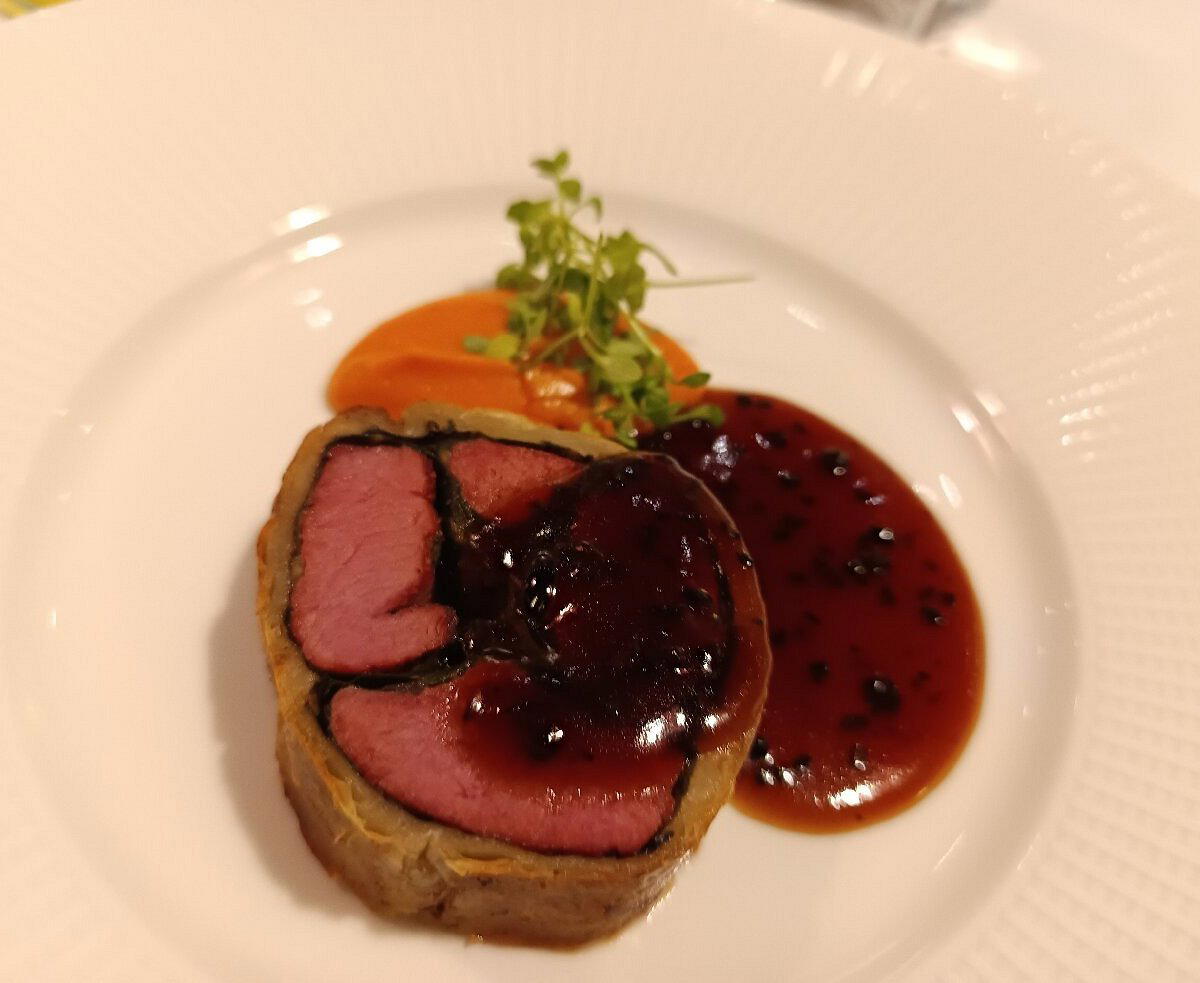
Restaurants in Sardón de Duero
All restaurants in Sardón de Duero →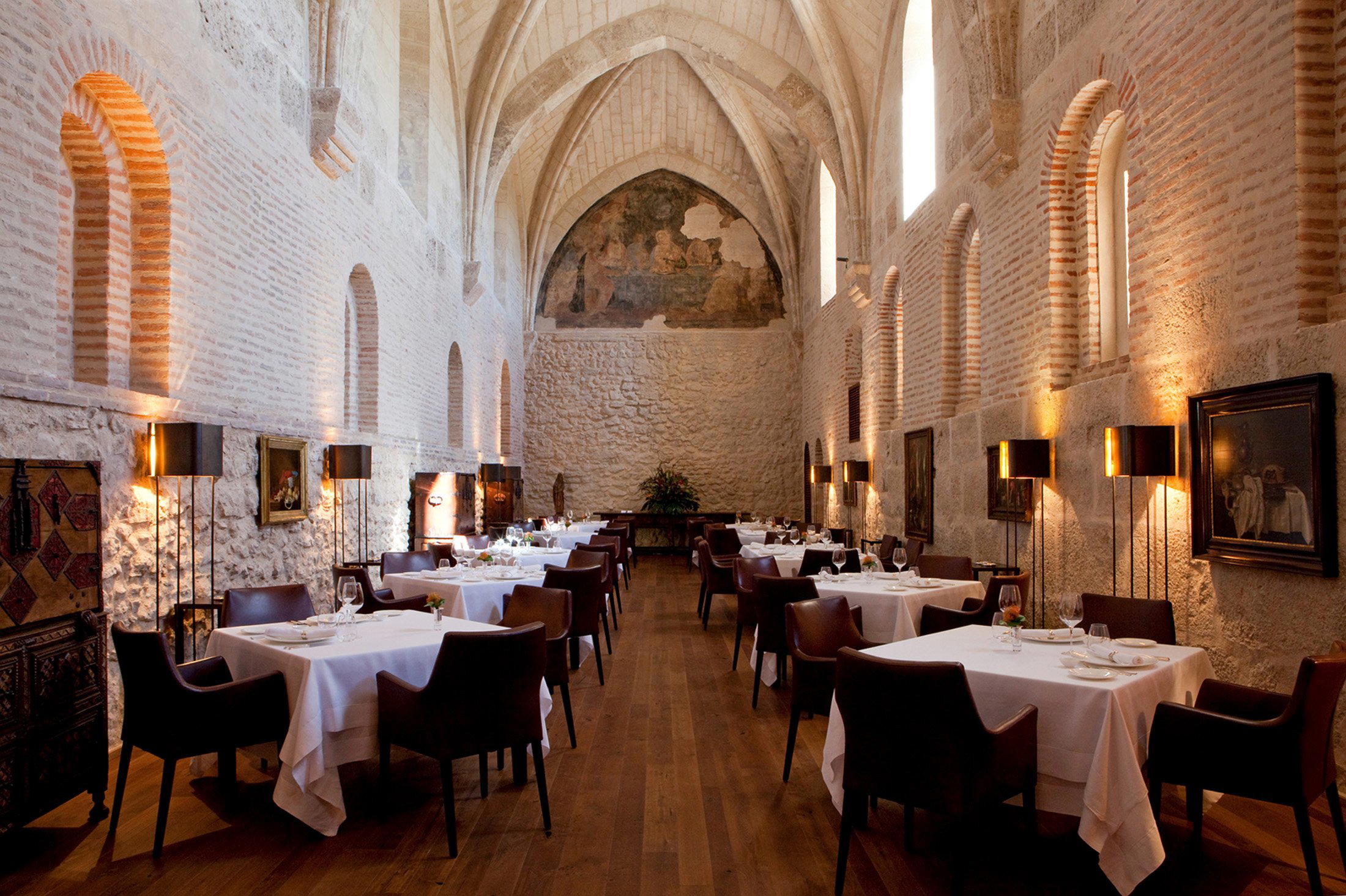
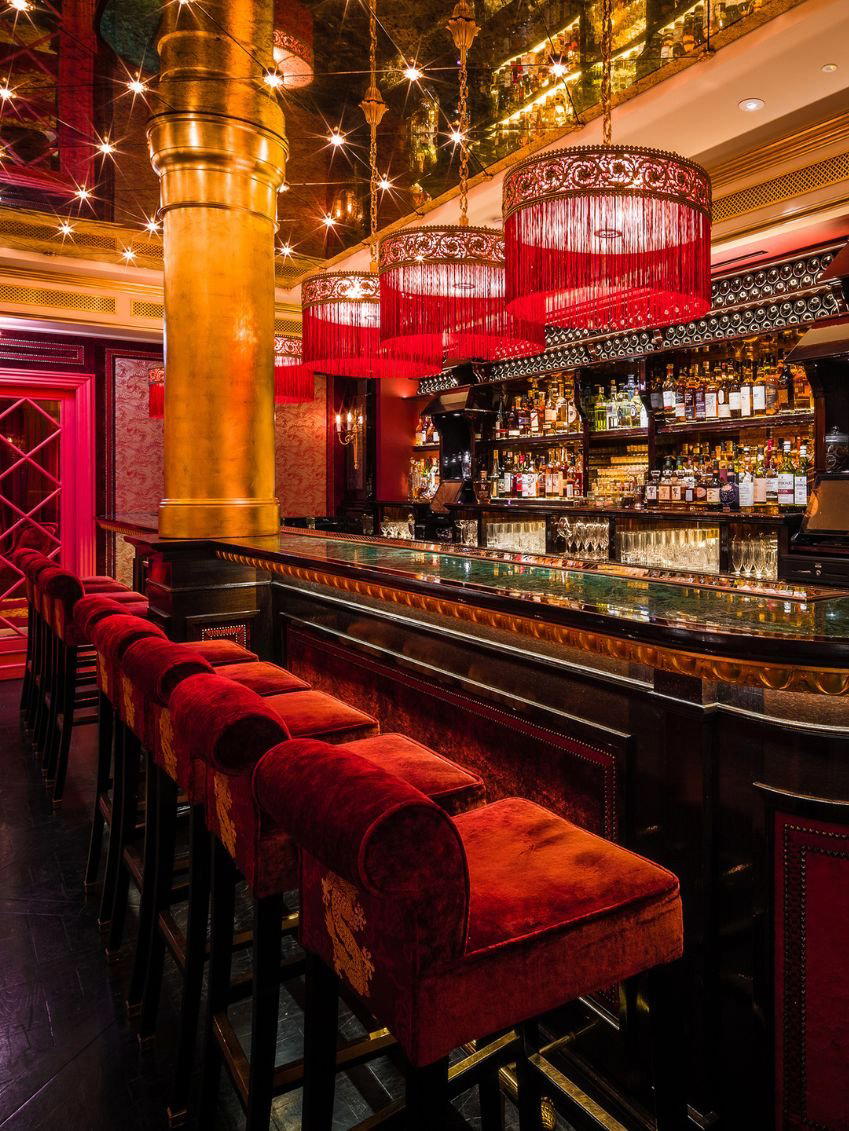
Bars in Sardón de Duero
Browse all →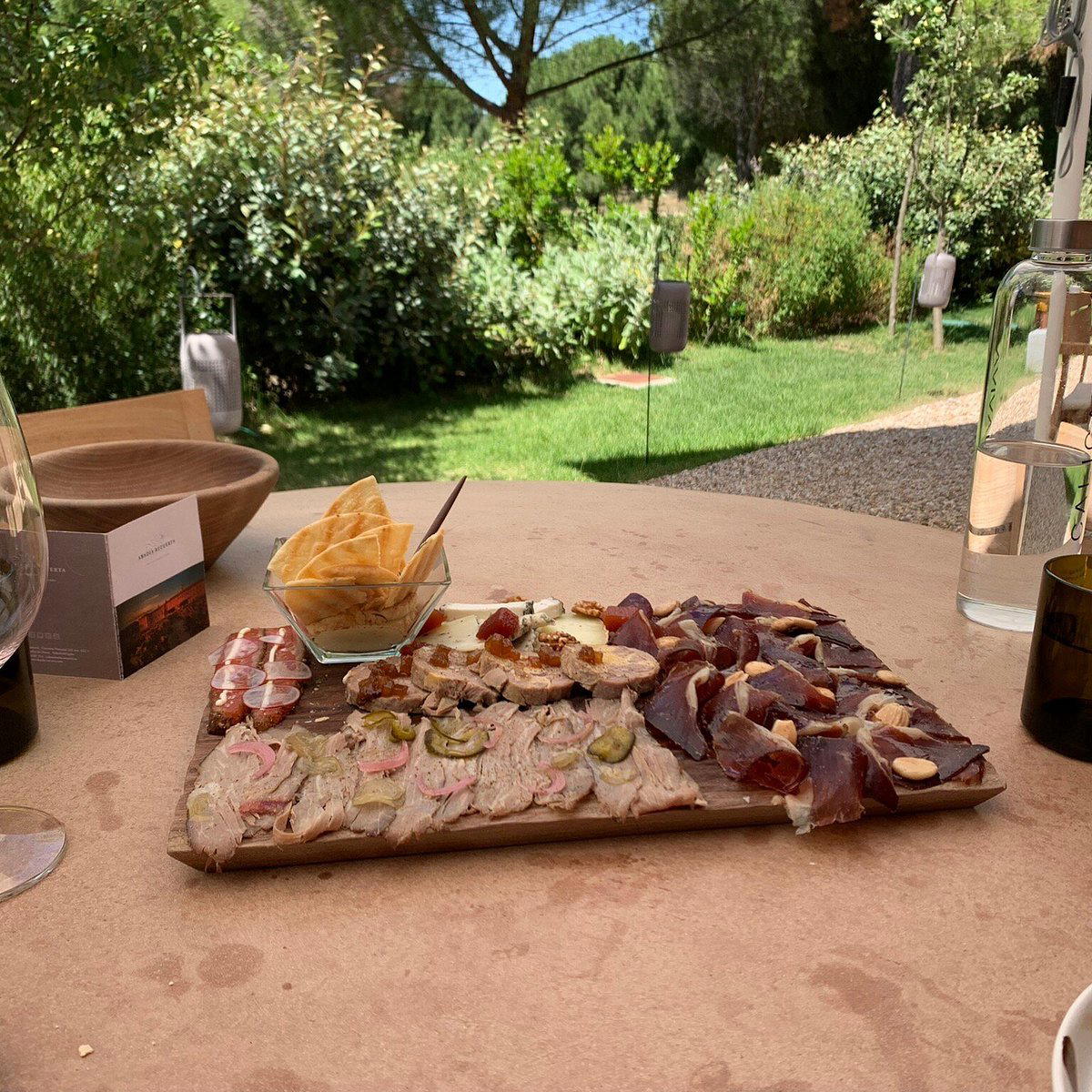
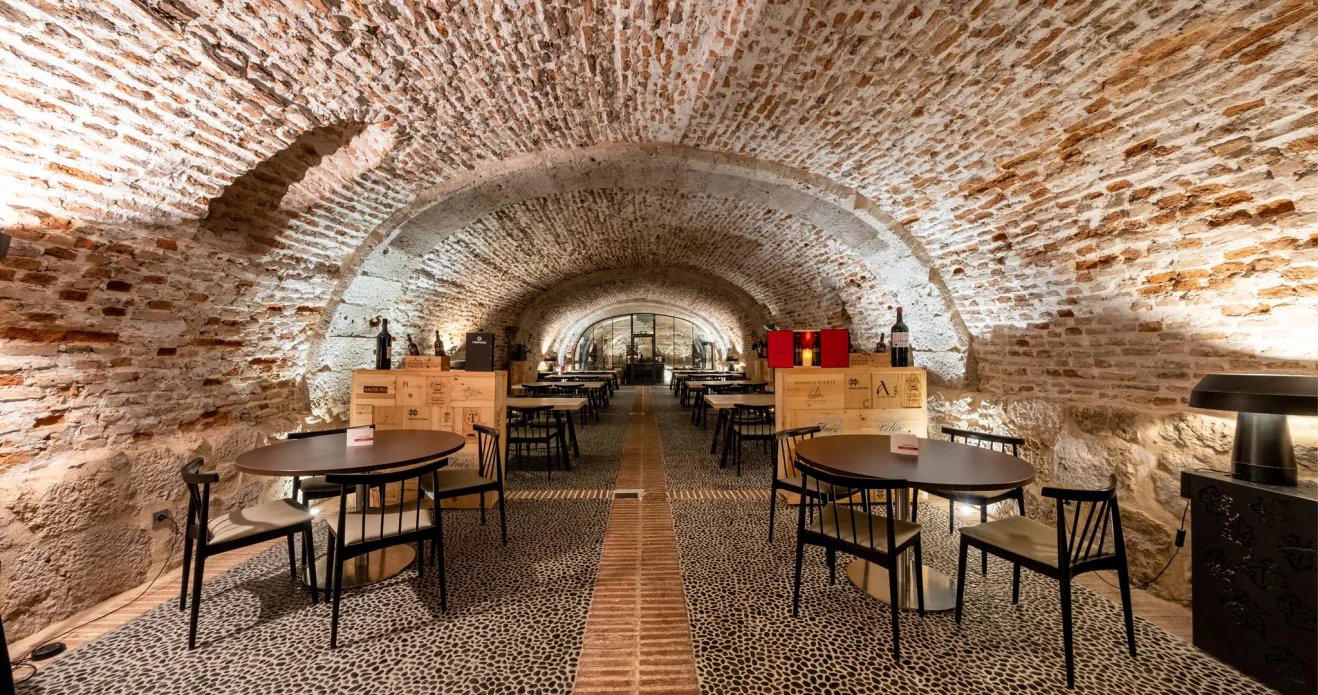
Hotels in Sardón de Duero
All hotels in Sardón de Duero →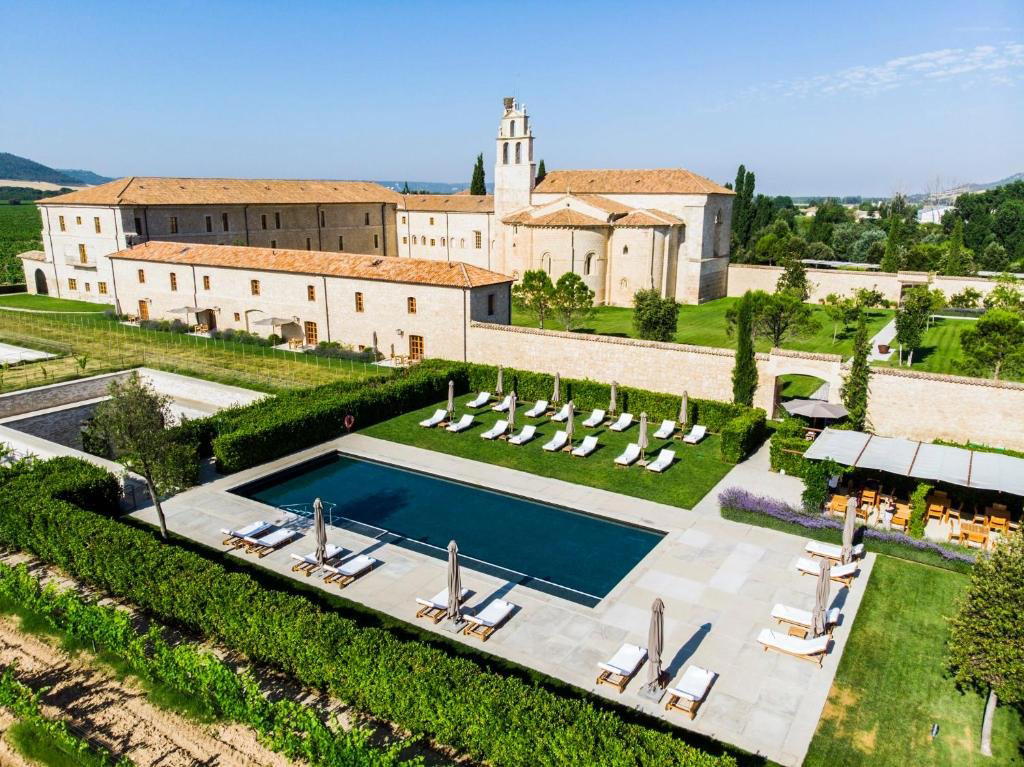
Calicata
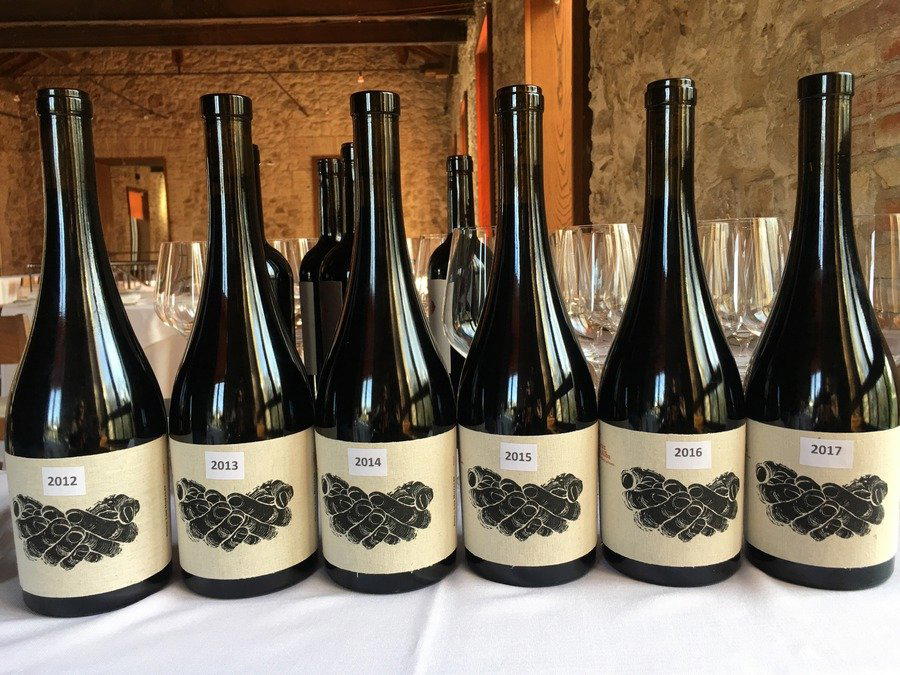
The wine
- Wine program
- Deep wine list
- Extensive wine list
- Sommelier-led
Details
- Scenic
- Rustic
- Elegant
- Quiet
- Romantic
- Date Night
- Business Dinner
- Group Dining
- Celebration
- Special Occasion
- After Work
- Terrace
- Panoramic View
- Wine Cellar
- Garden
- Hotel Restaurant
- Extensive Wine List
- Sommelier Led
- Local Sourcing
- Farm To Table
- Biodynamic
- Vineyard
- Garden
- Tasting Menu
- A La Carte
- Set Menu
- Wine
- Coffee
- Soft Drinks
- Vegetarian Friendly
- Gluten Free Options
Current opening hours
- Monday
- 12:15–3:15 PM
- Tuesday
- Closed
- Wednesday
- Closed
- Thursday
- 12:15–3:15 PM
- Friday
- 12:15–3:15 PM
- Saturday
- 12:15–3:15 PM
- Sunday
- 12:15–3:15 PM
Hours can change for holidays and private events. Last verified .
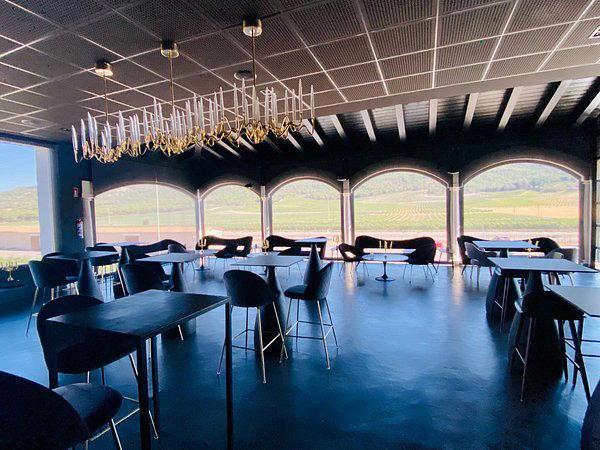
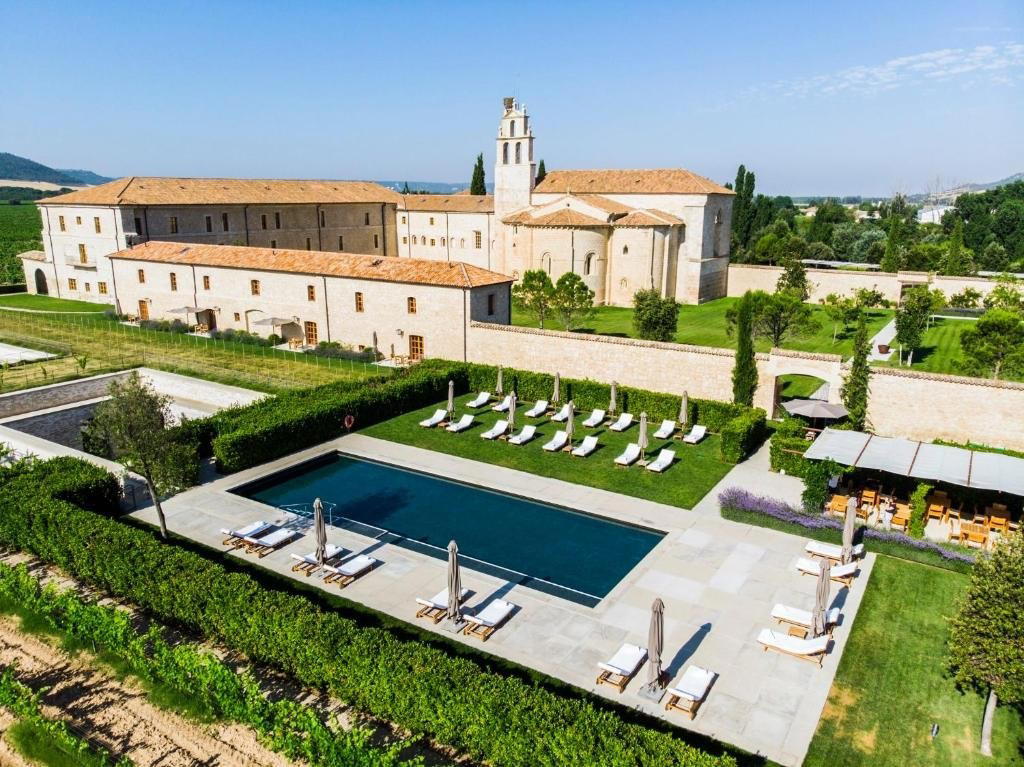
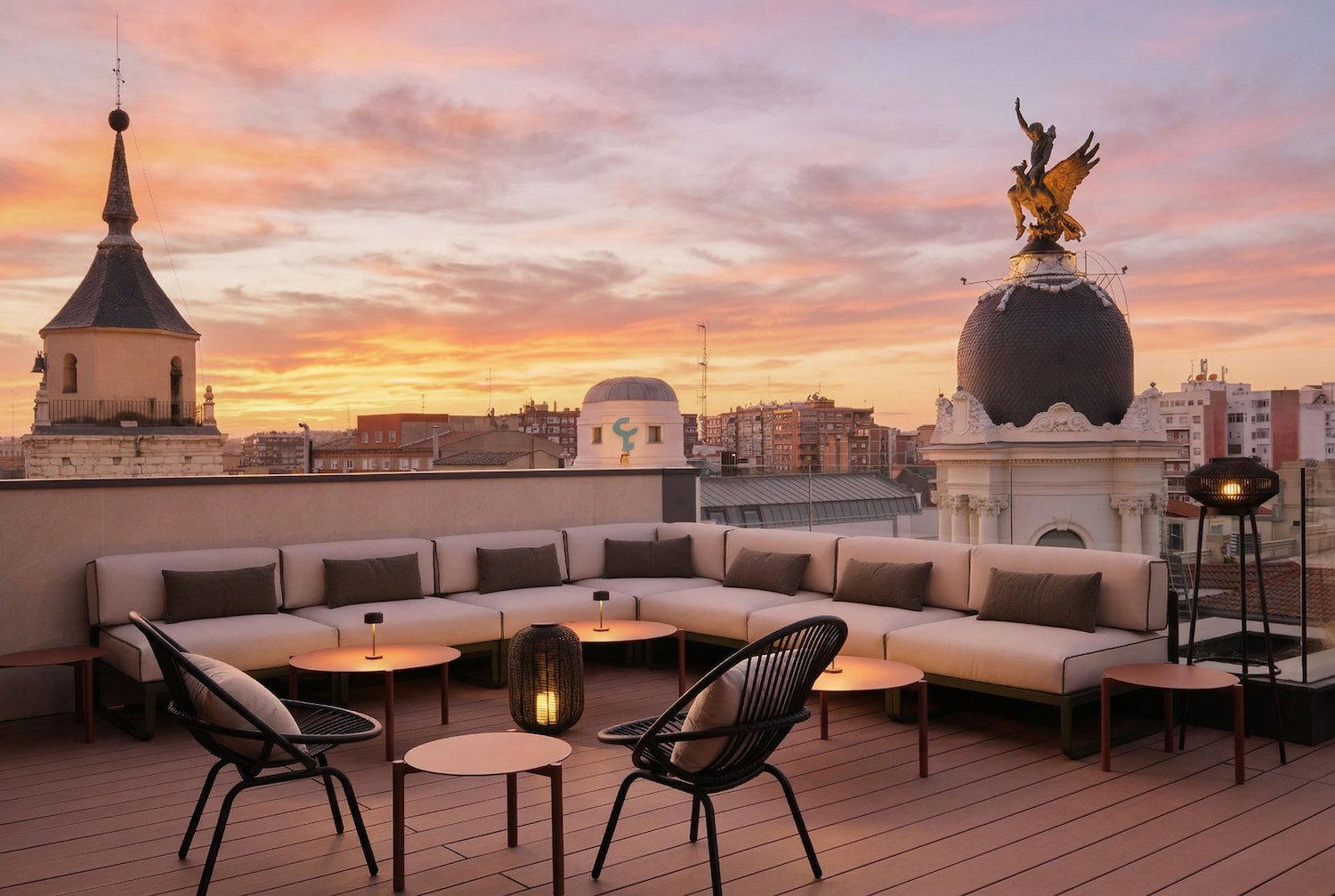
Peaceful open‑air terrace atmosphere surrounded by vineyards and pine forests, with an elegant but relaxed winery setting that emphasizes connection to the landscape and wine terroir.