Café Urbano
Our verdict
Café Urbano sits in Polanco, where Mexico City’s hotel dining, business lunches, and international restaurant habits overlap. The appeal is less about a narrow culinary thesis than about reading the neighborhood itself: polished, mobile, and shaped by visitors who want Mexican context without leaving the city’s most established hospitality corridor.

Pearl is the En Primeur Club membership app, where members save venues, book tables and use the concierge.
The menu
What to order
- Mexican breakfast buffet
- Eggs a la poche Café Urbano
- Benedict-style eggs a la poche
- Fresh fruit and juice selection
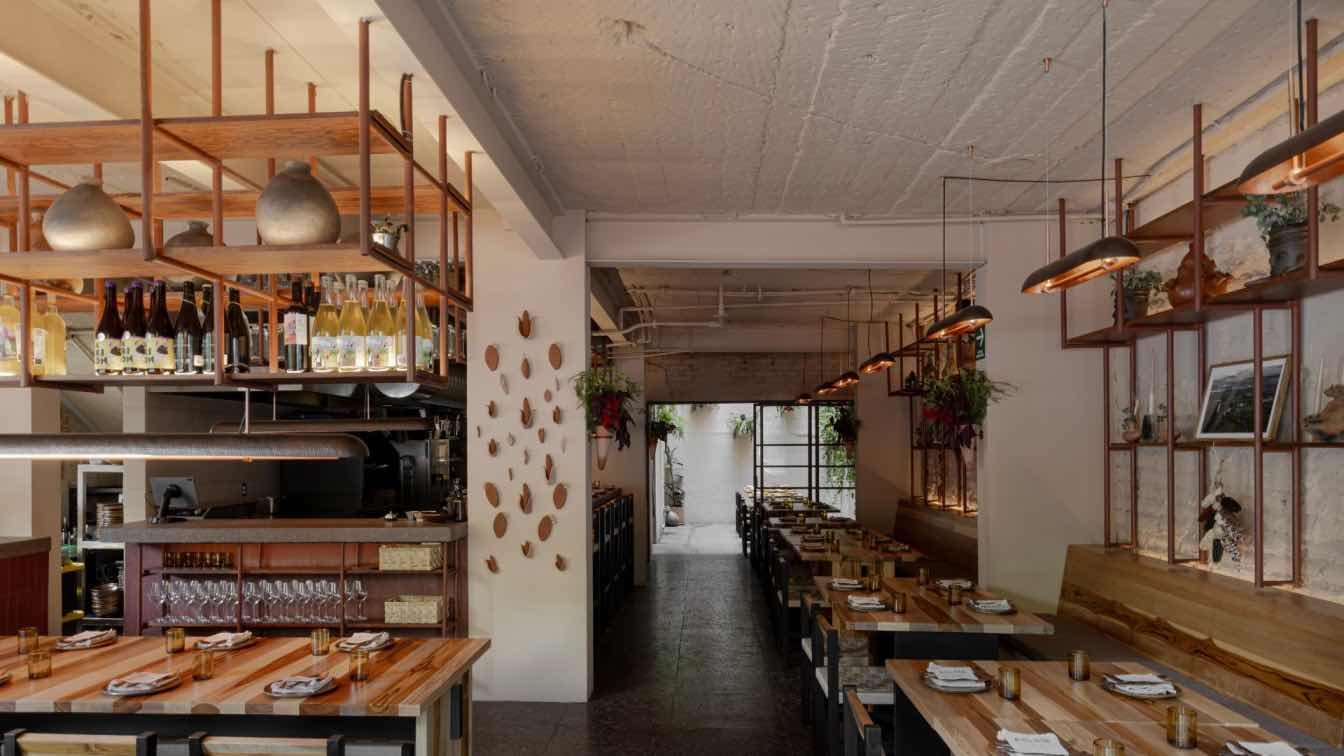
Mexico City changes register block by block: apartment towers, embassy walls, hotel lobbies, polished lunch rooms, and restaurants built for people moving between meetings, museums, and late dinners. Café Urbano belongs to that hospitality-adjacent rhythm, where the room matters as much as the plate and the meal is expected to work across different moments of the day rather than announce itself as a chef-led statement.
That matters in Mexico City because the capital’s dining culture is not a single lane. The city can be fiercely local, market-driven, regional, international, nostalgic, and corporate within the same area. Mexico City compresses those versions into a compact visitor circuit. Around it, restaurants such as Alfredo Di Roma Mexico, The Palm, Chapulín, Au Pied de Cochon, and Yoshimi show how international dining and Mexican reference points sit side by side rather than in opposition.
Mexico City dining is built for range, not purity
The useful way to read Café Urbano is through format. Mexico City has plenty of restaurants where the reservation is the point, and plenty where the cooking carries a narrow regional argument. The city also needs rooms that absorb mixed groups: a business table ordering conservatively, a traveler asking for Mexican cues, a family stretching lunch, and a guest who wants dinner without crossing town. That category is rarely the loudest part of the city’s food conversation, but it shapes how many visitors actually eat here.
In that sense, Café Urbano fits a broader Mexico City pattern: polished service environments designed for flexibility rather than culinary doctrine. The city’s reputation comes partly from high-profile dining, but its daily engine is more pragmatic. Menus in this tier often have to carry familiar structure while leaving room for local references and the slower cadence of the capital’s long lunch. The result is not the intensity of a market counter or the looseness of a late-night neighborhood meal. It is controlled, convenient, and calibrated for mixed expectations.
For readers comparing Mexico City dining options, that distinction is useful. A meal here should be judged against flexible city rooms, not against tasting-menu temples or taquería pilgrimages. The decision is about comfort, city fit, and the kind of group at the table. For a wider map of the city’s restaurant spread, use Our full Mexico City restaurants guide; for adjacent planning, the city’s hospitality and nightlife grids are covered in Our full Mexico City hotels guide and Our full Mexico City bars guide.
The cultural signal is the city's mixed table
Mexico City has a deep restaurant tradition built around social duration. Some meals can be serious meetings, lunch can stretch into the afternoon, and dinner often starts later than visitors expect. In polished hospitality settings, that pattern meets broader service habits: clearer pacing, wider menus, and a clientele that may not share the same appetite for spice, portion size, or regional specificity. Café Urbano sits inside that negotiation.
This is where the cultural reading becomes more interesting than a checklist of dishes. The city’s dining identity is not protected by refusing outside influence; it has long absorbed multiple restaurant languages and service traditions. Mexico City makes that history visible in commercial form. Other dining rooms across the capital, from familiar international formats to hospitality-led restaurants, are part of the same urban appetite for recognizable service translated through local demand.
The stronger editorial point is restraint. Not every worthwhile Mexico City meal needs to perform heritage at high volume. Some rooms are valuable because they show how the city eats when the occasion is practical: a table that has to satisfy several generations, a guest who has just landed, or a lunch where conversation takes priority over culinary theater. That is a legitimate part of the capital’s food culture, even if it rarely attracts the same critical heat as smaller chef-driven rooms.
Readers building a broader Mexico itinerary can place this Mexico City mode against different formats elsewhere in the country: resort dining, coastal settings, destination restaurants, and casual international formats. The contrast clarifies Café Urbano’s role: urban, polished, and tied to the capital’s hospitality rhythm rather than a beach, vineyard, or resort narrative.
How to place it in a Mexico City itinerary
Café Urbano makes the most sense when the day is already centered on Mexico City. The city’s advantage is density: hotels, shops, galleries, parks, and dining rooms sit close enough in many visitor circuits that meals can be planned around the day rather than treated as a cross-city mission. That is a practical advantage in a capital where traffic can reshape an evening.
The better strategy is to match the meal to the occasion. For a relaxed group, a convenient meeting point, or a low-friction meal in Mexico City, this category has value. For a sharper editorial contrast, pair it on the same trip with more defined formats across the city: smaller casual rooms, regional restaurants, or broader planning through Our full Mexico City experiences guide. Travelers extending beyond the capital can also compare Mexico’s restaurant range through other dining formats in coastal and resort destinations.
For drink-led planning, Mexico City’s dining calendar increasingly overlaps with bar itineraries, wine dinners, and hotel stays. The wider ecosystem is better mapped through Our full Mexico City wineries guide, while international casual formats in other cities underline how global dining references now move between places with ease. Café Urbano belongs to that same contemporary reality: not a shrine to a single tradition, but a polished Mexico City room shaped by the way the capital actually hosts, feeds, and moves people.
Frequently asked questions
Can I bring kids to Café Urbano?
Café Urbano is in Mexico City, and its flexible format usually reads as more practical for family meals than a formal tasting-menu room. It is best understood as an everyday dining option that can suit a range of meals with kids.
What's the overall feel of Café Urbano?
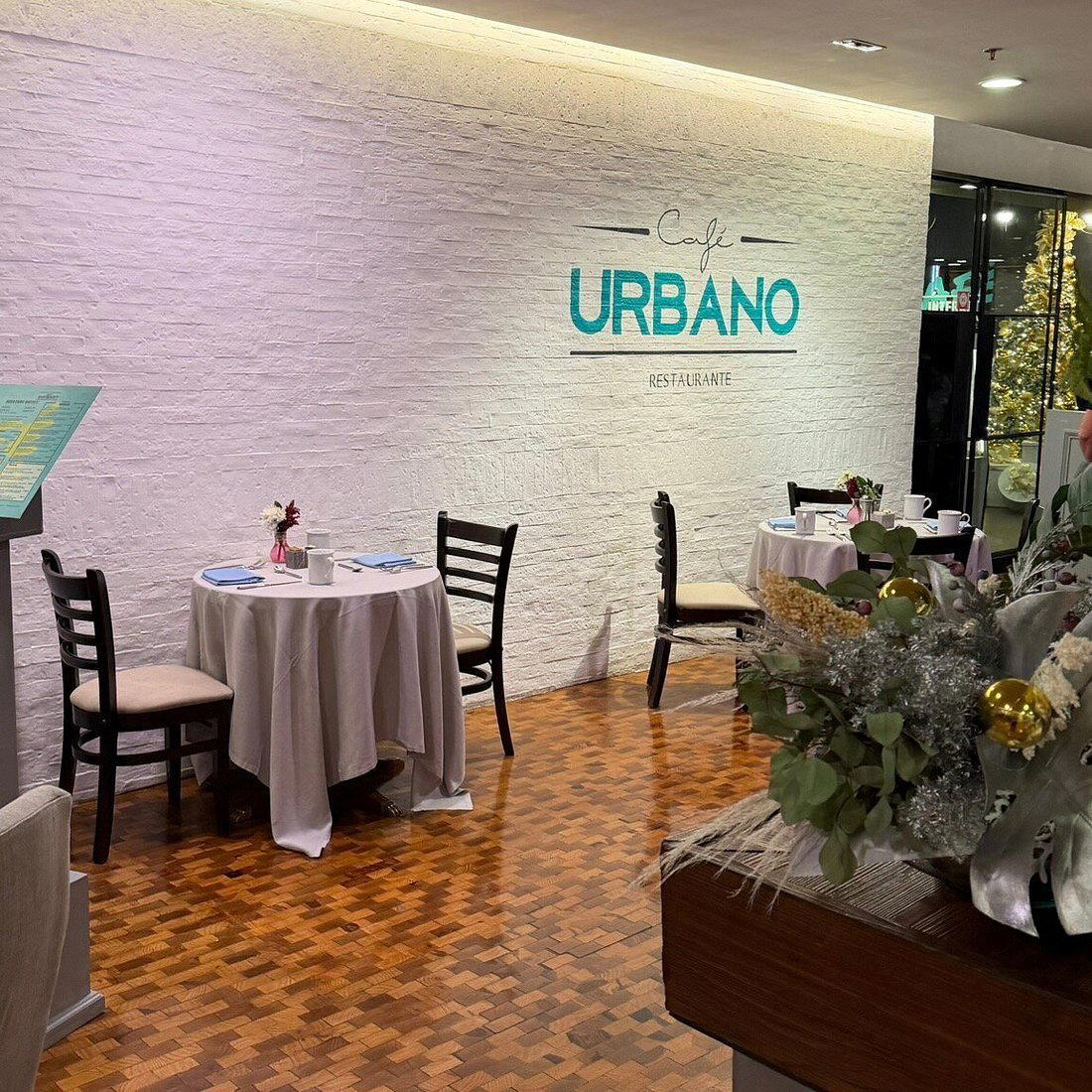
Café Urbano in Mexico City reads as an everyday dining address rather than a reservation-driven fine-dining room. Expect a polished, cosmopolitan, casual-to-smart atmosphere suited to flexible meals.
Where is Café Urbano in Mexico City?
Café Urbano is located in Mexico City.
How hard is it to get a table at Café Urbano?
The provided venue information does not establish star ratings or detailed booking rules for Café Urbano, so it is hard to frame as a destination that books months ahead. As a restaurant in Mexico City, it is best assessed directly with the venue for current availability.
Price and Recognition
Side-by-side context: comparable cuisine and price.
| Venue | Cuisine | Price | Awards |
|---|---|---|---|
| Café UrbanoThis venue (the venue you are viewing) | Modern Mexican & International All-Day Café | $20–30 | Not listed |
| Alfredo Di Roma Mexico | Authentic Italian Trattoria | $50–100 | Star Wine List · Wine Spectator Grand Award |
| Chapulín | Modern Mexican Fusion | $50–100 | Star Wine List · Wine Spectator Best of Award of Excellence |
| Au Pied de Cochon | French-Canadian Brasserie | $100–150 | Michelin Plate · Canada's 100 Best Restaurants #78 |
| Yoshimi | Authentic Japanese | Not listed | La Liste Top Restaurants |
Continue exploring
More in Mexico City
Restaurants in Mexico City
All restaurants in Mexico City →
Bars in Mexico City
All bars in Mexico City →
Details
- Modern
- Lively
- Casual
- Trendy
- Business Dinner
- Group Dining
- Family
- Casual Hangout
- After Work
- Brunch
- Hotel Restaurant
- Organic
- Local Sourcing
- Buffet
- A La Carte
- Coffee & Tea
- Fresh Juices
- Smoothies
- Gluten Free Options
- Vegetarian Friendly
- Organic Focus
Current opening hours
- Monday
- 7 AM–11 PM
- Tuesday
- 7 AM–11 PM
- Wednesday
- 7 AM–11 PM
- Thursday
- 7 AM–11 PM
- Friday
- 7 AM–11 PM
- Saturday
- 7 AM–11 PM
- Sunday
- 7 AM–11 PM
Hours can change for holidays and private events. Hours as of .
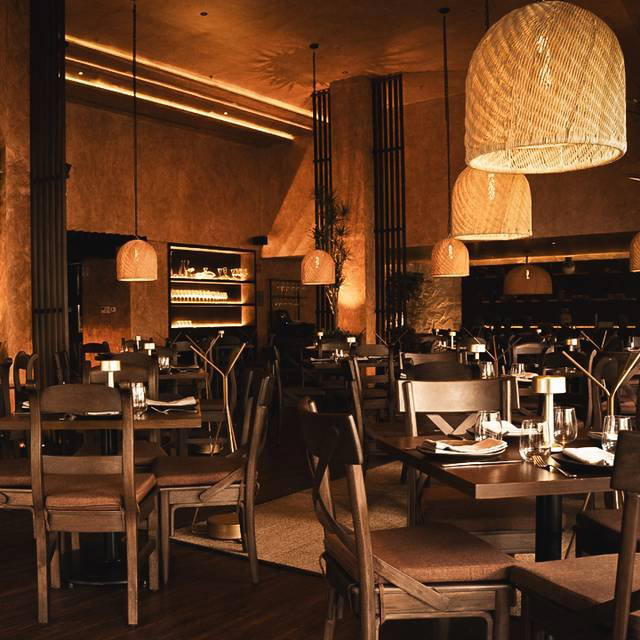
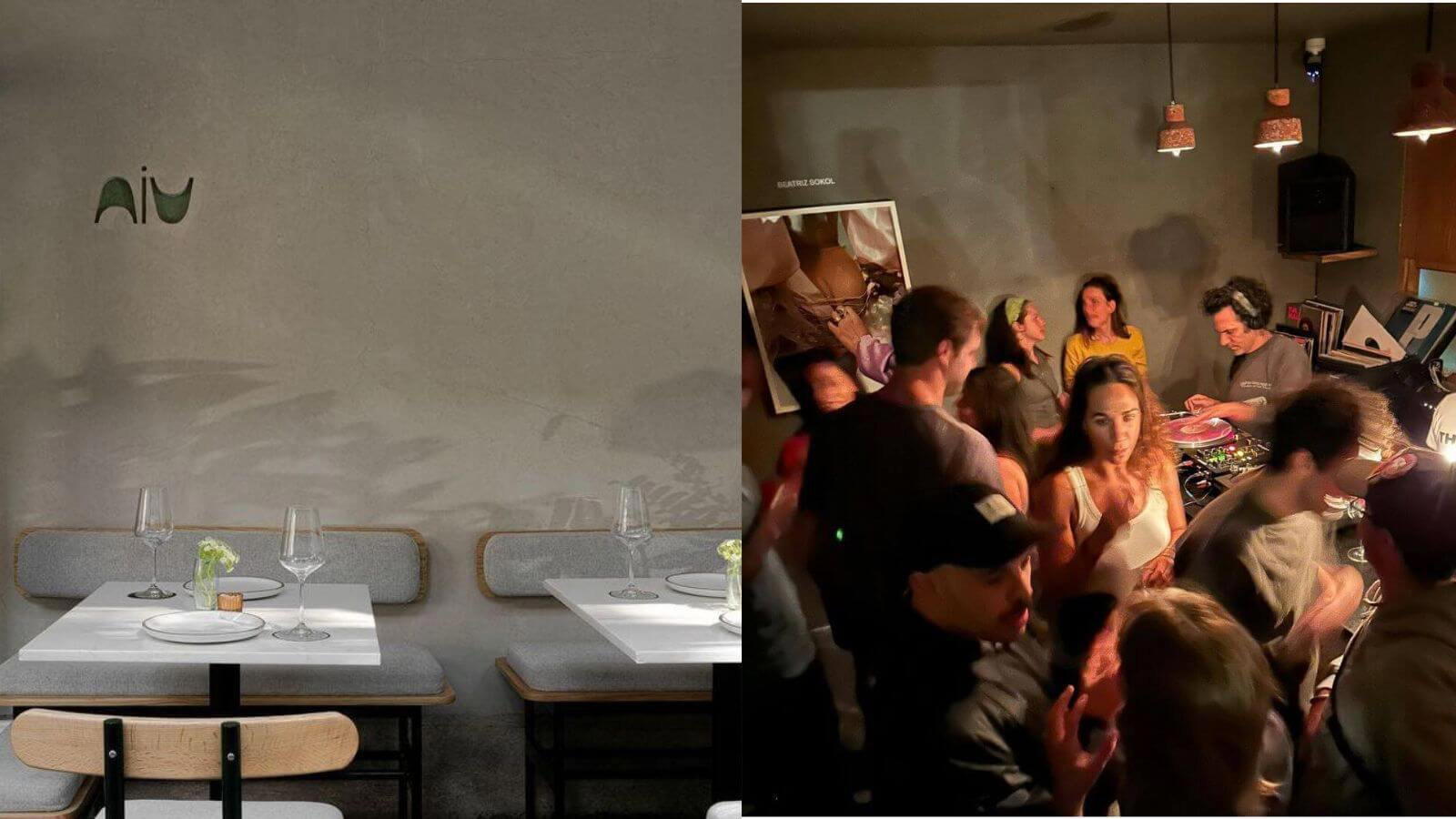
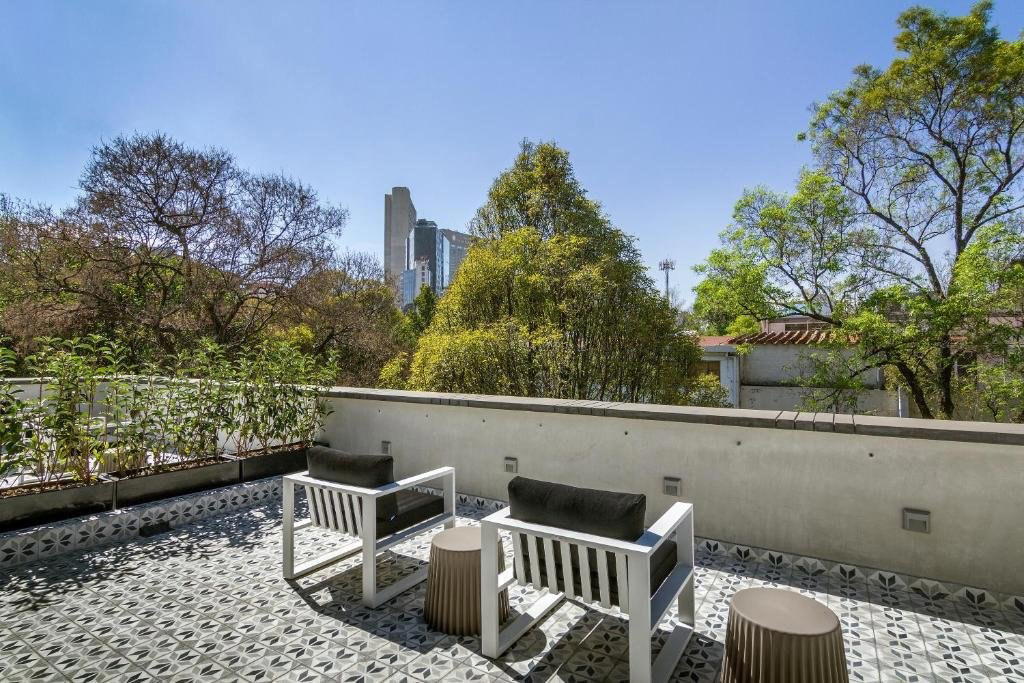
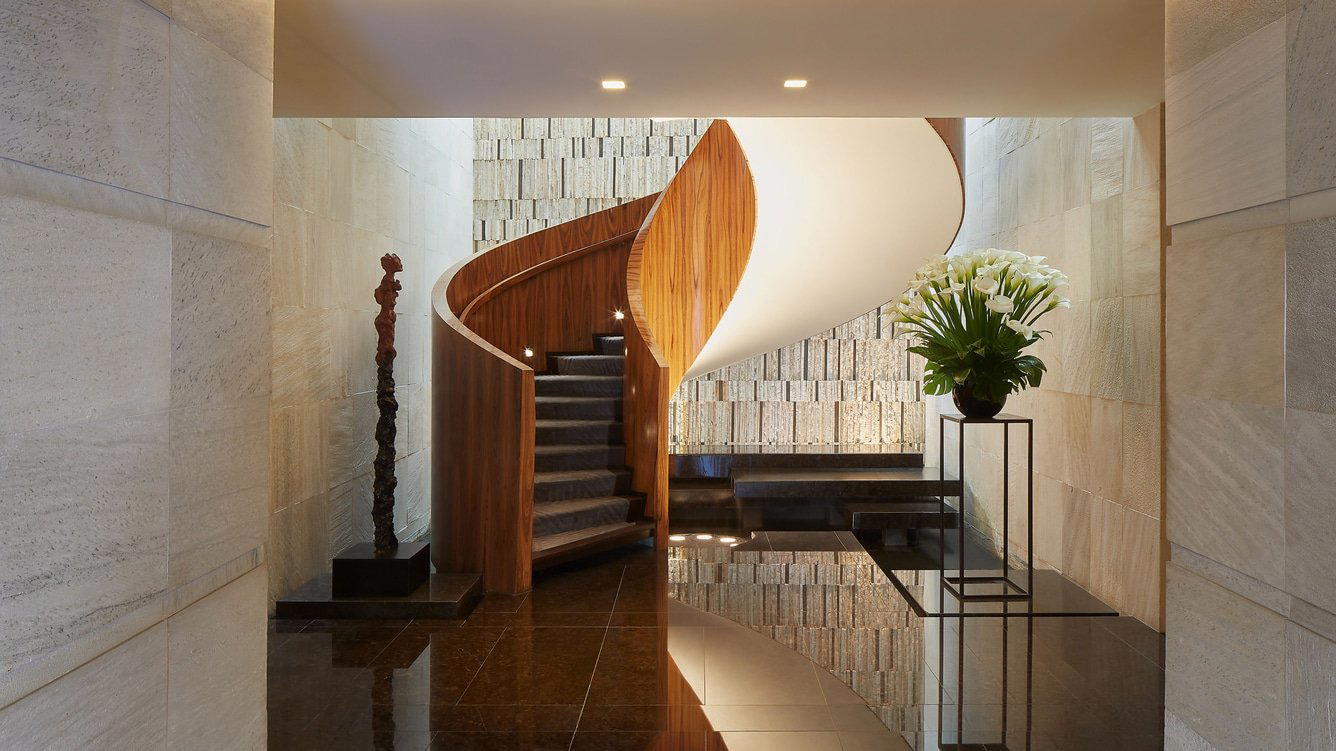
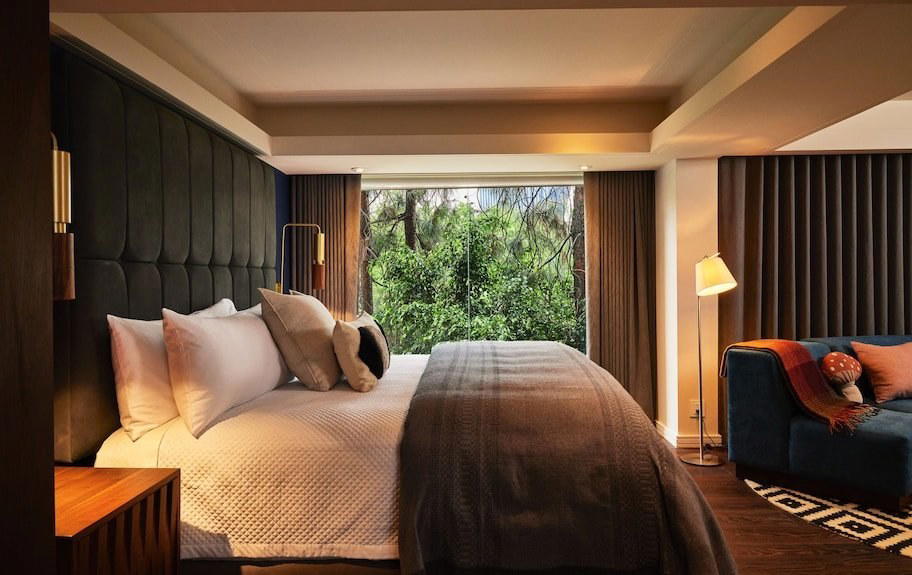
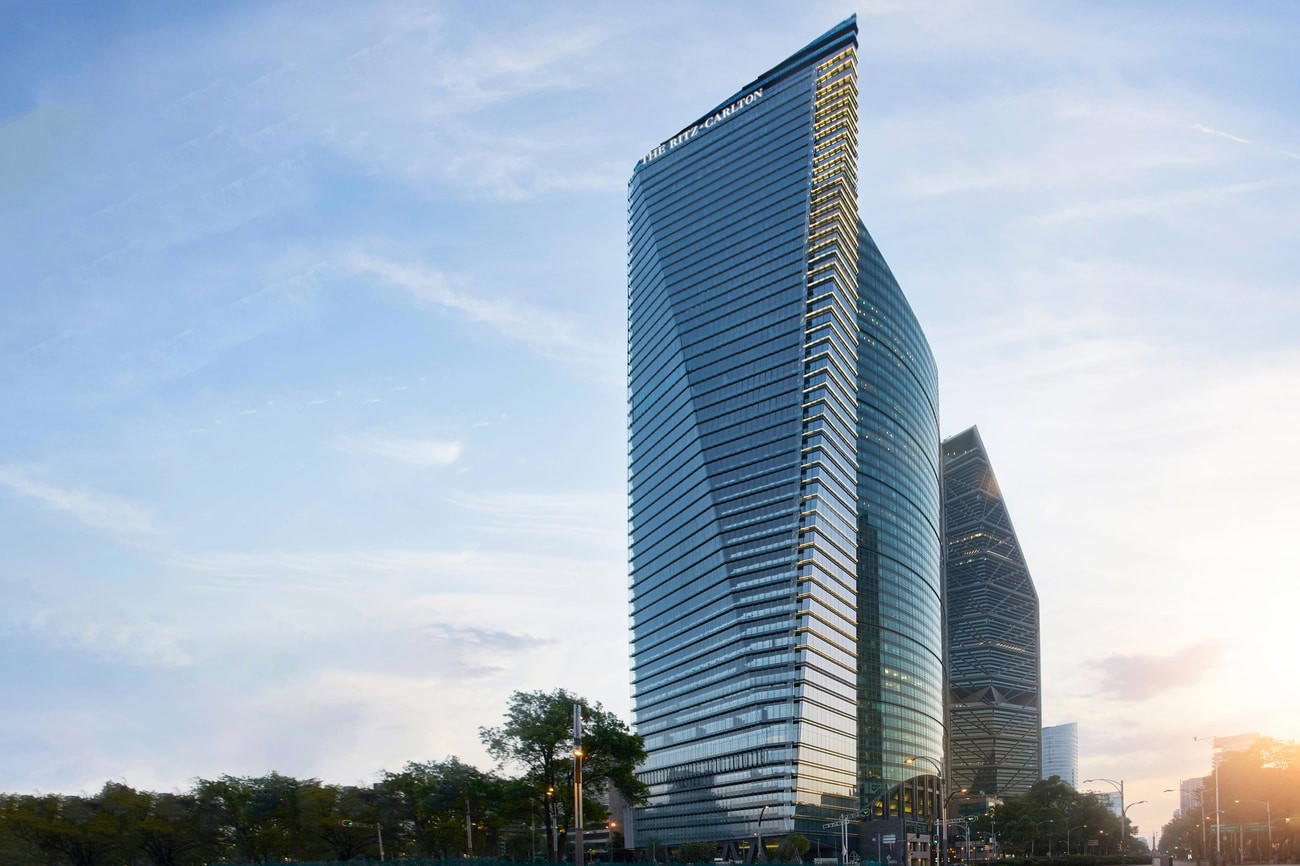
A contemporary, urban-style dining room within a luxury hotel, with a relaxed but busy feel at breakfast and a comfortable, informal atmosphere throughout the day.