Our verdict
Café del Olivar is better read through inland Mallorca than through restaurant-category shorthand: Montuïri’s agricultural setting puts olive trees, dry-stone fields and seasonal island produce in the foreground. The draw is the garden context and rural tempo, with fewer public signals on chef, cuisine, pricing or awards than Mallorca’s more documented dining rooms.

Pearl is the En Primeur Club membership app, where members save venues, book tables and use the concierge.
The menu
What to order
- Pulpo a la Plancha
- Gambas al Ajillo
- Entrecot de Ternera
- Tumbet Mallorquín
- Bacalao Gratinado
- Caprese di Burrata
Approaching Café del Olivar means leaving the resort-facing version of Mallorca behind and entering the island’s interior, where the soundscape is more road, field and wind through trees than beach-club bass. Montuïri sits in rural Mallorca, an agricultural setting shaped by cereal fields, almond trees, vines, sheep pasture and old olive cultivation. That matters for how a meal here should be read: not as a trophy reservation with a long public mythology, but as part of a quieter rural dining pattern where setting and sourcing carry much of the argument.
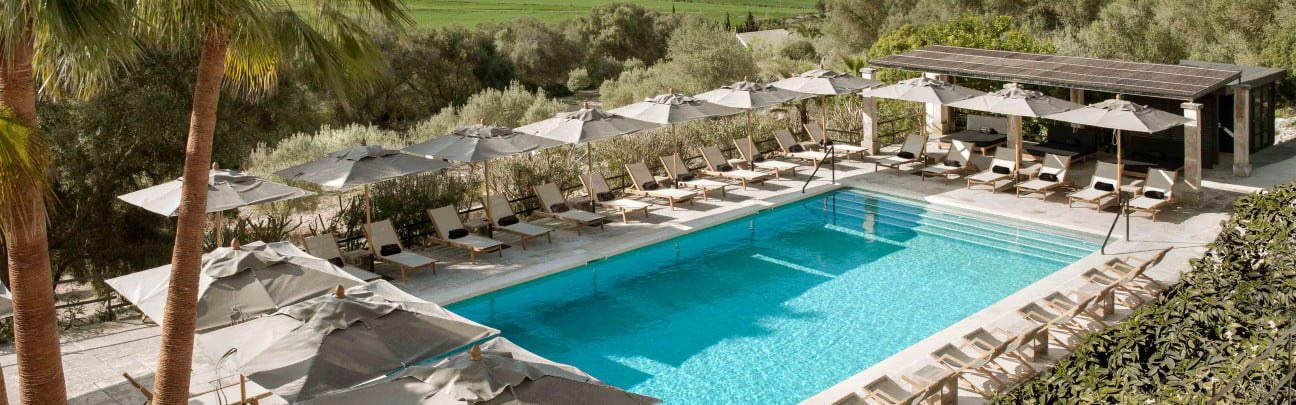
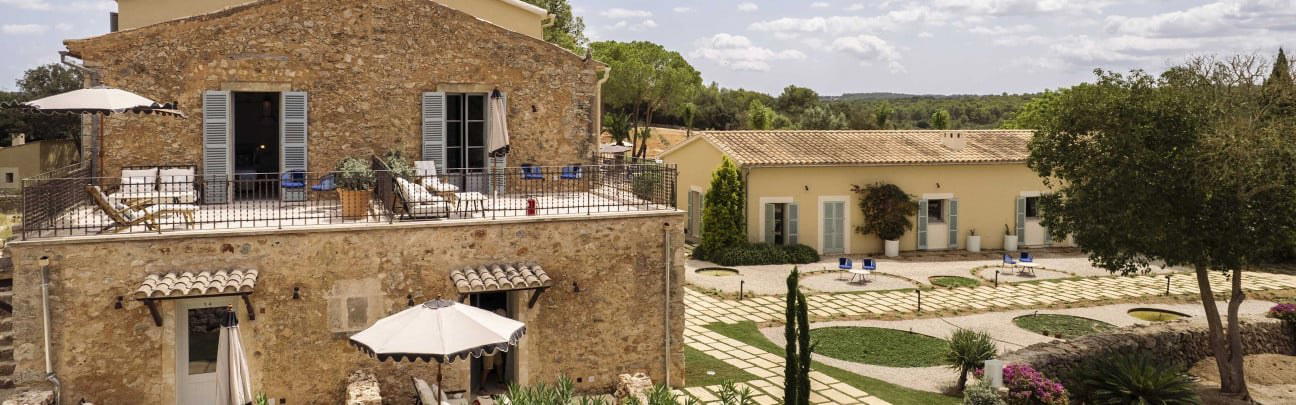
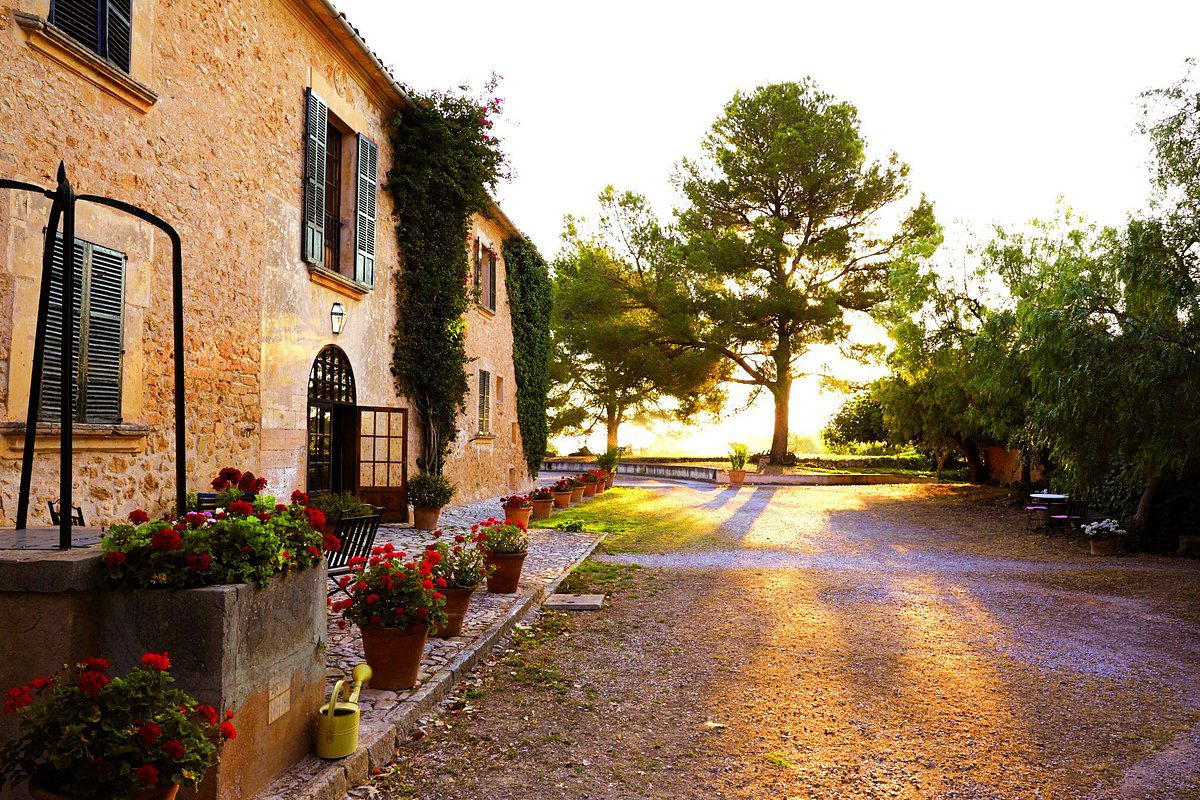
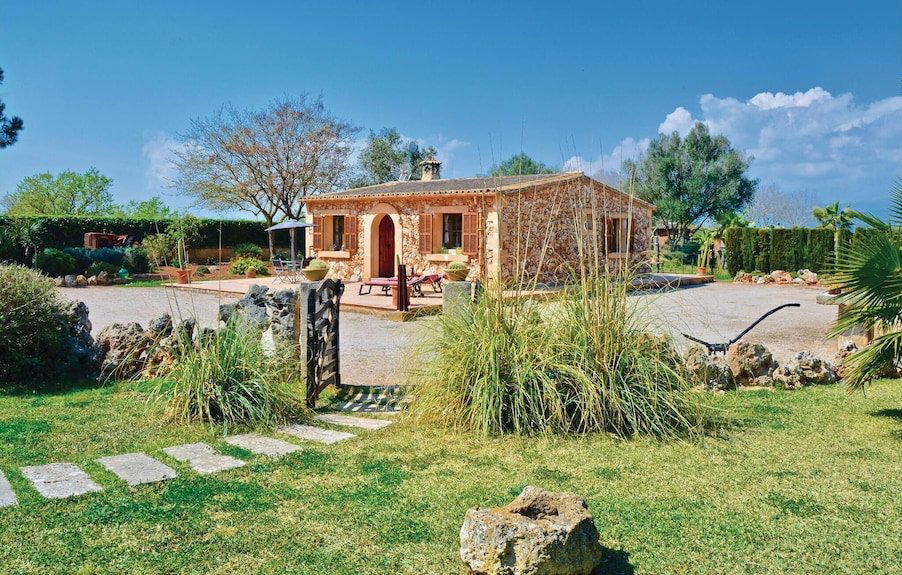
The garden setting is the primary cue. Inland Mallorca has a different rhythm from Palma, Deià or the coast: meals tend to make more sense when they acknowledge heat, shade, season and the island’s long habit of cooking from what grows nearby. The serious question is not whether a restaurant can decorate itself with rusticity, but whether the place feels connected to the agricultural ground around it. At Café del Olivar, the name and setting place olive culture at the center of that expectation, even when public detail on cuisine, chef and format is sparse.
Inland Mallorca, read through olive trees rather than resort polish
Mallorca’s restaurant conversation often splits into two tracks. One is the high-visibility circuit of tasting menus, hotel dining rooms and coastal terraces. The other is older and less theatrical: rural addresses where the appeal depends on produce, shade, road access and a slower lunch or dinner cadence. Montuïri belongs to the second track. The town is not selling the same proposition as Palma’s urban dining rooms or the coastal villages; its value is agricultural proximity and the absence of heavy performance.
That difference becomes useful for diners choosing where to spend a meal on the island. A restaurant in this part of Mallorca is strongest when it lets the surrounding landscape do some of the work. Olive oil, vegetables, bread, lamb, pork, almonds and wine are not luxury signifiers here; they are part of the island’s everyday pantry. Without leaning on a published chef narrative or a detailed public recognition trail, Café del Olivar should be judged by that more local standard: whether the meal feels anchored in inland Mallorca rather than styled for visitors passing through.
For comparison inside Montuïri, La Veranda Serena gives another reference point for how small-town dining here differs from the larger Balearic restaurant circuit. Beyond town, the island’s documented range includes more clearly categorized kitchens such as Daica and Joan Marc. Those comparisons are useful not because they make direct claims about Café del Olivar, but because they show the decision facing diners: formal restaurant ambition on one side, rural setting and ingredient context on the other.
The ingredient argument is the point
Ingredient sourcing is often treated as a slogan, but in rural Mallorca it is also geography. The island’s interior has historically been shaped by what survives dry summers and thin soils: olives, almonds, grains, legumes, figs, grapes and hardy livestock. A garden restaurant in Montuïri inevitably sits inside that food culture. The stronger reading of Café del Olivar is therefore not about chasing named dishes, since none are publicly specified here, but about understanding the kind of meal that fits the place: seasonal, produce-led, and better matched to a long conversation than a fast table turn.
This is where limited public detail on chef-led narrative changes the critical frame. Some restaurants ask to be assessed through accolades, tasting-menu structure or named personnel. Others ask for a more basic but harder test: whether the experience has a reason to exist in its exact location. Café del Olivar’s reason is spatial before it is formal. The garden setting, the Montuïri address and the olive reference all point toward a meal whose credibility depends on restraint and local coherence, not spectacle.
That makes expectations important. Diners looking for a documented tasting menu, a named chef résumé, a published price ladder or a heavily signposted destination meal will find clearer signals elsewhere in Spain, from large-city dining rooms to coastal restaurants with more public documentation. The better fit here is a reader interested in the inland Balearic register: less urban polish, more dependence on weather, setting and the credibility of simple ingredients.
How to place it in a wider Spain itinerary
Montuïri works well as a counterweight to Mallorca’s coast-heavy planning. A meal here can sit between winery visits, market towns and the island’s central roads rather than as a late-night urban booking. For broader planning, start with our full Montuïri restaurants guide, then map the rest of the stay through our full Montuïri hotels guide, our full Montuïri bars guide, our full Montuïri wineries guide and our full Montuïri experiences guide.
Spain’s regional dining map also helps sharpen the contrast. Other dining rooms across the country represent different ways local context shapes a meal, from mainland small-town restaurants to coastal addresses and island venues. For readers comparing outside Spain, the contrast is similar: urban specificity rather than island agriculture.
The editorial case for Café del Olivar is narrow but clear. Choose it for Montuïri’s inland atmosphere and the agricultural logic of Mallorca, not for a heavily signposted chef project. In a destination where many meals compete through views, design and recognition, this one is more persuasive as a rural pause: garden, olive trees, central-island quiet, and a setting that reminds diners where much of Mallorca’s food culture begins.
Frequently asked questions
Can I bring kids to Café del Olivar?
The Montuïri setting and the garden atmosphere make Café del Olivar a natural fit for a family meal. Rural Mallorca dining rooms usually work more comfortably for mixed-age groups than tightly packed city counters.
What should I expect atmosphere-wise at Café del Olivar?
Expect a garden setting rather than the polished pace of Palma, with its Montuïri location placing it firmly in inland Mallorca. The mood should suit a slower lunch or early dinner tied to the island’s interior.
Where is Café del Olivar in Montuïri?
Montuïri.
How hard is it to get a table at Café del Olivar?
Without a central-city footprint, Café del Olivar in Montuïri may feel easier to approach than a downtown address in Mallorca. The smart play is to plan around peak lunch hours, especially if the garden setting is part of the appeal.
What's Café del Olivar best at?
Its clearest appeal is the location itself: a garden setting in Montuïri, away from the island’s coast-heavy restaurant circuit. That makes it a strong choice for diners who want the meal to sit inside a rural Mallorca day rather than a resort itinerary.
How does Café del Olivar handle allergies?
Allergy handling should be discussed directly with service before ordering, especially in a venue identified by setting rather than a published fixed format. In Montuïri, the practical move is to specify the allergy clearly and confirm each dish at the table.
Side-by-Side Snapshot
Comparable venues by cuisine and price in the same metro.
| Venue | Cuisine | Price | Awards |
|---|---|---|---|
| Café del OlivarThis venue (the venue you are viewing) | Market-driven Mediterranean (Spanish & Italian) bistro | $30–50 | Not listed |
| La Veranda Serena | Contemporary Mallorcan Cuisine | Not listed | Not listed |
| Daica | Modern Mallorcan Fine Dining | Not listed | Michelin Plate · Guía Repsol 1 Sol |
| Joan Marc | Modern Mallorcan | $50–100 | Michelin Plate |
Continue exploring
More in Montuïri
Restaurants in Montuïri
All restaurants in Montuïri →
Bars in Montuïri
Browse all →

Details
- Cozy
- Lively
- Well Known
- Rustic
- Romantic
- Group Dining
- Family
- Business Dinner
- Casual Hangout
- Private Event
- Private Dining
- Historic Building
- Standalone
- Local Sourcing
- Farm To Table
- Sustainable Seafood
- Street Scene
- A La Carte
- Prix Fixe
- Vegetarian Friendly
- Gluten Free Options
- Pescatarian Friendly
- Allergy Accommodating
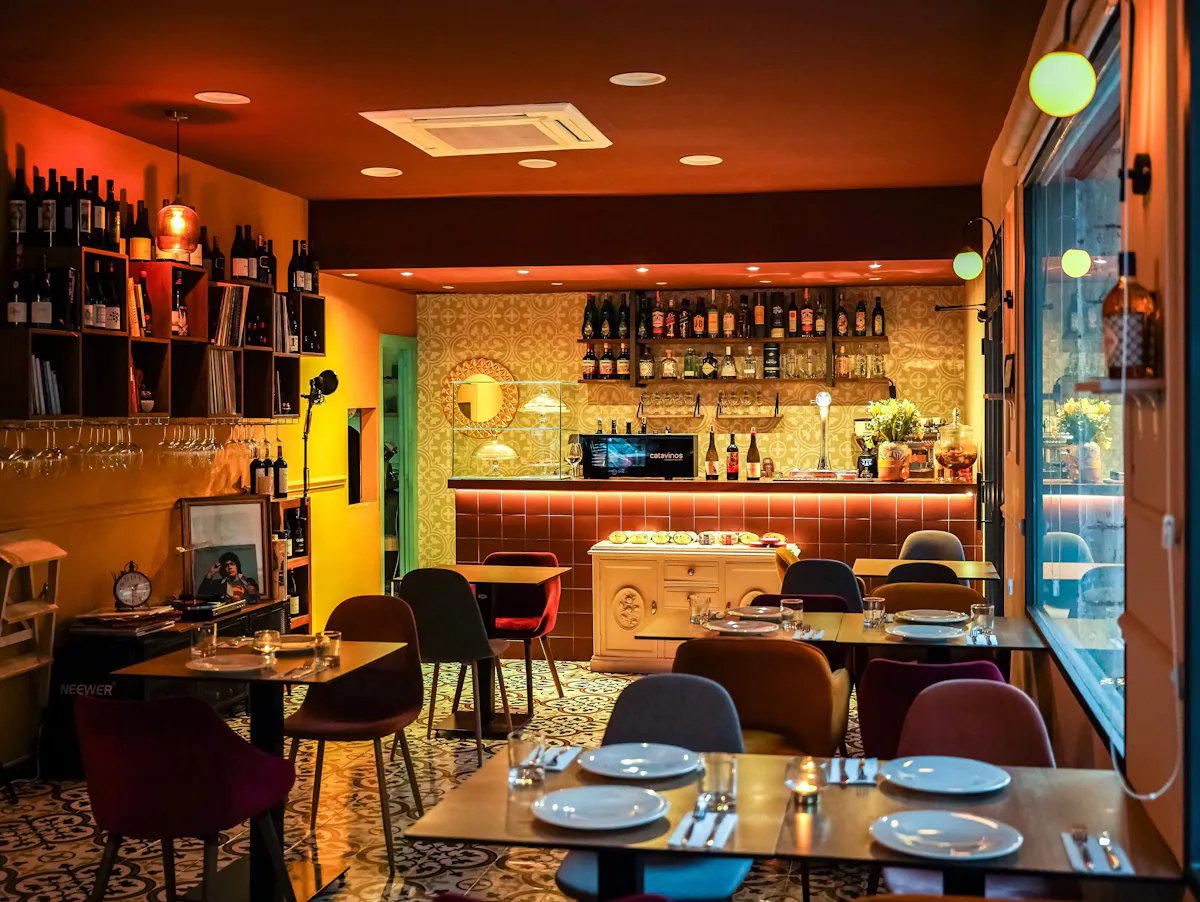
Warm and welcoming bistro atmosphere set in a bustling indoor market hall, with lively daytime energy, casual market décor, and an intimate, cozy feel around a small open dining area.