Our verdict
Al Khiran Kitchen fits Muscat’s hotel-dining pattern: international comfort, Gulf-facing ease, and a room suited to mixed groups rather than a tightly scripted tasting-menu audience. Its value lies in setting and flexibility, with Omani coastal context doing much of the work around the table.

Pearl is the En Primeur Club membership app, where members save venues, book tables and use the concierge.
The menu
What to order
- Seafood night buffet
- Turkish theme night selection
- Omani specialties from the live stations
Approaching Al Khiran Kitchen, the meal begins before the menu appears: a formal hotel calm sets the pace. In Muscat, that matters. The city’s dining culture often divides between restaurants built around Omani memory, hotel dining rooms designed for international guests, and polished venues where ease and service shape the experience. Al Khiran Kitchen sits in the hotel-dining lane, where the room has to work for families, business travellers, and guests moving between different parts of the day.
That category can be misunderstood. Hotel restaurants in Muscat are not only fallback options for visitors who have not learned the city; they often function as controlled, comfortable spaces for groups with different appetites and expectations. The better examples give context without asking every diner to commit to a single local canon. For a city where hospitality and a broad range of dining habits sit close together, that flexibility can be useful.
Muscat's dining story is local first, hotel-polished second
The strongest way to read this dining room is through setting and service logic rather than chef mythology. Muscat gives restaurants a strong sense of place, while a hotel kitchen has a different brief from a heritage restaurant: it has to translate the local dining environment into a format that remains legible to international diners.
That distinction places Al Khiran Kitchen apart from Omani-focused addresses such as Bait Al Luban Omani Restaurant - Mutrah, where the appeal is tied more directly to national dishes and a heritage-facing setting. It also differs from broader city restaurants, which occupy other parts of Muscat’s casual-to-polished spectrum.
The hotel-dining angle also explains why this kind of room can feel different from smaller independent restaurants. The risk, in any hotel setting, is dilution, when local context becomes generic international comfort. The reward is accessibility, especially for tables that want Muscat reference points without a tightly traditional meal structure.
The room suits mixed tables more than culinary theatre
Al Khiran Kitchen is best read as a hotel dining room rather than a chef-counter restaurant or tasting-menu room. That positioning is useful information. In a market where some diners chase ceremony, this is the opposite proposition: a polished restaurant where the rhythm of the property shapes the meal. The decision is less about whether it is a destination dinner and more about whether the setting matches the occasion.
For families, that usually works in its favour. Muscat’s hotel restaurants often carry a softer edge than more narrowly focused dining rooms: broader appeal, steadier pacing, and fewer cues that pressure the table into a single style of meal. For travellers comparing options across the city, the contrast is clear. Different Muscat dining rooms frame the meal differently; Brezza sits in another polished Muscat frame. Al Khiran Kitchen reads as Muscat hotel dining, not as a stand-alone culinary pilgrimage.
That makes it a sensible choice when the meal has to accommodate different generations or appetites. It is less compelling for diners seeking a tightly authored Omani restaurant, a small-room tasting format, or a bar-driven evening. For those directions, Muscat rewards a wider scan through our full Muscat restaurants guide, with hotel, drinks, and activity planning separated through our full Muscat hotels guide, our full Muscat bars guide, our full Muscat wineries guide, and our full Muscat experiences guide.
Where it fits in a wider Oman itinerary
Oman’s dining map is not one city repeated in different settings. Different parts of the country pull the table in different directions, from city restaurants to heritage-facing dining rooms and polished hotel settings. Bait Al Luban Omani Restaurant - Mutrah reinforces how strongly Omani restaurant identity can be tied to setting and tradition. Against that, Al Khiran Kitchen is a polished hotel-style option in Muscat rather than a lesson in old Muscat dining.
That distinction should guide expectations. Come for ease, setting, and a table that can carry a broad brief; look elsewhere for a narrow culinary thesis. The kitchen’s relevance is tied to its Muscat setting and the hotel-style ability to make that context accessible. In a city where meals can range from heritage rooms to international hotel dining, this address belongs to the latter category and is better judged on that basis.
Travellers building a wider editorial map may also compare how specialist formats translate in other cities. Those references are not direct peers; they underline the point that format matters. Al Khiran Kitchen is not a specialist counter or a single-cuisine micro-format. It is a Muscat hotel dining room where setting, group utility, and accessibility carry the argument.
Frequently asked questions
Does Al Khiran Kitchen work for a family meal?
Yes. Its Muscat hotel-dining setting points to a room that suits mixed-age tables and slower-paced meals. The setting also makes it an easier choice for guests already nearby.
How would you describe the vibe at Al Khiran Kitchen?
Expect a hotel dining room atmosphere rather than a chef-counter setup. The Muscat setting suggests a polished, service-led room designed for a broad mix of diners.
Where do I go for Al Khiran Kitchen?
Muscat.
How hard is it to get a table at Al Khiran Kitchen?
No reservation policy or hours are listed in the public record, so availability is best judged against the hotel-dining setting rather than a fixed booking pattern. In Muscat, planning ahead is sensible, especially for peak meal periods. Check the venue's official channels for the latest details.
A Quick Peer Check
Comparable venues by cuisine and price in the same metro.
| Venue | Cuisine | Price |
|---|---|---|
| Al Khiran KitchenThis venue (the venue you are viewing) | International & Omani buffet with themed nights | $50–100 |
| Il Palazzo – The Italian Experience | Elegant Italian | Not listed |
| Bait Al Luban Omani Restaurant - Mutrah | Traditional Omani | $10–20 |
Continue exploring
More in Muscat
Restaurants in Muscat
All restaurants in Muscat →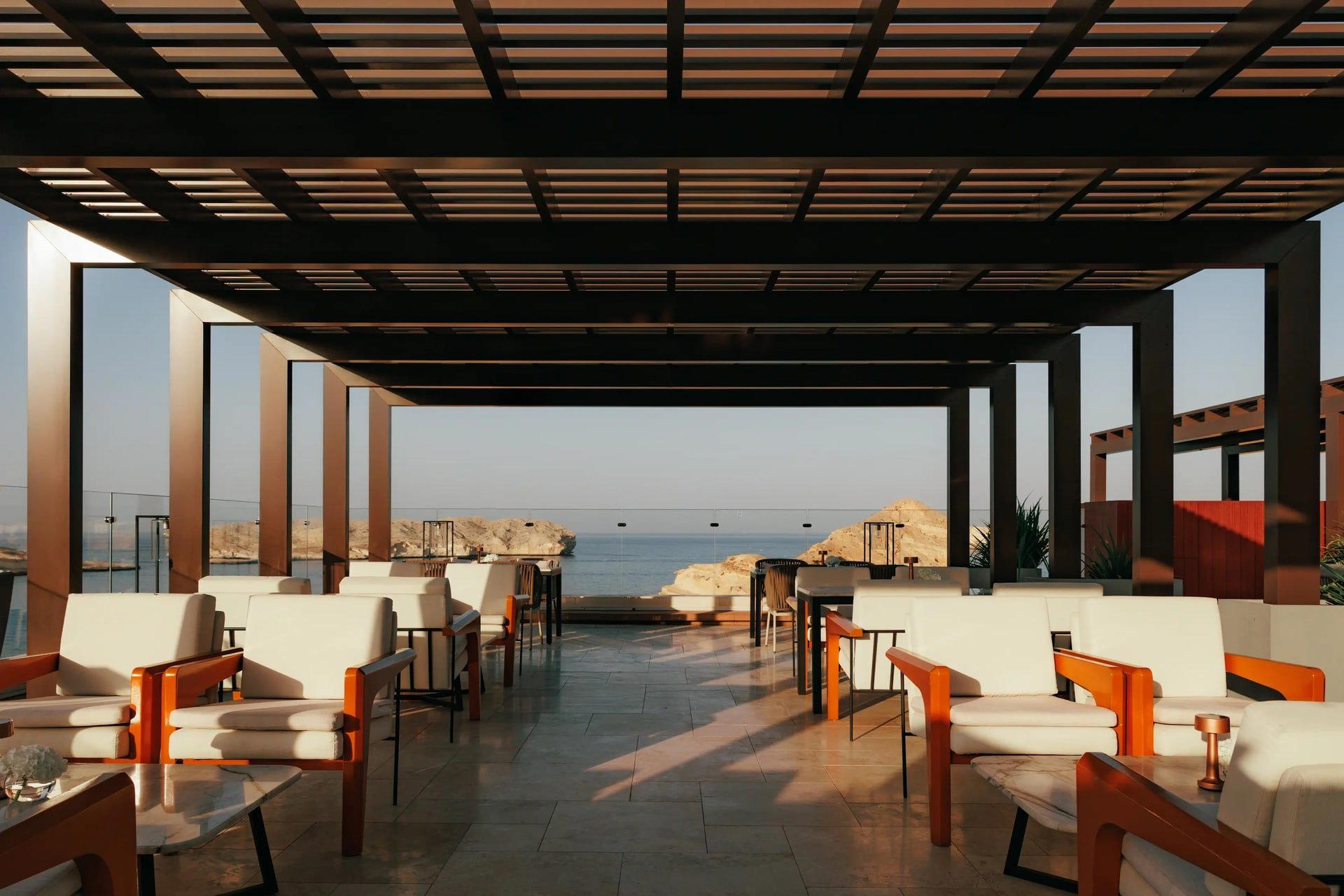
Details
- Elegant
- Scenic
- Modern
- Sophisticated
- Family
- Group Dining
- Celebration
- Business Dinner
- Brunch
- Waterfront
- Terrace
- Panoramic View
- Hotel Restaurant
- Waterfront
- Garden
- Buffet
- A La Carte
- Wine
- Beer
- Cocktails
- Non Alcoholic
- Vegetarian Friendly
- Vegan Options
- Halal
Current opening hours
- Monday
- 7–10:30 AM, 12:30–3:30 PM, 6:30–10 PM
- Tuesday
- 7–10:30 AM, 12:30–3:30 PM, 6:30–10 PM
- Wednesday
- 7–10:30 AM, 12:30–3:30 PM, 6:30–10 PM
- Thursday
- 7–10:30 AM, 12:30–3:30 PM, 6:30–10 PM
- Friday
- 7–10:30 AM, 12:30–3:30 PM, 6:30–10 PM
- Saturday
- 7–10:30 AM, 12:30–3:30 PM, 6:30–10 PM
- Sunday
- 7–10:30 AM, 12:30–3:30 PM, 6:30–10 PM
Hours can change for holidays and private events. Hours as of .
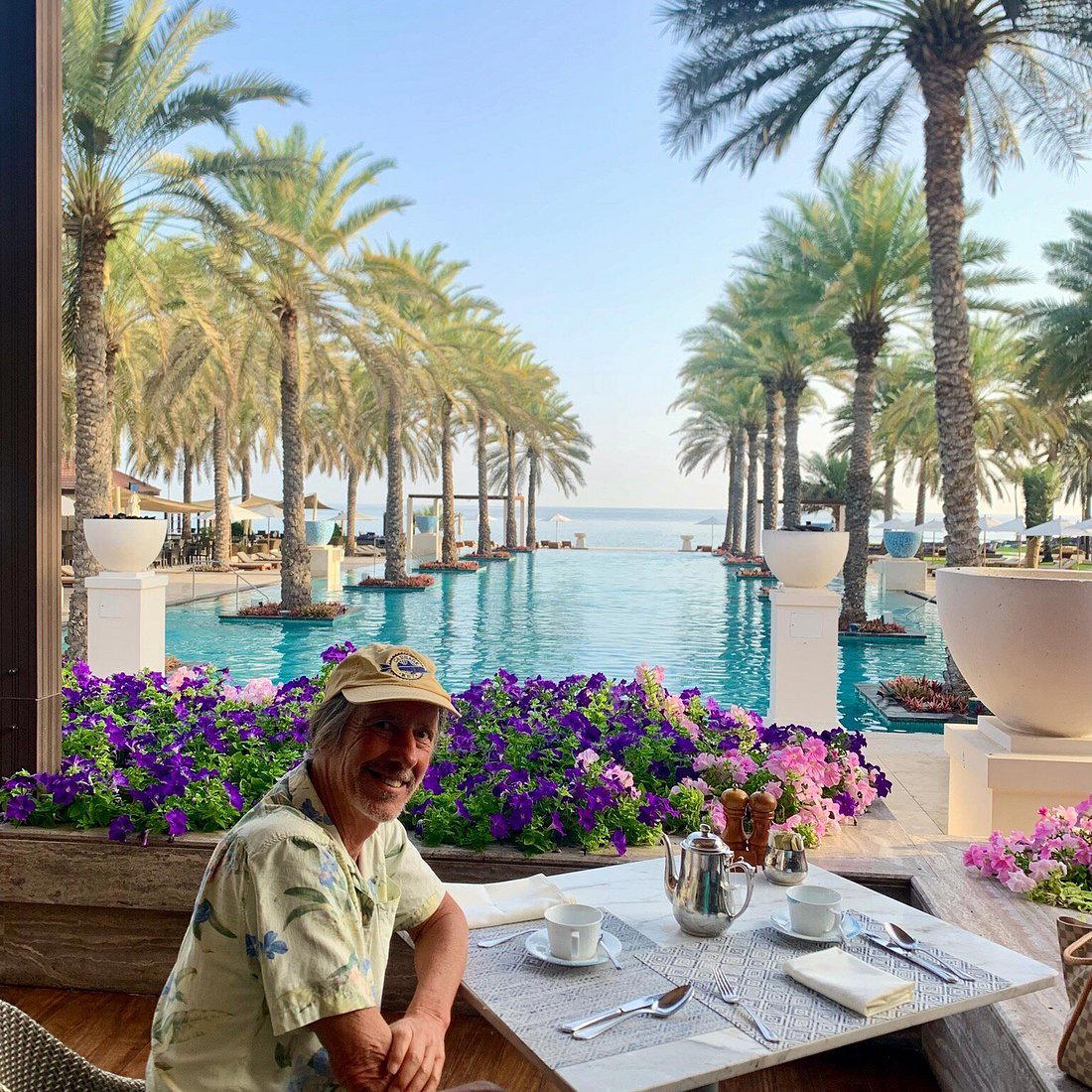
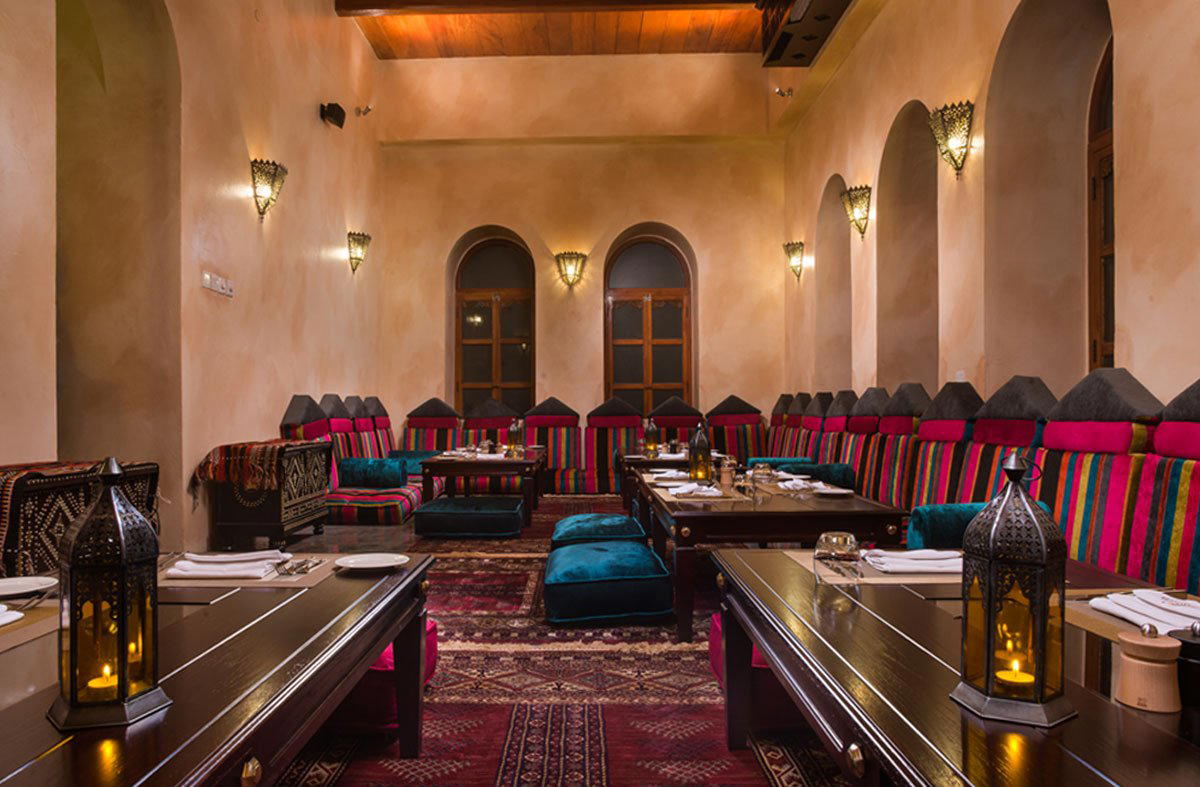
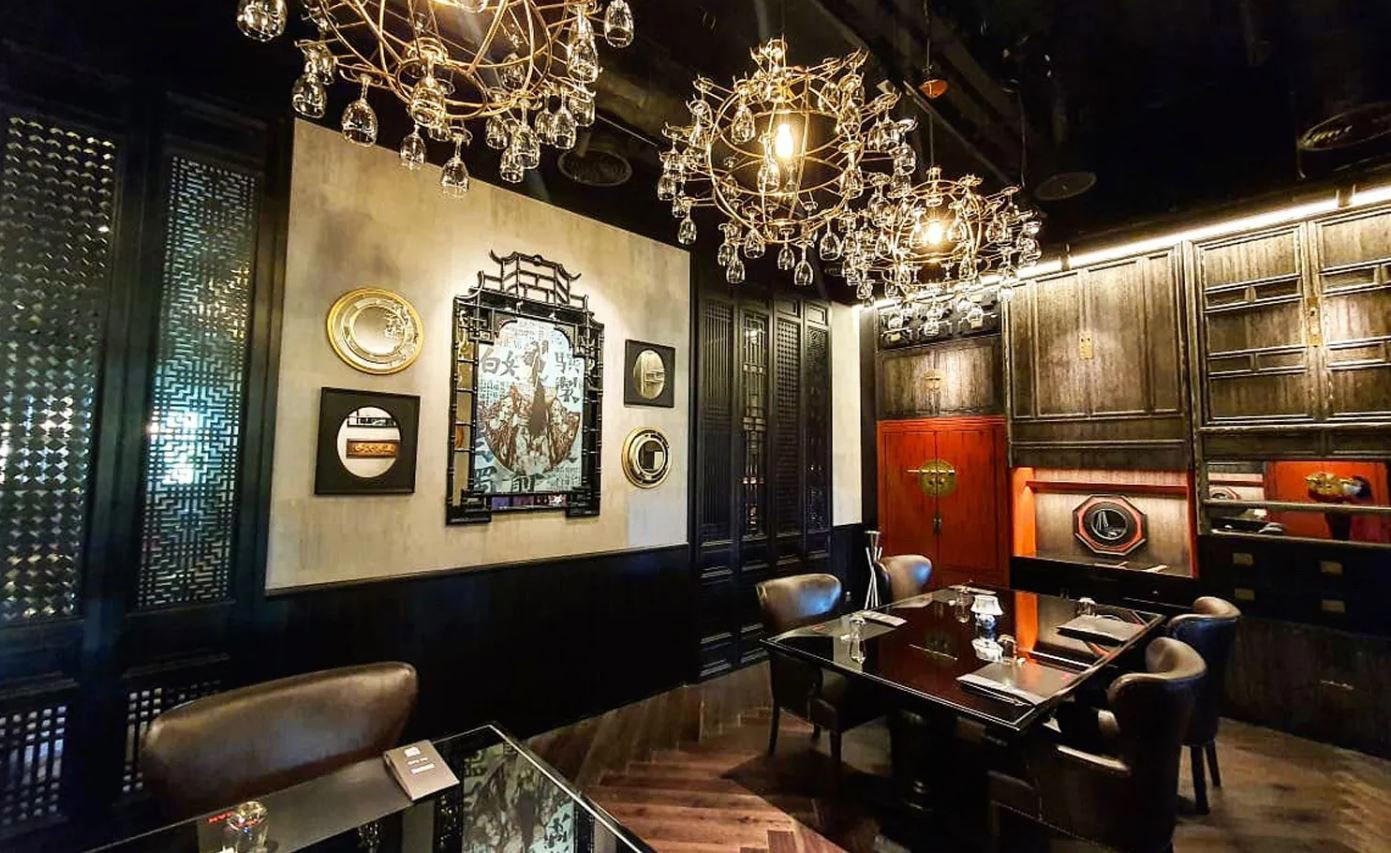
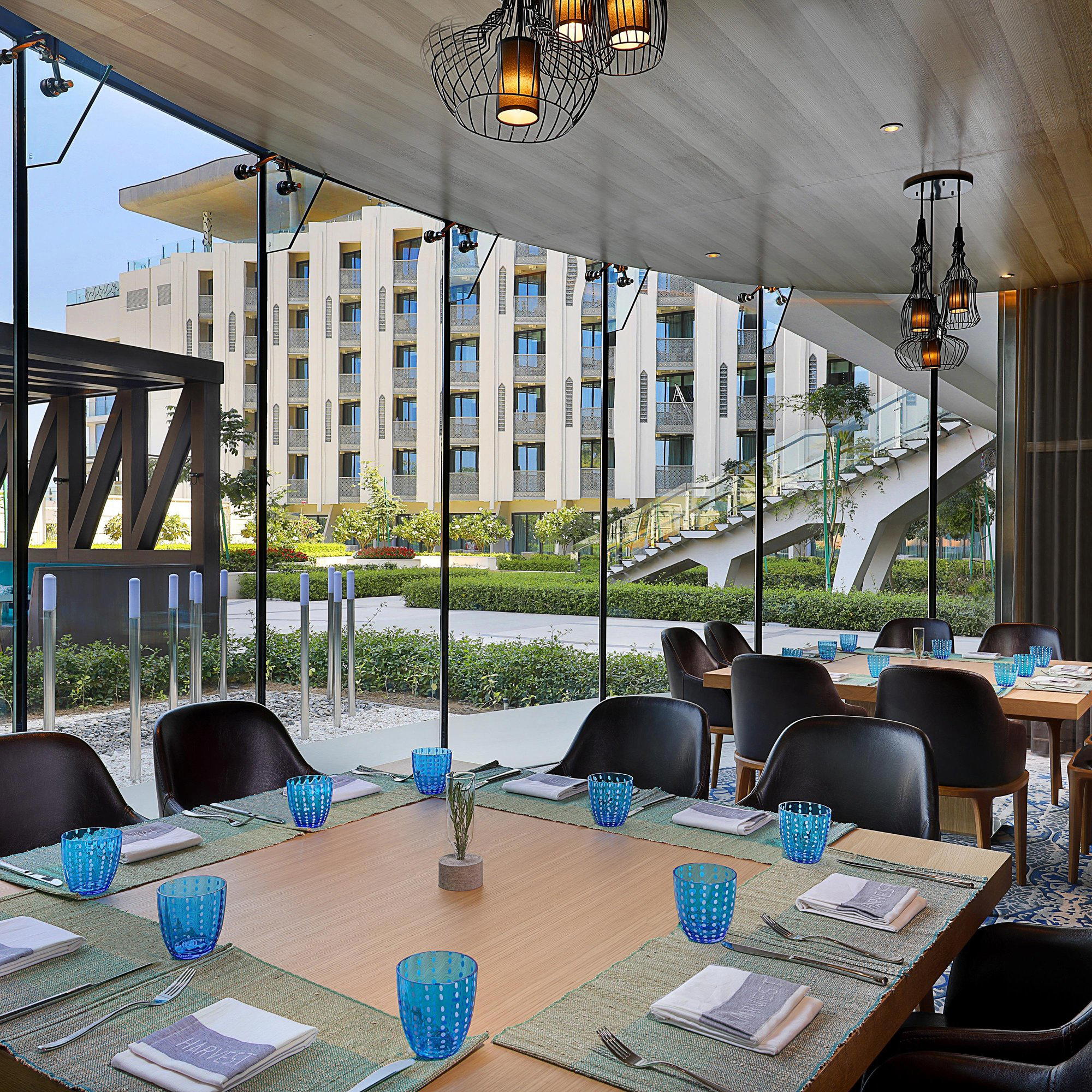
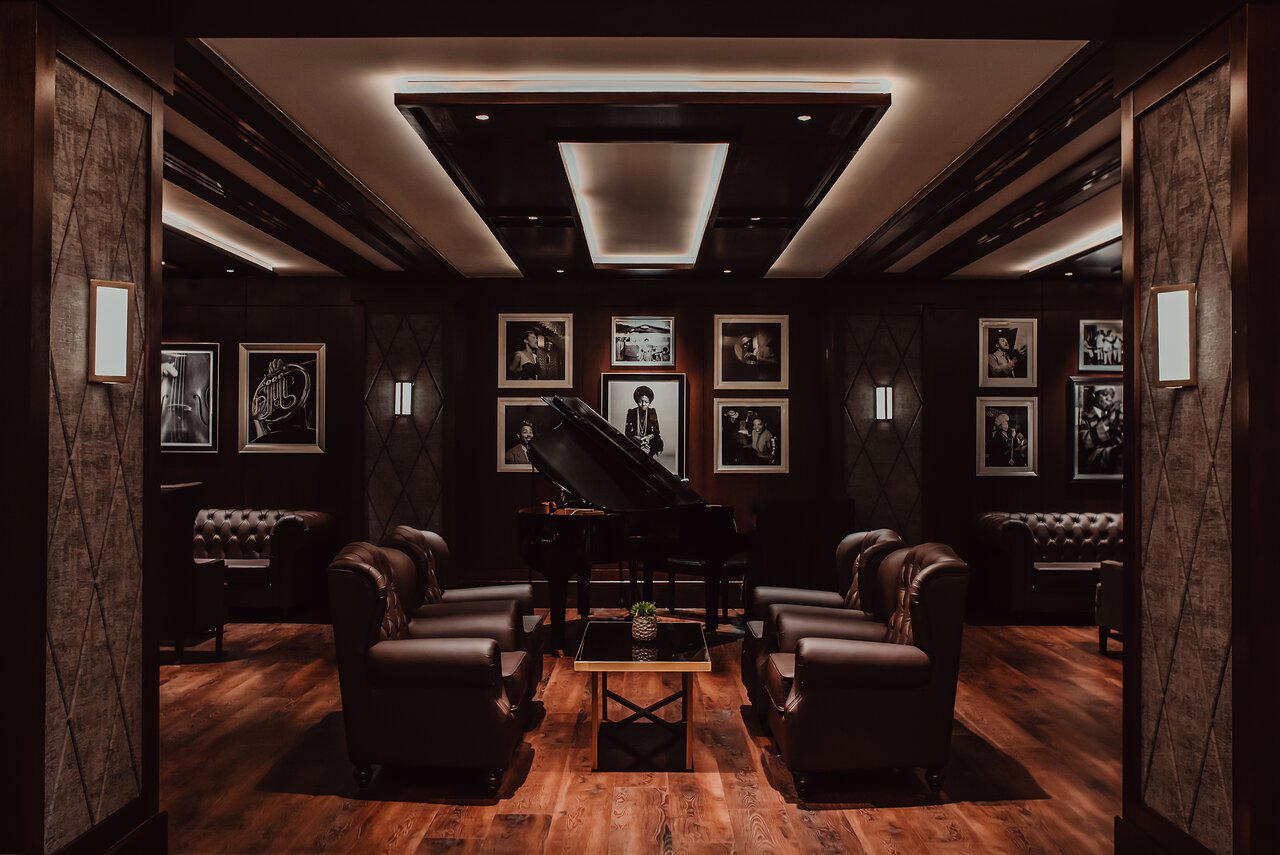
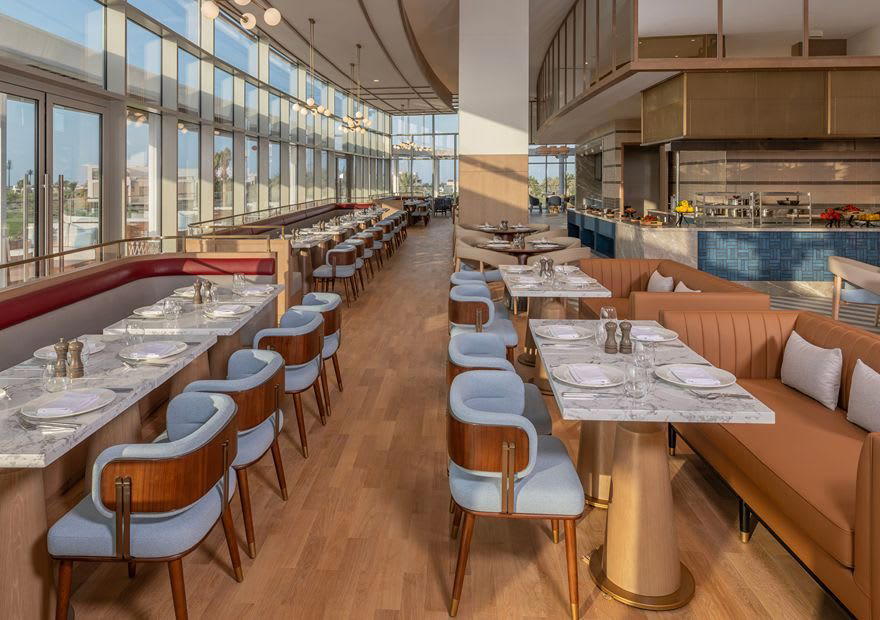
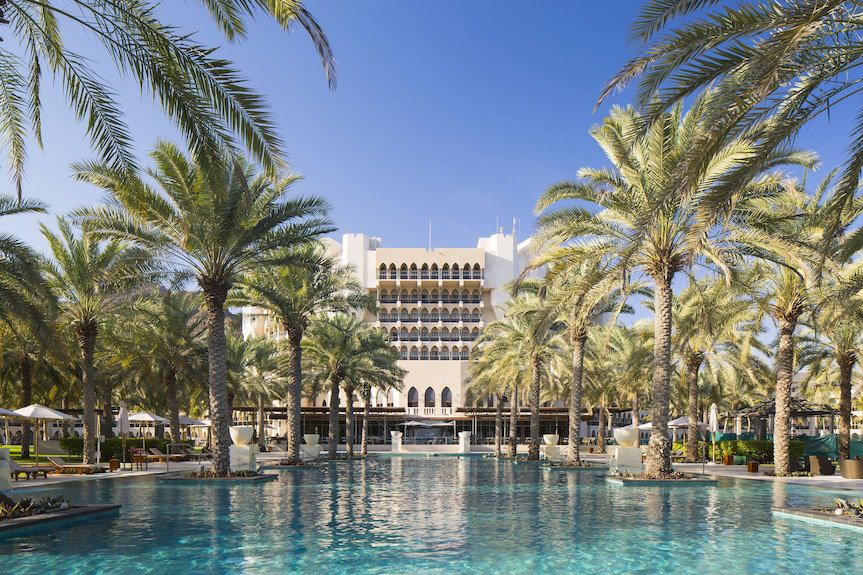
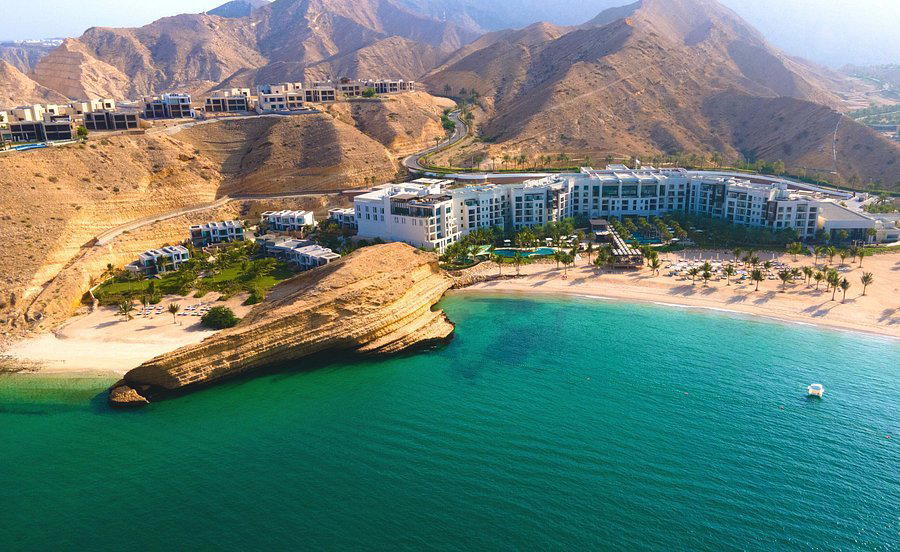
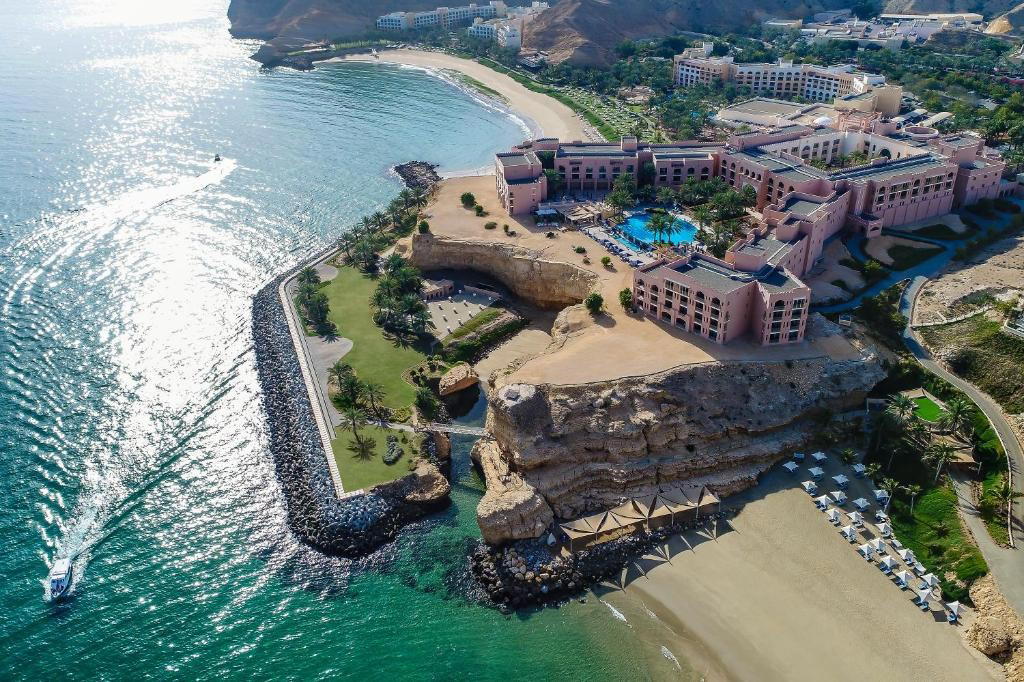
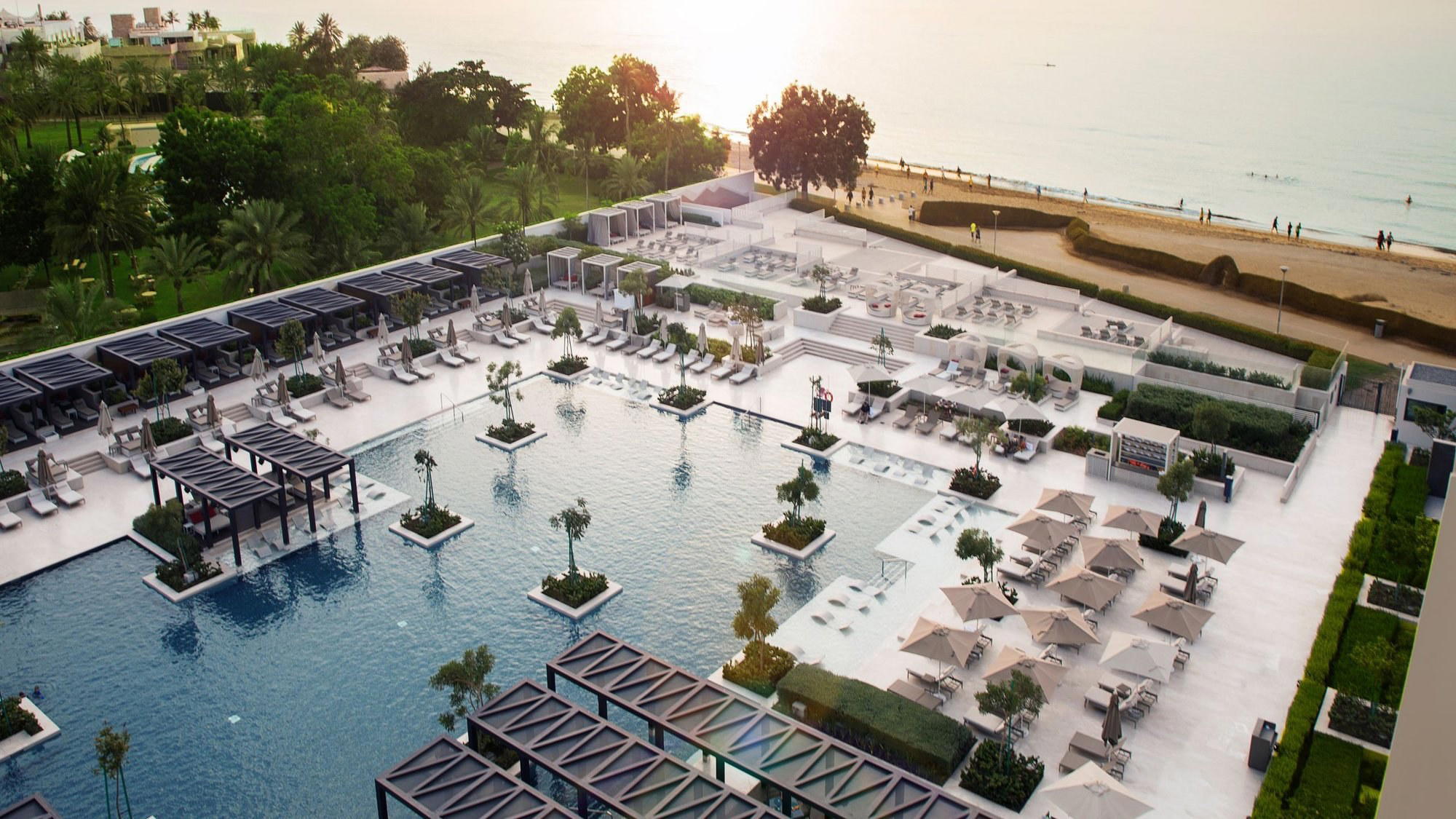
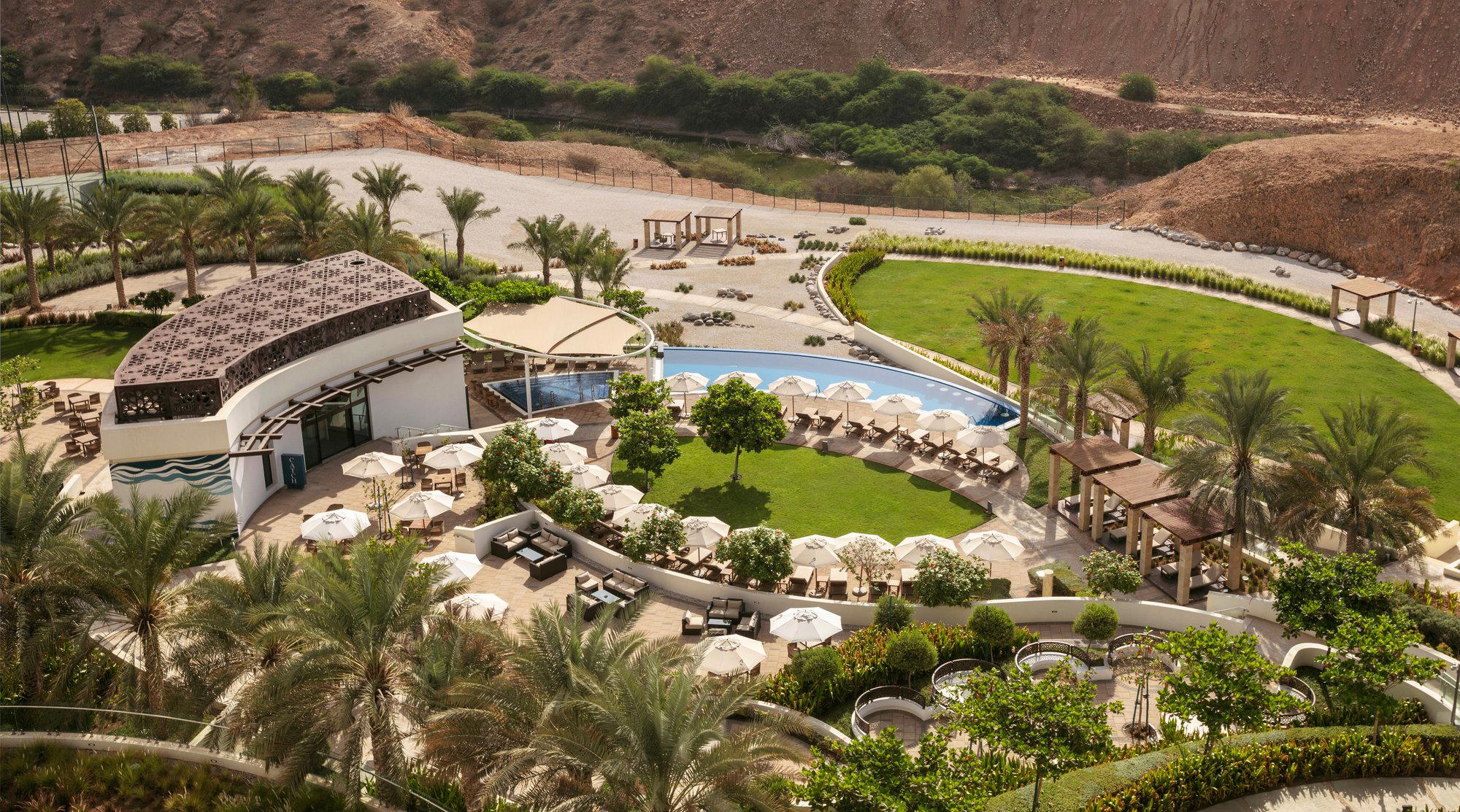
Upscale yet relaxed resort atmosphere with bright natural light by day, warm lighting at night, and indoor-outdoor seating that looks over landscaped gardens, the infinity pool, and the sea.