Our verdict
Bonnie belongs to the Paris category where the room, the arrondissement, and the sourcing expectations carry as much weight as the cooking label. In the 4th arrondissement, the useful question is not whether a table feels fashionable, but whether the kitchen can make market produce, seafood, dairy, and meat read clearly rather than hiding behind décor.

Pearl is the En Primeur Club membership app, where members save venues, book tables and use the concierge.
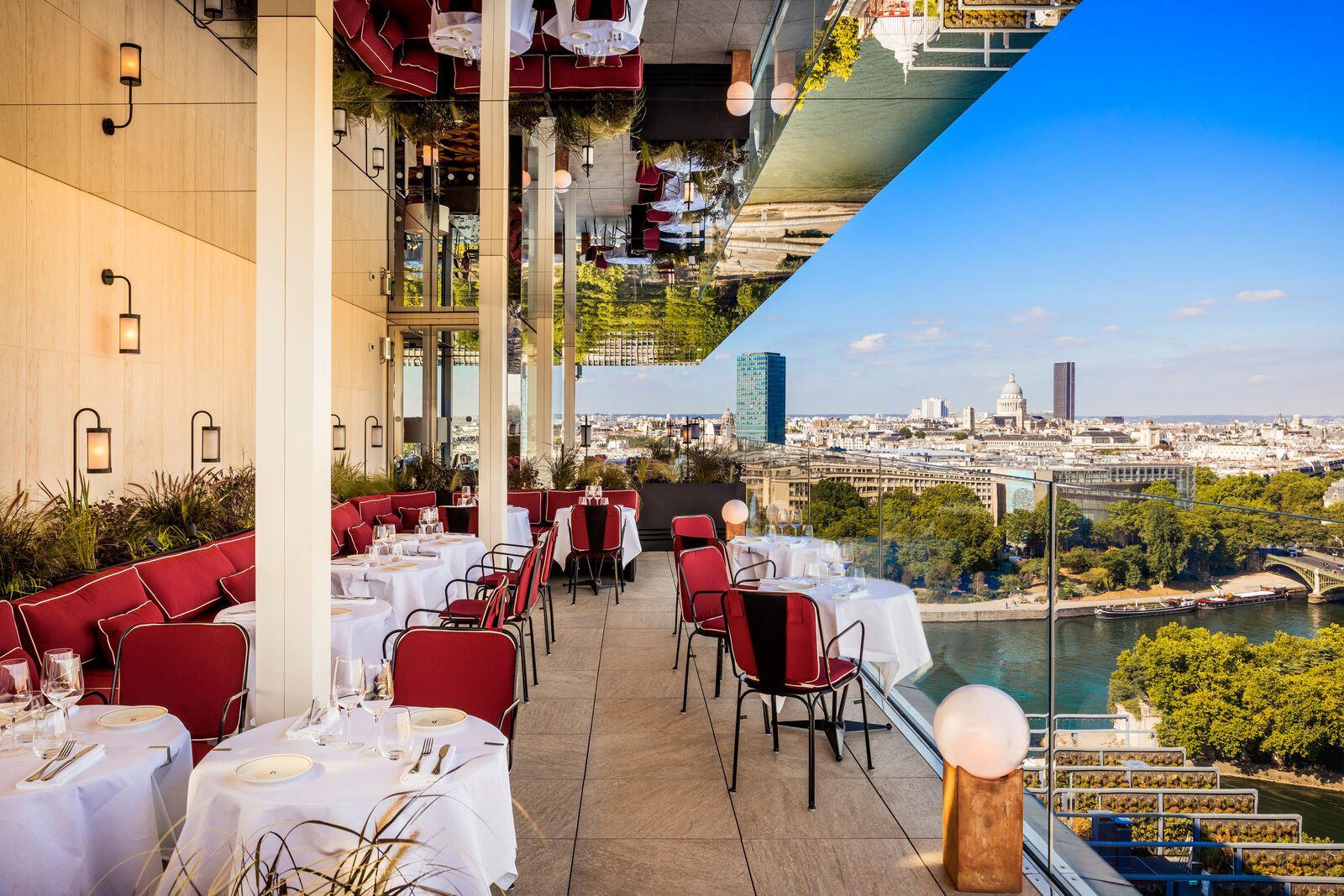
Approaching Bonnie in Paris, the city shifts register: movement gathers and thins, and dining sits between polished hospitality and everyday urban utility. That setting matters for Bonnie, because Paris does not reward vague luxury. The strongest rooms know produce, bread, dairy, seafood, and meat must carry the argument. In a city where diners can cross several culinary eras in a short walk, sourcing is not a side note; it separates a restaurant that feels current from one that merely photographs well.
Paris has spent the past decade tightening expectations around ingredient clarity. The old divide between ceremonial dining and bistro cooking has softened, while mid-to-high tier restaurants now borrow from both: the visual discipline of luxury rooms, the market logic of smaller kitchens, and the service cadence of all-day urban restaurants. Bonnie sits inside that conversation. Its location in Paris places it in a city where a meal competes not only with nearby restaurants but with the local habit of turning a weekday lunch or late dinner into a social decision.
Ingredient clarity is the real test in this part of Paris
Paris is a useful lens for contemporary dining because it is neither purely residential nor purely ceremonial. The audience changes by hour: local office lunches, hotel guests, regulars, visitors moving through the city, and late tables treating dinner as part of a longer evening. In that mix, a restaurant cannot rely on one identity. It needs sourcing that works across formats, with dishes that read cleanly at lunch and retain structure at night.
That is where Bonnie’s editorial interest lies. Without relying on a public cuisine label, named chef, or trophy language, the sensible reading is category pressure rather than mythology. Paris diners now expect provenance without a lecture: vegetables that taste seasonal, fish and shellfish handled with restraint, meat cooked confidently enough to avoid over-saucing, and desserts that understand French pastry discipline without turning dinner into a showroom. Strong modern Paris rooms make ingredients legible; weaker ones use styling to cover a generic plate.
The comparison set in Paris frames that distinction. A venue such as Thaï Spices has a clearer identity signal, while Soé and Ilô point toward other contemporary lanes in the city. Bonnie is harder to reduce, making sourcing and execution the more useful measures. Readers comparing broader Paris options can also look at other Paris dining rooms to see how restaurants declare themselves through format, cuisine, or setting.
Paris has moved beyond décor-first dining
Paris is full of rooms that understand theatre. The sharper question in 2026 is whether the food keeps pace. In the city’s hospitality landscape, dining rooms often borrow from hotel culture, cocktail-bar rhythm, and restaurant service at once. That mix helps when it produces flexible pacing and broad menu structure; it flattens personality when the kitchen becomes an accessory. Bonnie’s relevance depends on the former reading: a polished urban address where the food justifies the social energy around it.
Ingredient sourcing is the cleanest way to judge that category because it cuts through adjectives. French dining has always been tied to supply chains, from market vegetables and coastal seafood to cheese, butter, poultry, and charcuterie traditions. What has changed is the transparency diners expect. A Paris menu no longer earns attention by listing luxury products alone. It must show whether those products are used with purpose, whether seasonality shapes the plate, and whether the kitchen knows when to leave an ingredient alone.
That also explains why awards are not the only useful trust signal in Paris. Guides and formal recognition remain powerful, but many contemporary restaurants operate where repeat local use, neighbourhood fit, hours of service, and consistency across lunch and dinner matter as much as awards shorthand. Bonnie’s practical appeal belongs to Paris restaurants that need to function repeatedly, not merely perform on a single special-occasion axis.
For travellers building a wider itinerary, the city reads better when restaurants are mapped against adjacent categories. A dinner in Paris can sit beside a hotel decision from the Paris hotels guide, a pre- or post-dinner drink from the Paris bars guide, a wine-led plan from the Paris wineries guide, or cultural programming from the Paris experiences guide. For restaurant-only planning, the full Paris restaurants guide gives the cleaner comparison.
How to read Bonnie against France's broader dining map
Paris is not the whole French story. The capital sets pace, but dining elsewhere often reveals sourcing logic more directly: coastal produce, mountain cooking, regional structure, and vineyard-country dining each place different demands on a kitchen. A Paris address should be judged both locally and nationally. The question is not whether it resembles another format, but whether it understands the same French rule: ingredients need a reason to be on the plate.
For broader context, compare the capital with other French dining rooms across coastal, mountain, heritage, and city settings. Those references show how setting alters expectation: each context puts different pressure on sourcing. International contrasts underline the same point from another angle: credibility often begins with how clearly a restaurant defines its raw materials and format.
The practical editorial verdict is restrained but clear. Bonnie is interesting for readers who want a contemporary Paris room and judge a restaurant by how well it translates sourcing into a meal, not by awards shorthand or chef mythology. In a city crowded with decorative dining, that is the right test.
Frequently asked questions
When can I go to Bonnie?
Bonnie is a Paris restaurant; check its current opening hours directly before planning a visit.
Where is Bonnie in Paris?
Bonnie is located in Paris.
What's the standout thing about Bonnie?
Bonnie’s clearest selling point is its place in contemporary Paris dining. The practical draw is a polished city restaurant where sourcing, execution, and social energy matter more than easy shorthand.
Can Bonnie accommodate dietary restrictions?
Bonnie’s listing does not specify cuisine type, menu format, or dietary handling. The sensible approach is to raise restrictions in advance when planning a meal in Paris.
Comparison Snapshot
Nearby venues at a similar price tier for orientation.
| Venue | Cuisine | Price | Awards | Notes |
|---|---|---|---|---|
| BonnieThis venue (the venue you are viewing) | Modern Parisian restaurant, bar & rooftop club | $100–150 | Not listed | Not listed |
| BAANBECK | Modern Lao-Thai Bistro | $30–50 | Not listed | Not listed |
| Thaï Spices | Authentic Thai | $30–50 | Michelin Plate | Thai |
| Soé | French-Asian Izakaya | Not listed | Michelin Plate | Creative |
| Le Petit Célestin | Classic French Bistro | $50–100 | Not listed | Not listed |
| Ilô | Franco-Japanese Fusion | $50–100 | Michelin Plate | Modern Cuisine |
Continue exploring
More in Paris
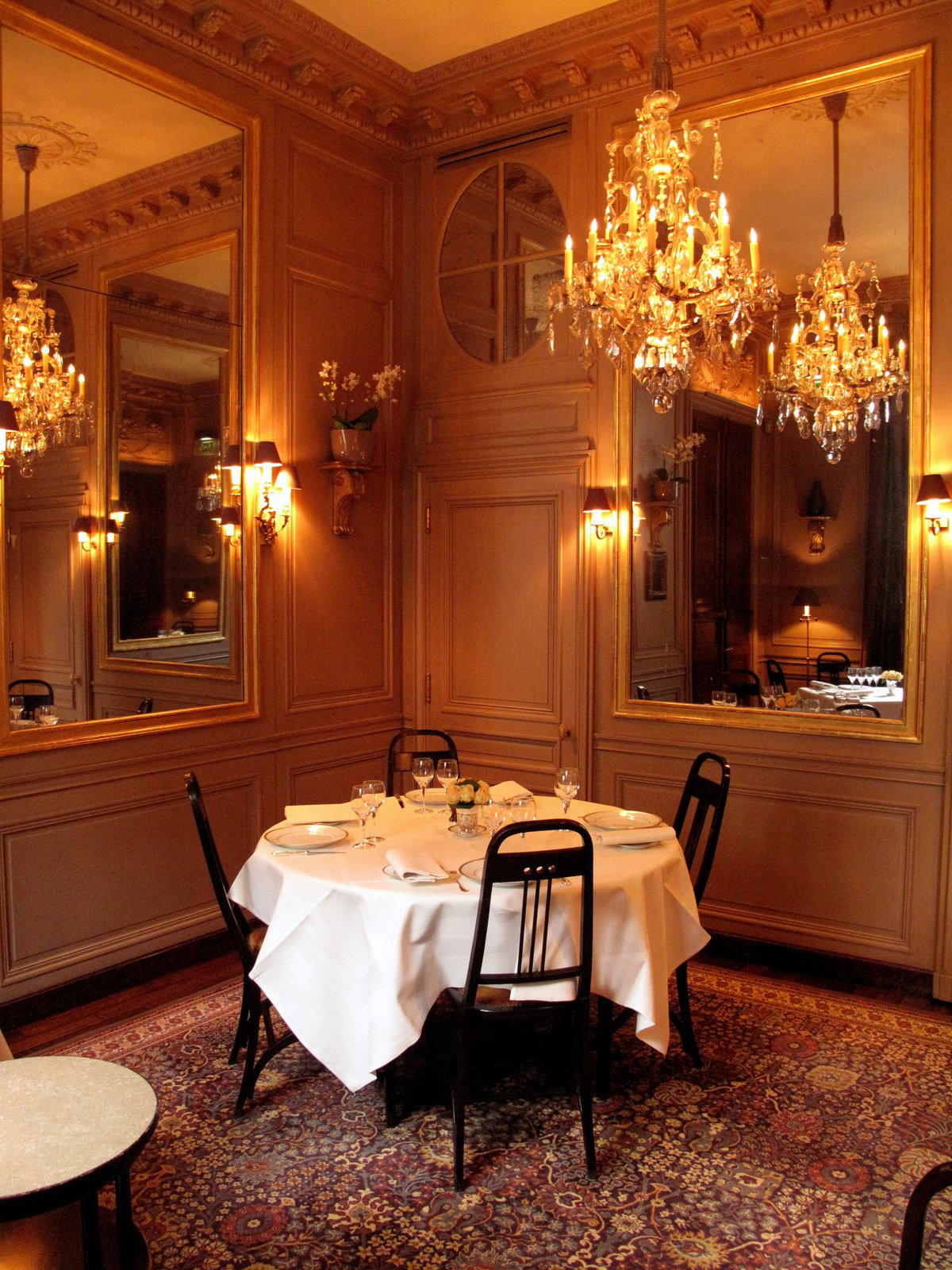
Restaurants in Paris
All restaurants in Paris →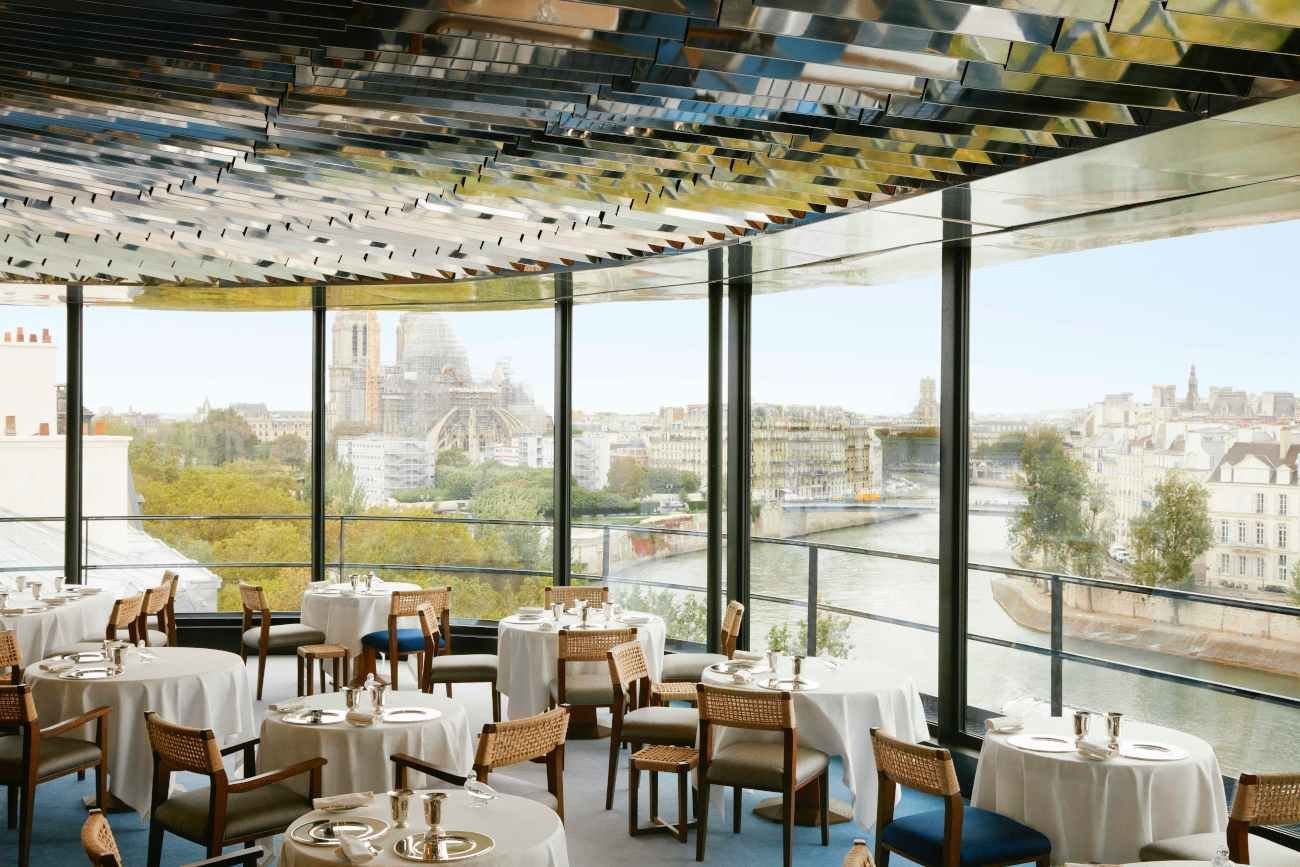
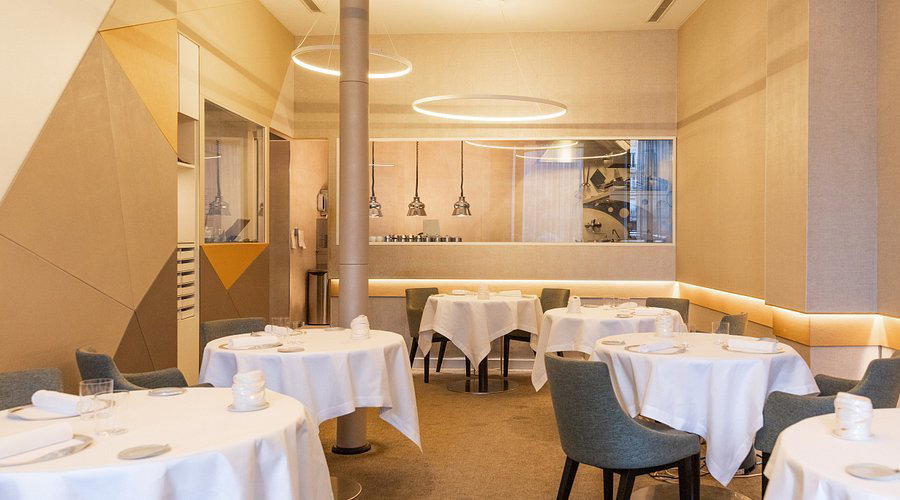
Bars in Paris
All bars in Paris →
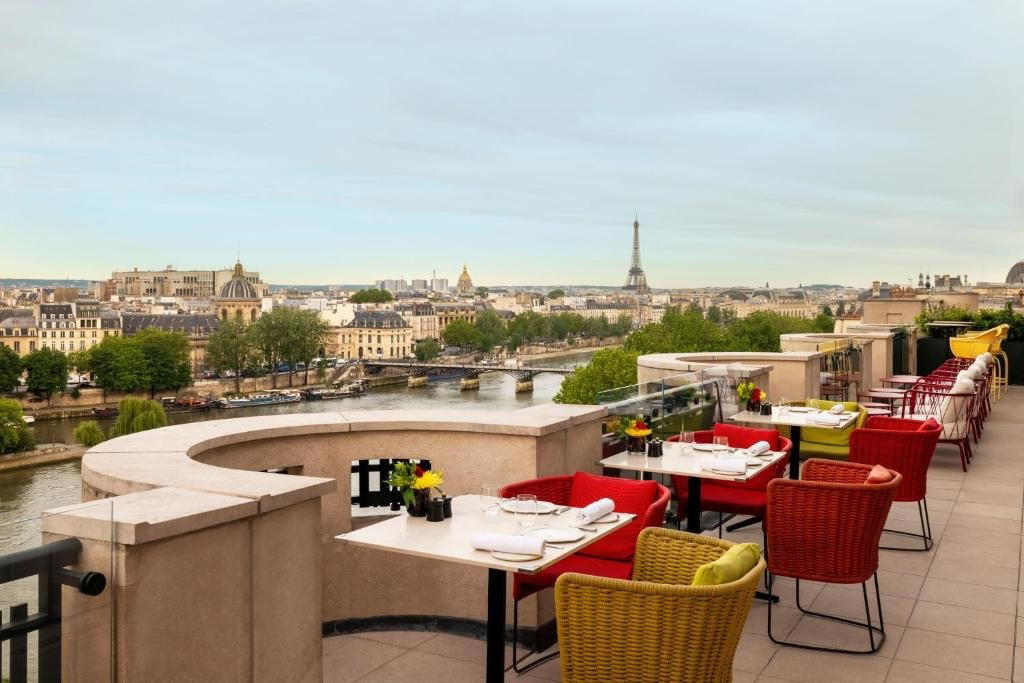

Details
- Trendy
- Scenic
- Elegant
- Lively
- Sophisticated
- Well Known
- Date Night
- Business Dinner
- Group Dining
- Celebration
- Special Occasion
- Late Night
- Rooftop
- Waterfront
- Panoramic View
- Design Destination
- Hotel Restaurant
- Craft Cocktails
- Extensive Wine List
- Zero Proof
- Waterfront
- Skyline
- A La Carte
- Small Plates
- Cocktails
- Wine
- Spirits
Current opening hours
- Monday
- 12–3 PM, 7–11 PM
- Tuesday
- 12–3 PM, 7–11 PM
- Wednesday
- 12–3 PM, 7–11 PM
- Thursday
- 12–3 PM, 7–11:30 PM
- Friday
- 12–3 PM, 7–11:30 PM
- Saturday
- 12:30–3:30 PM, 7–11:30 PM
- Sunday
- 12:30–3:30 PM, 7–11 PM
Hours can change for holidays and private events. Hours as of .
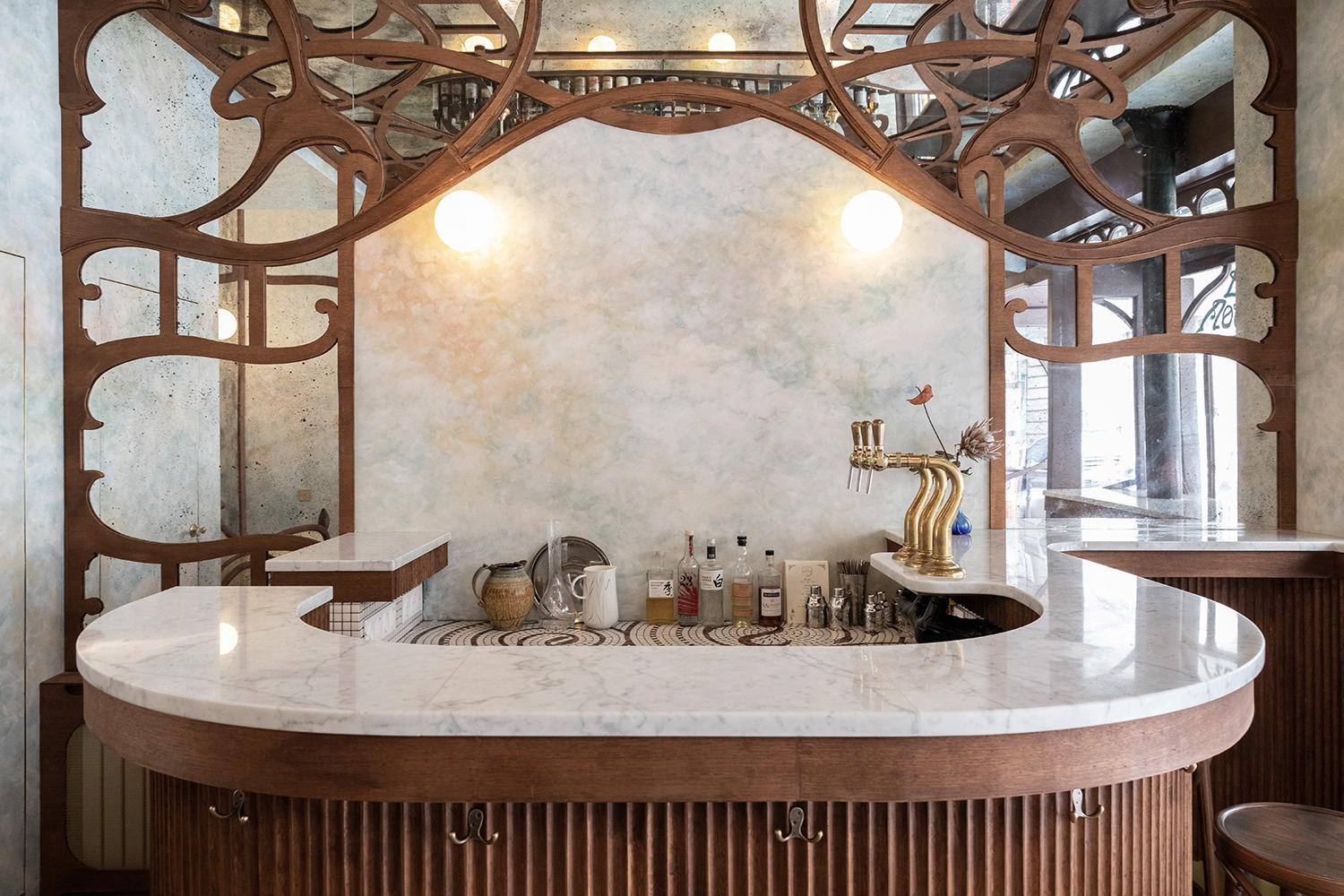
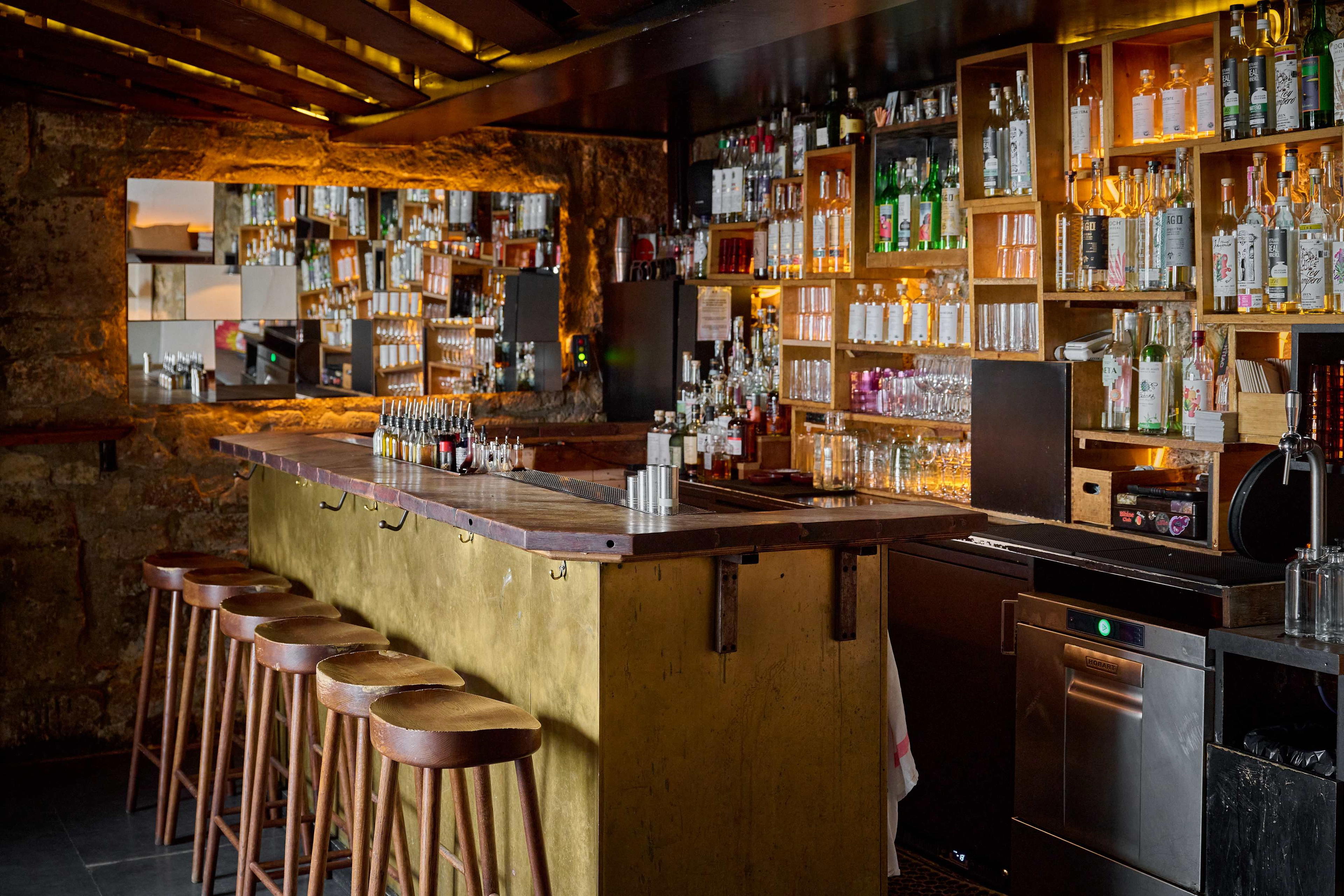
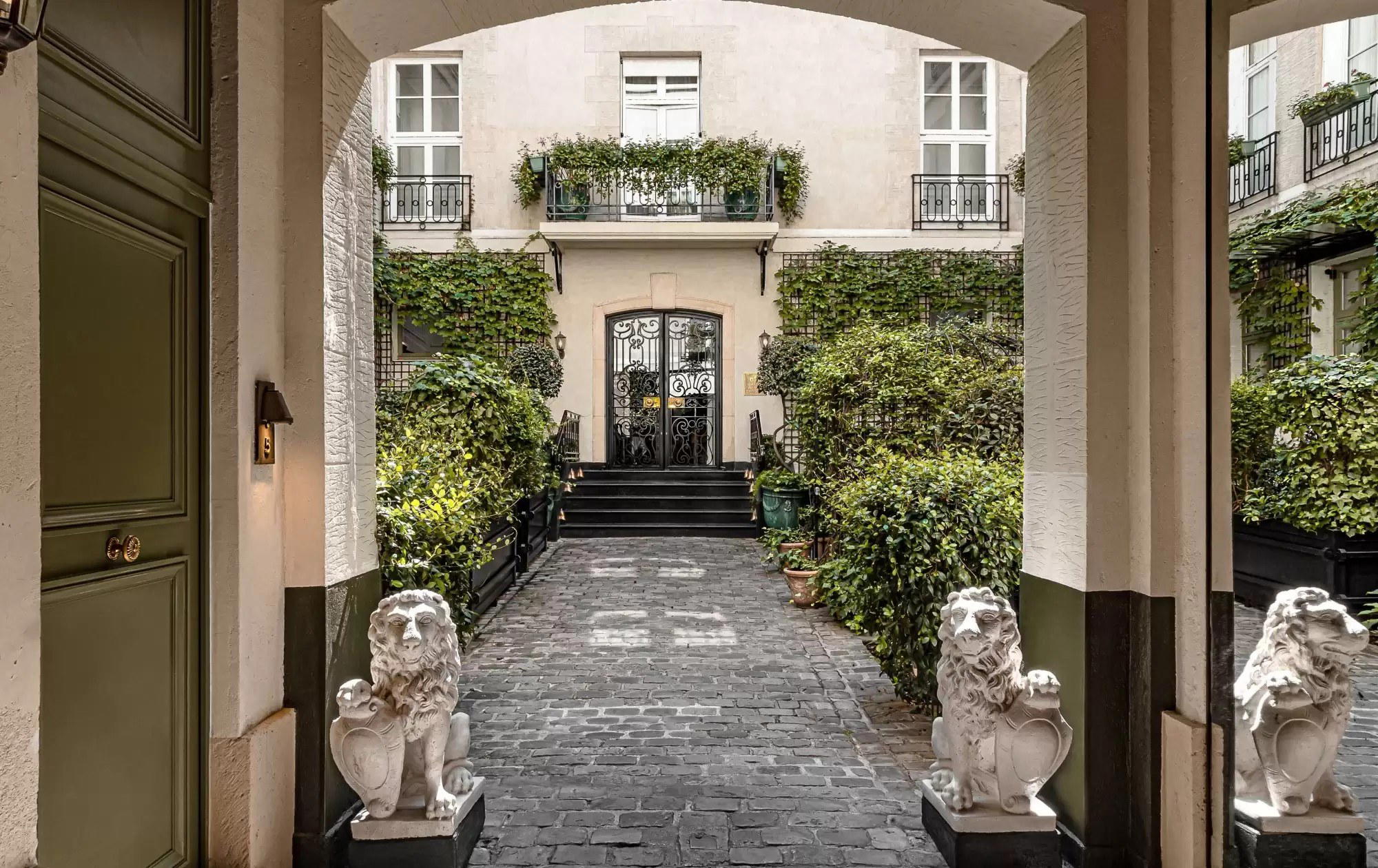
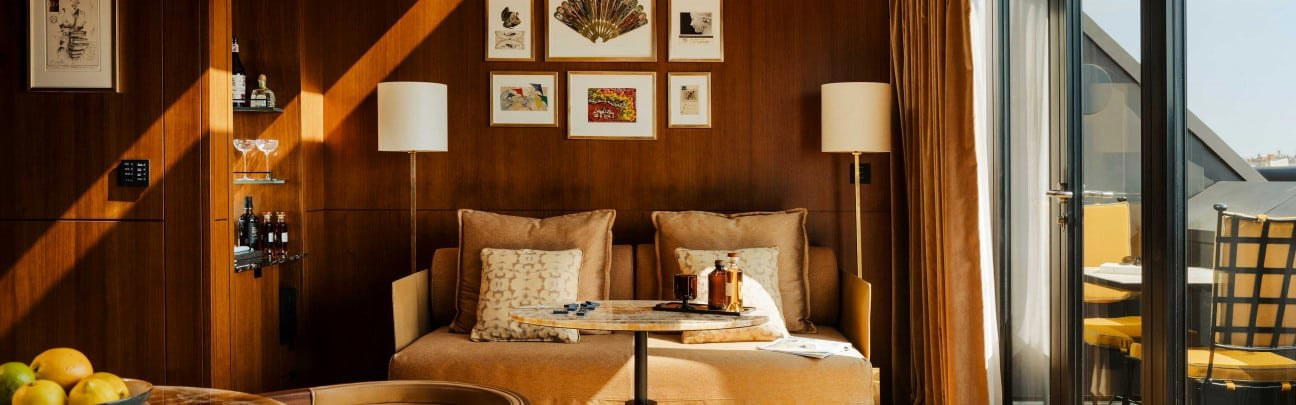
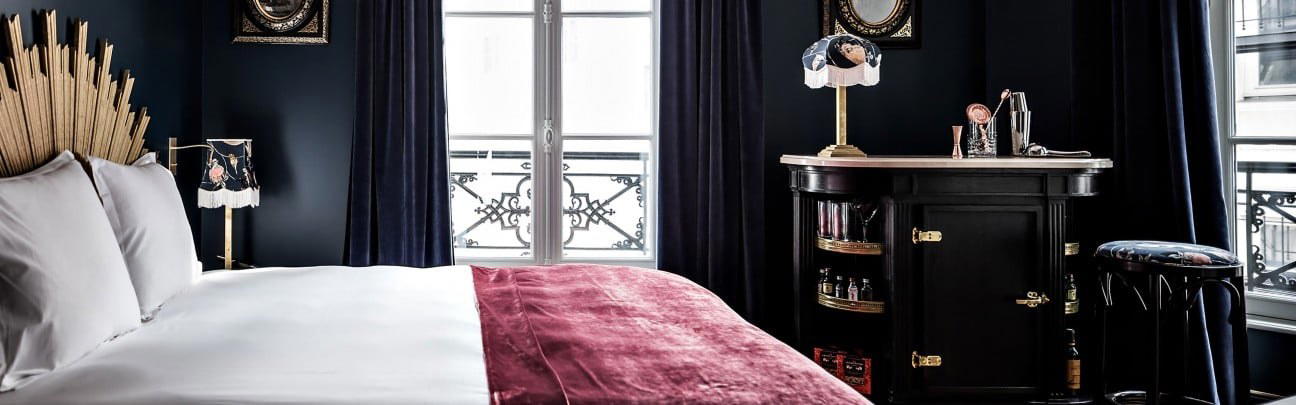
High-energy, design-driven rooftop setting with dramatic Paris skyline and river views, mixing chic hotel-restaurant polish with a glamorous cocktail-bar and late-night club atmosphere.