Our verdict
Boma in Hartbeestfontein points to a South African dining format built around fire, open air, and communal eating rather than formal restaurant theatre. With its outdoor boma setting on the R507, the appeal is less about chef-led tasting-menu culture and more about the regional grammar of flame, smoke, shared space, and local sourcing when the format is handled with restraint.

Pearl is the En Primeur Club membership app — saves, bookings, and concierge access live there. Same editors, same standards.
- Address
- R507, Hartbeesfontein, 2600, South Africa (outdoor boma area)
- Directions
- Get directions
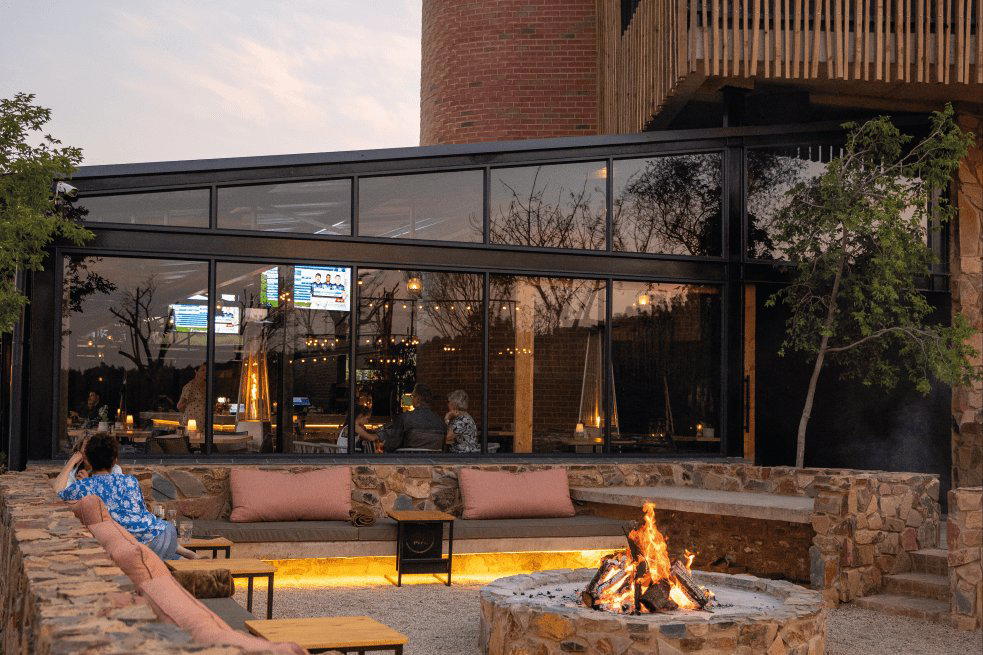
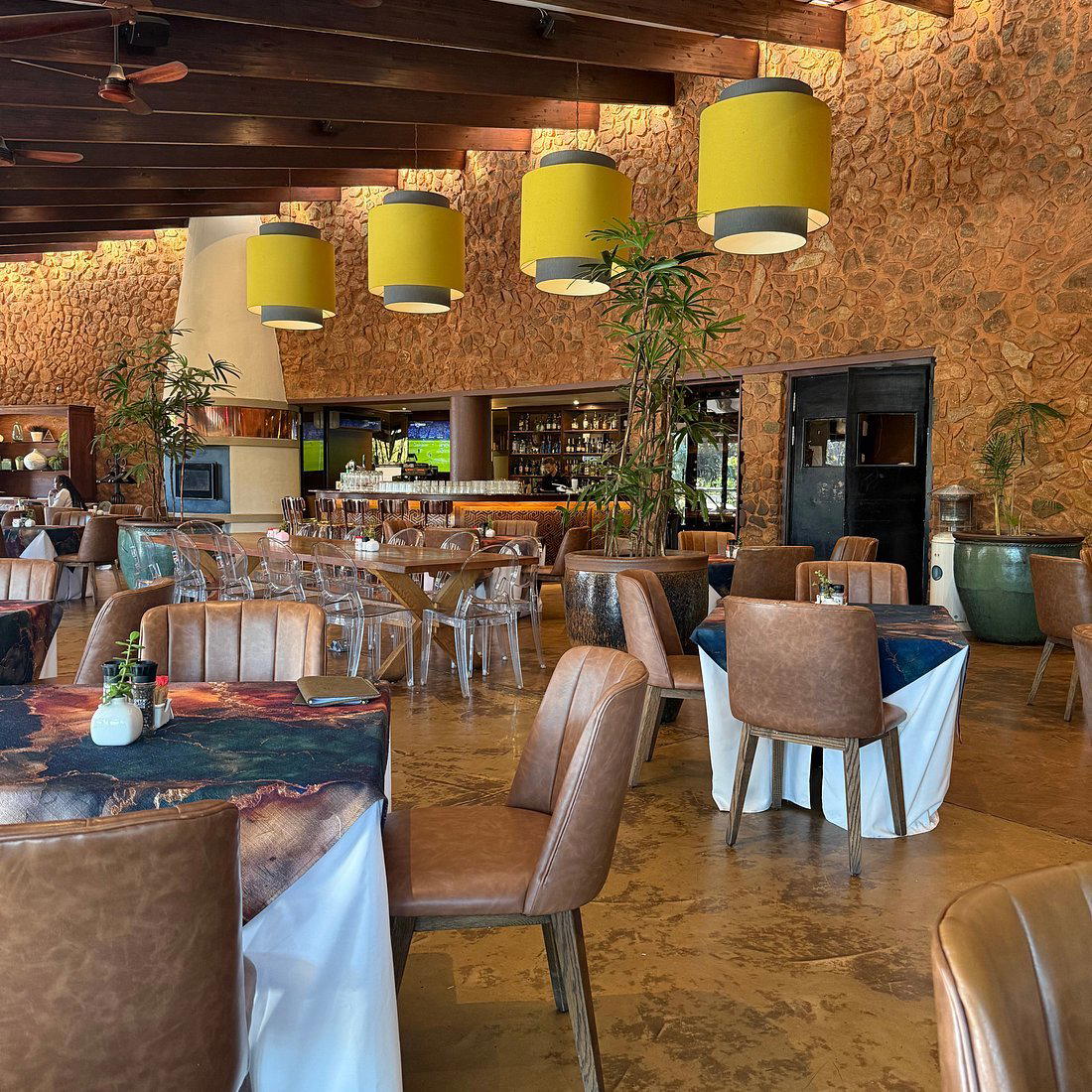
Arriving at an outdoor boma changes the register of a meal before a plate appears. The frame is open air rather than dining room polish: fire, night temperature, rural road, and the social rhythm of a gathering space. In Hartbeestfontein, that matters. Boma sits in Hartbeestfontein, which places it closer to South Africa’s fire-based hospitality tradition than to the urban restaurant model built around tasting menus, sommelier theatre, and design-led interiors.
Fire, locality, and the boma format
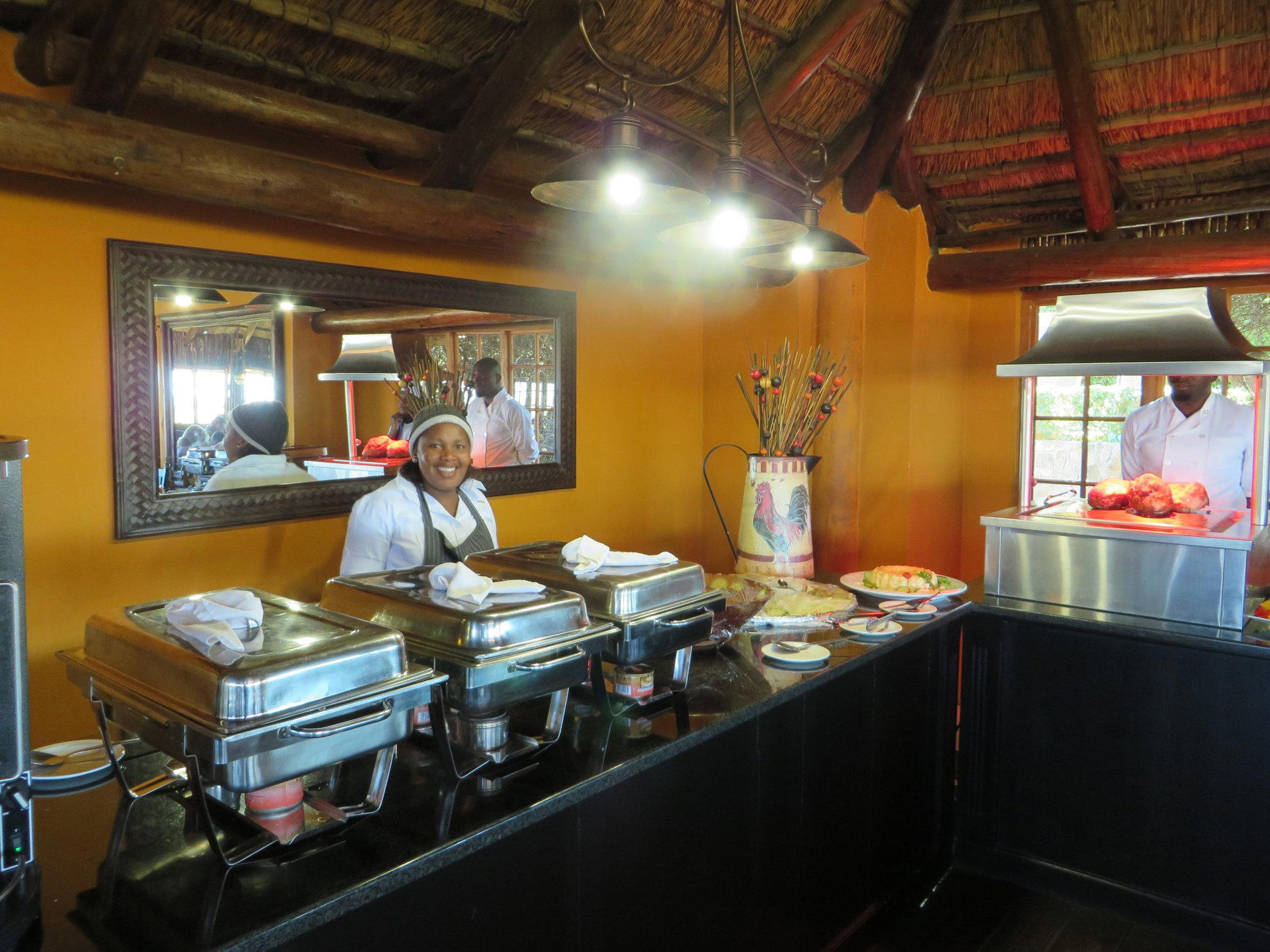
The boma tradition is not simply outdoor seating. In South African usage, it usually signals an enclosed or semi-enclosed gathering area where cooking and hosting revolve around flame. That format gives ingredient sourcing a different weight: meat, grain, vegetables, marinades, and sides are judged less by plating architecture than by how well they hold up to heat, smoke, and sharing. In a Hartbeestfontein context, the value is in directness. A boma meal works when the food reads as practical, place-aware, and timed to the fire rather than forced into restaurant fashion.
That is the useful lens for Boma. The public record keeps the critical question grounded: not whether it belongs in a luxury dining league table, but whether the format offers a clear sense of place. Hartbeestfontein is not a major metropolitan dining circuit, and its dining scene should not be judged by the same signals. The stronger comparison is local: Baralong Kraal and Breakfast Parlour help define a smaller-town restaurant circuit where usefulness, gathering, and familiarity carry more weight than ceremony. For the broader map, use Our full Hartbeestfontein restaurants guide.
Where Hartbeestfontein differs from the city circuit
South Africa’s restaurant conversation is often pulled toward coastal wine estates, hotel dining rooms, and big-city openings. Those places have their own logic: cellar depth, chef résumés, produce gardens, and internationally legible service formats. A Hartbeestfontein boma operates with a different promise. The room is not the point; the setting is. The meal is shaped by weather, group size, road-trip timing, and the social ease of eating outdoors. That makes sourcing more visible in plain terms. Ingredients need to taste appropriate to the place and the cooking method, not merely signal provenance on a printed menu.
Readers building a South Africa dining route can see the contrast by looking across the country’s other formats: coastal dining rooms, wine-estate restaurants, reserve settings, hotel dining rooms, city restaurants, and other small-town stops. Those references are not interchangeable; they show how sharply South African dining changes when the setting shifts from farm estate to coast, reserve, hotel, city, and small town.
How to place it in a wider itinerary
Boma makes sense as part of a Hartbeestfontein plan rather than as a standalone trophy booking. Its Hartbeestfontein setting puts the experience in a road-based itinerary, so timing and weather matter more than they would in a conventional dining room. Treat it as an outdoor-format meal: suitable for travellers who want a local social setting and fire-led informality, less suited to diners seeking a controlled, quiet, chef-counter experience. For the rest of the town’s planning grid, keep Our full Hartbeestfontein hotels guide, Our full Hartbeestfontein bars guide, Our full Hartbeestfontein wineries guide, and Our full Hartbeestfontein experiences guide close at hand.
The editorial verdict is simple: Boma belongs in the category of place-led South African dining, where the outdoor format and the fire do the heavy lifting. Travellers comparing it with urban casual formats elsewhere are looking at a different grammar entirely. Here, the interest is not technical minimalism or counter precision. It is the older, sturdier equation of open air, heat, ingredients that suit the flame, and a small-town setting that makes the format feel native rather than themed.
Frequently asked questions
Would Boma be comfortable with kids?
The Hartbeestfontein setting suggests an informal stop that may suit families better than a formal dining room. Without a cuisine type or service format listed, it is sensible to treat it as a relaxed stop rather than a polished evening venue.
Is Boma better for a quiet night or a lively one?
Boma reads more as a lively gathering place than a quiet table-for-two spot, starting with its Hartbeestfontein setting. The format points to a social experience rather than a hushed dining room.
Where exactly is Boma?
Hartbeestfontein.
Do I need a reservation for Boma?
No booking policy is listed for Boma, so the safer assumption is to plan ahead if the stop matters to a longer route. Hartbeestfontein is not the sort of place where you want to gamble on a spontaneous arrival after dark.
What's the signature at Boma?
No named signature dish is listed for Boma. The defining feature in the public record is its Hartbeestfontein setting and boma format, which points to the style of experience more than a specific plate. Check the venue's official channels for the latest details.
Can Boma accommodate dietary restrictions?
There is no cuisine type, chef name, or menu detail attached to Boma in the public record, so dietary handling cannot be inferred from the listing alone. For guests with restrictions, the practical move is to treat the Hartbeestfontein stop as a flexible but unconfirmed option. Check the venue's official channels for the latest details.
Side-by-Side Snapshot
Comparable venues by cuisine and price in the same metro.
| Venue | Cuisine |
|---|---|
| BomaThis venue — the venue you are viewing | Not listed |
| Breakfast Parlour | Casual lodge restaurant serving breakfast and light meals |
Continue exploring