Blue Willow Tea
Our verdict
Blue Willow Tea fits Berkeley’s quieter side of dining: less performance, more attention to agricultural origin, steeping ritual, and the pace of a tea-focused room. In a city shaped by produce politics, campus culture, and long-running independent restaurants, it reads as a useful counterpoint to louder meal formats.

Pearl is the En Primeur Club membership app — saves, bookings, and concierge access live there. Same editors, same standards.
- Address
- 1200 Tenth St, Berkeley, CA, United States
The menu
What to order
- Gong fu style tea service
- Japanese tea ceremony (chado) session
Approaching a serious tea room in Berkeley changes the tempo before anything is poured. The city’s dining culture often announces itself through farmers’ market shorthand, sourdough lineage, or counter-service informality; tea asks for a narrower kind of attention. Blue Willow Tea belongs to that smaller register, where the central question is not how much variety can be placed on a table, but how origin, processing, water, and time alter what lands in the cup.
That matters in Berkeley because the city has long treated sourcing as more than a menu note. Across restaurants, cafés, and specialty shops, provenance carries ethical, environmental, and sensory weight. Tea fits that conversation cleanly. A leaf is an agricultural product before it is a beverage, and the differences between region, harvest, oxidation, roasting, and storage can be as consequential as grape variety in wine or milling in rice. A tea-focused venue gives those variables room to be read slowly rather than buried under a full dinner format.
Berkeley's sourcing culture, seen through tea rather than produce
Ingredient sourcing is often discussed around vegetables, seafood, meat, and wine lists, but tea exposes the same questions with less camouflage. The drink’s structure is spare: leaves, water, heat, vessel, timing. That austerity makes weak sourcing harder to hide and careful selection easier to notice. In Berkeley, where diners are accustomed to asking where things come from, a tea room can function almost like a tasting counter for agriculture, except the service rhythm is quieter and the stakes are measured in infusion rather than courses.
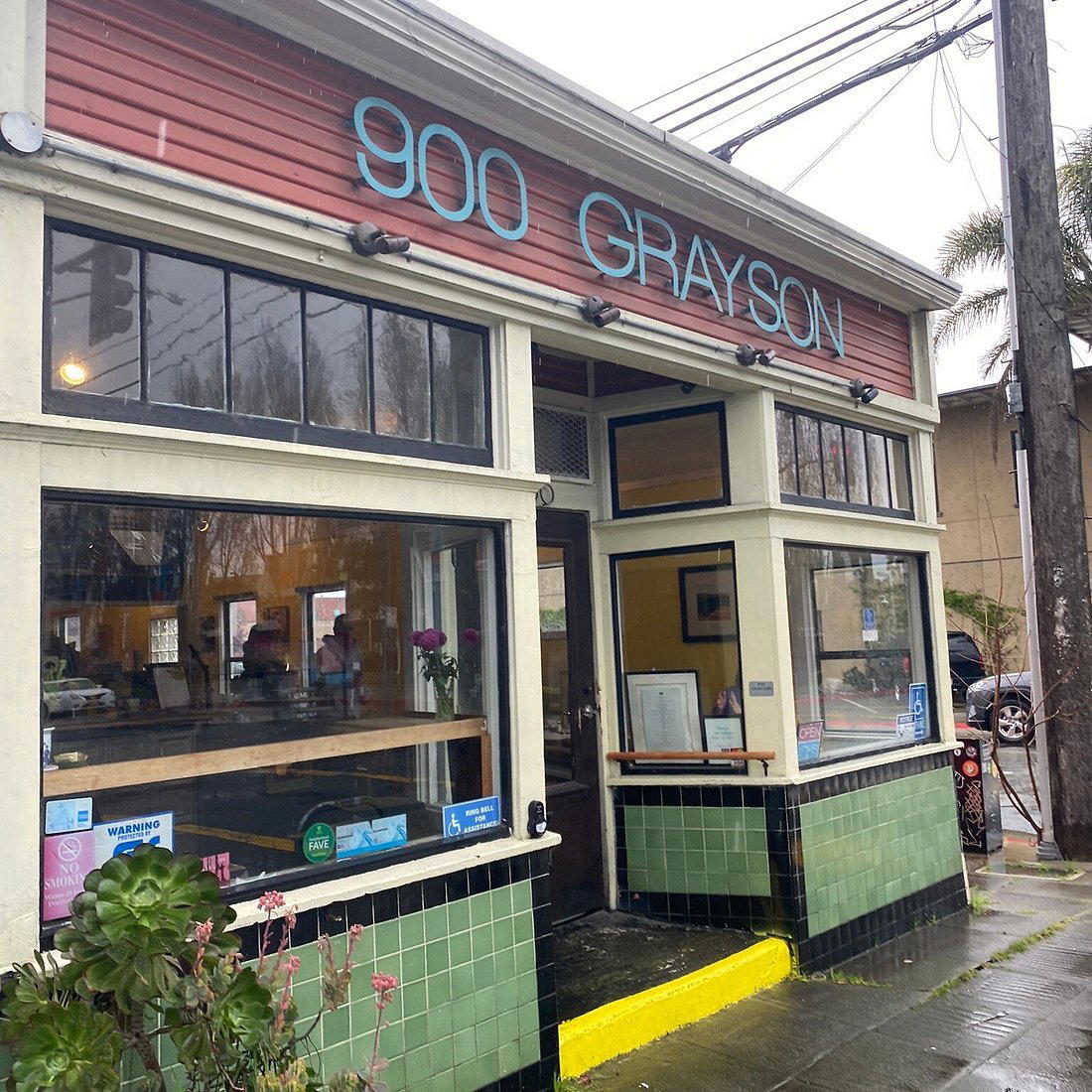
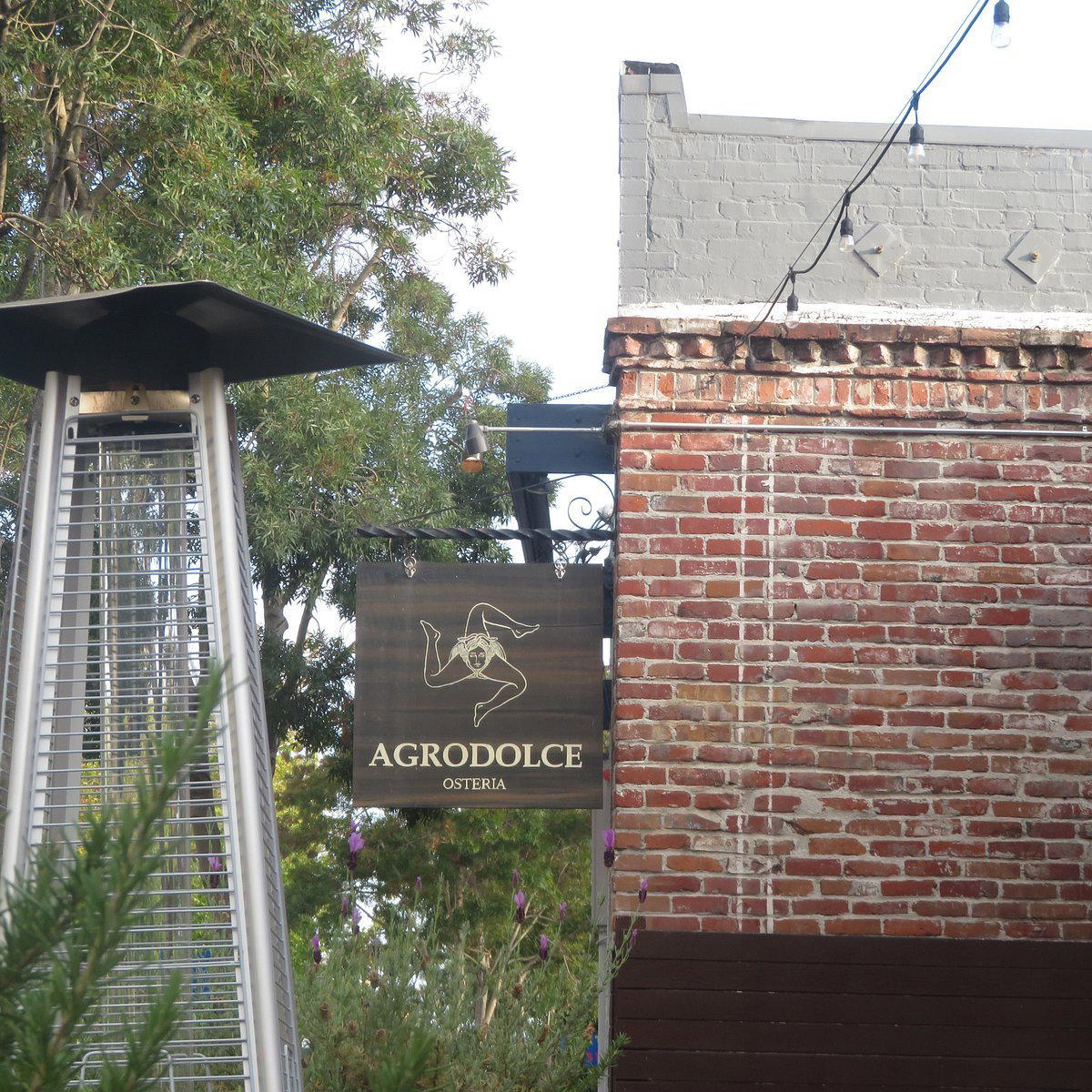
Blue Willow Tea sits within that broader Berkeley pattern of independent places built around a specific point of view. The city’s restaurant range runs from daytime institutions such as 900 Grayson to regional Italian at Agrodolce, North Indian cooking at Ajanta, Japanese dining at AKEMI, and Southern-inflected comfort food at Angeline's Louisiana Kitchen. A tea specialist occupies a different lane, but the governing idea is familiar: focus beats sprawl when the product has enough depth to support scrutiny.
The useful comparison is not to another named tea room, but to the way Berkeley eats. This is a city where casual settings can carry serious intent, and where the line between shop, classroom, café, and tasting room often blurs. Tea benefits from that ambiguity. It does not need a formal dining room to justify close attention, and it does not require a bar program’s theatrical machinery to make terroir legible. The format rewards patience, repetition, and small differences.
A slower format in a city that already understands provenance
For travelers, the appeal is partly corrective. Berkeley meals can become a tour of neighborhoods, cuisines, and long-running local habits; a tea stop compresses the city’s sourcing ethic into a quieter interval. The experience is less about occasion dining than calibration. After a restaurant-heavy itinerary, tea resets the palate and shifts attention from richness to extraction, aroma, texture, and finish, all without requiring a multi-course commitment.
That makes Blue Willow Tea especially relevant for visitors who want to understand Berkeley beyond the usual restaurant checklist. The city’s food identity was shaped by Northern California produce culture, independent operators, and a clientele that tends to notice sourcing language. Tea belongs in that discussion because it is one of the clearest tests of how much a venue trusts its raw material. When the format is minimal, the leaf has to carry the argument.
Use it as part of a wider Berkeley itinerary rather than a substitute for dinner. For broader planning, EP Club’s city guides map the surrounding scene across Berkeley restaurants, Berkeley hotels, Berkeley bars, Berkeley wineries, and Berkeley experiences. Readers building a West Coast food route can also place Berkeley’s ingredient-first temperament alongside sake and Japanese drinking culture at Jōdo Saké Bar in Los Angeles, rice-focused casual dining at Onigiri Time in Pasadena, Portland’s informal Mexican cooking at ¿Por Qué No? in Portland, plant-based Hawaiian cooking at 'Ai Love Nalo in Waimanalo Beach, Hawaiian-Californian cooking at 'āina in San Francisco, resort dining at 'Ama 'Ama in Kapolei, beef sukiyaki tradition at -Grilled beef Sukiyaki- KAMAKURA TANUKIAN 鎌倉 たぬき庵 in Kamakura, and Los Angeles Mexican cooking at ¡Salud! in Los Angeles.
How to read the experience
The right expectation is important. This is not the Berkeley stop for spectacle, chef mythology, or a trophy reservation. Its value lies in a narrower discipline: slowing down enough to let sourcing and preparation carry the experience. For travelers who usually read a city through restaurants, Blue Willow Tea offers a different grammar. It treats leaves as ingredients with origin and handling, not as background beverage service, and that distinction is exactly why it belongs in a serious Berkeley food itinerary.
Frequently asked questions
Is Blue Willow Tea good for families?
Blue Willow Tea in Berkeley can work for families that want a quieter stop rather than a full meal. The address is 1200 Tenth St, Berkeley, CA, which makes it easy to place on a low-key city outing.
Is Blue Willow Tea formal or casual?
The setting reads as casual rather than formal. Blue Willow Tea is a tea venue in Berkeley, not a fine-dining room, and the address at 1200 Tenth St suggests an everyday city stop.
What's the address for Blue Willow Tea?
Blue Willow Tea is located in Berkeley.
Should I book Blue Willow Tea in advance?
Advance planning makes sense if the visit needs to fit a tighter Berkeley itinerary, especially because no hours are listed. With only the address available, Blue Willow Tea at 1200 Tenth St is easier to treat as a flexible tea stop than a fixed reservation meal.
What is Blue Willow Tea known for?
Blue Willow Tea is known as a tea-focused address in Berkeley rather than a chef-driven restaurant. The clearest anchor is the venue itself: Blue Willow Tea at 1200 Tenth St, Berkeley, CA.
Can Blue Willow Tea accommodate dietary restrictions?
No menu or service details are listed for Blue Willow Tea, so specific dietary handling can change from the public record. For Berkeley visitors with restrictions, the practical approach is to verify directly before going to 1200 Tenth St. Check the venue's official channels for the latest details.
How It Compares
Comparable venues nearby, for context on price, style, and recognition.
| Venue | Cuisine | Price | Notes |
|---|---|---|---|
| Blue Willow TeaThis venue — the venue you are viewing | Specialty Tea House & Café | $10–20 | Not listed |
| Norikonoko Japanese Restaurant | Homestyle Japanese | Not listed | Telegraph |
| La Note | Provençal Bistro | $20–30 | Downtown |
| Spoon Korean Bistro | Korean Comfort Food | $20–30 | Southwest Berkeley |
| Nudi Blue | Raw Bar Tea House | Not listed | West Berkeley |
| Wikiwiki Hawaiian BBQ | Hawaiian BBQ | $10–20 | Downtown |
Continue exploring
More in Berkeley
Restaurants in Berkeley
Browse all →

Bars in Berkeley
Browse all →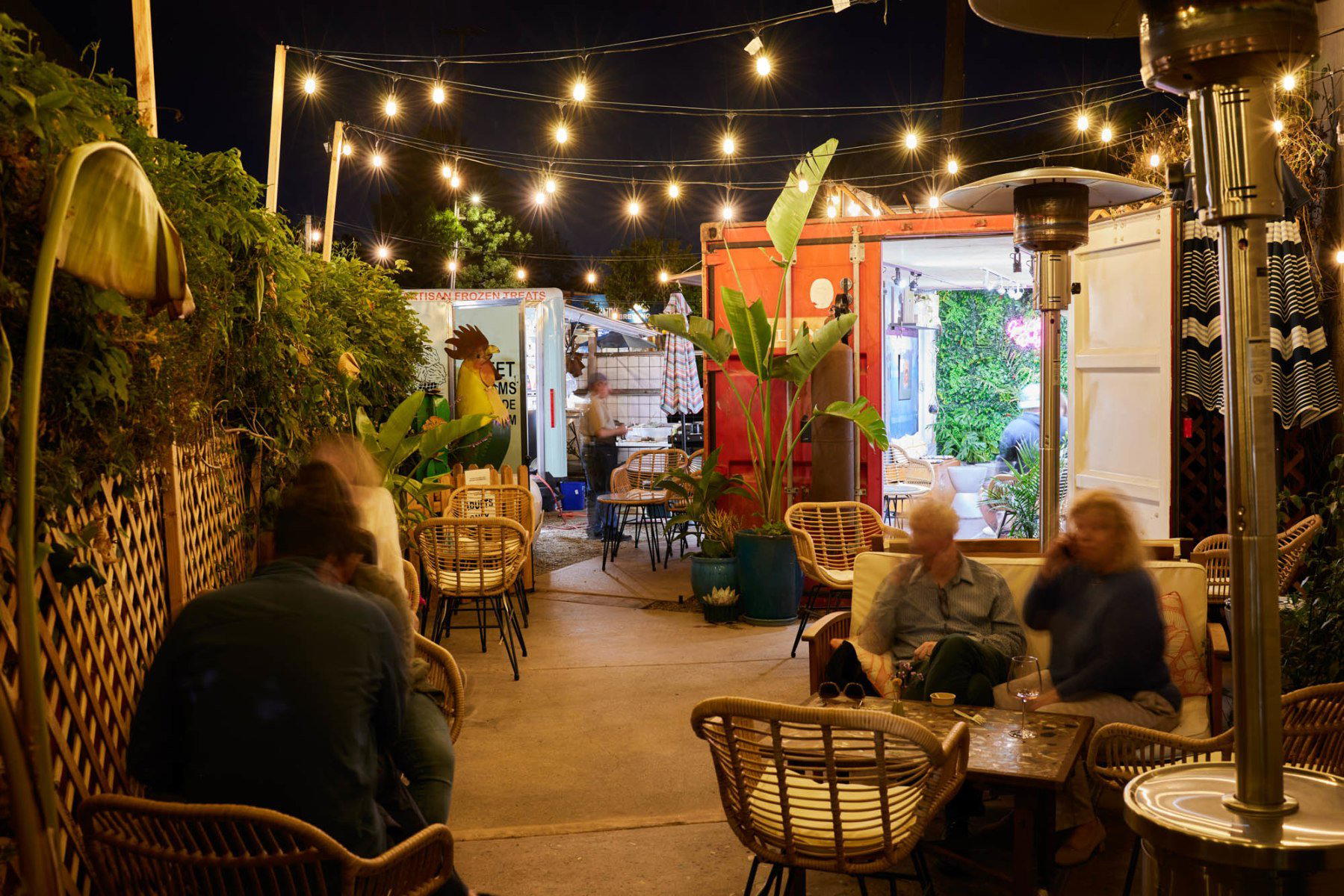
Hotels in Berkeley
Browse all →
Wineries in Berkeley
Browse all →
Details
- Quiet
- Cozy
- Modern
- Solo
- Casual Hangout
- After Work
- Group Dining
- Design Destination
- Standalone
- Private Dining
- Local Sourcing
- Sustainable Seafood
- A La Carte
- Counter Dining
- Tea
- Matcha
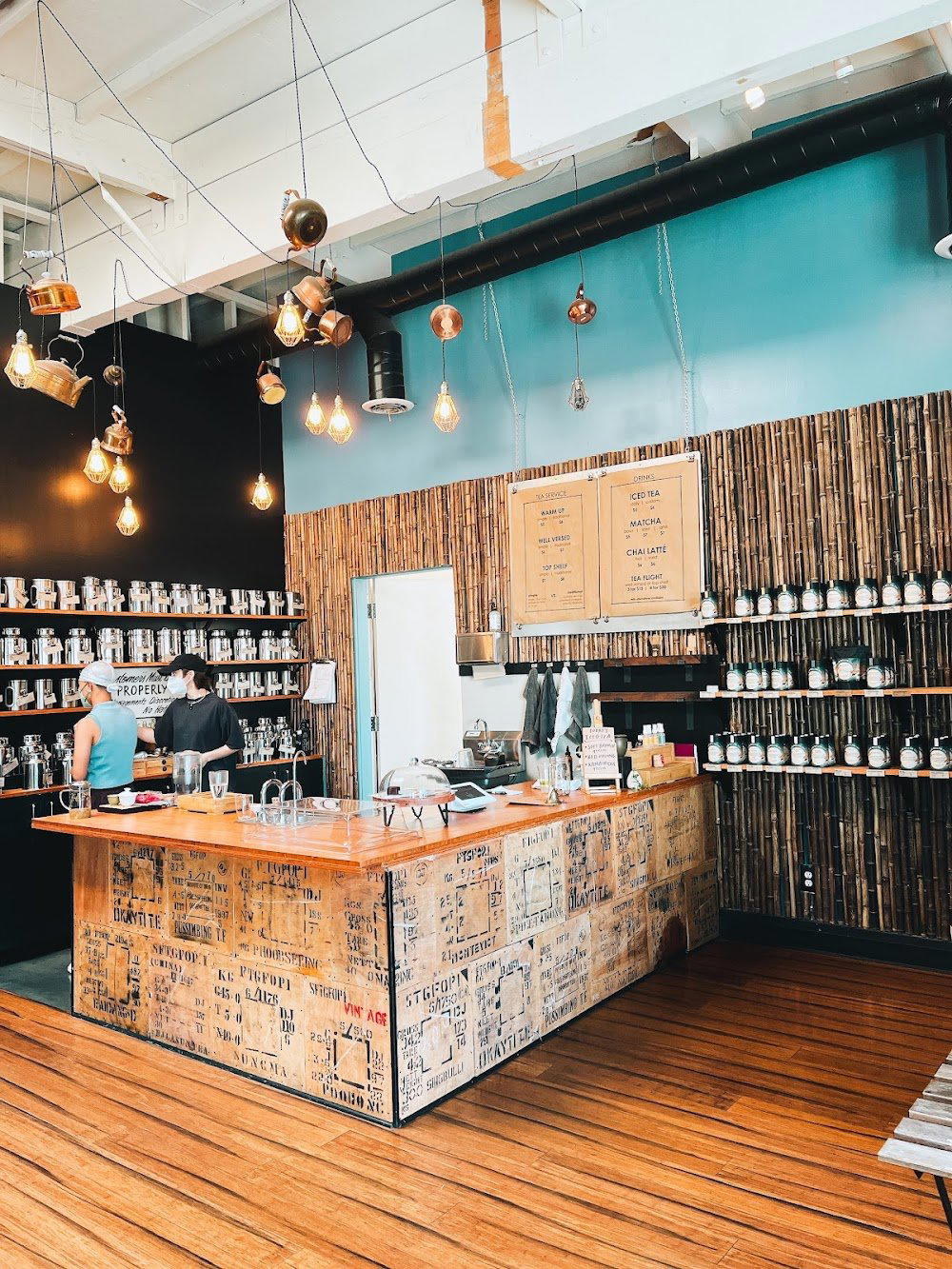
Calm, light-filled teahouse with a strong Asian, sustainable, do‑it‑yourself aesthetic, featuring thoughtfully designed tea stations, indoor and outdoor seating, and an intimate back tearoom for Japanese tea ceremonies.